
Incoloy 825 Bar Price | UNS N08825 Supplier
Incoloy 825 bar price depends on the nickel-based alloy composition, bar dimensions, manufacturing route, heat-treatment condition, surface finish, in...
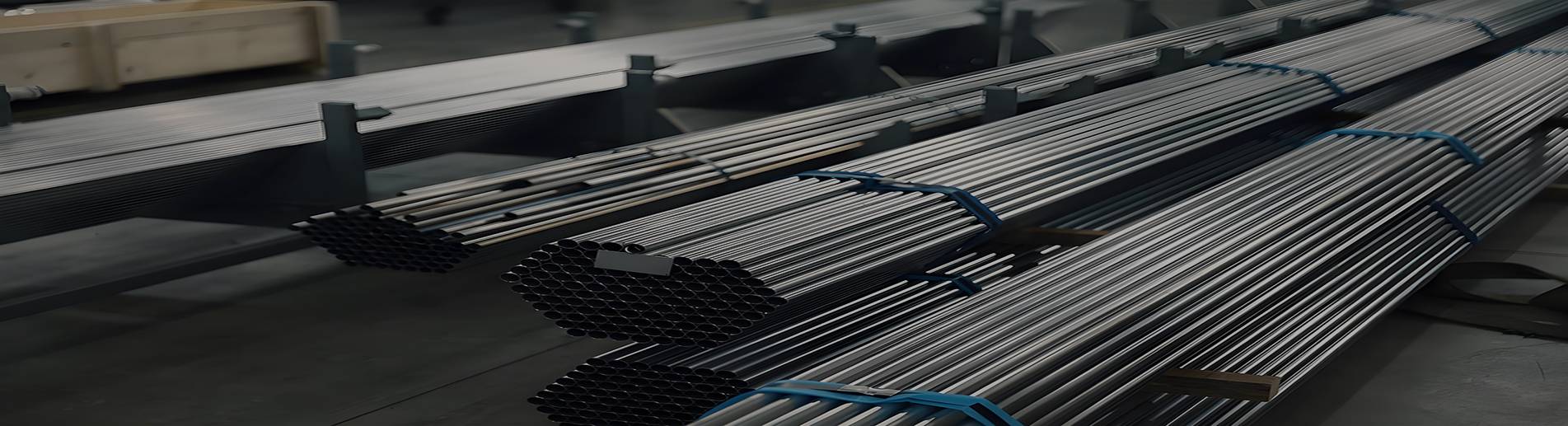
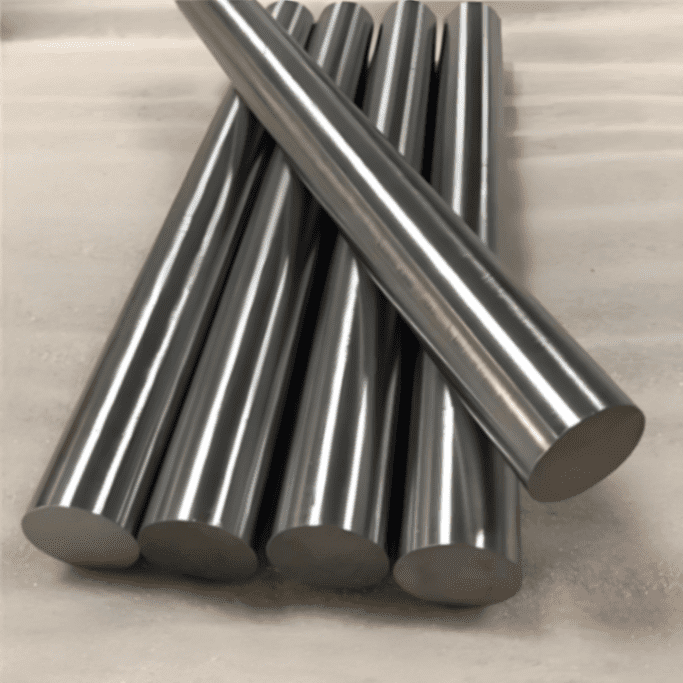
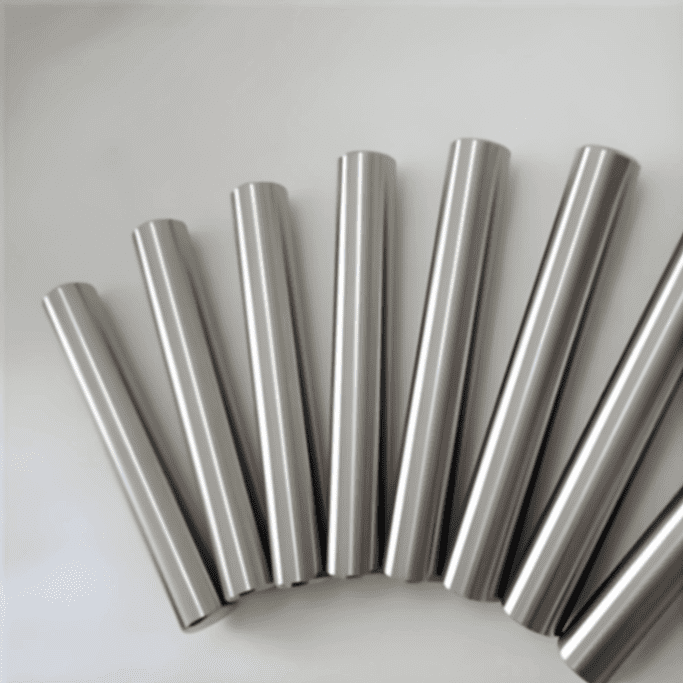
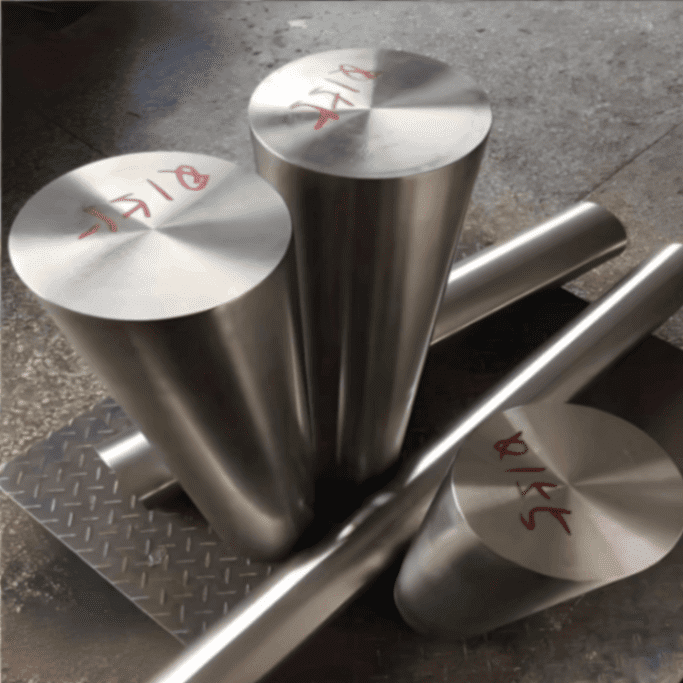
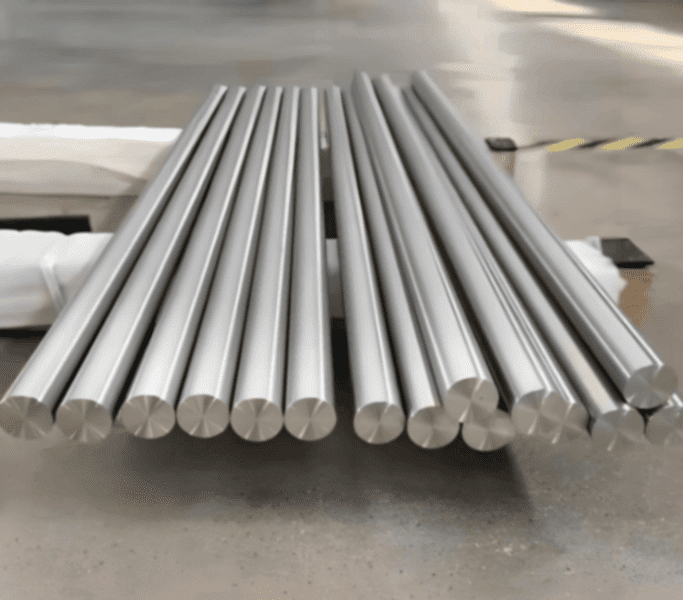
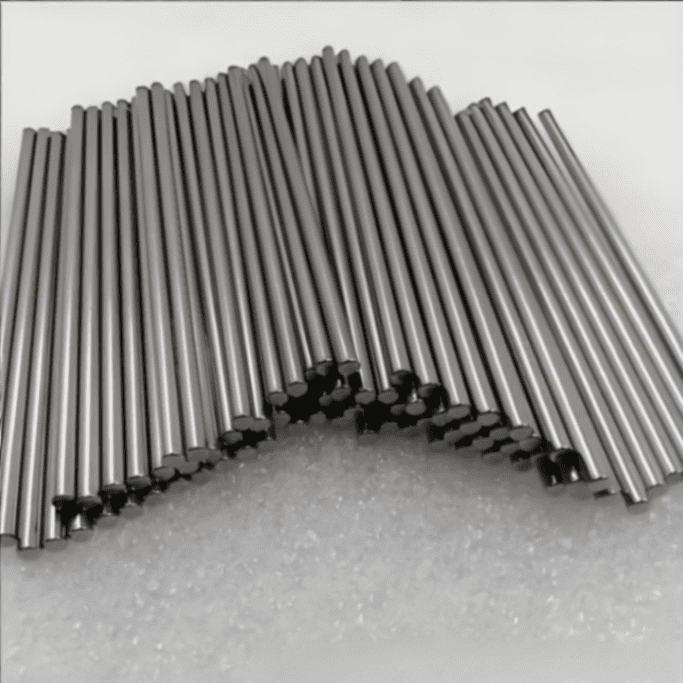
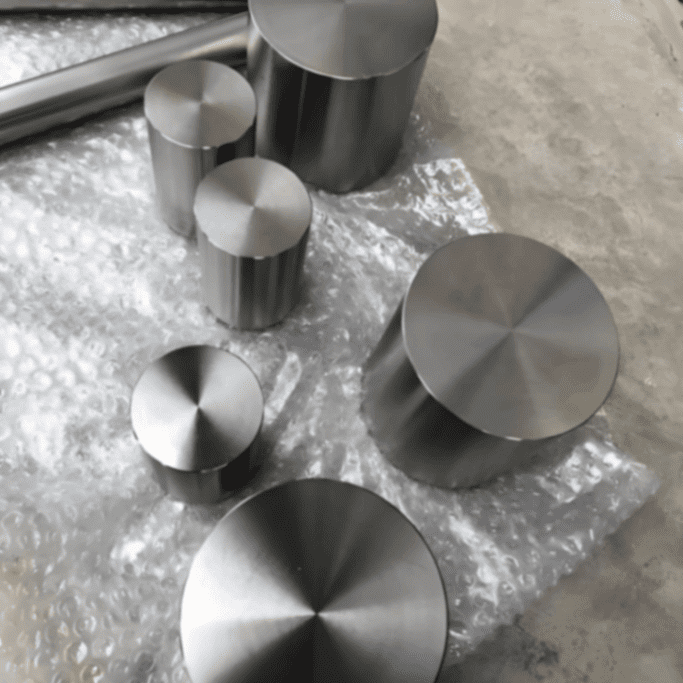
Nimonic 80A bar is a nickel-chromium age-hardenable alloy bar designed for high-temperature strength, creep resistance, oxidation resistance, and reliable performance in hot dynamic service. It is commonly identified as UNS N07080, Alloy 80A, W.Nr. 2.4952, W.Nr. 2.4631, and NiCr20TiAl. The material properties of Nimonic 80A bar are mainly controlled by its nickel-chromium base, titanium and aluminum precipitation strengthening, carbon-controlled carbide behavior, and proper heat treatment condition. For engineers and buyers, Nimonic 80A bar material properties should be reviewed from chemical composition, density, melting range, thermal expansion, tensile strength, yield strength, elongation, hardness, age-hardening response, service temperature, oxidation resistance, creep resistance, machinability, formability, welding behavior, and final application requirements.
Nimonic 80A bar is used where ordinary stainless steel, carbon steel, and many general nickel alloys cannot maintain enough strength at elevated temperature. It is not only a corrosion-resistant nickel alloy; it is a high-temperature age-hardenable alloy developed for components working under heat, stress, vibration, oxidation, and long-term loading.
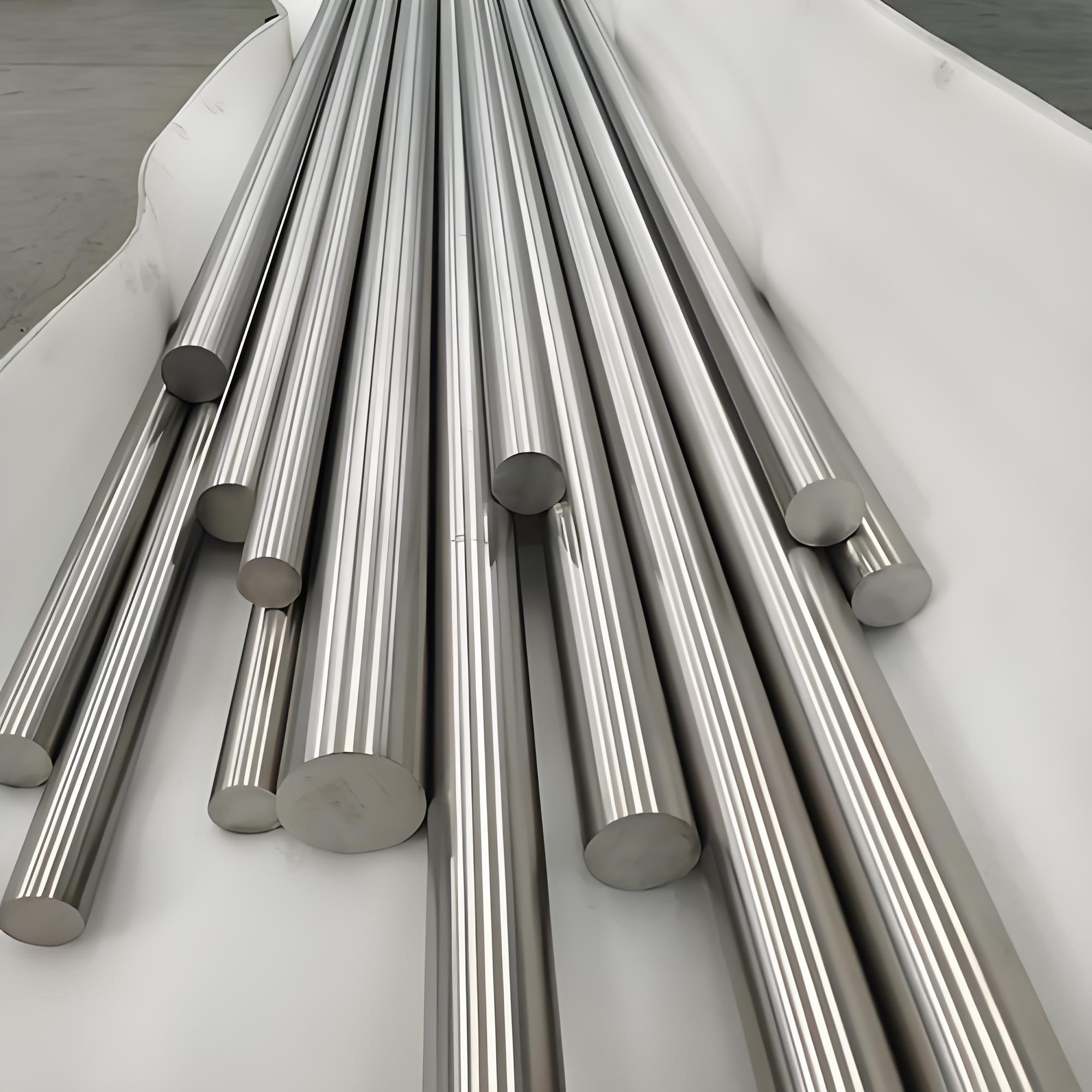
The key material property of Nimonic 80A bar is its ability to maintain useful mechanical strength at high temperature. This is why it is widely used for gas turbine components, high-temperature fasteners, springs, rings, discs, exhaust valves, nuclear boiler tube supports, and other hot-service parts. In bar form, it is often machined into bolts, studs, shafts, pins, rods, rings, valve parts, and spring-related components.
| Property Category | Nimonic 80A Bar Performance | Practical Meaning |
|---|---|---|
| Alloy Type | Nickel-chromium age-hardenable alloy | Suitable for high-temperature strength applications |
| Main Strengthening Elements | Titanium, aluminum, and carbon | Creates precipitation hardening and creep strength |
| Density | About 8.19 g/cm³ | Used for bar weight and quotation calculation |
| Melting Range | About 1320-1365°C | Useful for thermal processing reference |
| Service Direction | High-temperature strength up to about 815°C in suitable applications | Used for turbine, spring, fastener, and hot-section parts |
| Heat Treatment | Solution treatment plus aging | Controls final strength, hardness, and creep resistance |
Nimonic 80A bar is commonly identified as UNS N07080. This designation is important because many nickel-based high-temperature alloys have similar names and similar appearance in bar form. Nimonic 80A, Nimonic 90, Nimonic 75, Inconel X-750, Inconel 718, and other superalloy bars can all look similar before machining, but their material properties and heat treatment requirements are different.
For international purchasing, the grade should be written clearly as Nimonic 80A / Alloy 80A / UNS N07080. If European material numbers are required, W.Nr. 2.4952 or W.Nr. 2.4631 may also appear on the drawing or certificate. The designation NiCr20TiAl may be used to describe its nickel-chromium-titanium-aluminum alloy type.
| Identification Item | Nimonic 80A Bar Reference |
|---|---|
| Common Name | Nimonic 80A / Alloy 80A |
| UNS Number | UNS N07080 |
| Werkstoff Number | 2.4952 / 2.4631 |
| EN-style Designation | NiCr20TiAl |
| Common Specification Reference | ASTM B637, BS HR 1, BS HR 601, BS 3076 NA 20, depending on product and project |
| Main Product Forms | Round bar, flat bar, hex bar, forging stock, wire, plate, sheet, extruded section |
Correct grade identification is important because Nimonic 80A is usually selected for parts where temperature and stress are both present. If the wrong nickel alloy is supplied, the part may not meet tensile strength, creep resistance, oxidation resistance, hardness, or heat treatment requirements. The MTC should clearly show the grade, UNS number, heat number, chemical composition, mechanical properties, heat treatment condition, and applicable standard.
The material properties of Nimonic 80A bar come directly from its chemical composition. It is mainly a nickel-chromium alloy strengthened by titanium, aluminum, and carbon. Chromium improves oxidation resistance, titanium and aluminum form age-hardening precipitates, and carbon contributes to carbide behavior and high-temperature performance.
| Element | Typical Range / Limit | Function in Nimonic 80A Bar |
|---|---|---|
| Nickel (Ni) | Balance | Base matrix for high-temperature stability and corrosion resistance |
| Chromium (Cr) | 18.0% – 21.0% | Improves oxidation resistance and hot gas performance |
| Titanium (Ti) | 1.80% – 2.70% | Main precipitation-hardening element |
| Aluminum (Al) | 1.00% – 1.80% | Works with titanium for age hardening |
| Carbon (C) | 0.04% – 0.10% | Supports carbide behavior and high-temperature strength |
| Iron (Fe) | 3.00% max | Controlled residual element |
| Cobalt (Co) | 2.00% max | Controlled minor element |
| Manganese (Mn) | 1.00% max | Controlled processing-related element |
| Silicon (Si) | 1.00% max | Controlled residual and deoxidation-related element |
| Copper (Cu) | 0.20% max | Controlled residual element |
| Sulfur (S) | 0.015% max | Kept low for hot workability and quality |
| Boron (B) | 0.008% max | Trace element affecting high-temperature grain boundary behavior |
Nickel provides the stable base matrix. Chromium helps the alloy resist oxidation and scaling. Titanium and aluminum make the alloy age hardenable, so the bar can develop high strength after heat treatment. Carbon and trace elements influence grain boundary behavior, creep resistance, and hot workability. This is why chemical composition should be checked carefully before using Nimonic 80A bar in high-temperature applications.
The physical properties of Nimonic 80A bar are important for weight calculation, thermal design, machining planning, heat treatment, and high-temperature component design. Buyers often pay attention to density because nickel alloy bars are usually sold by weight. Engineers may also review melting range, thermal expansion, thermal conductivity, and electrical resistivity when designing hot-section components.
| Physical Property | Typical Value | Practical Meaning |
|---|---|---|
| Density | About 8.19 g/cm³ | Used for weight, quotation, and shipping calculation |
| Melting Range | About 1320-1365°C | Useful for thermal processing and heat exposure reference |
| Magnetic Permeability | About 1.0006 | Useful for applications sensitive to magnetic behavior |
| Specific Heat Capacity at 20°C | About 448 J/kg·K | Useful for thermal calculation |
| Thermal Conductivity at 20°C | About 11.2 W/m·K | Important for heat transfer and temperature gradient design |
For buyers, density is especially useful because it helps estimate theoretical weight. For example, a larger diameter Nimonic 80A round bar can become very expensive because both the alloy value and total weight are high. For engineers, thermal expansion and thermal conductivity are important when Nimonic 80A bar is used for rings, fasteners, rods, or components assembled with other alloys at elevated temperature.
The density of Nimonic 80A bar is about 8.19 g/cm³. This value is slightly lower than some heavier nickel-cobalt alloys but still much higher than carbon steel or aluminum alloys. It is used for calculating theoretical round bar weight, freight cost, machining blank weight, and material consumption.
For round bar orders, weight depends on diameter, length, and density. Even a small increase in diameter can significantly increase total weight. This is important when quoting Nimonic 80A bar because nickel-based superalloy material cost is high.
Nimonic 80A has a melting range of about 1320-1365°C. This does not mean the alloy can be used continuously near its melting range. Service temperature is much lower and depends on mechanical load, creep requirement, oxidation condition, heat treatment, and component design.
The coefficient of thermal expansion of Nimonic 80A increases as temperature rises. This means high-temperature assemblies must consider expansion mismatch between Nimonic 80A and other materials. In fasteners, rings, shafts, and hot-section assemblies, thermal expansion can affect preload, clearance, sealing, and dimensional stability.
| Temperature Reference | Typical Thermal Expansion Trend | Design Meaning |
|---|---|---|
| 20°C to 100°C | About 12.7 μm/m·K | Low-temperature thermal expansion reference |
| 20°C to 400°C | About 14.1 μm/m·K | Useful for moderate-temperature assemblies |
| 20°C to 700°C | About 15.5 μm/m·K | Important for hot fasteners and turbine hardware |
| 20°C to 800°C | About 16.2 μm/m·K | Relevant for high-temperature design near common service range |
The mechanical properties of Nimonic 80A bar depend strongly on product form, diameter, melting route, hot working process, heat treatment condition, and testing temperature. A solution-treated bar and a fully aged bar can show very different mechanical properties. Therefore, buyers should not evaluate Nimonic 80A bar only by general property tables; the actual MTC and required standard must be reviewed.
Nimonic 80A bar provides high tensile strength, good yield strength, useful ductility, and strong creep-rupture performance after suitable heat treatment. It is not selected because it is easy to machine or low cost. It is selected because it can retain strength in hot service where ordinary alloys lose load-bearing capacity.
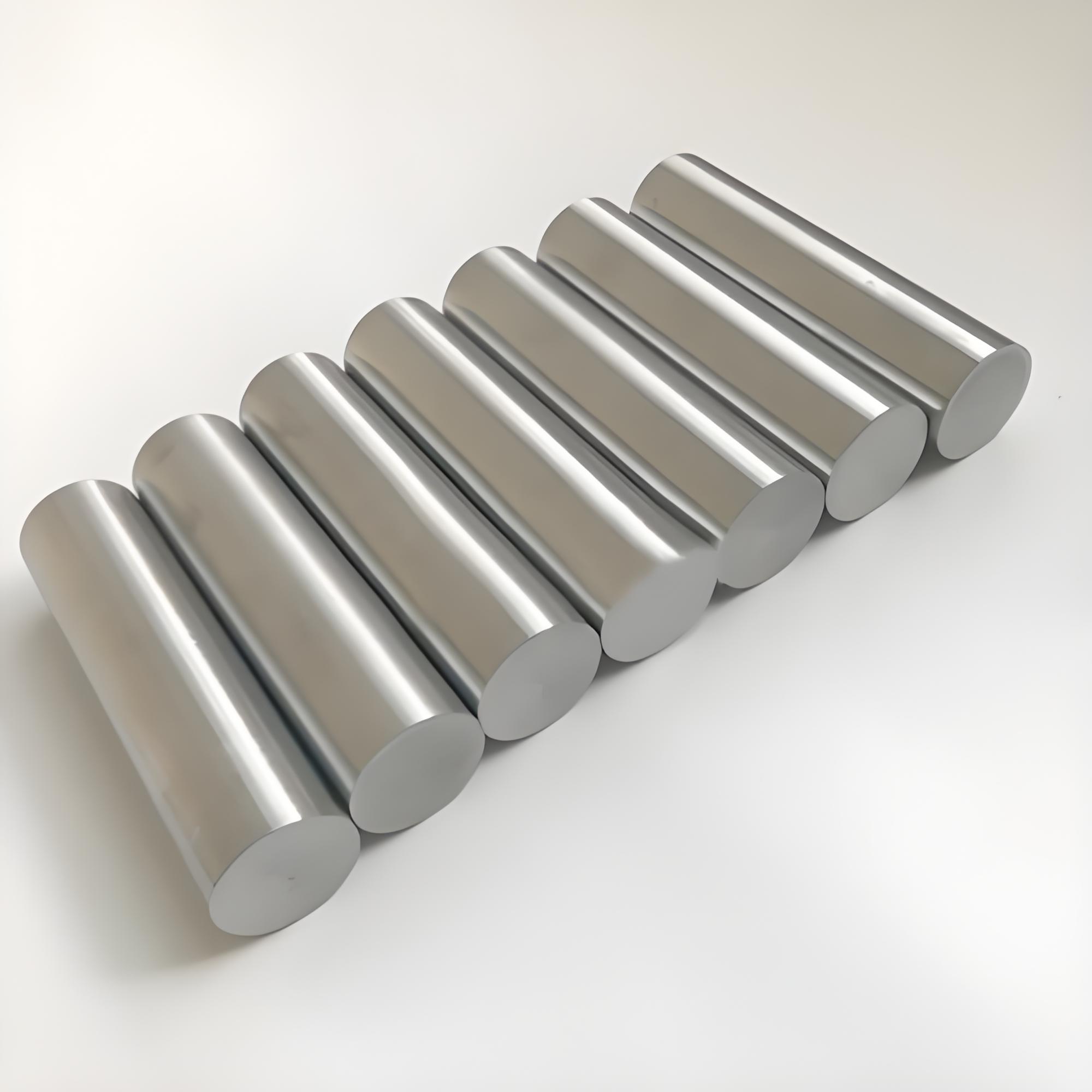
| Mechanical Property | General Performance | Practical Meaning |
|---|---|---|
| Tensile Strength | High after proper aging treatment | Important for fasteners, rings, rods, and turbine parts |
| Yield Strength | High resistance to permanent deformation | Important for loaded hot-section components |
| Elongation | Depends on heat treatment and product form | Shows ductility and fabrication reliability |
| Hardness | High in fully heat-treated condition | Affects machining and wear behavior |
| Creep Resistance | Good in elevated-temperature service | Important for long-term load under heat |
| Stress-Rupture Properties | Important design property for hot components | Should be checked when required by specification |
Nimonic 80A is often used in critical applications. The actual tensile strength, yield strength, elongation, hardness, and heat treatment condition should be confirmed from the MTC. If the part is used in aerospace, turbine, nuclear, or high-temperature fastening service, additional stress-rupture or creep property verification may be required.
Tensile strength, yield strength, and elongation are the most commonly reviewed mechanical properties for Nimonic 80A bar. These values describe how the bar behaves under load, but they must always be tied to condition and temperature. Nimonic 80A is designed to maintain useful strength at elevated temperature, so room-temperature tensile values alone cannot fully describe its performance.
| Property | Typical Performance Direction | Notes for Buyers |
|---|---|---|
| Tensile Strength | High strength after aging | Check according to ASTM B637, BS HR, or customer specification |
| 0.2% Proof / Yield Strength | High deformation resistance after heat treatment | Important for bolts, studs, springs, rings, and shafts |
| Elongation | Moderate to good depending on condition | Important for machining, forming, and assembly reliability |
| Reduction of Area | May be required for critical specifications | Useful for ductility assessment |
As temperature increases, yield strength and tensile strength generally decrease, while creep and stress-rupture behavior become more important. This is why high-temperature alloy selection should not be based only on room-temperature strength. For components working near 650°C, 700°C, or 815°C, the designer should consider long-term stress, creep deformation, oxidation, and relaxation behavior.
Hardness is an important property for Nimonic 80A bar because it reflects heat treatment condition and affects machining difficulty. In fully heat-treated condition, Nimonic 80A may have hardness around 250-350 HV. This hardness level gives good high-temperature strength but also makes machining more demanding.
Nimonic 80A should generally be machined in the fully heat-treated condition when required by the recommended practice. Because the material is relatively hard in this condition, rigid machines, sharp tools, controlled cutting speed, stable feed, and sufficient coolant are important. If the tool rubs instead of cutting, work hardening and tool wear may increase quickly.
For fasteners, springs, rings, and turbine-related parts, hardness is not only a machining concern. It also reflects whether the heat treatment has produced the intended strength. If hardness is too low, the bar may not have developed enough aged strength. If hardness is too high, ductility and machining behavior should be reviewed.
| Condition | General Hardness Behavior | Practical Meaning |
|---|---|---|
| Solution Treated | Lower strength than aged condition | May be easier for forming or intermediate processing |
| Age Hardened | Higher hardness and strength | Often used for final service condition |
| Fully Heat Treated | Often around 250-350 HV | Requires stricter machining techniques |
| Cold Worked and Aged | Can increase strength but may affect creep behavior | Should be used only when specified |
Age hardening is one of the most important material properties of Nimonic 80A bar. The alloy is strengthened mainly by precipitation hardening from titanium and aluminum additions. After solution treatment and aging, strengthening precipitates form in the nickel matrix and improve strength at room and elevated temperatures.
A commonly referenced heat treatment for extruded Nimonic 80A bar is solution treatment at about 1080°C for 8 hours followed by air cooling, then aging at about 700°C for 16 hours followed by air cooling. For some cold-stretched or special conditions, an additional stabilizing treatment may be used. Final heat treatment should always follow the required standard or customer drawing.
| Heat Treatment Step | Common Reference Condition | Purpose |
|---|---|---|
| Solution Treatment | 1080°C for 8 hours, air cool | Dissolves strengthening elements and prepares the matrix |
| Aging Treatment | 700°C for 16 hours, air cool | Develops precipitation hardening and final strength |
| Stabilizing Treatment | May be used in some cold-stretched conditions | Controls structure for specific property requirements |
For Nimonic 80A bar, correct chemistry alone is not enough. If heat treatment is incorrect, the material may not achieve the expected tensile strength, hardness, creep resistance, or stress-rupture properties. Buyers should check whether the bar is supplied solution treated, aged, fully heat treated, cold worked and aged, or in another customer-specified condition.
Nimonic 80A bar is developed for high-temperature service up to about 815°C in suitable applications. This temperature reference does not mean every Nimonic 80A part can work at 815°C under any load. Actual service limit depends on stress level, exposure time, oxidation condition, component design, safety factor, and heat treatment condition.
The high-temperature strength of Nimonic 80A comes from its nickel-chromium matrix and titanium-aluminum precipitation strengthening. This combination allows the alloy to maintain strength better than many stainless steels and non-age-hardenable nickel alloys at elevated temperatures.
A part working at 815°C under low stress is different from a highly loaded fastener working at the same temperature. Creep, stress relaxation, and oxidation become more important as temperature and time increase. For hot fasteners and springs, relaxation resistance may be just as important as tensile strength.
| Service Factor | Effect on Nimonic 80A Bar Selection |
|---|---|
| Temperature | Higher temperature increases creep, oxidation, and relaxation concerns |
| Stress Level | Higher stress requires stronger creep and rupture resistance |
| Exposure Time | Long-term service requires creep and stress-rupture evaluation |
| Thermal Cycling | Repeated heating and cooling may affect oxidation scale and fatigue behavior |
| Heat Treatment | Controls final strength and property balance |
Nimonic 80A bar has good oxidation resistance because of its chromium content. Chromium helps form a protective oxide scale on the alloy surface during high-temperature exposure. This is important for hot gas, turbine, exhaust valve, combustion, and furnace-related service.
Oxidation resistance helps protect the alloy surface from scaling and metal loss. In high-temperature service, oxidation can reduce section thickness, damage surface finish, and create stress concentration points. Nimonic 80A is often used where both strength and oxidation resistance are required.
Thermal cycling means repeated heating and cooling. In real service, parts may not stay at one constant temperature. Gas turbine parts, exhaust valves, die casting inserts, and hot fasteners may experience frequent temperature changes. The protective oxide scale must remain stable enough to avoid severe spalling, cracking, or accelerated oxidation.
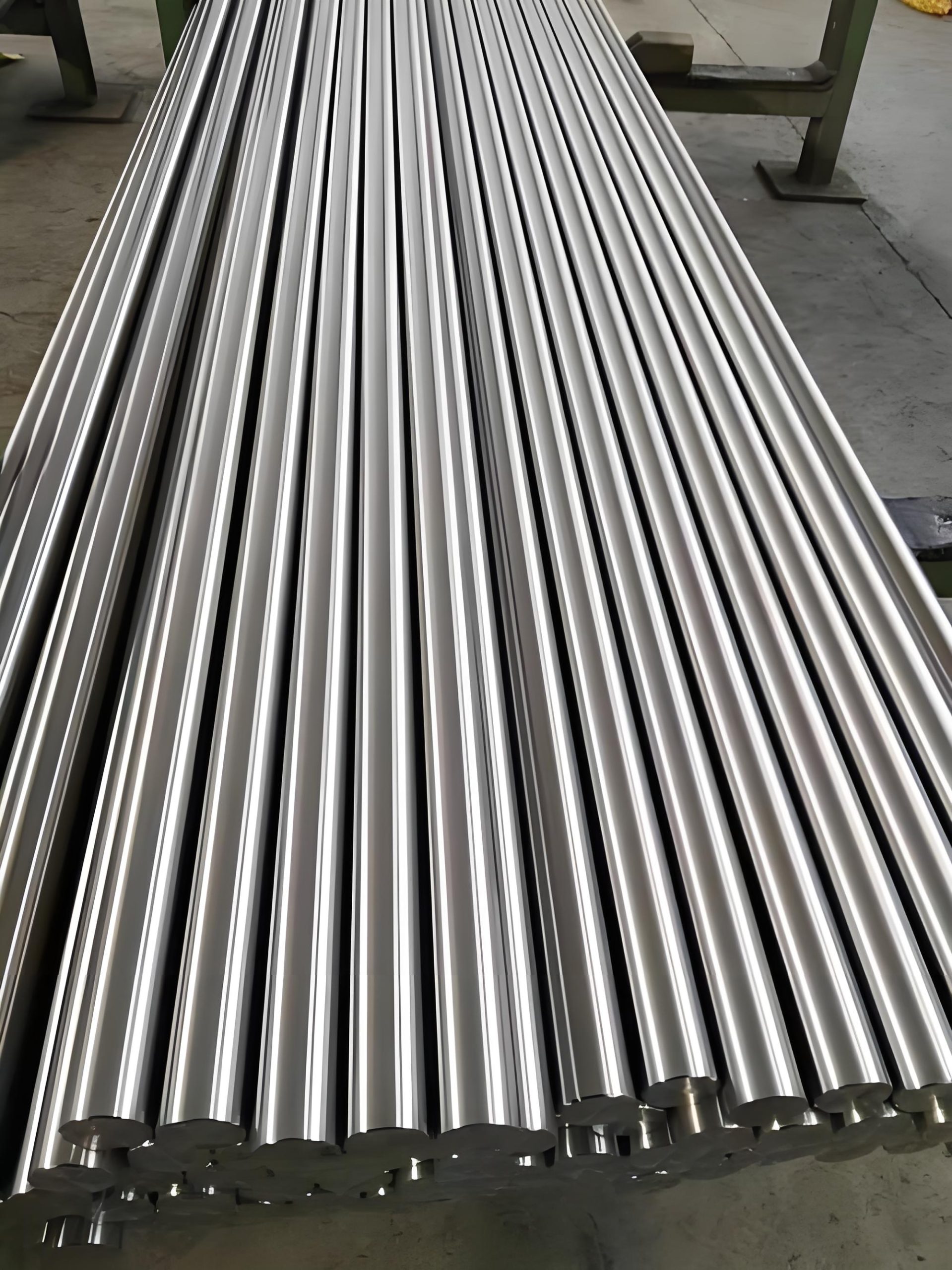
Surface finish, machining marks, embedded iron contamination, grinding burns, and surface defects can influence oxidation performance. For high-temperature components, final surface cleaning and inspection are important after machining.
| Oxidation Factor | Nimonic 80A Performance Meaning |
|---|---|
| Chromium Content | Supports protective oxide formation |
| Nickel Matrix | Provides high-temperature base stability |
| Thermal Cycling | Requires stable surface scale and good design control |
| Surface Quality | Clean, smooth surfaces improve service reliability |
Creep resistance and stress rupture properties are central to Nimonic 80A bar material selection. Creep is slow deformation under stress at elevated temperature. Stress rupture refers to failure after a certain time under constant stress and temperature. These properties are especially important for gas turbine components, springs, rings, hot fasteners, and exhaust valves.
At high temperature, a component may slowly deform even when the applied stress is below its room-temperature yield strength. This is why creep resistance is critical for long-term service. For example, a high-temperature bolt may lose clamping force, a spring may relax, and a ring may lose dimensional accuracy if creep or relaxation resistance is insufficient.
Nimonic 80A resists creep through its nickel-chromium matrix, titanium-aluminum precipitation hardening, carbon-controlled microstructure, and correct heat treatment. The aged structure helps slow deformation under heat and stress. However, cold work after heat treatment may affect creep-resisting properties, so processing route should be controlled carefully.
For critical applications, stress rupture testing may be required by the specification. This test helps confirm that the material can survive a defined stress and temperature for a required time. Buyers should not assume all Nimonic 80A bars have the same stress rupture performance unless heat treatment and testing are confirmed.
| Property | Meaning | Where It Matters |
|---|---|---|
| Creep Resistance | Resistance to slow deformation under heat and load | Turbine parts, springs, hot fasteners, rings |
| Stress Rupture Strength | Resistance to failure after long-term stress at temperature | Aerospace, gas turbine, nuclear, exhaust valve applications |
| Stress Relaxation Resistance | Ability to maintain load or clamping force at temperature | Bolts, studs, springs, clamps, support parts |
| Aging Response | Development of strengthening precipitates | Controls final high-temperature performance |
Nimonic 80A bar can be machined, formed, and welded, but it requires proper process control. It is a high-temperature nickel alloy, so it should not be processed like carbon steel or common stainless steel. Its hardness, work-hardening tendency, and age-hardened structure make tooling and heat control important.
Nimonic 80A is usually machined in the fully heat-treated condition when required. The high hardness in this condition requires rigid equipment, sharp cutting tools, controlled cutting speed, stable feed, and good coolant. Tool rubbing should be avoided because it can increase work hardening and tool wear.
Formability depends on condition. Solution-treated material is easier to form than fully aged material. Cold working can be difficult because the alloy work hardens. Interstage annealing may be required for more demanding forming operations. For bar products, most forming-related issues appear when producing rings, special shapes, or components requiring deformation before final heat treatment.
Nimonic 80A can be welded using suitable processes and procedures, but thickness, heat input, and post-weld heat treatment matter. Thin sections can be welded more easily, while thicker sections may require more care because micro-fissuring can occur in the weld or heat-affected zone. Welding should be performed with proper cleaning, shielding, filler selection, and heat treatment planning.
| Processing Area | Performance of Nimonic 80A Bar | Practical Advice |
|---|---|---|
| Machining | Difficult compared with ordinary steel | Use rigid setup, sharp tools, stable feed, and coolant |
| Cold Working | Work hardens quickly | Use suitable condition and interstage annealing if needed |
| Hot Working | Possible in controlled temperature range | Process control is important to avoid cracking or poor structure |
| Welding | Possible with proper procedures | Clean surface, control heat input, consider post-weld heat treatment |
| Heat Treatment | Essential for final properties | Confirm solution and aging condition before machining or use |
Nimonic 80A bar is selected based on its material properties rather than only its alloy name. It is useful when the final component needs a combination of high-temperature strength, oxidation resistance, age-hardening response, creep resistance, and stress relaxation resistance.
Nimonic 80A bar can be used for gas turbine blades, rings, discs, fasteners, and related hot-section parts depending on design and specification. Its high-temperature strength and oxidation resistance make it suitable for demanding thermal environments.
Bolts, studs, nuts, and threaded rods made from Nimonic 80A bar are used where clamping force must be maintained at elevated temperature. Stress relaxation and creep resistance are important for these applications.
Nimonic 80A bar and wire are used for springs and rings that must retain strength under heat. Age hardening improves strength, while the nickel-chromium base helps resist oxidation.
Nimonic 80A is used for automobile exhaust valves and hot engine-related parts because it can resist heat, oxidation, and mechanical loading better than ordinary alloys.
Nimonic 80A may be selected for nuclear boiler tube supports and other industrial hot-service support parts. In some nuclear applications, its relatively low cobalt content compared with certain other superalloys can be an important selection factor.
| Application | Required Material Property | Why Nimonic 80A Bar Is Used |
|---|---|---|
| Gas turbine rings and discs | High-temperature strength and oxidation resistance | Maintains strength in hot gas environments |
| High-temperature fasteners | Creep and stress relaxation resistance | Helps maintain clamping force at temperature |
| Springs | Strength retention and relaxation resistance | Suitable for dynamic hot-service loading |
| Exhaust valves | Oxidation resistance and fatigue strength | Performs under hot gas and cyclic loading |
| Nuclear boiler tube supports | High-temperature stability and controlled alloy chemistry | Used where long-term support reliability is required |
| Die casting inserts and cores | Hot strength and thermal fatigue resistance | Handles repeated heating and cooling cycles |
When choosing Nimonic 80A bar, buyers should confirm the exact application temperature, stress level, required service life, heat treatment condition, size, tolerance, surface condition, and inspection requirements. For critical high-temperature components, the purchase order should clearly state grade, UNS number, standard, heat treatment condition, MTC requirement, and any stress-rupture or creep testing requirement.
What is Nimonic 80A used for?
Nimonic 80A is used for gas turbine components, high-temperature fasteners, springs, rings, discs, exhaust valves, nuclear boiler tube supports, die casting inserts, hot rods, shafts, and other components requiring high-temperature strength, oxidation resistance, creep resistance, and age-hardened mechanical properties. It is selected when ordinary stainless steel or general nickel alloy cannot maintain enough strength under heat and stress.
What is the density of Nimonic 80A?
The density of Nimonic 80A is about 8.19 g/cm³. This value is important for calculating round bar weight, material cost, machining blank weight, and shipping weight. Since Nimonic 80A bar is a high-value nickel alloy product, accurate size and weight calculation are important before quotation and production.
What temperature can Nimonic 80A withstand?
Nimonic 80A is developed for service up to about 815°C in suitable applications. The actual working limit depends on stress level, exposure time, oxidation environment, creep requirement, heat treatment condition, and component design. For highly loaded parts such as springs, fasteners, rings, and turbine components, creep resistance and stress relaxation must be checked, not only the maximum temperature number.
More from this category
Incoloy 825 bar price depends on the nickel-based alloy composition, bar dimensions, manufacturing route, heat-treatment condition, surface finish, in...
Incoloy 800HT bar price is shaped by nickel, chromium, titanium, and aluminum raw-material costs, together with bar dimensions, heat-treatment conditi...
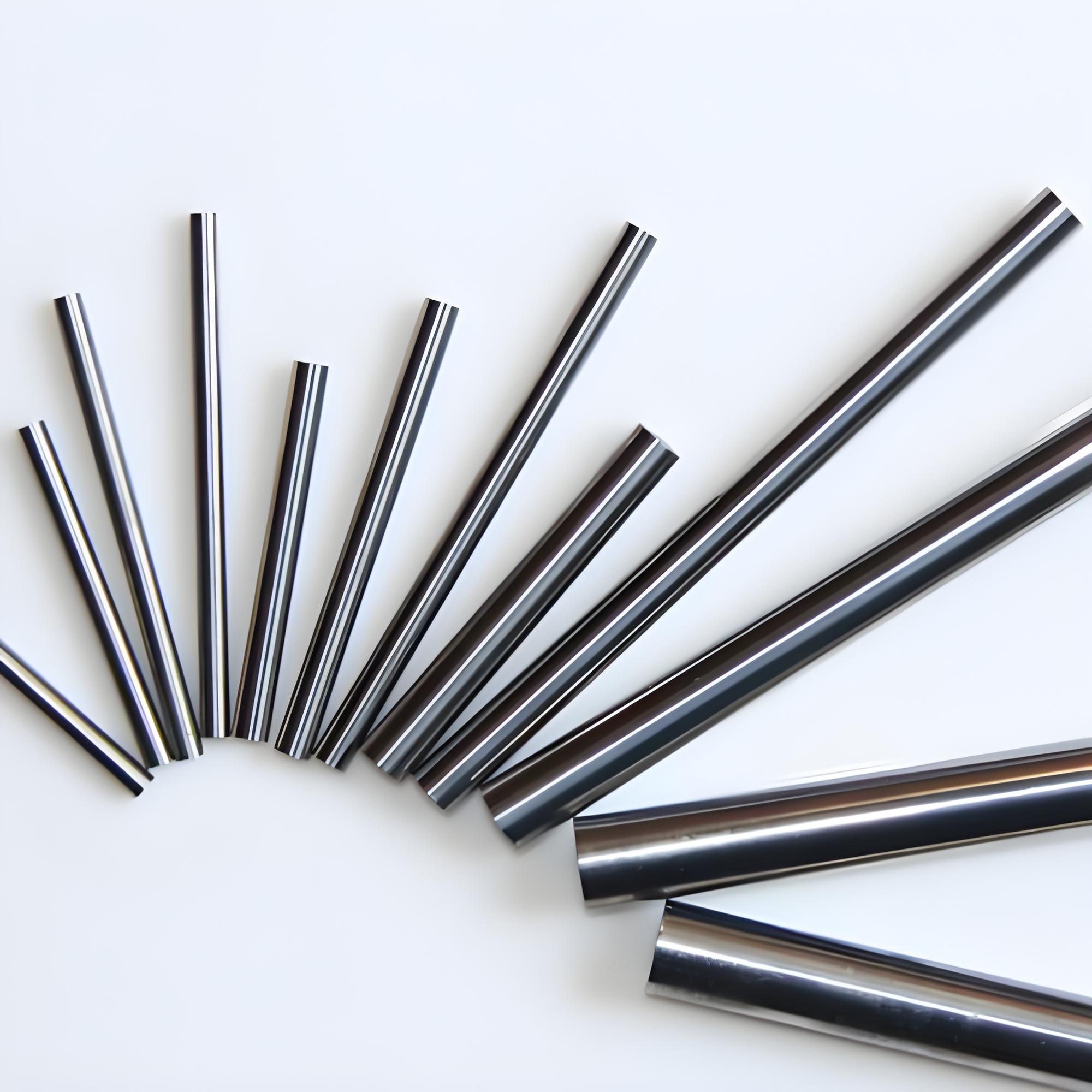
Incoloy 20 round bar price per kg depends on the alloy composition, bar size, manufacturing method, surface finish, tolerance, certificates, inspectio...
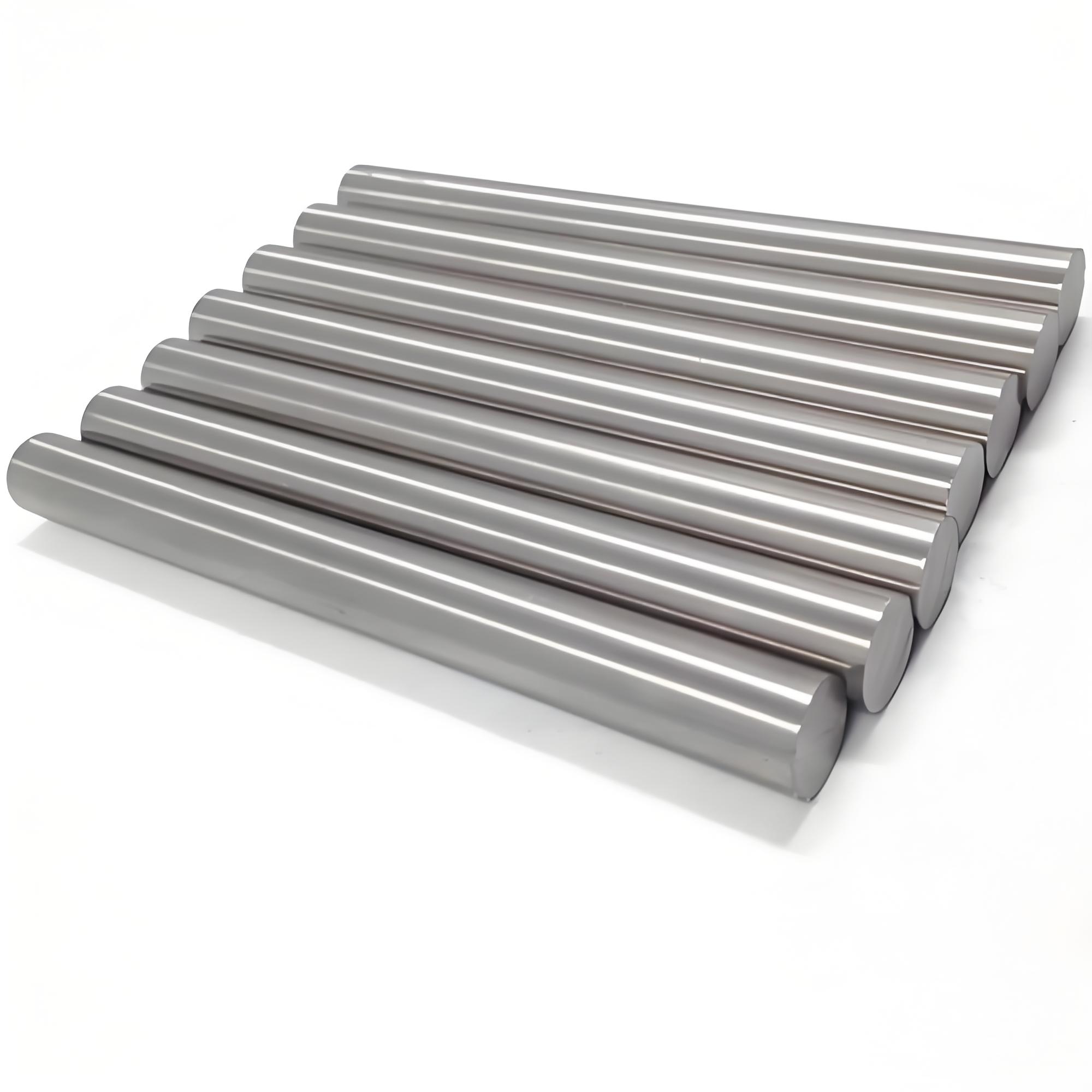
Hastelloy G-30 N06030 bar factory price is determined by the alloy’s high nickel, chromium, iron, molybdenum, copper, and tungsten content, together...
 English English
  Korean
 Arabic
 Spanish
 German
 Portuguese
 French
 Russian
 Italian
 Vietnamese