
Incoloy 825 Bar Price | UNS N08825 Supplier
Incoloy 825 bar price depends on the nickel-based alloy composition, bar dimensions, manufacturing route, heat-treatment condition, surface finish, in...
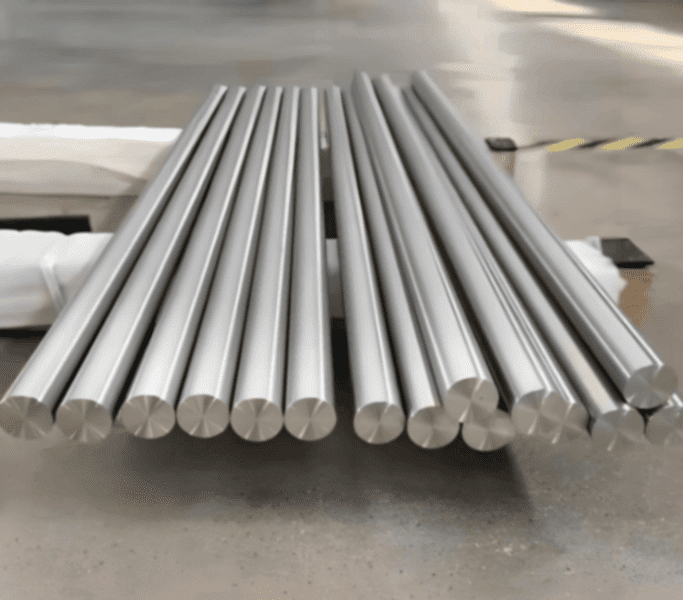
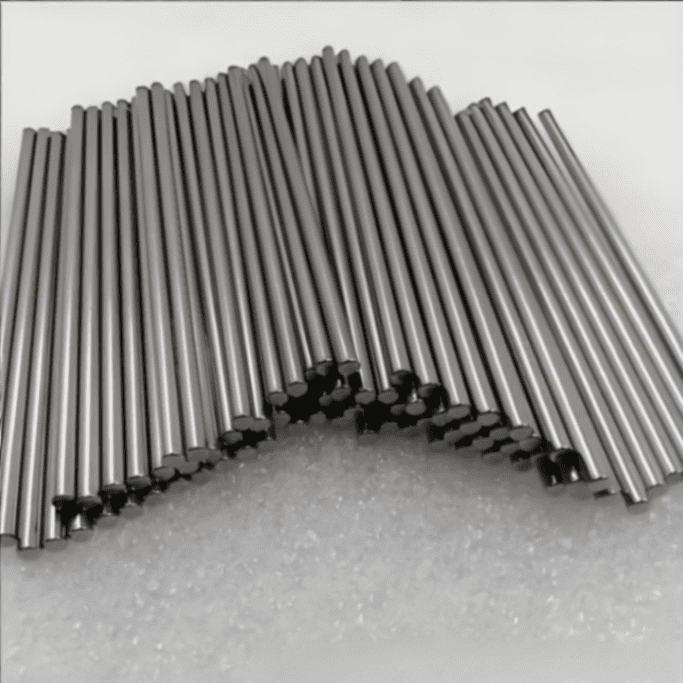
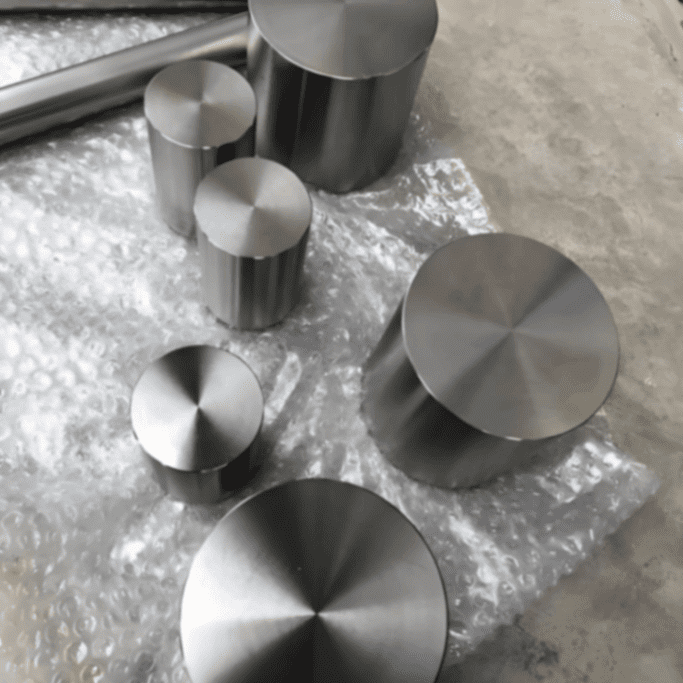
The equivalent of Nimonic 80A is commonly listed as Alloy 80A, UNS N07080, Werkstoff 2.4952 / 2.4631, and NiCr20TiAl. For bar and forging products, ASTM B637 is often used as a common specification reference, while BS HR 1, BS HR 601, and BS 3076 NA 20 are also associated with Nimonic 80A materials. However, buyers should understand that “equivalent” does not always mean automatic substitution. Nimonic 80A equivalents must be checked by chemical composition, mechanical properties, heat treatment condition, product form, standard revision, MTC, and final application requirements. For aerospace, gas turbine, nuclear, spring, fastener, and high-temperature components, the safest answer is: Nimonic 80A is equivalent to UNS N07080 / Alloy 80A / W.Nr. 2.4952 or 2.4631 / NiCr20TiAl, but final acceptance must follow the customer drawing and purchase specification.
The direct equivalent of Nimonic 80A is Alloy 80A, UNS N07080, W.Nr. 2.4952, W.Nr. 2.4631, and NiCr20TiAl. These names are commonly used to identify the same nickel-chromium age-hardenable alloy strengthened by titanium, aluminum, and carbon. In many purchasing documents, Nimonic 80A and Alloy 80A are used almost interchangeably, especially when the material is ordered as bar, rod, wire, forging, spring material, or high-temperature fastener stock.
For buyers, the most useful equivalent identification is usually UNS N07080 because UNS numbers are widely recognized in international material procurement. If a drawing calls for Nimonic 80A and a supplier offers UNS N07080, the material may be acceptable if the chemical composition, mechanical properties, heat treatment, standard, and certificate all match the project requirement.
| Nimonic 80A Equivalent Name | Meaning | Buying Note |
|---|---|---|
| Alloy 80A | Common non-trade material name | Often used by suppliers for Nimonic 80A material |
| UNS N07080 | Unified numbering designation | Useful for international procurement and MTC review |
| W.Nr. 2.4952 | Werkstoff material number | Common European material reference |
| W.Nr. 2.4631 | Alternative Werkstoff reference | May appear in European documents and data sheets |
| NiCr20TiAl | EN-style material designation | Describes nickel-chromium alloy strengthened with titanium and aluminum |
| ASTM B637 | Common specification for precipitation-hardening nickel alloy bar, forging, and forging stock | Specification reference, not a separate alloy grade |
Nimonic 80A is a wrought, age-hardenable nickel-chromium alloy designed for high-temperature service. It is strengthened mainly by titanium and aluminum additions, with carbon also contributing to high-temperature performance. The alloy is known for good oxidation resistance, high tensile strength, creep-rupture properties, and useful performance up to about 815°C in suitable applications.
When discussing Nimonic 80A equivalent grades, it is important to separate grade equivalents from specification equivalents. UNS N07080, Alloy 80A, W.Nr. 2.4952, W.Nr. 2.4631, and NiCr20TiAl are material designations. ASTM B637, BS HR 1, BS HR 601, and BS 3076 NA 20 are standards or specification references. A material can have the right grade name but still fail if it does not meet the required standard, heat treatment, or mechanical properties.
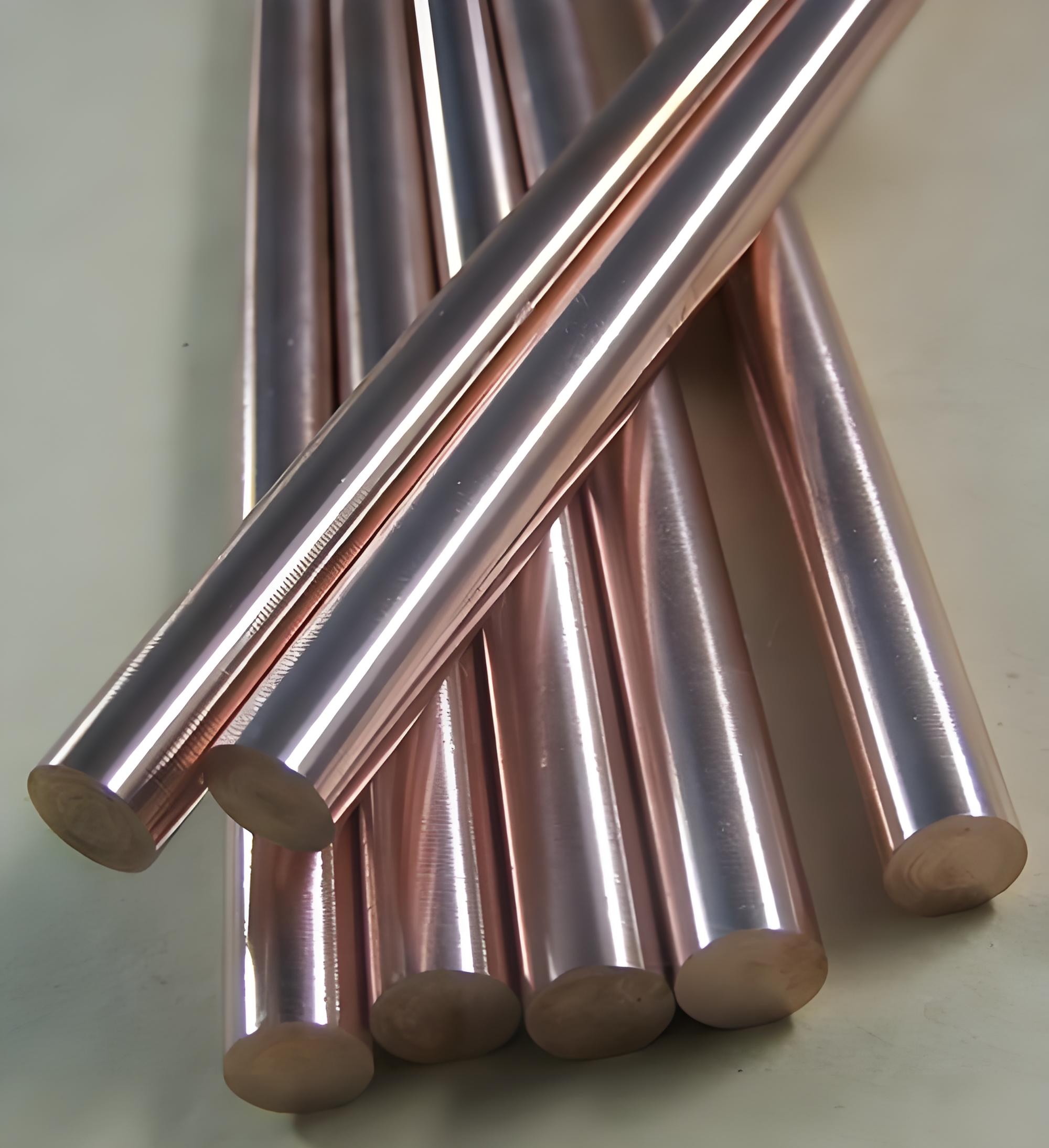
For general industrial use, equivalent names may be enough to request a quotation. For critical components, equivalence must be verified. A buyer should not replace Nimonic 80A with another alloy only because the supplier says it is “similar.” High-temperature alloys depend heavily on exact chemistry, aging treatment, tensile properties, creep properties, and application temperature.
| Equivalent Type | Examples | What Buyers Should Check |
|---|---|---|
| Grade Equivalent | Alloy 80A, UNS N07080 | Chemical composition and material identity |
| European Equivalent | W.Nr. 2.4952, W.Nr. 2.4631, NiCr20TiAl | EN or Werkstoff reference and certificate match |
| Specification Reference | ASTM B637, BS HR 1, BS HR 601 | Product form, test requirements, heat treatment, revision |
| Possible Substitute Alloy | Inconel X-750, Nimonic 90 | Engineering approval, performance comparison, application conditions |
UNS N07080 is one of the most common and reliable equivalent designations for Nimonic 80A. UNS means Unified Numbering System. It helps buyers, engineers, and suppliers identify alloys across different naming systems, countries, and standards.
If a purchase order says Nimonic 80A but the supplier’s MTC shows UNS N07080, this can be acceptable when the chemistry, mechanical properties, heat treatment, and required specification match the order. If the MTC only says “nickel alloy” without UNS N07080 or Alloy 80A, the buyer should ask for clarification.
| Item | Explanation |
|---|---|
| UNS Number | UNS N07080 |
| Common Grade Name | Nimonic 80A / Alloy 80A |
| Alloy Family | Nickel-chromium age-hardenable alloy |
| Main Strengthening Elements | Titanium, aluminum, and carbon |
| Main Application Direction | High-temperature fasteners, gas turbine parts, springs, rings, exhaust valves, nuclear supports |
When reviewing the MTC, buyers should check that UNS N07080 appears together with the correct heat number, chemical composition, mechanical properties, heat treatment condition, and applicable standard. This is especially important when the material will be machined into high-temperature bolts, rings, springs, rods, or turbine-related components.
In European material systems, Nimonic 80A is commonly associated with Werkstoff numbers 2.4952 and 2.4631. These references may appear in European drawings, supplier catalogs, material data sheets, and purchase specifications. For international sourcing, these numbers help connect European material descriptions with UNS N07080 and Alloy 80A.
| Designation | Equivalent Meaning | Buying Use |
|---|---|---|
| W.Nr. 2.4952 | European material number associated with Nimonic 80A | Often used in European technical documents |
| W.Nr. 2.4631 | Alternative European material number associated with Nimonic 80A | May appear on supplier certificates or older documents |
| NiCr20TiAl | Nickel-chromium-titanium-aluminum designation | Describes the alloy type by main elements |
Buyers may see both 2.4952 and 2.4631 listed for Nimonic 80A. This can create confusion, but many supplier documents and data sheets list both as associated references. The practical solution is to check the complete specification. The correct material should match Nimonic 80A / Alloy 80A / UNS N07080 chemistry and required mechanical properties, not only one short number on a label.
NiCr20TiAl is a material designation that describes the composition concept of Nimonic 80A. “Ni” means nickel base. “Cr20” indicates about 20% chromium. “TiAl” indicates titanium and aluminum additions for precipitation hardening. This designation is useful because it tells the buyer what type of alloy Nimonic 80A is: a nickel-chromium alloy strengthened by titanium and aluminum.
| Part of Designation | Meaning | Performance Connection |
|---|---|---|
| Ni | Nickel base | High-temperature stability and corrosion resistance |
| Cr20 | About 20% chromium | Oxidation resistance and hot gas performance |
| Ti | Titanium addition | Precipitation hardening and high-temperature strength |
| Al | Aluminum addition | Precipitation hardening and oxidation support |
Although NiCr20TiAl is a useful designation, buyers should not rely on it alone for acceptance. The MTC should still show UNS N07080 or Alloy 80A, full chemical composition, heat treatment, mechanical properties, heat number, and applicable standard. For high-temperature applications, a short material designation cannot replace complete certification.
ASTM B637 is commonly used as a specification reference for precipitation-hardening nickel alloy bars, forgings, and forging stock. Nimonic 80A / UNS N07080 bar may be ordered according to ASTM B637 when the project requires this specification. However, ASTM B637 should be understood as a product specification, not a separate alloy equivalent.
In other words, ASTM B637 does not mean the material is automatically Nimonic 80A. The buyer must specify both the grade and the standard, such as “Nimonic 80A / UNS N07080 round bar according to ASTM B637.” This avoids confusion with other precipitation-hardening nickel alloys also covered by similar product specifications.
| Incomplete RFQ | Better RFQ |
|---|---|
| ASTM B637 bar | Nimonic 80A / UNS N07080 round bar, ASTM B637, required diameter and quantity |
| Nimonic bar | Nimonic 80A / Alloy 80A / UNS N07080 bar with MTC and heat treatment condition |
| 2.4952 bar | W.Nr. 2.4952 / UNS N07080 / Nimonic 80A bar according to required standard |
ASTM B637 may affect chemical composition acceptance, mechanical property testing, product form, heat treatment, dimensions, certification, and inspection requirements. Buyers should confirm the latest project-required revision and any additional customer requirements before ordering.
BS HR 1 and BS HR 601 are commonly listed as specification references associated with Nimonic 80A. These standards may appear in aerospace, high-temperature, and legacy British material documents. Buyers dealing with older drawings or aerospace-related requirements may see Nimonic 80A specified under BS HR references rather than only UNS or ASTM names.
| Standard Reference | Common Connection | Buyer Note |
|---|---|---|
| BS HR 1 | Often associated with Nimonic 80A material | Check exact product form and standard revision |
| BS HR 601 | Often associated with Nimonic 80A material | Confirm whether the order requires this standard specifically |
| BS 3076 NA 20 | Common British designation reference for Nimonic 80A | May appear in supplier documents and legacy specifications |
Old aerospace and engineering standards may have different revisions, product forms, heat treatment requirements, or test requirements. If a drawing calls for BS HR 1 or BS HR 601, the buyer should not accept only a general Alloy 80A certificate unless the customer approves it. The supplier should confirm whether the material can meet the exact standard named in the purchase order.
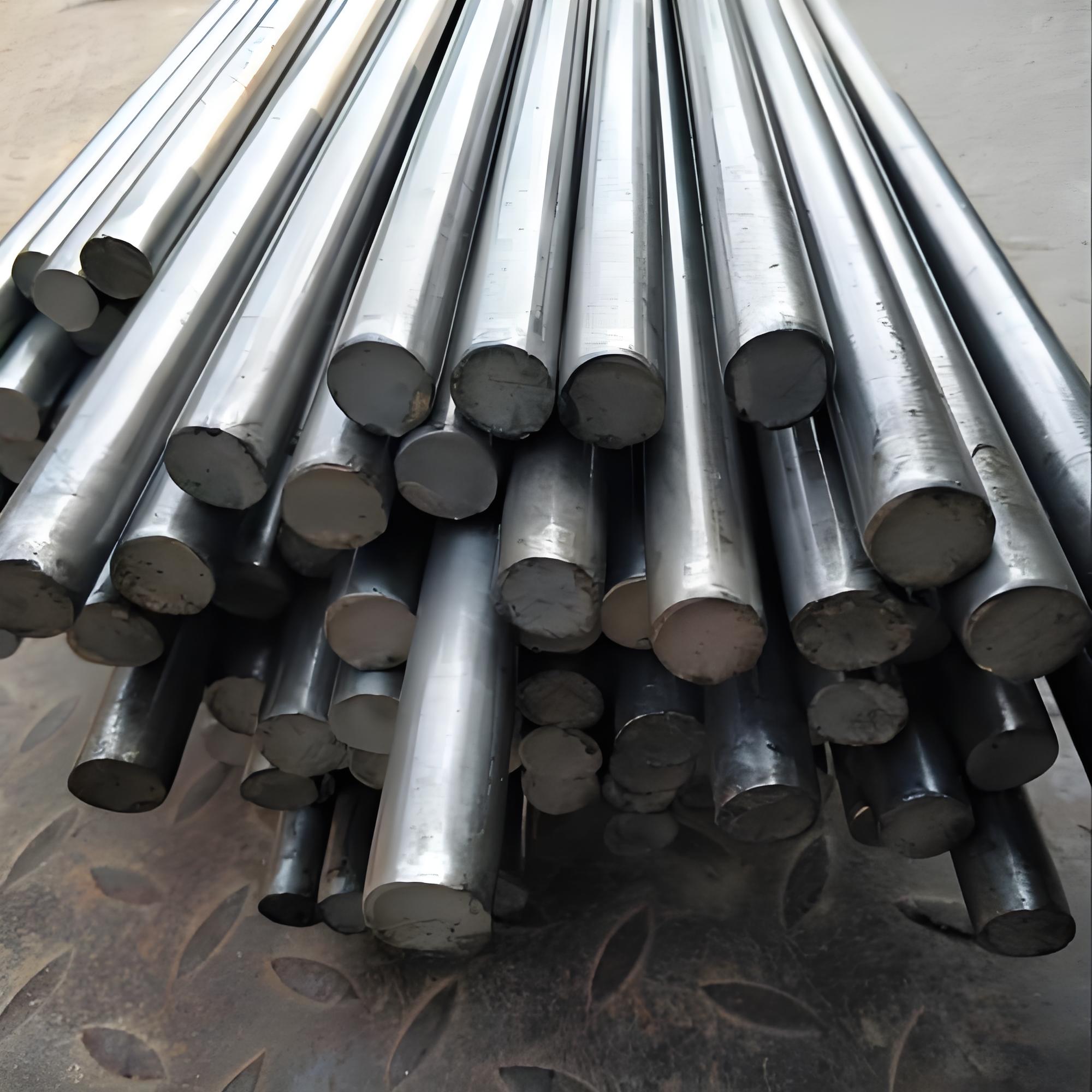
Chemical composition is the first step in confirming whether a material is equivalent to Nimonic 80A. The alloy is mainly nickel balance with chromium, titanium, aluminum, carbon, and controlled residual elements. Chromium supports oxidation resistance, while titanium and aluminum provide age hardening.
| Element | Typical Range / Limit | Main Function |
|---|---|---|
| Nickel (Ni) | Balance | Base matrix for high-temperature stability |
| Chromium (Cr) | 18.0% – 21.0% | Oxidation resistance and hot gas performance |
| Titanium (Ti) | 1.80% – 2.70% | Precipitation hardening and high-temperature strength |
| Aluminum (Al) | 1.00% – 1.80% | Works with titanium for age hardening |
| Carbon (C) | 0.04% – 0.10% | Supports high-temperature strength and carbide behavior |
| Iron (Fe) | 1.50% max | Controlled residual element |
| Cobalt (Co) | 2.00% max | Controlled residual or minor element |
| Manganese (Mn) | 1.00% max | Controlled minor element |
| Silicon (Si) | 1.00% max | Controlled residual and processing-related element |
| Copper (Cu) | 0.20% max | Controlled residual element |
| Sulfur (S) | 0.015% max | Kept low for hot workability and weld quality |
| Boron (B) | 0.008% max | Trace element affecting high-temperature grain boundary behavior |
To confirm chemical equivalence, the MTC should show that the actual heat analysis falls within the required Nimonic 80A / UNS N07080 range. The most important elements to check are chromium, titanium, aluminum, carbon, nickel balance, cobalt limit, sulfur limit, and harmful trace elements. If these values do not match, the material should not be accepted as a true Nimonic 80A equivalent without technical review.
Mechanical property equivalence is just as important as chemical composition equivalence. A material can have the correct chemical composition but still fail to meet mechanical requirements if the heat treatment condition is wrong. Since Nimonic 80A is age hardenable, its final strength depends heavily on solution treatment and aging.
| Mechanical Property | Why It Matters | Common Buying Check |
|---|---|---|
| Tensile Strength | Shows maximum load-bearing capacity | Check MTC values against required standard |
| Yield Strength | Shows resistance to permanent deformation | Important for fasteners, springs, rings, and loaded parts |
| Elongation | Shows ductility | Important for forming, machining, and service reliability |
| Hardness | Useful indicator of heat treatment and strength level | Check if required by order or drawing |
| Creep or Stress-Rupture Properties | Critical for high-temperature service | Required in some aerospace and turbine applications |
Nimonic 80A equivalent material must meet the required mechanical properties in the specified condition. A solution-treated bar and an age-hardened bar may have different strength levels. A bar produced under ASTM B637 may not automatically satisfy a BS HR requirement if the heat treatment, test temperature, or acceptance criteria are different. This is why both grade and standard must be confirmed.
Heat treatment is central to Nimonic 80A equivalence. Nimonic 80A is an age-hardenable alloy, so titanium and aluminum additions must be activated through proper heat treatment to develop the required properties. Without correct heat treatment, the material may not perform as expected in high-temperature service.
Nimonic 80A may be supplied in solution-treated, aged, or other specified conditions depending on the product form and standard. For bar material, the required condition should be clearly stated in the purchase order. If the buyer needs material ready for final machining, the heat treatment condition should match the final mechanical property requirement.
| Condition | General Meaning | Buying Note |
|---|---|---|
| Solution Treated | Material prepared by high-temperature solution treatment | May require aging before final use |
| Age Hardened | Material aged to develop precipitation strengthening | Common for final high-strength condition |
| Cold Worked and Aged | Strength affected by both cold work and aging | May be used for spring or high-strength applications |
| Standard-Specified Condition | Condition defined by ASTM, BS, EN, or customer specification | Must be followed for equivalent acceptance |
For high-temperature fasteners, springs, gas turbine components, and nuclear-related supports, the heat treatment condition may be written in the drawing or specification. Buyers should not approve an equivalent material unless the heat treatment condition is clear. The MTC should show the condition or heat treatment record when required.
Nimonic 80A and Alloy 80A are commonly used to refer to the same material family. Nimonic is a trade name historically associated with Special Metals, while Alloy 80A is a more generic commercial name used by many suppliers. In procurement, both names usually point to UNS N07080 when the chemistry and specification match.
| Name | Meaning | Practical Buying Use |
|---|---|---|
| Nimonic 80A | Trade-name style material name | Common in aerospace, turbine, and technical documents |
| Alloy 80A | Generic alloy name | Common in supplier quotations and stock lists |
| UNS N07080 | Unified material designation | Best for certificate and international grade confirmation |
The clearest RFQ should include more than one name. For example: Nimonic 80A / Alloy 80A / UNS N07080 round bar, ASTM B637, required diameter, length, quantity, heat treatment condition, and MTC. This reduces the chance of misunderstanding and helps suppliers confirm availability faster.
Inconel X-750 is sometimes discussed as a substitute or alternative to Nimonic 80A because both are nickel-based precipitation-hardenable alloys used for high-temperature strength applications. However, Inconel X-750 is not a direct equivalent of Nimonic 80A. It has different chemistry, different strengthening behavior, and different standard requirements.
| Comparison Item | Nimonic 80A | Inconel X-750 |
|---|---|---|
| UNS Number | UNS N07080 | UNS N07750 |
| Alloy Type | Nickel-chromium alloy strengthened by Ti, Al, and C | Nickel-chromium alloy strengthened mainly by Ti, Al, and Nb-related system |
| Typical Use | High-temperature fasteners, springs, gas turbine parts, exhaust valves | Springs, fasteners, turbine parts, high-temperature structural components |
| Substitution Status | Original specified material in many drawings | Possible alternative only after engineering approval |
Inconel X-750 should not replace Nimonic 80A automatically. It may be considered as an engineering alternative in some high-temperature spring or fastener applications, but the decision must be based on chemical composition, mechanical properties, heat treatment, relaxation resistance, creep behavior, oxidation resistance, standards, and service temperature. If the drawing specifies Nimonic 80A, substitution should require written approval.
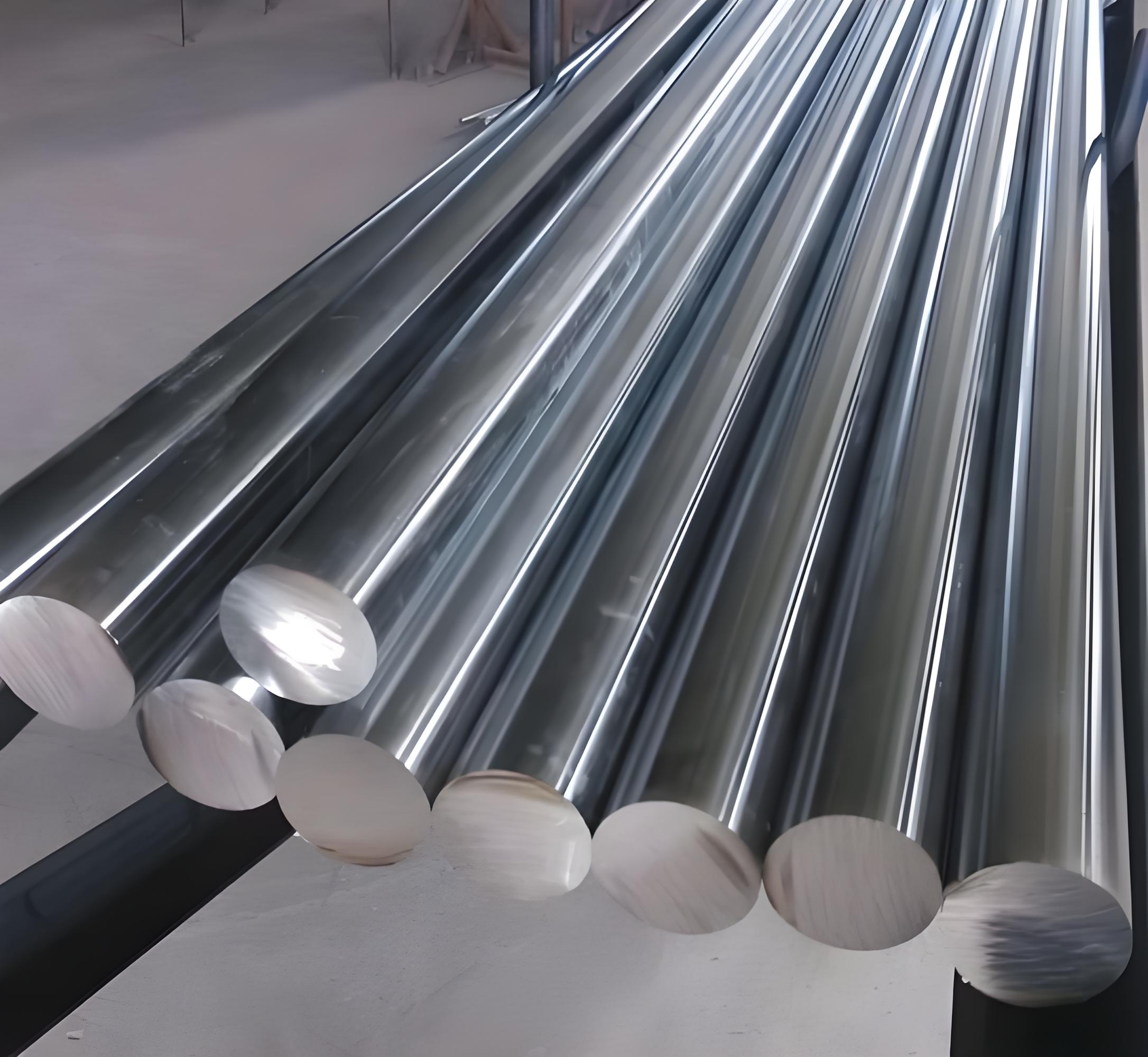
Nimonic 90 is another nickel-based high-temperature alloy that is sometimes compared with Nimonic 80A. Nimonic 90 contains significant cobalt and is generally considered a stronger high-temperature alloy in many applications. However, Nimonic 90 is not a direct equivalent of Nimonic 80A. It is a different grade with a different UNS number and different composition balance.
| Comparison Item | Nimonic 80A | Nimonic 90 |
|---|---|---|
| UNS Number | UNS N07080 | UNS N07090 |
| Main Alloy System | Ni-Cr-Ti-Al | Ni-Cr-Co-Ti-Al |
| Cobalt Content | Low cobalt limit | High cobalt content |
| Strength Level | Good high-temperature strength | Often higher high-temperature strength and creep performance |
| Typical Use | Fasteners, springs, turbine parts, exhaust valves, nuclear supports | Turbine blades, discs, rings, springs, high-temperature components |
| Substitution Status | Specified material in many legacy and industrial applications | Possible alternative only with engineering approval |
Nimonic 90 may offer stronger high-temperature performance in some applications, but it should not be treated as a simple equivalent. Its higher cobalt content affects cost, material behavior, standards, and sometimes application suitability. In some industries, low cobalt content may be preferred, which is one reason Nimonic 80A may still be specified. Substitution should always be approved by the engineering authority or end customer.
To confirm Nimonic 80A equivalent material before purchase, buyers should check the grade designation, standard, chemical composition, mechanical properties, heat treatment condition, product form, inspection requirements, and traceability documents. This is especially important when the material will be used for aerospace, gas turbine, nuclear, spring, or high-temperature fastener applications.
The quotation and MTC should show Nimonic 80A, Alloy 80A, or UNS N07080. If only “nickel alloy bar” is written, the material identity is not clear enough.
Check whether the required standard is ASTM B637, BS HR 1, BS HR 601, BS 3076 NA 20, EN, or customer-specific. A correct grade without the required standard may still be rejected.
Review chromium, titanium, aluminum, carbon, nickel balance, cobalt limit, sulfur, and other residual elements. These values must match the required Nimonic 80A / UNS N07080 range.
Review tensile strength, yield strength, elongation, hardness, and stress-rupture or creep data if required. Mechanical equivalence is necessary for high-temperature applications.
Confirm whether the material is solution treated, aged, cold worked and aged, or supplied in another specified condition. Heat treatment controls final strength and should match the drawing or purchase order.
The heat number on the MTC should match the bar marking, product label, and packing list. For critical applications, buyers may also require PMI, ultrasonic testing, third-party inspection, or original mill certificate.
| Check Item | What to Confirm | Why It Matters |
|---|---|---|
| Grade | Nimonic 80A / Alloy 80A / UNS N07080 | Confirms material identity |
| Equivalent Number | W.Nr. 2.4952 / 2.4631 / NiCr20TiAl | Helps match European or legacy drawings |
| Standard | ASTM B637, BS HR 1, BS HR 601, or project specification | Defines acceptance rules |
| Chemical Composition | Ni, Cr, Ti, Al, C, Co, Fe, Mn, Si, S, Cu | Confirms alloy equivalence |
| Mechanical Properties | Tensile, yield, elongation, hardness, creep or rupture if required | Confirms performance equivalence |
| Heat Treatment | Solution treated, aged, or specified condition | Controls final strength |
| Traceability | Heat number, bar marking, label, MTC consistency | Required for quality control and customer acceptance |
A clear purchasing inquiry can be written as: Nimonic 80A / Alloy 80A / UNS N07080 round bar, ASTM B637, diameter 25 mm, length 3000 mm, age-hardened condition, with MTC and heat number traceability. If the drawing requires BS HR 1 or BS HR 601, this should be written clearly in the RFQ before quotation.
What is Nimonic 80A equivalent to?
Nimonic 80A is equivalent to Alloy 80A, UNS N07080, W.Nr. 2.4952, W.Nr. 2.4631, and NiCr20TiAl. For bar and forging products, ASTM B637 is often used as a common specification reference, while BS HR 1, BS HR 601, and BS 3076 NA 20 may also appear in related material documents. Final equivalence should always be confirmed by chemical composition, mechanical properties, heat treatment, standard, and MTC.
Is Nimonic 80A the same as Alloy 80A?
Yes, Nimonic 80A and Alloy 80A usually refer to the same nickel-chromium age-hardenable alloy identified as UNS N07080. Nimonic is a trade-name style designation, while Alloy 80A is a more generic supplier name. For purchasing, it is best to write both names together with UNS N07080 and the required standard to avoid misunderstanding.
Can Inconel X-750 replace Nimonic 80A?
Inconel X-750 should not automatically replace Nimonic 80A. Although both are precipitation-hardenable nickel-based alloys used in high-temperature applications, they have different chemical composition, UNS numbers, heat treatment behavior, and property requirements. Inconel X-750 may be considered only after engineering approval, especially for springs, fasteners, or turbine-related parts where strength, relaxation resistance, creep behavior, and standard compliance must be checked.
More from this category
Incoloy 825 bar price depends on the nickel-based alloy composition, bar dimensions, manufacturing route, heat-treatment condition, surface finish, in...
Incoloy 800HT bar price is shaped by nickel, chromium, titanium, and aluminum raw-material costs, together with bar dimensions, heat-treatment conditi...
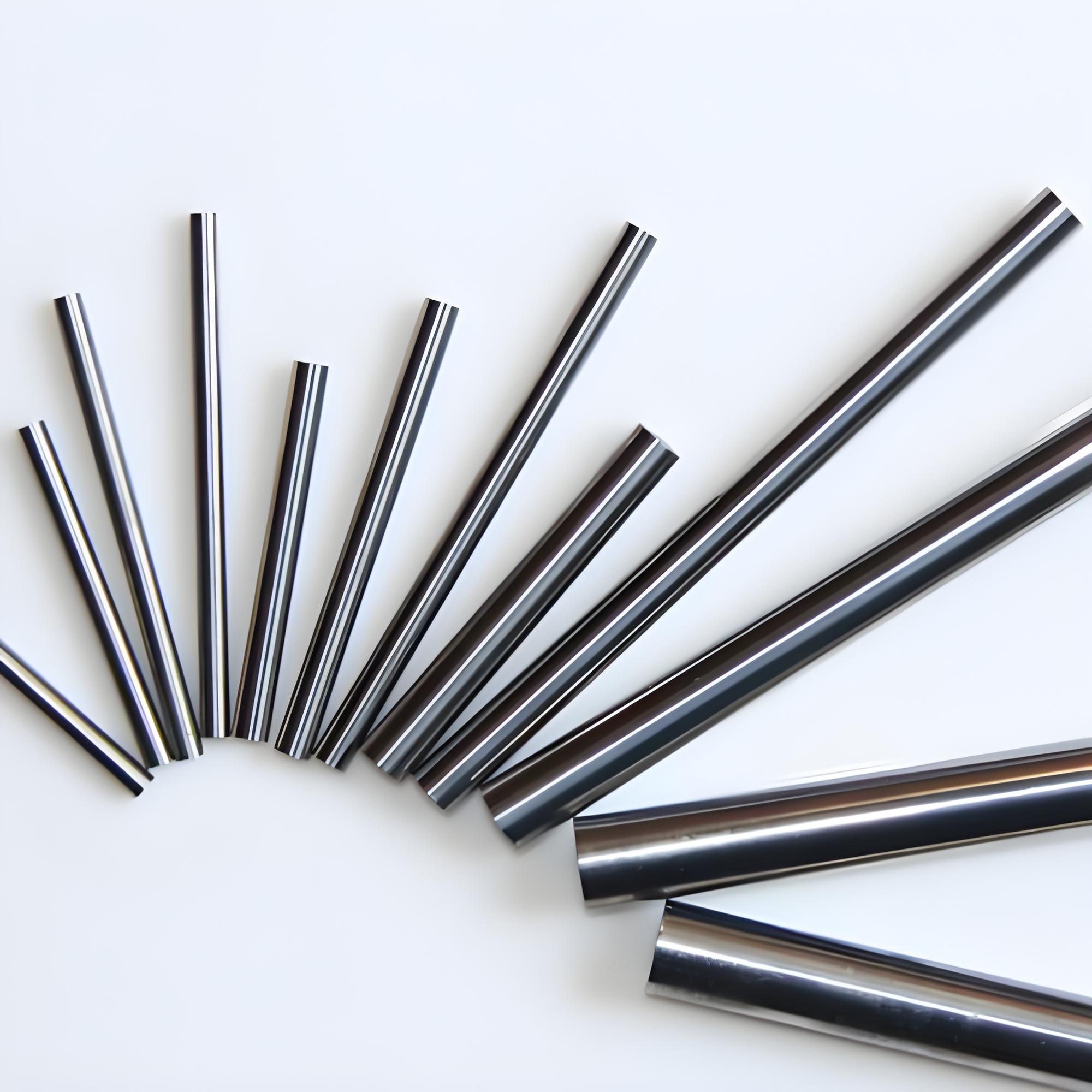
Incoloy 20 round bar price per kg depends on the alloy composition, bar size, manufacturing method, surface finish, tolerance, certificates, inspectio...
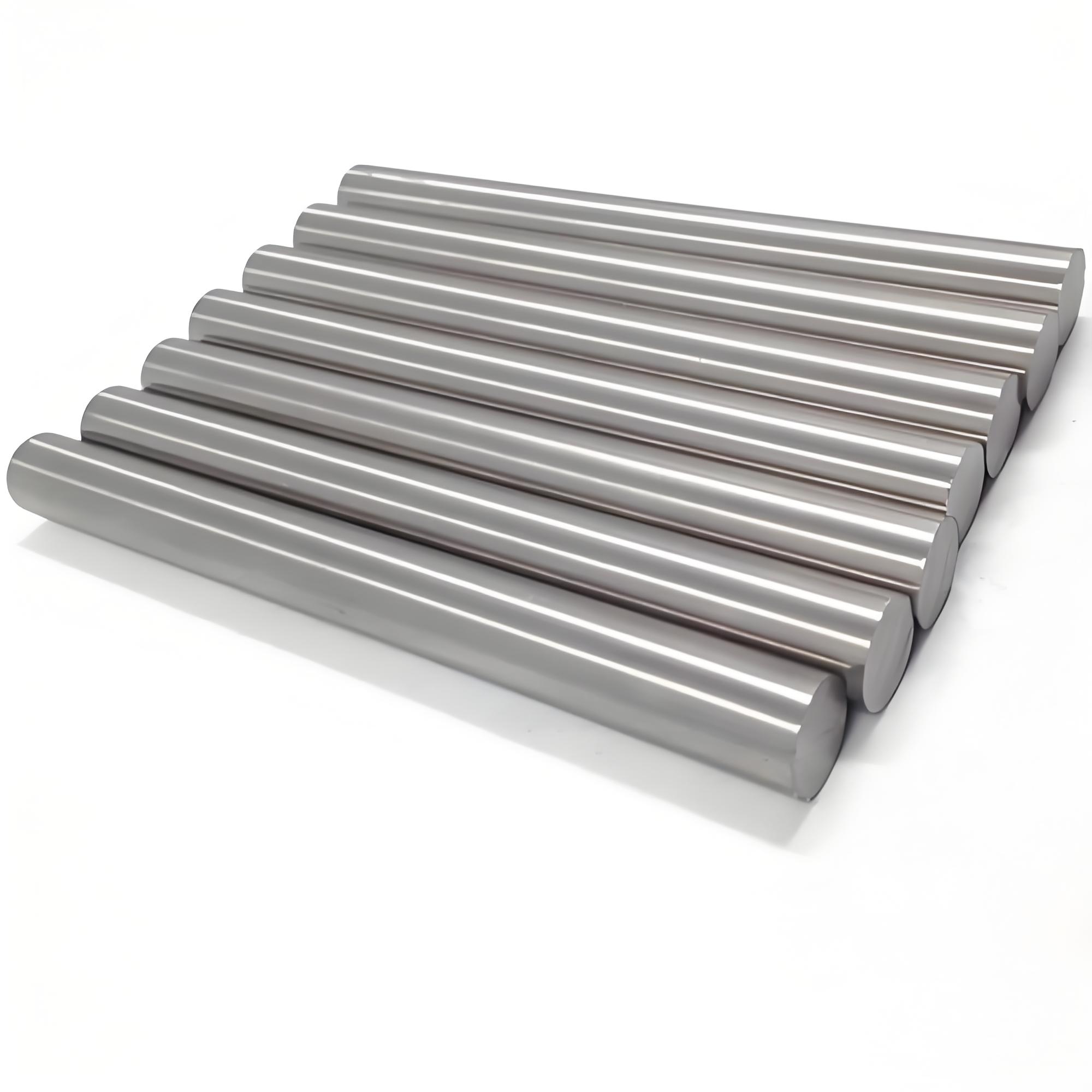
Hastelloy G-30 N06030 bar factory price is determined by the alloy’s high nickel, chromium, iron, molybdenum, copper, and tungsten content, together...
 English English
  Korean
 Arabic
 Spanish
 German
 Portuguese
 French
 Russian
 Italian
 Vietnamese