
Inconel 617 alloy round bar price per kilogram
Inconel 617 alloy round bar price per kilogram is commonly about USD 45 to 90 per kg for standard industrial stock sizes. Large forged bars, small pre...
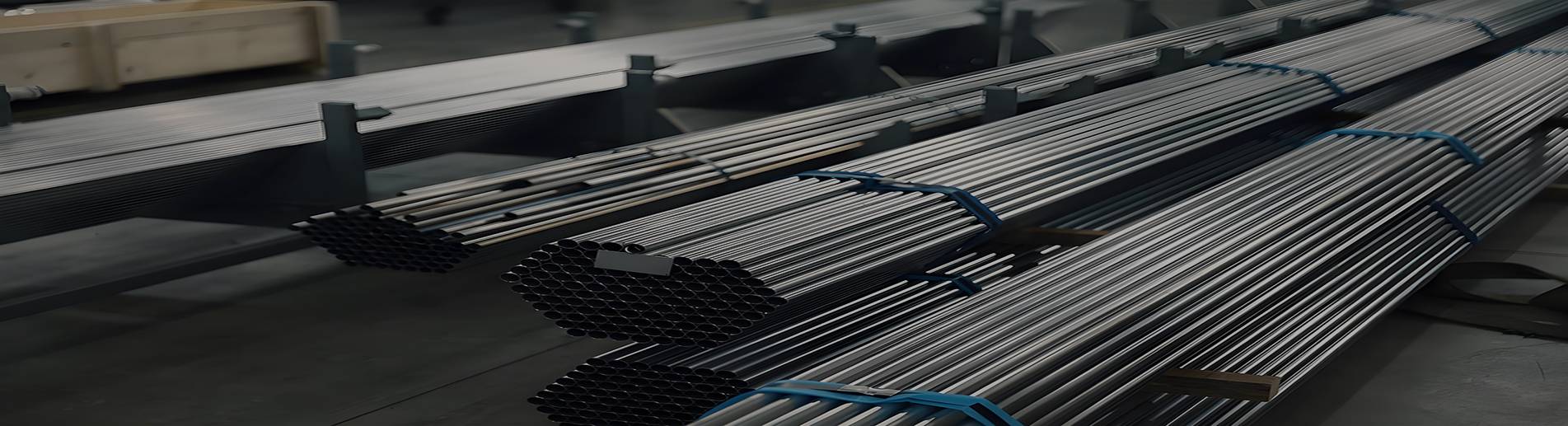
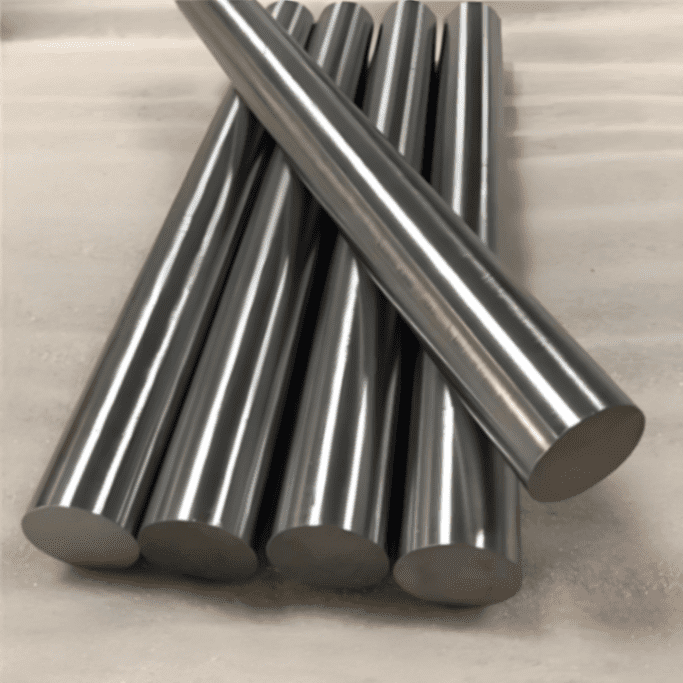
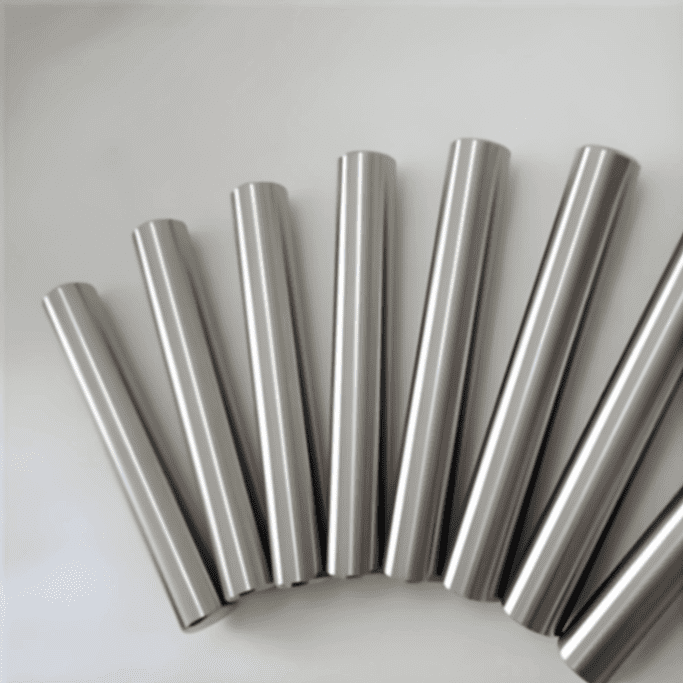
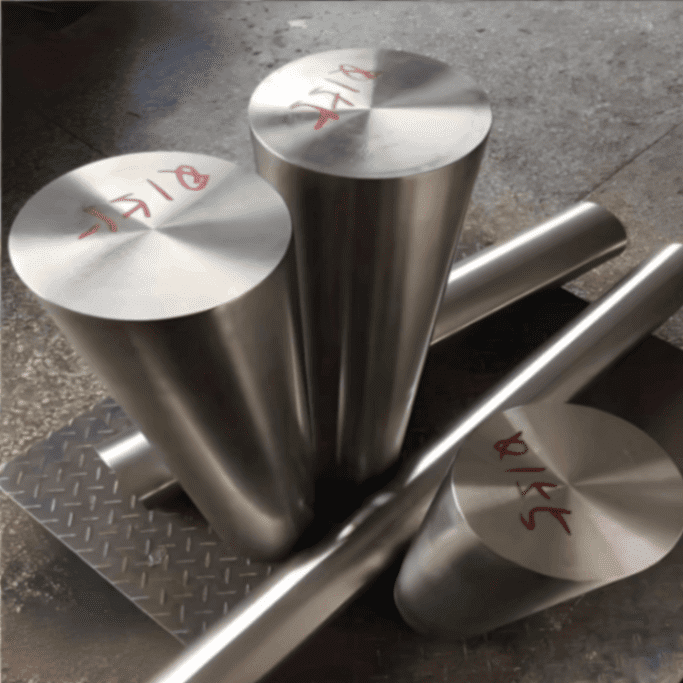
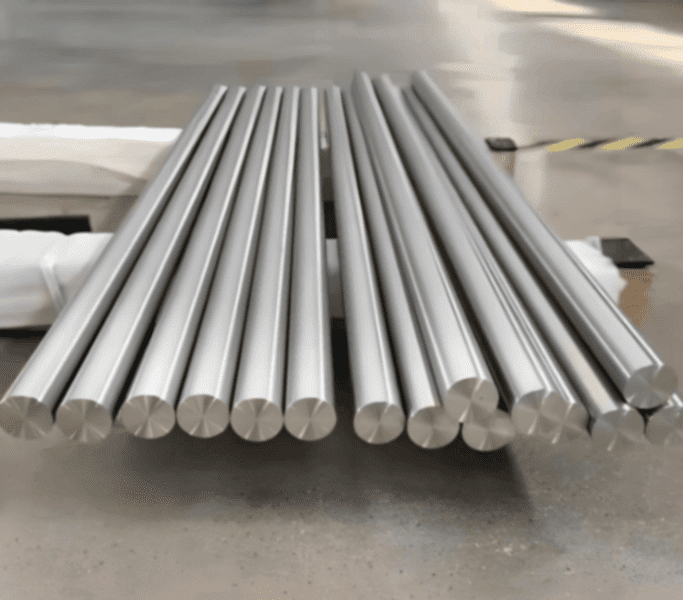
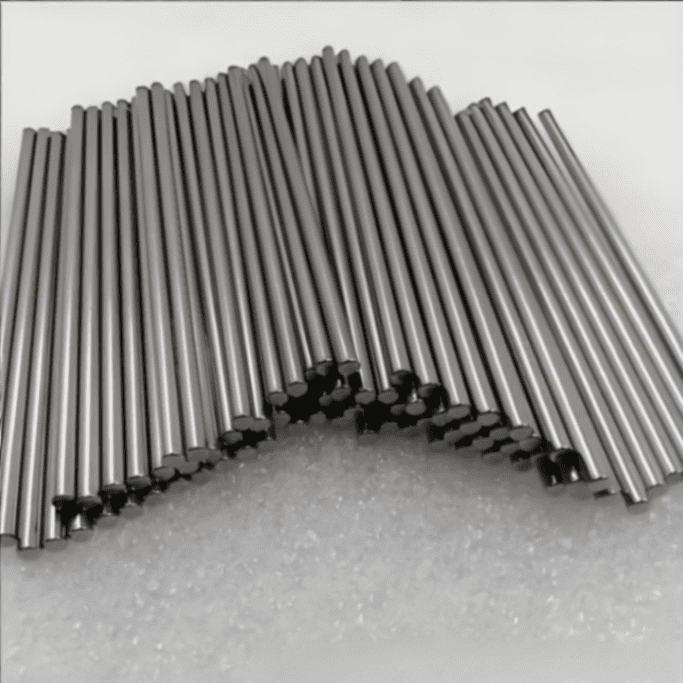
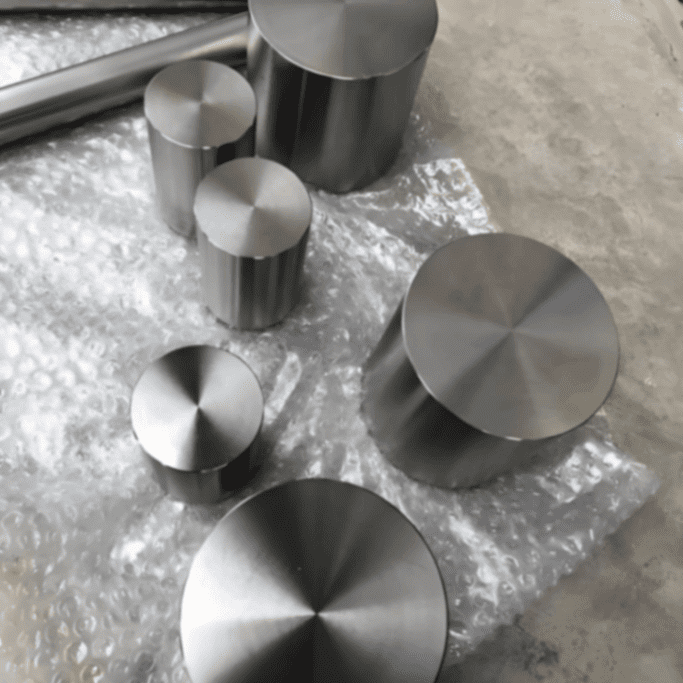
When selecting high-performance alloys for demanding industrial applications, two names frequently rise to the top: Nimonic 90 and Inconel. Both are nickel-based superalloys renowned for their exceptional strength and resistance to extreme environments. However, choosing between Nimonic 90 bar and Inconel bar (with “Inconel” often referring to popular grades like 600, 601, 625, 718, etc.) requires a clear understanding of their distinct characteristics. This article provides a detailed, side-by-side comparison of these two alloy families in bar form, focusing on their composition, key properties, performance metrics, and typical application areas to guide engineers and procurement specialists in making an informed decision.
The core difference lies in their chemical composition and strengthening mechanisms. Nimonic 90 is a nickel-chromium-cobalt alloy strengthened by the addition of titanium and aluminum, which form a coherent gamma-prime (γ’) phase during heat treatment. This precipitation hardening provides exceptional high-temperature strength. In contrast, “Inconel” is a trademark for a wide range of nickel-chromium alloys. For a focused comparison with Nimonic 90, we often look at grades like Inconel 718, which is strengthened by gamma double-prime (γ”) phase, and Inconel 600, which is a solid-solution strengthened alloy. The table below outlines the primary compositional differences.
| Element (%) | Nimonic 90 (Typical) | Inconel 718 (For Comparison) | Inconel 600 (For Comparison) |
|---|---|---|---|
| Nickel (Ni) | Balance | Balance | Balance |
| Chromium (Cr) | 18.0-21.0 | 17.0-21.0 | 14.0-17.0 |
| Cobalt (Co) | 15.0-21.0 | ≤ 1.0 | – |
| Iron (Fe) | ≤ 3.0 | Balance | 6.0-10.0 |
| Molybdenum (Mo) | – | 2.8-3.3 | – |
| Niobium (Nb) | – | 4.75-5.50 | – |
| Titanium (Ti) | 1.8-3.0 | 0.65-1.15 | – |
| Aluminum (Al) | 1.0-2.0 | 0.20-0.80 | – |
| Carbon (C) | ≤ 0.13 | ≤ 0.08 | ≤ 0.15 |
The differing compositions lead to divergent performance profiles, particularly regarding temperature capability, strength, and corrosion resistance. Nimonic 90 bars excel in applications requiring long-term load-bearing capacity at very high temperatures, such as turbine blades. Many Inconel grades, while also excellent at high temperatures, often offer superior corrosion resistance in a wider range of media or better weldability and fabricability. The following table contrasts their primary performance attributes.
| Performance Feature | Nimonic 90 Bar | Typical Inconel Bar (e.g., 718, 625) |
|---|---|---|
| High-Temp Strength | Excellent tensile & creep strength up to ~920°C. | Excellent strength up to ~700°C (718); good strength up to ~1100°C (601). |
| Oxidation Resistance | Excellent up to 1000°C due to high Cr content. | Excellent; grades like 601 offer exceptional oxidation resistance. |
| Corrosion Resistance | Good resistance to oxidizing atmospheres. | Generally superior in a wider range of corrosive environments (acids, chlorides). |
| Fabricability & Weldability | Can be machined and welded but requires post-weld heat treatment. | Varies by grade; Inconel 625 and 718 are known for good weldability. |
| Primary Strengthening | Gamma-prime (γ’) precipitation hardening. | Gamma-double-prime (γ”) for 718; solid solution/molybdenum hardening for 625. |
Both alloys are supplied as bars in various conditions (hot worked, cold drawn, heat-treated) and to numerous international standards. Pricing is influenced by the volatile costs of raw materials like nickel, cobalt, and niobium. As a reference, Nimonic 90 bars, with their high cobalt content, generally command a higher base price than some Inconel grades like 600, but can be comparable to specialized grades like 718. Reliable suppliers like Shanghai NC Metal Materials Co., Ltd. typically stock these materials in standard sizes. The table below lists common specifications.
| Parameter | Nimonic 90 Bar | Inconel Bar (Examples) |
|---|---|---|
| Common Standards | AMS 5660, BS HR 504, NiCr20Co18T (2.4632) | AMS 5662/5663 (718), AMS 5665 (625), ASTM B166 (600) |
| Common Diameters (mm) | 10 – 250 (Hot Rolled); 5 – 80 (Cold Drawn) | 10 – 300 (Hot Rolled); 3 – 100 (Cold Drawn) |
| Supply Condition | Solution Treated, Aged, Hot/Cold Worked | Annealed, Solution Treated, Aged, Hot/Cold Worked |
| Price Influence | Highly sensitive to Nickel and Cobalt prices. | Sensitive to Nickel, Niobium, and Molybdenum prices. |
The choice between Nimonic 90 and an Inconel grade is ultimately dictated by the specific demands of the application. Their niches overlap in aerospace but diverge in other industries. Here’s a breakdown of their primary application sectors.
| Industry Sector | Typical Uses for Nimonic 90 Bar | Typical Uses for Inconel Bar |
|---|---|---|
| Aerospace | Gas turbine blades, turbine discs, high-temperature fasteners. | Jet engine components, rocket motors, cryogenic tanks (718, 625). |
| Power Generation | Land-based gas turbine components, exhaust systems. | Nuclear reactor core components, steam generator tubing (600), gas turbines (718). |
| Industrial & Chemical | Hot-work tooling, extrusion dies. | Chemical processing equipment, pollution control systems, heat exchangers (625, C276). |
| Oil & Gas | Less common. | Downhole wellhead components, flare stacks, high-strength fasteners (718, 725). |
Which is better for high-temperature tensile strength: Nimonic 90 or Inconel 718?
For sustained tensile and creep strength at temperatures above approximately 700°C up to around 920°C, Nimonic 90 bar generally offers superior performance due to its stable gamma-prime precipitation structure. Inconel 718 is exceptionally strong up to about 650-700°C, but its gamma-double-prime strengthening phase begins to coarsen and dissolve at higher temperatures, leading to a rapid decline in strength. Therefore, for the highest temperature mechanical loading, Nimonic 90 is often the preferred choice.
Can Inconel 625 be used as a direct replacement for Nimonic 90 bar?
Not directly, as they are designed for different primary purposes. While both resist oxidation, Inconel 625 bar is optimized for outstanding corrosion resistance in a vast array of aqueous environments and good strength up to about 1100°C, but it is solid-solution strengthened, not precipitation hardened like Nimonic 90. For a high-stress, high-temperature structural component designed for Nimonic 90, substituting it with Inconel 625 would likely result in inadequate mechanical strength. The replacement is only feasible if the application’s main challenge is corrosion, not load-bearing at high temperature.
What are the main cost drivers when choosing between Nimonic 90 and Inconel bars?
The cost is driven by three main factors: raw material content, processing, and availability. Nimonic 90 contains a significant amount of cobalt, which is often expensive and price-volatile, making it generally more costly than many Inconel grades. Inconel grades like 718 contain niobium, another costly element. Simpler solid-solution grades like Inconel 600 are usually more economical. Additionally, the required heat treatment (precipitation hardening for both Nimonic 90 and 718 adds cost) and the scarcity of certain sizes or forms can affect the final price. A detailed analysis from a trusted supplier like Shanghai NC Metal Materials Co., Ltd., considering both initial material cost and lifecycle performance in the application, is essential for an economical choice.
More from this category
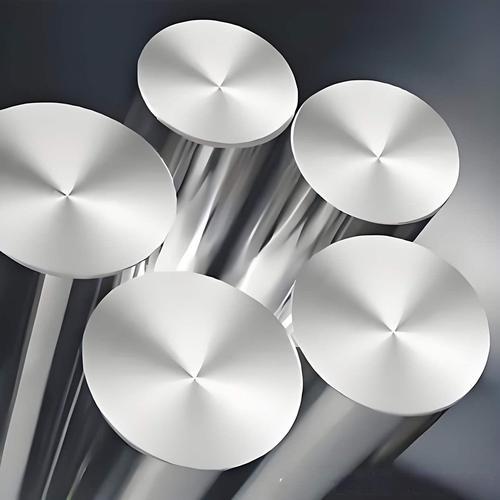
Inconel 617 alloy round bar price per kilogram is commonly about USD 45 to 90 per kg for standard industrial stock sizes. Large forged bars, small pre...
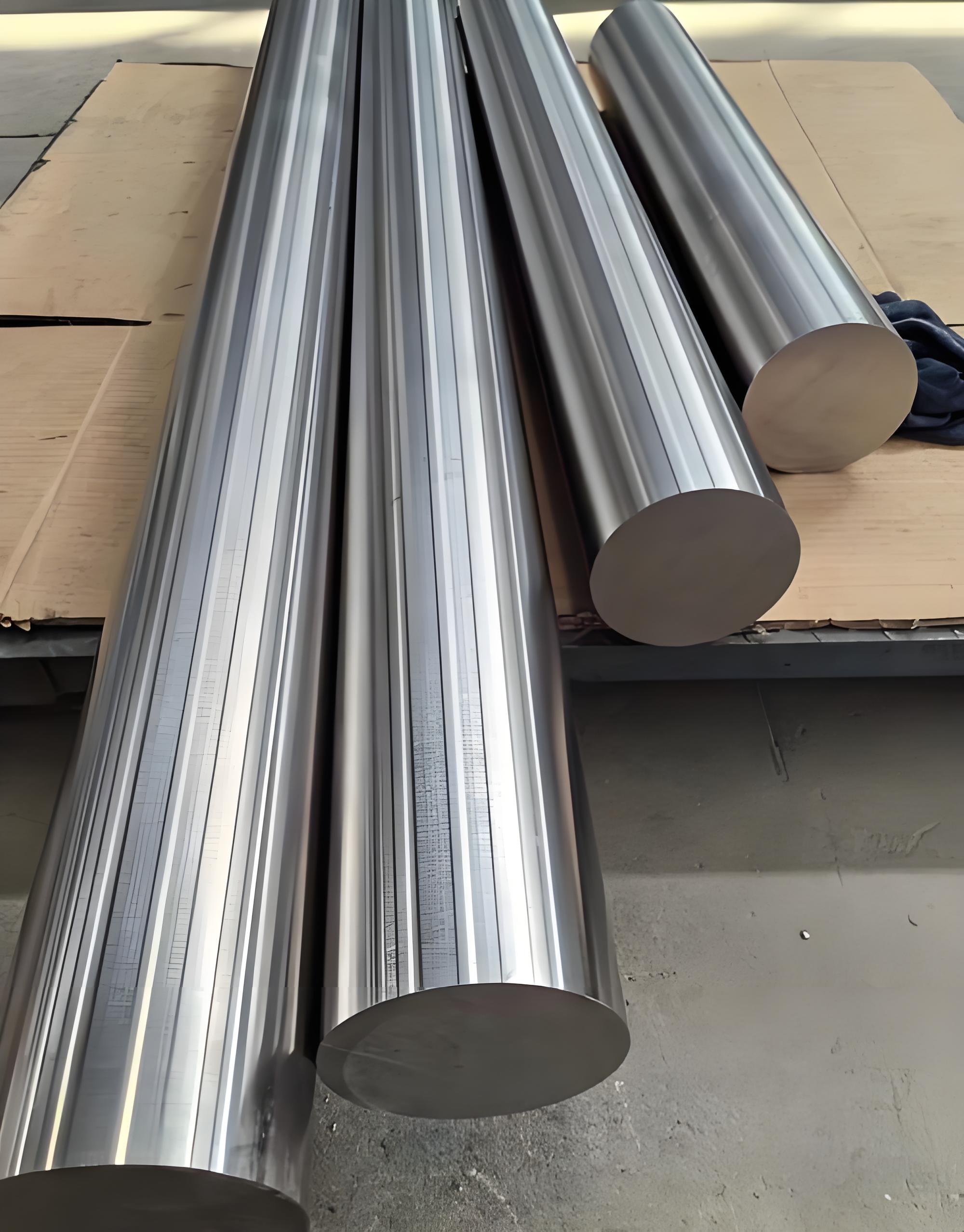
The latest Inconel 625 alloy bar price per kg depends on nickel, molybdenum, niobium, and chromium raw material costs, as well as bar diameter, manufa...
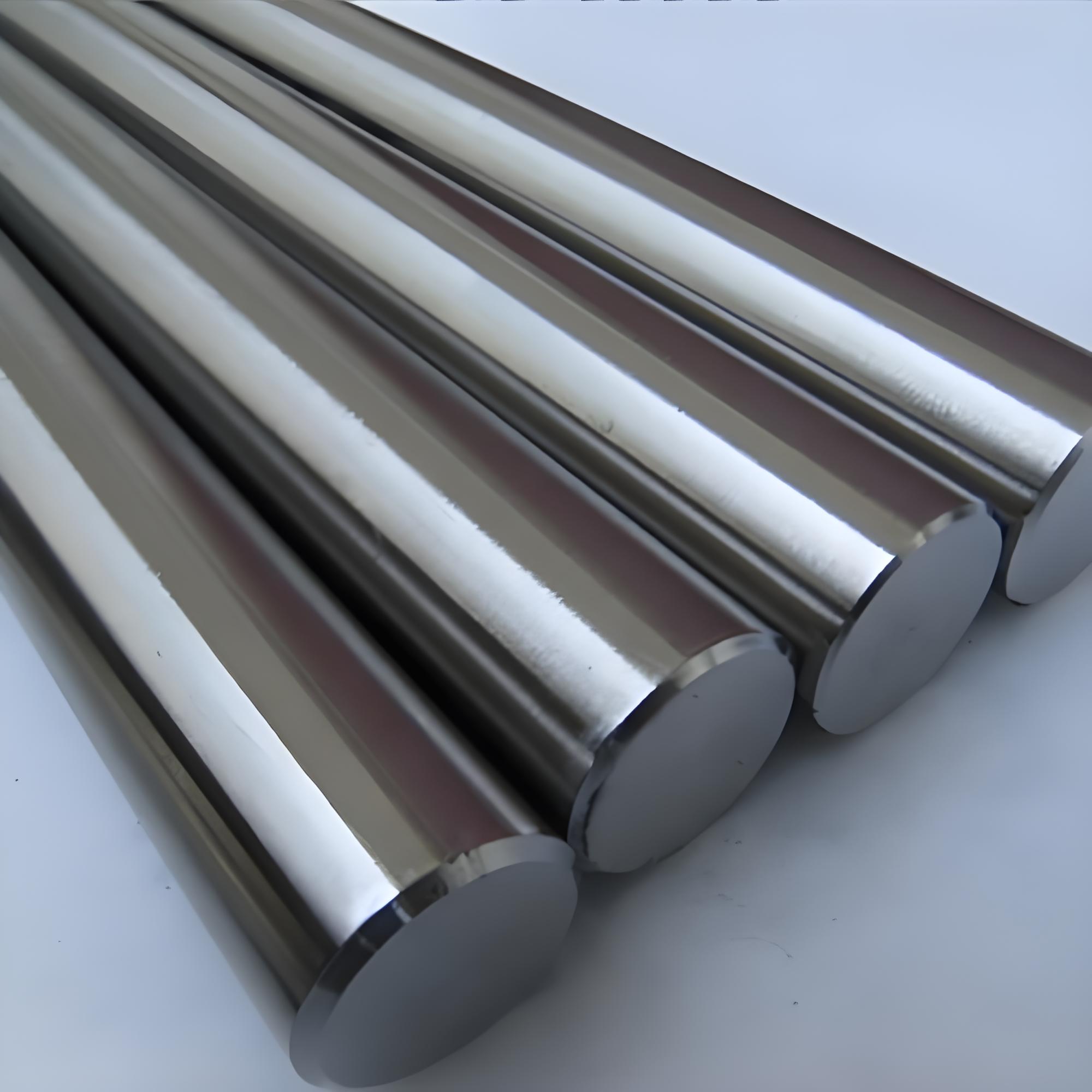
Inconel X-750 alloy bar price depends on nickel raw material cost, bar diameter, product condition, heat treatment, specification, surface finish, dim...
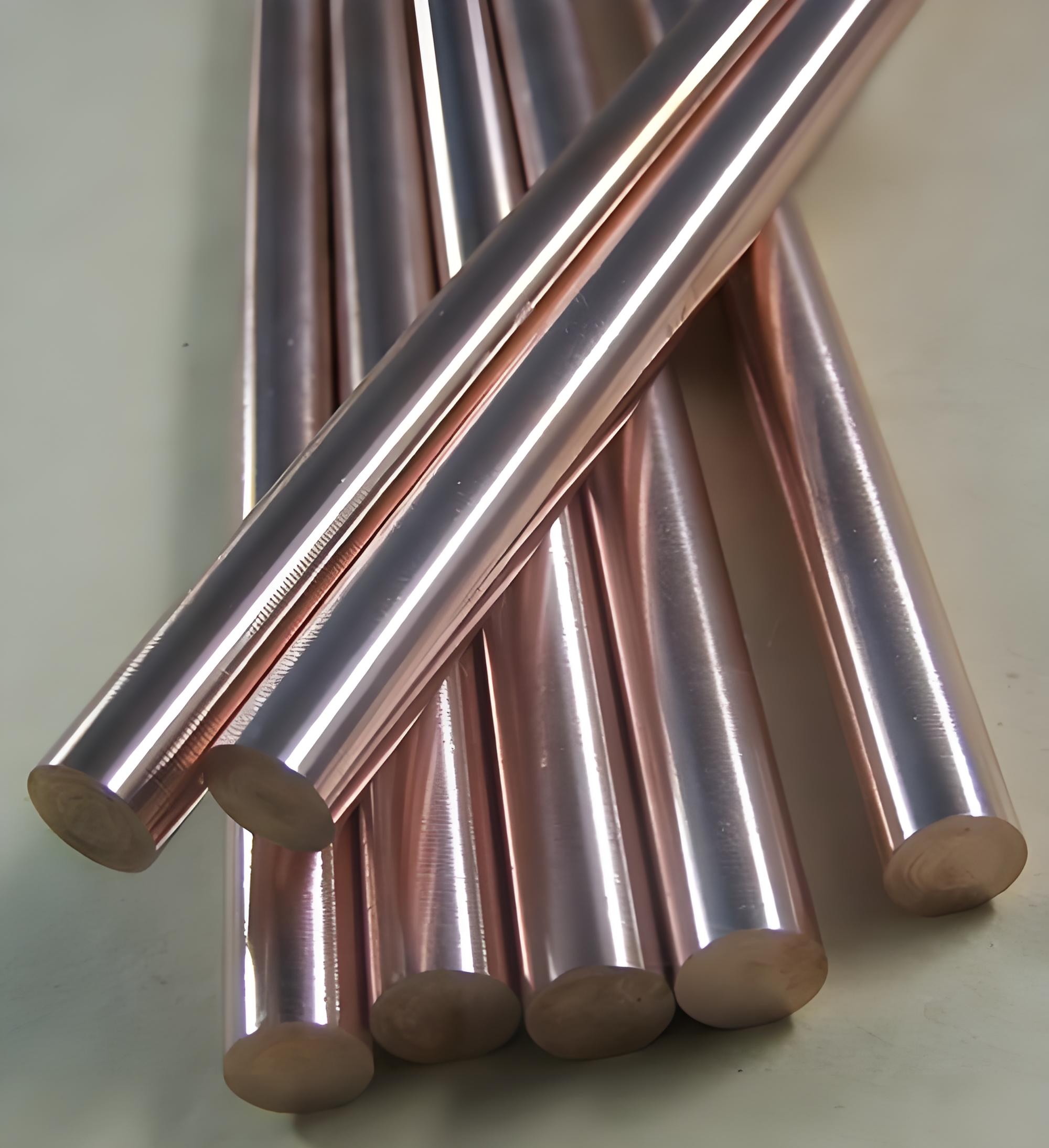
Inconel 602CA alloy bar price per kg is usually higher than common Inconel 600 and Inconel 601 bars because Alloy 602CA is a premium high-temperature ...
 English English
  Korean
 Arabic
 Spanish
 German
 Portuguese
 French
 Russian
 Italian
 Vietnamese