
Inconel 617 alloy round bar price per kilogram
Inconel 617 alloy round bar price per kilogram is commonly about USD 45 to 90 per kg for standard industrial stock sizes. Large forged bars, small pre...
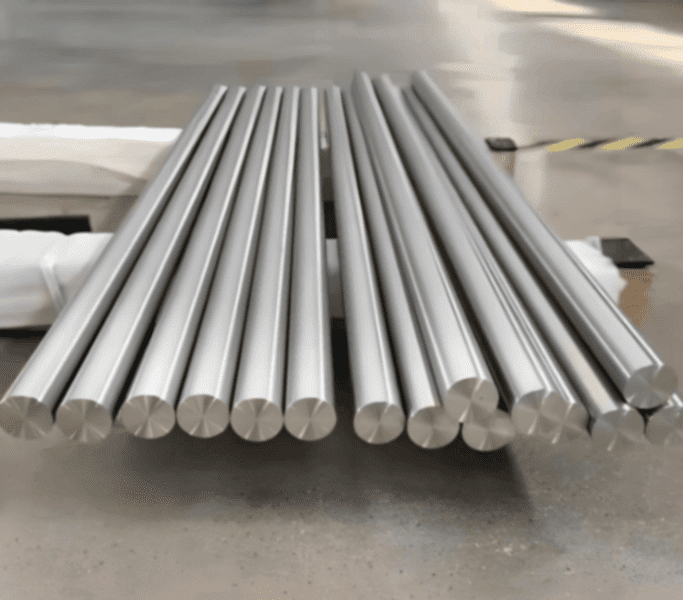
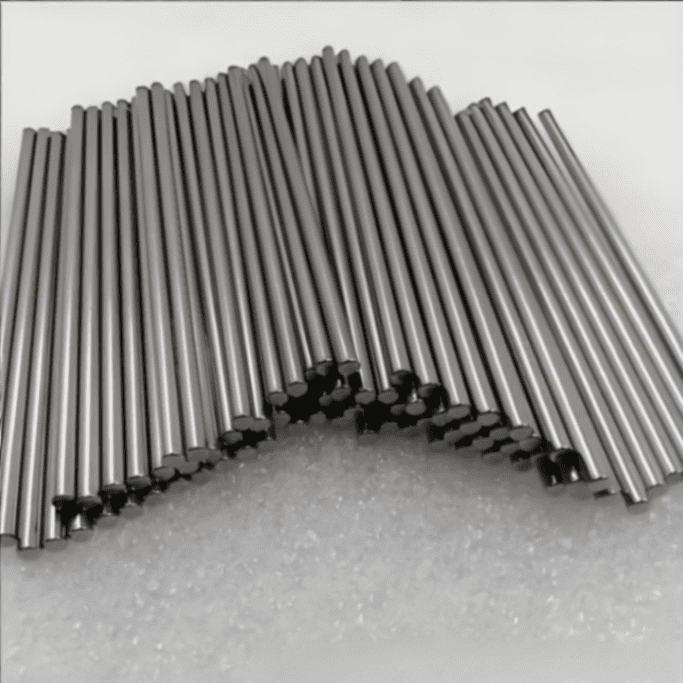
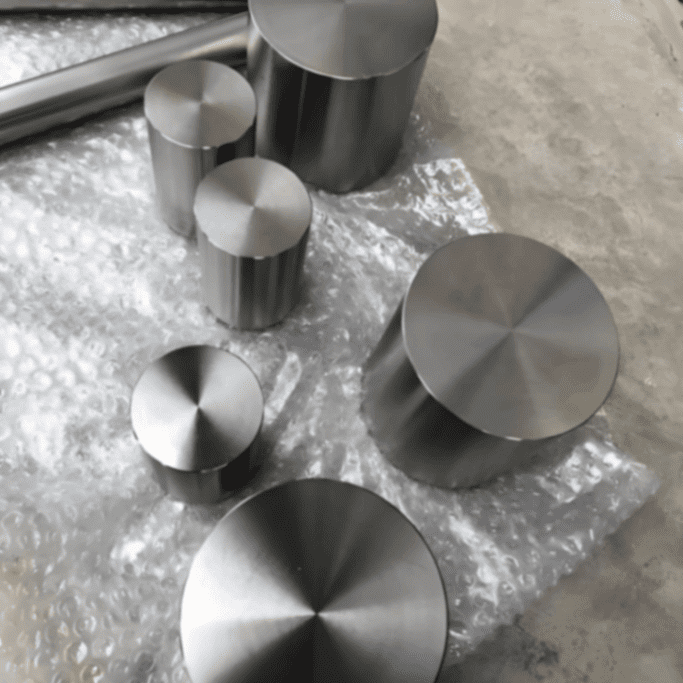
In the world of high-performance nickel alloys, Monel and Hastelloy stand as two prominent families, each offering a unique set of properties for corrosive and demanding environments. When sourcing materials like bars for fabrication, understanding the price difference between Monel bars and Hastelloy bars is crucial for project budgeting. This comparison delves into the key factors that drive the cost of these alloys, providing a detailed analysis beyond a simple price-per-pound figure. We will examine the influence of raw material composition, manufacturing complexity, market dynamics, and specific grade selection to explain why Hastelloy bars generally command a higher price than Monel bars, and what considerations can affect final costs.
The primary factor in the price disparity lies in the alloy’s chemical composition. Both are nickel-based, but the additional elements required for Hastelloy’s performance are significantly more expensive. Monel alloys, such as Monel 400 (Ni-Cu) and Monel K500 (Ni-Cu-Al-Ti), rely heavily on nickel and copper. While nickel is a major cost driver, copper is relatively less expensive. In contrast, Hastelloy alloys like C276, C22, and B2 are fortified with high percentages of molybdenum, chromium, and sometimes tungsten—all strategic metals with high price tags and volatile markets. Molybdenum, in particular, is a key cost component for Hastelloy.
| Alloy Family | Typical Grade | Key Costly Elements | Raw Material Cost Impact |
|---|---|---|---|
| Monel | Monel 400 | Nickel (~67%), Copper (~30%) | Driven by LME Nickel prices. Copper adds cost but is less volatile than Mo. |
| Monel | Monel K500 | Nickel (~65%), Copper (~30%), Aluminum/Titanium (small amounts) | Similar to Monel 400, with minor added cost for Al/Ti for age-hardening. |
| Hastelloy | Hastelloy C276 | Nickel (Balance), Molybdenum (~16%), Chromium (~16%), Tungsten (~4%) | Extremely sensitive to Molybdenum prices. High Cr and W content further increase cost. |
| Hastelloy | Hastelloy B2 | Nickel (Balance), Molybdenum (~28%) | Exceptionally high Mo content makes it one of the most expensive grades. |
Transforming raw melt into finished bar stock involves several steps that add cost. Hastelloy alloys are generally more challenging to process, which contributes to their higher price. They require precise melting techniques (like VIM/VAR) to ensure chemical homogeneity and desired properties. Their high strength at elevated temperatures makes hot working more energy-intensive and requires more powerful equipment. Machining and cold drawing Hastelloy bars is also more difficult due to their work-hardening characteristics, leading to higher tool wear and slower production rates compared to the more malleable Monel alloys.
| Processing Stage | Monel Bar (e.g., 400, K500) | Hastelloy Bar (e.g., C276, B2) | Effect on Final Bar Price |
|---|---|---|---|
| Melting & Casting | Standard electric arc melting is often sufficient. | Frequently requires Vacuum Induction Melting (VIM) for purity and control. | VIM is a more costly process, adding to the ingot price. |
| Hot Working | Easier to hot forge and roll; lower energy required. | Requires higher temperatures and forces; more passes may be needed. | Higher energy consumption and equipment wear increase cost. |
| Machining & Finishing | Relatively good machinability; moderate tool wear. | Poor machinability; rapid work-hardening; high tool wear. | Slower production, frequent tool changes, and higher scrap potential raise costs. |
| Heat Treatment | Monel 400: Annealed. K500: Age-hardened (adds some cost). | Typically supplied in solution annealed condition, a critical and controlled process. | Solution annealing of large bars is a significant energy and facility cost. |
Beyond composition and processing, broader market factors and specific purchase requirements heavily influence the quoted price for both Monel and Hastelloy bars. These include the scale of global demand in key industries, the specificity of the required standard, the dimensional tolerances, and the quantity ordered. A specialized grade or form will always carry a premium over a standard commodity item.
| Pricing Factor | Impact on Monel Bar Price | Impact on Hastelloy Bar Price | General Market Influence |
|---|---|---|---|
| Nickel & Metal Markets (LME) | Direct and strong correlation with nickel prices. | Direct correlation with nickel, but an even stronger correlation with Molybdenum prices. | Global commodity volatility is the single largest variable in base price. |
| Industry Demand | Marine, oil & gas, chemical processing. Demand is steady. | Chemical processing, pollution control, aerospace. High-value sectors can sustain higher prices. | Surges in sectors like aerospace or specialty chemical plant construction tighten supply. |
| Bar Specifications (Size, Tolerance) | Large diameters or tight cold-drawn tolerances increase price. | Same as Monel, but the baseline starting cost is much higher. | Non-standard sizes incur minimum charge and setup fees from mills. |
| Quantity & Supplier | Large mill orders get better pricing. Distributors like Shanghai NC Metal Materials Co., Ltd. offer flexibility. | Same principle applies. Due to higher value, inventory carrying costs for suppliers are significant. | Small-quantity “cut” orders have a high premium per kilogram compared to full-length bars. |
It is important to note that providing exact prices is impossible due to market volatility. However, a consistent relative relationship exists. The following table offers a simplified, directional reference comparing common bar forms, assuming similar dimensions, conditions, and purchase quantities. The actual quote from a supplier will vary daily.
| Alloy Grade | Common Bar Form (Example) | Relative Price Index (Approximate, Nickel Base = 1) | Primary Reason for Cost Position |
|---|---|---|---|
| Monel 400 | Hot Rolled Round Bar, 50mm Dia, Annealed | 2.5 – 3.5 | Nickel and copper content, moderate processing costs. |
| Monel K500 | Hot Rolled & Aged Round Bar, 50mm Dia | 3.0 – 4.0 | Adds cost of age-hardening heat treatment to Monel 400 base. |
| Hastelloy C276 | Hot Rolled Round Bar, 50mm Dia, Solution Annealed | 5.0 – 8.0 | High Molybdenum, Chromium, and Tungsten content; complex melting and processing. |
| Hastelloy B2/B3 | Hot Rolled Round Bar, 50mm Dia, Solution Annealed | 7.0 – 10.0+ | Exceptionally high Molybdenum content (~28-30%) dominates the cost. |
Why is Hastelloy C276 bar so much more expensive than Monel 400 bar?
The price difference is primarily due to composition and processing. Hastelloy C276 contains around 16% Molybdenum and 16% Chromium, both costly metals, whereas Monel 400’s main additives are nickel and the less expensive copper. Furthermore, C276 requires advanced vacuum melting and is more difficult and energy-intensive to hot work and machine. This combination of premium raw materials and complex manufacturing results in a significantly higher final cost for C276 bar stock compared to Monel 400 bar.
Can I save money by using a cheaper Monel bar instead of a Hastelloy bar in a chemical plant?
This is a critical application-based decision, not just a cost-saving measure. Substituting a material should never be done solely on price. Monel bars (400 or K500) excel in resisting corrosion from hydrofluoric acid, seawater, and alkalis. Hastelloy bars (like C276) are superior for handling highly oxidizing acids (nitric, chlorine), hot contaminated sulfuric acid, and environments containing chlorides. Using Monel in an application designed for Hastelloy could lead to catastrophic corrosion failure, resulting in downtime, safety hazards, and costs far exceeding the initial material savings. Always consult corrosion data charts and engineers for the specific service environment.
What are the most effective ways to reduce the cost when purchasing Hastelloy or Monel bars?
Several strategic approaches can help manage costs: 1) Grade Selection: Ensure you are not over-specifying. For example, if Monel 400 meets the corrosion and strength requirements, it is far more economical than Hastelloy C276. 2) Quantity & Form: Consolidate requirements to purchase full-length bars or larger quantities to benefit from mill pricing. 3) Tolerances: Specify commercial hot-rolled tolerances instead of precision cold-drawn ones where the application allows. 4) Supplier Relationship: Work with established, reputable stockists like Shanghai NC Metal Materials Co., Ltd. who can leverage bulk purchasing and offer market advice. 5) Market Timing: When possible, plan purchases during periods of relative stability in nickel and molybdenum markets.
More from this category
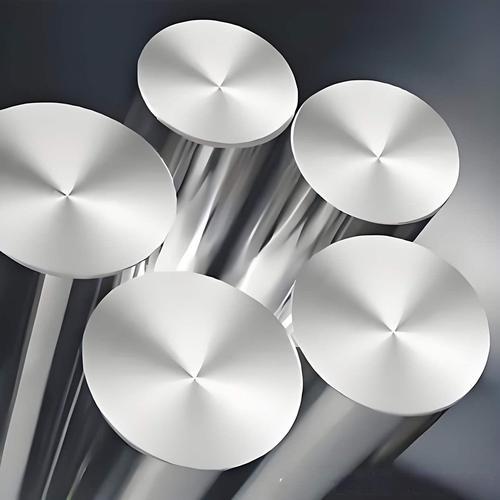
Inconel 617 alloy round bar price per kilogram is commonly about USD 45 to 90 per kg for standard industrial stock sizes. Large forged bars, small pre...
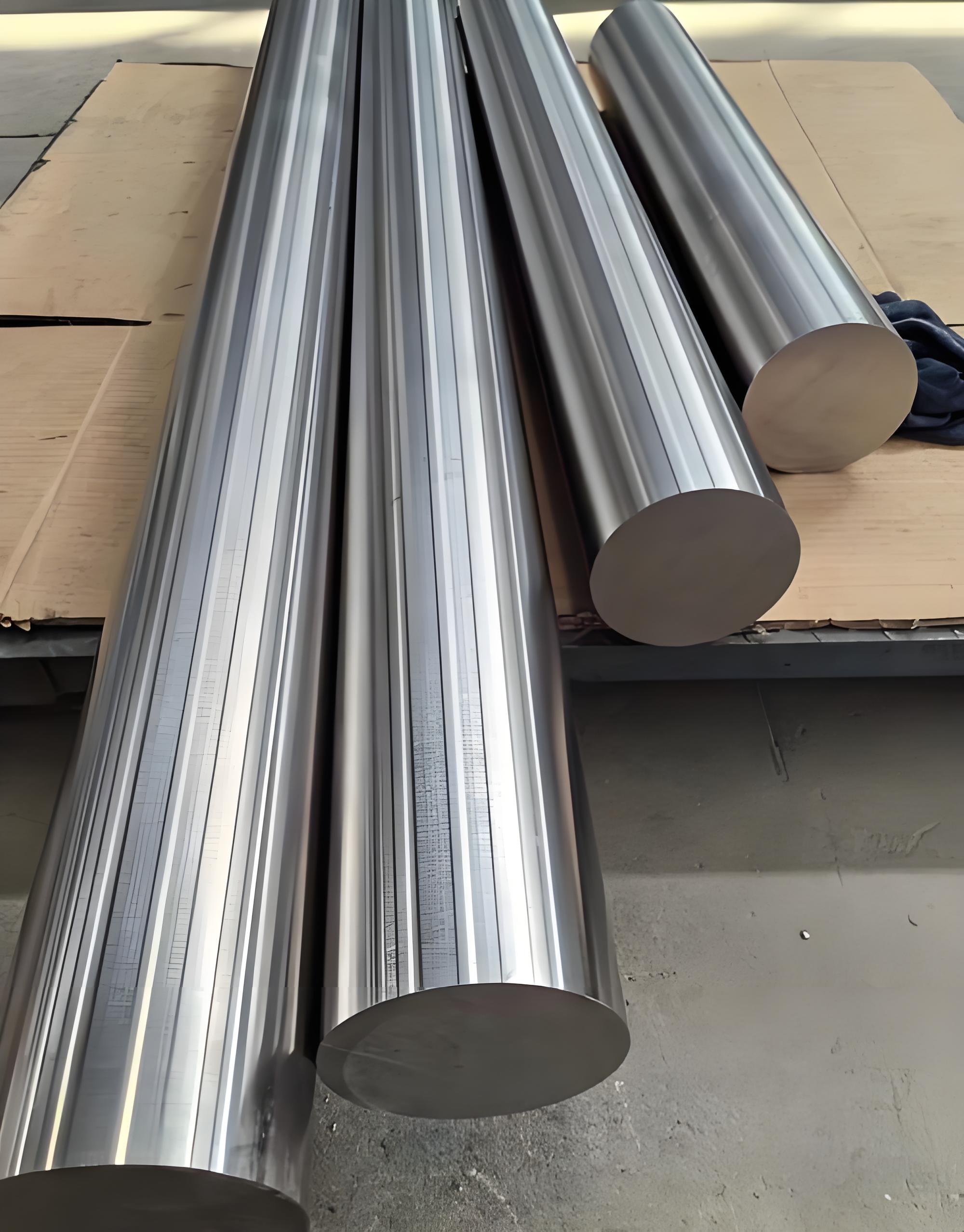
The latest Inconel 625 alloy bar price per kg depends on nickel, molybdenum, niobium, and chromium raw material costs, as well as bar diameter, manufa...
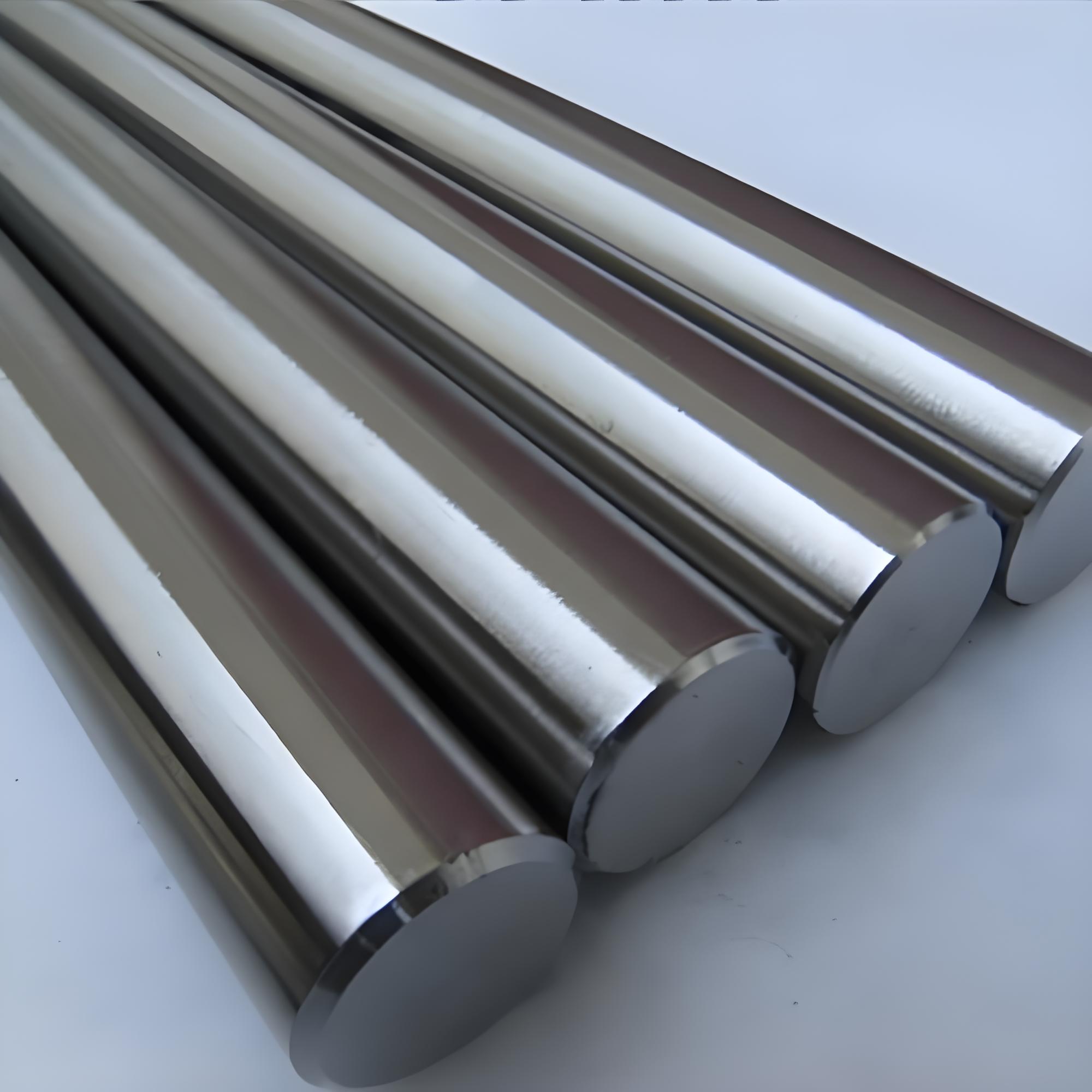
Inconel X-750 alloy bar price depends on nickel raw material cost, bar diameter, product condition, heat treatment, specification, surface finish, dim...
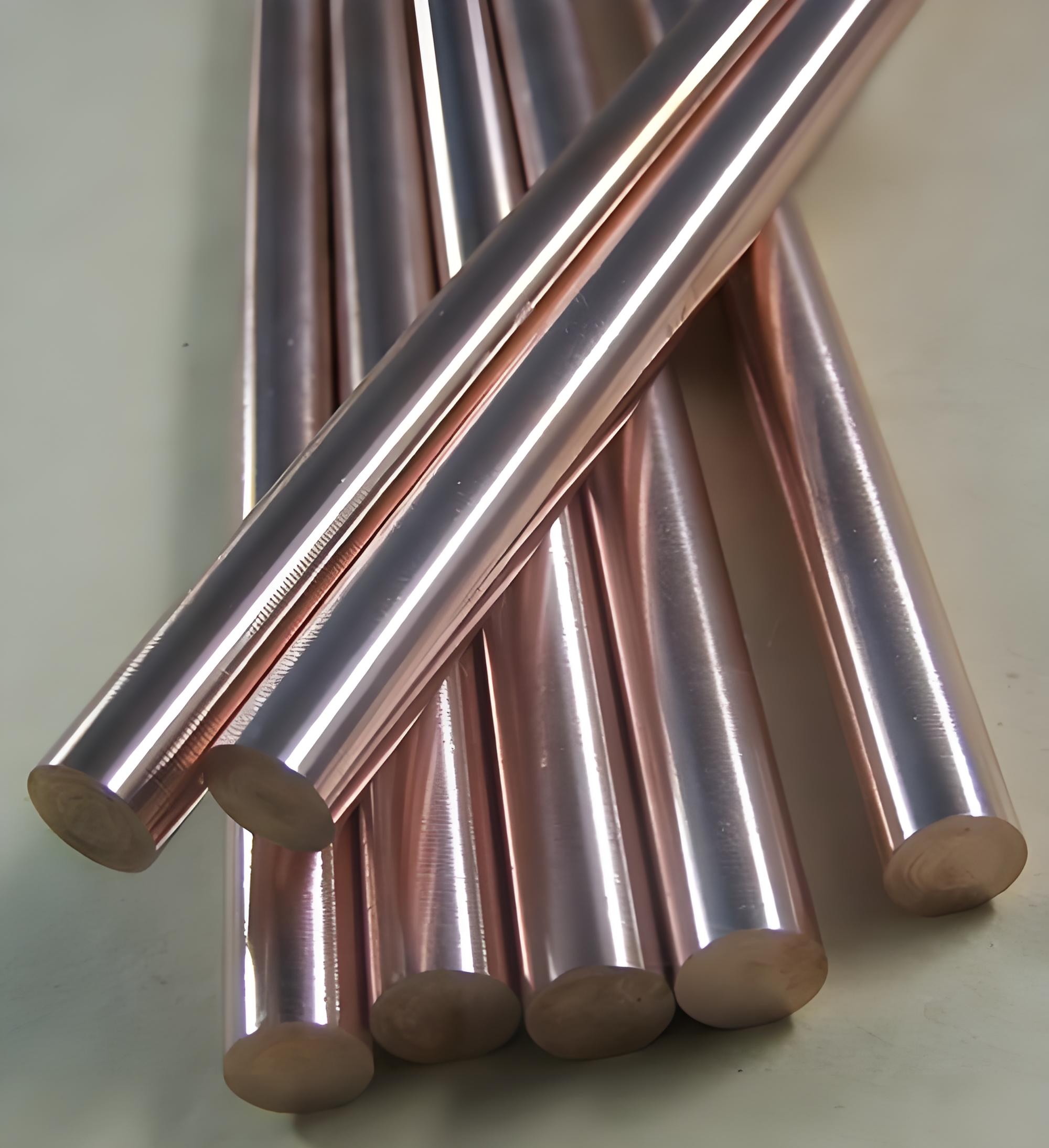
Inconel 602CA alloy bar price per kg is usually higher than common Inconel 600 and Inconel 601 bars because Alloy 602CA is a premium high-temperature ...
 English English
  Korean
 Arabic
 Spanish
 German
 Portuguese
 French
 Russian
 Italian
 Vietnamese