
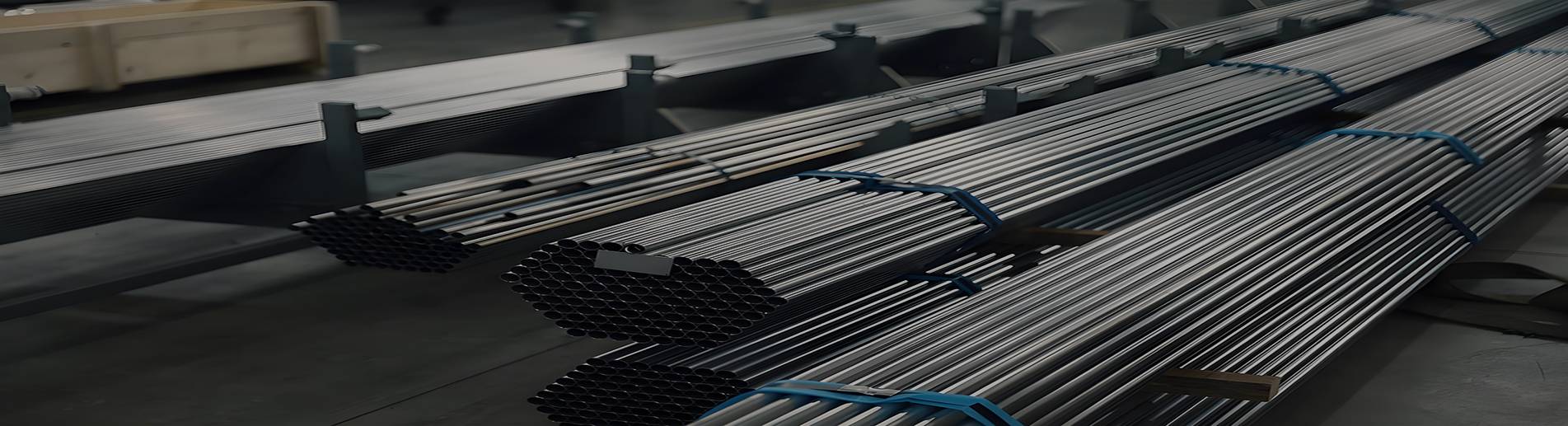
Inconel 617 alloy round bar price per kilogram
Inconel 617 alloy round bar price per kilogram is commonly about USD 45 to 90 per kg for standard industrial stock sizes. Large forged bars, small pre...
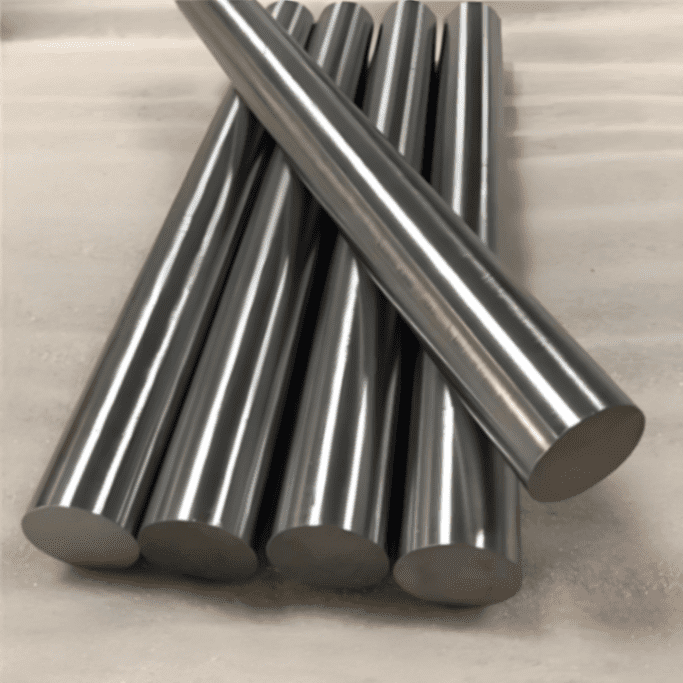
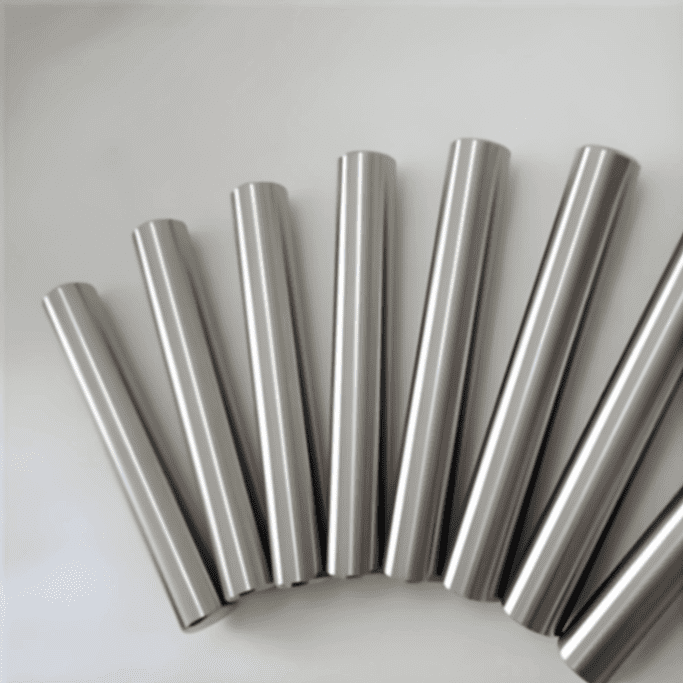
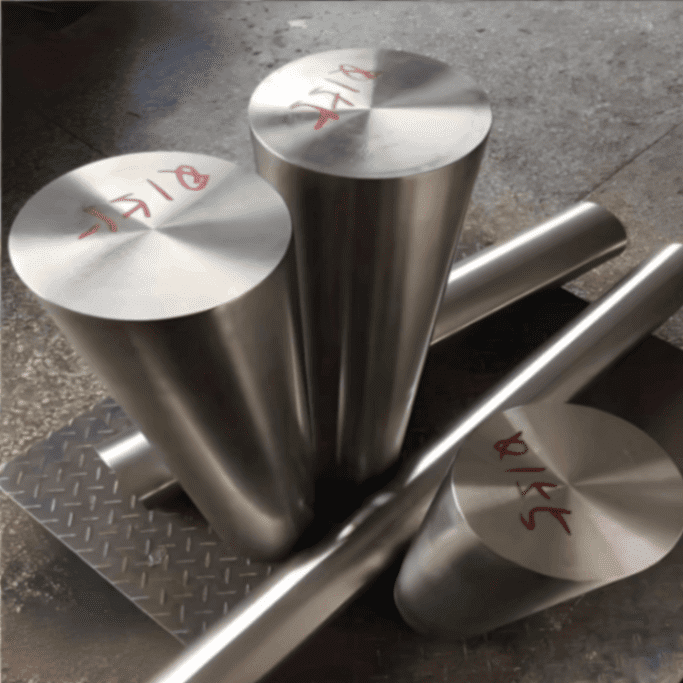
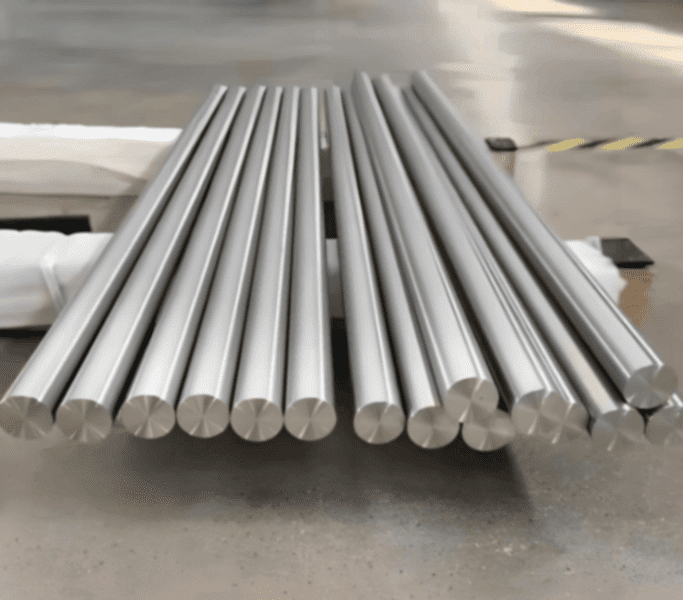
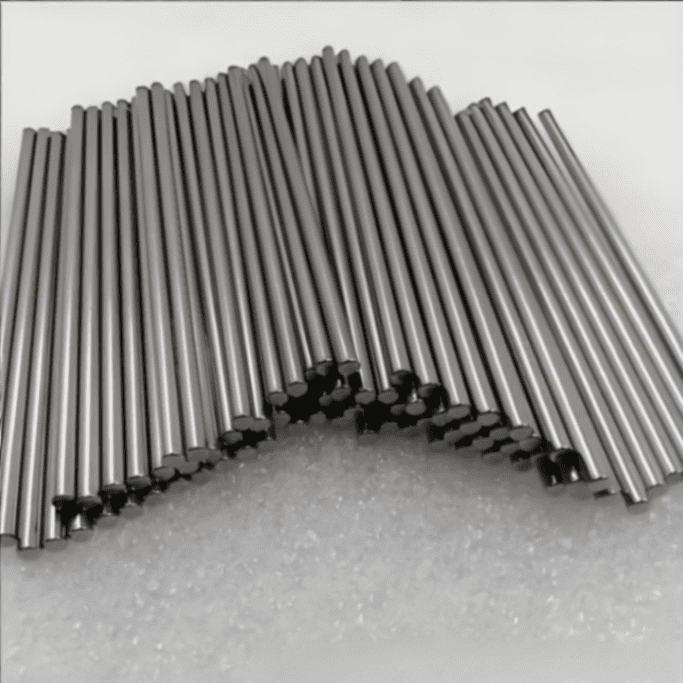
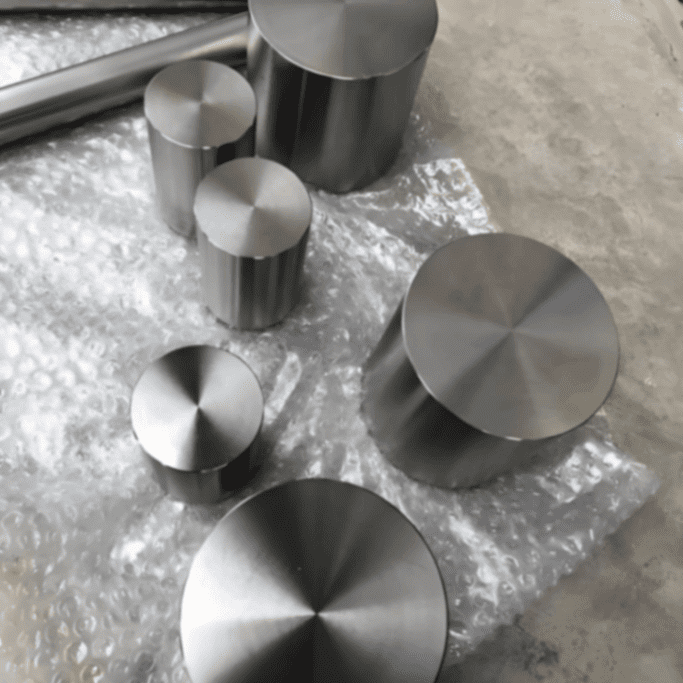
A customer working with high-temperature flue gas treatment equipment recently asked me, “How much is a kilogram of Nimonic 263 bar stock now?” My answer might have disappointed him: the price of this nickel-based alloy, unlike rebar, doesn’t have a daily listed price. The real market situation depends on whether you’re buying 20mm diameter annealed bar stock or 150mm forged bars that come with aerospace forging traceability documentation. In applications like gas turbine seals, automotive turbocharger turbine wheels, or high-temperature mold ejector pins, the material selection and purchase quantity directly determine the actual cost per kilogram. Today, let’s break down the pricing logic of this alloy material from an engineering and procurement perspective.
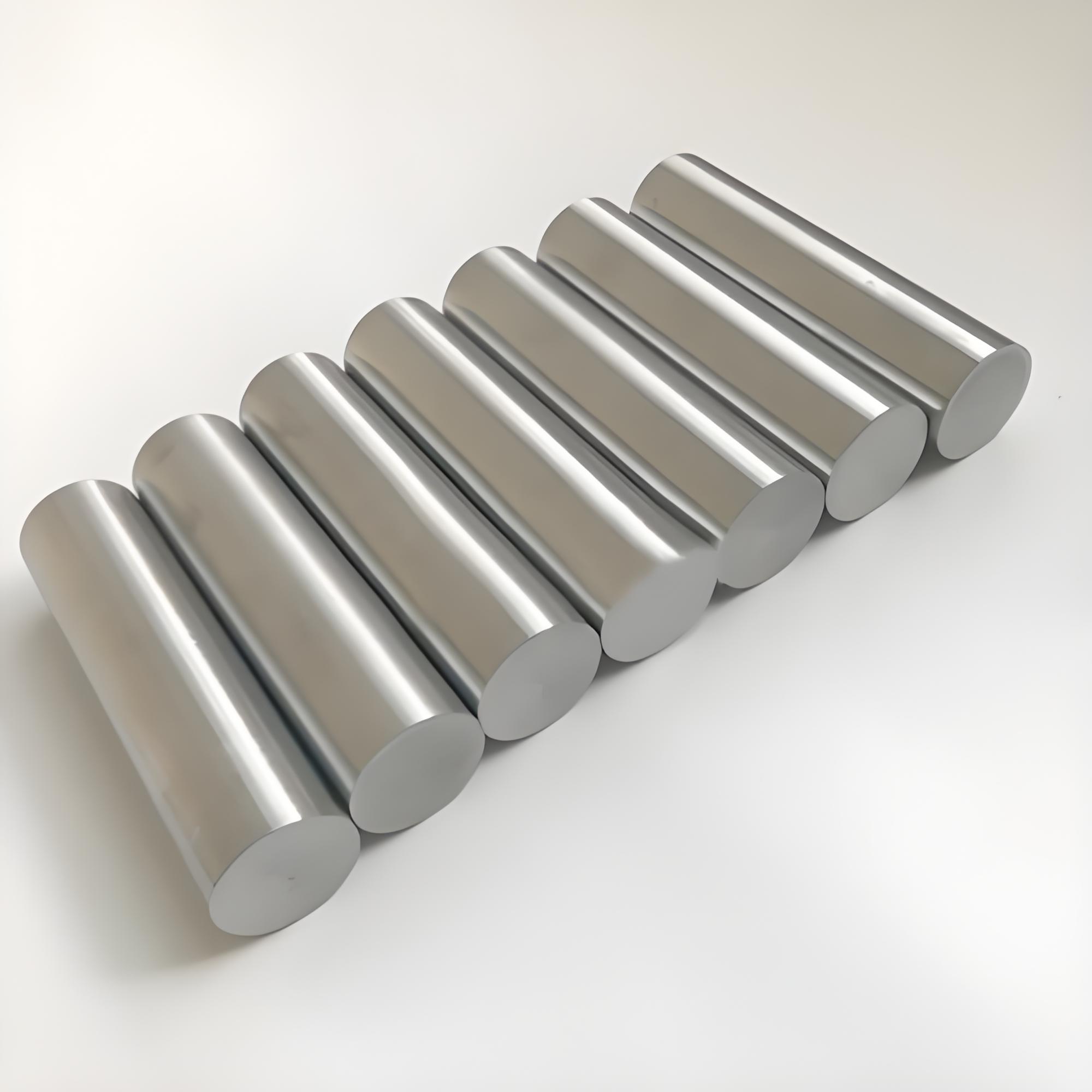
In the family of nickel-based superalloys, Nimonic 263 is the one with medium strength but excellent weldability. Unlike Nimonic 80A or Inconel 718, which aim for ultimate high-temperature strength, Alloy 263 controls its aluminum and titanium content (total around 2.4%) to maintain good plasticity even after solution strengthening. For a buyer, this means you can use it to manufacture complex welded structures, like thin-walled combustion chamber liners, without needing complex post-weld stress relief annealing. This is critical in practical production – many high-strength nickel alloys crack right after welding, while Alloy 263 rarely causes such trouble.
The standard composition ranges below are based on BS HR 650 and AMS 5872. Note that fluctuations in Cobalt content significantly impact the price, as Cobalt is a strategic metal with highly unstable prices on the international market.
| Element | Content Range (%) | Impact on Procurement |
|---|---|---|
| Nickel (Ni) | Balance (~52) | Base element, price linked to LME Nickel price |
| Chromium (Cr) | 19.0 – 21.0 | Provides oxidation and corrosion resistance |
| Cobalt (Co) | 19.0 – 21.0 | Main source of cost volatility, raw material cost rises significantly with each 1% increase in Cobalt |
| Molybdenum (Mo) | 5.6 – 6.1 | Solid solution strengthener, improves high-temperature strength |
| Titanium (Ti) | 1.9 – 2.4 | Forms γ’ strengthening phase with Aluminum |
| Aluminum (Al) | ≤0.6 | Controls γ’ phase content, affects weldability |
| Carbon (C) | ≤0.08 | Forms a small amount carbides, controls grain size |
From the composition, the ~20% Cobalt content is what distinguishes Alloy 263 from other medium-temperature alloys (like Cobalt-free Inconel 600 series). When the international Cobalt price jumps from $15/lb to $25/lb, the raw material cost per ton of 263 alloy bar increases by roughly $4400. This is why you need to constantly monitor metal exchange quotes during procurement.
| Property | Value | Significance for Engineering Design |
|---|---|---|
| Density | 8.36 g/cm³ | About 5% heavier than stainless steel; use 8.4 for safer weight and logistics cost calculations |
| Melting Range | 1300 – 1350℃ | Solution treatment temperature is typically around 1150℃, don’t exceed this range |
| Thermal Expansion Coefficient (20-800℃) | 14.7 ×10⁻⁶/K | Similar to austenitic stainless steel; thermal stress during dissimilar material welding is not a major issue |
| Thermal Conductivity (800℃) | ~20 W/m·K | Slightly better heat transfer than stainless steel, but thermal gradients at high temperatures still need consideration |
The 8.36 density figure is practical for procurement. A 1m long round bar with 50mm diameter has a theoretical weight of about 16.4 kg. If a supplier uses a theoretical weight factor of 8.4 for quoting, it’s reasonable because actual rolled bars have positive tolerances. Also, the thermal expansion coefficient being close to stainless steel allows 263 alloy to be welded directly to some stainless steel flanges or housings, saving on transition pieces – which can save significant money in heat exchanger repairs.
The following data is based on solution-treated bar stock (1150℃ rapid air cooling), the most common delivery condition.
| Test Temperature | Tensile Strength (MPa) | Yield Strength (MPa) | Elongation (%) | Engineering Interpretation |
|---|---|---|---|---|
| Room Temperature | 950 – 1100 | 550 – 700 | 35 – 45 | Very good toughness, suitable for cold forming |
| 700℃ | 680 | 450 | 25 | Maintains stable strength in this range, suitable for exhaust system components |
| 800℃ | 560 | 370 | 22 | Critical design temperature, creep strength becomes a primary consideration |
| 900℃ | 370 | 240 | 30 | Strength drops significantly, not recommended for long-term high stress at this temperature |
Note the room temperature yield strength is only 550-700 MPa, which is not in the same league as precipitation-hardening nickel alloys (like Inconel 718’s room temperature yield strength reaching 1200 MPa). But engineering isn’t just about high strength. In most projects, Alloy 263’s advantage lies in maintaining 370 MPa yield strength at 800℃ while elongation doesn’t drop drastically. For a buyer, this means if your component operates in the 750-850℃ range and experiences cyclic thermal stress (like a gas turbine starting and stopping daily), 263’s toughness is more reliable than those hard and brittle materials.
In procurement, people often confuse 263 with two other common nickel-based bars. Let’s clarify the real differences.
| Material Grade | Max Continuous Operating Temp | Weldability | Creep Resistance | Typical Price Multiple (304 SS = 1) | When to Prioritize |
|---|---|---|---|---|---|
| Nimonic 263 | 800℃ | Excellent | Medium | 12-18x | Welded structures, thermal cycling conditions, parts needing age hardening |
| Nimonic 75 | 700℃ | Very Good | Low | 6-10x | Oxidation resistance priority, low stress sheet metal parts, cost-sensitive |
| Inconel 625 | 650℃ (Oxidation) / 450℃ (Strength) | Good | Medium | 8-14x | Needs both acid corrosion resistance and moderate temperature strength, e.g., offshore platforms |
For example, if you are making a chemical reactor internal component operating at 650℃ with a corrosive medium, Inconel 625 might be more suitable due to its higher Molybdenum content providing better pitting resistance, and it’s often cheaper. However, if this reactor requires frequent cleaning with rapid temperature changes from room temperature to 750℃, then Alloy 263’s thermal fatigue resistance provides value – 625 is prone to thermal fatigue cracks under such cycles. The choice isn’t about which is ‘better’, but which better matches your actual load spectrum and environmental conditions.
The orders that actually pay for 263 alloy bar stock are usually these types:
Gas Turbine Combustion Chamber Components: Machined into thin-walled liners or flame tubes. The material needs good high-temperature oxidation resistance and must be weldable via TIG. The low Aluminum content in 263 alloy makes it less prone to forming stubborn aluminum oxide inclusions during welding – a feature shop floor welders really appreciate.
Automotive Turbocharger Seal Rings: Small diameter, but require the material to maintain elasticity long-term around 700℃. 263 alloy’s stress relaxation performance is much better than austenitic stainless steel. Procurement often specifies fine-grained, cold-drawn bar stock.
High-Temperature Molds and Tooling: For example, extrusion dies for copper alloys or glass molding dies. The material needs dimensional stability under repeated heating and cooling cycles. Here, 263 alloy offers better oxidation resistance and longer life than H13 hot work tool steel, but costs over ten times as much. Buyers weigh: Is the reduced mold maintenance frequency and downtime loss worth the price difference?
When to firmly choose Nimonic 263?
Your operating conditions meet all three: ① Operating temperature between 650-850℃; ② Part requires welding, or experiences complex thermal cycles; ③ Has some requirement for oxidation and corrosion resistance, but not strong acids. Examples: aircraft engine diffuser casings, industrial gas turbine transition ducts. In these cases, the cost of material failure is extremely high, making the reliability and processability of 263 alloy paramount.
When should alternatives be considered?
If the operating temperature is stable below 600℃, and excellent weldability isn’t needed, then Inconel 600 or even 310S stainless steel (0Cr25Ni20) might suffice, potentially costing only one-fifth as much as 263 alloy. Also, if you need short-term strength above 900℃, you should look at Nimonic 115 or Haynes 282; they have higher Cobalt and Molybdenum content but prices will be 30%+ higher.
A Real Case of Cost and Performance Trade-off
An exhaust gas recirculation (EGR) cooler manufacturer initially designed to use 263 alloy for internal finned tube bundles because the exhaust inlet temperature was 780℃. However, they later found that by optimizing the cooling water flow path, they could lower the fin’s maximum temperature to 680℃. They switched to Nimonic 75, reduced material cost by 40%, and the better thermal conductivity of 75 alloy actually improved overall efficiency. This case shows: Don’t just look at the material’s unit price; optimize material selection from a system temperature management perspective.
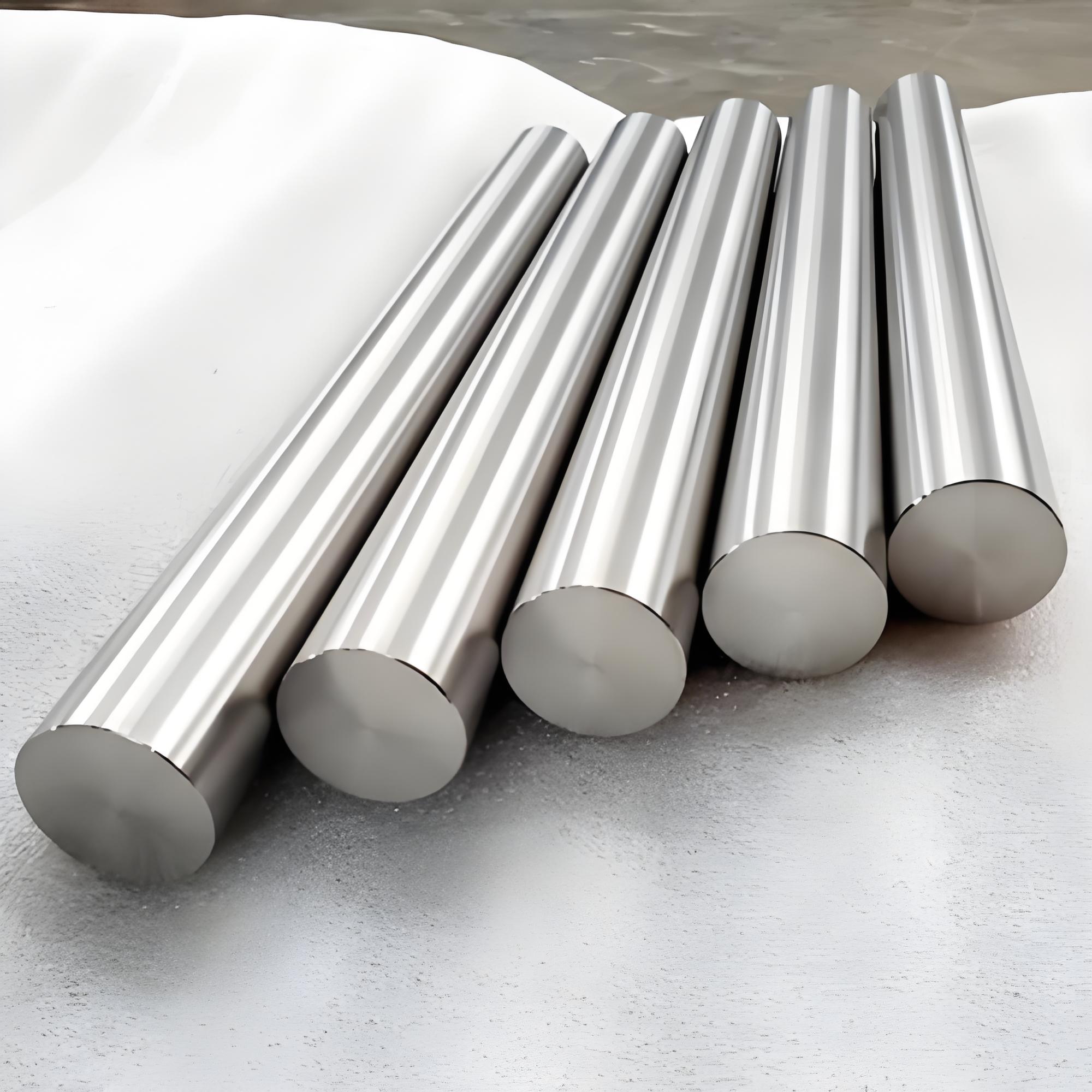
The same 263 alloy bar, with or without aerospace certification, can have a 30% price difference. Here are common delivery standards:
| Standard/Specification | Application Scope | Impact on Procurement |
|---|---|---|
| AMS 5872 | Aerospace engine forgings, bar stock | Most stringent, requires complete records for each melt, forging ratio, and NDT; highest price |
| BS HR 650 | British Standard, for gas turbines | Similar strictness to AMS, common for European projects |
| ASTM B546 | Industrial rolled or forged bar stock | Widely applicable, no mandatory aerospace traceability; moderate price |
| Corporate Custom | Non-critical structural parts, molds | May only guarantee chemistry and room temperature mechanicals; lowest price, but buyer assumes risk |
For most industrial buyers, if the project doesn’t mandate AMS specifications, choosing material meeting ASTM B546 offers the best value. However, be sure to specify “solution treated condition” and request a grain size report (typically ASTM 5 or finer). Fine-grained bars perform more consistently during subsequent forging or machining.
The following is not a real-time quote, but a cost structure model. The actual transaction price depends on spot inventory from specialized suppliers like Shanghai NC Metal Materials Co., Ltd. and current LME Nickel and Cobalt prices.
| Cost Component | Estimated Percentage | Remarks |
|---|---|---|
| Metal Raw Materials (Ni, Co, Cr, etc.) | 45-55% | Cobalt price is the biggest variable, followed by Nickel |
| Vacuum Melting + ESR | 15-20% | Ensures purity and homogeneity |
| Forging/Rolling Processing | 10-15% | Smaller or larger diameters increase processing cost |
| Heat Treatment + NDT + Machining | 5-10% | Solution treatment + ultrasonic testing is standard process |
| Certification, Documentation, Overhead | 8-12% | Higher percentage for AMS certified material |
| Reasonable Profit | 5-10% | Can be reduced below 5% for bulk orders |
In the 2024-2025 market environment, the ex-works reference price for one ton of ASTM B546 standard Nimonic 263 round bar (diameter 30-80mm) is roughly $65,000 – $95,000 USD/ton. For the same specification, material with AMS 5872 certification typically costs $80,000 – $120,000 USD/ton. Note this is just a reference; the price per kilogram varies greatly between a 1-ton and a 100kg purchase quantity. Small quantities (e.g., a few test bars) might double the price because the supplier needs to cover cutting, packaging, and minimum order costs.
The most pragmatic approach for a buyer is to clearly define your real needs: Do you need aerospace certification? Does every single bar need an ultrasonic test report? If you’re just making a few sets of tooling fixtures, you can negotiate with suppliers for “remnants” or “non-standard lengths,” sometimes getting material with equivalent properties for 60% of the price.
When communicating with specialized nickel alloy suppliers like Shanghai NC Metal Materials Co., Ltd., don’t just ask “How much is 263 bar?” An efficient RFQ should include: Required outside diameter range (e.g., 50mm +0.5/-0), Length (fixed or random), Delivery condition (solution treated or aged?), Quantity (total kg or number of pieces), Required specification (ASTM or AMS?), Need for third-party inspection (e.g., SGS). The clearer the information you provide, the more likely they are to offer a competitive price. Additionally, if the project isn’t urgent, ask about the difference between “domestic processing of imported mother stock” and “fully imported finished product” – the former can often save about 15% in tariffs and warehousing costs.
Is Nimonic 263 bar more expensive than Inconel 718? Why?
Typically, 263 alloy bar is 10-20% more expensive than 718 of the same specification. The main reason is that 263 contains about 20% Cobalt, while 718 contains almost none. Cobalt is a scarce strategic metal with high price volatility. However, note that 718 has a stronger work-hardening tendency, which can lead to higher tooling costs and scrap rates when machining complex parts. So, if calculating the “final part cost,” the difference might be negligible.
How to control costs when purchasing small quantities of Nimonic 263 bar for repairs?
The most direct method is asking suppliers if they offer cut-to-size from stock. Many specialized stockists (like Shanghai NC Metal Materials Co., Ltd.) stock common diameters and can cut to your required length, charging by the actual cut weight. This avoids buying an entire 3-meter bar just for a 500mm piece. Also, ask about “secondary material” or “surface ground material” – if not used for pressure-bearing or cyclic stress applications, these are perfectly fine for tooling or non-structural parts and could be 30%+ cheaper.
When can cheaper Nimonic 75 or 80A replace 263?
If your operating conditions meet all three: ① Maximum temperature does not exceed 700℃; ② The part does not involve complex welding (especially fillet welds between thin and thick sections); ③ Oxidation resistance requirement is higher than high-temperature strength. Then Nimonic 75 is a more economical choice. Conversely, if you need age hardening for higher creep strength, or operating temperatures are between 750-850℃, 80A’s weldability is inferior to 263, making 263 still the preferred choice. Remember a simple rule: Need welding? Choose 263. Need lower cost and no welding? Consider 75. Need maximum strength and no welding? Consider 80A.
More from this category
Inconel 617 alloy round bar price per kilogram is commonly about USD 45 to 90 per kg for standard industrial stock sizes. Large forged bars, small pre...
The latest Inconel 625 alloy bar price per kg depends on nickel, molybdenum, niobium, and chromium raw material costs, as well as bar diameter, manufa...
Inconel X-750 alloy bar price depends on nickel raw material cost, bar diameter, product condition, heat treatment, specification, surface finish, dim...
Inconel 602CA alloy bar price per kg is usually higher than common Inconel 600 and Inconel 601 bars because Alloy 602CA is a premium high-temperature ...
 English English
  Korean
 Arabic
 Spanish
 German
 Portuguese
 French
 Russian
 Italian
 Vietnamese