
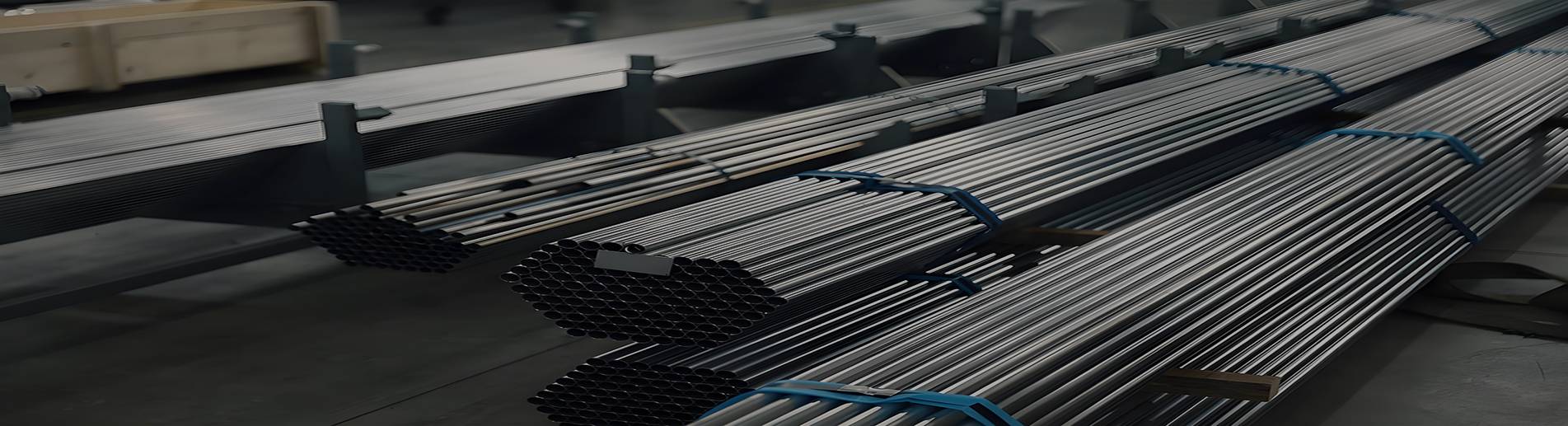
Inconel 617 alloy round bar price per kilogram
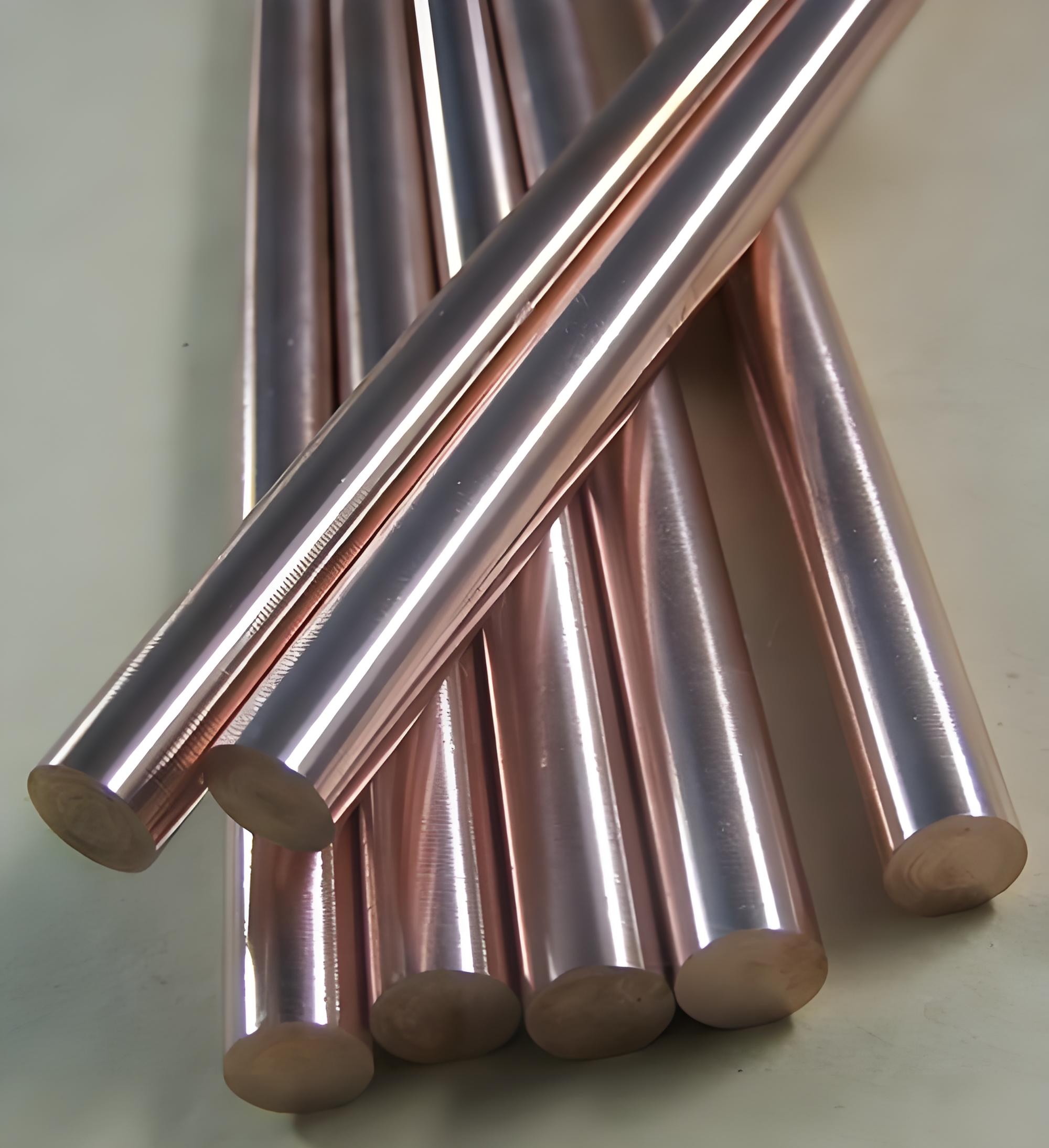
Inconel 617 alloy round bar price per kilogram is commonly about USD 45 to 90 per kg for standard industrial stock sizes. Large forged bars, small pre...
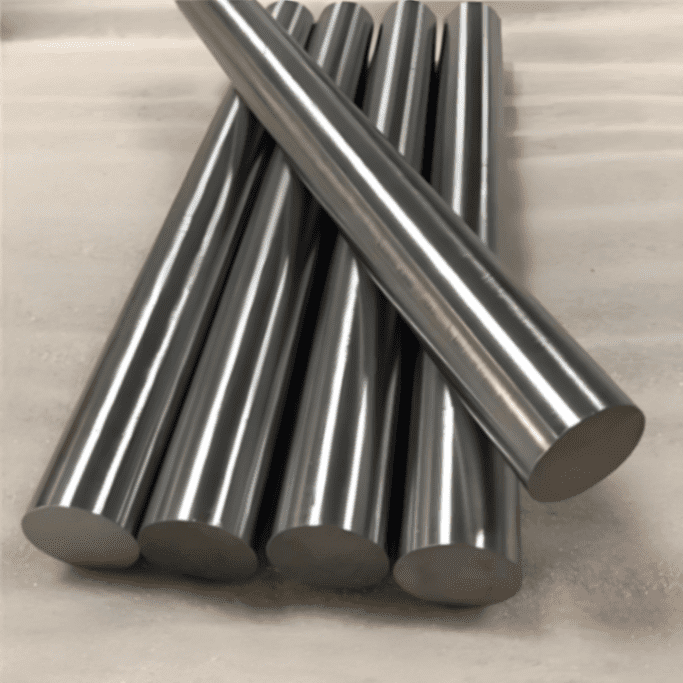
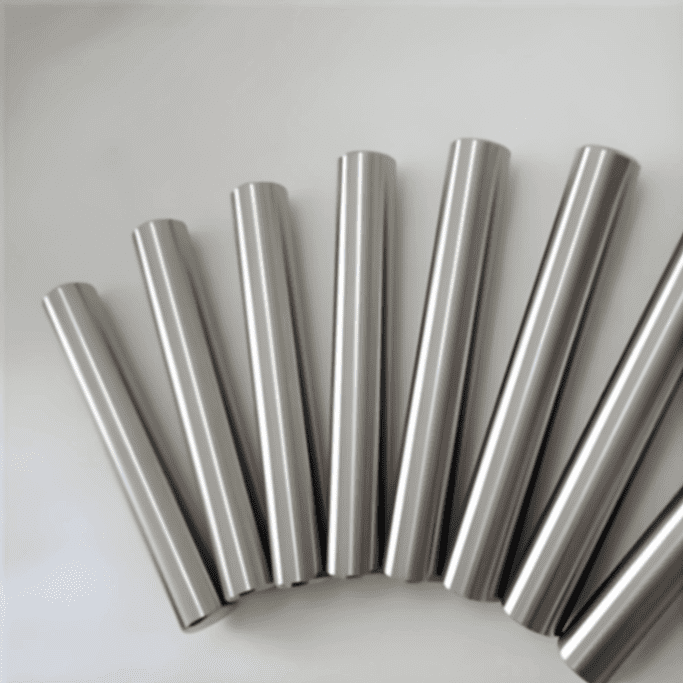
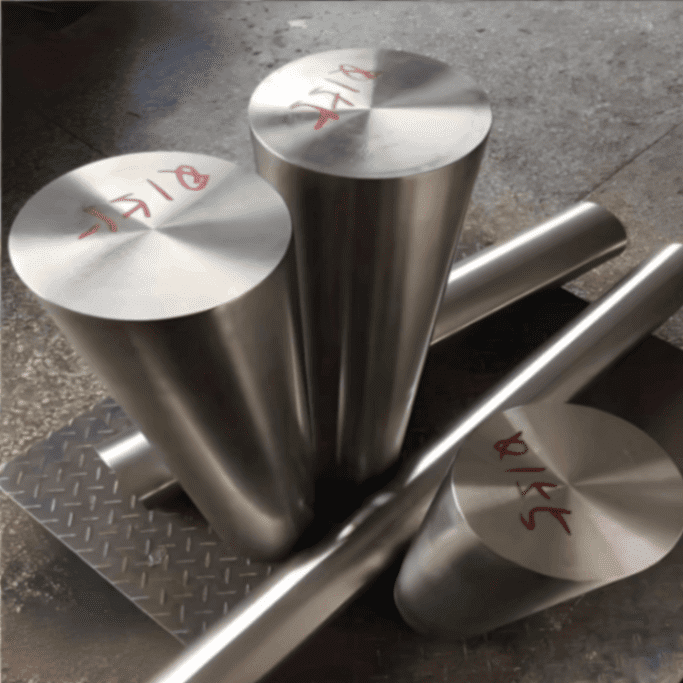
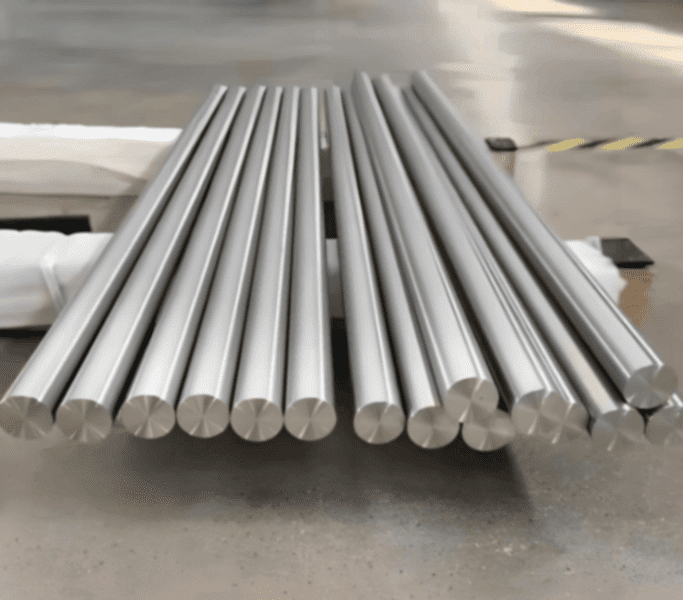
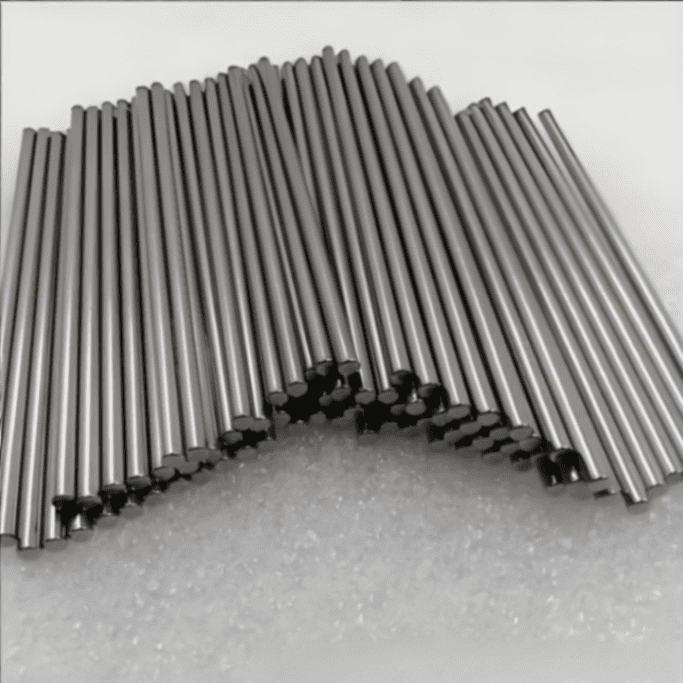
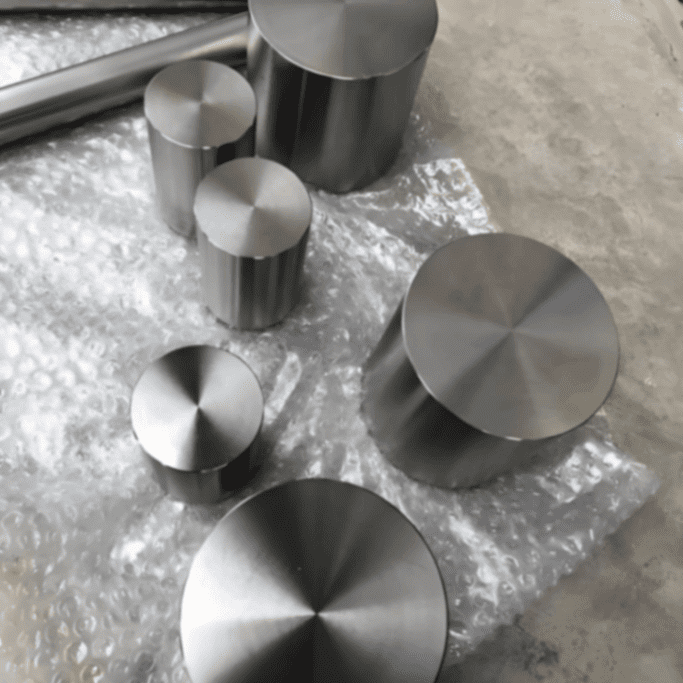
Imagine procuring fasteners and turbine disc materials for a newly constructed gas turbine power plant. The operating temperature will consistently hover around 700°C, and the combustion gases contain trace amounts of sulfides. You have two supplier recommendation reports in hand: one strongly advocates for Nimonic 90, while the other pushes for Inconel 718. Both are top-tier nickel-based superalloys, expensive, and have lead times stretching for months. In this scenario, choosing the wrong material not only means hundreds of thousands of dollars in direct losses but also the potential cascade of unplanned downtime. For procurement engineers and project decision-makers, the choice between Nimonic 90 and Inconel 718 is not a simple comparison of grade designations; it is a profound trade-off between high-temperature creep limit and comprehensive yield strength.
Before diving into technical details, there is a fundamental metallurgical difference that defines the application boundaries of these two materials: the precipitation strengthening phase. Nimonic 90 belongs to the early nickel-chromium-cobalt alloy system, primarily relying on a large volume of γ’ phase (Ni3(Al,Ti)) for strengthening. Inconel 718, on the other hand, is a niobium-modified alloy that relies mainly on γ” phase (Ni3Nb) and a portion of γ’ phase for strengthening. This microscopic difference directly results in Nimonic 90 exhibiting superior stability at extremely high temperatures compared to Inconel 718, whereas Inconel 718 boasts virtually unmatched tensile strength in the intermediate temperature range. For buyers, this means if you require material rigidity to be maintained above 800°C, Nimonic 90 is the first choice; but if you need the material to withstand immense mechanical stress below 650°C, Inconel 718 offers better cost-effectiveness and machinability.
To understand the performance differences, one must look back at the ratios on the periodic table. Although both are nickel-based, the variations in auxiliary elements create distinctly different physical characteristics. The table below details the standard chemical composition ranges for these two industrial bar stocks. Note that the extremely high cobalt content in Nimonic 90 is the primary reason for its high cost and susceptibility to fluctuations in international cobalt prices.
| Element | Nimonic 90 (UNS N07090) | Inconel 718 (UNS N07718) |
| Nickel (Ni) | Balance (≥54.0) | 50.0 – 55.0 |
| Chromium (Cr) | 18.0 – 21.0 | 17.0 – 21.0 |
| Cobalt (Co) | 15.0 – 21.0 | ≤1.0 |
| Molybdenum (Mo) | – | 2.80 – 3.30 |
| Niobium (Nb) + Tantalum (Ta) | – | 4.75 – 5.50 |
| Titanium (Ti) | 2.0 – 3.0 | 0.65 – 1.15 |
| Aluminum (Al) | 1.0 – 2.0 | 0.20 – 0.80 |
| Iron (Fe) | ≤1.5 | Balance |
From the table above, the differences in procurement cost structure become clear. Nimonic 90’s high cobalt formulation (up to 21%) makes it a strategic resource-sensitive material. In contrast, Inconel 718 replaces expensive cobalt with niobium and molybdenum, using iron as the balance filler. This explains why, for the same weight and specifications, the billet cost of Inconel 718 is typically about 20%-35% lower than that of Nimonic 90. For buyers procuring large quantities of bolts or downhole tool components, this price difference is significant within the overall project budget.
In high-temperature design selection, density and thermal expansion coefficient are often overlooked by non-specialists, yet they directly relate to centrifugal stress in rotor blades and clearance control in seals. If you are looking for nickel-based bar stock to replace Waspaloy or Rene 41, the subtle differences in physical properties determine the service life of the component.
| Physical Property Parameter | Nimonic 90 | Inconel 718 |
| Density (g/cm³) | 8.18 | 8.19 |
| Melting Range (°C) | 1310 – 1370 | 1260 – 1336 |
| Thermal Conductivity (W/m·°C @ 100°C) | 11.5 | 11.4 |
| Thermal Expansion Coefficient (µm/m·°C, 20-100°C) | 12.7 | 13.0 |
Although the densities are nearly identical, note that the melting point of Nimonic 90 is significantly higher. In practical applications, this means Nimonic 90 has a wider temperature window for resisting high-temperature oxidation. For example, in automotive engine exhaust valve applications, Nimonic 90 can maintain a dense oxide scale under marginal conditions approaching 900°C, whereas Inconel 718, above 650°C, experiences a transformation of its strengthening phase γ” into the stable δ phase, leading to a sharp drop in strength. Therefore, relying solely on room temperature data is insufficient; thermal cycling in the operating environment must be considered.
This is the section of greatest interest to most mechanical design engineers. A distinction must be made between room temperature data and high-temperature data. Inconel 718 possesses nearly the highest yield strength among comparable alloys in the range from room temperature up to 650°C, thanks to its unique γ” strengthening mechanism. However, once the 650°C threshold is crossed, Nimonic 90 demonstrates superior rupture strength and creep resistance.
| Mechanical Properties (Typical, Aged Condition) | Nimonic 90 | Inconel 718 |
| Tensile Strength (MPa, Room Temp) | 1240 | 1375 |
| Yield Strength (MPa, 0.2%, Room Temp) | 790 | 1100 |
| Elongation (%, Room Temp) | 25 | 20 |
| Hardness (HRC) | 32-38 | 36-42 |
| Rupture Strength at 815°C for 1000 hours (MPa) | ~120 | ~25 (Approaching Failure) |
The table also explains the core logic of material selection: Inconel 718 offers higher static strength and hardness, making it ideal for manufacturing fasteners requiring preload or shaft components subjected to extremely high torque. However, while Nimonic 90’s yield strength is lower, its stress-rupture life in a red-hot state far exceeds that of Inconel 718. Compared to Inconel 718, Nimonic 90 is more sensitive to work hardening, making cold forming difficult; hot or warm working is usually required. In most machining projects, the cutting parameters for Inconel 718 are easier to control, and tool life is longer.
During procurement, buyers often confuse these two materials with Nimonic 80A or Inconel 625. Although all are nickel-based alloys, their strengthening logic differs. Inconel 625 is a solid-solution strengthened alloy with excellent post-weld properties but significantly lower strength than the precipitation-hardened Inconel 718. Compared to Nimonic 80A, Nimonic 90 increases cobalt content and adjusts the aluminum-to-titanium ratio, notably enhancing high-temperature creep performance. If your application merely requires corrosion resistance with low mechanical stress, Inconel 625 is a lower-cost choice. If extremely high hot hardness is needed, Nimonic 90 is an upgrade over 80A. But if the goal is the optimal balance of ultimate room temperature yield strength and good weldability, Inconel 718 remains the benchmark reference in the industrial bar stock market.
To help establish an intuitive basis for judgment, we reconstruct these material grades in realistic industrial environments.
Exclusive Domains for Nimonic 90: Primarily used in internal combustion engine exhaust valves, high-temperature springs, and gas turbine blades and discs. In these scenarios, parts must endure not only thermal fatigue but also high-frequency impacts with little to no lubrication. Consider high-temperature springs in a chemical plant’s cracking furnace where the ambient temperature reaches 850°C; using Inconel 718 would result in rapid stress relaxation and loss of spring force, whereas Nimonic 90, with its superior relaxation resistance, maintains longer maintenance intervals.
Broad Market for Inconel 718: From compressor discs, shafts, and casings in aircraft engines to downhole tools, fasteners, and cryogenic structural components in deep-sea oil drilling. Its advantage lies in its all-around performance from -250°C up to 650°C. In marine and chemical industries, as long as the temperature threshold is not exceeded, Inconel 718 is often preferred over Nimonic 90 for a simple reason: it is not only stronger but also, due to its high iron content, has relatively manageable susceptibility to hydrogen-induced cracking, making it suitable for valve stems in sour oil and gas fields.
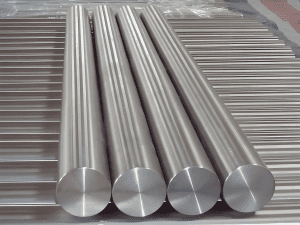
This is the most critical part of any material selection handbook. Please perform a self-assessment based on the following logic:
When Must You Choose Nimonic 90?
Long-term service temperature exceeds 700°C (especially in the 800°C-900°C range). When design requirements prioritize creep and relaxation resistance over absolute yield strength. Examples include high-temperature springs, heat treatment fixtures, and high-temperature fasteners. If budget allows and you cannot accept frequent downtime maintenance due to material softening.
When is Inconel 718 the Better Solution?
Service temperature is below 650°C, and there is an extremely high demand for yield strength (e.g., bolts subjected to immense tensile stress, thick-walled casings). When a combination of corrosion resistance and high strength is needed, and weld repair is a requirement (Inconel 718‘s weldability is significantly better than Nimonic 90’s). Cost-sensitive projects: Inconel 718 offers a lower cost per unit of strength. In the cryogenic to intermediate temperature range, it is one of the best performing nickel alloy materials in terms of mechanical properties.
Cost vs. Performance Trade-off: If part failure results from high-temperature deformation or softening, the 30% extra cost for Nimonic 90 is a worthwhile insurance premium. If part failure is due to tensile fracture or insufficient yield, then choosing Inconel 718, with its 300+ MPa higher yield strength, is the prudent decision. Blindly pursuing temperature resistance while ignoring strength requirements may force an increase in part cross-section size, negating the inherent advantages of the material grade itself.
During the inquiry and procurement process, using the correct standard designations is fundamental to ensuring supply chain accuracy. The table below summarizes the common applicable standards for these two nickel-based bar stocks and forgings.
| Product Form | Nimonic 90 Standards | Inconel 718 Standards |
| Bar / Rod | AMS 5829, BS HR2, DIN 17752 | AMS 5662, ASTM B637, API 6A CRA |
| Plate / Sheet / Strip | BS HR 201, AMS 5547 | AMS 5596, ASTM B670 |
| Forgings | AMS 5829, BS HR2 | AMS 5663, API 6A |
| Tubing / Pipe | Less Common | AMS 5589, ASTM B983 |
It is important to note that Inconel 718 has specific API 6A standards for the oil and gas industry, with distinct yield strength grades such as 120K and 150K. This provides buyers with finer strength level options. Standards for Nimonic 90 are more concentrated within aerospace AMS and British BS systems, reflecting its pedigree as a critical rotating component material for aircraft engines.
Market prices for alloy materials fluctuate significantly, influenced by non-ferrous metal futures like nickel, cobalt, and niobium. The table below provides relative cost factor references based on market conditions in early 2025 (using 304 stainless steel as a base factor of 1.0), intended for budget estimation purposes only. Actual transaction prices depend on dimensional tolerances, heat treatment condition, and purchase volume, requiring confirmation from professional suppliers such as Shanghai NC Metal Materials Co., Ltd.
| Cost Factor Comparison | Nimonic 90 | Inconel 718 |
| Raw Material Cost Factor | High (Significantly affected by Co price) | Medium-High |
| Typical Bar Relative Price Factor | ~8.5 – 10.0 | ~5.5 – 6.5 |
| Machining Cost Factor | High (Difficult grinding, rapid tool wear) | Medium (Established machining parameters) |
| Lead Time (Typical Sizes) | 3-5 Months | 2-3 Months |
For buyers, this means that while Nimonic 90 has a higher unit price, it can provide longer service life under certain harsh high-temperature conditions, thereby reducing total lifecycle cost. If you are selecting material for a shaft component operating only at 600°C, choosing Inconel 718 not only shortens lead time but also directly reduces the initial material investment by about 40%.
In actual export and supply processes, technical advisors from Shanghai NC Metal Materials Co., Ltd. frequently encounter customers hesitating between the two. Our recommendation is always based on specific drawing requirements. If the drawing requires compliance with NACE MR0175 for sour service environments and the temperature is below 650°F, Inconel 718 is typically the most reliable option with relatively ample stock. If the drawing requires compliance with high-temperature tensile standards like EN 10002-5 and demands extremely high specific strength at 800°C, then Nimonic 90 is the only choice. Do not attempt to use Inconel 718 in high-temperature spring applications to save cost; this would lead to catastrophic field failures. Conversely, do not over-engineer high-strength bolting applications with Nimonic 90, as that constitutes a waste of resources.
Why is Nimonic 90’s price per kilogram much higher than Inconel 718’s?
The answer is simple and lies primarily with cobalt content. Nimonic 90 contains 15-21% cobalt, a strategic metal far more expensive than nickel and iron. Inconel 718 contains virtually no cobalt and uses a significant amount of inexpensive iron as a base filler. Therefore, there is an inherent gap in raw material costs, not to mention the higher cost of the vacuum melting process required for Nimonic 90.
My application is a 600°C chemical pump shaft. Can I replace Inconel 718 with Nimonic 90?
Technically feasible, but commercially irrational. At 600°C, the strength of Inconel 718 is actually higher than that of Nimonic 90. You would be paying more money for a shaft with lower strength. Unless the medium presents a specific corrosion issue with an element in Inconel 718, sticking with Inconel 718 in this temperature range is the more professional and economical material selection decision.
Which of these two materials is more difficult to machine?
Nimonic 90 is more difficult to machine. While Inconel 718 is also a classic difficult-to-machine material (prone to severe work hardening), the industry has accumulated extensive databases of cutting parameters for it. Nimonic 90’s high hot hardness and low thermal conductivity lead to extremely high tool tip temperatures, typically requiring cutting speeds of only 60%-70% of those used for Inconel 718. For precision components requiring complex turning and milling, the machining time costs and tooling expenses for Nimonic 90 are usually more than 30% higher.
More from this category
Inconel 617 alloy round bar price per kilogram is commonly about USD 45 to 90 per kg for standard industrial stock sizes. Large forged bars, small pre...
The latest Inconel 625 alloy bar price per kg depends on nickel, molybdenum, niobium, and chromium raw material costs, as well as bar diameter, manufa...
Inconel X-750 alloy bar price depends on nickel raw material cost, bar diameter, product condition, heat treatment, specification, surface finish, dim...
Inconel 602CA alloy bar price per kg is usually higher than common Inconel 600 and Inconel 601 bars because Alloy 602CA is a premium high-temperature ...
 English English
  Korean
 Arabic
 Spanish
 German
 Portuguese
 French
 Russian
 Italian
 Vietnamese