
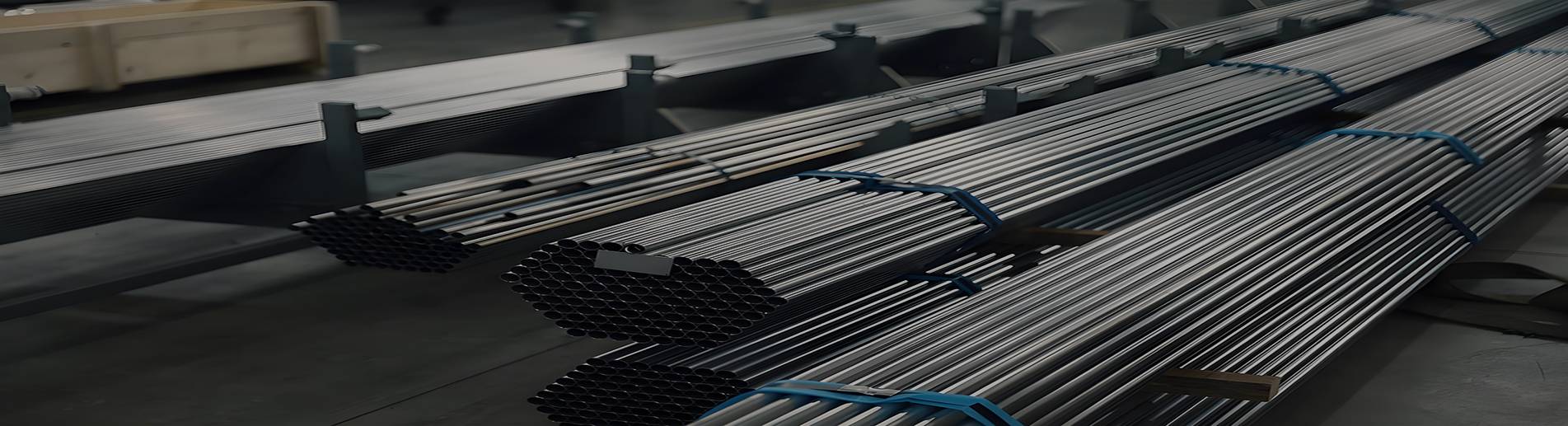
Inconel 617 alloy round bar price per kilogram
Inconel 617 alloy round bar price per kilogram is commonly about USD 45 to 90 per kg for standard industrial stock sizes. Large forged bars, small pre...
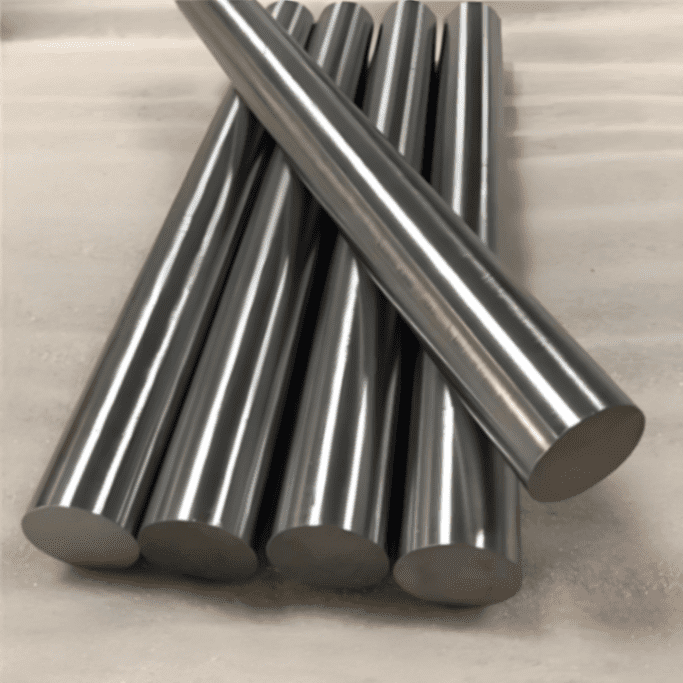
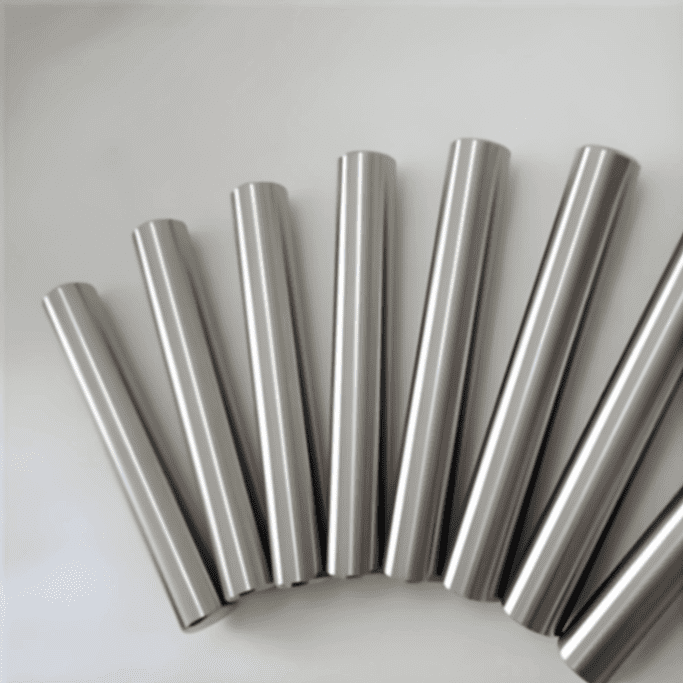
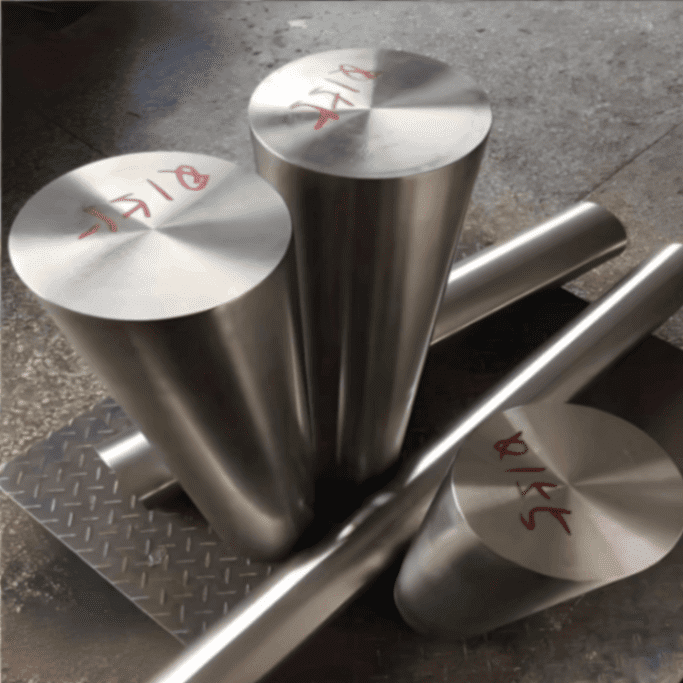
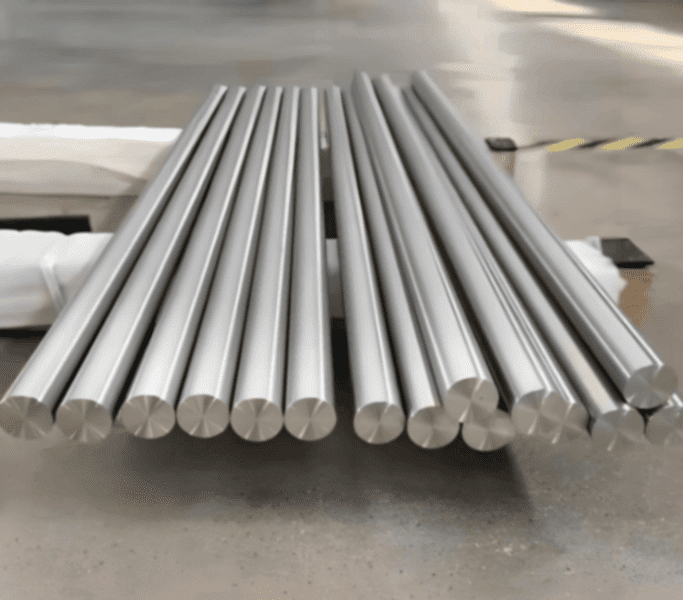
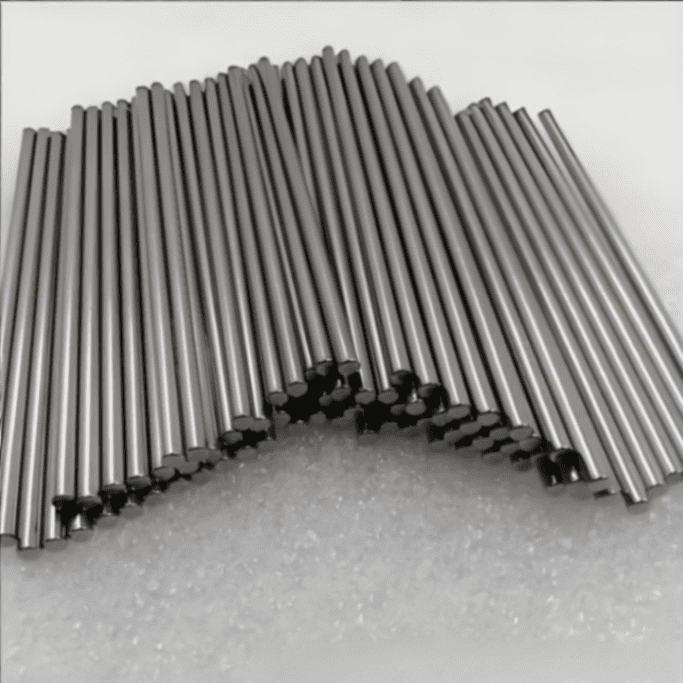
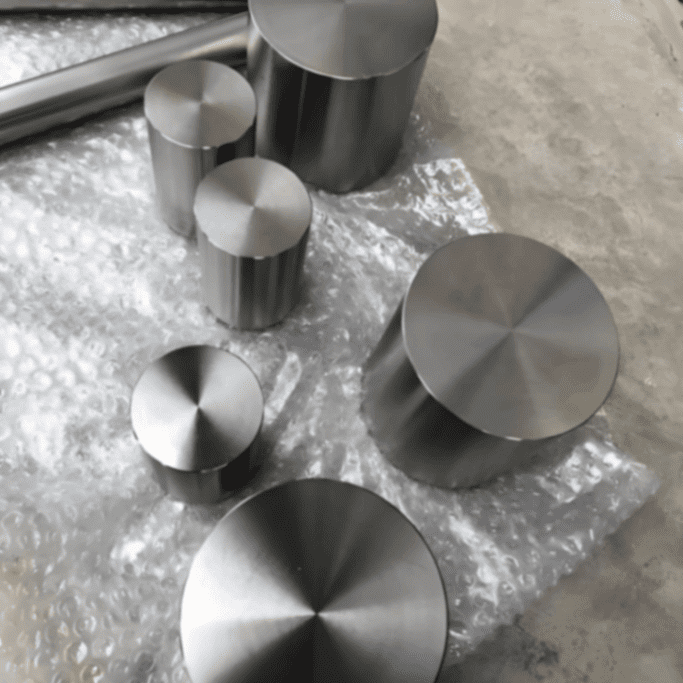
Super Invar 32-5 is a specialized iron-nickel-cobalt alloy, formally designated as Fe-32Ni-5Co, that represents a significant advancement over standard Invar 36. While traditional Invar is renowned for its low thermal expansion, Super Invar 32-5 pushes the boundaries of dimensional stability even further, achieving a near-zero coefficient of thermal expansion over a specific temperature range. For engineers and designers working with bar stock—whether for precision instrumentation, cryogenic components, or aerospace tooling—understanding the density and mechanical properties of Super Invar 32-5 bar is essential. These parameters dictate not only how the material will behave under load and temperature fluctuations but also how it can be machined, welded, and integrated into assemblies where tolerances are measured in microns. This article provides a comprehensive, specification-focused overview of these critical properties, presented with clear data and practical application insights.
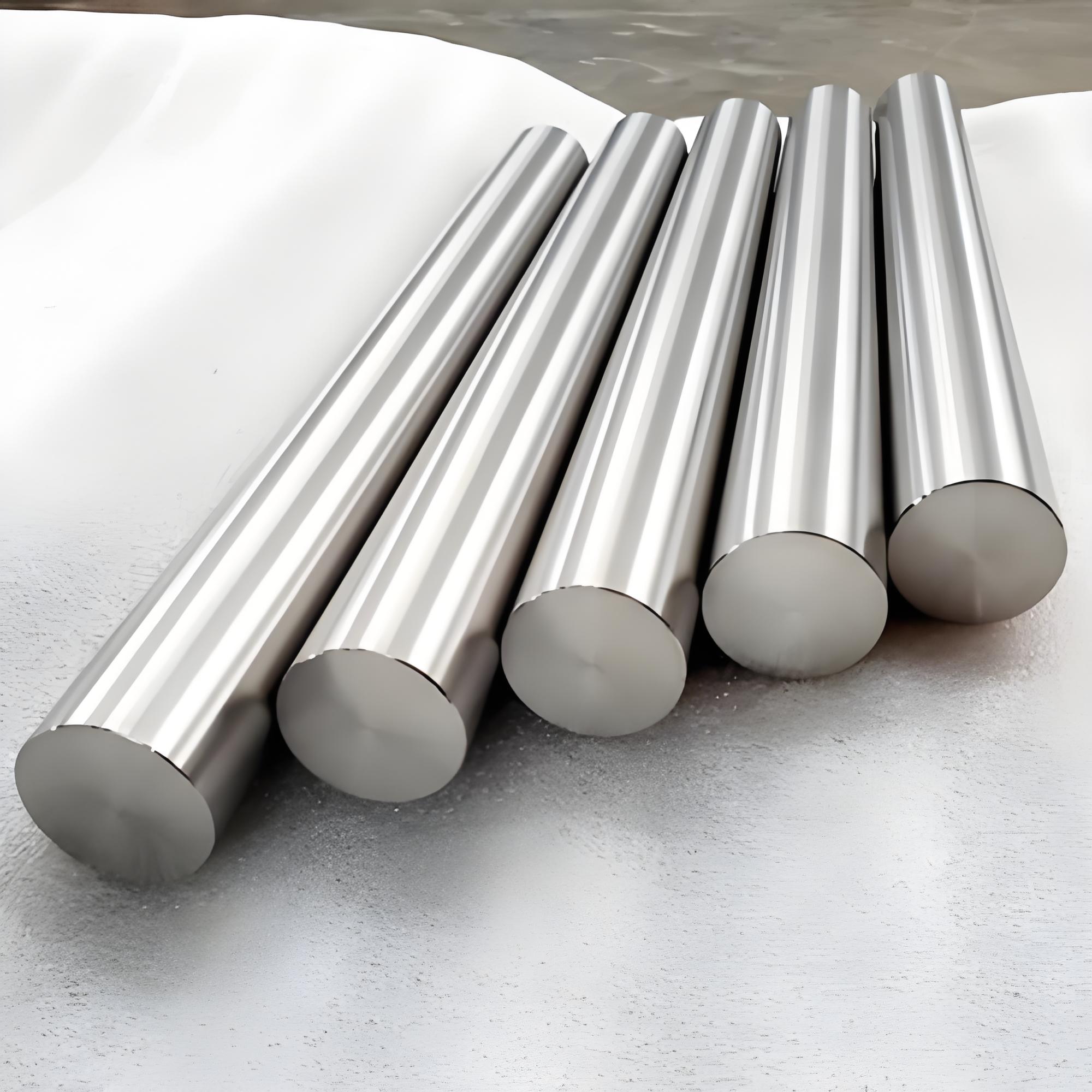
The defining characteristic of Super Invar 32-5 is its exceptionally low thermal expansion, achieved through a precise nickel-cobalt balance. This is complemented by mechanical properties that make it suitable for structural applications where stability is paramount. The table below outlines the core physical and mechanical specifications for Super Invar 32-5 bar in the standard annealed condition.
| Property | Metric Value | Imperial Value | Remarks |
|---|---|---|---|
| Density (at 20°C / 68°F) | 8.15 g/cm³ | 0.294 lb/in³ | Slightly higher than standard Invar 36; critical for mass calculations. |
| Mean Coefficient of Thermal Expansion (CTE) (20°C to 100°C) |
0.5 – 0.8 × 10⁻⁶ /°C | 0.28 – 0.44 × 10⁻⁶ /°F | Near-zero expansion; primary defining property for precision applications. |
| Tensile Strength (Ultimate) | 450 – 550 MPa | 65 – 80 ksi | Annealed condition; suitable for structural tooling. |
| Yield Strength (0.2% Offset) | 250 – 350 MPa | 36 – 51 ksi | Moderate strength; can be increased by cold working. |
| Elongation (in 50 mm) | 30 – 40% | 30 – 40% | Good ductility for forming and machining operations. |
| Hardness (Brinell) | 140 – 180 HB | 140 – 180 HB | Consistent with annealed condition; machinable with proper tooling. |
| Modulus of Elasticity (Young’s Modulus) | 140 – 145 GPa | 20.3 – 21.0 × 10⁶ psi | Lower than conventional steel; important for stiffness calculations. |
Accurate weight estimation is essential for logistics, machining setup, and structural design when working with Super Invar 32-5 bar. With a density of 8.15 g/cm³, this alloy is approximately 3.5% heavier than standard carbon steel. The following table provides theoretical weights for common round bar diameters and rectangular bar dimensions, as supplied by leading manufacturers like Shanghai NC Metal Materials Co., Ltd.
| Bar Form | Size (Diameter or Thickness × Width) | Metric Weight (kg/m) | Imperial Weight (lb/ft) | Typical Applications |
|---|---|---|---|---|
| Round Bar | Ø 12 mm (0.472″) | 0.92 kg/m | 0.62 lb/ft | Precision shafts, sensor housings, metrology components. |
| Round Bar | Ø 30 mm (1.181″) | 5.76 kg/m | 3.87 lb/ft | Tooling pins, structural supports, optical bench components. |
| Round Bar | Ø 60 mm (2.362″) | 23.04 kg/m | 15.49 lb/ft | Large mold bases, aerospace fixture frames. |
| Round Bar | Ø 100 mm (3.937″) | 64.00 kg/m | 43.01 lb/ft | Heavy-duty tooling, composite layup mandrels. |
| Rectangular Bar | 15 mm × 60 mm (0.591″ × 2.362″) | 7.34 kg/m | 4.93 lb/ft | Structural rails, base plates, machine frames. |
| Rectangular Bar | 25 mm × 120 mm (0.984″ × 4.724″) | 24.45 kg/m | 16.43 lb/ft | Large fixture components, cryogenic vessel supports. |
Note: Weights are theoretical and based on a density of 8.15 g/cm³. Actual weights may vary slightly due to manufacturing tolerances. For specific dimensional requirements or custom sizes, please consult the specifications from Shanghai NC Metal Materials Co., Ltd.
The mechanical properties of Super Invar 32-5 bar can vary depending on the manufacturing process and the cross-sectional dimensions. Larger diameter bars, which are typically hot-rolled or forged, may exhibit slightly different mechanical characteristics compared to smaller, cold-drawn bars. The table below outlines typical mechanical properties by bar size range and processing condition.
| Bar Diameter / Cross-Section | Typical Supply Condition | Tensile Strength (MPa / ksi) | Yield Strength (MPa / ksi) | Elongation (%) |
|---|---|---|---|---|
| Round Bar: Ø 6 mm – 25 mm | Cold Drawn & Annealed | 480 – 550 MPa / 70 – 80 ksi | 280 – 350 MPa / 41 – 51 ksi | 30 – 38% |
| Round Bar: Ø 26 mm – 80 mm | Hot Rolled & Annealed | 460 – 520 MPa / 67 – 75 ksi | 260 – 320 MPa / 38 – 46 ksi | 32 – 40% |
| Round Bar: Ø 81 mm – 150 mm | Forged & Annealed | 450 – 500 MPa / 65 – 73 ksi | 250 – 300 MPa / 36 – 44 ksi | 30 – 38% |
| Flat / Rectangular Bar: All Sizes | Hot Rolled, Annealed & Descaled | 460 – 530 MPa / 67 – 77 ksi | 260 – 330 MPa / 38 – 48 ksi | 32 – 40% |
The unparalleled low thermal expansion of Super Invar 32-5 is its most valuable property, but this characteristic is intrinsically linked to its mechanical behavior. Unlike standard Invar 36, which maintains a CTE of approximately 1.2×10⁻⁶ /°C from 20°C to 100°C, Super Invar 32-5 achieves a near-zero expansion of 0.5 – 0.8×10⁻⁶ /°C over the same range. This stability is maintained up to approximately 150°C, after which the expansion coefficient begins to rise. The table below details the mean CTE values across various temperature ranges, which directly influence how mechanical loads are transmitted in thermally fluctuating environments.
| Temperature Range | Mean CTE (Metric: ×10⁻⁶ /°C) | Mean CTE (Imperial: ×10⁻⁶ /°F) | Application Consideration |
|---|---|---|---|
| -196°C to 20°C (Cryogenic) | ~0.8 – 1.2 | ~0.44 – 0.67 | LNG systems, cryogenic sensors, space instrument structures. |
| 20°C to 100°C (Ambient to Moderate) | 0.5 – 0.8 | 0.28 – 0.44 | Precision measurement equipment, optical mounts, semiconductor tooling. |
| 20°C to 150°C (Elevated) | 0.8 – 1.5 | 0.44 – 0.83 | Composite curing molds, high-stability furnace components. |
| 20°C to 250°C (High) | 3.0 – 5.0 | 1.7 – 2.8 | Applications requiring moderate expansion predictability; near-zero effect diminishes. |
Super Invar 32-5 bar is available in a wide range of dimensions to accommodate diverse application requirements. The following table provides reference size availability and indicative pricing. All products are supplied by Shanghai NC Metal Materials Co., Ltd., ensuring consistent quality and adherence to strict chemical and mechanical specifications.
| Bar Type | Size Range | Tolerance Class | Typical Lengths | Reference Price (USD/kg) |
|---|---|---|---|---|
| Round Bar – Cold Drawn | Ø 3 mm – 30 mm | h6 – h9 | 2,000 – 3,000 mm | $55 – $70 |
| Round Bar – Hot Rolled | Ø 31 mm – 100 mm | h9 – h11 | 2,000 – 4,000 mm | $50 – $65 |
| Round Bar – Forged | Ø 101 mm – 250 mm | h10 – h12 | 1,000 – 3,000 mm | $65 – $85 |
| Rectangular / Flat Bar | Thickness: 5 – 100 mm Width: 20 – 300 mm |
+0.0 / -0.5 mm | 2,000 – 4,000 mm | $55 – $75 |
| Square Bar | 10 mm × 10 mm – 100 mm × 100 mm | h8 – h11 | 2,000 – 3,000 mm | $58 – $78 |
Price information is for reference only and is subject to change based on market conditions, order volume, and specific size requirements. For accurate, real-time pricing and detailed specifications, direct consultation with Shanghai NC Metal Materials Co., Ltd. is recommended.
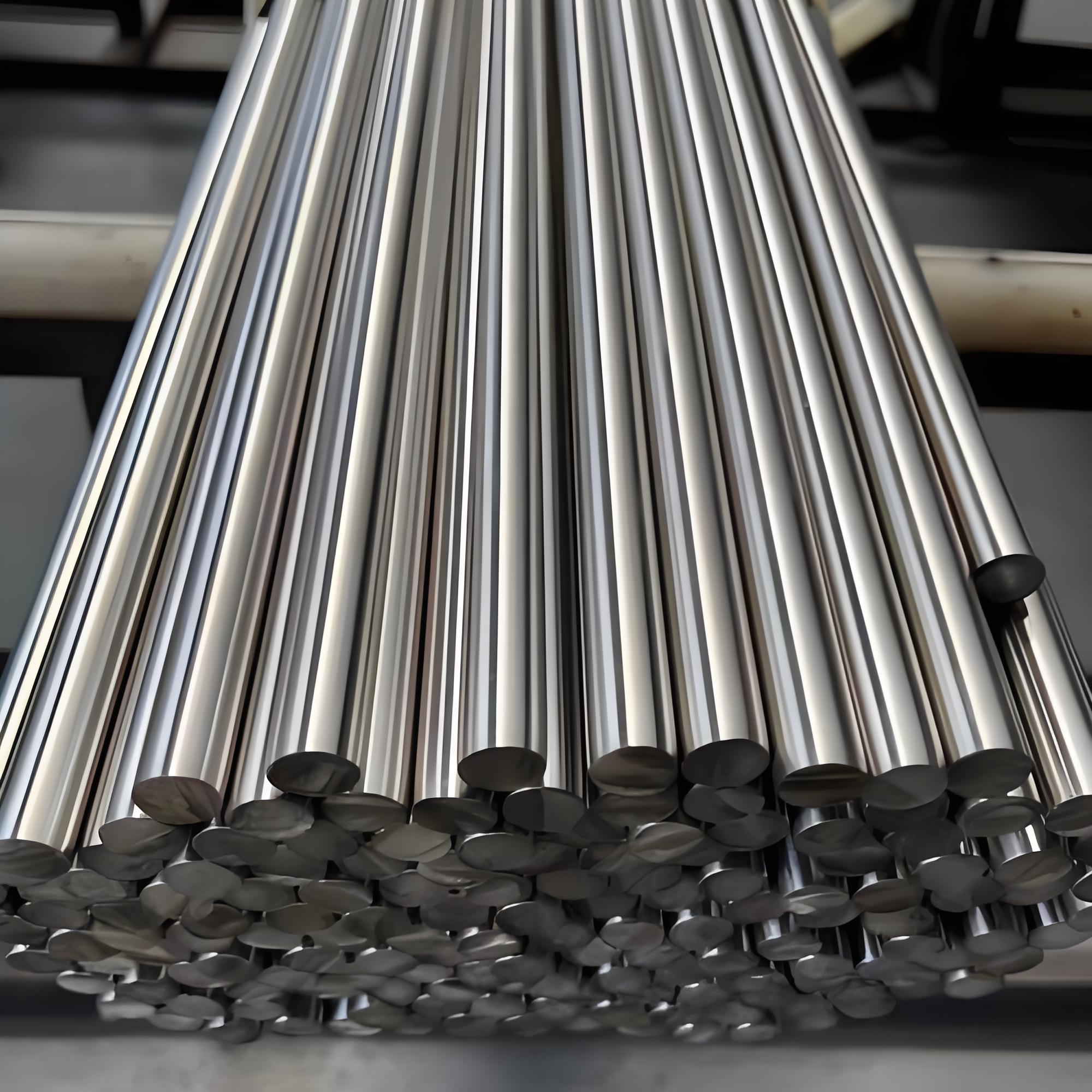
When working with Super Invar 32-5 bar, understanding its mechanical behavior during machining and fabrication is crucial. The alloy exhibits good machinability in the annealed condition, with a machinability rating of approximately 50-60% compared to free-cutting steel. The material has a tendency to work-harden, so sharp tooling, positive rake angles, and consistent feed rates are recommended. For welding, Super Invar 32-5 can be joined using gas tungsten arc welding (GTAW) with matching filler metal, though care must be taken to avoid thermal distortion due to its sensitive expansion characteristics. Suppliers like Shanghai NC Metal Materials Co., Ltd. typically provide the material in the fully annealed condition to optimize both machinability and the final dimensional stability of fabricated components.
Q1: What is the difference in density between Super Invar 32-5 and standard Invar 36?
The density of Super Invar 32-5 is approximately 8.15 g/cm³, while standard Invar 36 has a density of approximately 8.05 g/cm³. This means Super Invar 32-5 is roughly 1.2% denser, a factor that should be accounted for in weight-sensitive precision applications.
Q2: What are the typical mechanical property requirements for Super Invar 32-5 bar used in precision tooling?
For precision tooling applications, Super Invar 32-5 bar in the annealed condition typically exhibits a tensile strength of 450 – 550 MPa (65 – 80 ksi), a yield strength of 250 – 350 MPa (36 – 51 ksi), and elongation of 30 – 40%. The modulus of elasticity is approximately 140 – 145 GPa. These properties provide sufficient structural integrity while maintaining the dimensional stability critical for high-precision tooling.
Q3: Does the size of the Super Invar 32-5 bar affect its mechanical properties or thermal expansion uniformity?
While the intrinsic coefficient of thermal expansion is a material property, larger bar diameters (above 100 mm) may exhibit minor variations in mechanical properties from the surface to the core if not properly heat-treated. To ensure uniform properties across all dimensions, reputable suppliers like Shanghai NC Metal Materials Co., Ltd. apply controlled annealing cycles (typically 815°C – 845°C) after hot working or forging. This process homogenizes the microstructure, relieves internal stresses, and guarantees consistent expansion behavior and mechanical performance throughout the entire cross-section of the bar.
More from this category
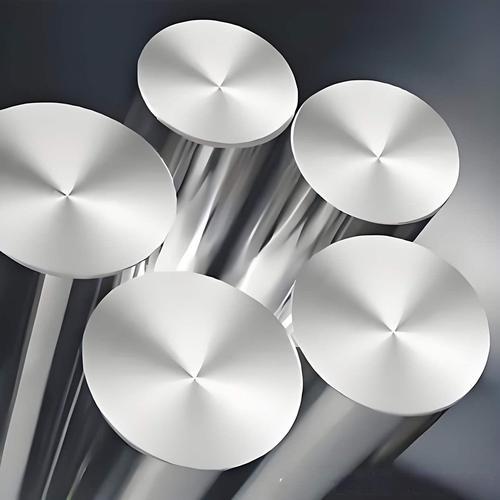
Inconel 617 alloy round bar price per kilogram is commonly about USD 45 to 90 per kg for standard industrial stock sizes. Large forged bars, small pre...
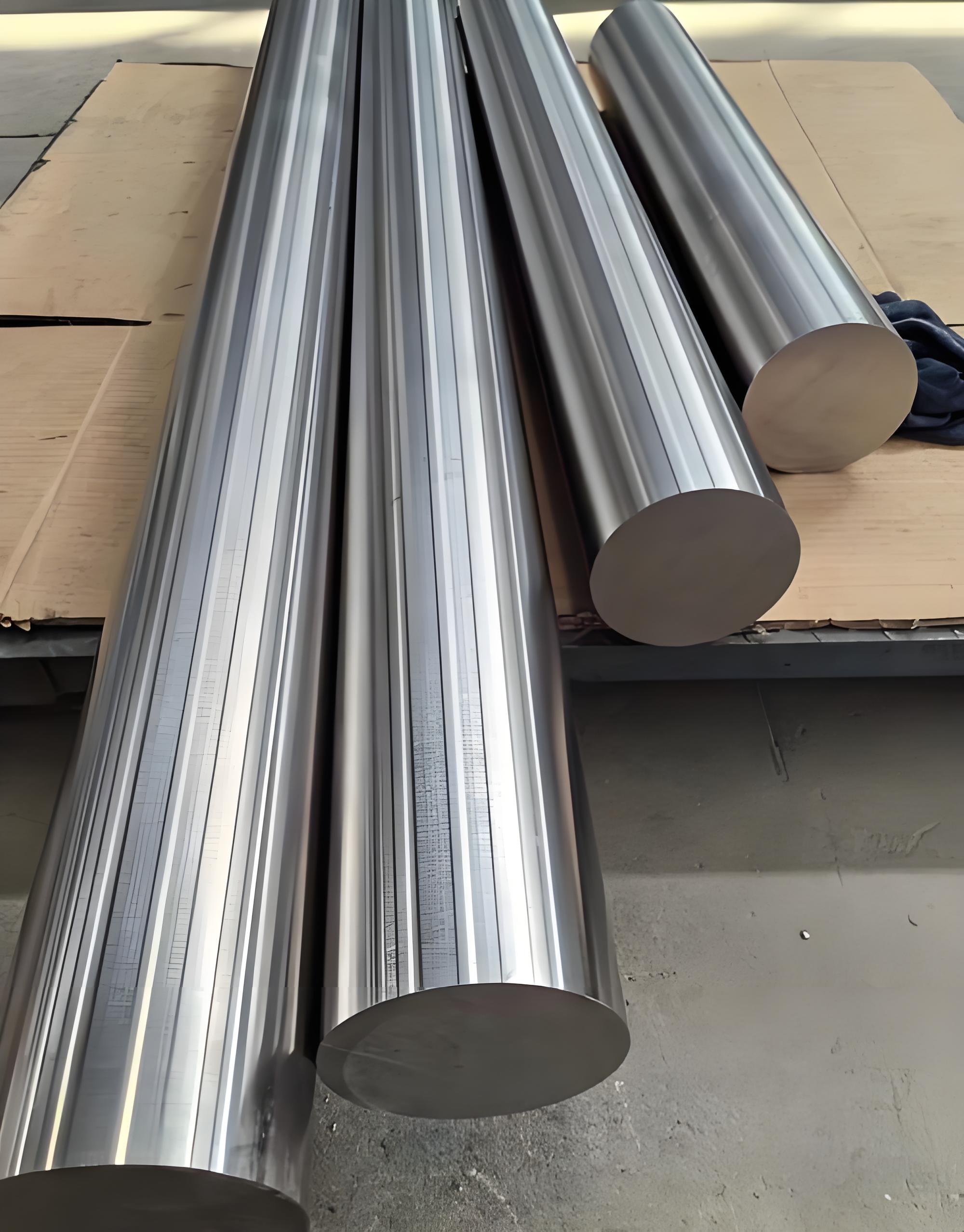
The latest Inconel 625 alloy bar price per kg depends on nickel, molybdenum, niobium, and chromium raw material costs, as well as bar diameter, manufa...
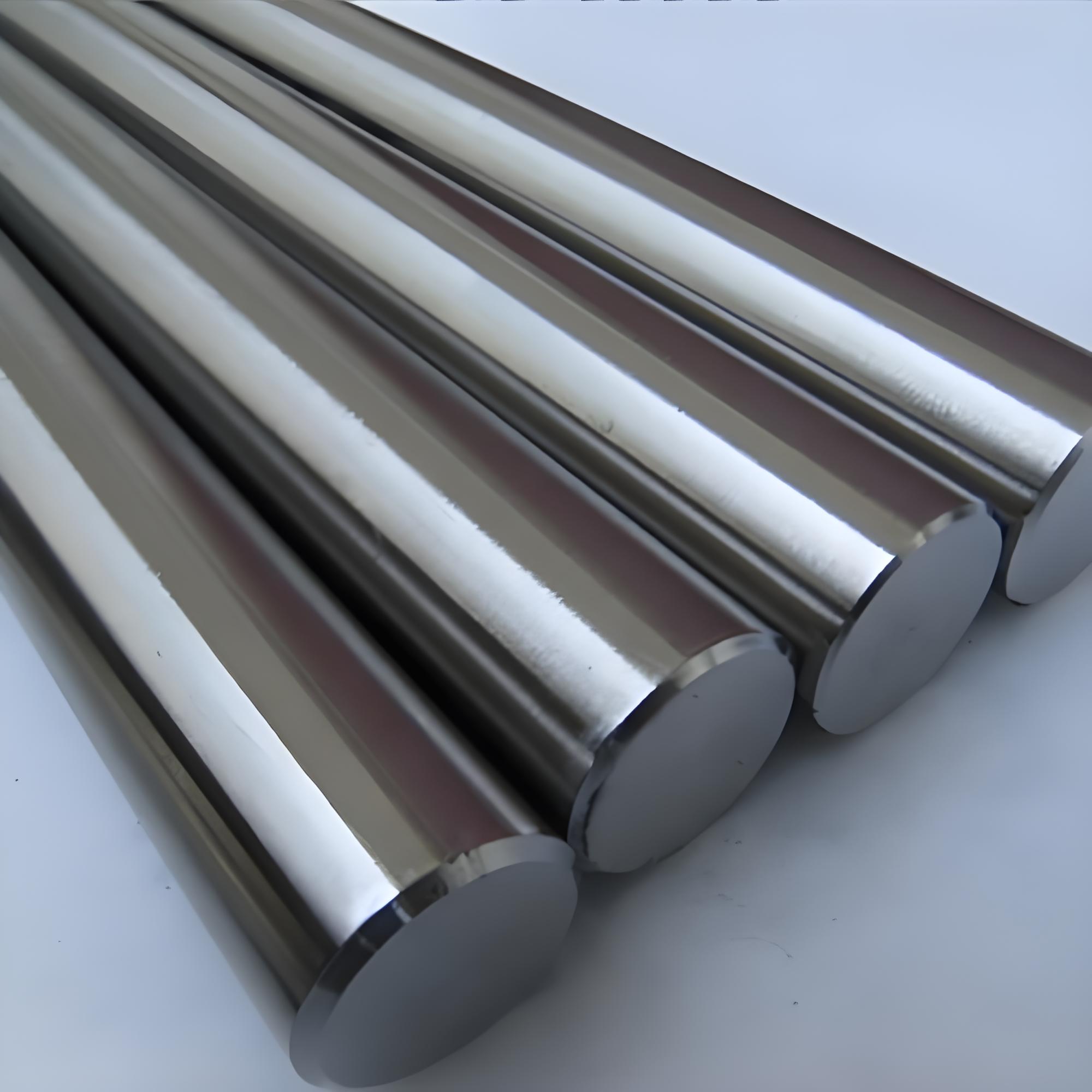
Inconel X-750 alloy bar price depends on nickel raw material cost, bar diameter, product condition, heat treatment, specification, surface finish, dim...
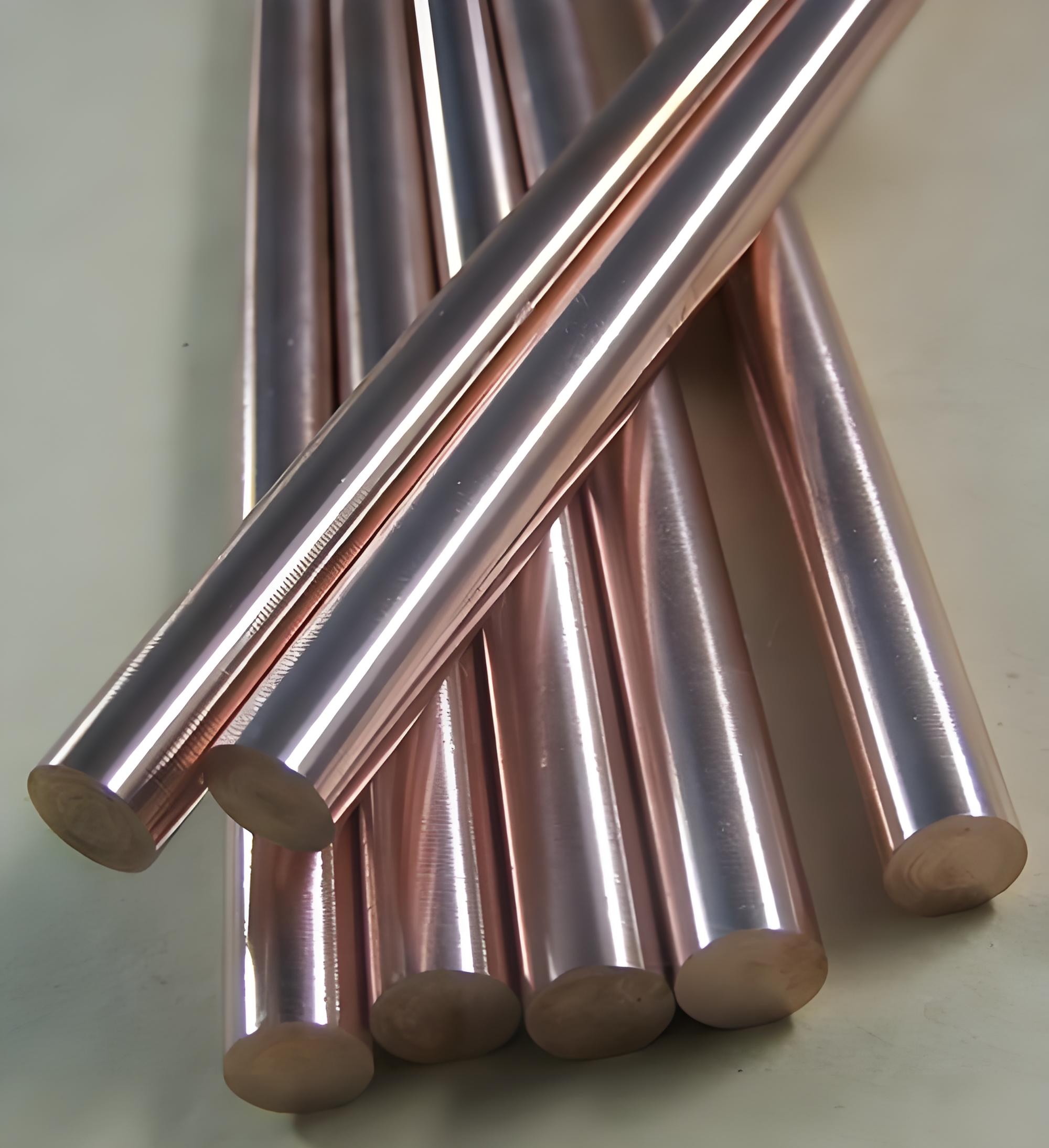
Inconel 602CA alloy bar price per kg is usually higher than common Inconel 600 and Inconel 601 bars because Alloy 602CA is a premium high-temperature ...
 English English
  Korean
 Arabic
 Spanish
 German
 Portuguese
 French
 Russian
 Italian
 Vietnamese