
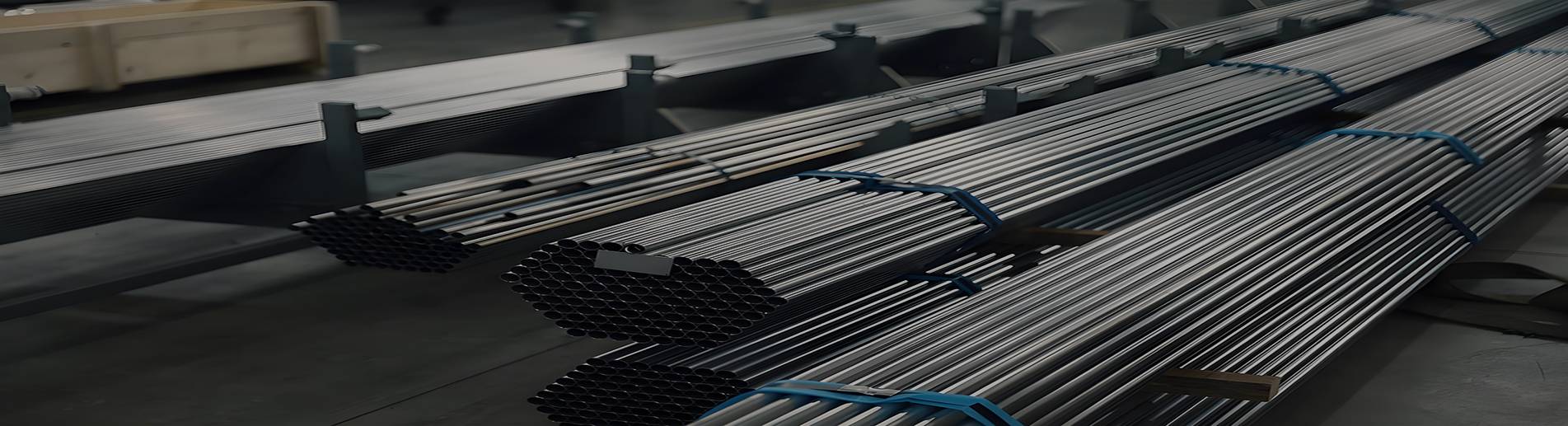
Inconel 617 alloy round bar price per kilogram
Inconel 617 alloy round bar price per kilogram is commonly about USD 45 to 90 per kg for standard industrial stock sizes. Large forged bars, small pre...
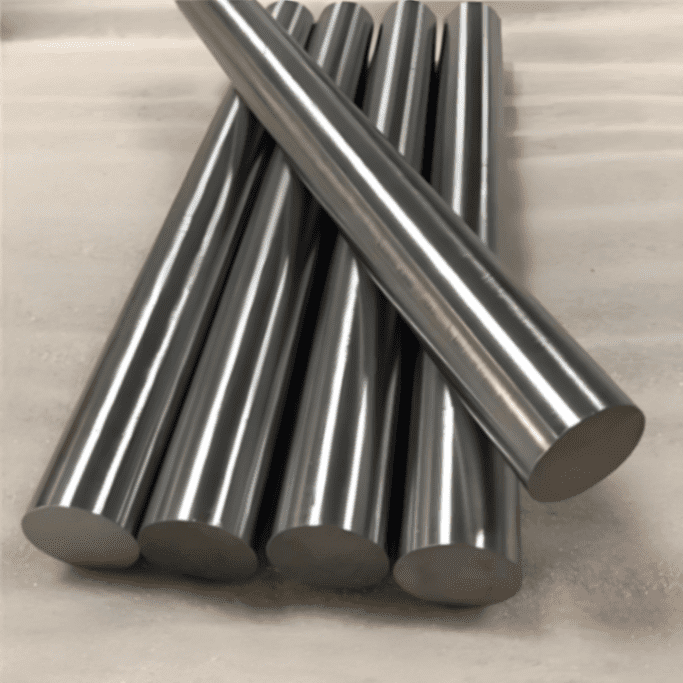
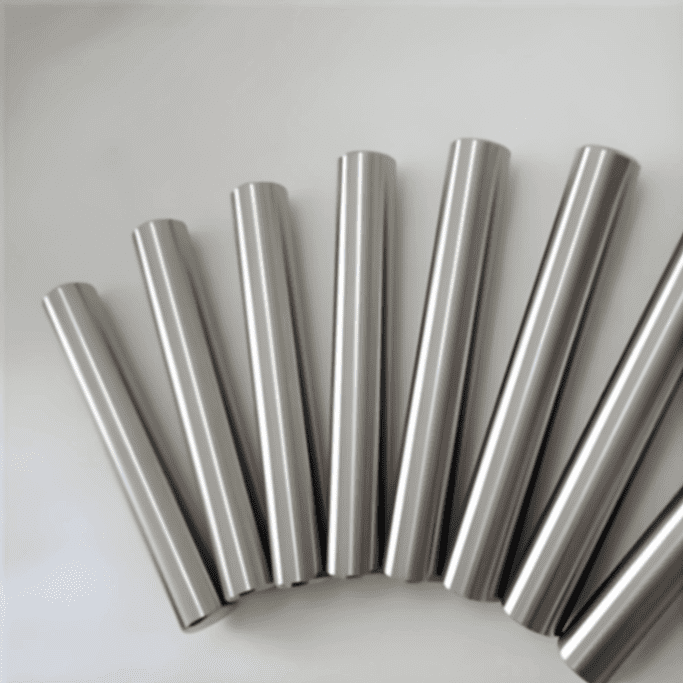
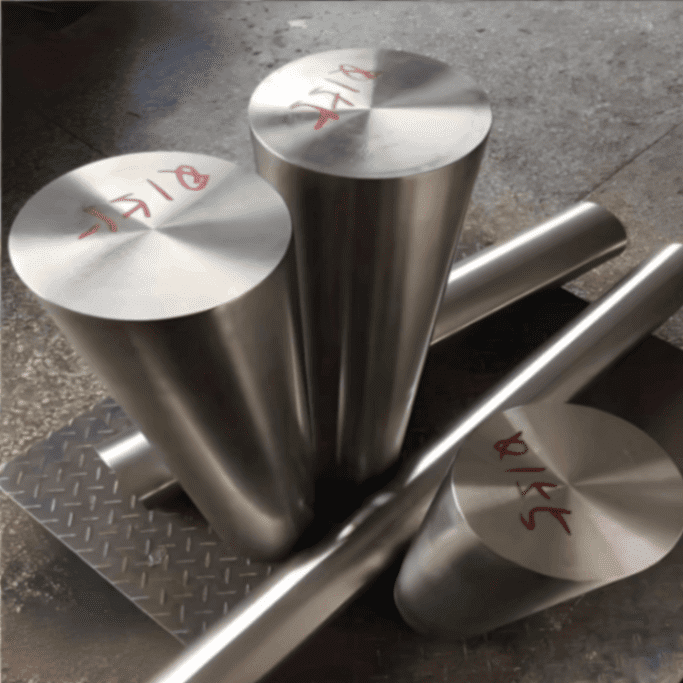
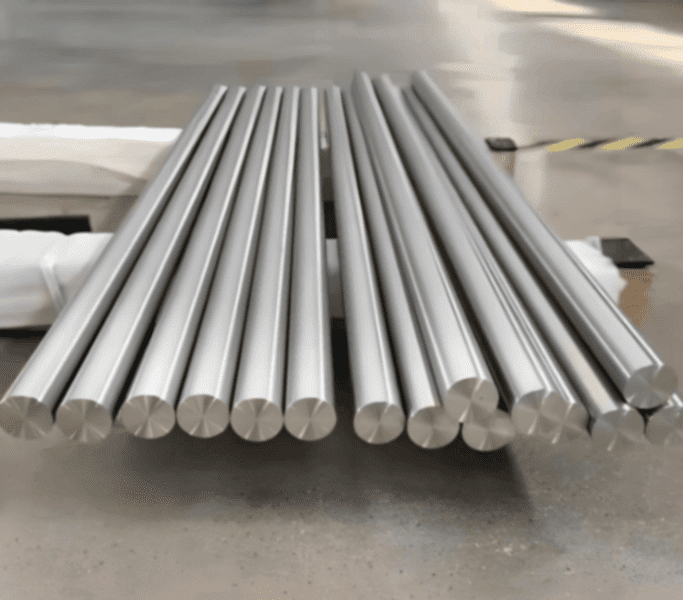
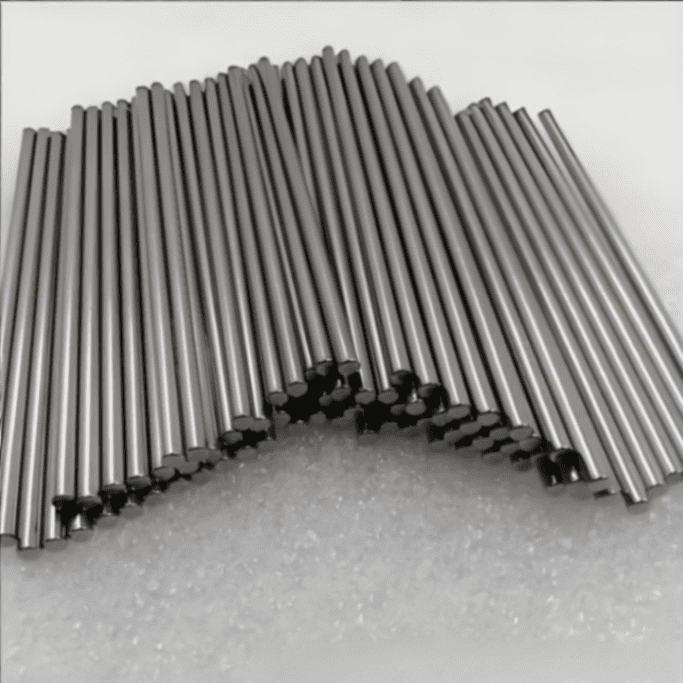
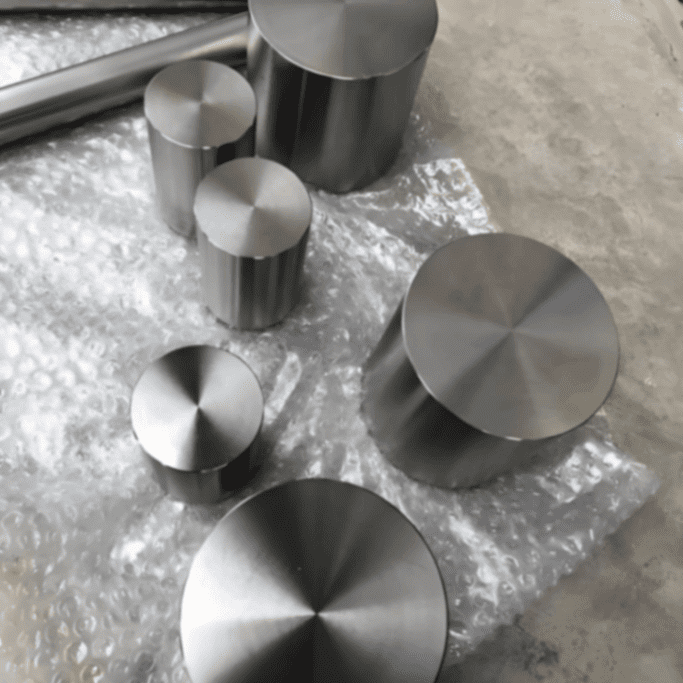
Invar 36, also known as Fe-Ni36 or simply 36% nickel-iron alloy, is a nickel-iron alloy renowned for its exceptionally low coefficient of thermal expansion (CTE). This unique property makes it the material of choice for applications where dimensional stability is critical across temperature fluctuations. For engineers, designers, and procurement specialists working with this material in bar form, two of the most crucial physical properties are its density and thermal expansion coefficient. Understanding these parameters is essential for accurate weight calculations, structural design, and ensuring that components—from precision instruments to composite tooling—maintain their required tolerances in varying thermal environments. This article provides a detailed, specification-focused look at these properties for Invar 36 bar, using clear data and practical examples to aid in material selection and application design.
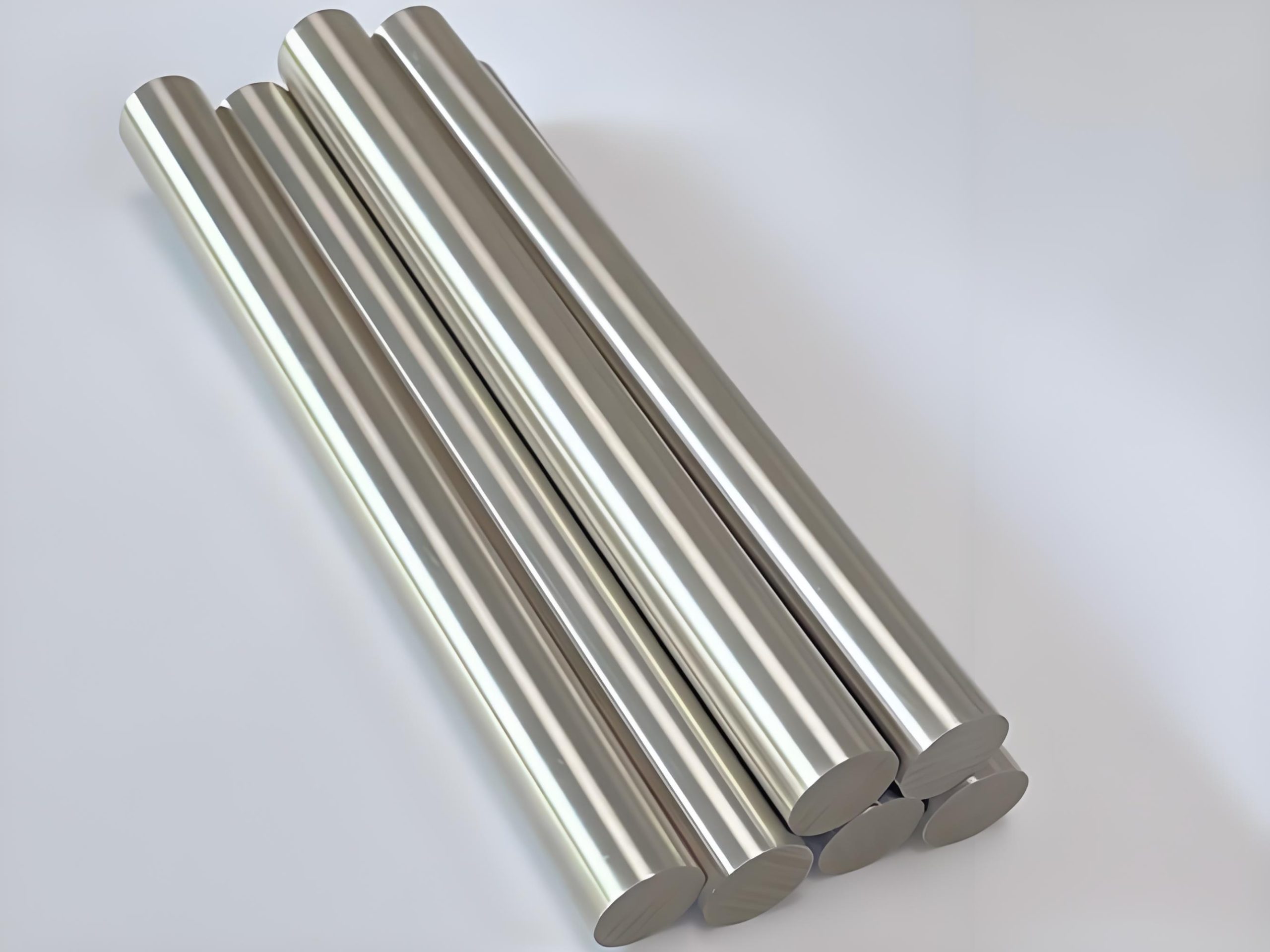
The defining characteristic of Invar 36 is its controlled expansion behavior, which is achieved through a precise chemical composition. Density, while less variable, is equally important for mass calculations. Below is a summary of the typical physical properties for Invar 36 bar as supplied in standard conditions.
| Property | Metric Value | Imperial Value | Remarks |
|---|---|---|---|
| Density (at 20°C / 68°F) | 8.05 g/cm³ | 0.291 lb/in³ | Consistent across all bar forms; crucial for weight estimation. |
| Mean Coefficient of Thermal Expansion (CTE) from 20°C to 100°C | 1.2 – 1.5 × 10⁻⁶ /°C | 0.67 – 0.83 × 10⁻⁶ /°F | Ultra-low expansion; primary defining property. |
| Mean Coefficient of Thermal Expansion (CTE) from 20°C to 200°C | 2.0 – 3.5 × 10⁻⁶ /°C | 1.1 – 1.9 × 10⁻⁶ /°F | Expansion increases with temperature; critical for higher operating ranges. |
| Mean Coefficient of Thermal Expansion (CTE) from -100°C to 20°C | 0.5 – 1.0 × 10⁻⁶ /°C | 0.28 – 0.56 × 10⁻⁶ /°F | Exceptional stability in cryogenic applications. |
When specifying Invar 36 bar, understanding the weight per unit length is fundamental for logistics, machining, and structural support calculations. The density of 8.05 g/cm³ serves as the basis for these calculations. The following table provides theoretical weights for common round bar diameters and flat bar dimensions, as supplied by leading manufacturers like Shanghai NC Metal Materials Co., Ltd.
| Bar Form | Size (Diameter or Thickness × Width) | Metric Weight (kg/m) | Imperial Weight (lb/ft) | Typical Applications |
|---|---|---|---|---|
| Round Bar | Ø 10 mm (0.394″) | 0.63 kg/m | 0.42 lb/ft | Precision shafts, small instrument components. |
| Round Bar | Ø 25 mm (0.984″) | 3.95 kg/m | 2.66 lb/ft | Tooling pins, structural supports in metrology. |
| Round Bar | Ø 50 mm (1.968″) | 15.80 kg/m | 10.62 lb/ft | Large tooling frames, mold bases. |
| Flat Bar / Rectangular Bar | 10 mm × 50 mm (0.394″ × 1.968″) | 4.03 kg/m | 2.71 lb/ft | Brackets, structural rails. |
| Flat Bar / Rectangular Bar | 20 mm × 100 mm (0.787″ × 3.937″) | 16.10 kg/m | 10.82 lb/ft | Base plates, large fixture components. |
Note: Weights are theoretical and based on standard density. Actual weights may vary slightly due to manufacturing tolerances. For specific dimensional requirements or custom sizes, please consult the specifications from Shanghai NC Metal Materials Co., Ltd.
The utility of Invar 36 lies in its predictable and minimal expansion. However, the CTE is not a single constant value; it varies depending on the temperature range. For high-precision applications, such as in aerospace metrology, semiconductor manufacturing, or cryogenic storage, selecting the correct CTE value for the intended operating temperature is paramount. The table below illustrates the mean coefficient of thermal expansion for Invar 36 bar over standard temperature intervals.
| Temperature Range | Mean CTE (Metric: ×10⁻⁶ /°C) | Mean CTE (Imperial: ×10⁻⁶ /°F) | Application Consideration |
|---|---|---|---|
| -196°C to 20°C (Cryogenic) | ~1.0 | ~0.56 | LNG storage, cryogenic sensors, aerospace fuel systems. |
| 20°C to 100°C (Ambient to Moderate) | 1.2 – 1.5 | 0.67 – 0.83 | Precision instruments, optical mounts, standard tooling. |
| 20°C to 200°C (Elevated) | 2.0 – 3.5 | 1.1 – 1.9 | Composite curing molds, high-temperature process tooling. |
| 20°C to 300°C (High) | 5.0 – 6.5 | 2.8 – 3.6 | Applications requiring expansion predictability; alloy begins to lose invar effect. |
The density and thermal expansion of Invar 36 are intrinsic material properties; however, the physical form—specifically the bar diameter or cross-section—can influence the material’s response to thermal processing and its final mechanical state. Large-diameter bars may exhibit slight microstructural variations from the center to the surface, which can marginally affect the CTE if not properly heat-treated. To ensure uniform properties across all dimensions, reputable suppliers like Shanghai NC Metal Materials Co., Ltd. employ controlled homogenization and stress-relief annealing cycles. Below is a reference for common bar size ranges and their typical delivered condition.
| Bar Diameter / Cross-Section | Typical Supply Condition | Thermal Processing for Optimal CTE | Reference Price Indication (USD/kg) |
|---|---|---|---|
| Round Bar: Ø 5 mm – 25 mm | Cold Drawn & Stress-Relieved | Annealed at 815°C – 845°C, followed by controlled cooling. | ~$35 – $45 |
| Round Bar: Ø 26 mm – 100 mm | Hot Rolled & Annealed | Annealed at 815°C – 845°C, followed by air or furnace cooling. | ~$38 – $48 |
| Round Bar: Ø 101 mm – 200 mm | Forged & Annealed | Homogenization annealing to ensure uniform expansion properties. | ~$45 – $55 |
| Flat Bar: All standard sizes | Hot Rolled, Annealed & Descaled | Stress-relief annealing after rolling to minimize thermal hysteresis. | ~$40 – $50 |
Price information is for reference only and is subject to change based on market conditions, order volume, and specific size requirements. For accurate, real-time pricing and detailed specifications, direct consultation with Shanghai NC Metal Materials Co., Ltd. is recommended.
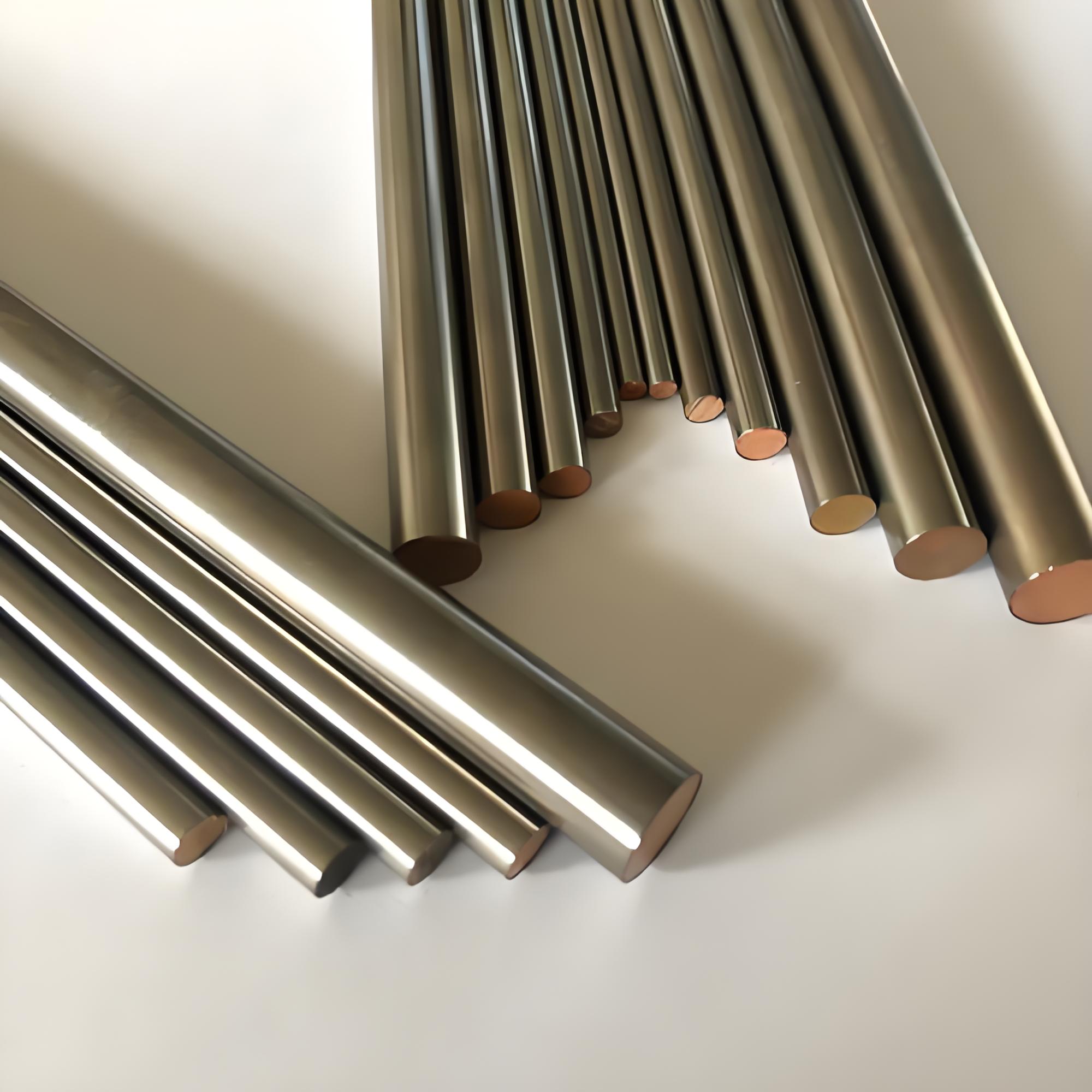
The combination of a density of 8.05 g/cm³ and an ultra-low CTE of approximately 1.2×10⁻⁶ /°C over the 20°C to 100°C range creates a material that is uniquely suited for applications where both mass and precision are considerations. For instance, in the production of composite tooling, a bar of Invar 36 used as a frame member will expand less than 1 micron per meter for every 10°C temperature increase, ensuring the cured composite part maintains its exact shape. However, designers must account for its density, which is higher than aluminum or titanium, when calculating moving masses in dynamic equipment. The bar’s machinability is good, but sharp tools and rigid setups are recommended due to the material’s tendency to work-harden. Suppliers such as Shanghai NC Metal Materials Co., Ltd. typically provide Invar 36 bar in the annealed condition to optimize machinability and ensure the specified expansion properties are achievable after final component machining.
Q1: How does the density of Invar 36 compare to other common engineering materials like steel or aluminum?
The density of Invar 36 is approximately 8.05 g/cm³, which is slightly less than that of carbon steel (around 7.85 g/cm³) and significantly higher than aluminum (2.70 g/cm³). This means Invar 36 is denser than standard steel, a factor that must be accounted for in weight-sensitive designs despite its superior thermal stability.
Q2: What is the maximum service temperature for which Invar 36 bar maintains its low thermal expansion coefficient?
Invar 36 retains its characteristically low coefficient of thermal expansion up to approximately 200°C (392°F). Between 20°C and 100°C, the mean CTE is typically between 1.2 and 1.5 × 10⁻⁶ /°C. Between 100°C and 200°C, the CTE rises to between 2.0 and 3.5 × 10⁻⁶ /°C. Above 300°C, the material begins to transform and loses its low-expansion properties, making it unsuitable for applications at those temperatures.
Q3: Does the size of the Invar 36 bar affect its coefficient of thermal expansion, and how is it processed to ensure uniformity?
The intrinsic coefficient of thermal expansion is a material constant, but larger bar sizes, such as diameters exceeding 100 mm, can have internal residual stresses or minor compositional variations from the forging process. To ensure uniform and consistent CTE across all dimensions, suppliers like Shanghai NC Metal Materials Co., Ltd. apply a full annealing heat treatment (typically 815°C – 845°C) after hot working. This homogenizes the microstructure and relieves internal stresses, guaranteeing that the expansion properties are stable and uniform from the surface to the core of the bar.
More from this category
Inconel 617 alloy round bar price per kilogram is commonly about USD 45 to 90 per kg for standard industrial stock sizes. Large forged bars, small pre...
The latest Inconel 625 alloy bar price per kg depends on nickel, molybdenum, niobium, and chromium raw material costs, as well as bar diameter, manufa...
Inconel X-750 alloy bar price depends on nickel raw material cost, bar diameter, product condition, heat treatment, specification, surface finish, dim...
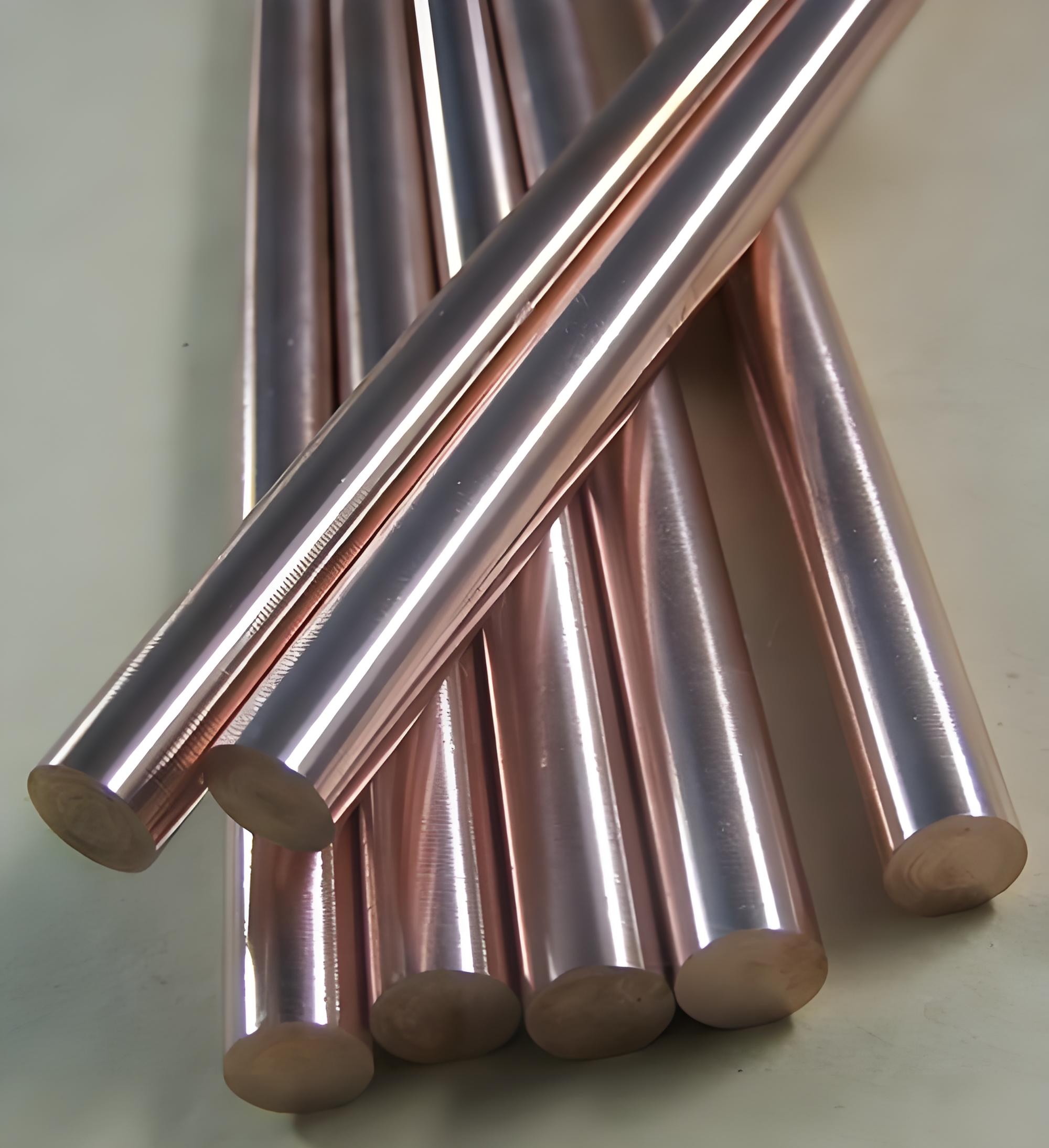
Inconel 602CA alloy bar price per kg is usually higher than common Inconel 600 and Inconel 601 bars because Alloy 602CA is a premium high-temperature ...
 English English
  Korean
 Arabic
 Spanish
 German
 Portuguese
 French
 Russian
 Italian
 Vietnamese