
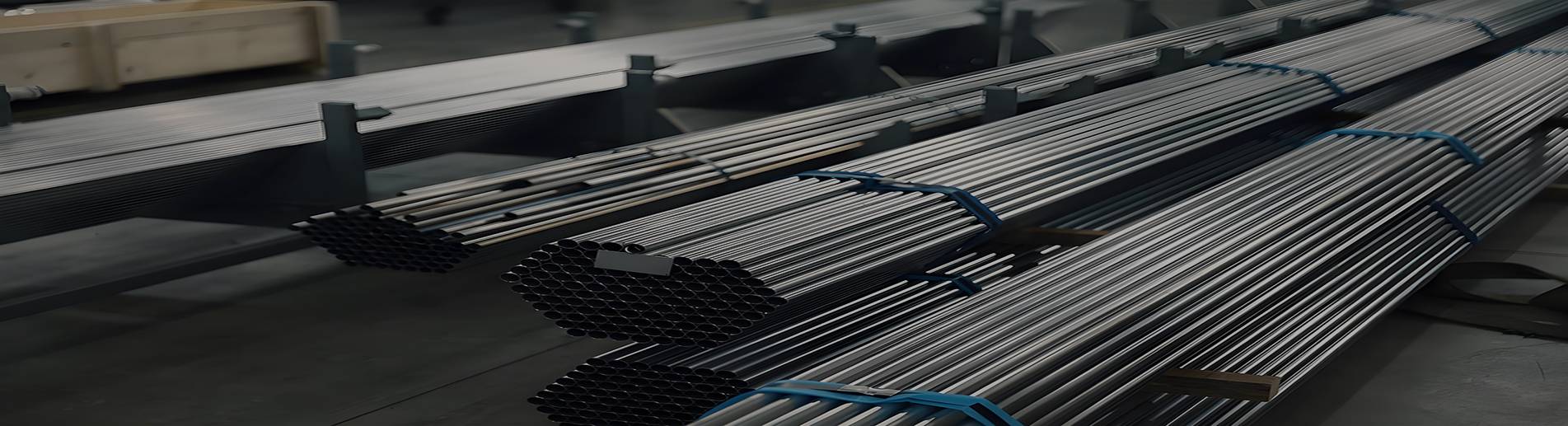
Inconel 617 alloy round bar price per kilogram
Inconel 617 alloy round bar price per kilogram is commonly about USD 45 to 90 per kg for standard industrial stock sizes. Large forged bars, small pre...
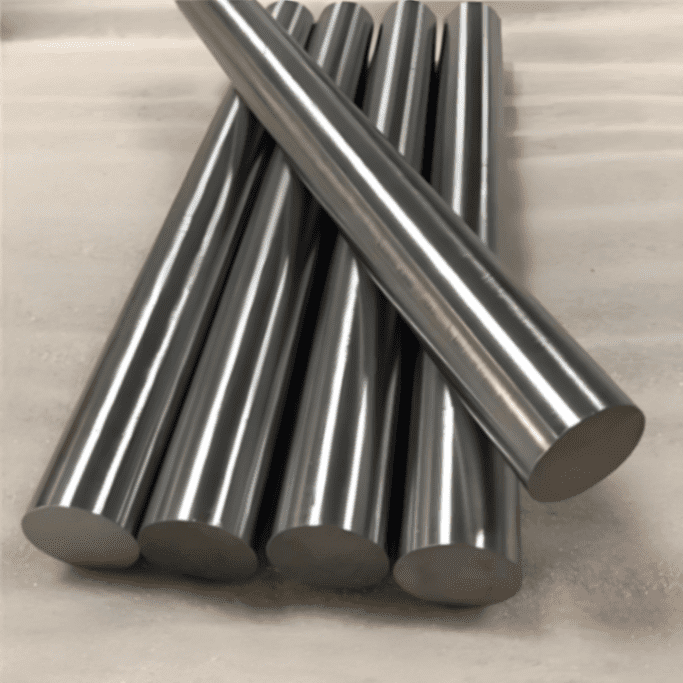
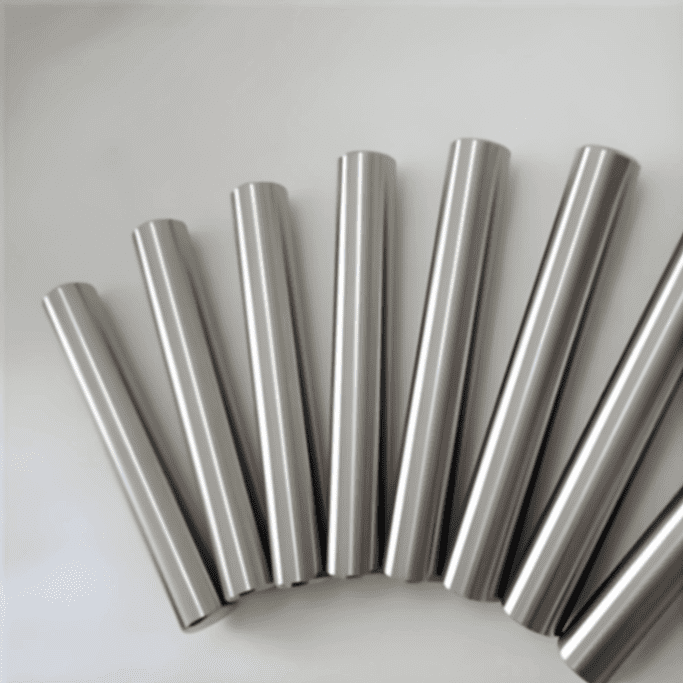
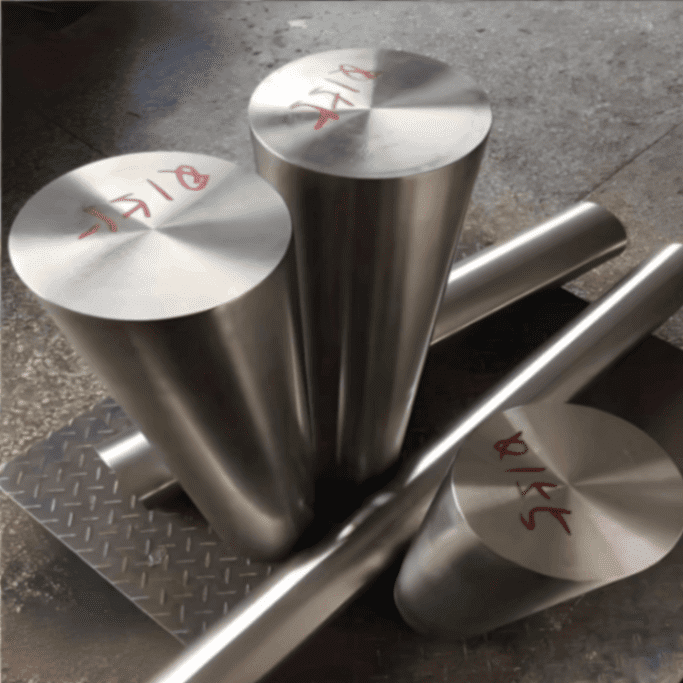
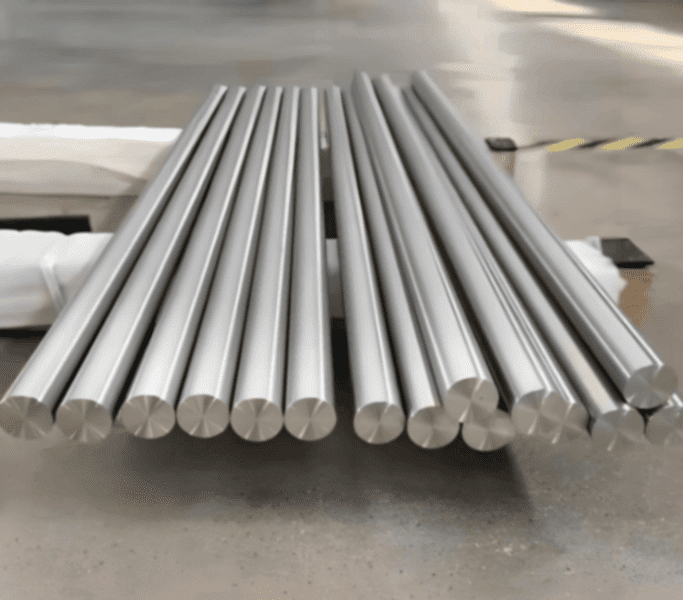
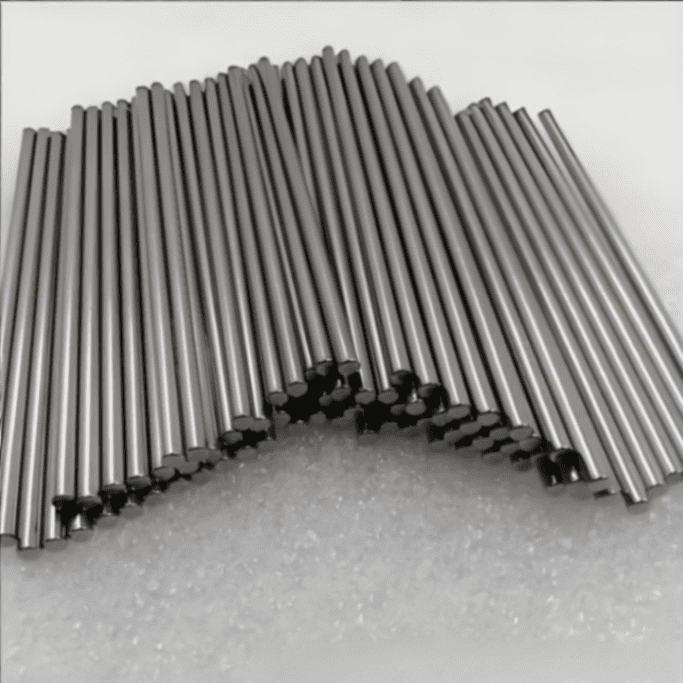
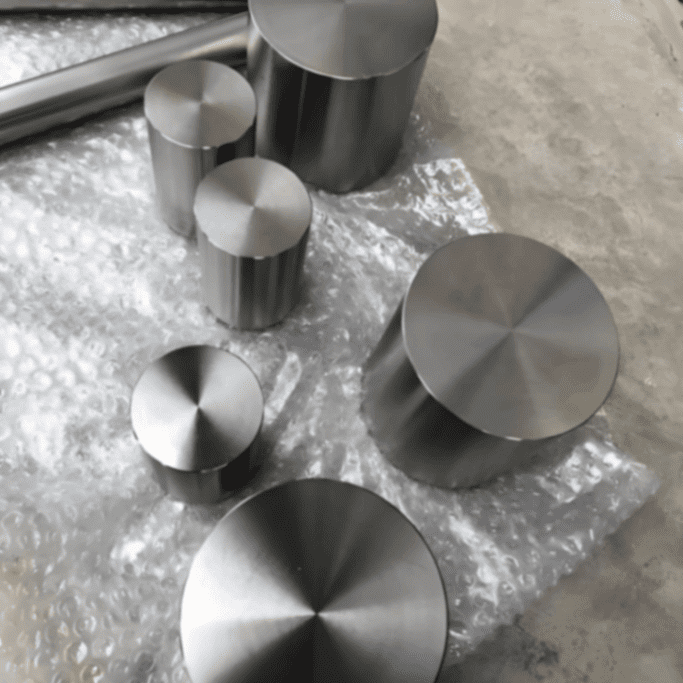
Incoloy 825 is a nickel-iron-chromium alloy with additions of molybdenum, copper, and titanium. It is engineered to provide exceptional resistance to a wide range of corrosive environments, including reducing and oxidizing acids, stress-corrosion cracking, and localized attacks like pitting and crevice corrosion. When supplied in bar form, this alloy is commonly used to manufacture valve stems, pump shafts, fasteners, and fittings for chemical processing, pollution control, oil and gas recovery, and nuclear fuel reprocessing. Understanding the physical properties, such as density, as well as the available specifications and dimensional data for Incoloy 825 bar is crucial for engineers and procurement specialists. This article provides a detailed breakdown of what Incoloy 825 bar is, its density, available sizes, mechanical requirements, and general price references.
The performance of Incoloy 825 is directly tied to its specific chemical makeup. The alloy is stabilized with titanium to prevent sensitization and intergranular corrosion after welding. The following table outlines the typical elemental composition requirements for the bar form.
| Element | Composition (%) |
|---|---|
| Nickel (Ni) | 38.0 – 46.0 |
| Iron (Fe) | 22.0 min (Balance) |
| Chromium (Cr) | 19.5 – 23.5 |
| Molybdenum (Mo) | 2.5 – 3.5 |
| Copper (Cu) | 1.5 – 3.0 |
| Titanium (Ti) | 0.6 – 1.2 |
| Manganese (Mn) | ≤ 1.0 |
| Silicon (Si) | ≤ 0.5 |
| Carbon (C) | ≤ 0.05 |
| Sulfur (S) | ≤ 0.03 |
| Aluminum (Al) | ≤ 0.2 |
When working with Incoloy 825 bar for engineering calculations, weight estimation is a critical first step. The density of Incoloy 825 is a constant physical property that does not vary with the size or shape of the bar. The standard density value for this alloy is 8.14 g/cm³ (0.294 lb/in³). This value is essential for determining the weight per foot or meter of the bar, which directly impacts shipping costs and structural support requirements. Below is a table showing the calculated weight for common round bar diameters based on this density.
| Diameter (inches) | Diameter (mm) | Weight per Foot (lbs) | Weight per Meter (kg) |
|---|---|---|---|
| 0.5 | 12.7 | 0.67 | 1.00 |
| 1.0 | 25.4 | 2.68 | 3.99 |
| 2.0 | 50.8 | 10.72 | 15.96 |
| 4.0 | 101.6 | 42.88 | 63.84 |
| 6.0 | 152.4 | 96.48 | 143.64 |
Incoloy 825 bar is manufactured to various international standards to ensure consistency and quality. The most common specification for bar products is ASTM B425 (ASME SB425). Bars are available in a variety of shapes including round, square, hexagon, and flat. The sizes can range from small diameters used in precision machining to large diameters for heavy shafting. Shanghai NC Metal Materials Co., Ltd. supplies these bars in a wide range of dimensions to meet diverse industrial requirements. The following table outlines the common size ranges available.
| Bar Shape | Size Range (mm) | Size Range (inches) | Typical Length (m) |
|---|---|---|---|
| Round Bar | 6.0 – 300 | 0.25 – 12 | 3 – 6 |
| Hexagon Bar | 8.0 – 80 (AF) | 0.375 – 3 (AF) | 3 – 6 |
| Square Bar | 10 – 150 | 0.5 – 6 | 3 – 6 |
| Flat Bar | Thickness: 3 – 50 Width: 20 – 200 |
Thickness: 0.125 – 2 Width: 0.75 – 8 |
3 – 6 |
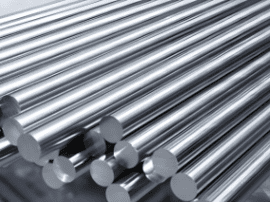
The mechanical properties of Incoloy 825 bar ensure it can withstand high stress and pressure in service. These properties are typically verified through tensile and hardness tests. The values can vary slightly depending on the size of the bar and the heat treatment condition (typically annealed). Shanghai NC Metal Materials Co., Ltd. ensures that all supplied bars meet or exceed the requirements of ASTM B425.
| Property | Metric Value | Imperial Value |
|---|---|---|
| Tensile Strength (Min) | 585 MPa | 85 ksi |
| Yield Strength (0.2% Offset) (Min) | 240 MPa | 35 ksi |
| Elongation (in 2 inches) (Min) | 30% | 30% |
| Hardness (Brinell) (Max) | 217 HB | 217 HB |
| Modulus of Elasticity | 196 GPa | 28,400 ksi |
Pricing for Incoloy 825 bar is dynamic and fluctuates based on raw material costs (nickel and molybdenum prices), market demand, and manufacturing complexity. The following table provides estimated reference prices only. Actual quotations from suppliers like Shanghai NC Metal Materials Co., Ltd. should be requested for specific sizes and quantities.
| Bar Diameter (mm) | Price Range (USD/kg) | Price Range (USD/lb) | Typical Order Quantity |
|---|---|---|---|
| 6 – 20 | $25 – $35 | $11.50 – $16.00 | 500 kg – 2000 kg |
| 25 – 75 | $22 – $30 | $10.00 – $13.60 | 1000 kg – 5000 kg |
| 80 – 150 | $20 – $28 | $9.00 – $12.70 | 1000 kg – 3000 kg |
| > 150 | $28 – $40 | $12.70 – $18.00 | Upon Request |
Note: Prices are indicative and subject to market volatility. For the most accurate and current pricing, it is recommended to contact Shanghai NC Metal Materials Co., Ltd. directly.
What is the density of Incoloy 825 in g/cm³?
The density of Incoloy 825 is 8.14 g/cm³. This value is consistently used to calculate the weight of bars, sheets, and other forms of this alloy for engineering and logistical purposes.
What is the difference between Incoloy 825 and 316 stainless steel?
Incoloy 825 contains significantly higher nickel (38-46%) and molybdenum (2.5-3.5%) compared to 316 stainless steel. This gives Incoloy 825 superior resistance to reducing acids like sulfuric and phosphoric acid, as well as better resistance to stress-corrosion cracking and pitting in harsh chloride environments.
Can Incoloy 825 bar be welded?
Yes, Incoloy 825 bar exhibits excellent weldability. It is typically welded using matching filler metals such as ERNiFeCr-1 (for TIG/GTAW) or ENiCrMo-3 (for coated electrodes). Due to its titanium stabilization, it resists sensitization and intergranular corrosion in the weld heat-affected zone, often allowing it to be used in the as-welded condition.
More from this category
Inconel 617 alloy round bar price per kilogram is commonly about USD 45 to 90 per kg for standard industrial stock sizes. Large forged bars, small pre...
The latest Inconel 625 alloy bar price per kg depends on nickel, molybdenum, niobium, and chromium raw material costs, as well as bar diameter, manufa...
Inconel X-750 alloy bar price depends on nickel raw material cost, bar diameter, product condition, heat treatment, specification, surface finish, dim...
Inconel 602CA alloy bar price per kg is usually higher than common Inconel 600 and Inconel 601 bars because Alloy 602CA is a premium high-temperature ...
 English English
  Korean
 Arabic
 Spanish
 German
 Portuguese
 French
 Russian
 Italian
 Vietnamese