
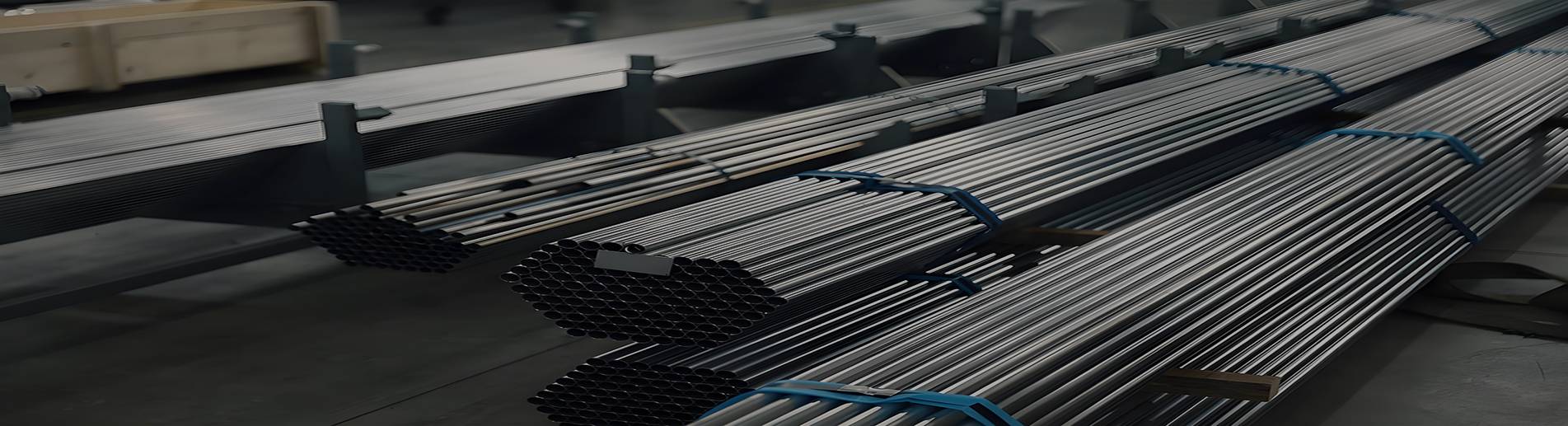
Inconel 617 alloy round bar price per kilogram
Inconel 617 alloy round bar price per kilogram is commonly about USD 45 to 90 per kg for standard industrial stock sizes. Large forged bars, small pre...
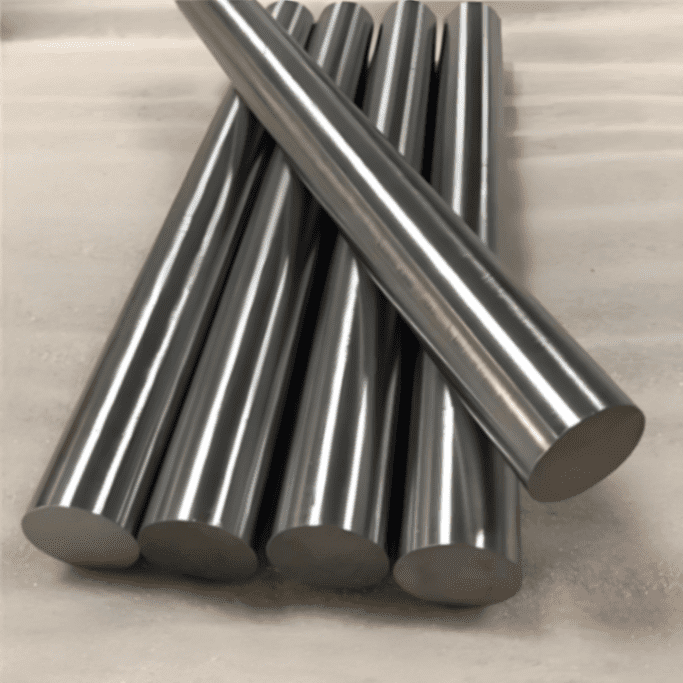
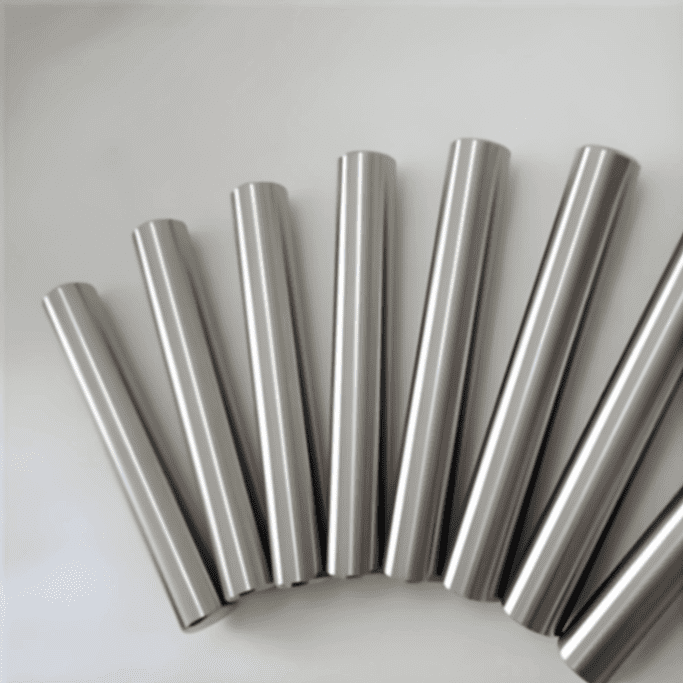
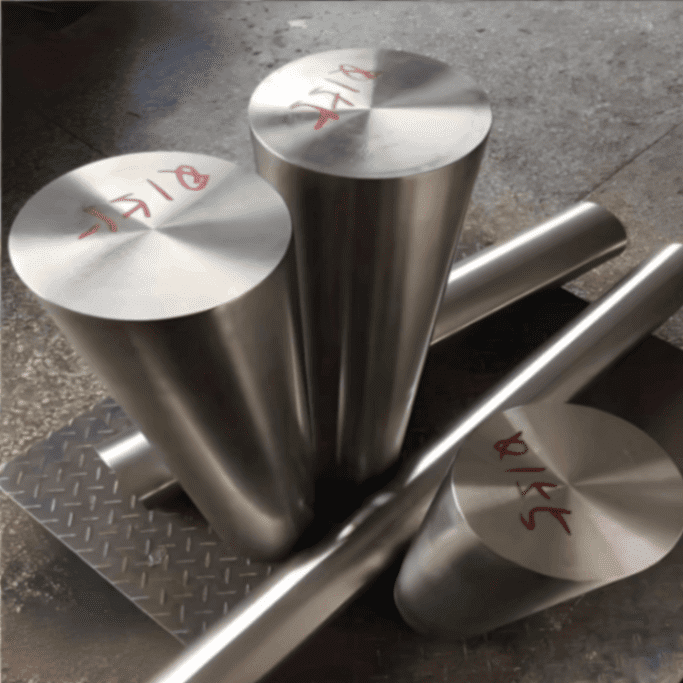
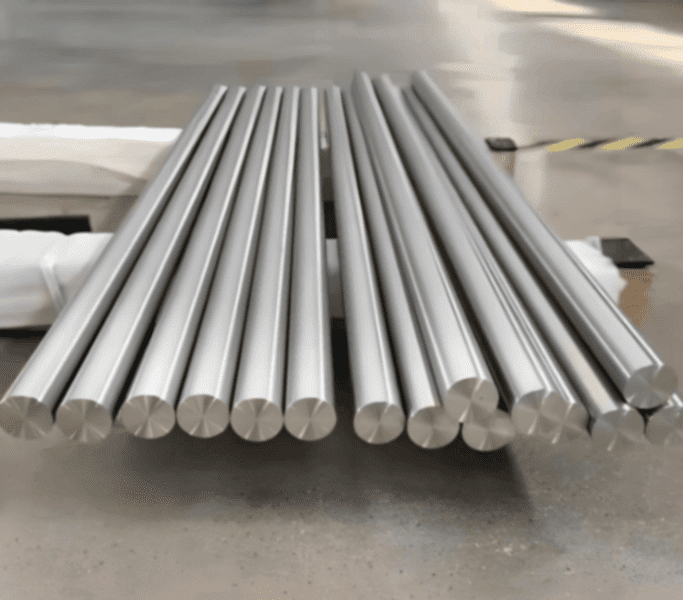
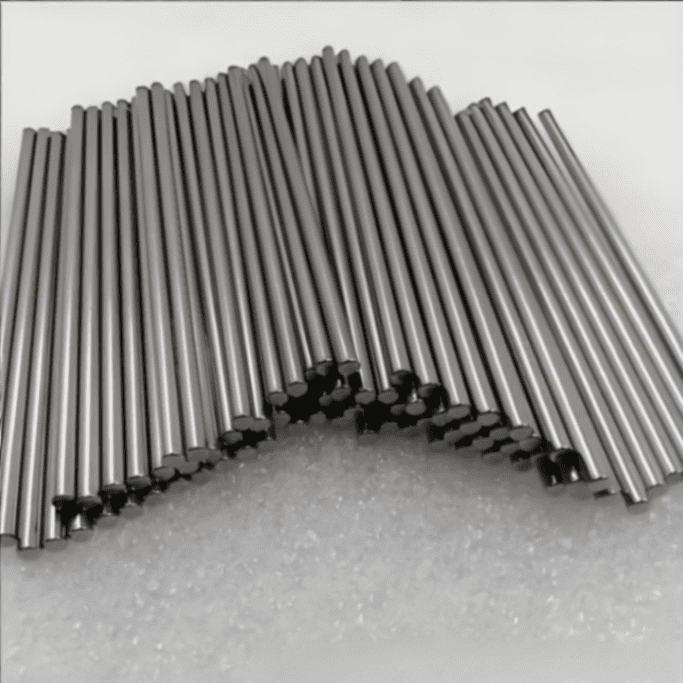
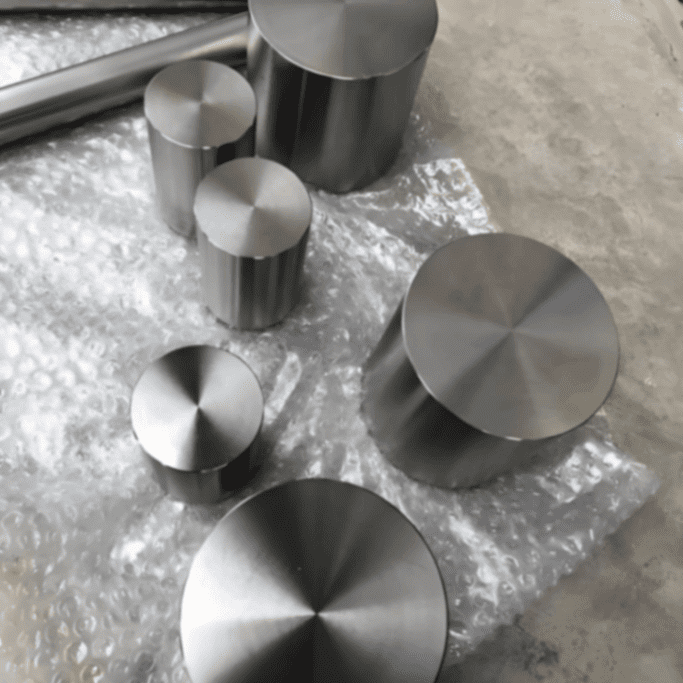
Incoloy 825 is a nickel-iron-chromium alloy with additions of molybdenum, copper, and titanium. It is engineered to provide exceptional resistance to a wide range of corrosive environments, particularly those involving reducing acids and stress-corrosion cracking. As a material standard, the specifications for Incoloy 825 bar are defined by international standards that govern its chemical composition, mechanical properties, dimensional tolerances, and manufacturing processes. Understanding this standard is critical for engineers and purchasers to ensure material integrity and performance in demanding applications such as chemical processing, pollution control, and oil and gas recovery. This article serves as a comprehensive guide to the standard for Incoloy 825 bar, breaking down its specifications into clear, detailed sections.
The foundation of the Incoloy 825 standard lies in its precise chemical makeup. The alloy’s resistance to corrosion is directly attributed to the controlled percentages of its constituent elements. Standards such as ASTM B425 and ASME SB425 govern the chemical composition for bar products. The table below outlines the required elemental breakdown as per these common specifications. Shanghai NC Metal Materials Co., Ltd. ensures that all its Incoloy 825 bar products meet these stringent chemical requirements.
| Element | Composition Percentage (%) |
|---|---|
| Nickel (Ni) | 38.0 – 46.0 |
| Iron (Fe) | 22.0 min (Balance) |
| Chromium (Cr) | 19.5 – 23.5 |
| Molybdenum (Mo) | 2.5 – 3.5 |
| Copper (Cu) | 1.5 – 3.0 |
| Titanium (Ti) | 0.6 – 1.2 |
| Carbon (C) | 0.05 max |
| Manganese (Mn) | 1.0 max |
| Sulfur (S) | 0.03 max |
| Silicon (Si) | 0.5 max |
| Aluminum (Al) | 0.2 max |
Beyond chemistry, the standard for Incoloy 825 bar specifies the mechanical properties that the material must exhibit. These properties, which include tensile strength, yield strength, and elongation, are verified through testing and ensure the bar can withstand the mechanical stresses of its intended service. The requirements can vary slightly based on the product form and the condition (e.g., annealed). The following table presents the typical mechanical property requirements for annealed Incoloy 825 bar as specified in standards like ASTM B425. Shanghai NC Metal Materials Co., Ltd. can provide material test reports confirming these values.
| Mechanical Property | Requirement (Metric) | Requirement (Imperial) |
|---|---|---|
| Tensile Strength | 585 MPa min | 85 ksi min |
| Yield Strength (0.2% Offset) | 240 MPa min | 35 ksi min |
| Elongation in 4D | 30% min | 30% min |
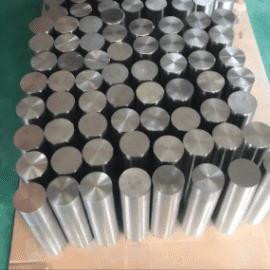
The standard also dictates the dimensional tolerances for Incoloy 825 bars. These tolerances ensure that the bars are suitable for subsequent machining or fabrication. Tolerances vary depending on the shape of the bar (round, square, hexagon) and the manufacturing process (hot-finished or cold-finished). Below is a reference table for common dimensional tolerances for cold-finished round bars, based on specifications like ASTM B425. For exact tolerances and sizes, Shanghai NC Metal Materials Co., Ltd. can provide detailed specification sheets.
| Bar Size (Diameter, in) | Tolerance (in, + / -) | Bar Size (Diameter, mm) | Tolerance (mm, + / -) |
|---|---|---|---|
| Up to 1/2 | 0.002 | Up to 12.7 | 0.05 |
| Over 1/2 to 1 | 0.003 | Over 12.7 to 25.4 | 0.08 |
| Over 1 to 2 | 0.004 | Over 25.4 to 50.8 | 0.10 |
| Over 2 to 3 | 0.005 | Over 50.8 to 76.2 | 0.13 |
| Over 3 to 4 | 0.006 | Over 76.2 to 101.6 | 0.15 |
Incoloy 825 bar is available in a variety of forms to meet diverse manufacturing needs. The standard covers these different shapes, each with its own specific dimensioning rules. Furthermore, the bar can be supplied in different conditions, most commonly annealed, which optimizes corrosion resistance and ductility.
| Bar Shape | Typical Size Range (mm) | Common Conditions |
|---|---|---|
| Round Bar | 6.35 to 254+ | Hot-finished, Cold-finished, Annealed |
| Flat Bar | Thickness: 3 to 100+ / Width: 10 to 250+ | Hot-finished, Annealed |
| Square/Hex Bar | 6.35 to 100+ (across flats) | Cold-finished, Annealed |
The price of Incoloy 825 bar is influenced by several factors, including the current market cost of nickel and molybdenum, the bar’s dimensions, the quantity ordered, and any required certifications. Please note that the prices below are for reference only and represent an estimated range. For a precise, current quote, it is recommended to contact suppliers like Shanghai NC Metal Materials Co., Ltd.
| Product Form | Size Range (mm) | Reference Price (USD/kg) |
|---|---|---|
| Round Bar | 10 – 50 | $25 – $35 |
| Round Bar | 55 – 150 | $28 – $38 |
| Flat/Plate Bar | Variable | $27 – $37 |
Shanghai NC Metal Materials Co., Ltd. is a professional supplier of high-performance alloys. They specialize in providing Incoloy 825 bar that fully complies with international standards such as ASTM B425 and ASME SB425. Their product range covers various sizes and shapes, ensuring that clients receive material with certified chemistry and mechanical properties. Shanghai NC Metal Materials Co., Ltd. focuses on quality control and reliable sourcing to meet the demands of industries requiring superior corrosion resistance.
What is the difference between Incoloy 825 and stainless steel 316?
The main difference lies in their chemical composition and resulting corrosion resistance. Incoloy 825 has a much higher nickel content (38-46%) compared to 316 stainless steel (10-14%), and it also contains molybdenum and copper. This gives Incoloy 825 superior resistance to stress-corrosion cracking and pitting in harsh environments, particularly in reducing acids like sulfuric and phosphoric acid. The standard for Incoloy 825 bar is designed for these aggressive conditions, whereas 316 is suitable for more general corrosive applications.
Can Incoloy 825 bar be welded, and what filler metal is recommended?
Yes, Incoloy 825 bar exhibits excellent weldability and can be joined using standard welding processes like TIG, MIG, and shielded metal-arc welding. It is generally welded in the annealed condition to maintain maximum corrosion resistance. The recommended filler metal is typically AWS A5.14 ERNiCrMo-3 (for Inconel 625) or a matching composition filler metal like AWS A5.11 ENiCrMo-3. The specific choice depends on the application and the required properties of the weld joint, ensuring the standard’s performance is maintained.
What are the key applications for Incoloy 825 round bars?
Incoloy 825 round bars are extensively used to manufacture components that must withstand highly corrosive media. Common applications include chemical processing equipment such as pump shafts, valves, and fasteners. They are also found in pollution control systems, oil and gas extraction hardware (like tubing and packers), marine engineering, and pickling tank components. The material’s resistance to both general and localized corrosion makes it a standard choice for these demanding industrial parts.
More from this category
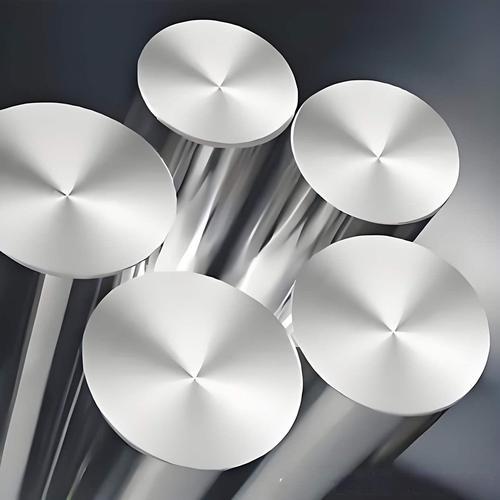
Inconel 617 alloy round bar price per kilogram is commonly about USD 45 to 90 per kg for standard industrial stock sizes. Large forged bars, small pre...
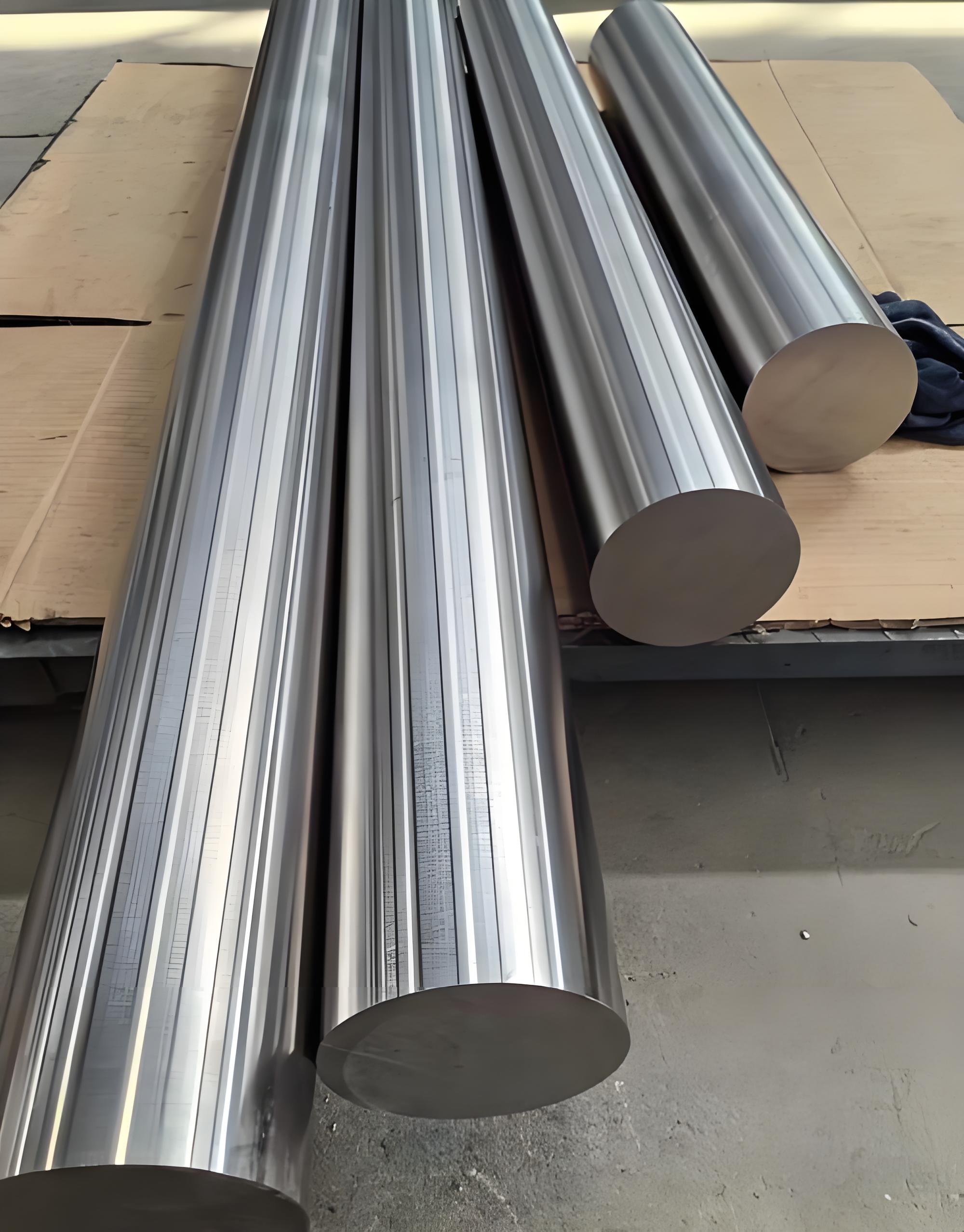
The latest Inconel 625 alloy bar price per kg depends on nickel, molybdenum, niobium, and chromium raw material costs, as well as bar diameter, manufa...
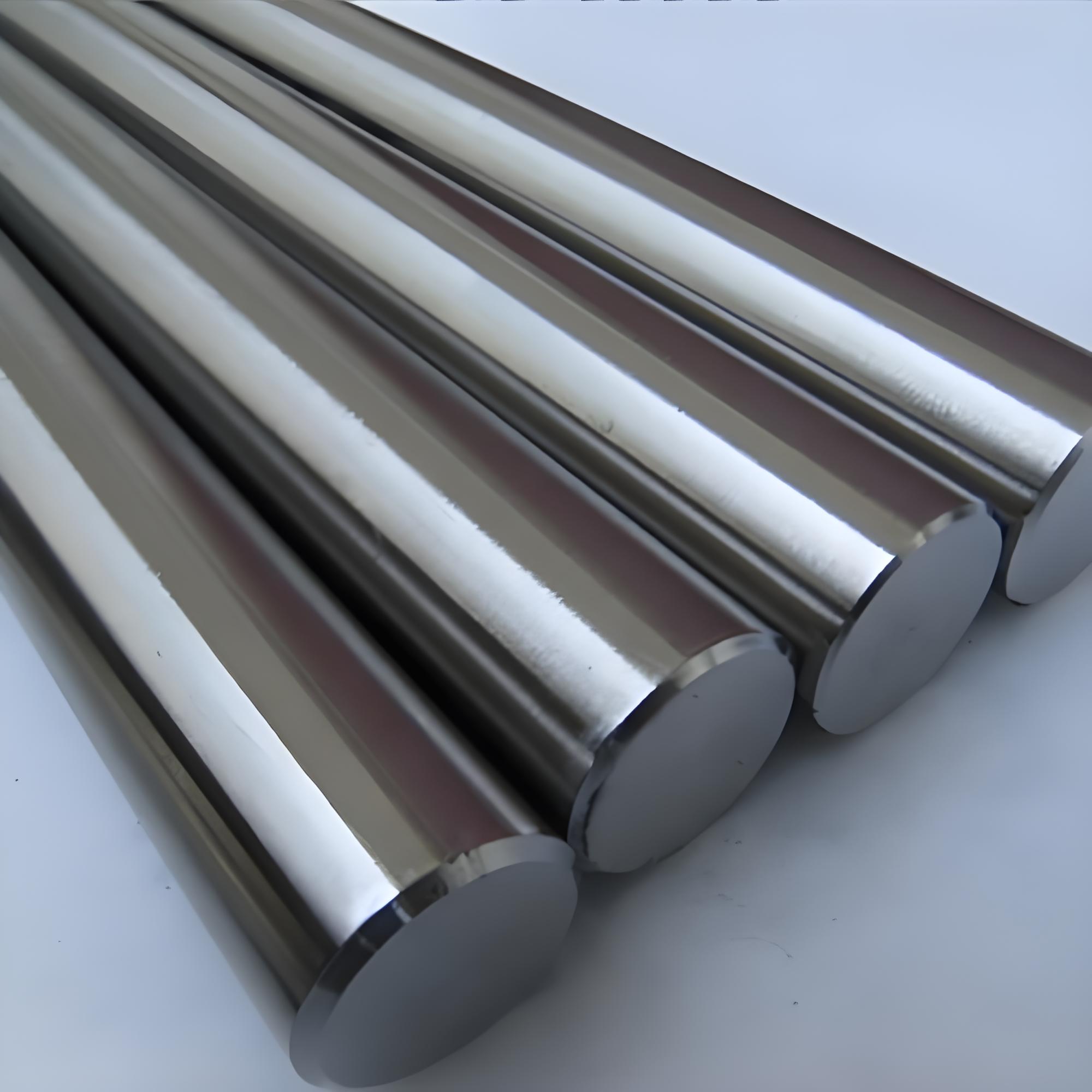
Inconel X-750 alloy bar price depends on nickel raw material cost, bar diameter, product condition, heat treatment, specification, surface finish, dim...
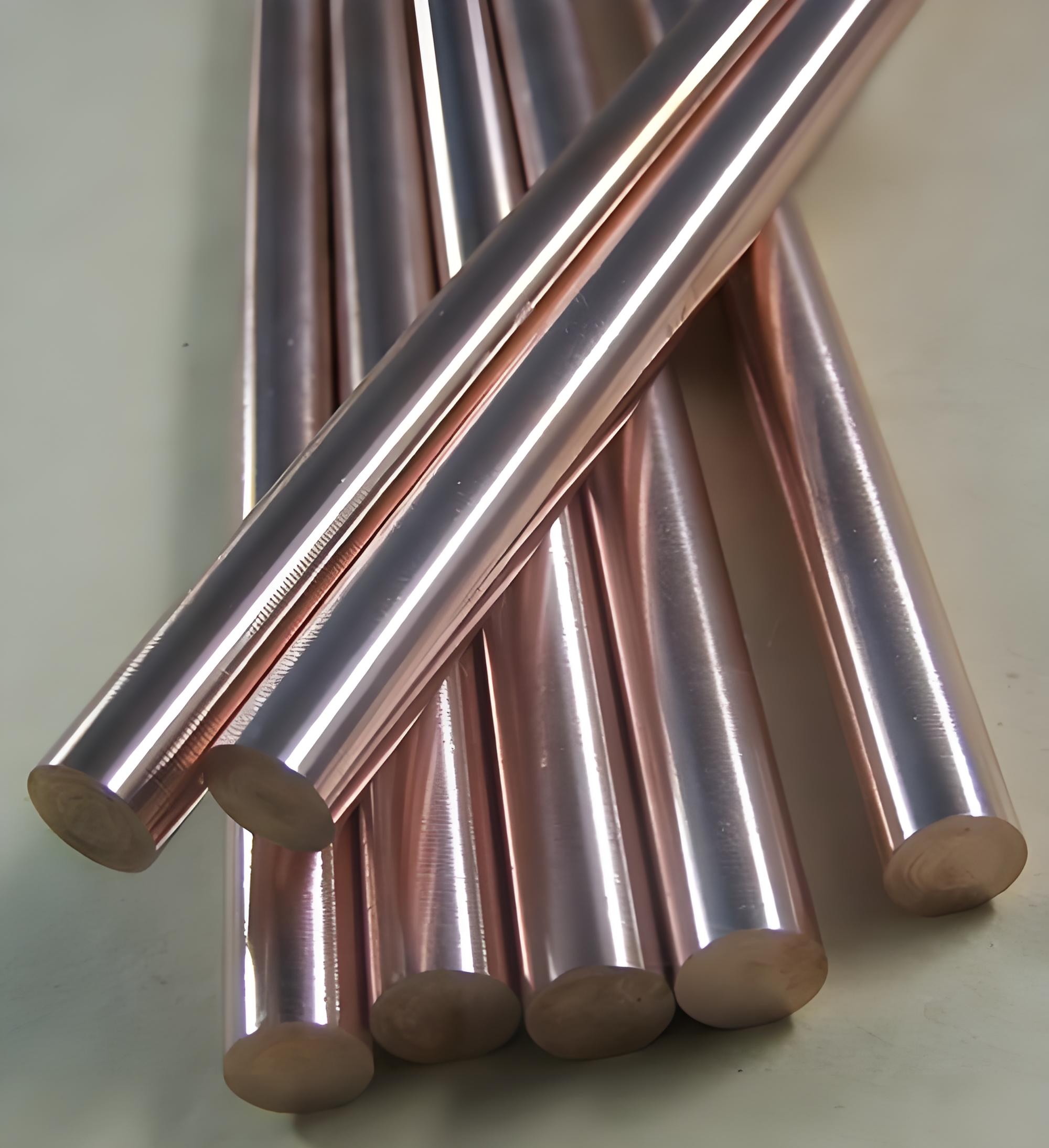
Inconel 602CA alloy bar price per kg is usually higher than common Inconel 600 and Inconel 601 bars because Alloy 602CA is a premium high-temperature ...
 English English
  Korean
 Arabic
 Spanish
 German
 Portuguese
 French
 Russian
 Italian
 Vietnamese