
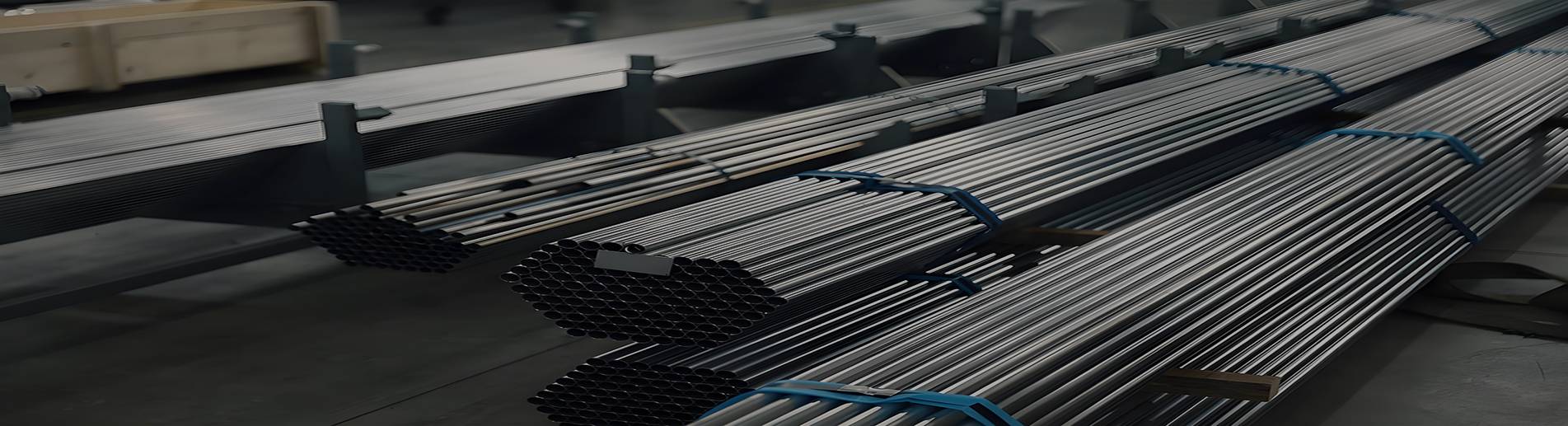
Inconel 617 alloy round bar price per kilogram
Inconel 617 alloy round bar price per kilogram is commonly about USD 45 to 90 per kg for standard industrial stock sizes. Large forged bars, small pre...
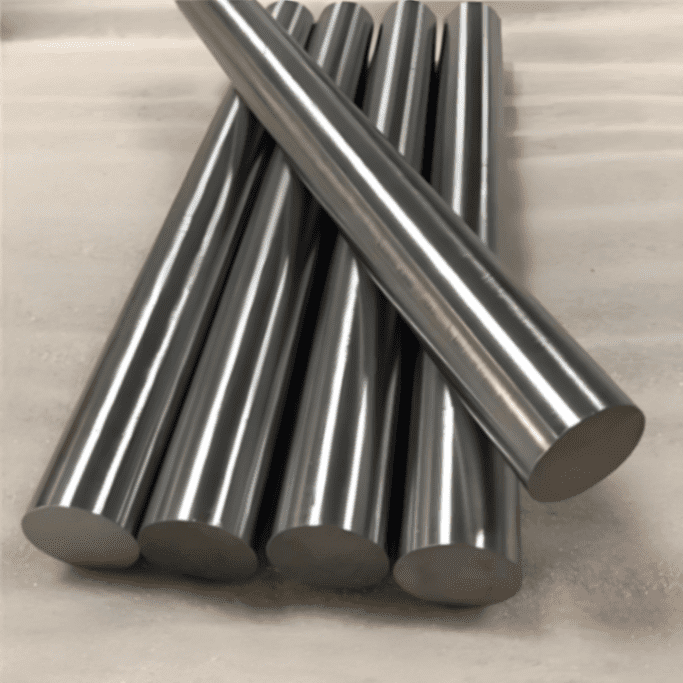
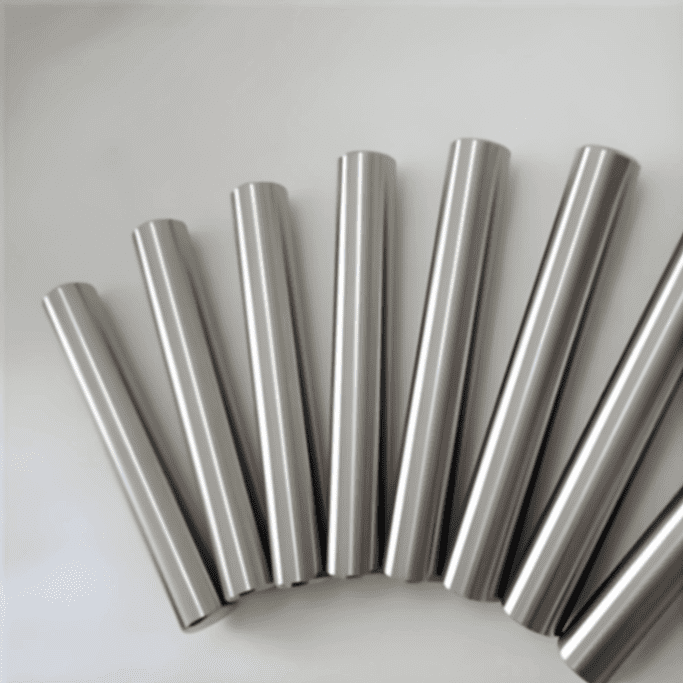
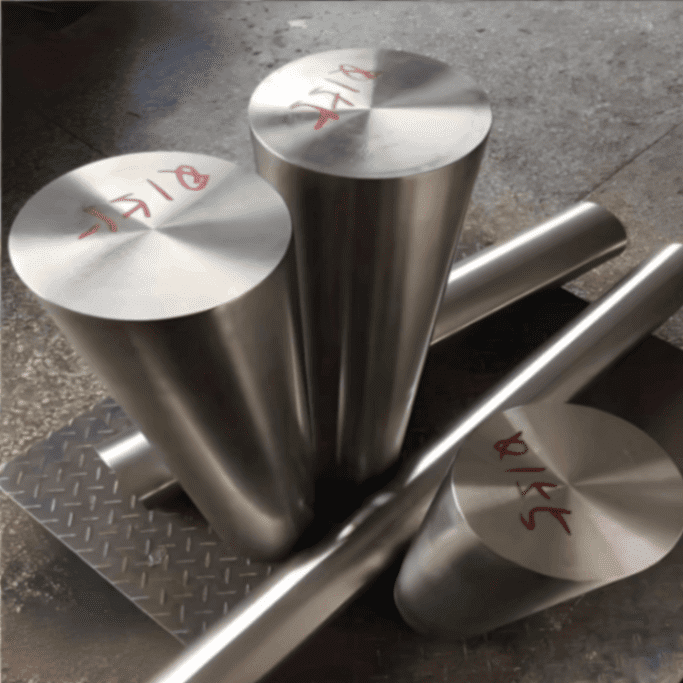
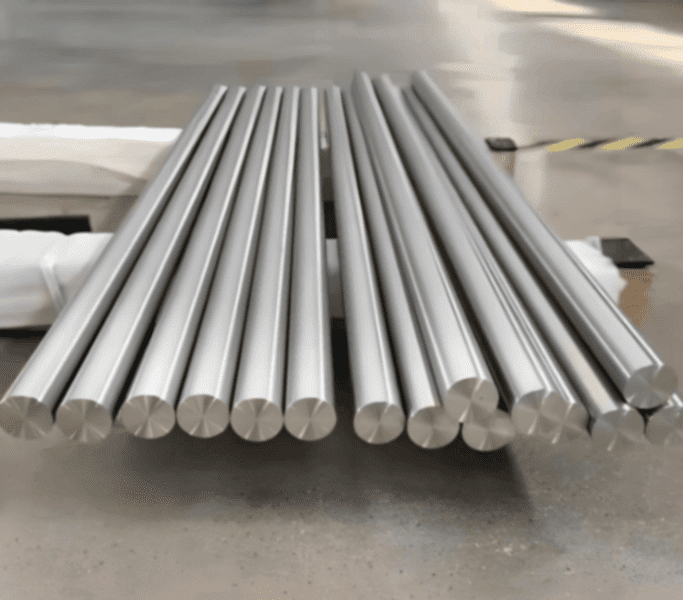
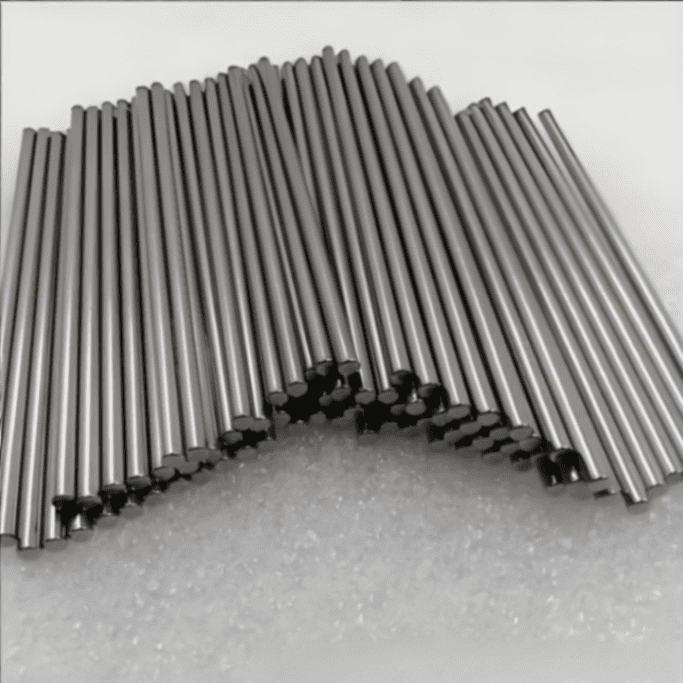
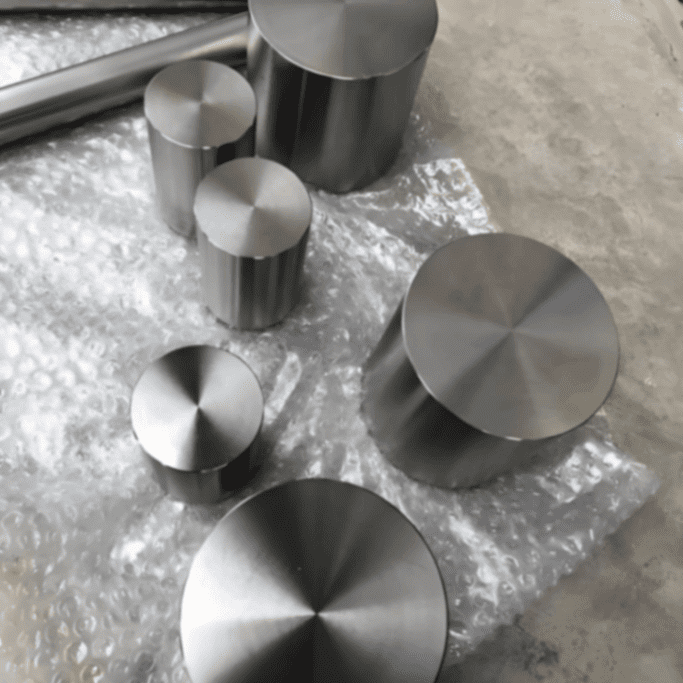
Inconel 600 bar with Alloy 601 bar, These two nickel alloys are close enough that they often appear on the same shortlist, especially for heat-resistant round bar applications, furnace parts, chemical equipment, and machined components. But once you look at oxidation resistance, corrosion behavior, fabrication difficulty, and price per kilogram, the differences become much more practical. From the supply and production side at Shanghai NC Metal Materials Co., Ltd., 600 and 601 are both common bar grades, but they solve different problems. One is usually better in reducing service and more fabrication-friendly, while the other is stronger in oxidizing high-temperature conditions, especially above 1100°C.
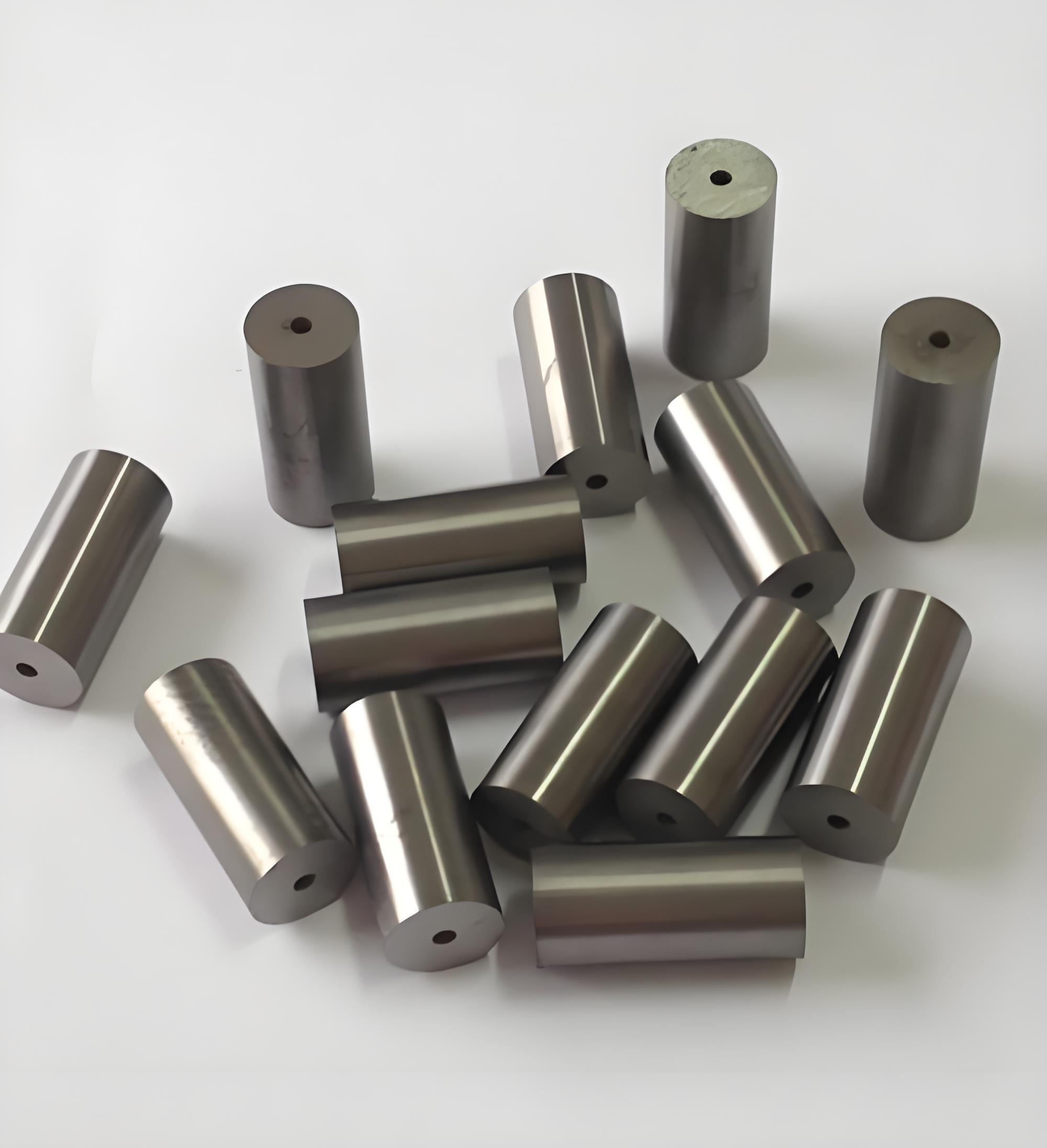
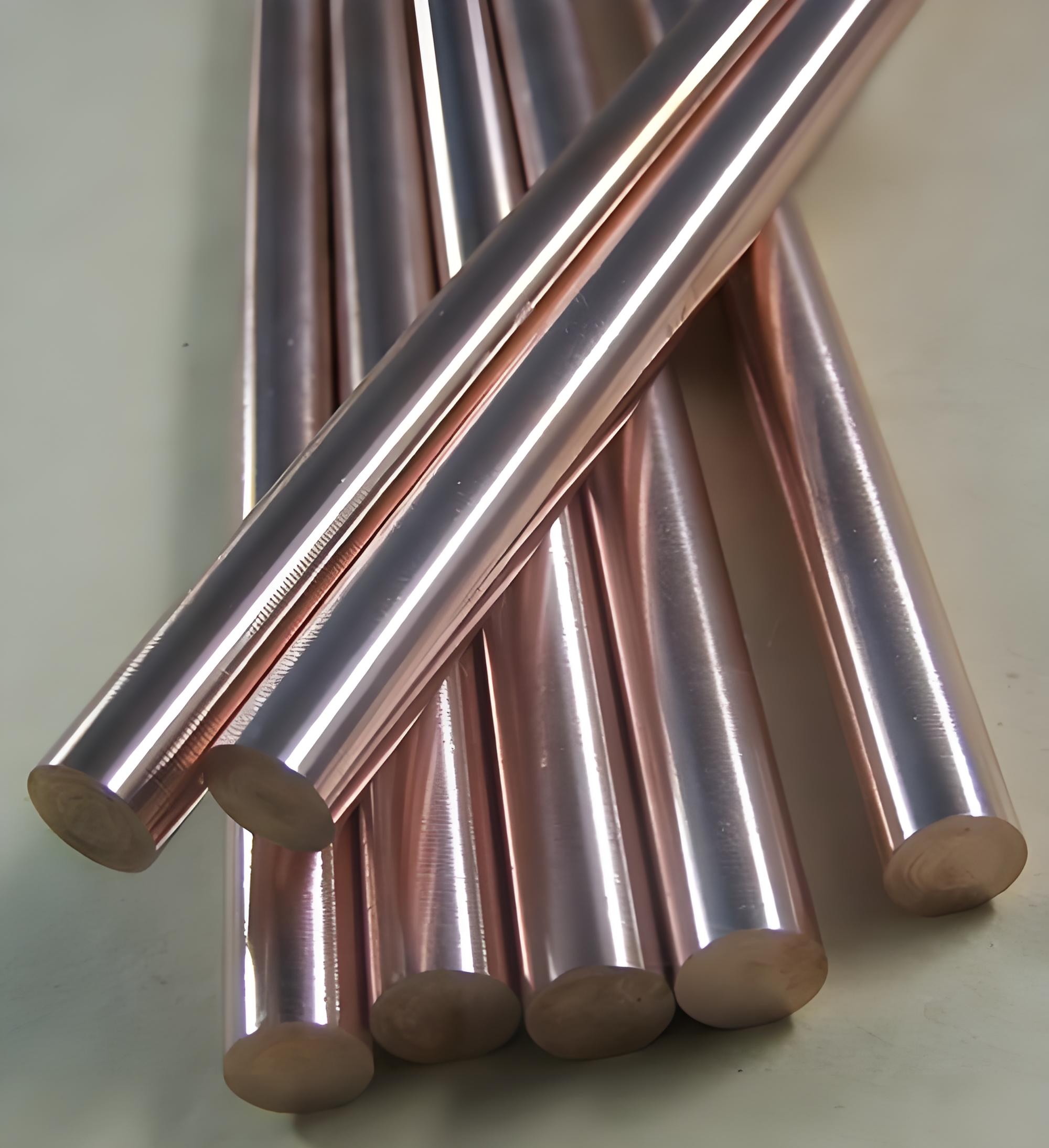
At Shanghai NC Metal Materials Co., Ltd., the regular supply range for both Inconel 600 round bar and Alloy 601 round bar is usually from Φ6 mm to Φ300 mm. This covers most standard industrial needs, from small-diameter machining stock for precision components to large forged bar sizes for heavy-duty thermal equipment, support shafts, roller blanks, and structural hot-zone parts.
For smaller diameters, customers usually buy these materials for CNC-machined parts, fasteners, sleeves, connectors, and instrument-related components. Medium diameters are common for valve stems, support rods, furnace fixtures, and thermocouple protection parts. Larger diameters are normally selected when the final component needs higher section strength or when buyers want enough machining allowance for large custom parts.
Surface condition is another point buyers often care about before ordering. We generally supply these bars in three common conditions: black surface, turned surface, and ground or bright surface. Black surface bars are typically the more economical choice for further forging, rough machining, or applications where the outer scale is not a concern. Turned bars are better when the customer needs more controlled size and improved surface quality for machining. Ground or bright bars are used when tighter dimensional consistency, cleaner appearance, or direct machining efficiency is more important.
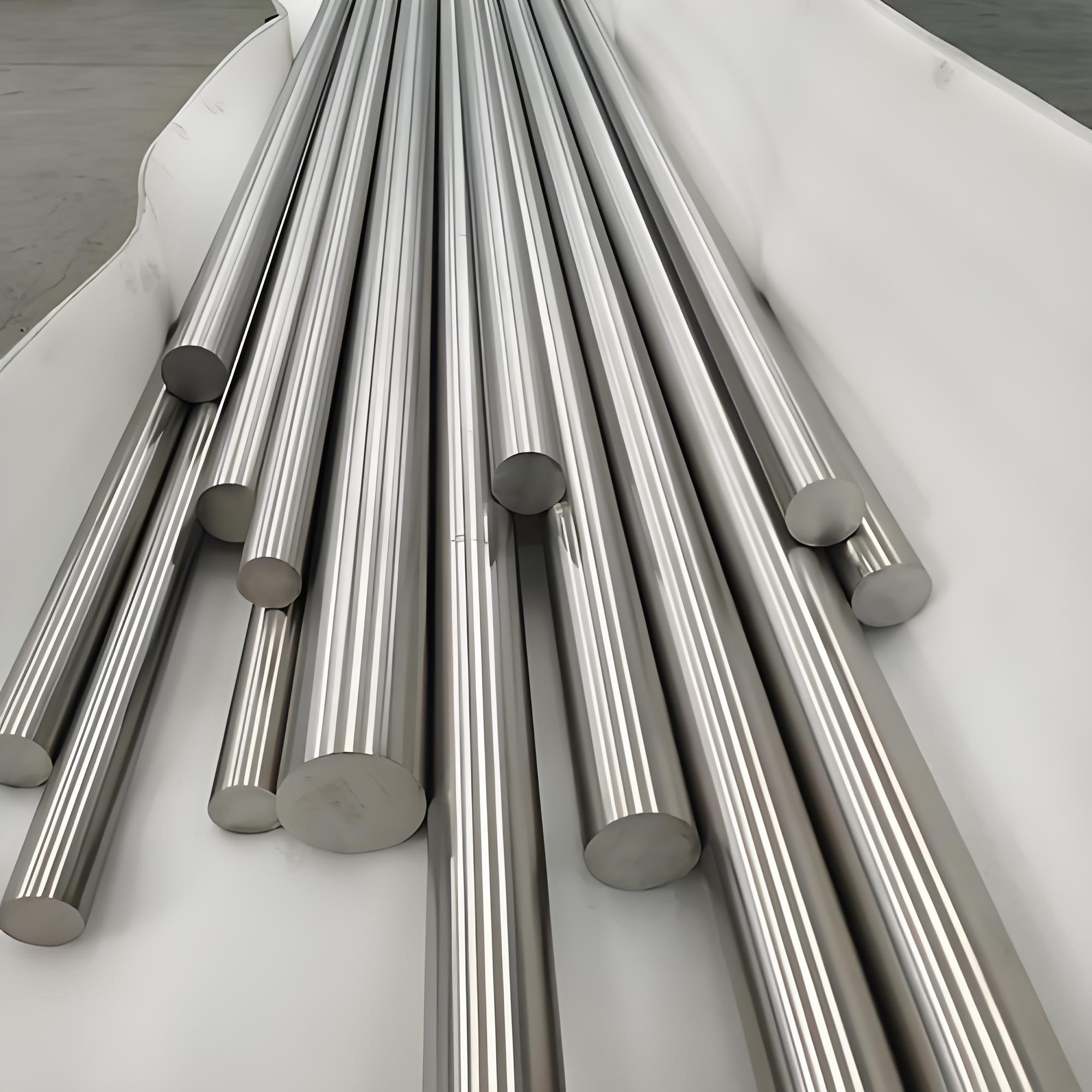
Minimum order quantity depends on whether the material is stock-supported or fully custom-made. For regular sizes and common conditions, the MOQ is usually more flexible. Buyers doing sampling, repair, or small trial production often do not need a full-ton order, especially if the grade and diameter are common. For special diameters, stricter tolerance, non-standard lengths, or project-specific inspection requirements, the order arrangement is usually based on a custom production plan, so MOQ becomes less flexible.
Stock availability and lead time are not the same thing, and this matters a lot in maintenance purchasing. If the size and grade are already in stock, shipment can move quickly after confirmation of quantity, cut length, and certificate requirements. If the customer needs custom production, then the lead time depends on melting, forging or rolling schedule, heat treatment, surface finishing, testing, and final documentation. In practical terms, stock material is ideal for urgent replacement work, while custom production is more suitable for planned projects that need exact size control or a defined testing package.
For many overseas and industrial buyers, what matters most is not just whether the bar exists, but whether it can be supplied in the right form for their process. A furnace part manufacturer may prefer black bar with larger machining allowance, while a valve parts customer may want turned or bright bar to reduce machining time. That is why supply capability is not only about diameter range, but also about how the material is prepared before it reaches the machine shop.
From a performance point of view, the biggest difference between Inconel 600 and Alloy 601 is how they behave in high-temperature oxidizing service. Alloy 601 is clearly stronger in oxidation resistance, especially once the service temperature moves above 1100°C. This is where 601 starts to separate itself in a very visible way. In repeated oxidation cycles, the surface oxide on 601 is usually more stable and more protective, which means slower scale growth, less flaking, and longer service life in hot oxidizing atmospheres.
In contrast, Inconel 600 still has good heat resistance and is widely used at elevated temperature, but in severe oxidation conditions it is not usually the first choice when compared directly with 601. For buyers working with furnace internals, radiant heat components, hot gas path hardware, or thermal process fixtures, this distinction becomes very important. If the part is seeing 1150°C to 1200°C and cycling between hot and cool conditions, 601 normally gives a more reliable oxidation margin.
When corrosion is the main concern, the comparison changes. Inconel 600 is generally better in reducing acids and alkalis. This comes mainly from its higher nickel content, which helps it perform well in media where reducing corrosion is more of a risk than oxidation. That is why 600 is often considered in chlor-alkali-related environments, fluoride-associated equipment, and process conditions where chemical attack is reducing rather than oxidizing.
Alloy 601, on the other hand, is stronger in oxidizing media. Its higher chromium content and aluminum addition support the formation of a protective oxide layer, so in oxidizing chemical environments it often has the advantage. This is why 601 appears more often in nitric-acid-related oxidizing service logic, oxidation catalyst support hardware, and thermal systems where oxidation is the main failure mechanism.
On high-temperature strength and creep resistance, the two alloys are relatively close in many industrial use ranges. In actual customer selection, they are often considered broadly comparable for general high-temperature mechanical performance, but 601 is usually viewed as slightly better, especially where long-term hot service is combined with oxidation exposure. The difference is not always dramatic in normal short-cycle shop use, but under sustained high-temperature service, the edge of 601 becomes more meaningful.
Machining and welding are areas where Inconel 600 is usually easier to handle. The reason is practical, not theoretical. Alloy 601 has higher chromium plus aluminum, and this tends to increase tool wear and make cutting conditions a bit less forgiving. Shops often notice somewhat higher cutter consumption or a need for more careful parameter control with 601. It is still weldable and machinable, but compared side by side, 600 is generally a little more fabrication-friendly.
For buyers who are turning bars into finished components with a lot of machining hours, this difference can affect total part cost more than many people expect. If the final application does not truly need the extra oxidation resistance of 601, then using 600 can make the whole job easier and more economical. But if the part is going into severe oxidizing heat service, the slightly higher machining difficulty of 601 may be worth it because the service life payoff is larger.
For many buyers, price is where the comparison becomes real. As a factory reference level, Inconel 600 round bar is commonly quoted in the range of about USD 19 to USD 26 per kg, while Alloy 601 round bar is often in the range of about USD 18 to USD 30 per kg. Price is for reference only. Actual offers depend on bar diameter, order volume, surface condition, certification requirements, inspection scope, raw material market movement, and whether the material comes from stock or new production.
Some buyers expect 601 to always cost more than 600 because it performs better in high-temperature oxidation. In practice, that is not always true. Inconel 600 contains more nickel, and nickel is usually the main cost driver in nickel-base alloys. Alloy 601 uses less nickel, but it has higher chromium and added aluminum, and those elements also influence melting cost, process control, and supply fluctuation. That is why the price overlap between the two grades can be wider than people expect.
Another reason the 601 price range can swing more is size and specification sensitivity. If the buyer needs a less common diameter, tighter tolerances, or custom finishing, 601 can move upward more quickly. On the other hand, if 601 is available in an efficient production batch and the order is in a standard dimension, it may come out very competitive against 600. So the material list price alone does not tell the whole story.
Below is a simple reference view based on common industry supply logic. Price is for reference only.
| Grade | Reference price | Main cost influence |
| Inconel 600 round bar | USD 19-26/kg | Higher nickel usage |
| Alloy 601 round bar | USD 18-30/kg | Chromium + aluminum + size/spec variation |
In purchasing practice, the better question is not only “Which alloy is cheaper per kilogram?” but “Which alloy gives lower total cost in the real application?” If a furnace roller made from 601 lasts much longer than one made from 600, then the higher material price can still mean lower lifecycle cost. If a machined chemical component does not need strong oxidation resistance, then 600 may cut faster, waste fewer tools, and reduce the total manufacturing cost even if the raw material prices look similar.
When customers choose Inconel 600, the most common reason is that the service environment is chemically demanding but not dominated by extreme oxidation. In chlor-alkali industry applications, 600 is often preferred because its high nickel content supports better resistance in reducing and caustic-related conditions. The same basic logic applies to hydrogen fluoride equipment or components exposed to process conditions where reducing corrosion is more important than scaling resistance in air.
In heat-treatment tooling operating at or below about 1000°C, 600 is also a common choice. At that temperature range, many customers do not need the full oxidation advantage of 601, especially if the atmosphere is controlled or not severely oxidizing. In those cases, 600 offers a practical balance of corrosion resistance, heat resistance, and easier fabrication. This makes it a strong option for fixtures, support members, and general furnace tooling where the thermal load is real but not extreme.
Vacuum furnaces and reducing-atmosphere components are also typical 600 applications. If oxygen is limited and the atmosphere is reducing, then the key advantage of 601 is less important, while the nickel-rich chemistry of 600 becomes more useful. For parts such as internal supports, bars, and holders used in those systems, buyers often stay with 600 because it matches the atmosphere better and is easier to process.
When customers choose Alloy 601, the typical reason is repeated exposure to strong oxidation at high temperature. Nitric acid production equipment and oxidizing catalyst support structures are good examples where 601’s chemistry makes practical sense. It is not only about surviving the environment, but about maintaining surface stability over time.
In the glass and ceramic industry, furnace rollers often operate around 1200°C with cyclic oxidation. This is one of the classic 601 use cases. Under these conditions, 600 may oxidize too quickly or suffer more scale-related degradation, while 601 usually holds up better because of its more protective oxide film. Many buyers in this field are less concerned with machining convenience and more concerned with reducing shutdowns and roller replacement frequency.
Thermocouple protection tubes are another strong application for 601, especially in hot oxidizing atmospheres. The material needs not only heat resistance but also stable surface behavior over repeated heating cycles. Gas turbine-related hot components can also fall into the 601 category when oxidation resistance at elevated temperature is a key requirement. Even where turbine hardware design is complex and material selection is highly engineered, the basic logic still holds: where oxidation and heat cycling dominate, 601 is often the more appropriate bar grade.
What we often see in customer feedback is very straightforward. Buyers who switch furnace hot-zone parts from 600 to 601 usually report longer service life when oxidation was the original problem. Buyers who move chemical or reducing-atmosphere parts from 601 to 600 often report lower machining cost and no meaningful loss in service performance because the high-oxidation advantage of 601 was not actually needed for that job.
When both materials look possible on paper, buyers need a simple way to decide. The most practical method is to compare service condition, failure mode, and budget at the same time. Below is a compact decision matrix based on typical customer purchasing logic. Since one short table cannot carry all four scenarios within the formatting limits here, the matrix is split into two parts.
| Service condition | Recommended grade | Core reason |
| Reducing acid + ≤1000°C | 600 | Better corrosion resistance, more stable pricing |
| Oxidizing atmosphere + >1100°C | 601 | Far stronger oxidation resistance, service life can be 2-3 times longer |
| Service condition | Recommended grade | Core reason |
| Cost-sensitive + general high temperature | 600 | Often USD 1-4/kg lower in common buying situations |
| Frequent thermal cycling + oxide scale spalling | 601 | Denser oxide film, supported by Al2O3 formation |
This matrix is useful because it reflects how buyers actually think. If the environment is reducing and the temperature is moderate to high but not severe, 600 usually wins because it gives the right corrosion profile without paying for oxidation resistance that may not be needed. If the atmosphere is oxidizing and the part is running above 1100°C, 601 usually becomes the better long-term option, even if the initial material price is slightly higher.
The thermal cycling point is especially important. Some components do not fail because of simple overheating or basic corrosion. They fail because oxide scale forms, cracks, and falls off repeatedly. Once that starts, section loss can accelerate quickly. In that kind of service, 601 has a clear advantage because its oxide film is generally more adherent and protective. For many furnace operators, that one difference changes the maintenance schedule more than any room-temperature mechanical property does.
On the other side, if the buyer’s top concern is keeping raw material cost under control for a general high-temperature part, then 600 often remains the more comfortable choice. It is familiar, versatile, and usually easier to machine. In a lot of industrial purchasing, “good enough and predictable” is better than “technically stronger but unnecessary.”
The most useful starting point for material selection is simple: tell us the operating temperature, medium, and budget target. Once those three inputs are clear, an engineer can usually narrow the recommendation quickly. If the medium is reducing and the temperature is under control, 600 is often the first direction. If the service is strongly oxidizing, especially with long hot exposure or cyclic heating above 1100°C, then 601 usually deserves priority.
Budget also matters, but it should be considered in the right order. Material price per kilogram is only one part of the picture. The better question is whether the project is limited by raw material budget, machining cost, maintenance downtime, or component replacement frequency. A customer making large batches of machined parts may value the easier processing of 600. A customer operating a high-temperature roller furnace may value the longer oxidation life of 601 much more.
If both materials appear workable, a small-batch trial is often the smartest route. This is especially true when the previous grade failed in service or when the customer is replacing an imported material with a locally sourced bar. A trial order allows comparison of machining behavior, dimensional stability, weld response, oxidation condition after use, and real service life. In practice, this is often more reliable than choosing purely from datasheets.
For buyers moving toward volume purchasing, mixed orders can also make sense. Some customers use 600 for the parts that see reducing process exposure and 601 for the parts in the furnace hot zone or oxidizing section. When both grades are purchased together in one project, that can simplify planning and sometimes improve total order efficiency. In real manufacturing, one plant often does not need only one alloy. It needs the right alloy in the right section.
If you want an accurate quotation, the most efficient way is to provide the bar size, quantity, and certificate requirements first. Diameter, length, surface condition, and inspection level all affect the offer. Once these basic points are clear, Shanghai NC Metal Materials Co., Ltd. can usually issue an FOB reference quotation within 24 hours for standard inquiries, provided the specification is complete enough for evaluation.
It also helps a lot to mention whether the material is for stock replacement, trial use, or a long-term production program. That changes how the supply is arranged. A one-time maintenance order may be served from inventory if the size matches available stock. A repeated OEM demand may be better handled through a planned production cycle for more stable batch consistency.
For customers uncertain between 600 and 601, sample pieces or trial bars are often the most practical next step. This allows the buyer to run machining tests, verify dimensions, check certificate compliance, and even send the material for independent examination before placing a larger order. In many cases, this lowers project risk more effectively than extended email comparison of specifications.
For buyers working under nickel market volatility, long-term purchasing arrangements are also worth considering. Quarterly price locking or framework-based planning can help reduce the uncertainty caused by sudden nickel movement, especially on projects consuming repeated quantities of 600 bar. Since 601 is influenced not only by nickel but also by chromium and alloy processing factors, planned procurement can also help smooth budget control on that side.
The better the inquiry details, the better the support. If you can share operating temperature, pressure, process medium, expected service life, and whether the environment is reducing or oxidizing, the recommendation becomes much more useful. At that point, the discussion is no longer just about bar price. It becomes a real material selection conversation.
Which is better for furnace applications, Inconel 600 or Alloy 601 bar?
For strongly oxidizing furnace service, especially above 1100°C or under repeated thermal cycling, Alloy 601 is usually better because it forms a more protective oxide film and generally lasts longer. For vacuum furnaces, reducing atmospheres, or heat-treatment tooling below about 1000°C, Inconel 600 may be the more practical choice because its corrosion profile fits better and it is easier to machine.
Why can Alloy 601 sometimes cost the same as or more than Inconel 600 even though it has less nickel?
Because raw material cost is not controlled by nickel alone. Inconel 600 uses more nickel, which is a major cost driver, but Alloy 601 has higher chromium and added aluminum, and those affect melting, chemistry control, and supply variation. Bar size, surface finish, MOQ, and certification requirements can also move 601 pricing up or down significantly, so the final market price does not always track nickel percentage in a simple way.
How do I choose between 600 and 601 bar if both seem technically acceptable?
Start with the failure risk. If oxidation and scale spalling are the main threats, choose 601. If reducing corrosion, caustic exposure, or fabrication efficiency matter more, choose 600. Then check the actual operating temperature, especially whether it stays below or goes above 1100°C. If the decision is still unclear, order small trial quantities of both grades and compare machining behavior and service performance before moving to full-volume procurement.
More from this category
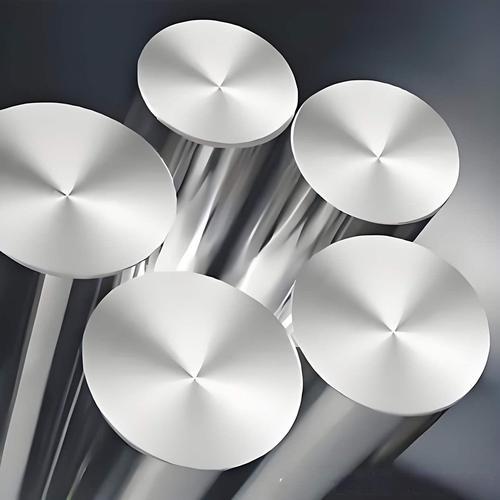
Inconel 617 alloy round bar price per kilogram is commonly about USD 45 to 90 per kg for standard industrial stock sizes. Large forged bars, small pre...
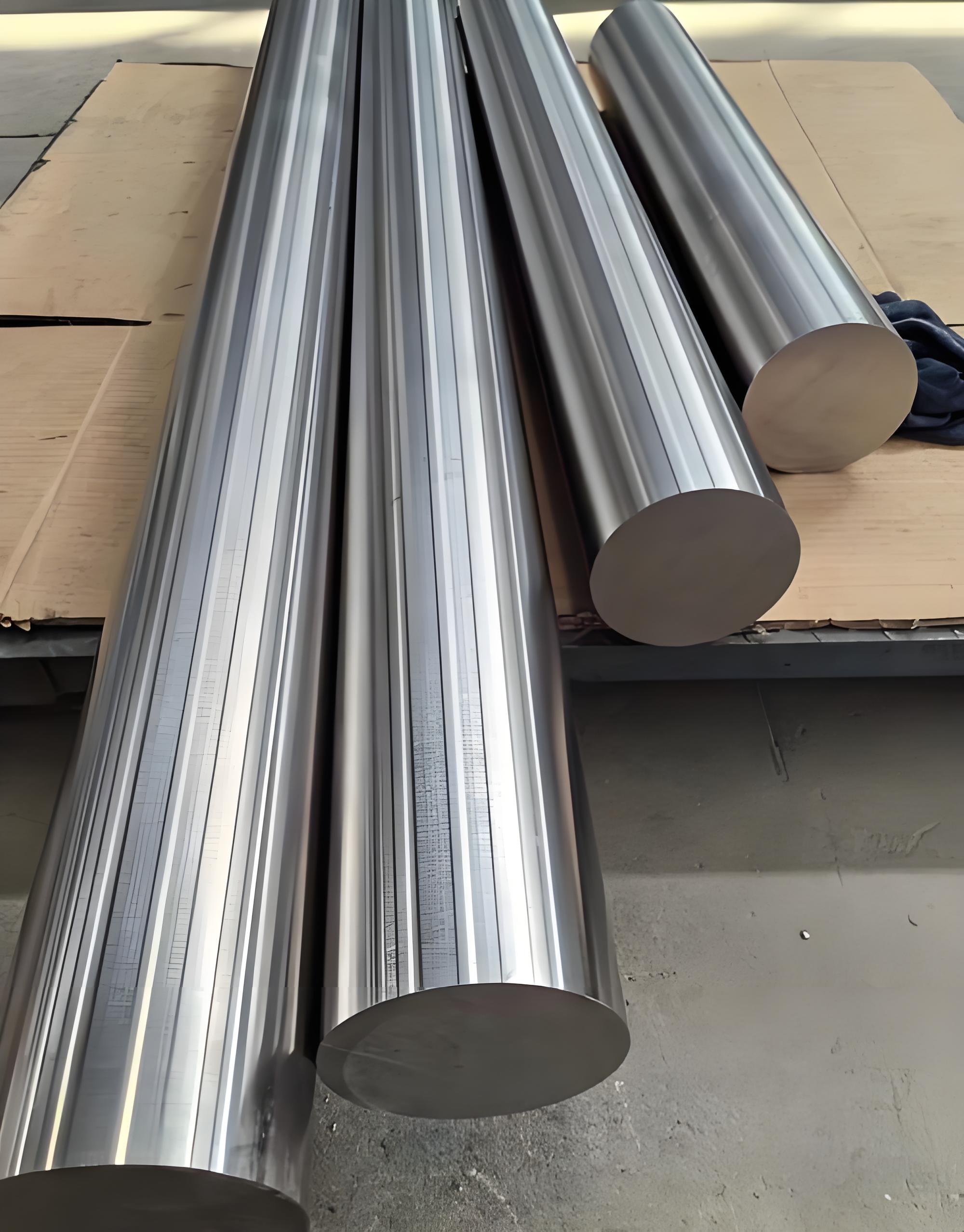
The latest Inconel 625 alloy bar price per kg depends on nickel, molybdenum, niobium, and chromium raw material costs, as well as bar diameter, manufa...
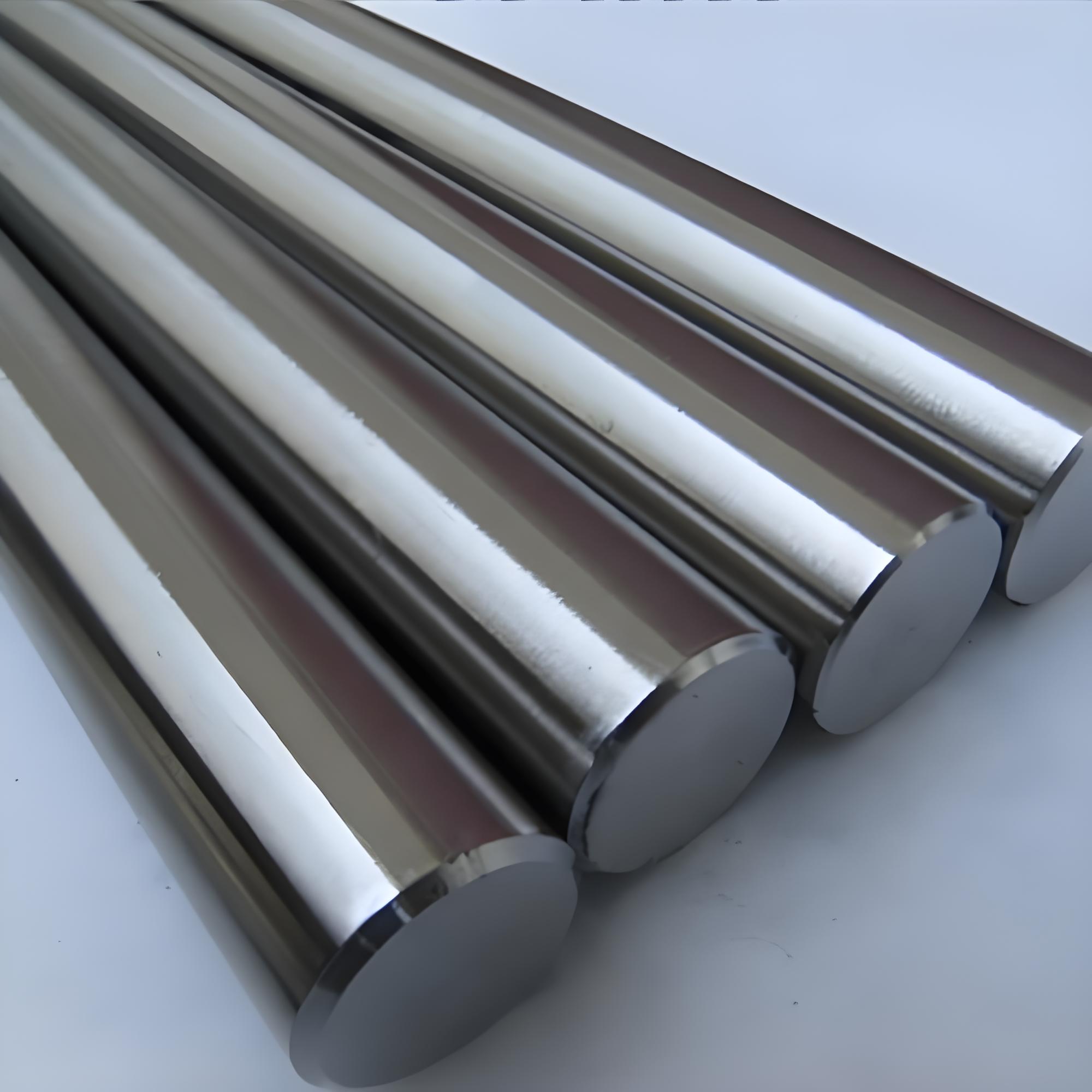
Inconel X-750 alloy bar price depends on nickel raw material cost, bar diameter, product condition, heat treatment, specification, surface finish, dim...
Inconel 602CA alloy bar price per kg is usually higher than common Inconel 600 and Inconel 601 bars because Alloy 602CA is a premium high-temperature ...
 English English
  Korean
 Arabic
 Spanish
 German
 Portuguese
 French
 Russian
 Italian
 Vietnamese