
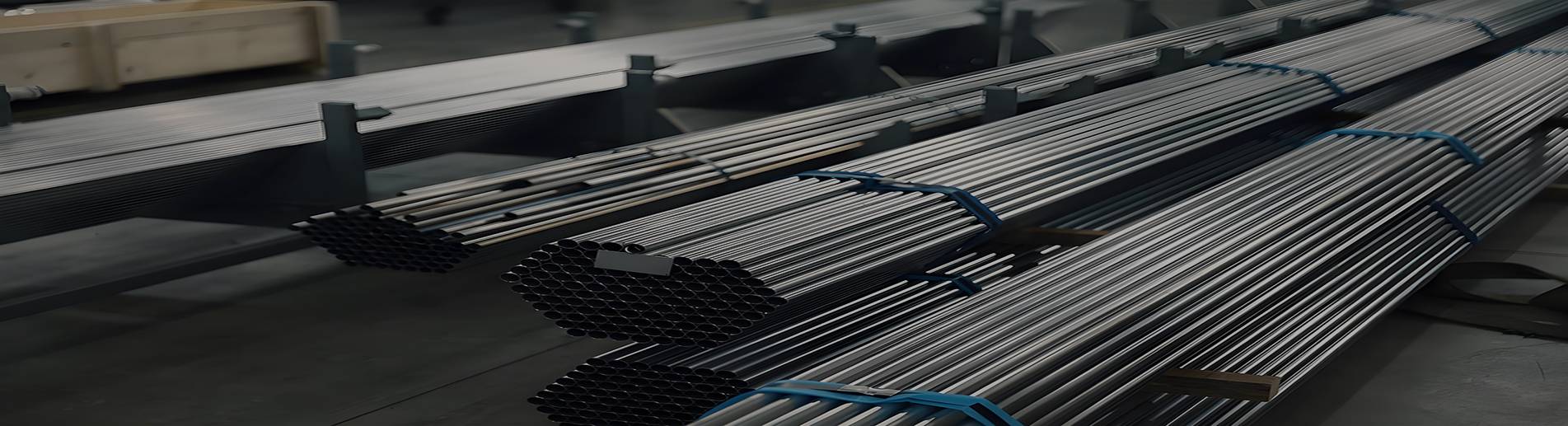
Inconel 617 alloy round bar price per kilogram
Inconel 617 alloy round bar price per kilogram is commonly about USD 45 to 90 per kg for standard industrial stock sizes. Large forged bars, small pre...
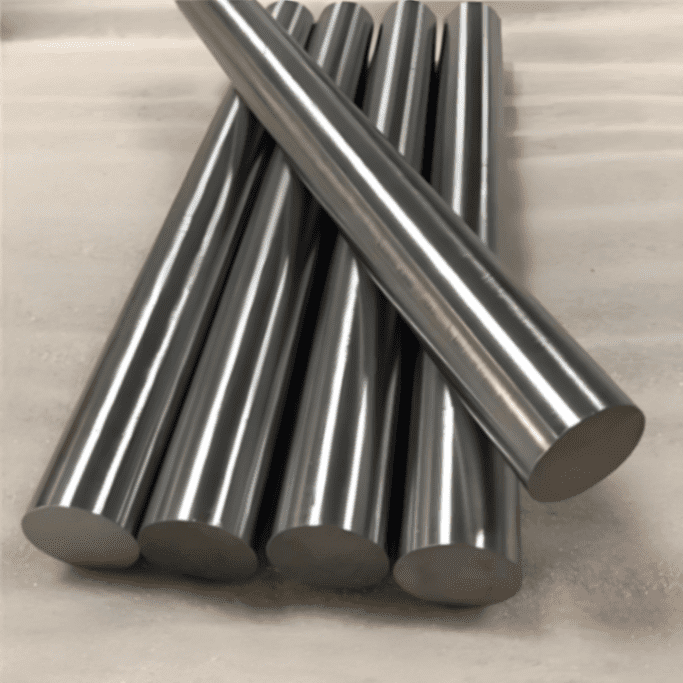
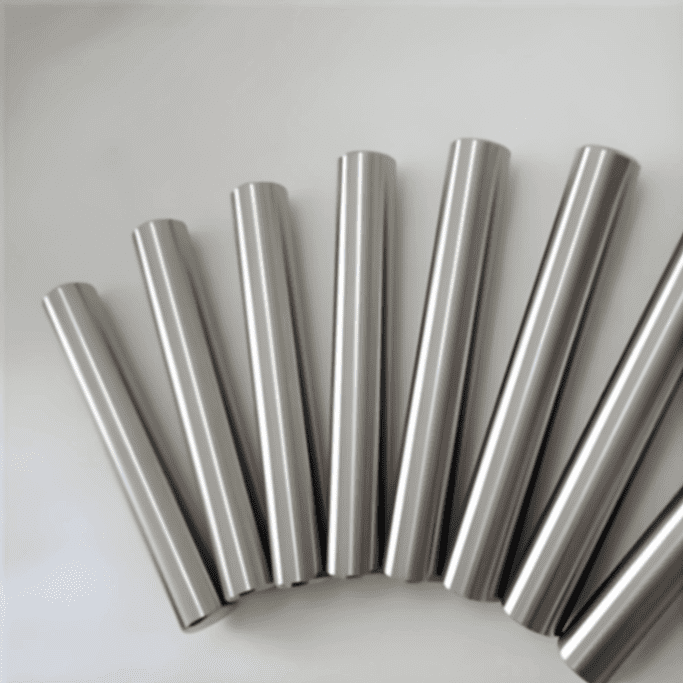
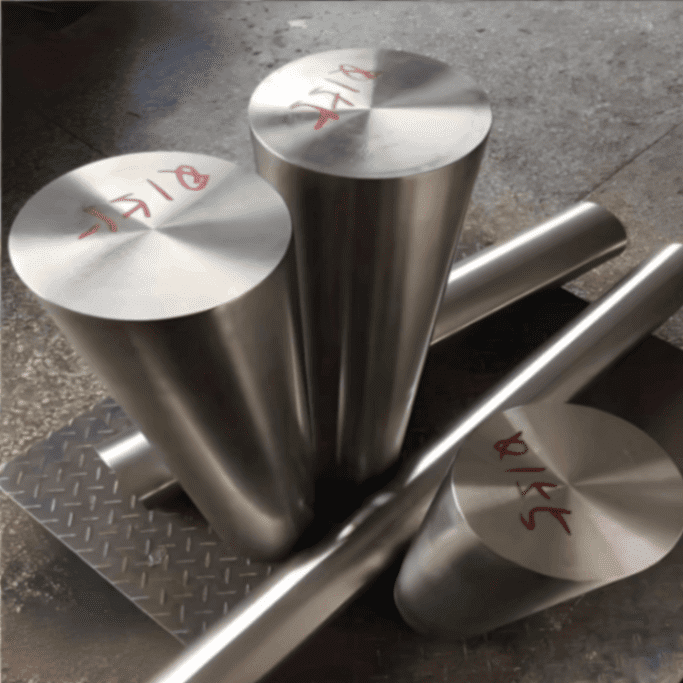
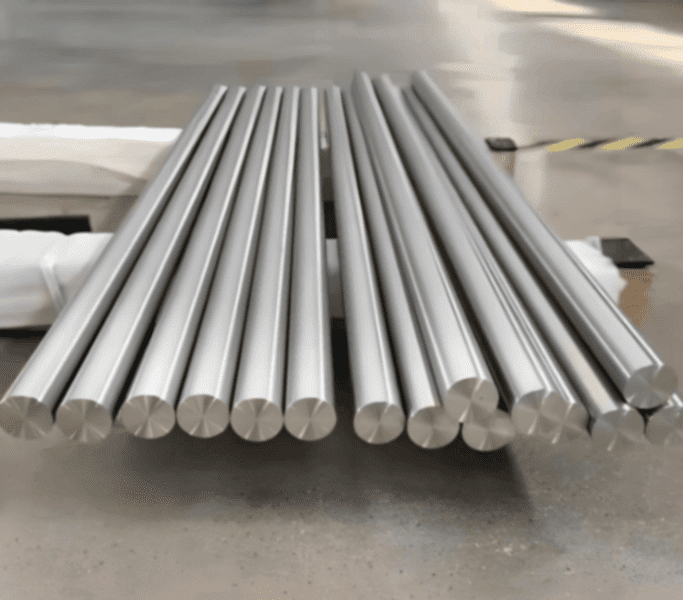
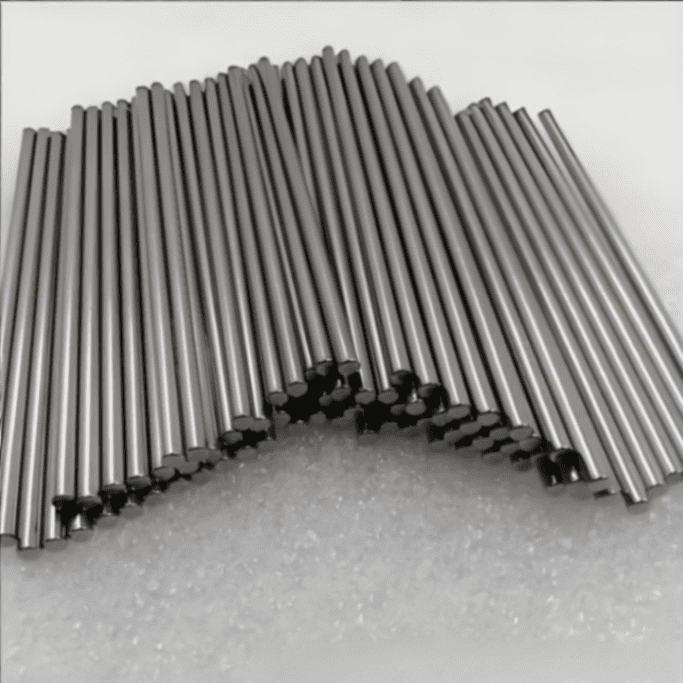
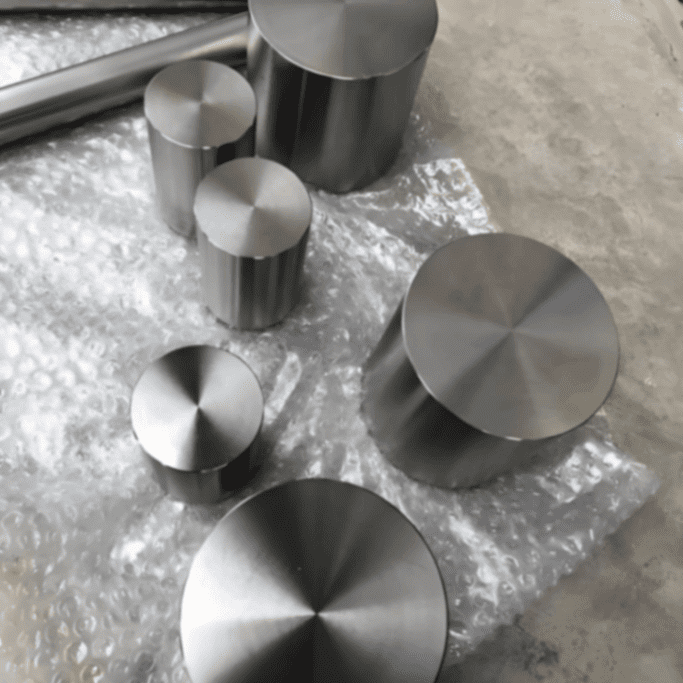
Inconel 600 bar and Alloy 601 bar In actual factory supply, these two nickel alloys often overlap in temperature service, corrosion resistance, and fabrication use, so confusion is common. From a manufacturing and supply standpoint, the difference becomes clearer when you look at chemistry, oxidation behavior, reducing-media resistance, machinability, and the real cost per kilogram. Based on production and supply experience at Shanghai NC Metal Materials Co., Ltd., the most practical way to choose between 600 and 601 bar is to start from service temperature, atmosphere type, corrosion medium, and budget rather than from the alloy name alone.
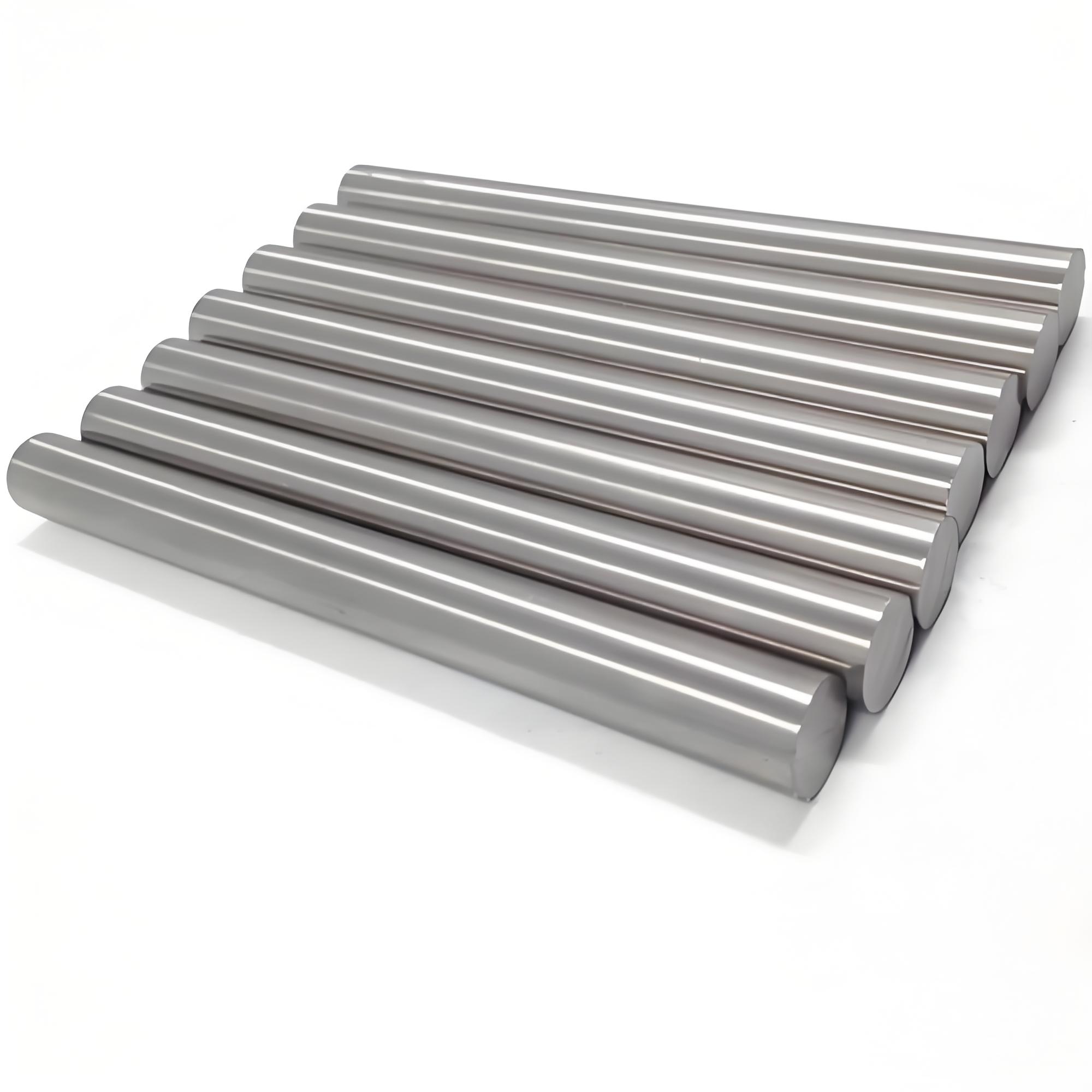
At Shanghai NC Metal Materials Co., Ltd., both Inconel 600 bar and Alloy 601 bar are supplied in regular round bar dimensions from Φ10 mm to Φ300 mm. This size range covers most routine industrial demand, including machining stock for flanges, pump shafts, valve stems, furnace fixtures, thermocouple protection components, and high-temperature structural parts. Smaller diameters are commonly used for precision-machined parts, while larger diameters are more often required for forged blanks and heavy-duty thermal equipment.
For normal production planning, the supply mode usually depends on diameter and specification stability. Standard hot-rolled and forged bar sizes within common dimensions are easier to arrange, while oversized bars, special tolerance bars, and bars with stricter ultrasonic or solution-annealed requirements typically require custom scheduling. In practical export and industrial procurement, many customers do not need full mill lengths, so cut-piece supply is also important. That is why minimum cutting quantity matters almost as much as minimum order quantity.
For MOQ, regular stock-support sizes can often be discussed from a relatively flexible starting quantity, especially when the grade is standard and the dimensional tolerance is normal. For custom-melt or less common diameter requirements, the order volume naturally needs to be higher because melting, forging, heat treatment, and testing costs are spread across fewer kilograms. In many cases, trial orders are possible before a customer moves to larger-volume purchasing.
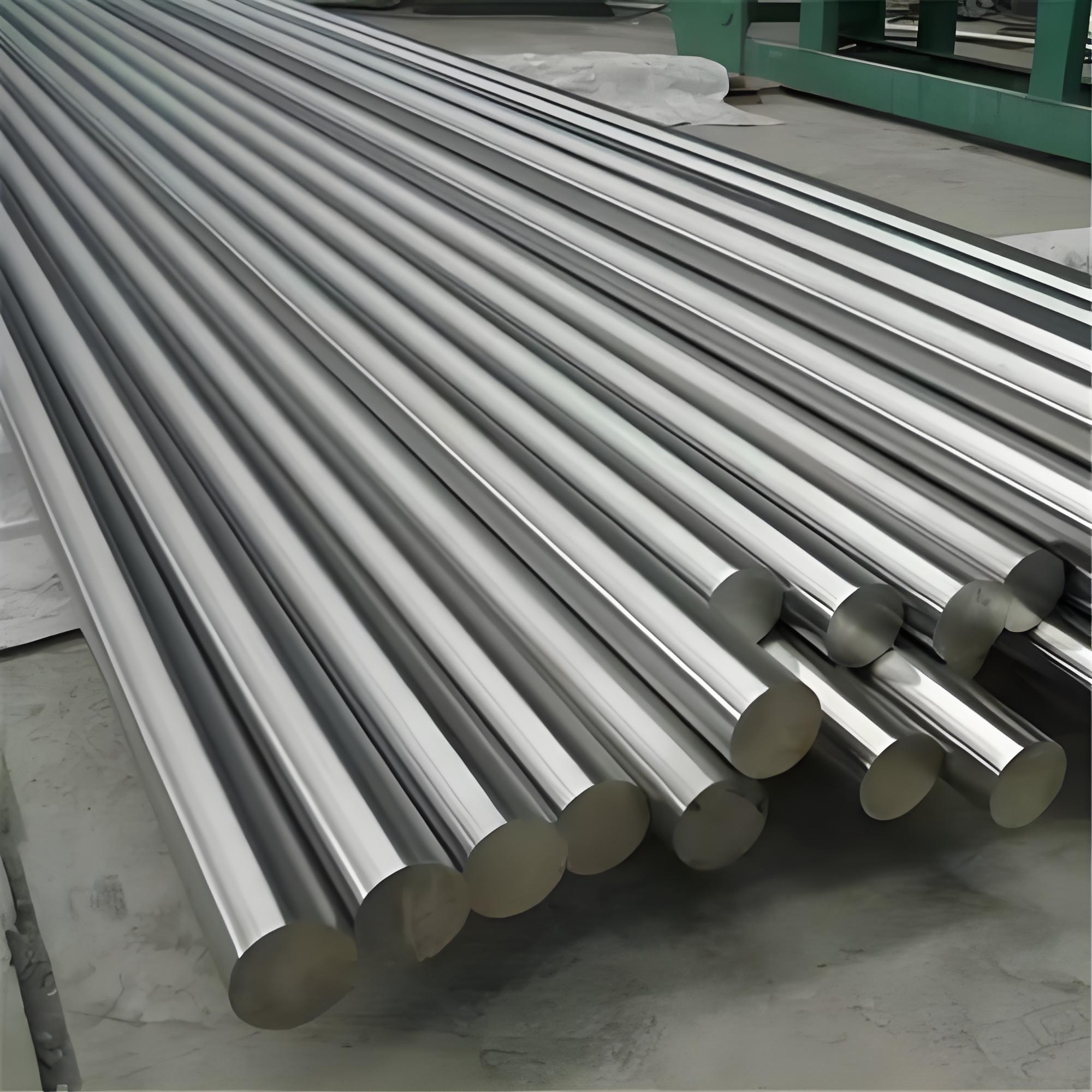
For cut lengths, the minimum cuttable quantity is usually based on bar diameter and final usage. Thin and medium-size bars can be supplied in shorter cut pieces for machining trials, while large forged bars are more sensitive to yield loss and setup cost. In other words, a buyer ordering Φ20 mm test pieces and a buyer ordering Φ220 mm forged blanks are operating under very different cost structures.
Lead time is another point buyers often underestimate. If material is available in stock, dispatch can be much faster, especially for standard diameters with conventional testing requirements. For custom orders, the lead time is longer because it may involve remelting, forging, heat treatment, straightening, rough turning, PMI, mechanical testing, and documentation. In simple terms, stock material is for urgent maintenance and replacement needs, while custom production is better when the project needs exact chemistry control, special dimensions, or stricter inspection requirements.
As a practical comparison, stock bars can often move on a short delivery cycle if the size is common, while custom bars require a more realistic production schedule. Buyers working on shutdown maintenance usually care more about immediate availability, whereas OEM customers care more about repeatability between batches. That distinction affects whether 600 or 601 is chosen from stock or produced to order.
The most important starting point in comparing these two alloys is chemistry, because the performance difference is driven directly by alloy design. Inconel 600 is a higher-nickel nickel-chromium alloy, while Alloy 601 is a nickel-chromium alloy with aluminum intentionally added to improve oxidation resistance at elevated temperature.
For nickel content, Inconel 600 is typically at or above 72%, while Alloy 601 usually falls in the 58% to 63% range. That higher nickel level is one of the main reasons 600 performs better in many reducing environments and certain caustic or halide-related process conditions. Nickel generally improves resistance in media where oxidation is not the main damage mechanism.
For chromium, Inconel 600 usually contains around 14% to 17%, while Alloy 601 is significantly higher at about 21% to 25%. This higher chromium content helps 601 perform better in oxidizing atmospheres, especially when it is exposed to hot gases over long periods. Chromium contributes to the formation of protective oxide films, and in 601 that effect is further strengthened by aluminum.
The aluminum difference is the real separator. Alloy 601 contains about 1.0% to 1.7% aluminum, while 600 does not contain this intentional aluminum addition. This is not a small chemistry detail. It is the key reason 601 stands out in cyclic oxidation and high-temperature scaling resistance. The aluminum helps form a more stable and adherent oxide layer at elevated temperatures, which becomes especially important above 1100°C and in repeated heating-and-cooling service.
Below is a simplified chemistry comparison focused on the elements most relevant to customer selection.
| Grade | Ni | Cr |
| Inconel 600 | ≥72% | 14-17% |
| Alloy 601 | 58-63% | 21-25% |
And for the element that often decides oxidation behavior:
| Grade | Al | Selection impact |
| Inconel 600 | Not intentionally added | Good general heat resistance |
| Alloy 601 | 1.0-1.7% | Much stronger high-temperature oxidation resistance |
From a factory quality-control point of view, customers who only look at “nickel alloy” on the material name often miss this chemistry logic. If the application is dominated by oxidation at very high temperature, the aluminum in 601 matters a lot. If the service is more about reducing corrosion or general-purpose chemical resistance, the higher nickel in 600 is often more valuable.
For high-temperature oxidation resistance, Alloy 601 is clearly stronger than Inconel 600, and this becomes more obvious once service temperature moves above 1100°C. In furnace parts, radiant tube accessories, heat-treatment trays, and cyclic heating equipment, 601 typically maintains a more protective oxide layer and better scaling resistance. In real plant use, this can mean slower surface degradation, less flaking, and longer replacement intervals.
Inconel 600 still has very respectable heat resistance and is widely used in elevated-temperature service, but when the environment is strongly oxidizing and the component sees repeated thermal cycling, 601 usually has the edge. This is exactly why many furnace hardware buyers switch from 600 to 601 once service life becomes the main issue.
For resistance to reducing acids and alkalis, Inconel 600 usually performs better. The higher nickel content gives 600 an advantage in reducing conditions and in certain caustic or mixed-chemical environments where oxidation is not the dominant attack mode. In practical buying language, if the process side contains media that are more chemically reducing than oxidizing, 600 is often the safer starting point.
This matters for some chemical process equipment, alkali-related systems, and applications involving aggressive service where nickel content directly supports corrosion resistance. Buyers in fluorine-related chemical sectors and chlor-alkali-related process environments often focus on this point first, because oxidation resistance alone does not solve corrosion problems in those systems.
On high-temperature strength, the two alloys are relatively close in many normal service ranges, but 601 is often considered slightly better overall for elevated-temperature structural stability in oxidation-heavy service. The difference is not always dramatic in routine shop-floor use, but in sustained heat exposure, particularly where scale formation and thermal cycling are involved, 601 tends to maintain performance more effectively. For customers comparing them only on room-temperature mechanical expectations, the distinction may appear small, but under hot operating conditions it becomes more meaningful.
When it comes to machining and welding, Inconel 600 is usually a bit easier to work with than 601. The reason is not that 601 is “difficult” in an extreme sense, but its higher chromium and added aluminum slightly increase fabrication complexity. During machining, tool wear and cutting parameter control may become a bit more sensitive. During welding, proper filler selection, heat input control, and post-weld understanding are more important if the part will later face severe oxidation service.
For customers producing shafts, valve stems, sleeves, and general machined parts, this processing difference can affect total manufacturing cost even if the raw material price gap is small. A cheaper alloy per kilogram is not always the cheaper alloy after machining. On the other hand, if the part is primarily a furnace fixture and service life at high temperature is the priority, slightly more difficult fabrication may be acceptable.
In day-to-day procurement, price is often the point that decides whether the buyer chooses a “good enough” material or a more performance-oriented one. As a general market reference, Inconel 600 bar is often quoted in the range of about USD 28 to USD 42 per kg, while Alloy 601 bar is often in the range of about USD 24 to USD 38 per kg. Price is for reference only, and actual offers vary by diameter, quantity, inspection requirement, heat treatment condition, and current raw material market.
Many buyers are surprised that 601 is not automatically more expensive than 600, even though 601 can outperform 600 in oxidation resistance. The reason is mainly in raw material cost structure. Inconel 600 contains more nickel, and nickel is usually the biggest cost driver. Alloy 601 uses less nickel but more chromium and includes aluminum, so its cost balance is different. Although chromium and aluminum also add alloying and melting complexity, they usually do not outweigh the cost effect of significantly higher nickel content in 600.
Below is a simplified reference view.
| Grade | Reference factory price | Main cost driver |
| Inconel 600 bar | USD 28-42/kg | Higher nickel content |
| Alloy 601 bar | USD 24-38/kg | Chromium + aluminum alloying and processing |
That said, raw material price alone should not be the only basis for selection. A buyer choosing 600 because of easier machining may reduce total part cost. A buyer choosing 601 for a furnace component may save more over time by extending service life and reducing shutdown frequency. In procurement terms, the right comparison is not only price per kilogram, but price per usable service hour or price per maintenance cycle.
Another factor is yield. If the final part needs large machining allowance, alloy machinability matters. If the part is mostly cut-to-length and used in heat service with minimal machining, then long-term heat resistance matters more. This is why two customers can buy similar diameters but reach opposite material decisions based on their downstream manufacturing route.
If the service medium is reducing, or if the environment includes conditions where higher nickel is more valuable than stronger oxidation scaling resistance, Inconel 600 is usually the preferred option. It is commonly the more practical choice for reducing atmospheres, certain alkali-related systems, fluorine-associated chemical service, chlor-alkali process areas, and general elevated-temperature applications at or below about 1000°C where oxidation is present but not the dominant failure mechanism.
Inconel 600 also makes sense when the project is cost-sensitive in terms of total fabrication. Even if the raw material price is not always lower, 600 often provides easier machining and simpler production handling. For customers making many machined components, that can be a real cost advantage. If the operating temperature is not extreme and the environment is not strongly oxidizing, 600 is often the balanced choice.
Alloy 601 should be prioritized when the environment is strongly oxidizing, when the temperature repeatedly exceeds 1100°C, or when the component faces thermal cycling that tends to damage ordinary oxide films. It is particularly suitable for heat-treatment fixtures, furnace internals, radiant applications, kiln hardware, and equipment used in the glass and ceramic industries. It is also a common recommendation for oxidizing chemical atmospheres, including cases where nitric-acid-related oxidizing conditions are a concern in the broader material selection logic.
For buyers in furnace manufacturing or thermal processing, 601 often becomes the better long-term material because oxidation resistance directly affects maintenance frequency. In these applications, surface stability matters more than simply maintaining general corrosion resistance. The aluminum-bearing oxide scale of 601 gives it an advantage that 600 usually cannot fully match under repeated high-temperature oxidation.
When both alloys are technically usable, the decision should follow a simple trade-off principle. First, ask whether oxidation or corrosion is the primary risk. If oxidation is the bigger problem, move toward 601. If chemical corrosion in reducing service is more critical, move toward 600. Second, check actual temperature, not just nominal operating temperature. Short peaks above 1100°C and repeated thermal cycling often push the decision toward 601. Third, compare total budget, including machining, replacement interval, and downtime cost, not only purchase price.
In short, the best selection logic is oxidation versus corrosion first, temperature second, and budget third. That order usually leads to better results than comparing only data sheets.
In chemical heat exchangers, the choice often depends on the process side chemistry. Customers handling media where reducing corrosion behavior is a bigger concern often stay with Inconel 600. In these cases, the higher nickel content provides the confidence they need, especially when the temperature is moderate to high but not in the extreme oxidation range. For tubesheets, support bars, or machined connection parts exposed to chemically aggressive but not strongly oxidizing media, 600 is a common practical choice.
For heat-treatment fixtures such as trays, jigs, hangers, and support members, Alloy 601 is frequently selected after customers experience scaling or premature distortion with lower-oxidation-resistant alloys. A common real-world pattern is that a customer initially uses 600 because it is familiar and easy to source, but after multiple service cycles at very high temperature, scale growth and surface degradation lead them to test 601. The feedback is often that 601 extends fixture life and reduces maintenance frequency in oxidation-heavy furnace service.
Furnace rollers and related hot-zone components are another typical case. These parts do not just need strength; they need resistance to repeated oxidation and thermal cycling. In such applications, 601 is often the more stable solution, particularly in continuous or semi-continuous high-temperature service. Customers usually notice that replacement intervals improve when oxidation damage, not mechanical overload, is the main failure mode.
Thermocouple protection tubes can go either way depending on the exact atmosphere. If the process atmosphere is highly oxidizing and hot, 601 is usually favored. If the application is chemically more reducing or if oxidation severity is moderate, 600 may still be selected. The correct choice depends less on the instrument function itself and more on the furnace chemistry and temperature profile.
For pump and valve parts used in corrosive process service, many customers continue to prefer 600 where reducing-media resistance and workability matter more than extreme oxidation resistance. A practical example is when a buyer changes from a more oxidation-oriented grade back to 600 for valve stems or sleeves because the high-temperature oxidizing advantage of 601 is not actually needed, while easier machining and suitable corrosion behavior lower the finished-part cost.
One pattern seen in customer feedback is this: where furnace chamber or hot-zone parts were changed from 600 to 601, service life often improved because oxidation resistance became the deciding factor. Where process-side pump or valve parts were changed from 601 to 600, customers often reported lower manufacturing cost without sacrificing actual service performance because the environment was not oxidation-dominated in the first place.
The fastest way to get a useful quotation is not simply to ask for “600 bar price” or “601 bar price.” It is much more effective to provide the working condition details first. The most important parameters are service temperature, medium, and pressure. If there are temperature peaks, thermal cycling, or start-stop frequency, that should also be included, because these factors directly affect whether 600 or 601 is more suitable.
From a factory technical review perspective, even a short operating description can make a big difference. For example, “950°C, reducing atmosphere, machined valve component” points in a very different direction than “1150°C, cyclic oxidizing furnace fixture.” Without this context, any quotation is only a material price, not a real selection recommendation.
Requesting samples or trial bars of both materials is often the smartest approach when the project is new or when the previous alloy failed in service. Small sample lots allow the customer to compare machining response, weld behavior, oxidation performance, and even post-service inspection results before committing to larger procurement volumes. For many industrial buyers, this lowers risk far more effectively than relying only on catalog comparisons.
Small-batch trial production is also worth considering, especially for OEMs or maintenance teams replacing an existing imported grade. A limited first batch can verify dimensional tolerance, machining yield, and in-service behavior under real plant conditions. This is particularly useful when the application sits in the overlap area where both 600 and 601 look acceptable on paper.
At Shanghai NC Metal Materials Co., Ltd., practical technical support usually begins with understanding whether the buyer’s main concern is oxidation life, corrosion resistance, fabrication efficiency, or raw material budget. Once those priorities are clear, it becomes much easier to suggest whether stock material is enough, whether custom production is necessary, and whether a side-by-side sample evaluation of 600 and 601 should be arranged.
What is the main difference between Inconel 600 and Alloy 601 bar?
The main difference is alloy design and service focus. Inconel 600 has higher nickel, so it is generally better in reducing environments and many chemical-corrosion applications. Alloy 601 has higher chromium plus 1.0-1.7% aluminum, so it performs better in high-temperature oxidation, especially above 1100°C and in cyclic heating service.
Is Alloy 601 better than Inconel 600 for furnace parts?
In many furnace applications, yes. If the parts are exposed to strong oxidation, repeated heating and cooling, or very high temperatures, 601 is usually the better choice because its chromium-aluminum oxide scale is more protective. But if the furnace condition is not severely oxidizing or if the part also sees reducing chemical attack, 600 may still be more suitable.
How should I choose between 600 and 601 bar for a new project?
Start with three points: operating temperature, medium type, and whether the main failure risk is oxidation or corrosion. Choose 600 first for reducing media, chlor-alkali or similar chemical conditions, general high-temperature service up to around 1000°C, and cases where machining cost matters. Choose 601 first for strongly oxidizing atmospheres, service above 1100°C, heat-treatment tooling, and glass or ceramic thermal equipment. If both seem workable, ask for sample bars and run a small-batch trial before mass purchasing.
More from this category
Inconel 617 alloy round bar price per kilogram is commonly about USD 45 to 90 per kg for standard industrial stock sizes. Large forged bars, small pre...
The latest Inconel 625 alloy bar price per kg depends on nickel, molybdenum, niobium, and chromium raw material costs, as well as bar diameter, manufa...
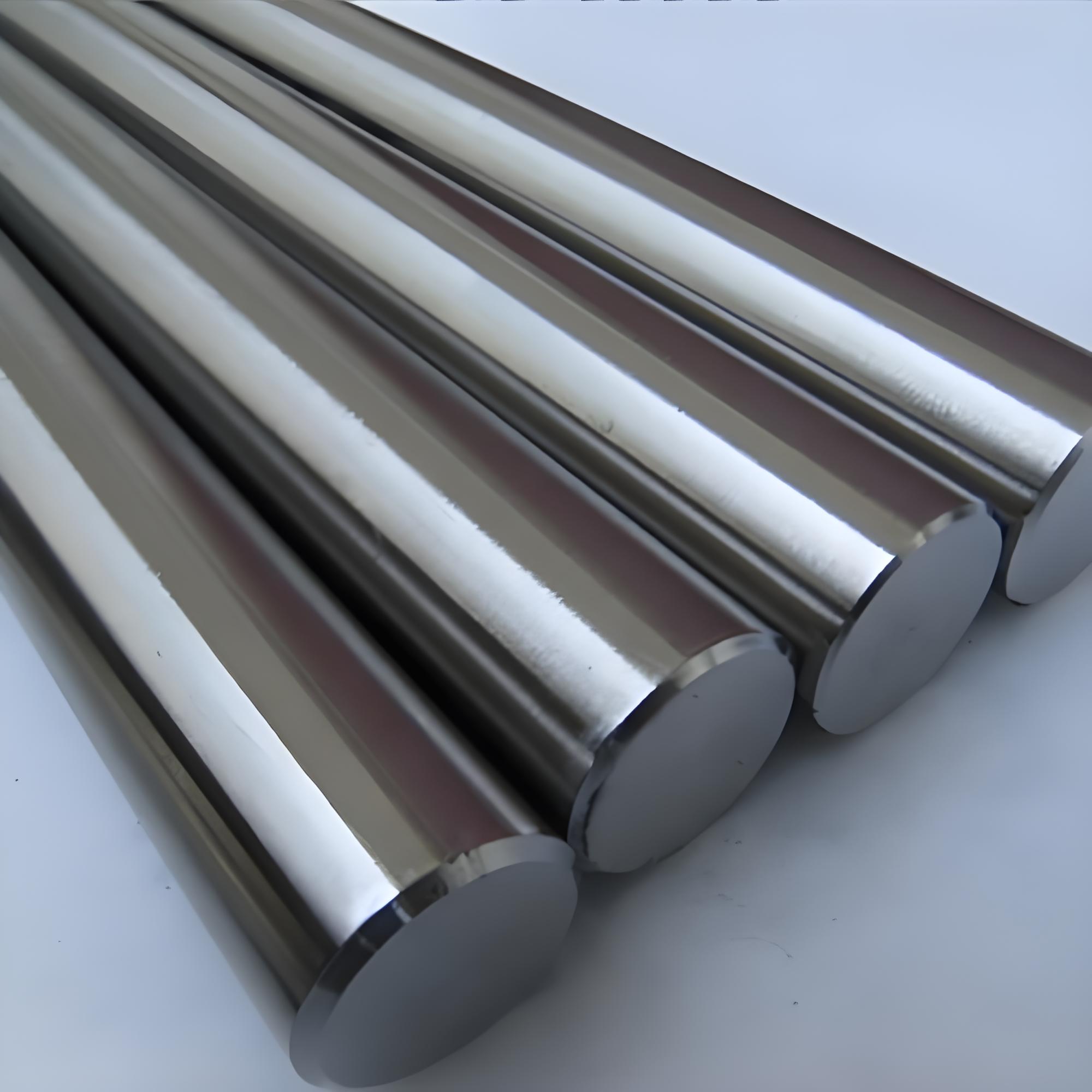
Inconel X-750 alloy bar price depends on nickel raw material cost, bar diameter, product condition, heat treatment, specification, surface finish, dim...
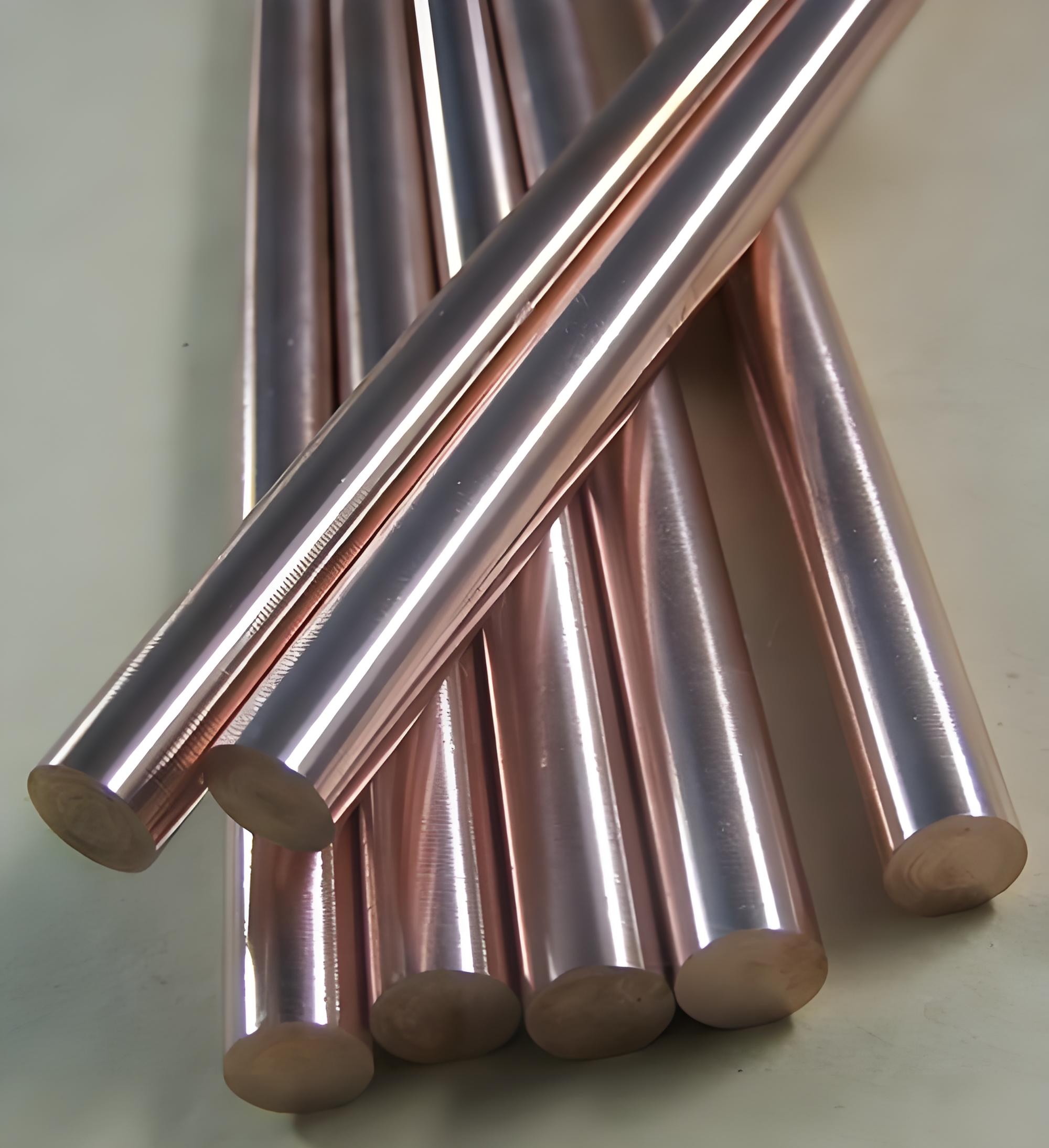
Inconel 602CA alloy bar price per kg is usually higher than common Inconel 600 and Inconel 601 bars because Alloy 602CA is a premium high-temperature ...
 English English
  Korean
 Arabic
 Spanish
 German
 Portuguese
 French
 Russian
 Italian
 Vietnamese