
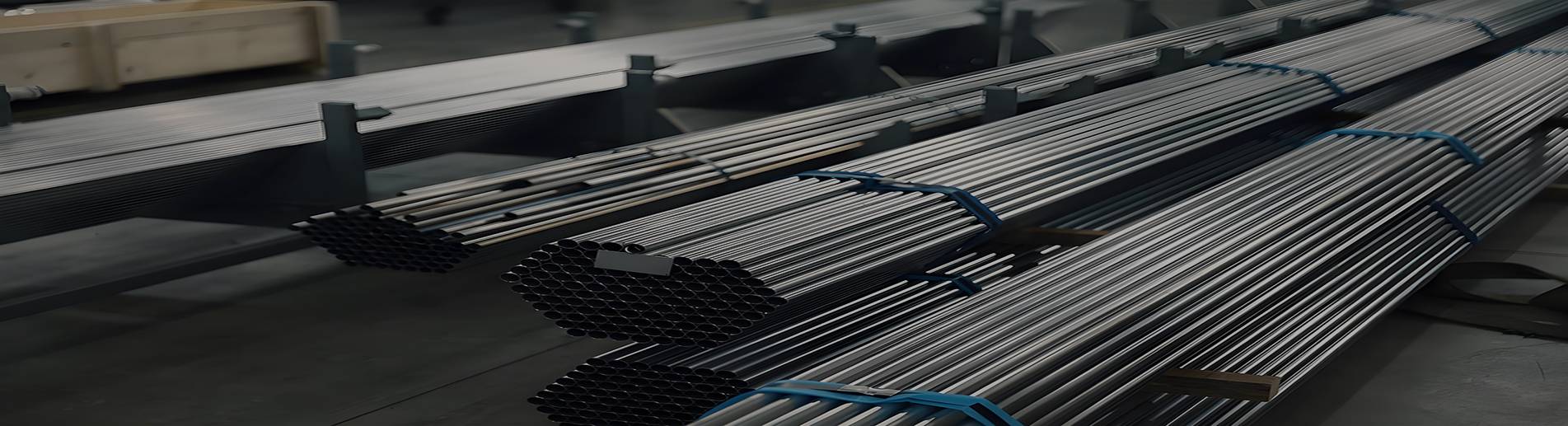
Inconel 617 alloy round bar price per kilogram
Inconel 617 alloy round bar price per kilogram is commonly about USD 45 to 90 per kg for standard industrial stock sizes. Large forged bars, small pre...
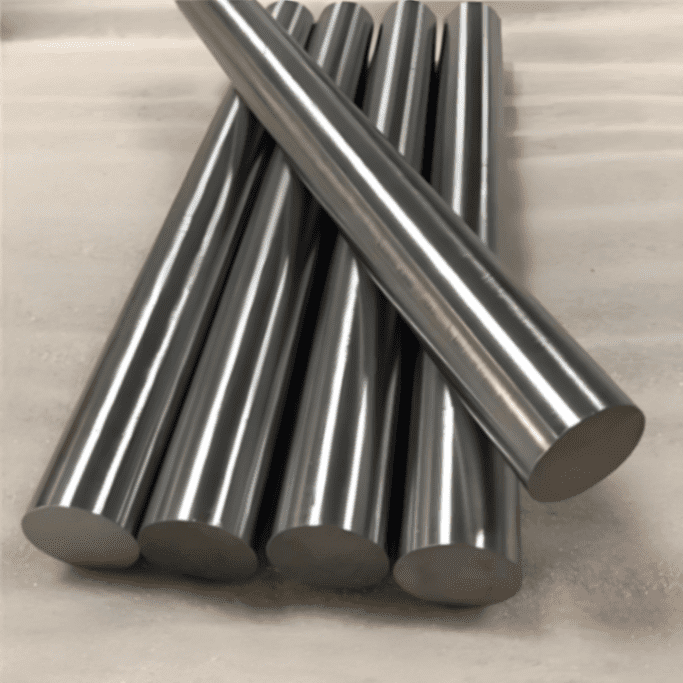
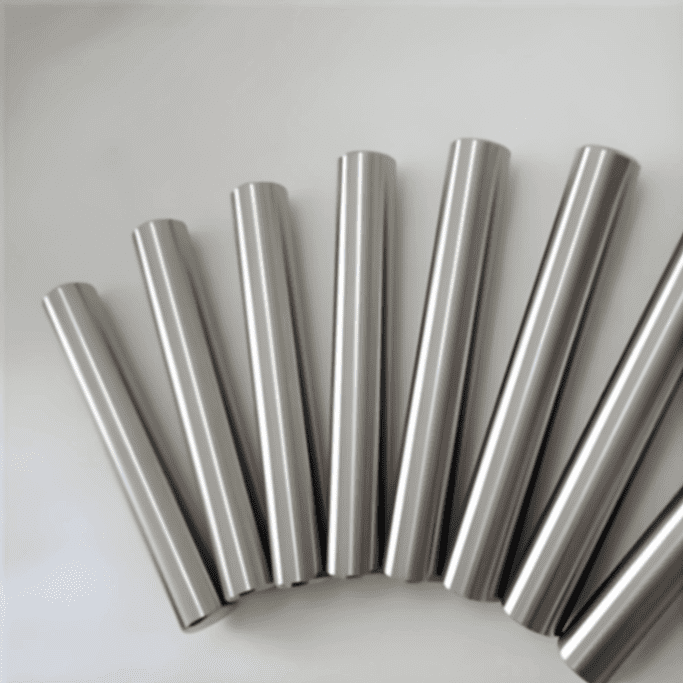
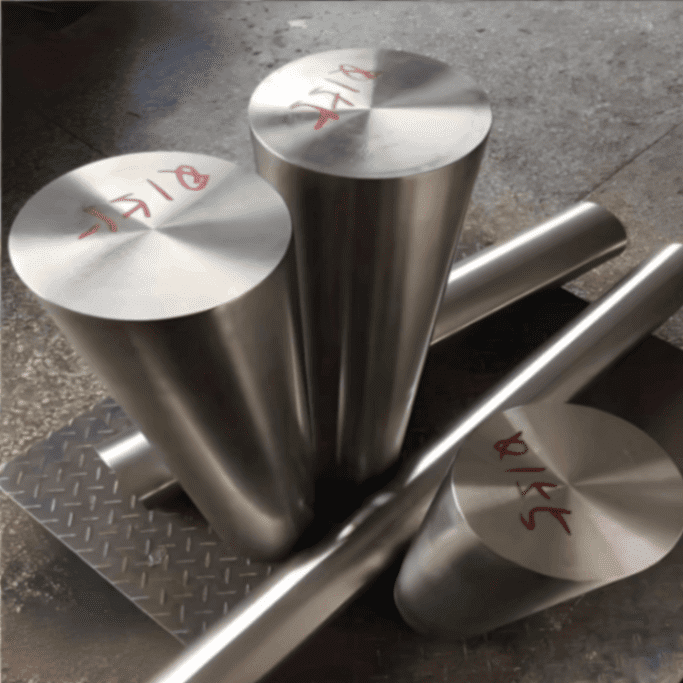
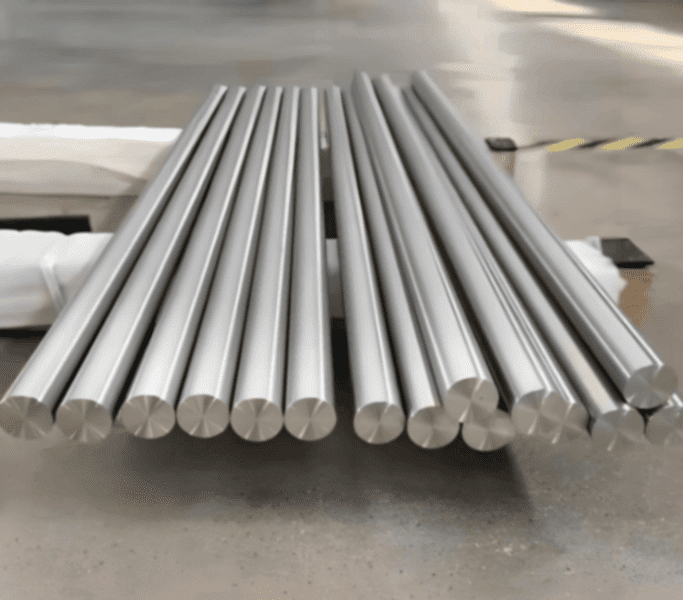
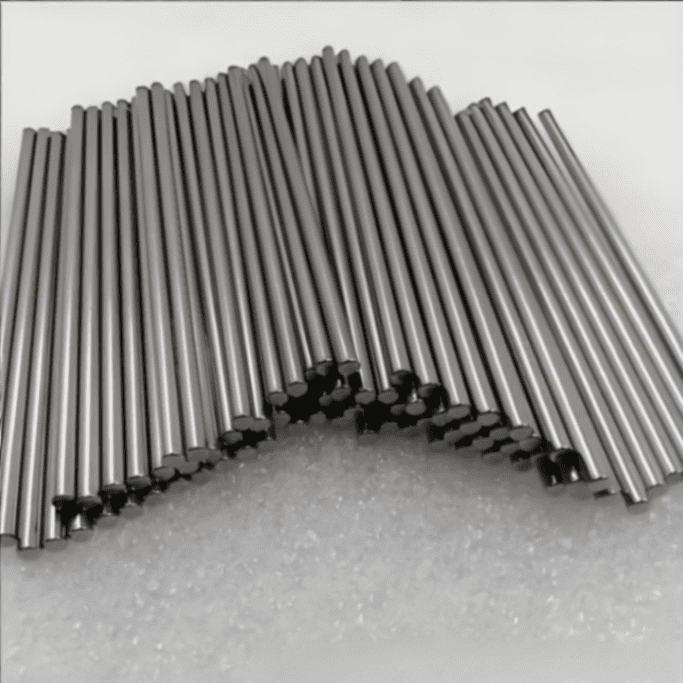
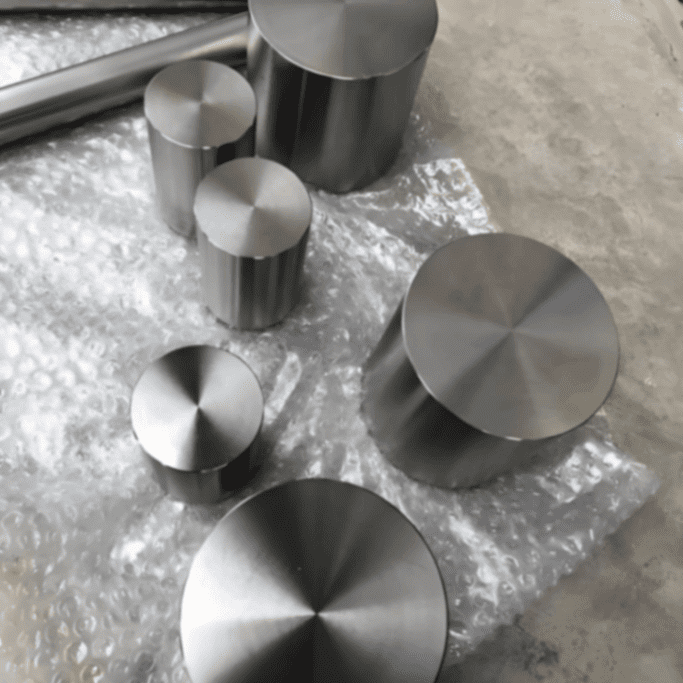
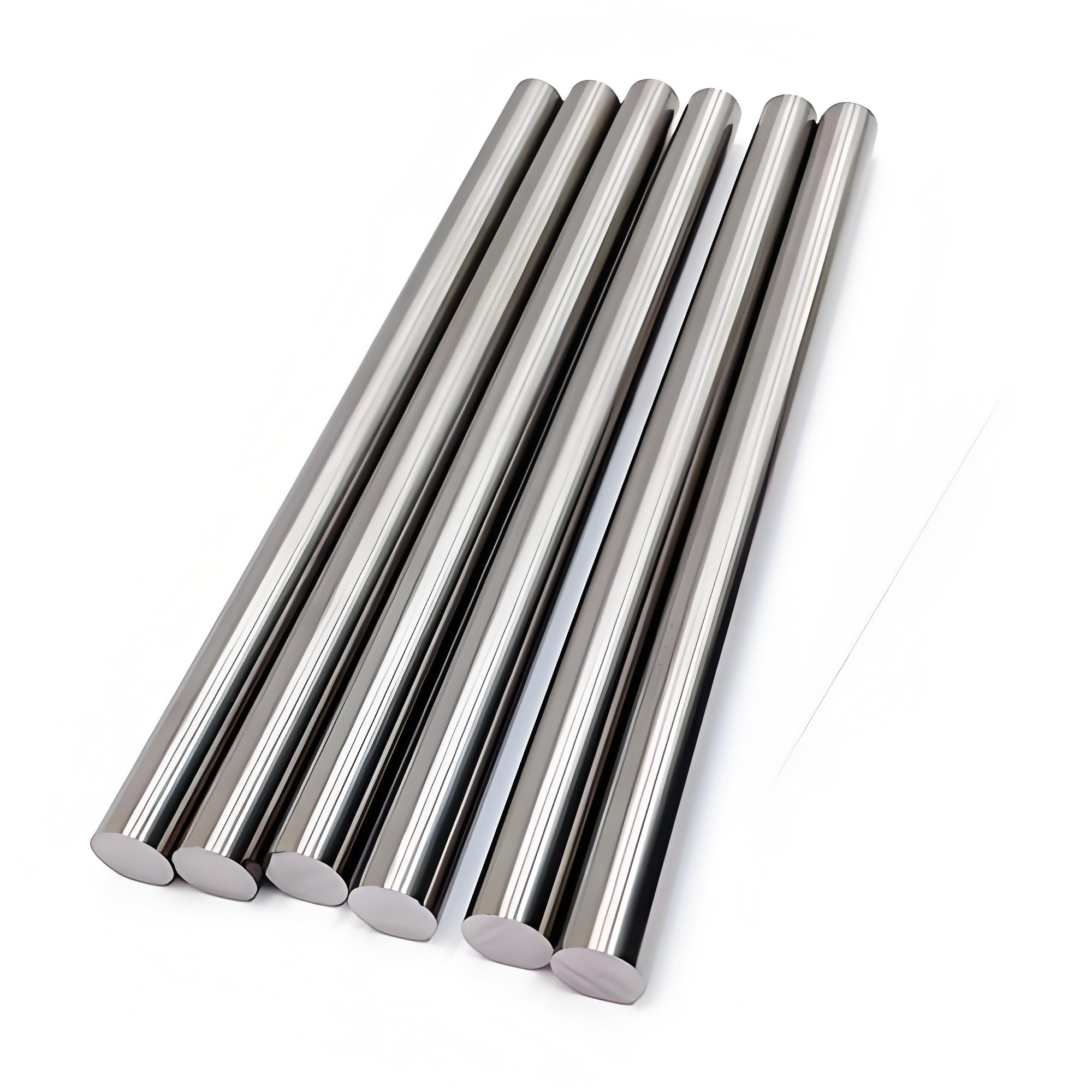
Inconel 600 bar and Alloy 601 bar,On paper, both are nickel-based heat-resistant alloys, and both are widely used for bars, shafts, furnace parts, fixtures, and corrosion-resistant machined components. But once you look closely at nickel level, chromium content, aluminum addition, room-temperature strength, high-temperature retention, and shop-floor workability, the gap between them becomes much easier to understand. Inconel 600 leans more toward higher nickel, better toughness, and better behavior in reducing media, while Alloy 601 is built to give stronger oxidation resistance and better hot strength retention through its higher chromium and added aluminum.
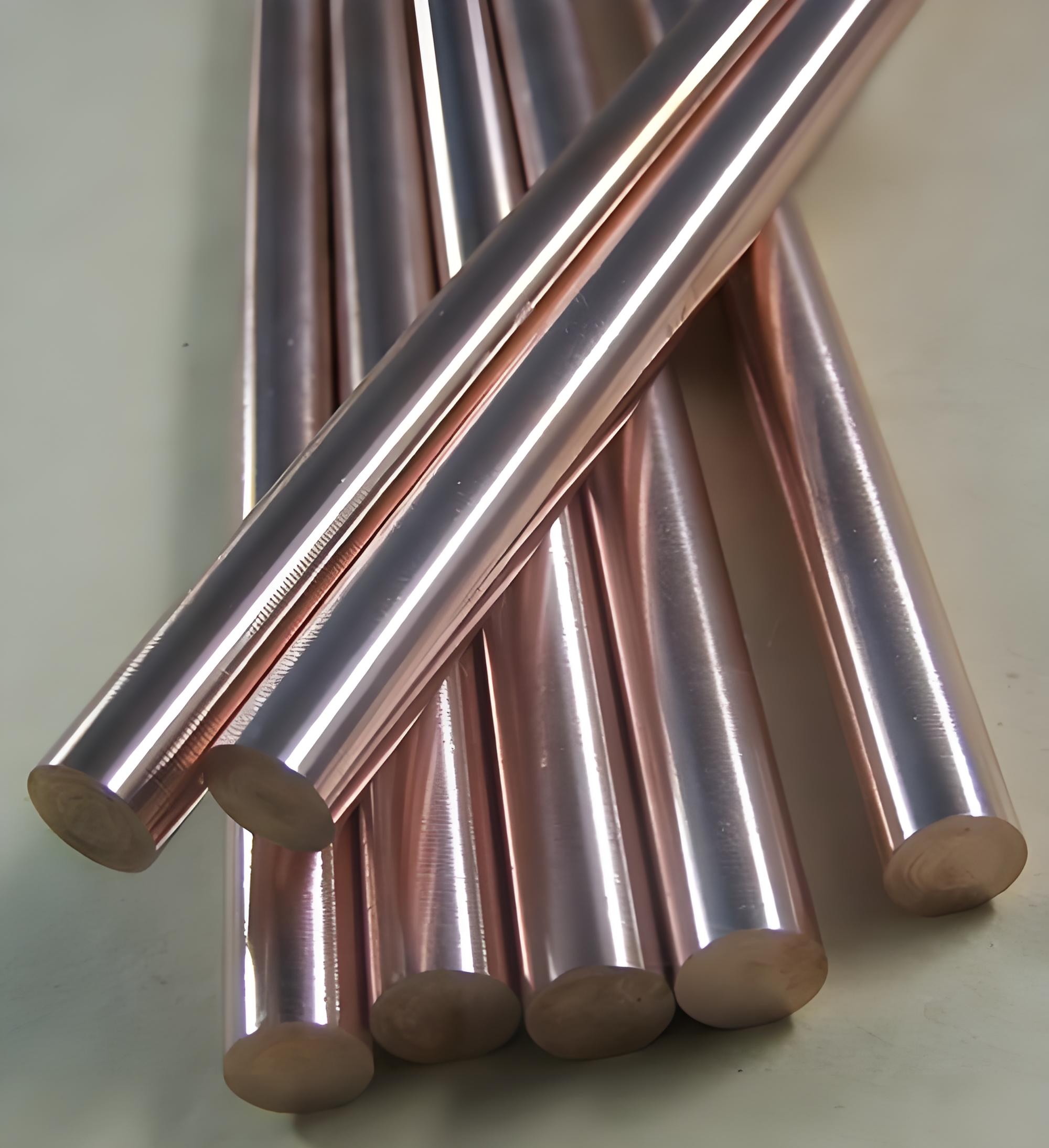
At Shanghai NC Metal Materials Co., Ltd., the regular supply range for Inconel 600 bar and Alloy 601 bar is typically from Φ6 mm to Φ300 mm. This covers most industrial demand, from small cold-drawn bars used for precision machining to large forged or hot-rolled bars used for heavy thermal equipment and structural components.
As for supply condition, these bars are commonly available in hot-rolled, cold-drawn, annealed, and solution-treated states. Hot-rolled bars are normally selected when the customer needs economical stock for further machining or forging. Cold-drawn bars are more suitable when dimensional precision and better straightness are important. Annealed bars are often chosen for easier machining or forming, while solution-treated bars are more common where the customer needs stable mechanical properties and standard corrosion-resistant performance.
Surface finish is another practical issue, especially for customers who are trying to reduce downstream machining cost. The usual forms are black surface, turned surface, and ground or polished bright surface. Black bars are typically the most economical and are common when heavy machining is planned anyway. Turned bars offer a cleaner and more consistent diameter for standard machining work. Ground bars are generally selected when the buyer wants tighter tolerance, better straightness, or a brighter surface for direct use or cleaner shop handling.
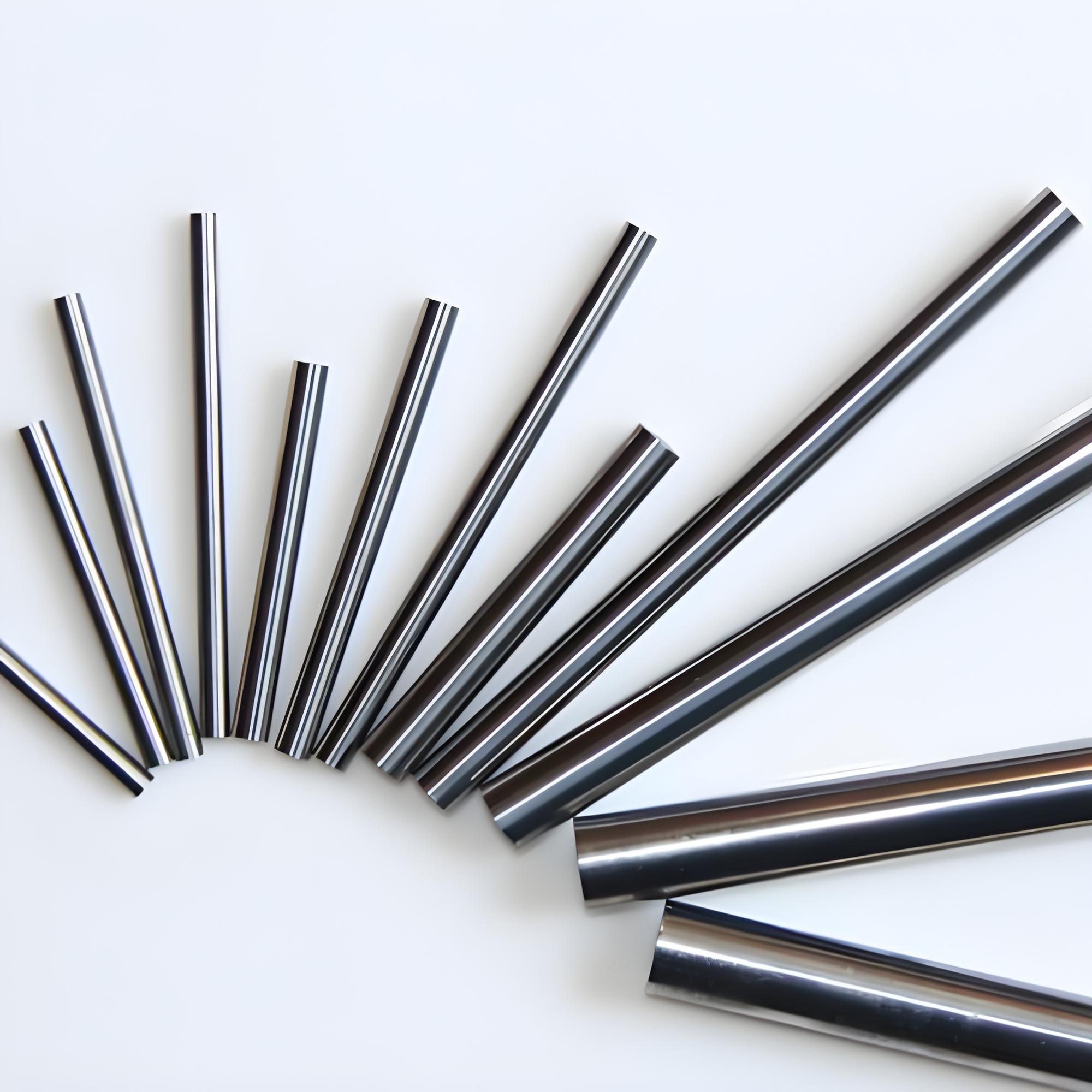
From a supply standpoint, it is also important to understand that the same alloy can behave very differently in procurement depending on diameter and delivery condition. A Φ12 mm cold-drawn bright bar and a Φ220 mm hot-worked rough bar are not just two sizes of the same product; they involve different production routes, different yield rates, and different testing priorities. That is why buyers usually get better results when they specify not only the grade and diameter, but also the exact supply condition and final application.
The chemistry difference between Inconel 600 and Alloy 601 is the starting point for everything else. Once the alloying design is clear, the later differences in oxidation behavior, low-temperature toughness, creep resistance, and workability make much more sense.
Inconel 600 is a higher-nickel nickel-chromium alloy. The nickel content is typically at or above 72.0%, with chromium at 14.0% to 17.0%, iron around 6.0% to 10.0%, and no intentional aluminum addition. Alloy 601, by contrast, contains less nickel at 58.0% to 63.0%, more chromium at 21.0% to 25.0%, and an intentional aluminum addition of 1.0% to 1.7%. That aluminum is not a minor adjustment. It is one of the key reasons 601 performs better in oxidation-heavy high-temperature service.
Because the full chemistry table is longer than a compact HTML table can comfortably hold under the formatting limits here, it is easier to split it into parts.
| Element | Inconel 600 | Alloy 601 |
| Ni | ≥72.0% | 58.0-63.0% |
| Cr | 14.0-17.0% | 21.0-25.0% |
| Element | Inconel 600 | Alloy 601 |
| Fe | 6.0-10.0% | Balance |
| Al | — | 1.0-1.7% |
| Element | Inconel 600 | Alloy 601 |
| C | ≤0.15% | ≤0.10% |
| Mn/Si/Cu etc. | ≤1.0% | ≤1.0% |
The higher nickel level in 600 is the main reason it is generally better in reducing environments and why it keeps very good toughness, including at subzero temperature. Nickel helps stabilize the matrix and supports resistance in many media where reducing corrosion dominates.
The higher chromium in 601 improves oxidation and scaling resistance, while the aluminum addition promotes the formation of a more stable and adherent oxide layer. In simple terms, 600 is more “nickel-driven,” while 601 is more “oxidation-engineered.” This difference in composition is why these two grades can look similar in basic alloy category but behave quite differently once temperature and atmosphere become severe.
For buyers comparing bars as machining stock or as components used partly at room temperature and partly at elevated temperature, the solution-annealed room-temperature mechanical data is usually the first benchmark. It shows the basic strength-ductility balance and gives a good sense of how the alloy will behave during machining, forming, and assembly.
In factory testing, Inconel 600 in solution-annealed condition typically shows tensile strength around 550 to 700 MPa, 0.2% yield strength around 210 to 350 MPa, elongation around 35% to 50%, and hardness around 140 to 200 HB. Alloy 601 usually comes in slightly higher on strength and hardness, with tensile strength around 600 to 750 MPa, 0.2% yield strength around 240 to 400 MPa, elongation around 30% to 45%, and hardness around 160 to 220 HB.
| Property | Inconel 600 | Alloy 601 |
| Tensile strength | 550-700 MPa | 600-750 MPa |
| Yield strength 0.2% | 210-350 MPa | 240-400 MPa |
| Property | Inconel 600 | Alloy 601 |
| Elongation | 35-50% | 30-45% |
| Hardness | 140-200 HB | 160-220 HB |
What these numbers mean in practical use is fairly straightforward. Alloy 601 is usually a little stronger and a little harder, while Inconel 600 is often a bit more ductile. That extra ductility in 600 matters when the part will see bending, cold work, or more demanding fabrication before entering service.
The hardness difference also explains some of the workshop feedback. Because 601 is usually somewhat harder and more chromium-rich, it tends to wear cutting tools faster. Meanwhile, 600, though easier to deform and generally easier to cold work, can still show the classic nickel-alloy tendency to gall or smear if the cutting setup is not optimized.
For engineers reading a certificate, it is important not to over-interpret one single value. These alloys are supplied across different diameters, processing histories, and heat conditions, so the mechanical range matters more than one exact number. Still, the overall pattern is consistent: 601 normally trends slightly higher in strength; 600 usually trends better in elongation and fabrication tolerance.
At elevated temperature, the comparison becomes more application-driven. Room-temperature strength alone does not tell the full story for furnace fixtures, heat-treatment tooling, combustion-related parts, or hot-zone supports. What matters more is how much strength the alloy retains as temperature rises, and how well it resists creep and long-term deformation.
At around 600°C, Alloy 601 generally shows slightly higher tensile strength than Inconel 600. This is commonly linked to its higher chromium content and the strengthening effect associated with its overall chemistry, including aluminum. The difference is not always dramatic in short-term testing, but it is usually clear enough to matter when parts are carrying load at temperature.
At around 800°C, the yield strength of both alloys drops noticeably, which is expected for nickel-base heat-resistant materials in this temperature range. However, 601 generally shows better retention. In other words, both grades weaken as the temperature climbs, but 601 usually gives up strength a little more slowly. This can make a practical difference in components that must keep their shape under thermal load.
Creep resistance is one of the more important high-temperature separators between these grades. In the 700°C to 900°C range, Alloy 601 is generally considered better than Inconel 600 for creep-related performance. This is one reason 601 is commonly favored for long-duration hot service in oxidizing furnace environments. A part may not fail by immediate overload; instead, it may slowly deform over time. In those cases, better creep resistance often translates directly into longer service life.
Low-temperature impact toughness tells the story from the opposite direction. Inconel 600 usually performs better at low temperature, including around -100°C. That does not mean 601 becomes unusable at low temperature, but 600 has the edge when toughness reserve and ductility in cold conditions are important. This is consistent with its higher nickel content and more ductile room-temperature profile.
So if the application lives mostly in the hot range, especially with sustained load and oxidation exposure, 601 tends to be more attractive. If the component needs good toughness in cold service or may see wide thermal swings including low-temperature handling or startup conditions, 600 often looks safer and easier.
The mechanical and service differences between these two alloys are not random. They come directly from the chemistry. This is where material selection becomes much easier to explain to customers, because the behavior follows the alloy design quite logically.
Inconel 600 has higher nickel, and that gives it two major advantages. First, it generally offers better toughness, especially at low temperature. Second, it performs better in many reducing media. In process industries, this matters a lot because not every hot environment is an oxidizing environment. Some chemical systems attack alloys through reducing corrosion mechanisms, and in those cases nickel-rich 600 is often more dependable.
Alloy 601 uses higher chromium plus aluminum to solve a different problem: high-temperature oxidation. Chromium supports the formation of a chromium oxide film, while aluminum helps form alumina-based protection. In practical terms, the oxide scale on 601 is often denser, more adherent, and more protective than what 600 can offer under severe oxidizing conditions. This is why 601 stands out in cyclic oxidation and long-term furnace service.
The combined oxide logic is often described as Cr2O3 plus Al2O3 protection. That is a simplified way to explain why 601 survives repeated oxidizing heat better. It is not just that it “has more chromium.” It is that the alloy is tuned to create and maintain a more stable hot-surface barrier.
The aluminum in 601 also contributes to grain-boundary strengthening effects that help improve creep resistance. This is one of the reasons 601 is commonly seen as a better choice in the 700°C to 900°C range when long-term high-temperature dimensional stability matters. Customers often notice the oxidation benefit first, but the creep advantage is just as important in many loaded furnace parts.
Once you connect the chemistry to the service behavior, the selection logic becomes more practical. High nickel in 600 supports toughness and reducing corrosion resistance. High chromium plus aluminum in 601 supports oxidation resistance, creep performance, and better strength retention at high temperature. That is the real materials-engineering difference between the two.
From a shop-floor point of view, these two alloys do not behave exactly the same, even when the final dimensions are similar. Production teams usually notice the difference first during hot working, cold drawing, and cutting.
In hot forging and hot rolling, Inconel 600 is generally easier to form. It tends to offer a more forgiving working window, and it is less likely to show cracking sensitivity than 601 under comparable process control. Alloy 601, because of its higher chromium and its oxidation-focused chemistry, is usually a little less forgiving in hot working and can show a higher tendency toward cracking if deformation temperature and reduction control are not handled well.
In cold drawing or cold working, 600 again tends to be easier because its ductility is better. It can usually accept more deformation before intermediate annealing becomes necessary. Alloy 601 can certainly be cold worked, but it generally requires more careful reduction planning and often needs intermediate annealing sooner. For buyers ordering fine-diameter drawn bars, this affects not just production cost but also consistency between lots.
Machining creates a different kind of difference. Inconel 600 is softer and often easier to cut in terms of strength level, but like many nickel alloys, it can be sticky and prone to built-up edge if tooling, feed, and coolant are not optimized. Alloy 601 is less likely to be described as “soft,” and it generally causes higher tool wear. Shops often report that 601 is harder on inserts and grinding media, mainly because of its higher chromium content and higher hardness range.
So the trade-off is not simply “600 is easy and 601 is hard.” It is more specific than that. 600 is more formable and usually better for cold work, but it may still require anti-galling attention during cutting. 601 is somewhat more demanding in both hot working and machining, and tool life usually becomes a bigger cost consideration. For customers producing large batches of machined parts, this fabrication difference can have a real effect on total project cost.
For nickel alloy bars, mechanical and chemical consistency matter just as much as nominal grade designation. That is why quality control has to start with composition verification and continue through mechanical testing and certificate review. At Shanghai NC Metal Materials Co., Ltd., each batch can be supported with an optical emission spectroscopy report, or OES report, for chemistry verification. This is the most direct way to confirm whether the Ni, Cr, Fe, Al, C, and minor elements are within the required range.
For mechanical properties at room temperature, tensile testing can be provided in line with standards such as ASTM E8 or GB/T 228. This is especially useful for customers buying solution-annealed bars for pressure-related parts, machined components, or applications where certificate-backed yield and tensile values are required by internal QA procedures.
Additional testing can also be arranged depending on the project. High-temperature tensile testing is useful for customers evaluating hot-load performance rather than just room-temperature strength. Hardness testing is common for basic incoming verification. Grain size examination can be important for customers concerned about forming performance, creep behavior, or microstructural consistency in hot-service parts.
Material certification is another area buyers often specify up front. EN 10204 3.1 is the standard request in many international industrial orders, while 3.2 can be arranged where more stringent third-party or purchaser-linked certification is needed. The right documentation package depends on the end use. A routine maintenance order may only need standard chemical and mechanical records, while a more controlled project may require extra traceability and broader testing support.
From the customer side, the most helpful approach is to define testing requirements at the inquiry stage. If the buyer already knows that high-temperature tensile data, hardness, or grain-size verification will be needed, it is better to align that before production rather than after the bars are ready. That avoids delays and makes sure the delivered batch matches the intended inspection plan.
If the priority is higher high-temperature oxidation resistance together with better hot strength retention, Alloy 601 is usually the more logical choice. This applies especially when the bars will be turned into furnace internals, thermal process fixtures, combustion-related parts, or components that see sustained heat in an oxidizing atmosphere. The higher chromium and aluminum in 601 are doing real work here, not just changing the chemistry on paper.
If the priority is better low-temperature toughness, easier cold working, or better performance in reducing service, Inconel 600 is often the safer option. This is especially relevant when the component may be formed more heavily, when the service medium is reducing rather than oxidizing, or when subzero toughness reserve matters. The higher nickel content in 600 supports these strengths very clearly.
If the actual service condition is still unclear, the smartest move is usually not to guess. It is better to ask for sample bars from Shanghai NC Metal Materials Co., Ltd. and compare them through real machining, forming, or application-side testing. In many projects, a small trial reveals more than a long specification sheet, especially when both 600 and 601 appear technically possible at first glance.
In practical selection terms, the question is simple: do you need more hot oxidation resistance and creep stability, or do you need more toughness and easier processing? If the first one matters more, 601 usually wins. If the second one matters more, 600 usually makes more sense.
What is the main composition difference between Inconel 600 and Alloy 601 bar?
The main difference is that Inconel 600 has higher nickel, usually at or above 72%, while Alloy 601 has lower nickel but higher chromium plus 1.0% to 1.7% aluminum. That aluminum addition is critical because it helps 601 form a more protective oxide layer at high temperature. In simple terms, 600 is more nickel-driven for toughness and reducing corrosion resistance, while 601 is more oxidation-focused for hot service.
Which has better mechanical properties at high temperature, Inconel 600 or Alloy 601?
At elevated temperature, Alloy 601 is generally a little stronger and usually shows better creep resistance, especially in the 700°C to 900°C range. At around 600°C, its tensile strength is often slightly higher, and at around 800°C it usually retains yield strength a bit better than 600. If the part will work under heat and load for long periods, 601 is often the better choice. If low-temperature toughness or easier forming is more important, 600 may be better.
Is Inconel 600 easier to machine than Alloy 601?
Yes, in most shop conditions, Inconel 600 is somewhat easier to machine and cold work than Alloy 601. It is usually more ductile and more forgiving during forming. However, because it is a nickel alloy, it can still show stickiness and built-up edge if cutting conditions are poor. Alloy 601 tends to cause more tool wear because of its higher chromium content and slightly higher hardness, so machining cost can be higher when large batches are involved.
More from this category
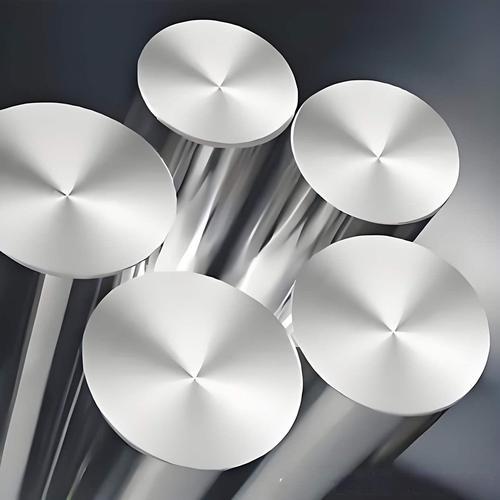
Inconel 617 alloy round bar price per kilogram is commonly about USD 45 to 90 per kg for standard industrial stock sizes. Large forged bars, small pre...
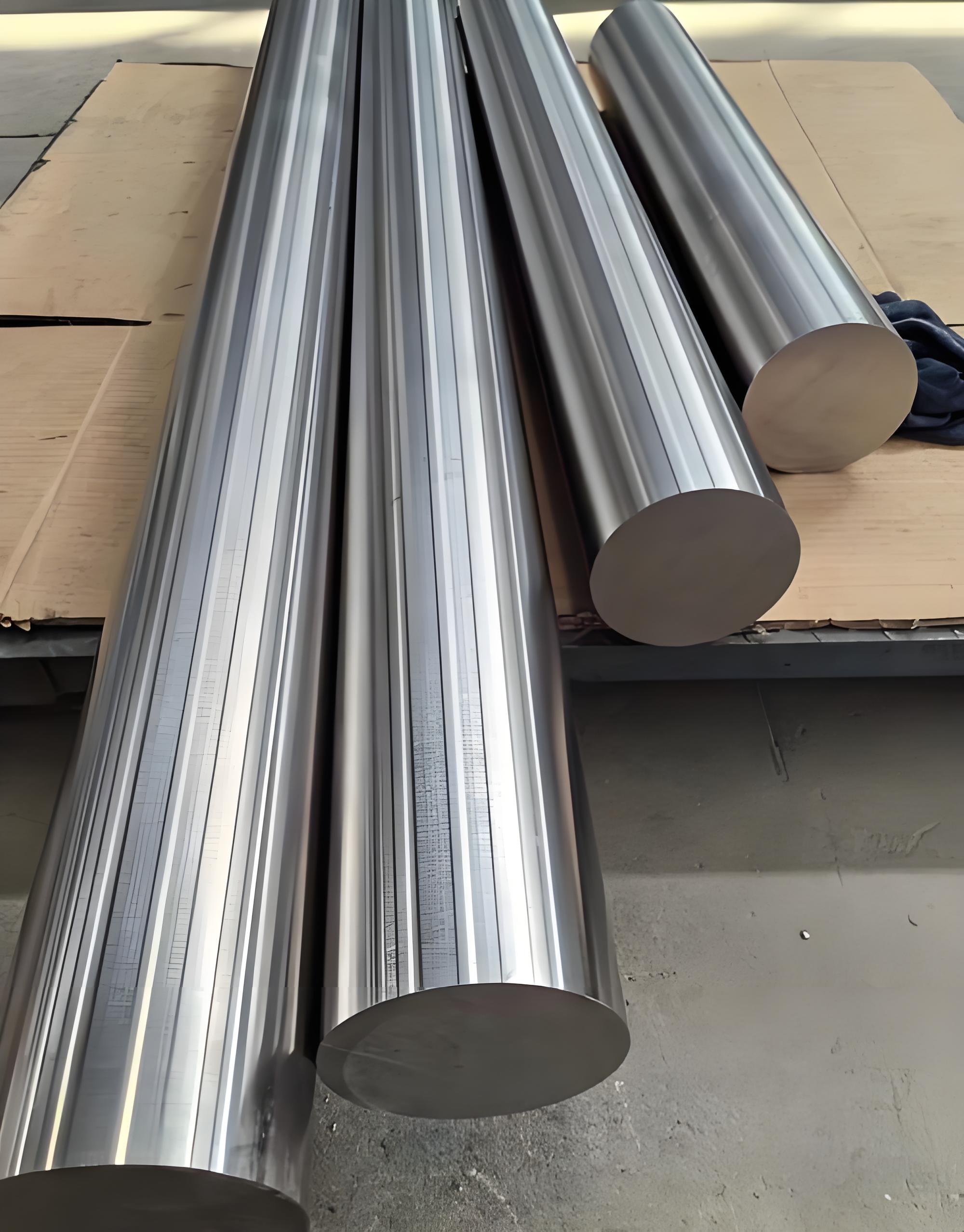
The latest Inconel 625 alloy bar price per kg depends on nickel, molybdenum, niobium, and chromium raw material costs, as well as bar diameter, manufa...
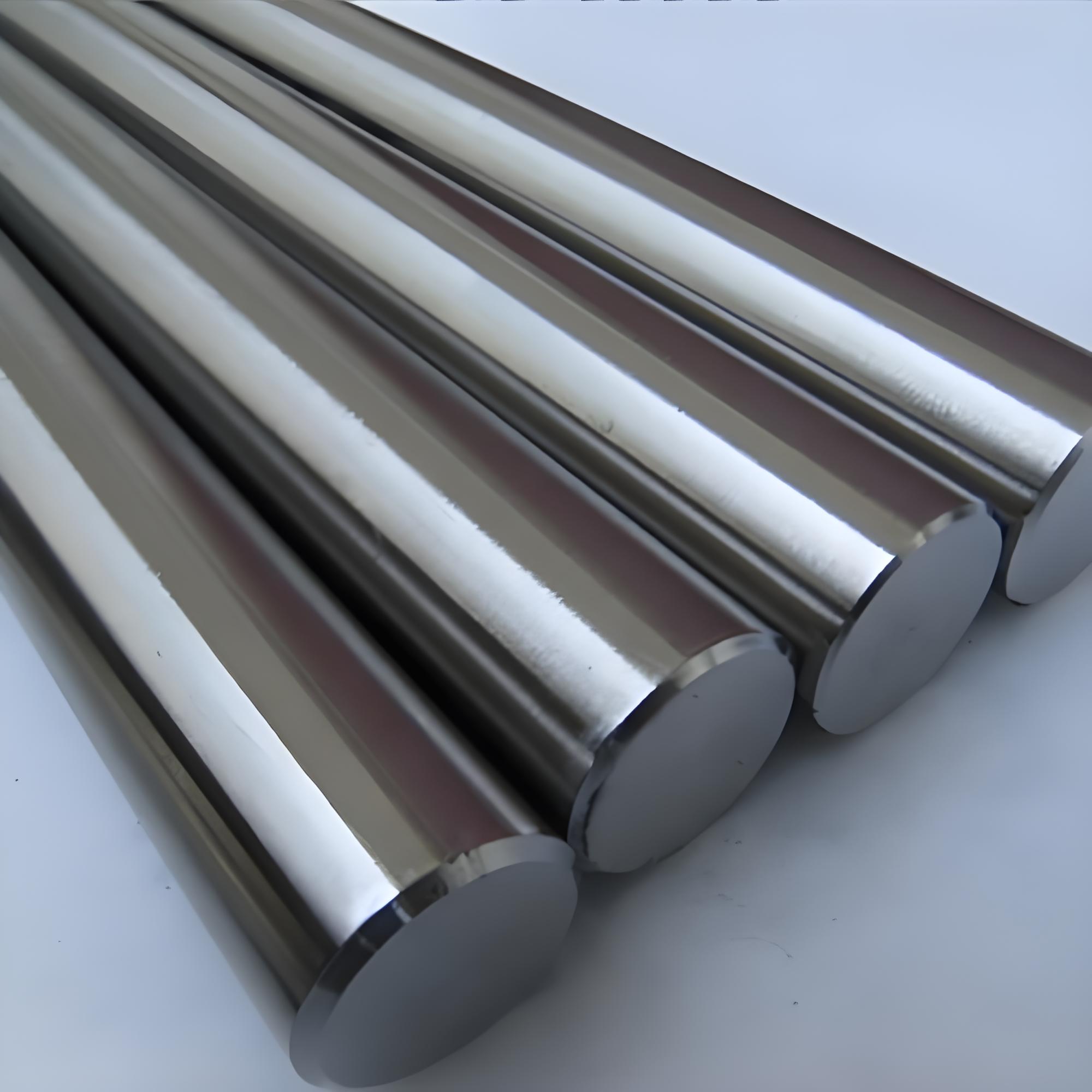
Inconel X-750 alloy bar price depends on nickel raw material cost, bar diameter, product condition, heat treatment, specification, surface finish, dim...
Inconel 602CA alloy bar price per kg is usually higher than common Inconel 600 and Inconel 601 bars because Alloy 602CA is a premium high-temperature ...
 English English
  Korean
 Arabic
 Spanish
 German
 Portuguese
 French
 Russian
 Italian
 Vietnamese