
Incoloy 825 Bar Price | UNS N08825 Supplier
Incoloy 825 bar price depends on the nickel-based alloy composition, bar dimensions, manufacturing route, heat-treatment condition, surface finish, in...
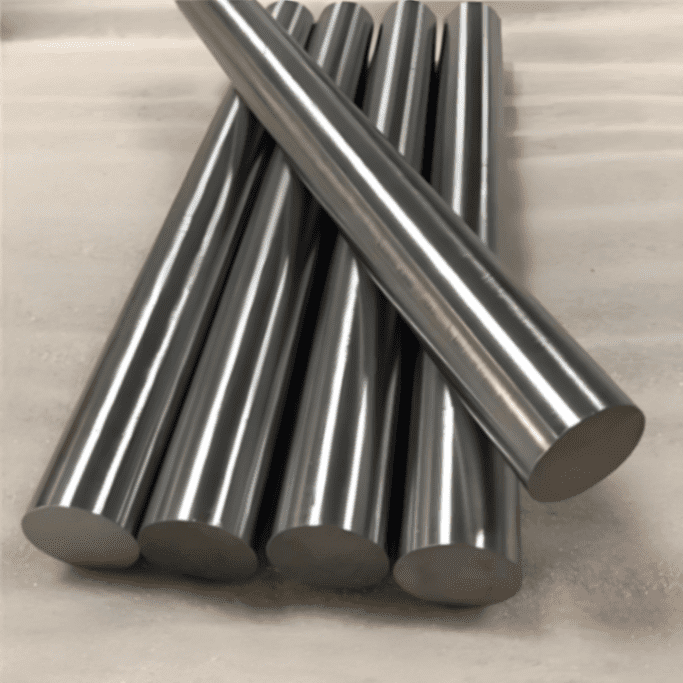
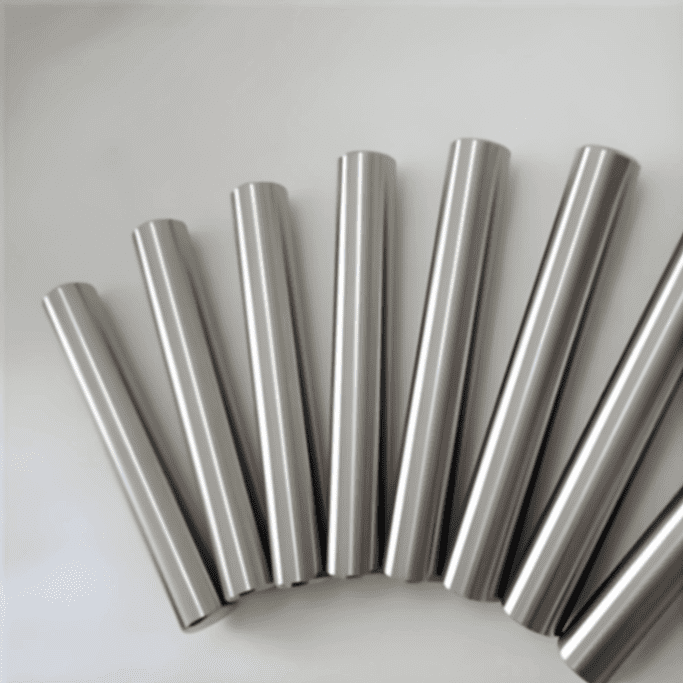
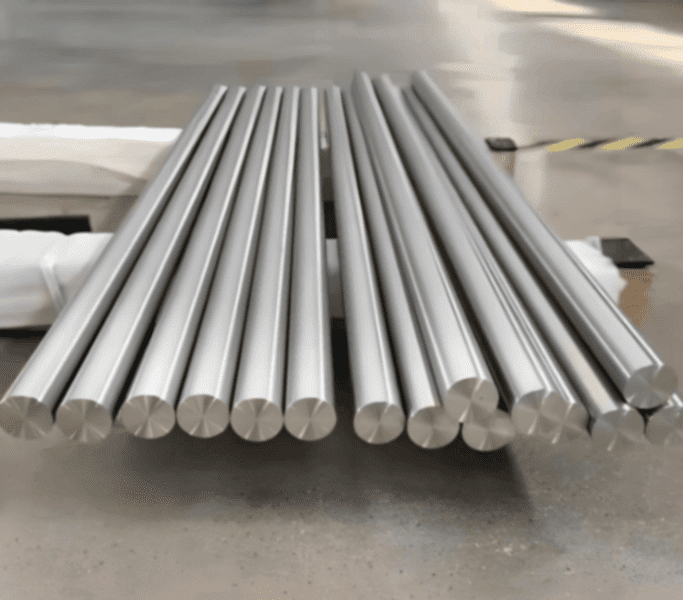
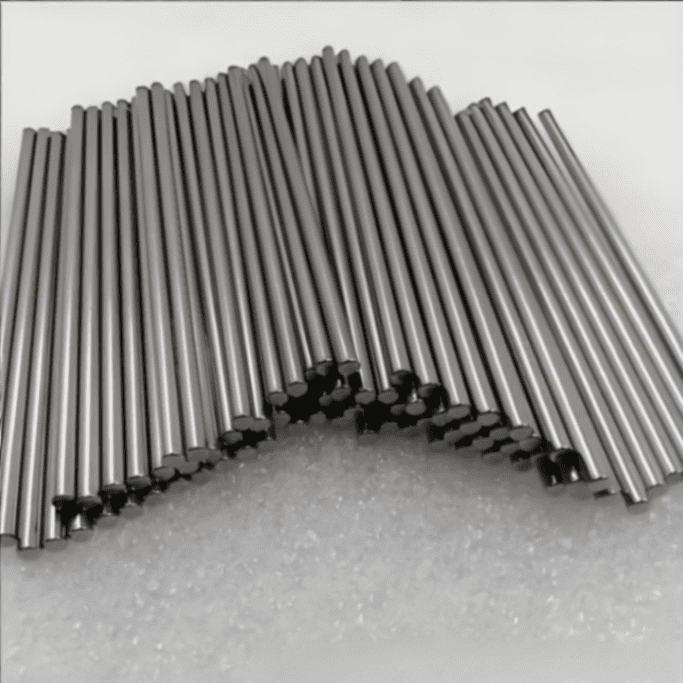
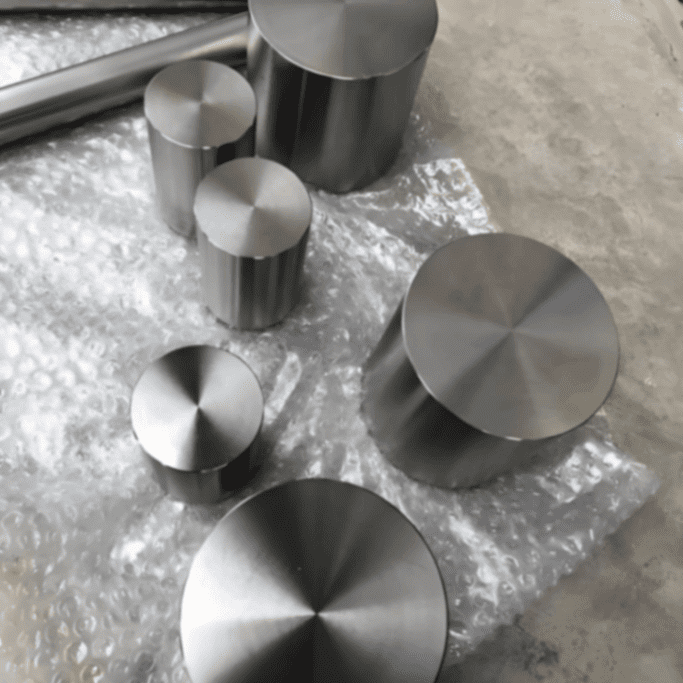
When selecting corrosion-resistant bar materials for chemical processing equipment, AL-6XN and Hastelloy C-22 bar are often compared because both are premium alloys used in aggressive service. However, they are not interchangeable in many real-world applications. AL-6XN is a high-alloy austenitic stainless steel with strong resistance to chloride pitting and good overall corrosion performance, while Hastelloy C-22 is a nickel-based alloy designed for far more severe mixed-acid, halide, and oxidizing-reducing environments. For shafts, bolts, thermowells, spray bars, agitator parts, pump components, and other machined bar-based parts, the correct choice depends on corrosion medium, temperature, chloride level, fabrication needs, and project budget.
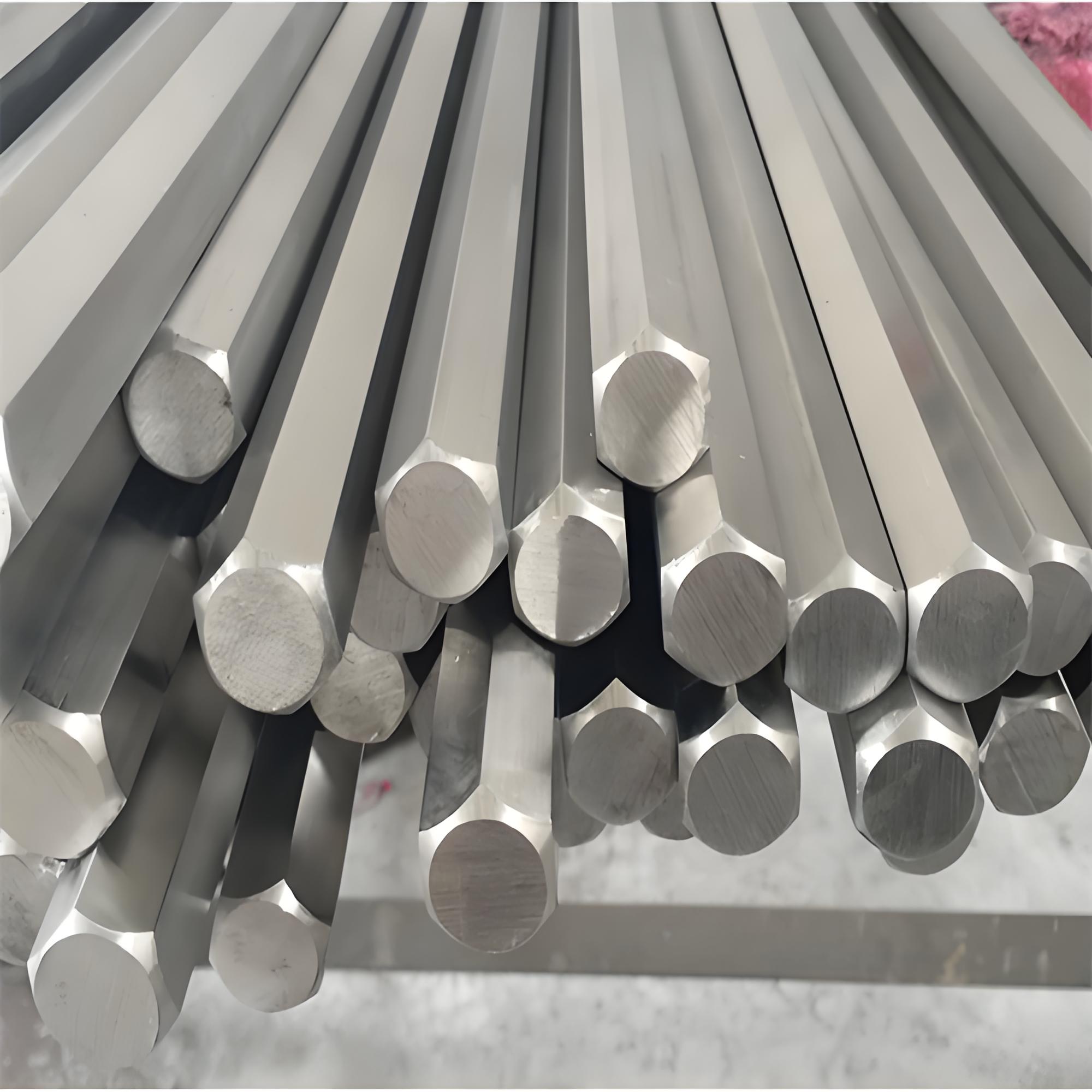
For chemical processing bar material procurement, diameter range and surface condition are practical starting points. Shanghai NC Metal Materials Co., Ltd. supplies AL-6XN bar in the diameter range of 6 mm to 200 mm, which covers most common machining requirements for fasteners, instrument stems, shafts, sleeves, support pins, and machined vessel accessories.
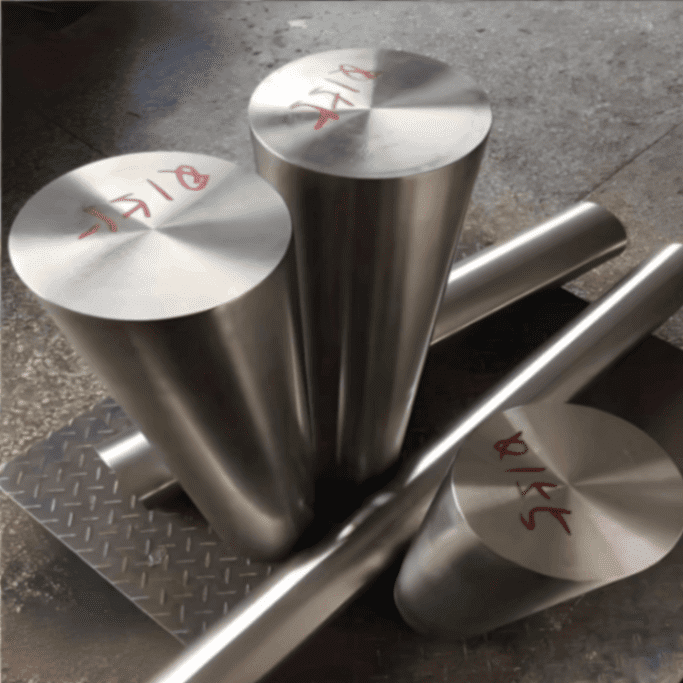
Hastelloy C-22 bar is available in a wider diameter range, from 6 mm to 300 mm. This makes it suitable not only for smaller precision components but also for heavy-duty chemical pump shafts, thick-wall machined nozzles, reactor internals, and large corrosion-resistant structural parts used in severe process lines.
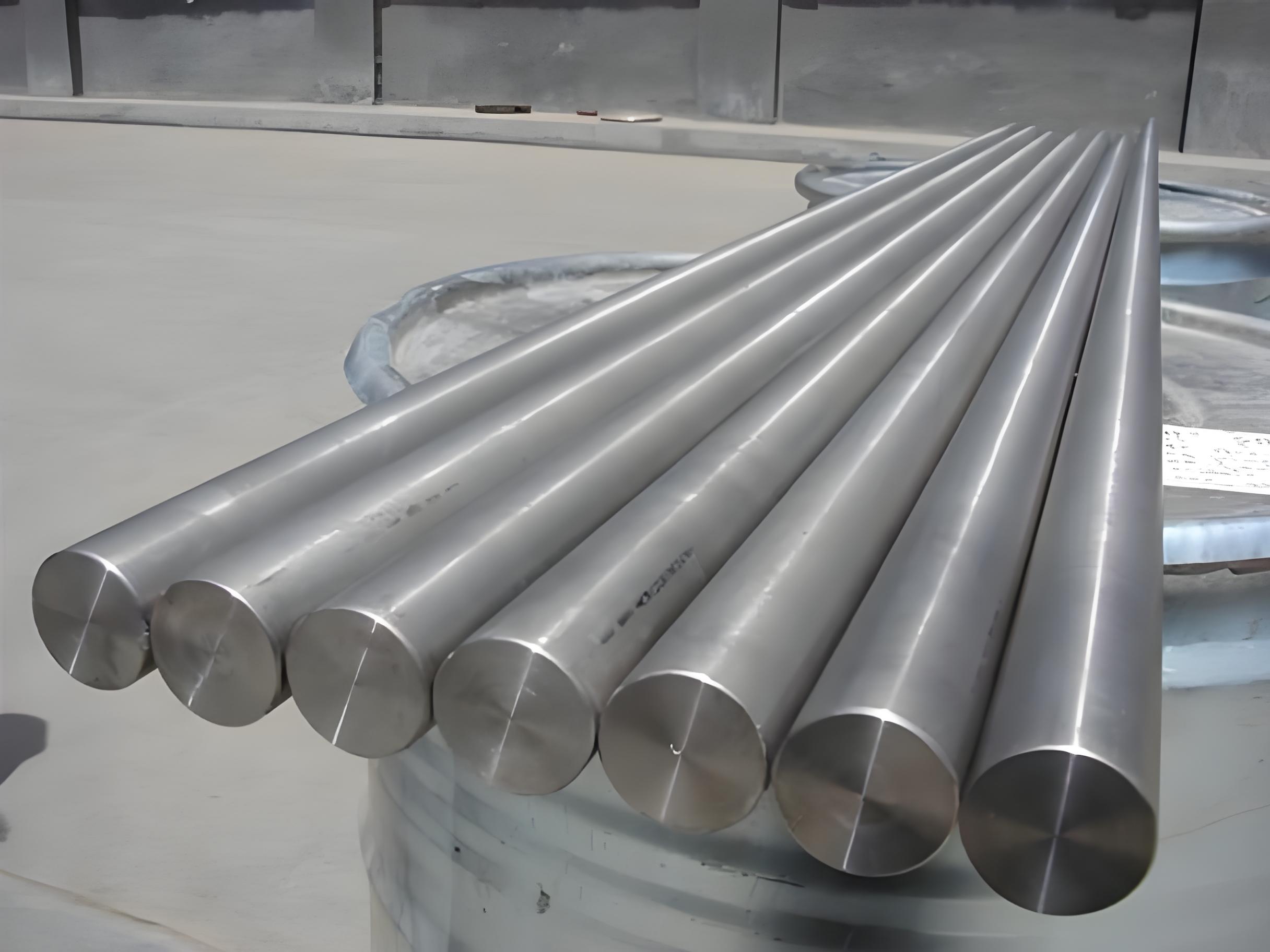
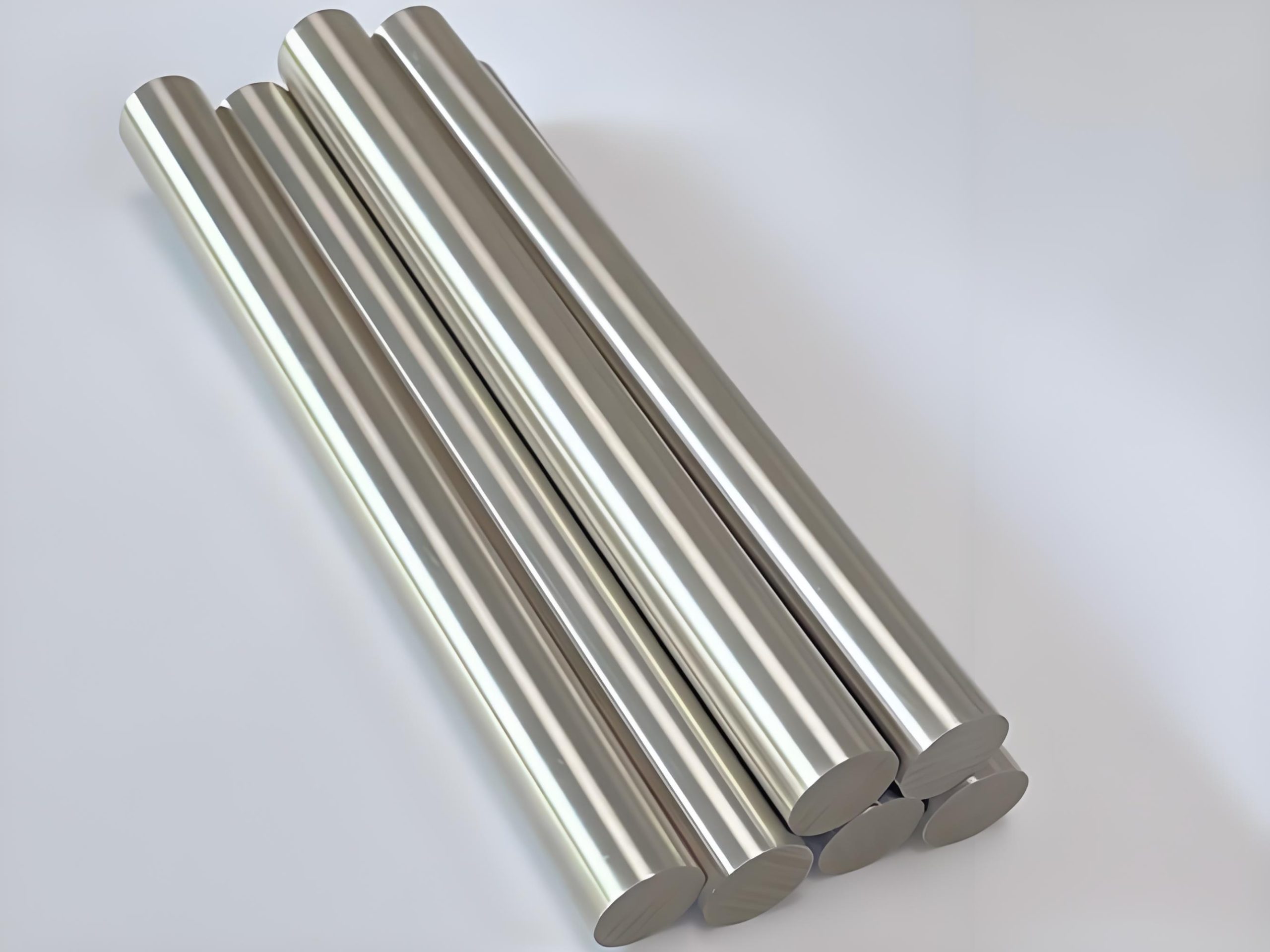
Available supply conditions include black surface, peeled or turned bright surface, and polished surface. Black bar is generally selected for further forging or rough machining. Turned bright bar is preferred where dimensional consistency and cleaner machining stock are required. Polished bar is often specified for pharmaceutical, biotech, instrumentation, and high-cleanliness chemical systems where surface quality matters.
In many procurement cases, engineers focus only on alloy grade and overlook stock condition. In practice, surface condition affects machining allowance, turnaround time, and sometimes even inspection acceptance. For corrosion-critical parts, selecting the right bar condition can reduce total production cost and shorten lead time.
The biggest difference between AL-6XN and Hastelloy C-22 starts with alloy design philosophy. AL-6XN, designated UNS N08367, is an iron-based super austenitic stainless steel. Hastelloy C-22, designated UNS N06022, is a nickel-chromium-molybdenum-tungsten alloy with a much higher nickel and molybdenum level. This difference directly determines their behavior in hydrochloric acid, dilute sulfuric acid, mixed acids, and halide-bearing systems.
Based on measured production data from Shanghai NC Metal Materials Co., Ltd., AL-6XN typically contains 23.5 to 25.5 percent nickel, 20.0 to 22.0 percent chromium, 6.0 to 7.0 percent molybdenum, nitrogen at 0.18 to 0.25 percent, and the balance is mainly iron at not less than about 39 percent. The nitrogen addition is important because it strengthens the alloy and improves pitting resistance, especially in chloride-containing environments.
Hastelloy C-22 typically contains nickel as the balance at not less than 56 percent, chromium at 20.0 to 22.5 percent, molybdenum at 12.5 to 14.5 percent, iron at 2.0 to 6.0 percent, and tungsten at 2.5 to 3.5 percent. The much higher nickel content gives C-22 stronger resistance in reducing acids and halide media, while its high molybdenum and tungsten further enhance resistance to localized corrosion and aggressive chemical attack.
| Element | AL-6XN | C-22 |
| Ni / Mo / Fe | 23.5–25.5 / 6.0–7.0 / Balance | Balance ≥56 / 12.5–14.5 / 2.0–6.0 |
| Special feature | Nitrogen strengthened | Tungsten-bearing nickel alloy |
From an engineering standpoint, chromium levels are relatively similar between the two alloys, so chromium alone does not explain their application boundary. The major separation comes from the much higher nickel and roughly double molybdenum content in C-22, plus tungsten. That is why C-22 survives environments where AL-6XN may pit, crevice corrode, or degrade rapidly.
In chemical processing applications, laboratory corrosion data must always be interpreted alongside actual medium composition, contamination level, aeration, flow pattern, and temperature. Still, there are clear directional rules when comparing AL-6XN bar material with Hastelloy C-22 bar material.
For dilute sulfuric acid up to about 10 percent at boiling temperature, AL-6XN has only limited resistance and should not be treated as a safe universal choice. Hastelloy C-22 performs excellently in this service and is generally the necessary option for critical equipment components. This is especially relevant for agitator shafts, dilution mixer parts, and instrument protection sleeves exposed to hot acid.
In concentrated sulfuric acid above 80 percent at ambient temperature, AL-6XN may be usable in some controlled systems, but C-22 remains the safer material. If process upsets, local dilution, or contamination are possible, the safety margin of C-22 is significantly better.
For hydrochloric acid at any concentration at room temperature, AL-6XN is not recommended. This is one of the most common and costly selection mistakes in the market. Hastelloy C-22 performs excellently in hydrochloric acid service and is often the required choice when bar-machined components are used in HCl-bearing pumps, valves, thermowells, and reactor internals.
In wet-process phosphoric acid, both materials perform well. Where the process conditions are not extremely severe, AL-6XN is often selected because it provides acceptable corrosion resistance at a much lower cost. C-22 may still be chosen for contaminated acid streams or where higher reliability is required.
In formic acid and acetic acid, AL-6XN generally offers good corrosion resistance, while C-22 performs even better and allows a wider operating envelope. If the line includes chlorides, oxidizing carryover, or elevated temperature excursions, C-22 becomes more attractive.
In chloride-containing media such as seawater, bleach-related systems, or process streams with chloride contamination, AL-6XN is excellent by stainless steel standards. However, C-22 still has a higher ceiling in more aggressive conditions, especially where hot seawater, deposits, stagnation, or crevice geometry are present.
In strong oxidizing acids such as nitric acid and mixed-acid systems, AL-6XN is generally good, but C-22 is better, particularly in complex oxidizing-plus-reducing mixtures. This matters in specialty chemical production where media composition may change during each process stage.
Customer case experience from Shanghai NC Metal Materials Co., Ltd. shows that the two materials serve different economic and technical positions in the market. In sulfuric acid alkylation units, Hastelloy C-22 is the preferred bar material because these systems may involve sulfuric acid together with hydrofluoric acid or highly corrosive process contaminants. AL-6XN is not appropriate here.
For flue gas desulfurization spray bars and related wet FGD bar-machined parts, both AL-6XN and C-22 can work. In many projects, AL-6XN is chosen because it delivers an excellent balance of chloride resistance and cost. C-22 is usually reserved for the most critical points or for systems with unusually severe condensate chemistry.
In chloride-route titanium dioxide equipment, C-22 is effectively mandatory because the environment may involve hydrochloric acid and chlorine-bearing media. AL-6XN should not be used as a substitute in this service.
For phosphoric acid concentration evaporators, both alloys are viable depending on impurity profile and operating conditions. Where the medium is relatively stable and the project is cost-sensitive, AL-6XN is often the more practical choice.
In pesticide intermediate reactors containing bromine or other halogen species, C-22 is usually recommended due to its stronger resistance to oxidizing-halide corrosion. This type of process can be highly unstable from a corrosion standpoint, and AL-6XN may not provide adequate margin.
For pharmaceutical and bio-fermentation tanks, both materials can be used for bar-based accessories such as sample rods, fasteners, sensor sleeves, and stirrer components. Because the media are generally milder, AL-6XN is often sufficient and more economical, while still offering good cleanability and corrosion resistance in CIP and SIP systems.
In seawater-cooled heat exchanger bundles and related support bars or fastening parts, both alloys are possible. If the project is price-sensitive and the operating temperature is moderate, AL-6XN is frequently selected. If seawater temperature is high or crevice conditions are severe, C-22 provides a stronger safety reserve.
Mechanical performance matters because chemical processing bar materials are often turned into shafts, bolts, studs, sleeves, and precision-machined load-bearing components. AL-6XN typically offers a minimum room-temperature tensile strength of 795 MPa and yield strength around 355 MPa. Hastelloy C-22 typically shows minimum tensile strength around 690 MPa and yield strength around 310 MPa. This means AL-6XN is somewhat stronger at room temperature, mainly due to nitrogen strengthening.
On the other hand, C-22 generally has better ductility, with elongation of at least 45 percent compared with about 30 percent for AL-6XN. In forming, upsetting, and forging operations, this higher ductility can be advantageous, particularly for more complex parts.
Hardness is another practical difference. AL-6XN may reach up to about 241 HB, while C-22 is usually softer, around 200 HB maximum. This lower hardness can help during some hot working and forming operations, although machining both alloys still requires proper tooling and parameters.
| Property | AL-6XN | C-22 |
| Tensile / Yield | 795 MPa min / 355 MPa | 690 MPa min / 310 MPa |
| Elongation / Hardness | ≥30% / ≤241 HB | ≥45% / ≤200 HB |
From workshop experience, AL-6XN has good hot workability, while C-22 is generally even easier in forging and thermal processing. During machining, AL-6XN can show some tendency to gall or stick to the tool. C-22 behaves somewhat like other nickel-based corrosion alloys and also requires disciplined machining practice. In both cases, carbide tools, rigid setup, controlled feed, and avoidance of rubbing are important.
Weldability is excellent for both alloys, and post-weld heat treatment is generally not required. However, for highly demanding AL-6XN applications, especially when the heat-affected zone may influence corrosion performance, solution annealing after welding can be considered depending on design requirements and fabrication route.
Price is often the deciding factor once engineers confirm that more than one alloy can technically survive the service. As a reference in the current export market, AL-6XN bar is typically in the range of 12 to 18 US dollars per kilogram, while Hastelloy C-22 bar is commonly around 40 to 65 US dollars per kilogram depending on size, quantity, mill route, and finish condition.
This means AL-6XN usually costs only about one quarter to one third of C-22. For projects involving large quantities of bar stock, this difference can be substantial. If the service medium is moderate and does not require a nickel-based alloy, AL-6XN can reduce total material cost dramatically without creating unnecessary risk.
At the same time, trying to save money by replacing C-22 with AL-6XN in hydrochloric acid, hot dilute sulfuric acid, or halogen-heavy mixed-acid service is usually a false economy. The cost of early pitting, leakage, shutdown, contamination, and replacement is far higher than the initial material savings.
A simple way to separate these alloys is to start from pH, chloride level, and acid type. When process pH is above 3, there are no halides, and operating temperature is below 100 degrees Celsius, AL-6XN is usually the better first choice. In such conditions, selecting C-22 is often technically unnecessary and financially excessive.
When pH is between 2 and 3, with trace or modest chloride contamination and temperature below about 120 degrees Celsius, AL-6XN is still often acceptable. C-22 can also be used, but it is normally chosen only when longer design life, upset tolerance, or unusually high reliability is required.
If pH drops below 2 and chloride concentration exceeds about 1000 ppm, C-22 becomes the preferred material. AL-6XN enters a much higher risk zone for localized corrosion under these conditions, especially at crevices, deposits, threaded joints, and stagnant zones.
If the medium contains hydrochloric acid, hydrofluoric acid, or dilute sulfuric acid under aggressive conditions, C-22 should be treated as the primary choice. AL-6XN is not suitable here. In nitric acid plus chloride combinations, such as aqua regia-like mixed-acid environments, C-22 is also strongly favored because AL-6XN may suffer localized attack.
For seawater at temperatures above about 80 degrees Celsius, C-22 again offers a safer margin, especially if crevices cannot be avoided. AL-6XN remains a strong alloy for seawater service, but hot seawater plus deposits is a known escalation point.
From a delivery planning perspective, AL-6XN is often more practical for fast-moving projects. Common diameters from 10 mm to 100 mm are frequently available from stock through Shanghai NC Metal Materials Co., Ltd., making this grade suitable for urgent orders, maintenance replacement, and cost-sensitive production schedules.
Hastelloy C-22 is typically stocked in common diameters from 20 mm to 200 mm for more critical applications. This stock strategy aligns with where C-22 is most often used: high-corrosion process equipment, safety-critical rotating parts, instrument protection components, and severe acid service hardware.
For project buyers managing multiple equipment packages, mixed procurement can be a useful strategy. Ordering AL-6XN and C-22 in the same purchase package may help consolidate freight and improve overall unit pricing. This is especially relevant when one project includes both moderate and severe corrosion zones.
Sample bars can also support practical qualification. A typical sample size of 30 mm by 200 mm can be provided for corrosion checks, machining trials, and welding evaluation. Reference sample charges are about 30 US dollars for AL-6XN and 80 US dollars for C-22, and these charges can usually be credited against a later production order.
One of the most frequent mistakes is using AL-6XN instead of C-22 in hydrochloric acid or dilute sulfuric acid environments because both materials are considered high-end corrosion-resistant alloys. In reality, they are not equal in these media. Rapid pitting or localized failure can occur within weeks when AL-6XN is exposed to service conditions better suited to C-22.
Another common mistake is the opposite one: specifying C-22 for mild service where AL-6XN would have been fully adequate. This happens in seawater systems, pharmaceutical utility lines, and moderate phosphoric acid equipment where engineering teams over-specify out of caution. While technically safe, this can inflate project cost without practical benefit.
A more subtle error is ignoring the weld heat-affected zone. Although both alloys have excellent weldability, AL-6XN may show reduced corrosion performance after welding if fabrication quality, heat input, or post-fabrication requirements are not properly considered. In very demanding service, solution annealing may be considered after welding depending on the design basis.
The correct approach is to provide full operating data before alloy confirmation. Useful selection inputs include chemical composition of the medium, operating and upset temperature, pH, chloride concentration, presence of fluorides or halides, flow condition, and expected design life. Based on this information, Shanghai NC Metal Materials Co., Ltd. can offer a preliminary material match free of charge.
For sulfuric acid diluter agitator shafts, Hastelloy C-22 is the recommended choice because dilute sulfuric acid combined with temperature rise can become extremely aggressive. For seawater cooling tower bolts, AL-6XN is often preferred because it offers strong pitting resistance at a much more economical cost.
For flue duct damper shafts in wet gas service, C-22 is usually safer due to acid condensate and chlorides. For thermowells in mixed-acid reactors, C-22 again stands out because of its balanced resistance in both oxidizing and reducing chemical environments.
For pharmaceutical fermentation tank sampling rods, AL-6XN is commonly sufficient and aligns well with cleanliness and corrosion resistance expectations in GMP-related service. For chemical pump shafts handling chlorinated hydrocarbons or halogen-bearing streams, C-22 is generally the more reliable material.
These examples show a consistent pattern. AL-6XN performs strongly where chloride resistance and budget matter, while C-22 is selected where acid severity, halides, mixed chemistry, or safety risk demand a nickel-based corrosion alloy.
To obtain an efficient quotation, buyers should provide bar diameter, required quantity, preferred surface condition, and destination requirements first. Then the process conditions should be added, including service medium, temperature, chloride concentration, expected design life, and budget target. The more complete the service data, the more accurate the recommendation.
Shanghai NC Metal Materials Co., Ltd. can normally respond within 24 hours with reference pricing for both AL-6XN and Hastelloy C-22, together with a preliminary corrosion suitability assessment and a recommended selection route. This side-by-side quotation method is useful because many chemical processing projects need both a technical and commercial comparison before final approval.
For buyers who want to validate the material in their own process, small samples can be included for testing during the qualification stage, especially for larger-volume orders. This is often helpful when the process contains mixed contaminants or when previous material failures have already occurred.
What is the main difference between AL-6XN and Hastelloy C-22 in chemical processing?
The main difference is corrosion capability in severe acid and halide media. AL-6XN is an iron-based super austenitic stainless steel with excellent chloride resistance and good all-around performance in moderate chemical service. Hastelloy C-22 is a nickel-based alloy with much higher nickel and molybdenum content, so it performs far better in hydrochloric acid, dilute sulfuric acid, mixed acids, and aggressive halogen-containing environments.
Can AL-6XN replace Hastelloy C-22 for hydrochloric acid service?
No. AL-6XN is not recommended for hydrochloric acid at any concentration at room temperature in this comparison framework. Hastelloy C-22 is the correct choice for HCl-bearing equipment parts such as shafts, sleeves, thermowells, and pump components. Replacing C-22 with AL-6XN in this service can lead to rapid pitting and premature failure.
Which is more cost-effective for seawater and mild chemical applications?
AL-6XN is usually more cost-effective for seawater, wet FGD, pharmaceutical equipment, and other moderate chloride-bearing or mild chemical services. Its reference price is typically about 12 to 18 US dollars per kilogram, compared with about 40 to 65 US dollars per kilogram for C-22. If the environment does not require a nickel-based alloy, AL-6XN often provides the better economic choice.
More from this category
Incoloy 825 bar price depends on the nickel-based alloy composition, bar dimensions, manufacturing route, heat-treatment condition, surface finish, in...
Incoloy 800HT bar price is shaped by nickel, chromium, titanium, and aluminum raw-material costs, together with bar dimensions, heat-treatment conditi...
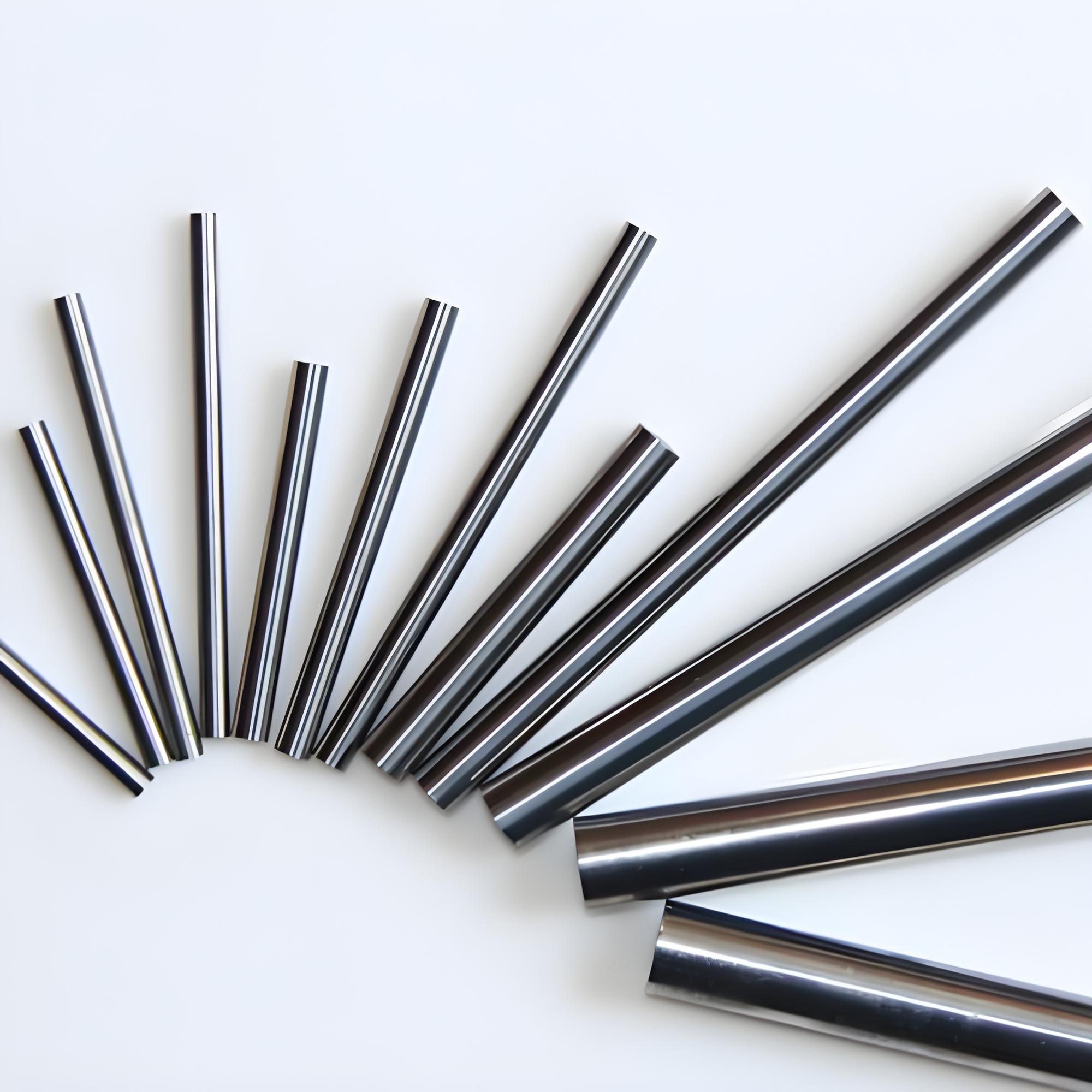
Incoloy 20 round bar price per kg depends on the alloy composition, bar size, manufacturing method, surface finish, tolerance, certificates, inspectio...
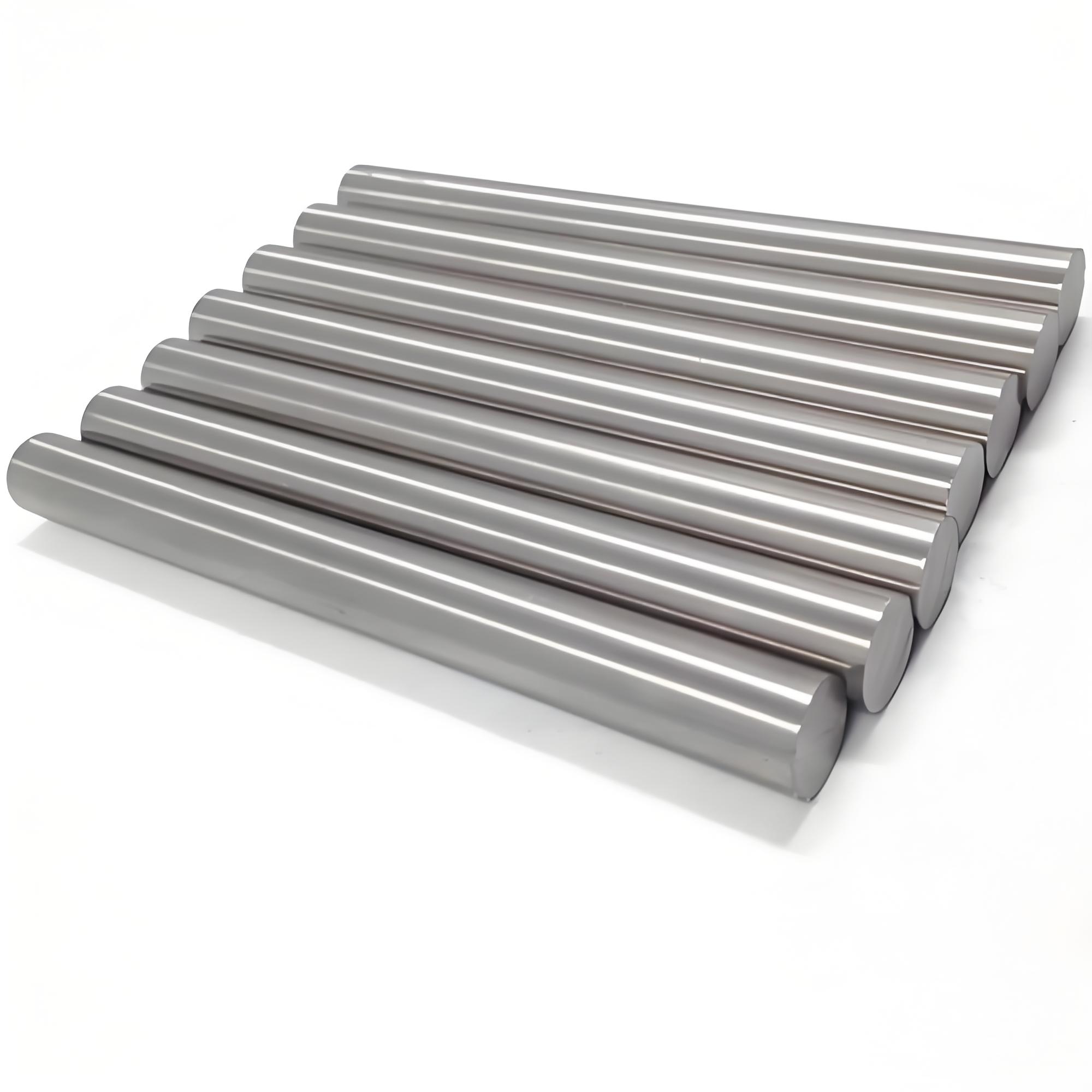
Hastelloy G-30 N06030 bar factory price is determined by the alloy’s high nickel, chromium, iron, molybdenum, copper, and tungsten content, together...
 English English
  Korean
 Arabic
 Spanish
 German
 Portuguese
 French
 Russian
 Italian
 Vietnamese