
Incoloy 825 Bar Price | UNS N08825 Supplier
Incoloy 825 bar price depends on the nickel-based alloy composition, bar dimensions, manufacturing route, heat-treatment condition, surface finish, in...
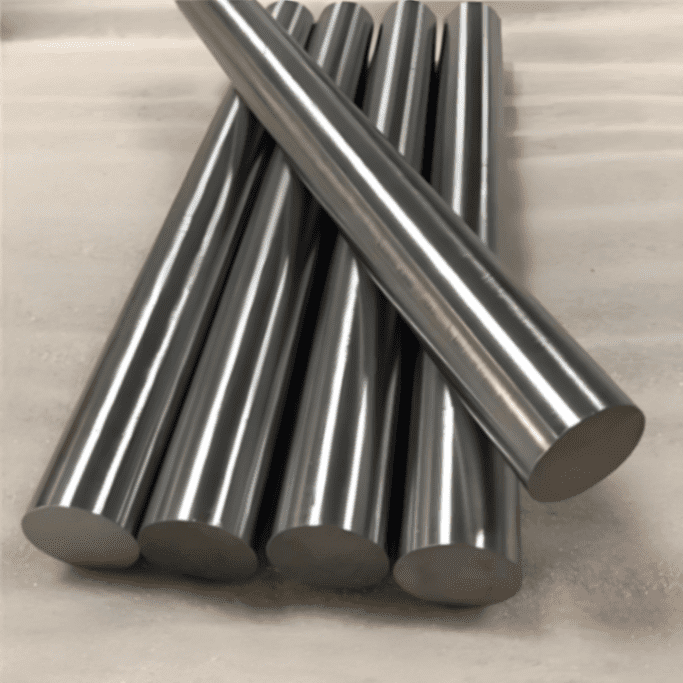
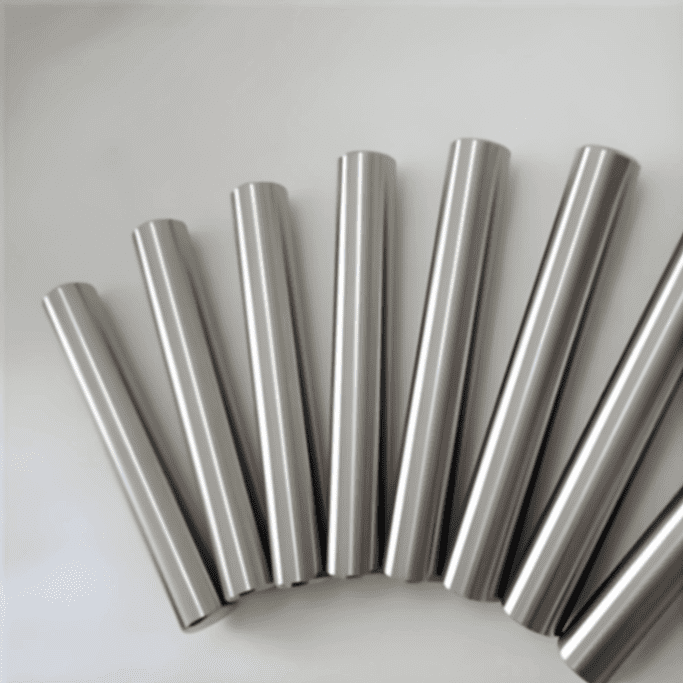
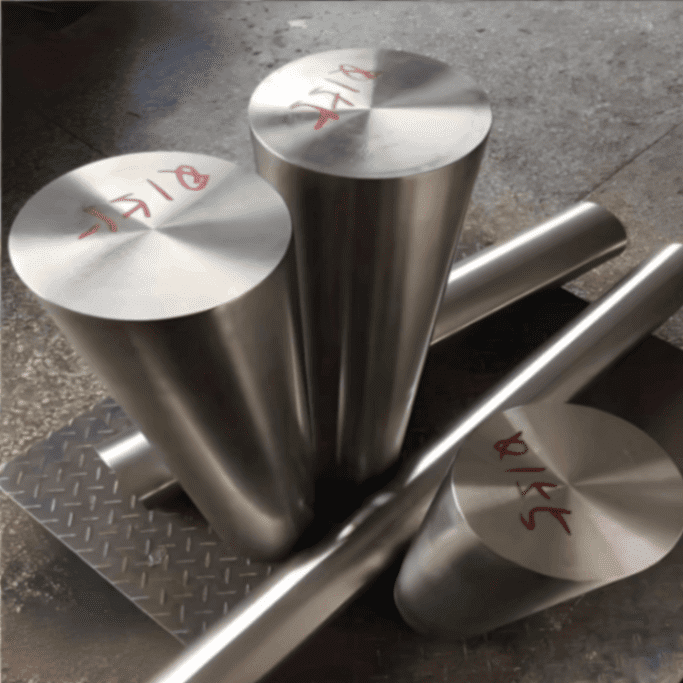
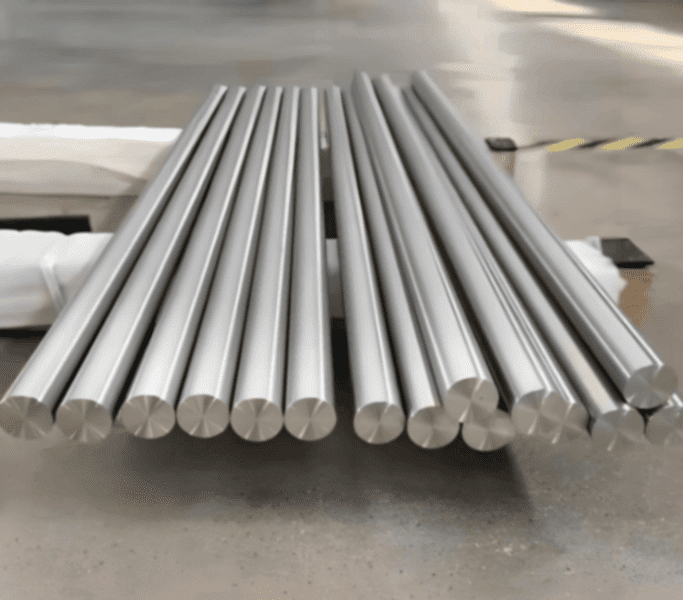
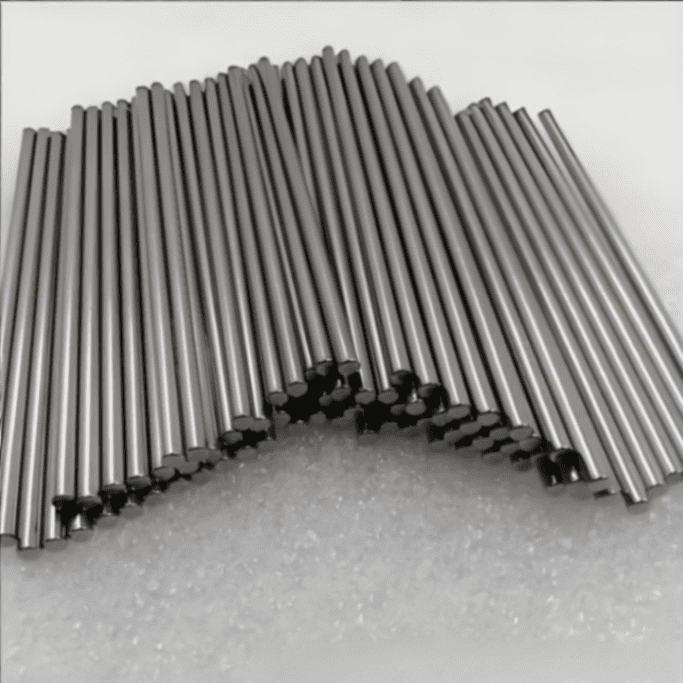
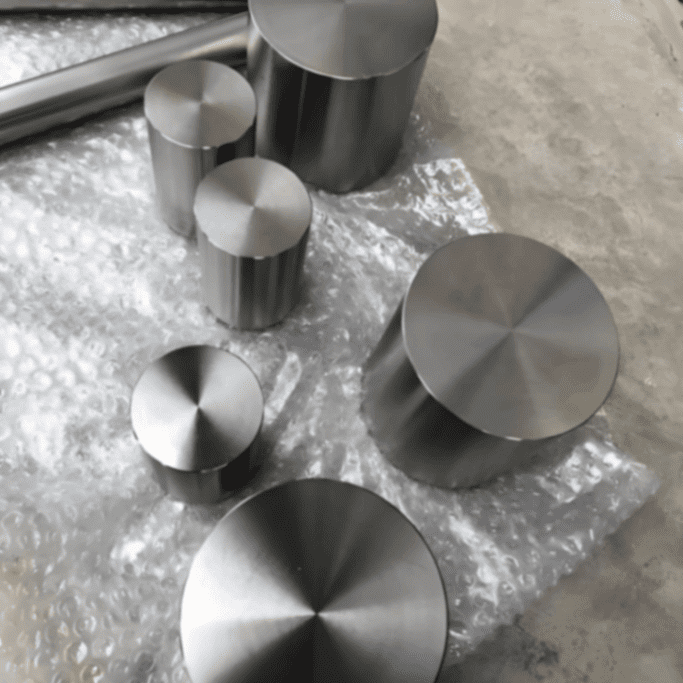
The price of Hastelloy C4 bars is usually quoted by weight, and in today’s market the typical factory reference price is around $38 to $65 USD/kg on an FOB basis. In practical purchasing, however, the final number depends on bar diameter, surface condition, order quantity, certification level, delivery schedule, and the daily movement of nickel and molybdenum. For this reason, it is important to evaluate not only the base alloy value, but also machining grade, stock availability, and export requirements before comparing offers.
For standard export business, the current reference FOB factory price of Hastelloy C4 bars generally falls within $38 to $65 USD/kg. This is the broad market range for commercially supplied bars under normal conditions, and it should be treated as a practical guide rather than a fixed universal price.
If the order is a small stock purchase below 100 kg, the price is usually higher, commonly around $50 to $65/kg. This is because small-lot supply carries higher inventory, handling, cutting, inspection, and packing costs when allocated across a limited shipment weight.
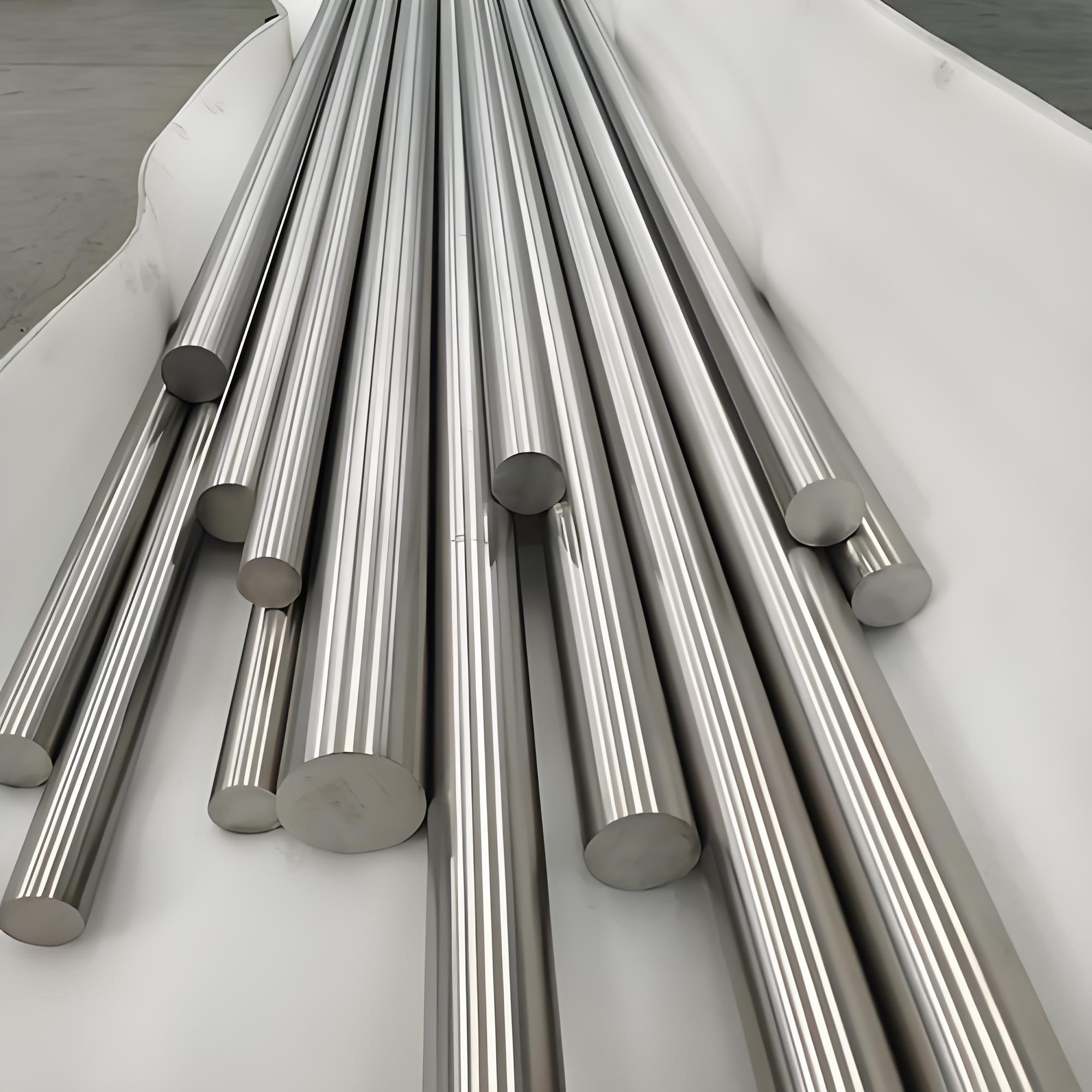
For standard order volumes between 100 and 500 kg, a more competitive level is usually available, often in the range of $42 to $55/kg. This bracket is commonly seen in regular industrial procurement where the buyer orders standard diameters and conventional surface finishes.
For bulk purchases above 1000 kg, the price can become significantly more favorable, often around $35 to $48/kg depending on specification and the current raw material market. Large-volume orders allow better melting allocation, processing efficiency, and freight planning, which is why suppliers can offer a lower unit price.
It is also important to understand that Hastelloy C4 bar pricing is highly sensitive to nickel and molybdenum movements. Since C4 is a high-performance nickel-based corrosion-resistant alloy with substantial molybdenum content, even moderate changes in metal market conditions can directly affect the quoted price. Because of this, serious buyers typically request same-day quotations before finalizing a purchase plan.
Bar size has a direct impact on production yield, forging difficulty, and machining cost. Surface condition also creates a clear price difference. In the alloy bar market, black bars are generally lower in price than turned, peeled, or polished bars because they require less finishing work.
For smaller diameters in the φ10–30 mm range, black surface bars are typically quoted at $45 to $65/kg, while turned or polished bars are more often quoted at $55 to $80/kg. Small bars may appear simpler, but they often involve more precise rolling or machining control, especially when straightness and dimensional tolerance are important.
For diameters in the φ30–80 mm range, black bars are usually available around $38 to $55/kg, while turned or polished bars are commonly priced at $48 to $70/kg. This is one of the most commercially active ranges because it covers many pump shaft, valve stem, fastener, and chemical equipment applications.
For φ80–200 mm bars, black surface pricing is often around $35 to $50/kg, and machined or polished bars are generally about $45 to $65/kg. These sizes benefit from better weight efficiency, but processing large forged sections still requires careful thermal control.
For very large diameters in the φ200–300 mm range, black bars may return to a higher band of about $40 to $60/kg, while turned or polished bars can be around $50 to $75/kg. The increase in larger diameters is mainly due to more difficult forging, lower yield, longer processing cycles, and a higher risk of defects such as cracking during thermal working.
When comparing quotations, buyers should avoid checking only the diameter. A φ50 mm black bar and a φ50 mm polished bar are not directly comparable because the surface condition can add substantial cost. In many cases, the premium for machined or polished finishing is around $10 to $20/kg depending on tolerance, straightness, and final appearance requirements.
Many buyers compare Hastelloy C4 with other corrosion-resistant nickel alloys before confirming the order. This is especially common in chemical processing, flue gas desulfurization, pickling equipment, and acid handling systems where several high-alloy options may appear technically acceptable at first glance.
Hastelloy C4 typically sits in the $38 to $65/kg range. Its commercial value comes from its low carbon and low iron chemistry, along with very good thermal stability. It is often selected where post-weld corrosion resistance and structural stability after thermal exposure are important.
Hastelloy C-276 is commonly priced at around $35 to $55/kg, which in many cases makes it slightly more economical than C4. C-276 contains tungsten and is widely known for its strong all-around corrosion resistance. Because of its broad application base and high market familiarity, some buyers prefer it when the environment does not specifically require C4’s thermal stability profile.
Hastelloy C-22 usually falls in the $40 to $65/kg range. It offers higher chromium content and often performs better in certain oxidizing acid environments. Buyers dealing with mixed chemical media sometimes consider C-22 as an alternative when oxidizing corrosion is a priority.
Hastelloy B-3 is often more expensive, commonly around $55 to $85/kg. This alloy is high in molybdenum and is mainly chosen for reducing acid service. Because of its chemistry and narrower application scope, its price is typically above C4 in many project cases.
From a commercial selection perspective, C4 is not always the cheapest option, but it can be the most appropriate when low carbon, low iron content and good heat-affected-zone stability are required. Material selection should therefore combine both price and service condition, not price alone.
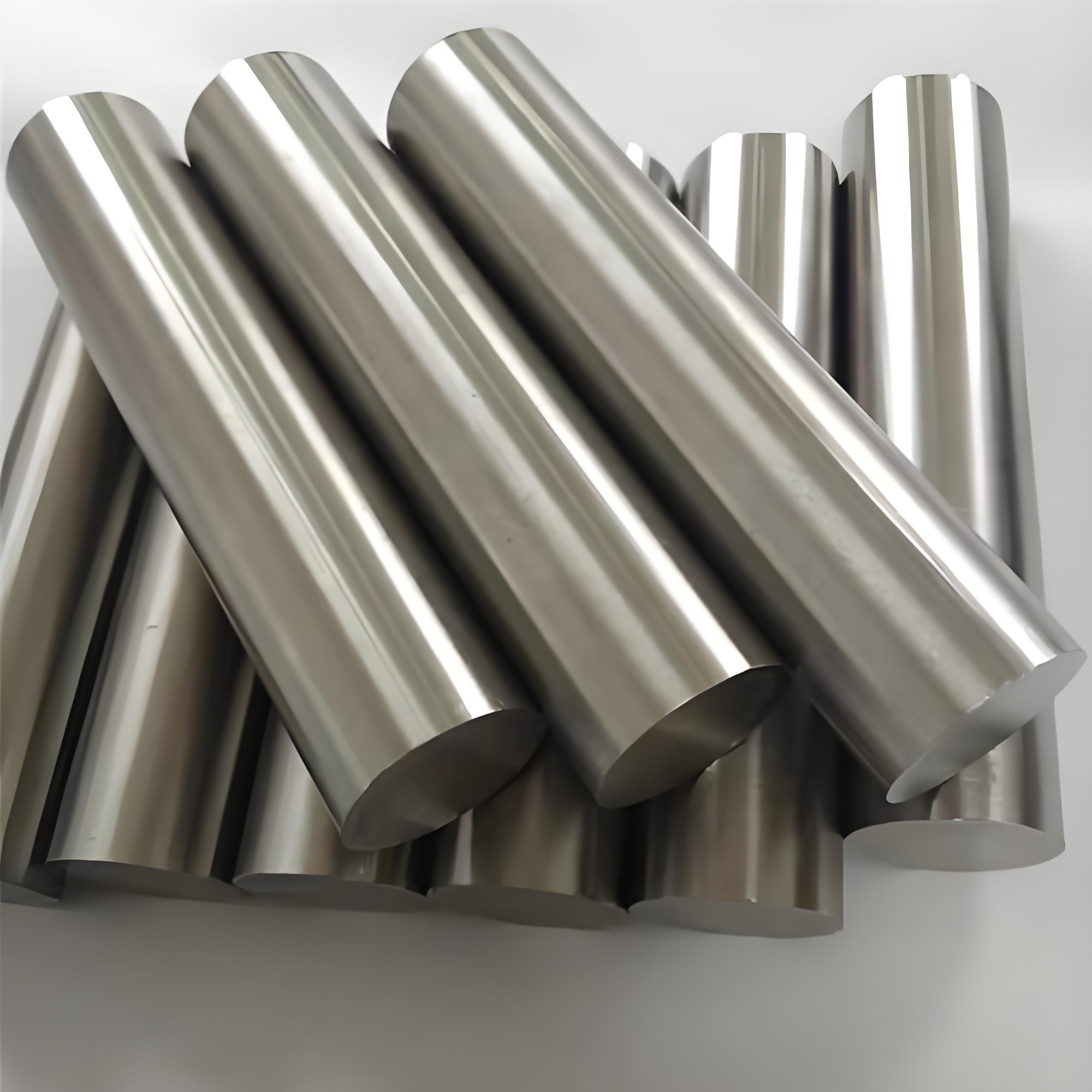
The first and most obvious factor is raw material cost. Hastelloy C4 contains a nickel base and around 15% to 17% molybdenum. Both elements are expensive and highly market-sensitive. In practical cost modeling, if nickel rises by about $2/kg, the manufacturing cost of C4 may increase by roughly $1.2/kg. This relationship is one of the reasons same-day pricing is standard in the alloy market.
The second factor is the strict low-carbon and low-iron requirement. C4 is valued partly because of its controlled impurity profile. Limits on carbon, iron, silicon, oxygen, and other residual elements make melting and refining more difficult. The tighter the chemistry control, the higher the production cost, especially for critical-use material.
The third factor is hot working difficulty. Hastelloy C4 has a relatively narrow forging temperature window, and the risk of cracking increases in heavy sections or large-diameter products. This means lower yield, more process monitoring, and greater production risk, all of which affect the cost per kilogram.
The fourth factor is surface finish. Buyers requesting turned, peeled, centerless ground, or polished bars should expect a higher price than black bars. The added value usually falls in the range of $10 to $20/kg, depending on dimensional precision and final finish quality. For applications involving direct machining or sealing contact, this premium is often commercially justified.
The fifth factor is certification and quality documentation. For ordinary industrial use, EN 10204 3.1 documentation is commonly included in the base offer. However, if the bars are intended for nuclear, regulated pressure, or project-specific code applications requiring RCC-M or advanced third-party verification, the cost can increase by around $8 to $15/kg. Documentation is not just paperwork; it reflects stricter process traceability and inspection effort.
Order volume has a strong impact on the final price of Hastelloy C4 bars. Suppliers typically follow a quantity discount structure because larger orders improve melting utilization, machine scheduling, and shipment efficiency.
For purchases of 10 to 99 kg, buyers usually pay the benchmark small-lot level, commonly around $50 to $65/kg. This range is normal for maintenance departments, laboratory use, urgent replacement parts, or trial production orders.
For quantities between 100 and 499 kg, the discount is often around 5% to 8%, and the resulting typical price is around $42 to $55/kg. This is a common bracket for distributors and end users ordering one or two standard sizes for project needs.
For 500 to 999 kg, discounts generally improve to around 10% to 15%, with common market pricing near $38 to $50/kg. At this volume level, suppliers can often process material in a more planned and cost-efficient manner.
For 1000 kg and above, discounts of roughly 15% to 20% are achievable, and the typical unit price may fall into the $35 to $48/kg range. In international procurement, this is usually the volume at which price negotiation becomes much more meaningful, especially if the buyer accepts a production lead time instead of insisting on immediate stock shipment.
For buyers managing annual alloy consumption, it is often smarter to evaluate total quarterly or project volume rather than placing many fragmented small orders. Consolidation usually produces a better average cost per kilogram.
When reviewing a Hastelloy C4 bar quotation, buyers should check whether the number includes only the bar itself or also includes extra processing and documentation. A seemingly low base price may not remain the lowest final landed cost once extras are added.
Cut-to-length service is a common extra charge. Depending on dimensional precision, the surcharge is usually about $2 to $5/kg. If bars must be supplied in exact fixed lengths for direct machining or installation, this should be confirmed before the quote is issued.
Material certification is another point. EN 10204 3.1 is commonly included in the standard price. However, if 3.2 certification or third-party inspection is required, the additional cost is often around $3 to $8/kg. This is relevant for regulated projects, EPC supply chains, and clients with strict documentation procedures.
Packaging also matters, especially for export. Standard export packing and wooden cases may add around $1 to $2/kg depending on the shipment format, total weight, and destination handling needs. Heavy large-diameter bars can require reinforced packing, which pushes the packaging cost upward.
Urgent lead time is another typical surcharge item. If the requested delivery is within 7 days and requires priority production or emergency stock allocation, the supplier may apply an extra 15% to 20%. For special alloys like Hastelloy C4, rush production is not always easy because process stability cannot be sacrificed simply to move faster.
Shanghai NC Metal Materials Co., Ltd. can support both stock supply and customized production for Hastelloy C4 bars. For commonly requested sizes, the company maintains stock in black and machined bar conditions, mainly in the φ20–150 mm range. The available total stock volume is approximately 15 tons.
For orders within 1 ton from stock, same-day dispatch can usually be arranged if the specification is standard and the inspection scope is routine. This is especially useful for buyers handling maintenance shutdowns, urgent replacement parts, and short procurement windows.
For customized production, the usual minimum order quantity is 500 kg, with a lead time of around 3 to 5 weeks. This is a realistic timeline for alloy melting allocation, forging, heat treatment, inspection, and final finishing. Customized supply may include non-standard diameters, special tolerances, additional certification, or project-specific documentation.
Shanghai NC Metal Materials Co., Ltd. can also provide a sample piece for evaluation. A typical sample size is φ30 × 200 mm, with a reference sample charge of $60. In normal commercial practice, this amount can be deducted from a subsequent formal order. For buyers qualifying a new supplier or testing machinability before a larger purchase, this is often a useful step.
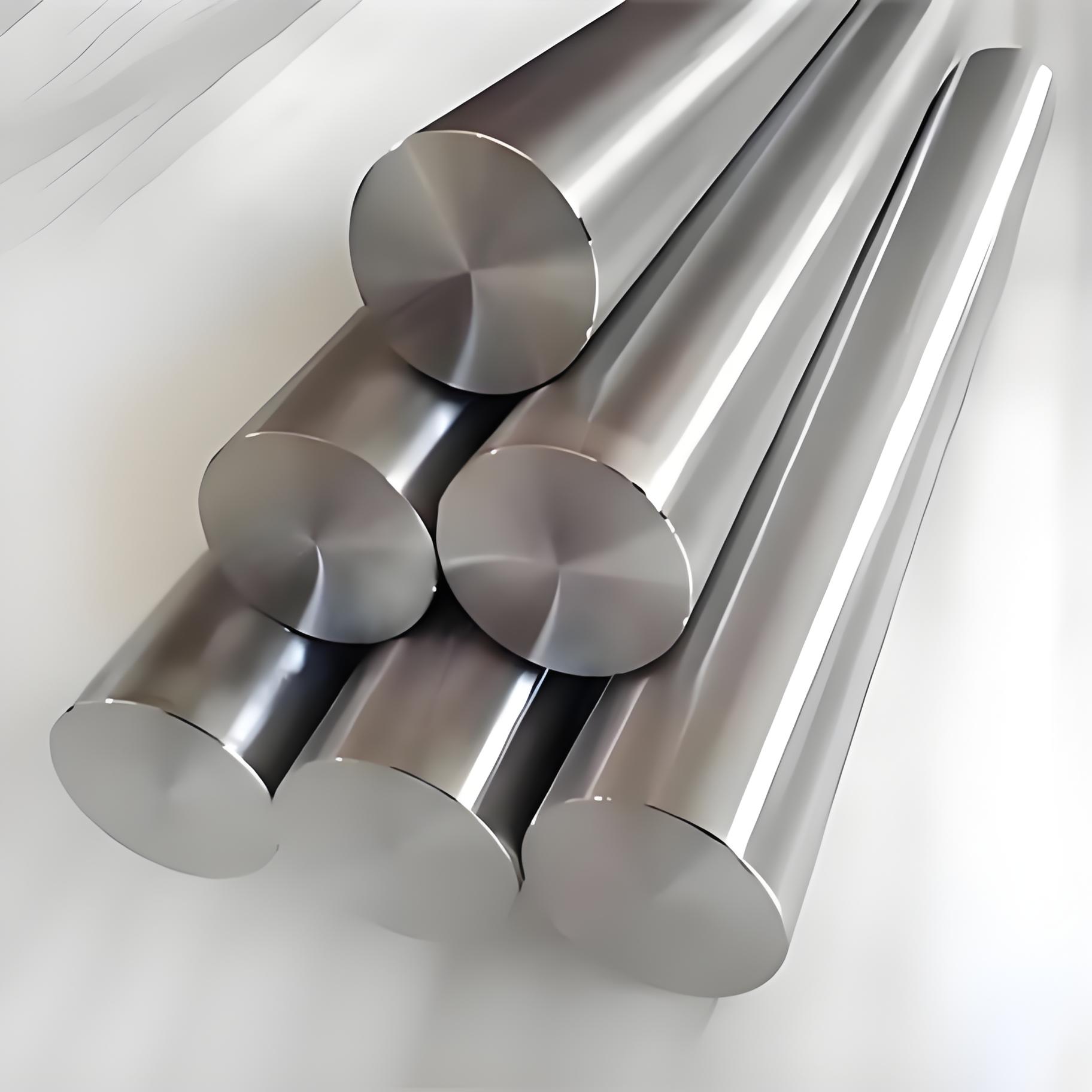
Looking at the 2026 purchasing environment, Hastelloy C4 remains in a medium-to-high price zone among corrosion-resistant nickel alloys. The main reason is that the alloy is heavily tied to nickel and molybdenum market dynamics, both of which remain important cost drivers.
At present, nickel is roughly around $16,000 to $18,000 per ton, while molybdenum is around $45 to $55/kg. Under these input conditions, the current C4 bar price range of $38 to $65/kg is commercially reasonable and consistent with alloy cost logic.
If molybdenum falls back to around $35/kg, the price of Hastelloy C4 bars could move lower, potentially into the $30 to $50/kg range depending on size, order volume, and supply condition. This makes molybdenum one of the key indicators buyers should monitor when planning future procurement.
For buyers with rigid demand, phased purchasing is often a practical approach. Instead of waiting for an uncertain market drop, many industrial users split the order into several releases. This reduces exposure to short-term metal price spikes while still securing material for production schedules.
For buyers with stable consumption, a quarterly agreement can be a useful commercial tool. By locking part of the volume and pricing mechanism in advance, both supplier and customer gain better visibility. This is particularly helpful for projects with long manufacturing cycles or repeated use of the same specification.
There is also a material substitution angle. If the service environment is not dominated by strongly reducing acids and does not specifically require C4’s chemistry profile, Hastelloy C-276 may offer a 5% to 10% cost saving in some cases. This does not mean C-276 is always the best substitute, but it is a common value-engineering option in budget-sensitive projects.
To receive an accurate Hastelloy C4 bar price, the buyer should provide the full commercial and technical specification. The most important details are bar diameter, bar length, required quantity, surface condition, certification requirement, and destination country or port. Without these points, any price can only be a rough estimate.
Diameter and surface condition directly affect the unit price because they determine processing route and stock availability. Length matters because fixed-length cutting can change both yield and labor cost. Quantity is essential because the pricing structure changes significantly between small-lot, standard-lot, and bulk orders.
Certification requirements should always be stated at the inquiry stage. If the buyer needs only standard mill documentation, the offer can usually be kept more competitive. If third-party inspection or advanced traceability is necessary, this needs to be priced from the start.
Shanghai NC Metal Materials Co., Ltd. can quote on different trade terms including FOB factory, CFR, and CIF. This allows buyers to compare not only the mill value of the material, but also the delivered cost depending on their logistics preference and destination market.
For larger orders, price negotiation is usually possible, especially when the buyer has a clear volume plan and flexible delivery schedule. If needed, a trial sample bar can also be arranged so that the purchaser can evaluate chemistry, machinability, or application suitability before placing the full order.
What is the typical price range for Hastelloy C4 round bars per kg?
The most common reference range is about $38 to $65 USD/kg on an FOB factory basis. Small stock orders are often at the higher end, while bulk orders above 1000 kg may achieve around $35 to $48/kg depending on diameter, finish, and certification.
Why are polished Hastelloy C4 bars more expensive than black bars?
Polished, turned, or ground bars require additional machining, tighter dimensional control, better straightness, and more surface inspection. This extra processing typically adds about $10 to $20/kg compared with black bars, depending on the exact finish requirement.
What information is needed to get an accurate Hastelloy C4 bar quotation?
The buyer should provide diameter, length, quantity, surface condition, certificate requirement, and destination. With these details, Shanghai NC Metal Materials Co., Ltd. can prepare a practical quotation under FOB factory, CFR, or CIF terms and advise whether stock supply or custom production is more cost-effective.
More from this category
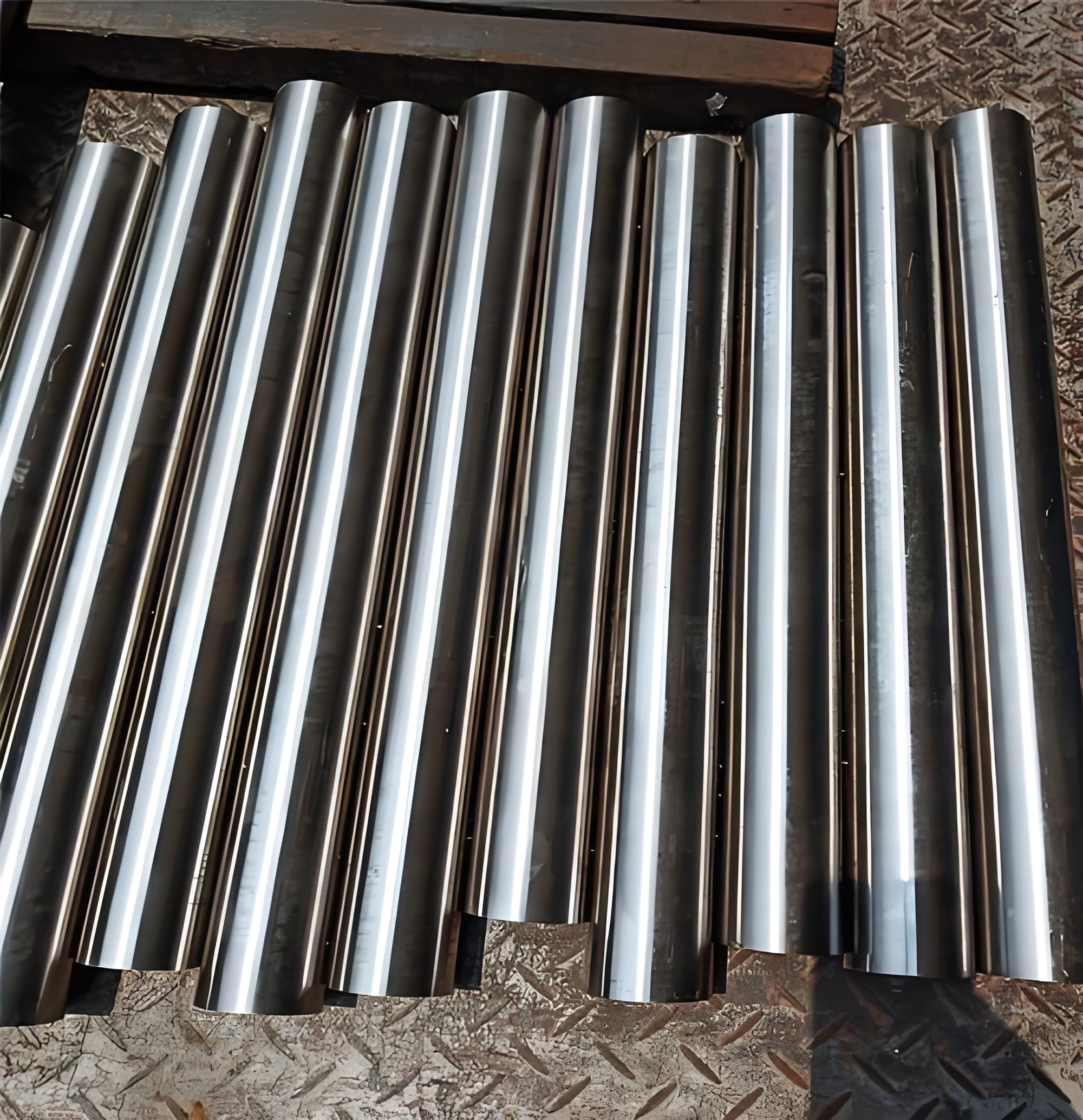
Incoloy 825 bar price depends on the nickel-based alloy composition, bar dimensions, manufacturing route, heat-treatment condition, surface finish, in...
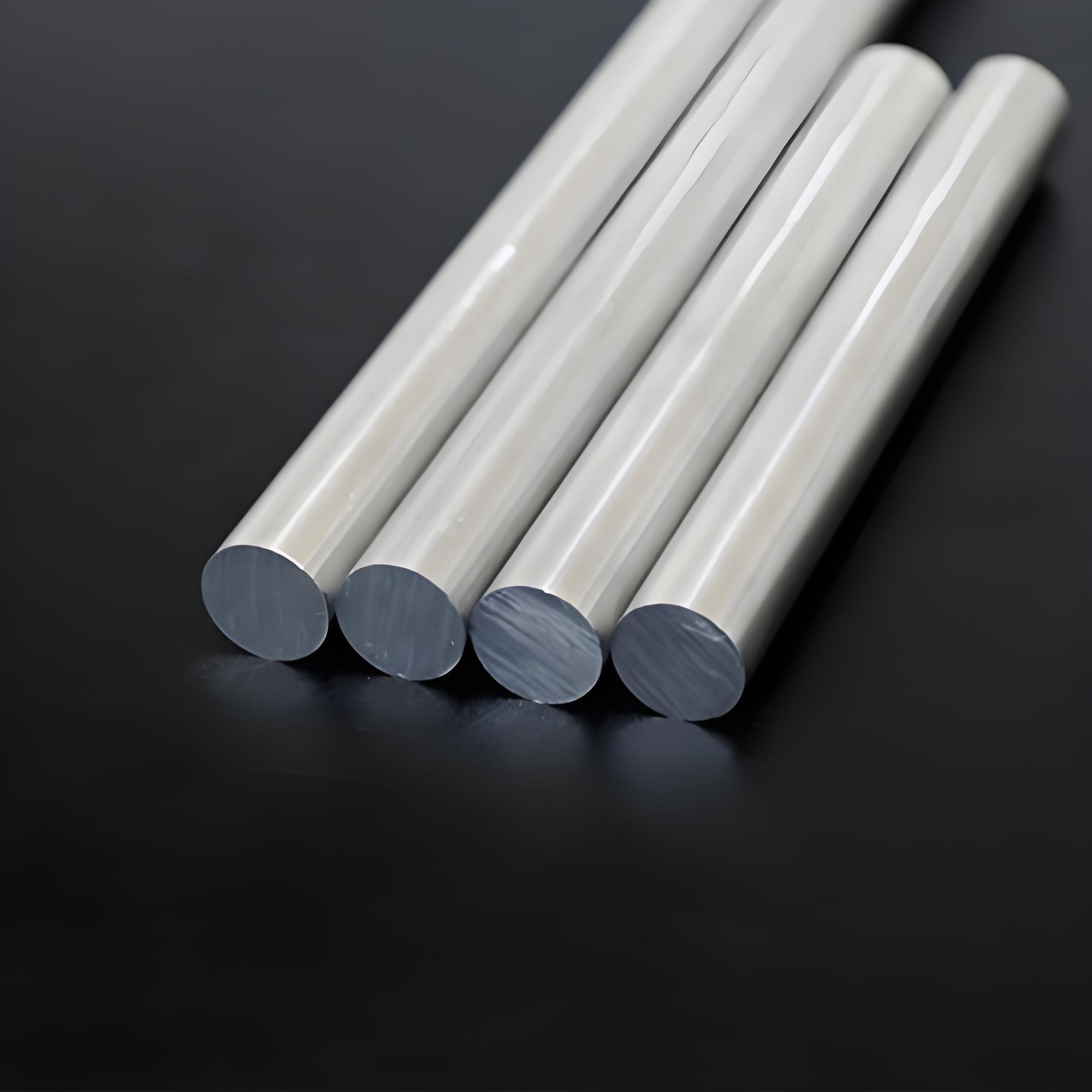
Incoloy 800HT bar price is shaped by nickel, chromium, titanium, and aluminum raw-material costs, together with bar dimensions, heat-treatment conditi...
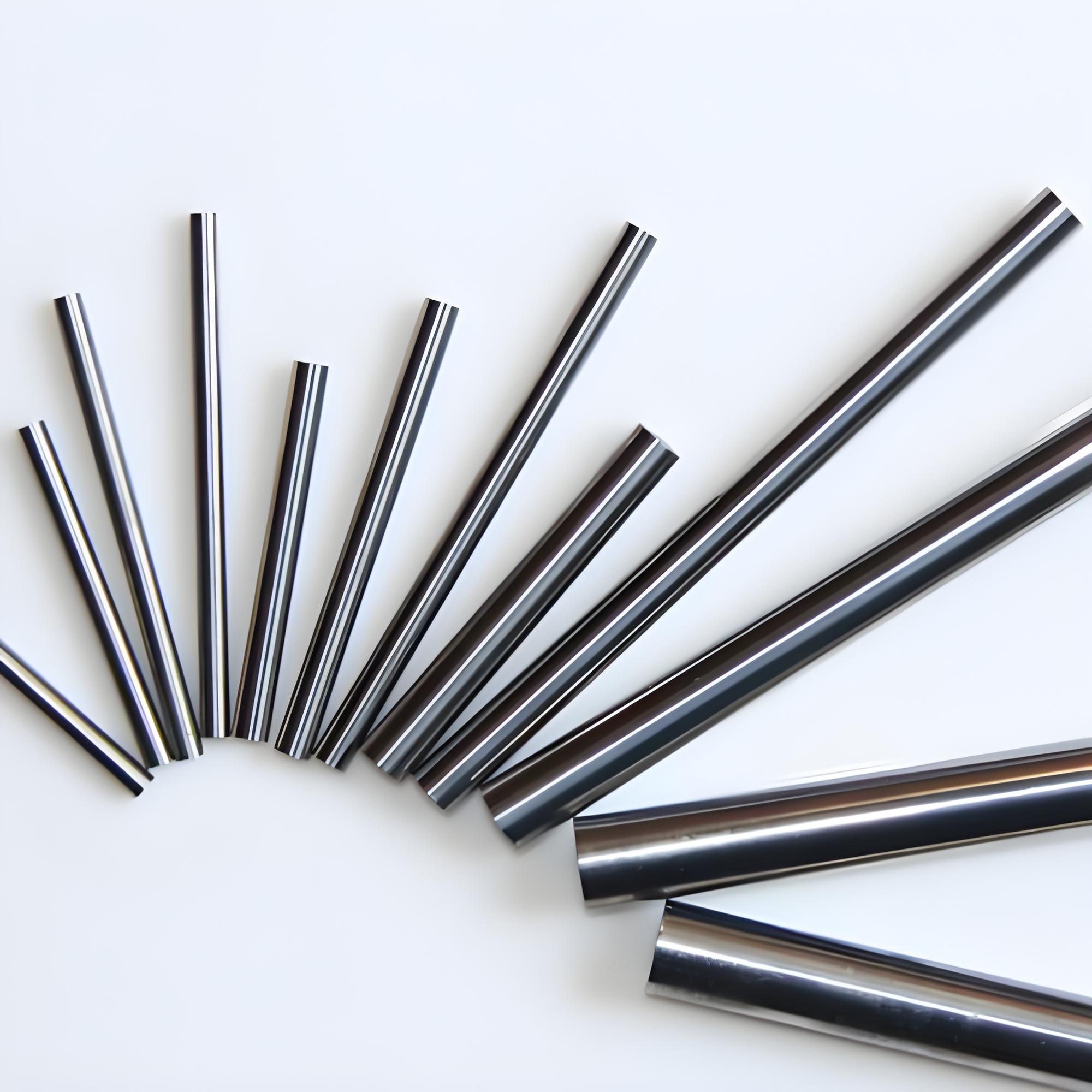
Incoloy 20 round bar price per kg depends on the alloy composition, bar size, manufacturing method, surface finish, tolerance, certificates, inspectio...
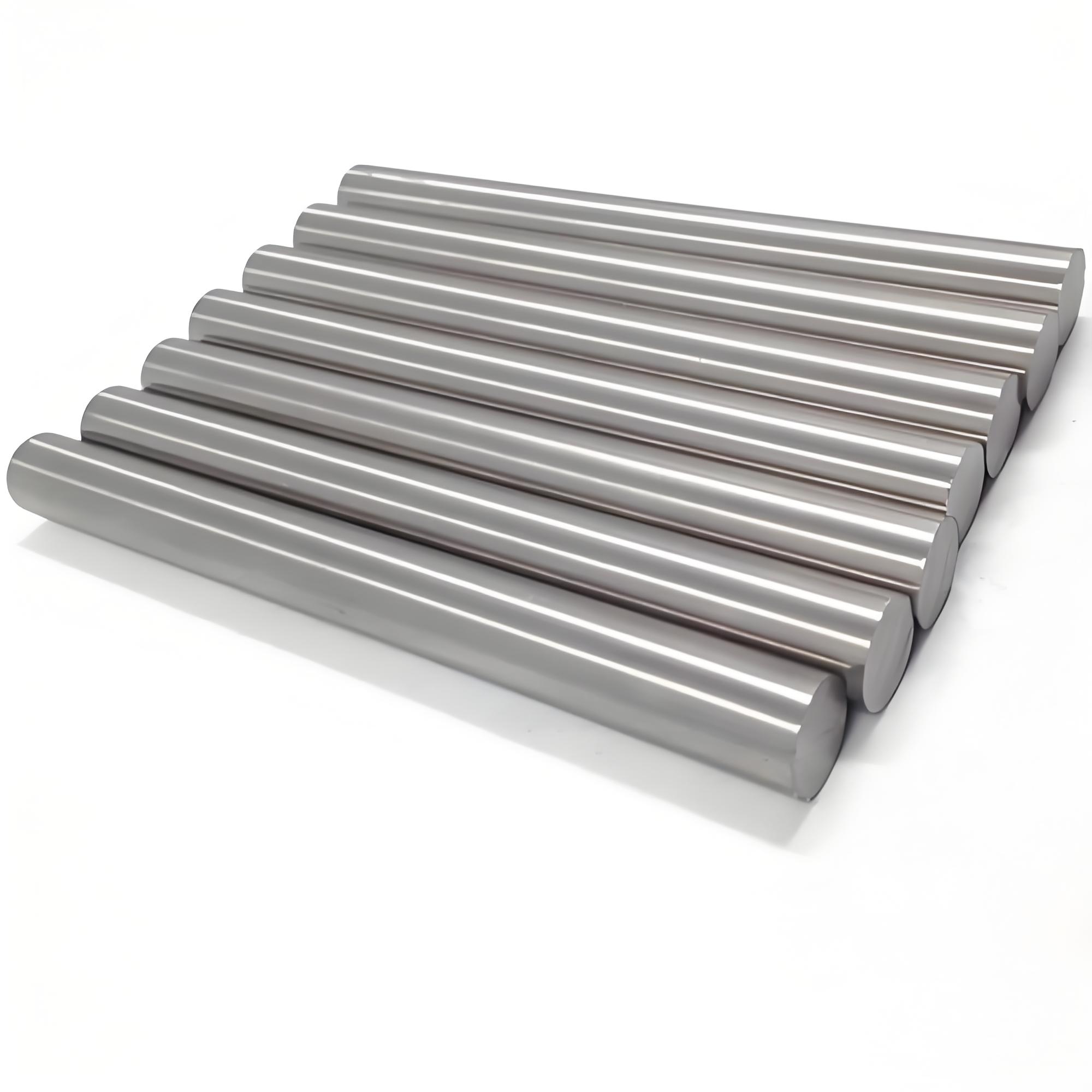
Hastelloy G-30 N06030 bar factory price is determined by the alloy’s high nickel, chromium, iron, molybdenum, copper, and tungsten content, together...
 English English
  Korean
 Arabic
 Spanish
 German
 Portuguese
 French
 Russian
 Italian
 Vietnamese