
Incoloy 825 Bar Price | UNS N08825 Supplier
Incoloy 825 bar price depends on the nickel-based alloy composition, bar dimensions, manufacturing route, heat-treatment condition, surface finish, in...
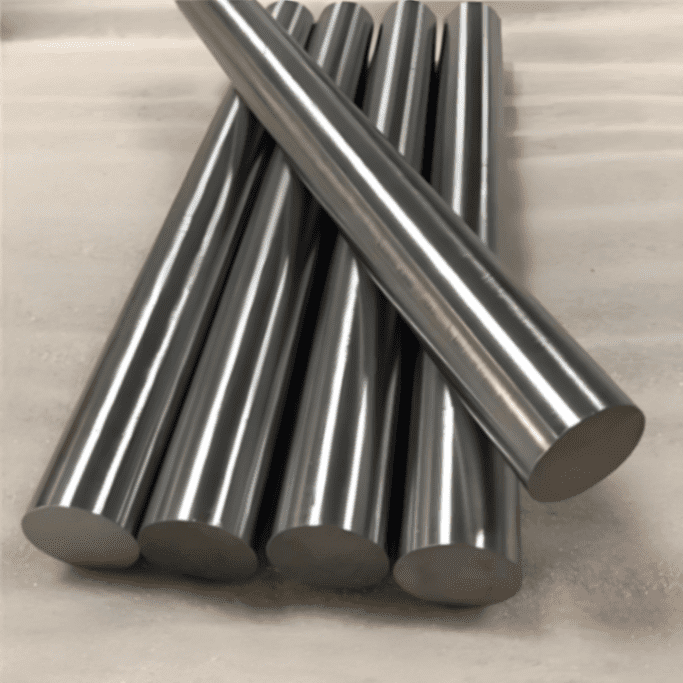
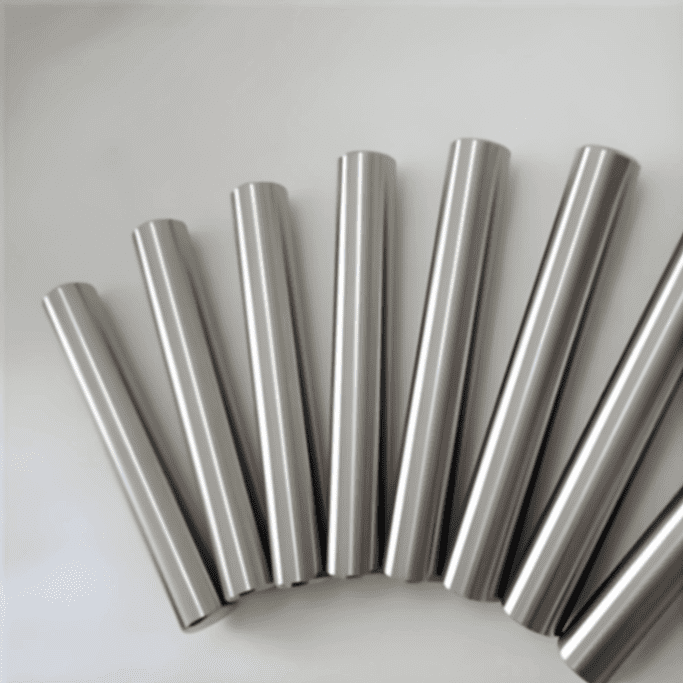
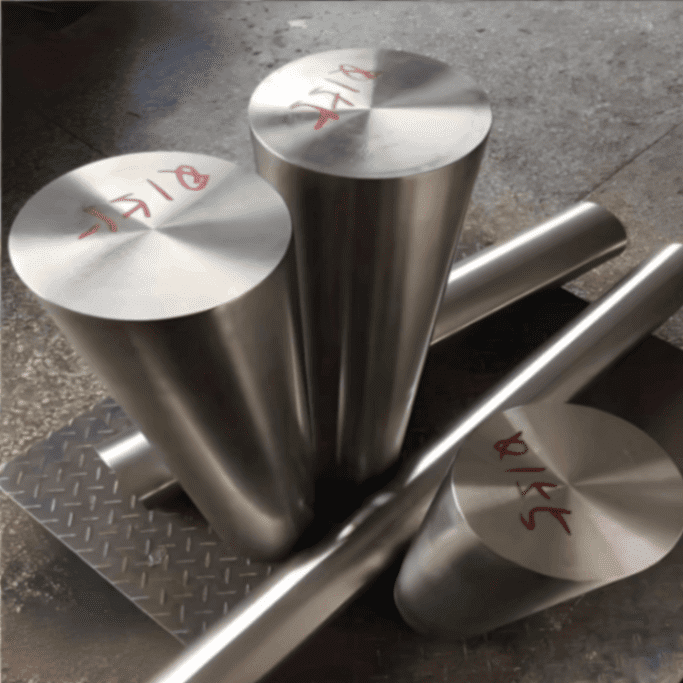
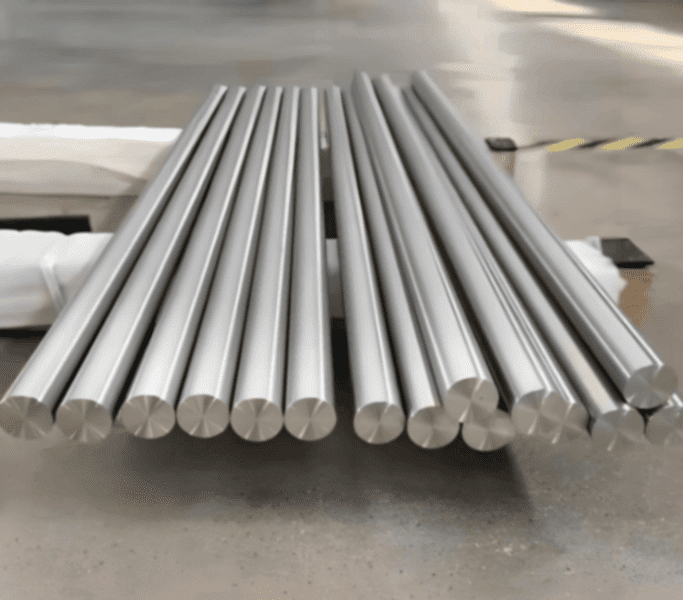
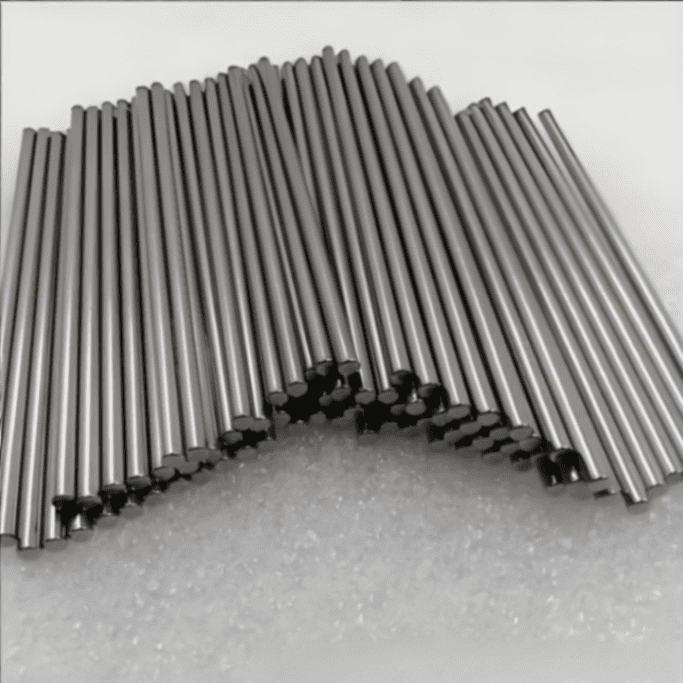
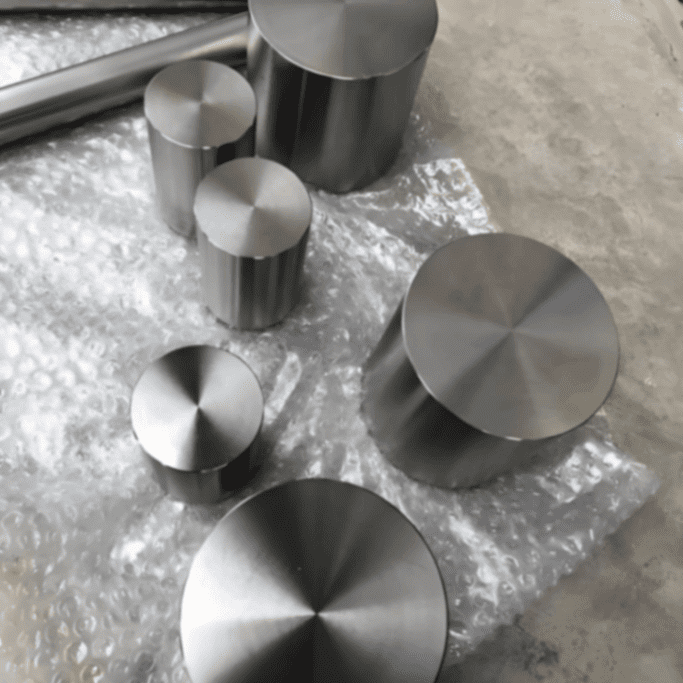
Hastelloy B-2 bar hydrochloric acid resistance is a key selection topic for buyers in pickling systems, hydrochloric acid storage, acid regeneration units, pumps, agitator shafts, and chemical process equipment. In actual engineering use, Hastelloy B-2 is widely recognized as one of the most effective nickel-molybdenum alloys for pure hydrochloric acid service, especially in reducing environments without oxidizing contamination. However, whether a B-2 bar is truly suitable depends not only on acid concentration, but also on temperature, flow rate, welding condition, surface quality, and the presence of oxidizing ions. Shanghai NC Metal Materials Co., Ltd. summarizes below the practical corrosion performance of Hastelloy B-2 bars in hydrochloric acid based on factory data, project experience, and production quality control points, so that buyers can understand where B-2 performs very well and where caution is required.
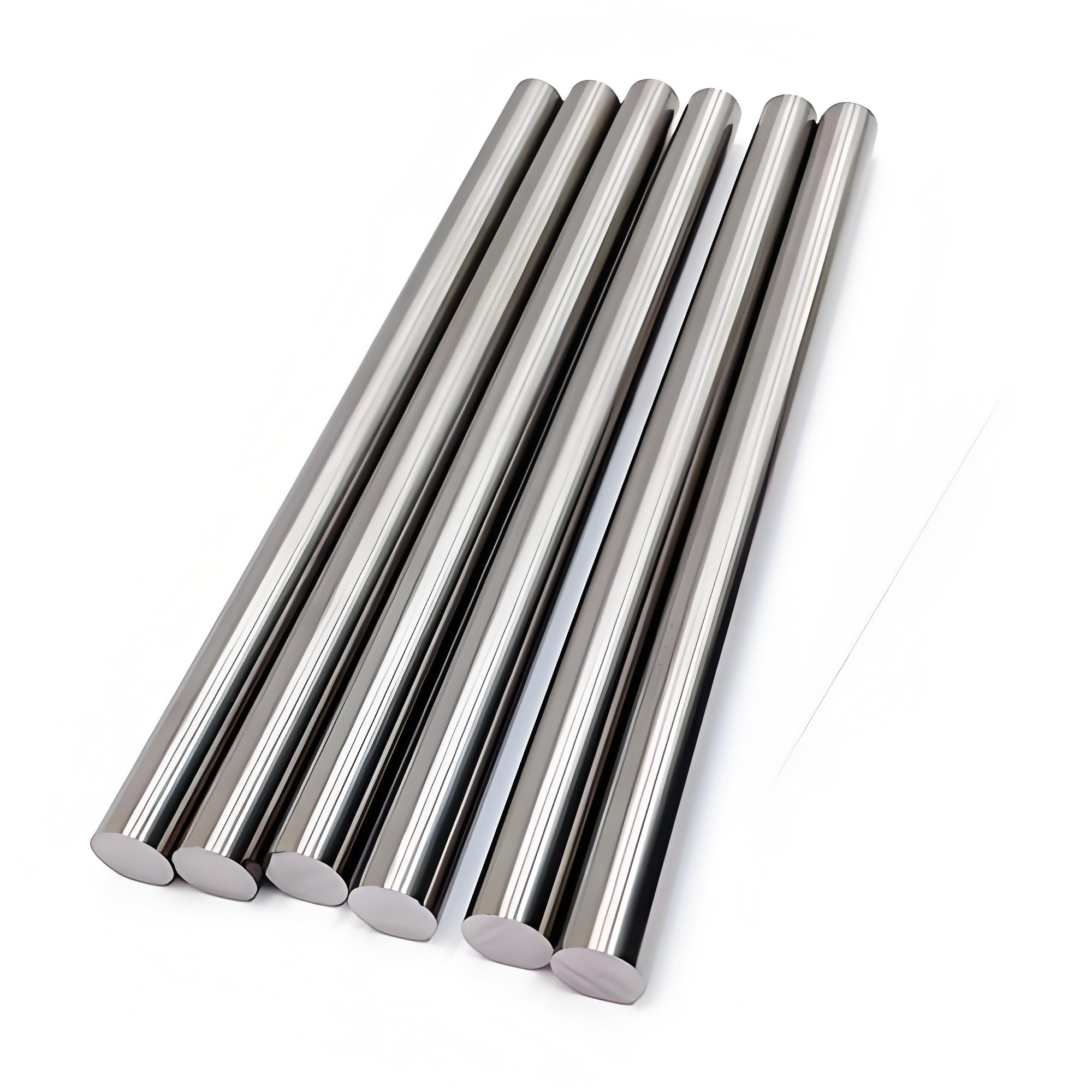
From a material selection point of view, the first message is straightforward: Hastelloy B-2 can be used across the full concentration range of hydrochloric acid from 0% to 100%, but temperature is the decisive limiting factor. This means concentration alone does not determine suitability. A high-concentration acid at low temperature may still be manageable, while a lower concentration near the boiling point may become much more aggressive.
According to the factory database used by Shanghai NC Metal Materials Co., Ltd., in aqueous hydrochloric acid solutions at room temperature, generally not exceeding 30 degrees Celsius, Hastelloy B-2 bar shows very low corrosion rates at virtually any concentration. In many cases the corrosion rate remains below 0.1 mm per year, which is considered excellent for long-term service.
Below the boiling point, the practical recommendation becomes more conservative. For hydrochloric acid at concentrations up to 20%, Hastelloy B-2 is generally usable with corrosion rates below about 0.5 mm per year under many conditions. Once the concentration rises above 20% and the temperature approaches elevated levels, cooling or corrosion allowance must be considered carefully.
For hydrochloric acid gas, Hastelloy B-2 can generally be used up to about 400 degrees Celsius. Above this level, volatile metal chlorides may form, which can accelerate attack and destabilize the alloy surface. In gas-phase service, moisture content and contamination also strongly affect actual behavior.
For many engineers, a simple decision rule is useful. If corrosion rate stays below 0.5 mm per year, the material is usually recommended. If it falls between 0.5 and 1.0 mm per year, the design should proceed with caution, often using extra wall thickness or planned spare replacement. If the rate is above 1.0 mm per year, B-2 is generally not recommended for long-term duty.
The real value of Hastelloy B-2 is best understood through actual corrosion rate data. The following factory reference values show how strongly temperature affects performance in hydrochloric acid. Even when concentration changes gradually, a moderate temperature rise can shift the material from excellent service into a caution zone.
| HCl Concentration | 30°C | 60°C |
| 5% / 10% / 15% | <0.05 / <0.05 / 0.08 mm/y | 0.1 / 0.15 / 0.25 mm/y |
| 20% / 30% / 37% | 0.12 / 0.2 / 0.3 mm/y | 0.4 / 0.7 / 1.2 mm/y |
At 30 degrees Celsius, even 37% hydrochloric acid shows a relatively moderate corrosion rate of about 0.3 mm per year, which is often acceptable when service life and corrosion allowance are properly designed. This is why B-2 is frequently selected for room-temperature concentrated hydrochloric acid systems.
At 60 degrees Celsius, the situation changes noticeably. Five to fifteen percent hydrochloric acid remains within a comfortable range, but 20% HCl approaches 0.4 mm per year and 30% HCl rises to about 0.7 mm per year. At 37% HCl and 60 degrees Celsius, the corrosion rate can reach around 1.2 mm per year, which moves the alloy into a more cautious design region.
| HCl Concentration | Boiling Point Approx. 110°C | Practical Assessment |
| 5% / 10% / 15% | 0.3 / 0.5 / 0.8 mm/y | Usable to caution zone |
| 20% / 30% / 37% | 1.2 / 2.5 / 5–8 mm/y | Not recommended for severe duty |
Near the boiling point, the aggressiveness rises sharply. At 10% HCl, the corrosion rate is around 0.5 mm per year, already close to the upper practical recommendation line for long continuous service. At 20% HCl, the rate reaches around 1.2 mm per year, and by 37% HCl it may rise to 5 to 8 mm per year. Under those conditions, rapid wall loss or early failure can occur.
These values help explain why B-2 is often described as excellent in hydrochloric acid, but not universally safe in all hot concentrated acid duties. The words “excellent resistance” always need to be paired with actual operating temperature.
Hastelloy B-2 owes its hydrochloric acid resistance mainly to its nickel-molybdenum chemistry. The alloy contains a high molybdenum level, typically around 26% to 30%, which strongly improves performance in reducing acids. In such environments, molybdenum helps the alloy surface maintain a more stable protective condition, often discussed in practice through molybdenum-rich surface behavior.
Another important feature is the absence of chromium. In many corrosion-resistant alloys, chromium is highly beneficial in oxidizing media because it promotes passivation. However, hydrochloric acid is a strongly reducing acid, and under these conditions chromium does not always help. In fact, chromium-containing nickel alloys such as C-276 often perform worse than B-2 in hot high-concentration hydrochloric acid.
Low iron content, generally limited to 2.0% or below, also contributes to cleaner and more stable corrosion behavior. Lower residual iron helps reduce weak microstructural sites that can become preferential attack points, especially when the material quality is not ideal.
A practical comparison makes this easy to understand. In 20% hydrochloric acid at the boiling point, factory reference data shows Hastelloy B-2 at around 0.8 mm per year, Hastelloy C-276 at around 3.5 mm per year, Inconel 625 above 5 mm per year, and 316L above 20 mm per year. In severe cases, 316L may perforate within weeks.
This is why B-2 is often one of the first materials considered when the process medium is pure hydrochloric acid without oxidizing contamination and the design temperature remains under control.
For buyers and design engineers, understanding the service boundary is more important than memorizing one general statement about corrosion resistance. Hastelloy B-2 bar is not simply “good” or “bad” for hydrochloric acid. It is highly suitable in some conditions and clearly risky in others.
In dilute hydrochloric acid below 10% at around 30 degrees Celsius, B-2 is fully suitable and often gives a service life exceeding ten years. Corrosion rates are low enough that only normal design allowance is needed in many applications.
At room temperature in concentrated acid such as 37% HCl, B-2 is still generally recommended. The corrosion rate around 0.3 mm per year is manageable for many level rods, tank fittings, instrument bars, and process accessories.
In hot dilute hydrochloric acid, such as 10% HCl at 80 degrees Celsius, B-2 usually remains a recommended choice, with corrosion often still below about 0.5 mm per year. This is one of the most favorable industrial operating windows for the alloy.
For hot concentrated hydrochloric acid, such as 37% HCl at 80 degrees Celsius, caution is required. Corrosion in the range of 1 to 2 mm per year means thicker design sections, reduced service life expectation, and more frequent inspection should be planned if B-2 is still selected.
Near-boiling dilute acid at 10% HCl and about 110 degrees Celsius also needs caution, since corrosion may approach 0.5 to 1.0 mm per year. Regular thickness monitoring becomes important under such conditions.
Near-boiling concentrated acid at 37% HCl should generally be avoided. Corrosion rates above 5 mm per year can quickly lead to unacceptable wall loss and unplanned shutdown.
The most serious red flag is the presence of oxidizing species such as ferric ions, cupric ions, or dissolved oxygen. In hydrochloric acid contaminated by oxidizers, the corrosion rate of B-2 can increase dramatically, sometimes by a factor of 10 to 100. This is one of the most important field warnings for buyers.
Shanghai NC Metal Materials Co., Ltd. has seen several representative applications of Hastelloy B-2 bars in hydrochloric acid systems. These cases are useful because they show not just laboratory behavior, but real operating performance over time.
In one project, a level indicator bar installed in a 32% HCl storage tank at ambient temperature remained in service for eight years without visible damage affecting operation. This is a typical example of where B-2 performs very reliably in concentrated acid when temperature is low.
In another case, tower internals in a hydrochloric acid regeneration system operated in 15% HCl at 85 degrees Celsius. B-2 bars achieved a service life of about four years, while a previous C-276 solution lasted only around one year. This directly reflects the advantage of B-2 in reducing acid environments where chromium-rich alloys are less suitable.
A further application involved an agitator shaft operating in 20% HCl at 60 degrees Celsius. After five years of service, the B-2 bar showed only about 0.3 mm of uniform wall thinning. This level of attack was predictable and could be accommodated through corrosion allowance.
There was also a failure case worth noting. A customer used a B-2 bar as an emergency sealing pin in hot concentrated hydrochloric acid around 80 degrees Celsius, where localized corrosion caused rapid perforation. In the revised design, a higher-molybdenum and thermally improved alloy such as B-3 was selected. This shows that B-2 is excellent, but not unlimited in all hydrochloric acid conditions.
The corrosion resistance of Hastelloy B-2 in hydrochloric acid depends not only on nominal alloy grade, but also on metallurgical quality and fabrication condition. This is why two products both labeled “B-2” may perform differently in service.
Metallurgical quality is critical. Shanghai NC Metal Materials Co., Ltd. recommends ESR processing for B-2 bars because electroslag remelting helps reduce segregation and non-metallic inclusions. If the alloy structure is uneven or contains more internal defects, those regions may become preferential corrosion initiation sites in hydrochloric acid.
Heat treatment condition also matters greatly. Solution-annealed material in the range of about 1060 to 1150 degrees Celsius followed by rapid cooling generally offers the best corrosion resistance. If the bar is exposed to a sensitizing range around 600 to 800 degrees Celsius, harmful phases may form and reduce corrosion performance by 50% to 80% in some environments.
Surface condition should not be ignored. Turned or ground bars usually provide a more stable and cleaner surface than black bars. Surface oxide scale and underlying disturbed layers can reduce corrosion consistency. For critical hydrochloric acid service, machined bright surface is often the better choice.
Welding introduces another challenge. The heat-affected zone in B-2 can precipitate harmful nickel-molybdenum phases, which reduce local corrosion resistance. For welded components, post-weld solution heat treatment is often required. If the project cannot allow this step, a different alloy such as B-3 may be easier to use.
Material selection in hydrochloric acid often comes down to choosing among B-2, B-3, and C-276. These alloys may appear similar to non-specialists, but their service behavior is very different, especially in reducing acids and in welded structures.
| Material | Boiling 20% HCl | Boiling 37% HCl |
| B-2 | 0.8 mm/y | 5–8 mm/y |
| B-3 / C-276 | 0.5 / 3.5 mm/y | 3–5 / >10 mm/y |
B-2 offers the best cost-performance balance for pure hydrochloric acid without oxidizers in many moderate-temperature applications. B-3 improves thermal stability and is generally easier to use after welding because it can better tolerate fabrication without severe corrosion loss. C-276, while a very versatile corrosion-resistant alloy overall, is usually weaker than B-2 in pure hot hydrochloric acid because of its chromium-containing chemistry.
If the process contains oxidizing contaminants or if field welding without post-weld heat treatment is unavoidable, B-3 or C-276 may be more suitable depending on the full chemistry of the medium. In very severe hot concentrated hydrochloric acid, more exotic materials such as titanium, tantalum, or zirconium may be considered instead, depending on the exact process conditions.
Shanghai NC Metal Materials Co., Ltd. supports Hastelloy B-2 bar supply with quality documents and corrosion-related testing assistance so that buyers can make more reliable engineering decisions.
Each batch of bar material can be supplied with a spectrometric chemical composition report together with intergranular corrosion test data based on ASTM G28 Method A. This is especially valuable when the project concerns aggressive reducing media.
For customers who want a closer simulation of actual service conditions, coupon immersion testing can also be arranged. If the customer provides the real hydrochloric acid sample or a detailed composition profile, the factory can perform a practical corrosion rate evaluation for design reference.
If welding is part of the project, weld procedure qualification support can be discussed, including GTAW welding and post-weld heat treatment review. Standard material certificate supply is normally EN 10204 3.1, while 3.2 or third-party documentation can be added when required by project specifications.
Even when the alloy is correctly selected, engineering details still affect final service life. One important factor is flow velocity. In hydrochloric acid, B-2 bars are generally better kept at flow speeds not exceeding about 5 meters per second. Excessive velocity can damage the protective surface condition and accelerate erosion-corrosion.
Crevice design should also be minimized. Direct contact with dissimilar metals such as titanium, copper alloys, or carbon steel may create local electrochemical effects or trapped corrosive solution zones. Careful isolation and sealing design are often necessary in mixed-material assemblies.
Replacement planning should be based on actual corrosion rate, intended design life, and a safety factor. A practical approach is to multiply the measured or estimated corrosion rate by the target service period and then apply a safety factor of 2 when determining corrosion allowance or spare part planning.
When equipment is shut down for a long period, the system should ideally be drained, dried, and sealed. Residual moisture can absorb hydrogen chloride and form localized acid concentration, leading to corrosion attack during idle periods even when the system is not operating.
To obtain a quotation for Hastelloy B-2 bars, buyers should provide diameter, length, quantity, surface condition, and certificate requirements. These details help Shanghai NC Metal Materials Co., Ltd. determine whether stock supply or custom production is more suitable.
For corrosion suitability review, it is even more important to provide the hydrochloric acid concentration, working temperature, flow rate, whether oxidizing species are present, and the desired design life. Without this information, any corrosion recommendation remains too general for engineering use.
Shanghai NC Metal Materials Co., Ltd. can provide a preliminary corrosion applicability sheet for design reference. This is not a formal guarantee report, but it helps customers quickly screen whether B-2 is likely to be appropriate before they proceed to detailed material approval.
For larger purchases, sample bars from the same heat may also be supplied so that the customer can run independent immersion testing or validation in their own plant condition before final installation.
Is Hastelloy B-2 resistant to hydrochloric acid?
Yes. Hastelloy B-2 is one of the most corrosion-resistant nickel alloys for pure hydrochloric acid, especially in reducing conditions without oxidizing contaminants. It performs very well across a wide concentration range at low to moderate temperatures, but hot concentrated acid near the boiling point requires caution.
Can Hastelloy B-2 be used in 37% hydrochloric acid?
Yes, it can often be used in 37% hydrochloric acid at room temperature, where the corrosion rate is typically around 0.3 mm per year. However, if temperature rises significantly, especially toward 80 to 110 degrees Celsius, corrosion may increase sharply and the design must be reviewed carefully.
What is better for hydrochloric acid, Hastelloy B-2 or C-276?
For pure hydrochloric acid without oxidizers, Hastelloy B-2 is generally better than C-276, especially at higher concentrations and in reducing conditions. C-276 is more versatile in mixed or oxidizing media, but it usually does not match B-2 in hot pure hydrochloric acid service.
More from this category
Incoloy 825 bar price depends on the nickel-based alloy composition, bar dimensions, manufacturing route, heat-treatment condition, surface finish, in...
Incoloy 800HT bar price is shaped by nickel, chromium, titanium, and aluminum raw-material costs, together with bar dimensions, heat-treatment conditi...
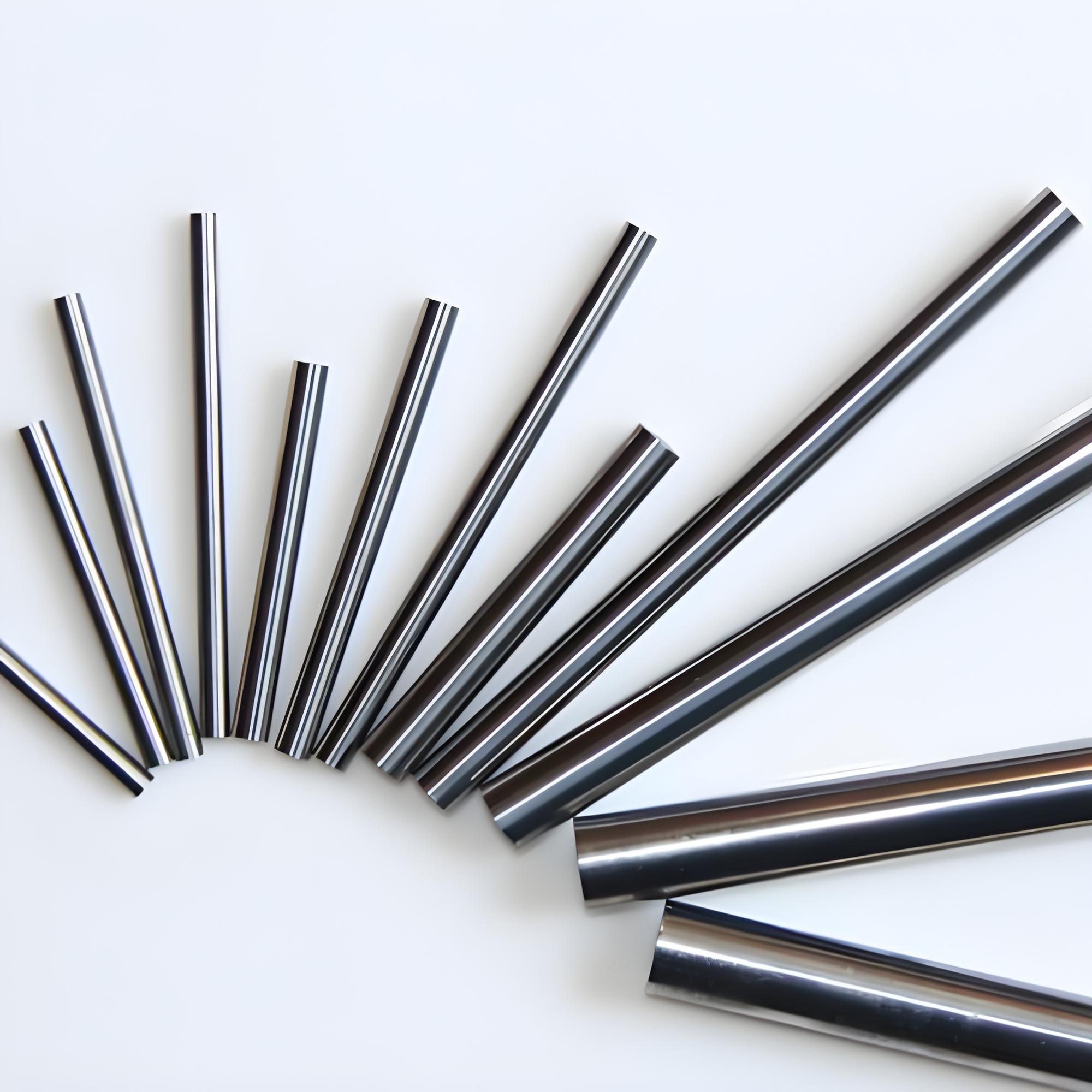
Incoloy 20 round bar price per kg depends on the alloy composition, bar size, manufacturing method, surface finish, tolerance, certificates, inspectio...
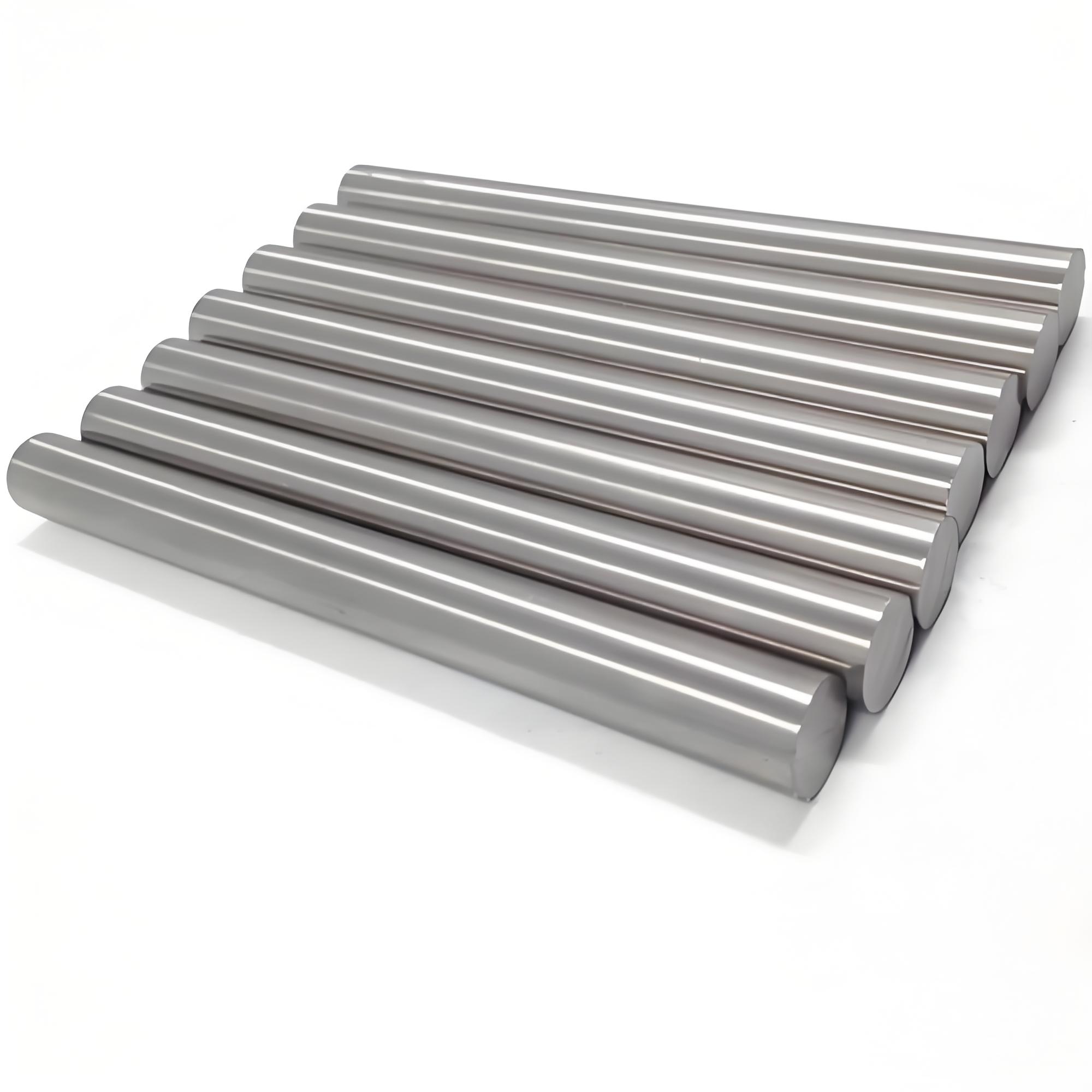
Hastelloy G-30 N06030 bar factory price is determined by the alloy’s high nickel, chromium, iron, molybdenum, copper, and tungsten content, together...
 English English
  Korean
 Arabic
 Spanish
 German
 Portuguese
 French
 Russian
 Italian
 Vietnamese