
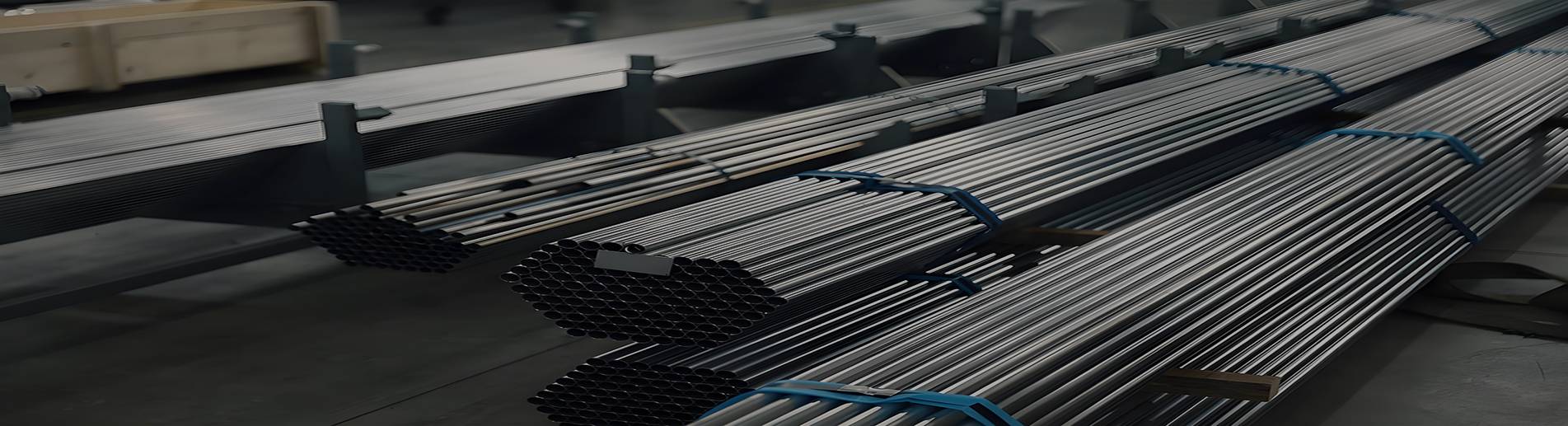
Inconel 617 alloy round bar price per kilogram
Inconel 617 alloy round bar price per kilogram is commonly about USD 45 to 90 per kg for standard industrial stock sizes. Large forged bars, small pre...
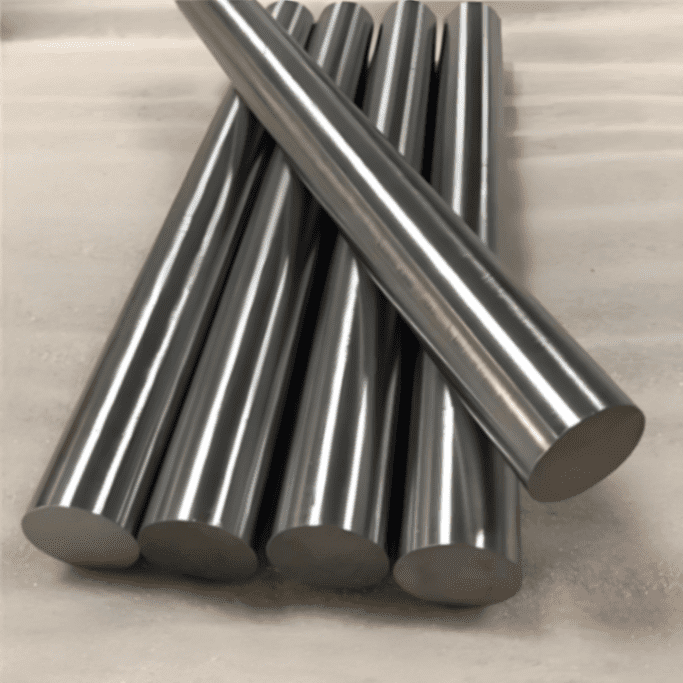
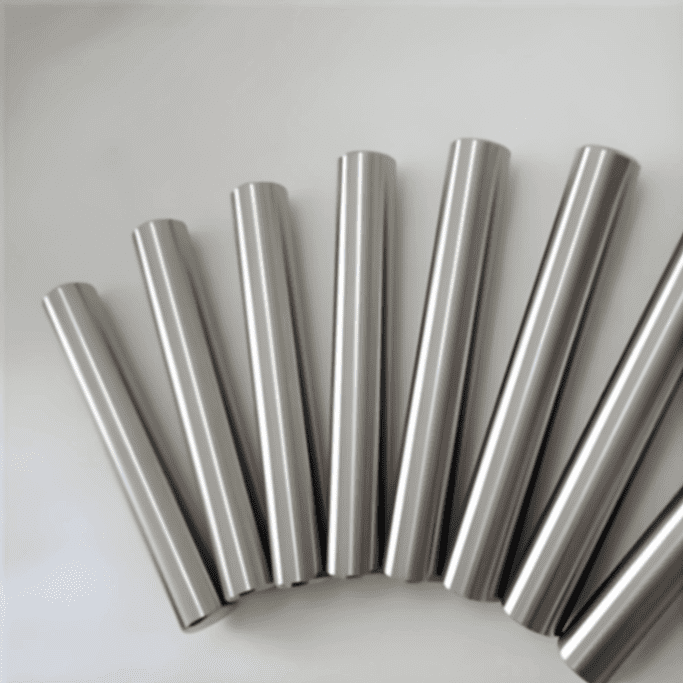
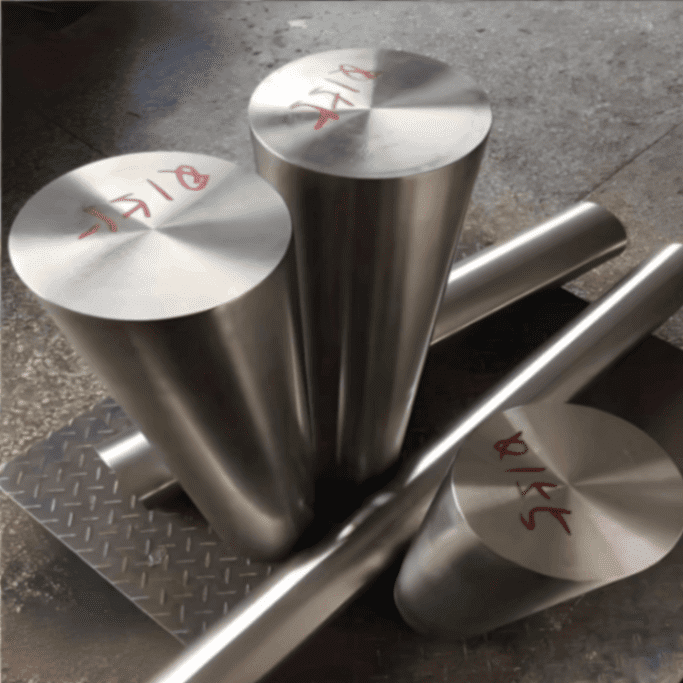
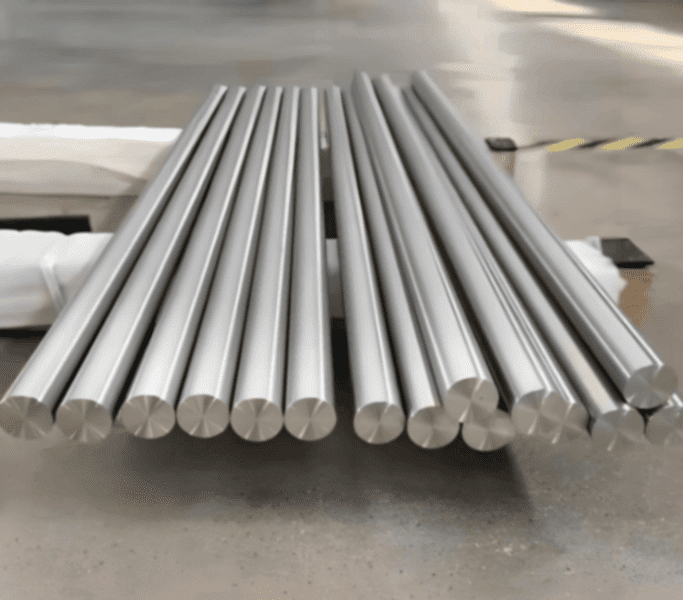
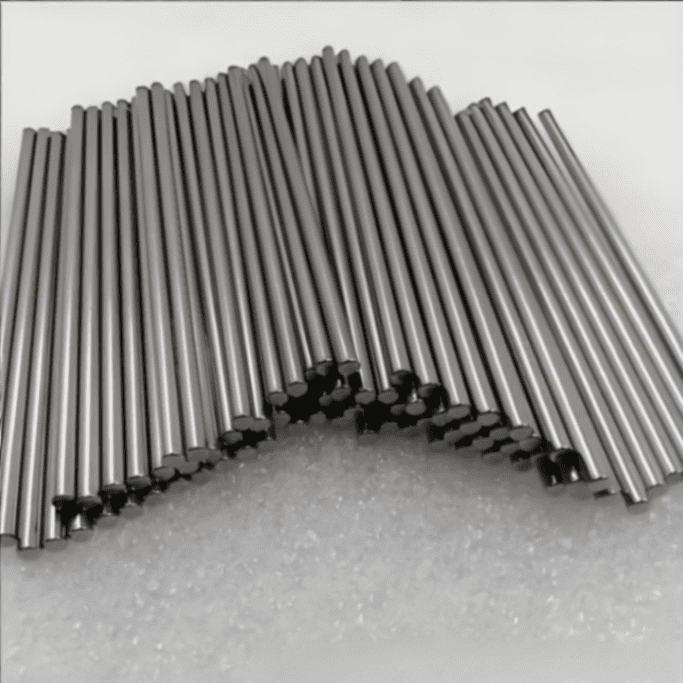
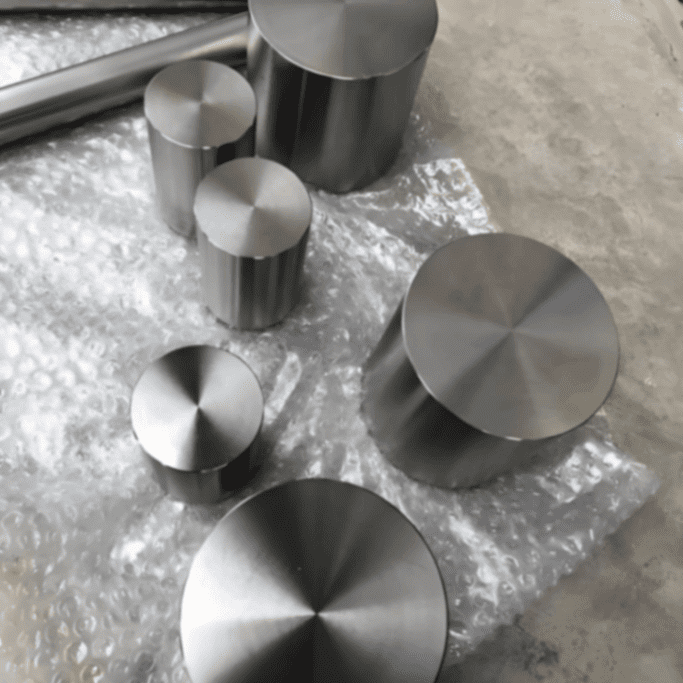
Alloy 400 and Monel 400 are two names that frequently appear in materials specifications, often causing confusion among engineers, procurement professionals, and designers. The short answer is that they refer to the exact same nickel-copper alloy. “Monel 400” is the original trademarked name that has become the industry standard designation, while “Alloy 400” is the generic nomenclature used in modern standards and technical specifications. Understanding this relationship is essential when sourcing material, reviewing certifications, or specifying components for applications such as marine engineering, chemical processing, oil and gas extraction, and aerospace systems. This article provides a comprehensive explanation of the naming convention, the standard chemical composition requirements, and the performance characteristics that define this versatile nickel-copper alloy, ensuring clarity for those who work with this material.
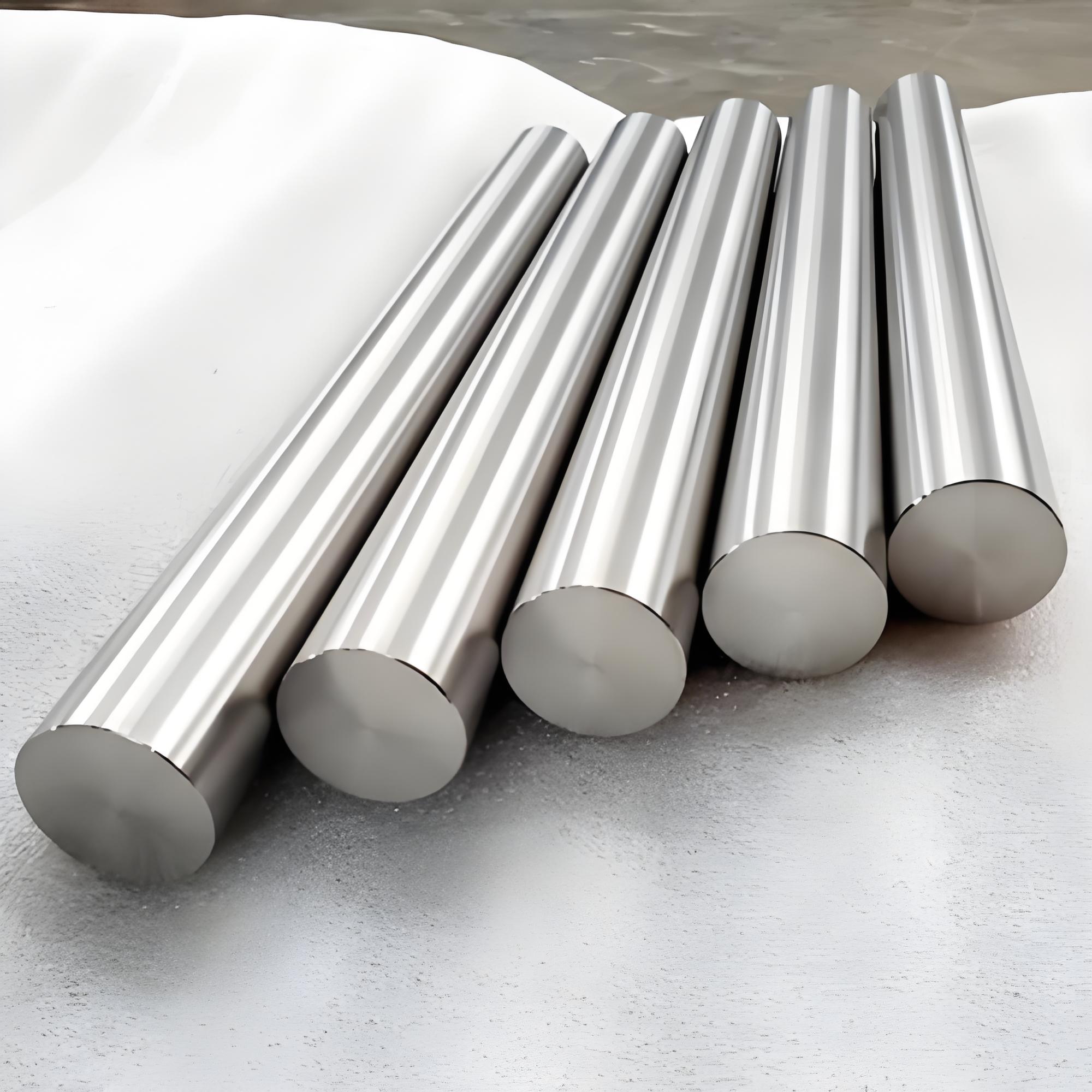
The term “Monel” originated as a trademark of the International Nickel Company (Inco) in the early 20th century. Over decades of widespread use, “Monel 400” became the common industry name for this nickel-copper alloy. Today, “Monel 400” remains the most recognized designation, but the generic term “Alloy 400” is equally correct and is increasingly used in formal specifications, particularly under ASTM, ASME, and UNS numbering systems. The following table clarifies the relationship between these designations and the applicable standards.
| Designation | Type | Applicable Standards | Usage Context |
|---|---|---|---|
| Monel 400 | Trademark-derived common name | Industry standard; recognized globally | General purchasing, informal specifications, and traditional industry terminology |
| Alloy 400 | Generic designation | ASTM, ASME, AMS, UNS N04400 | Formal specifications, engineering drawings, and international standards |
| UNS N04400 | Unified Numbering System | ASTM, ASME, SAE | Material traceability, certifications, and formal documentation |
| NiCu30Fe | European Standard (EN) designation | EN 2.4360 | European specifications and international trade |
Shanghai NC Metal Materials Co., Ltd. supplies this alloy under both designations, providing customers with material that meets all applicable standards regardless of whether they specify Monel 400 or Alloy 400. The key point is that there is no technical difference between the two—they represent the same chemical composition, mechanical properties, and performance characteristics.
Whether called Alloy 400 or Monel 400, the chemical composition is defined by the same strict limits under ASTM B127, ASTM B164, and other relevant specifications. This nickel-copper alloy is characterized by high nickel content with significant copper addition, providing exceptional corrosion resistance in a wide range of environments. The table below presents the standard chemical composition requirements as defined by ASTM specifications.
| Element | Composition (wt%) – Minimum | Composition (wt%) – Maximum | Role in Alloy Performance |
|---|---|---|---|
| Nickel (Ni) | 63.0 | 70.0 | Provides corrosion resistance in reducing environments, seawater, and alkaline solutions |
| Copper (Cu) | 28.0 | 34.0 | Enhances corrosion resistance in seawater and reducing acids; contributes to solid-solution strength |
| Iron (Fe) | — | 2.50 | Residual element; controlled to maintain corrosion resistance and magnetic properties |
| Manganese (Mn) | — | 2.00 | Deoxidizer; improves hot workability |
| Carbon (C) | — | 0.30 | Controlled to maintain ductility and corrosion resistance |
| Silicon (Si) | — | 0.50 | Deoxidizer; higher levels can reduce toughness |
| Sulfur (S) | — | 0.024 | Strictly limited to maintain hot workability |
Shanghai NC Metal Materials Co., Ltd. provides certified material test reports that document the actual chemical composition of each production lot, ensuring compliance with these requirements regardless of whether the customer specifies Alloy 400 or Monel 400.
The mechanical properties of Alloy 400 and Monel 400 are identical, as they refer to the same material. The alloy is available in various conditions—annealed, stress-relieved, and cold-worked—each offering different combinations of strength and ductility. The following table presents the typical mechanical properties for Alloy 400/Monel 400 in the annealed condition, which is the most common supply state for further fabrication.
| Mechanical Property | Annealed Condition (Typical) | Cold Worked Condition (Typical) | Applicable Test Method |
|---|---|---|---|
| Tensile Strength (Ultimate) | 480 – 550 MPa | 550 – 700 MPa | ASTM E8 |
| Yield Strength (0.2% Offset) | 170 – 240 MPa | 380 – 550 MPa | ASTM E8 |
| Elongation (in 50 mm) | 35 – 50% | 15 – 30% | ASTM E8 |
| Hardness (Rockwell B) | 60 – 80 HRB | 80 – 95 HRB | ASTM E18 |
| Modulus of Elasticity | 179 GPa | 179 GPa | ASTM E111 |
| Modulus of Rigidity | 65 GPa | 65 GPa | ASTM E143 |
The alloy’s mechanical properties are notable for their combination of good strength and exceptional ductility in the annealed condition. Cold working significantly increases strength while reducing ductility, offering flexibility for applications requiring higher load-bearing capacity. Shanghai NC Metal Materials Co., Ltd. supplies Alloy 400/Monel 400 in both conditions to meet diverse application requirements.
As with mechanical properties, the physical characteristics of Alloy 400 and Monel 400 are identical. These properties influence material behavior in service, including thermal expansion, heat transfer, and magnetic response. The table below summarizes the key physical properties for this alloy at room temperature.
| Physical Property | Metric Value | Imperial Value | Significance |
|---|---|---|---|
| Density (at 20°C) | 8.80 g/cm³ | 0.318 lb/in³ | Moderately dense; influences component weight calculations |
| Melting Range | 1300°C – 1350°C | 2370°F – 2460°F | Wide melting range; influences casting and welding practices |
| Thermal Conductivity (at 20°C) | 21.8 W/m·K | 151 BTU·in/(hr·ft²·°F) | Moderate conductivity; influences heat transfer design |
| Specific Heat Capacity (20°C – 100°C) | 427 J/kg·K | 0.102 BTU/lb·°F | Affects thermal response and energy requirements |
| Electrical Resistivity (at 20°C) | 51 µΩ·cm | 51 µΩ·cm | Moderate resistivity; relevant for electrical applications |
| Curie Temperature | Approx. 20°C – 50°C | 68°F – 122°F | Magnetic properties change near room temperature; non-magnetic above Curie point |
| Magnetic Permeability (at 20°C) | Approx. 1.003 (annealed) | Approx. 1.003 | Weakly magnetic; suitable for applications requiring low magnetic response |
Shanghai NC Metal Materials Co., Ltd. provides technical datasheets that include these physical properties, enabling engineers to accurately model and design components using Alloy 400/Monel 400.
The exceptional corrosion resistance of Alloy 400/Monel 400 is the primary reason for its widespread use in aggressive environments. The alloy performs well in seawater, reducing acids, alkaline solutions, and various chemical environments. The following table summarizes the corrosion resistance characteristics of this material across different environments.
| Environment | Corrosion Resistance Rating | Limitations and Considerations |
|---|---|---|
| Seawater and Marine Environments | Excellent | Resists pitting, crevice corrosion, and stress corrosion cracking; widely used for seawater piping, pumps, and valves |
| Sulfuric Acid (Dilute, Reducing Conditions) | Good to Excellent | Performs well in non-aerated, dilute sulfuric acid; aeration reduces resistance |
| Hydrofluoric Acid | Excellent | One of the few alloys resistant to hydrofluoric acid at various concentrations and temperatures |
| Alkaline Solutions (Sodium Hydroxide, etc.) | Excellent | Resists caustic cracking; suitable for concentrated alkaline environments |
| Chloride Solutions (Neutral) | Good | Resistant to chloride stress corrosion cracking; performs well in neutral chloride environments |
| Oxidizing Acids (Nitric Acid, etc.) | Poor | Not recommended for strongly oxidizing environments; rapid attack can occur |
| Hydrochloric Acid (Aerated) | Poor | Aerated hydrochloric acid causes rapid corrosion; use limited to reducing conditions |
This corrosion resistance profile makes Alloy 400/Monel 400 the material of choice for marine hardware, chemical processing equipment, oil and gas components, and seawater handling systems. Shanghai NC Metal Materials Co., Ltd. supplies this alloy with full traceability to ensure consistent performance in these demanding applications.
Alloy 400 and Monel 400 are available in a comprehensive range of product forms to accommodate diverse manufacturing requirements. Shanghai NC Metal Materials Co., Ltd. offers the following product forms, all of which meet the applicable ASTM specifications regardless of designation.
| Product Form | Dimension Range | Available Conditions | Applicable Standards |
|---|---|---|---|
| Round Bar | 3 mm – 250 mm diameter | Annealed, cold drawn, stress relieved | ASTM B164, ASME SB164 |
| Flat Bar / Rectangular Bar | Thickness: 5 mm – 100 mm Width: 10 mm – 300 mm |
Annealed, cold finished | ASTM B127, ASME SB127 |
| Plate / Sheet | Thickness: 1 mm – 50 mm Width: up to 1500 mm |
Annealed, hot rolled, cold rolled | ASTM B127, ASME SB127 |
| Hexagonal Bar | Across flats: 6 mm – 65 mm | Annealed, cold finished | ASTM B164 |
| Square Bar | 6 mm – 100 mm | Annealed, cold finished | ASTM B164 |
| Pipe / Tube (Seamless) | 6 mm – 300 mm OD | Annealed, cold drawn | ASTM B165, ASME SB165 |
| Wire / Rod | 0.5 mm – 12 mm diameter | Annealed, cold drawn | ASTM B164, AWS A5.14 |
Shanghai NC Metal Materials Co., Ltd. maintains inventory of common sizes and can source custom dimensions to meet specific project requirements, all supplied with full certification and traceability.
The identical performance characteristics of Alloy 400 and Monel 400 make them suitable for the same range of applications across multiple industries. The following table highlights typical applications and the reasons for material selection.
| Industry | Typical Applications | Reason for Material Selection |
|---|---|---|
| Marine Engineering | Pump shafts, valve stems, seawater piping, propeller shafts, fasteners | Excellent resistance to seawater corrosion and biofouling; good strength and toughness |
| Chemical Processing | Heat exchangers, evaporators, reaction vessels, piping systems | Resistance to reducing acids, hydrofluoric acid, and alkaline solutions |
| Oil and Gas | Downhole equipment, wellhead components, valves, instrumentation | Combined corrosion resistance and mechanical properties; sour gas resistance |
| Aerospace | Fuel systems, hydraulic lines, structural components, fasteners | Good mechanical properties across temperature range; resistance to fuel and hydraulic fluids |
| Power Generation | Steam generator tubing, feedwater heaters, condenser tubes | Resistance to corrosion in high-temperature water and steam environments |
| Pulp and Paper | Digester components, black liquor handling equipment, screens | Resistance to alkaline pulping liquors and corrosive papermaking chemicals |
Shanghai NC Metal Materials Co., Ltd. serves all these industries, providing material expertise and reliable supply to support critical applications.
Is Alloy 400 the same material as Monel 400?
Yes, Alloy 400 and Monel 400 are exactly the same material. “Monel 400” is the original trademarked name that became the industry standard, while “Alloy 400” is the generic designation used in modern technical specifications such as ASTM, ASME, and UNS N04400. Both refer to the nickel-copper alloy with approximately 67% nickel and 30% copper, offering identical chemical composition, mechanical properties, and corrosion resistance. Shanghai NC Metal Materials Co., Ltd. supplies this material under both designations with full certification.
What are the standard specifications for Alloy 400/Monel 400 bar?
Alloy 400/Monel 400 round bar is governed primarily by ASTM B164 and ASME SB164 for rod and bar products. For plate, sheet, and strip, ASTM B127 and ASME SB127 apply. The Unified Numbering System designation is UNS N04400, and the European Standard designation is NiCu30Fe (EN 2.4360). Shanghai NC Metal Materials Co., Ltd. supplies bar products that meet these specifications, providing material test reports that document compliance with all applicable requirements.
Does Alloy 400 have the same corrosion resistance as Monel 400?
Yes, Alloy 400 and Monel 400 have identical corrosion resistance because they are the same material with the same chemical composition. Both offer excellent resistance to seawater, reducing acids such as sulfuric and hydrofluoric acid, and alkaline solutions. Both are susceptible to attack in oxidizing environments such as aerated hydrochloric acid or nitric acid. When specifying material for corrosion service, either designation is acceptable, and Shanghai NC Metal Materials Co., Ltd. ensures that all supplied material meets the required corrosion performance standards regardless of the naming convention used.
More from this category
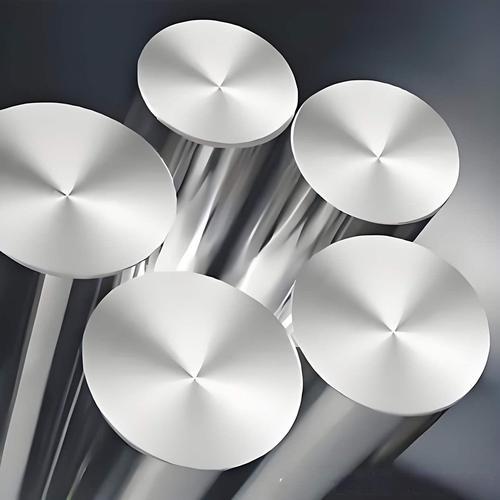
Inconel 617 alloy round bar price per kilogram is commonly about USD 45 to 90 per kg for standard industrial stock sizes. Large forged bars, small pre...
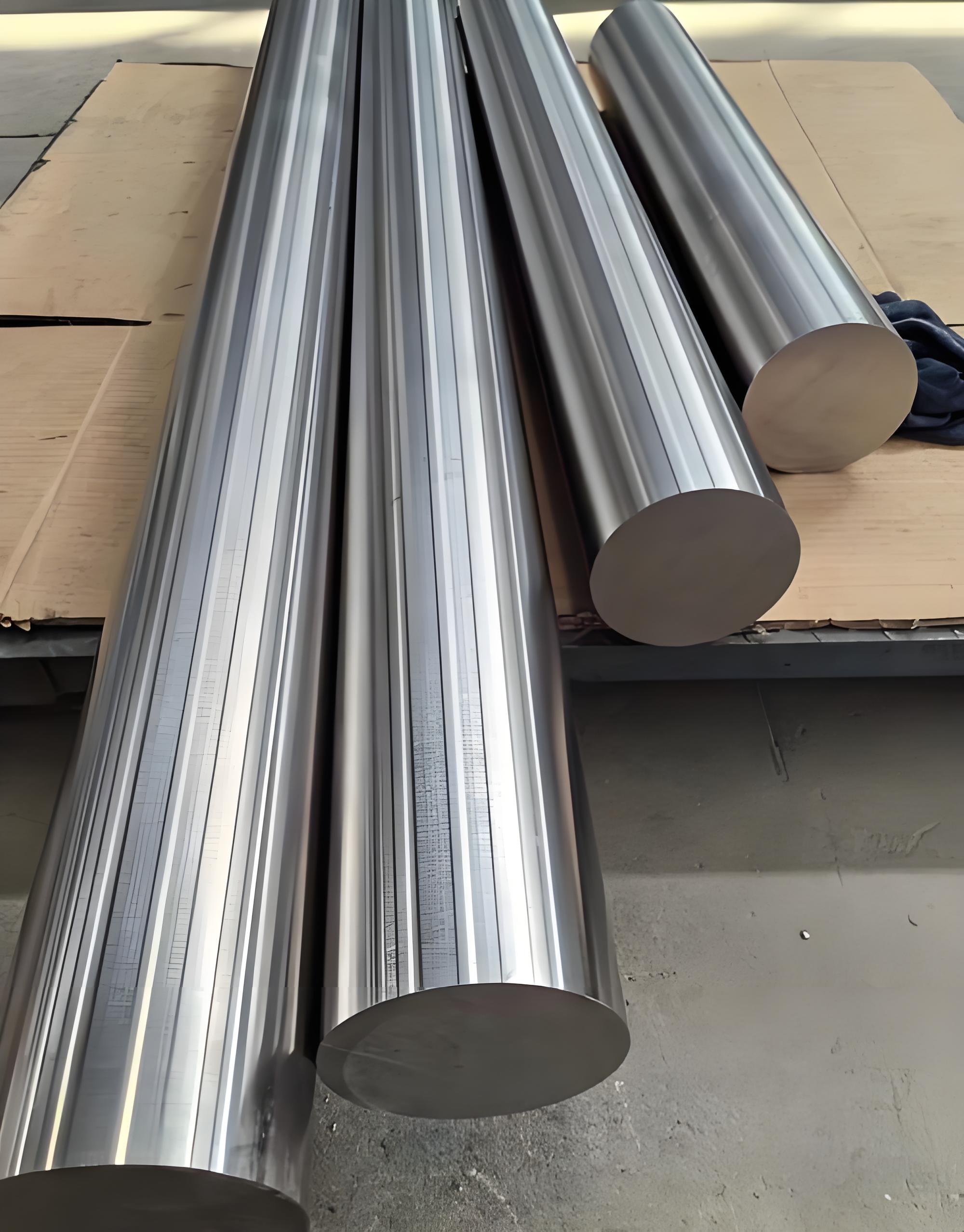
The latest Inconel 625 alloy bar price per kg depends on nickel, molybdenum, niobium, and chromium raw material costs, as well as bar diameter, manufa...
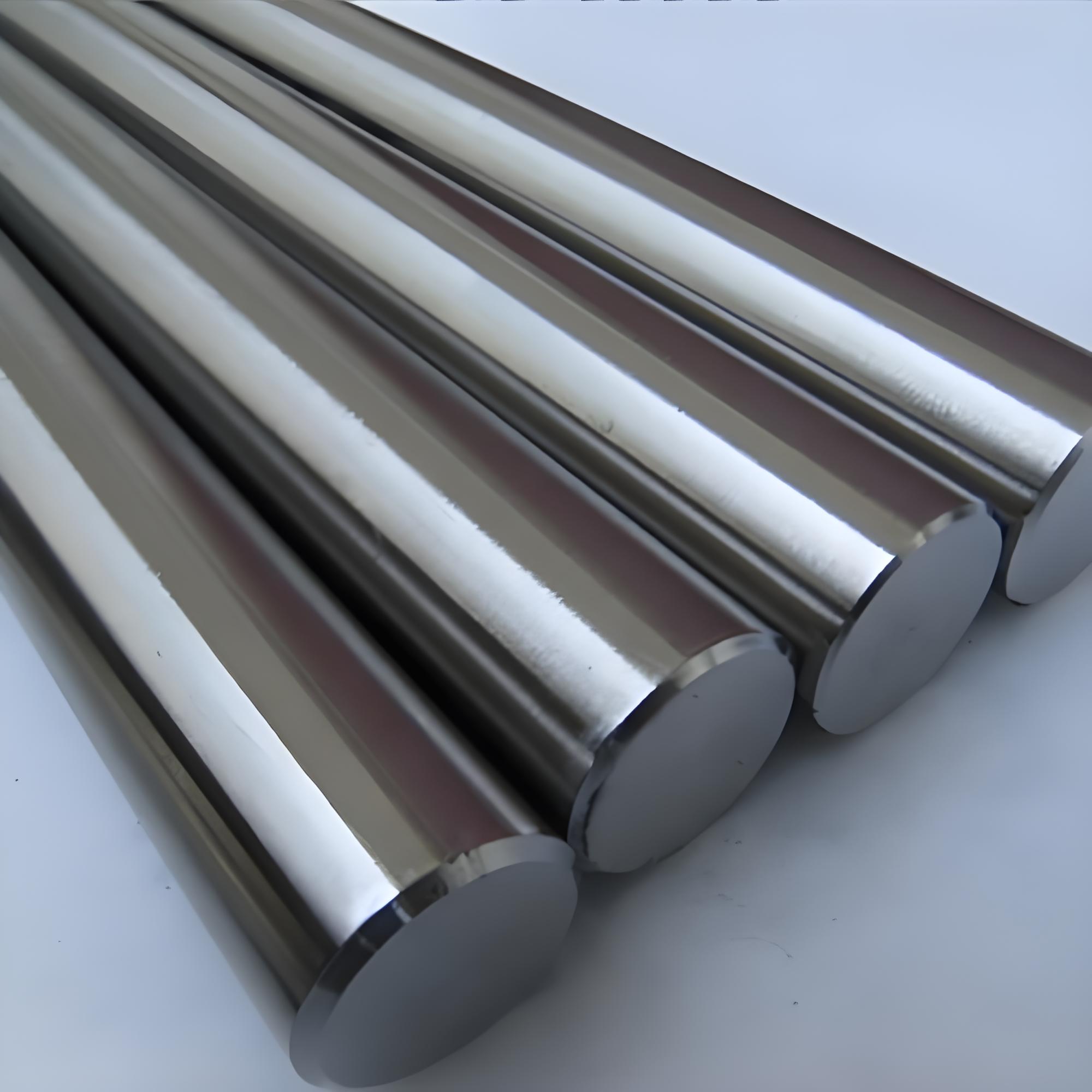
Inconel X-750 alloy bar price depends on nickel raw material cost, bar diameter, product condition, heat treatment, specification, surface finish, dim...
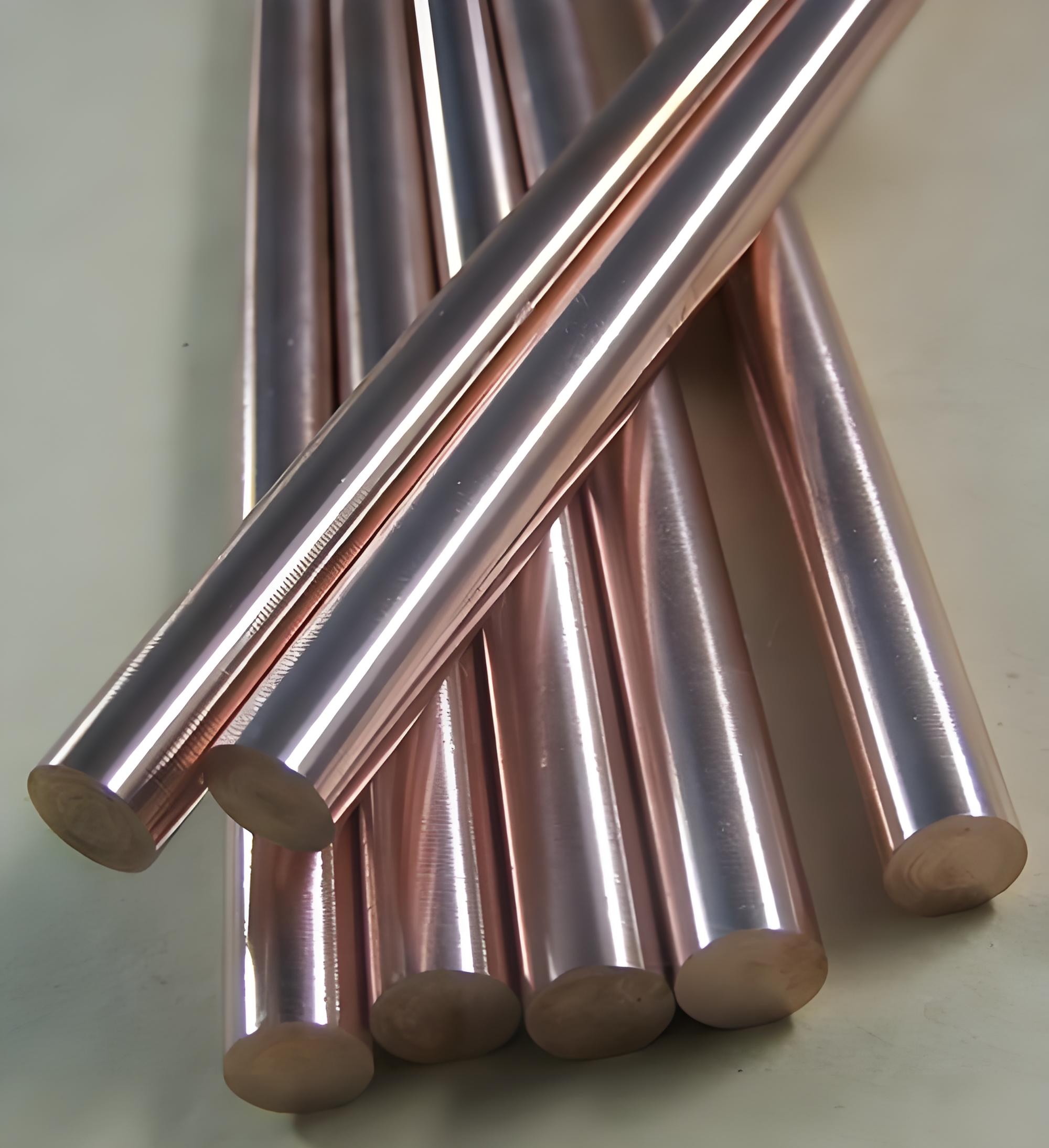
Inconel 602CA alloy bar price per kg is usually higher than common Inconel 600 and Inconel 601 bars because Alloy 602CA is a premium high-temperature ...
 English English
  Korean
 Arabic
 Spanish
 German
 Portuguese
 French
 Russian
 Italian
 Vietnamese