
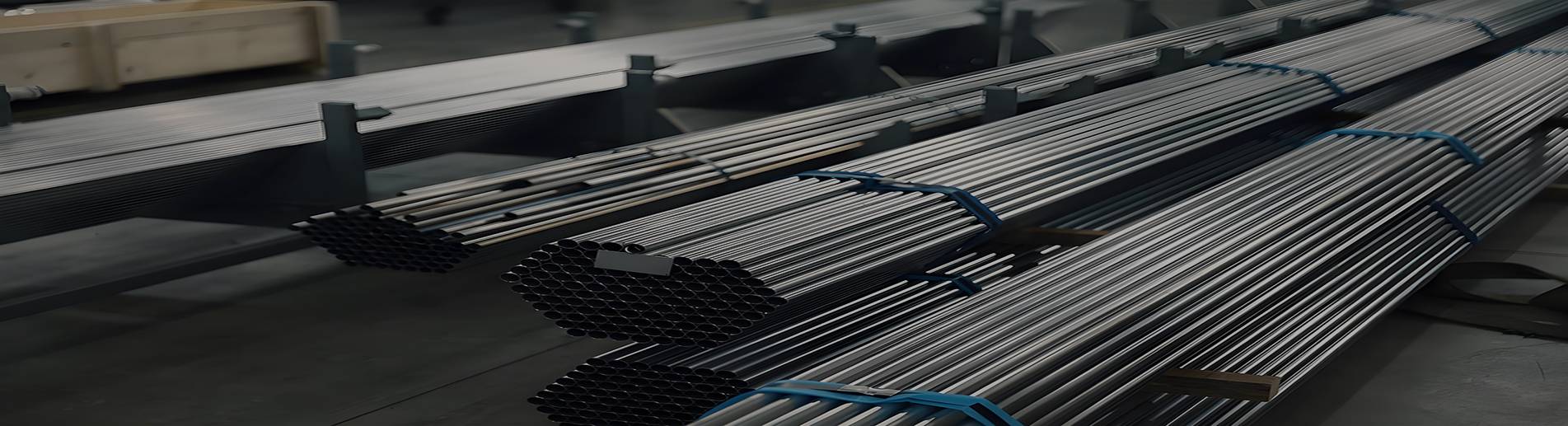
Inconel 617 alloy round bar price per kilogram
Inconel 617 alloy round bar price per kilogram is commonly about USD 45 to 90 per kg for standard industrial stock sizes. Large forged bars, small pre...
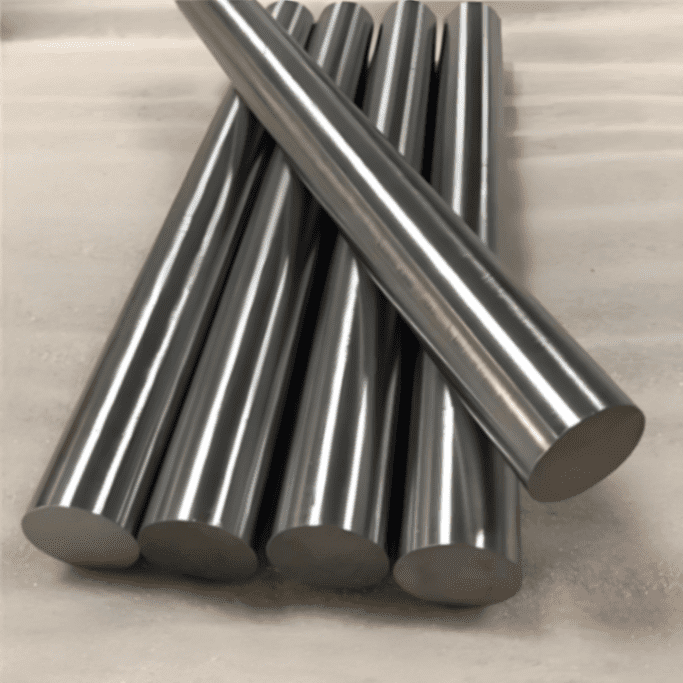
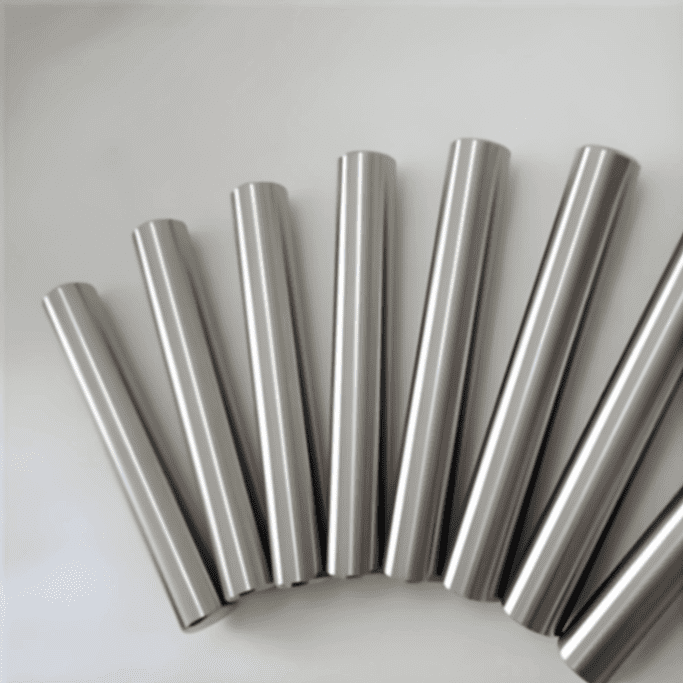
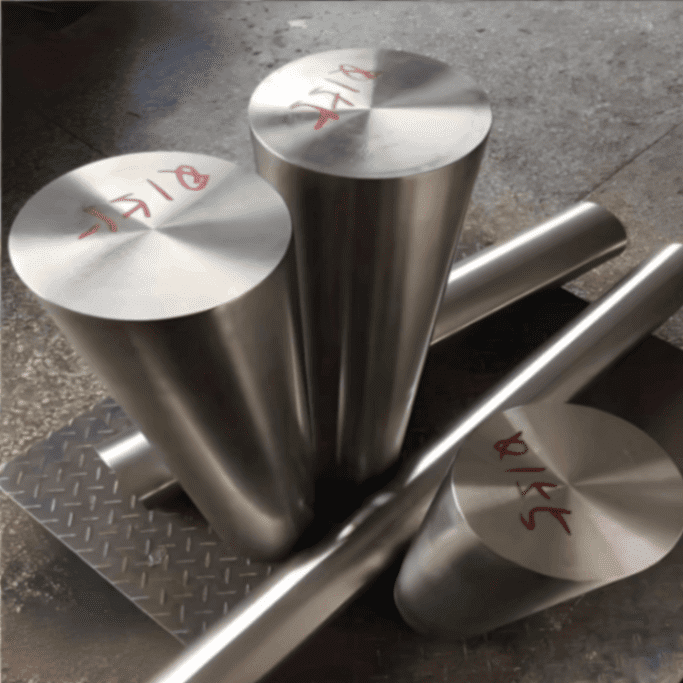
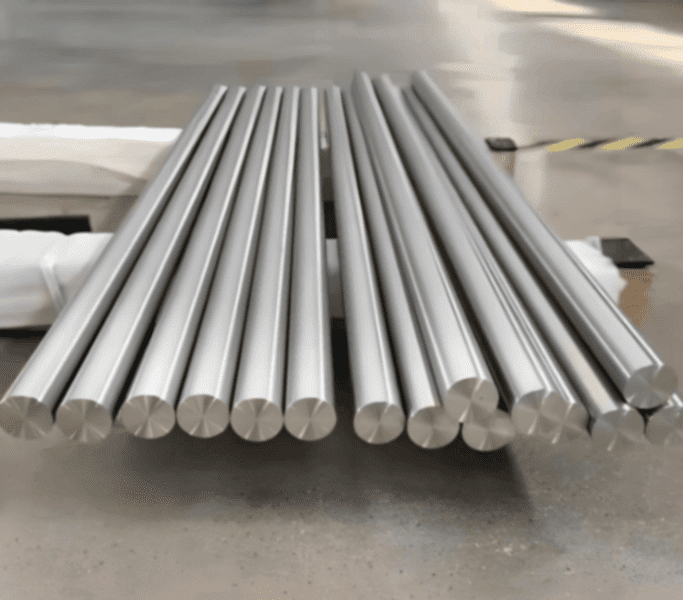
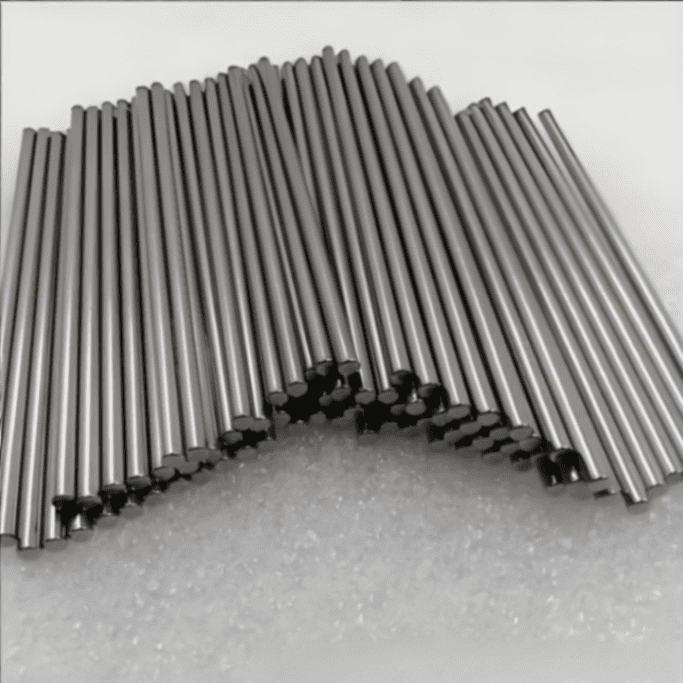
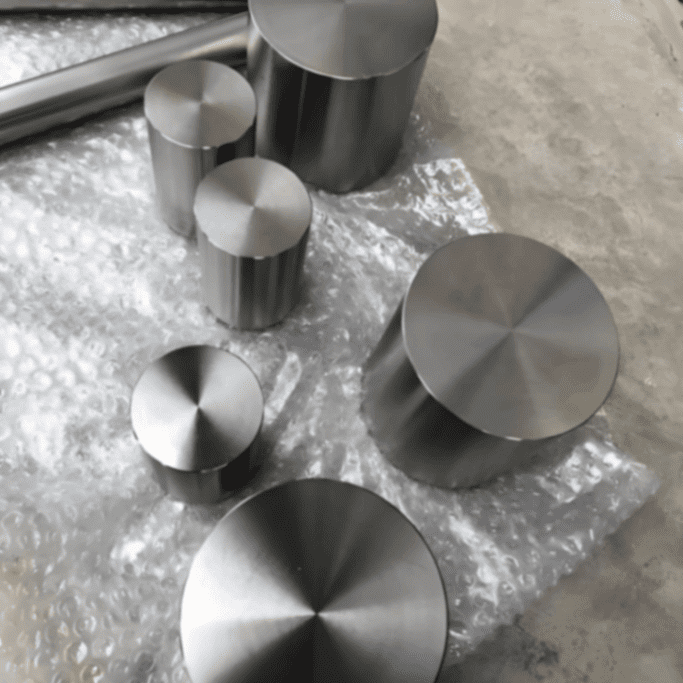
Monel K-500 is a precipitation-hardenable nickel-copper alloy that combines the excellent corrosion resistance of Monel 400 with enhanced strength and hardness achieved through the addition of aluminum and titanium, followed by controlled heat treatment. The ASTM standards governing Monel K-500 define precise chemical composition ranges that ensure consistent material properties across different product forms and manufacturing sources. Understanding these chemical composition requirements is essential for engineers, quality assurance professionals, and procurement specialists who specify this alloy for demanding applications in marine engineering, oil and gas extraction, aerospace components, and chemical processing equipment. This article provides a comprehensive overview of the ASTM standard chemical composition for Monel K-500, including the specific requirements for each element, the role of key alloying elements in determining material properties, and how composition varies across different product forms and specifications.
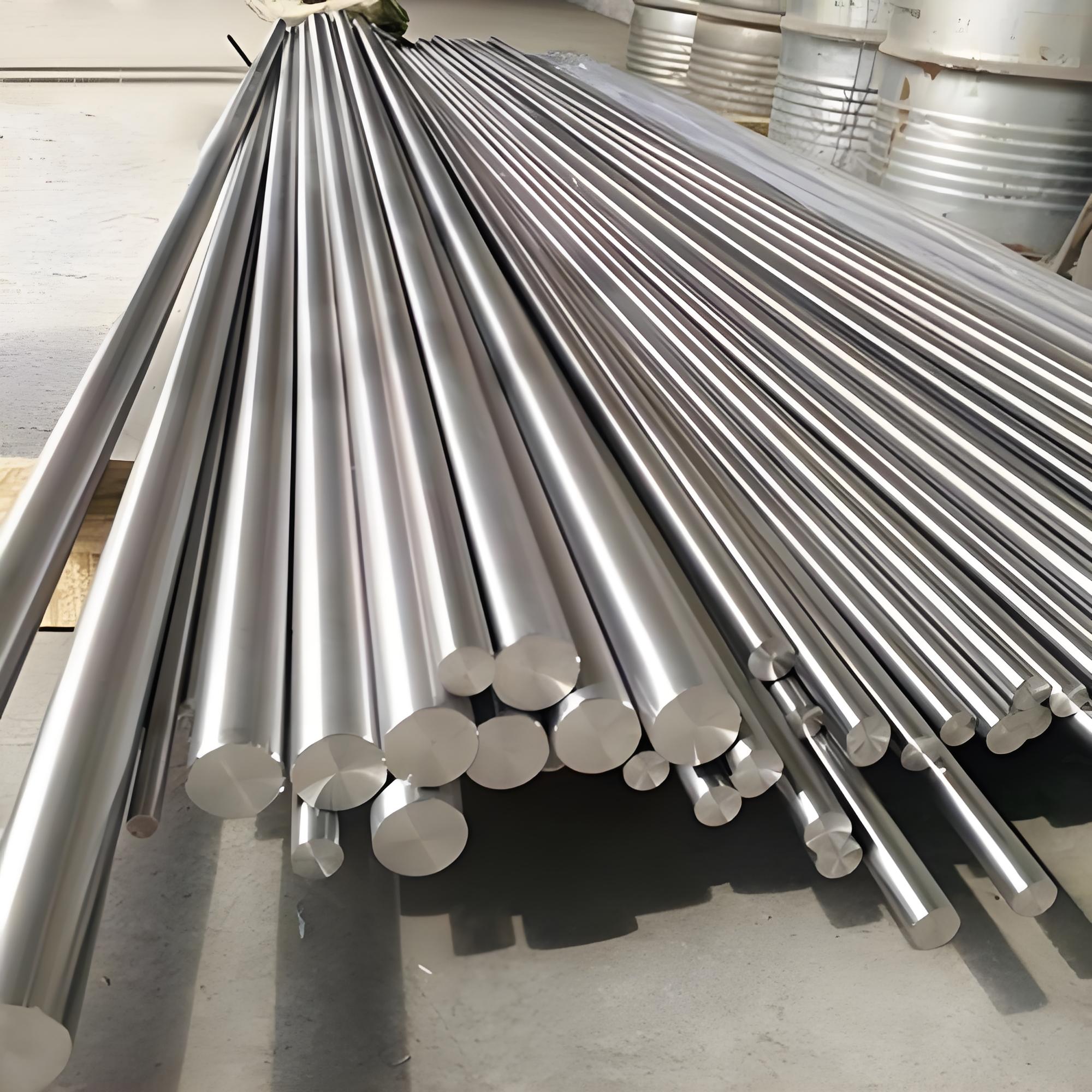
Monel K-500 is primarily governed by ASTM B865, which is the standard specification for precipitation-hardening nickel-copper alloy rods, bars, forgings, and forgings stock. Additional ASTM standards may apply depending on the product form and specific application requirements. The table below summarizes the primary ASTM standards that define chemical composition requirements for Monel K-500 across various product forms.
| ASTM Standard | Product Form Covered | Scope of Chemical Composition |
|---|---|---|
| ASTM B865 | Rods, bars, forgings, and forging stock | Primary specification defining chemical composition limits for Monel K-500 in wrought forms |
| ASTM B564 | Nickel alloy forgings | Chemical composition requirements for forged Monel K-500 products |
| ASTM B127 | Plate, sheet, and strip | Chemical composition for Monel K-500 in flat-rolled forms |
| ASTM B725 | Welded pipe and tube | Composition requirements for Monel K-500 welded products |
| ASTM B751 | General requirements for nickel alloy products | Supplementary composition and testing requirements |
Shanghai NC Metal Materials Co., Ltd. supplies Monel K-500 products that fully comply with these ASTM standards, providing certified material test reports that document the actual chemical composition of each production lot.
ASTM B865 establishes the chemical composition requirements for Monel K-500 wrought products. The alloy is characterized by a high nickel content, significant copper addition, and carefully controlled levels of aluminum and titanium to enable precipitation hardening. The following table presents the standard chemical composition limits as defined by ASTM B865.
| Element | Composition (wt%) – Minimum | Composition (wt%) – Maximum | Role in Alloy Performance |
|---|---|---|---|
| Nickel (Ni) | 63.0 | 70.0 | Base element providing corrosion resistance, particularly in reducing environments and seawater |
| Copper (Cu) | 27.0 | 33.0 | Enhances corrosion resistance in seawater and reducing acids; contributes to solid-solution strengthening |
| Aluminum (Al) | 2.30 | 3.15 | Key precipitation-hardening element; forms Ni₃Al (gamma prime) phase during heat treatment |
| Titanium (Ti) | 0.35 | 0.85 | Precipitation-hardening element; complements aluminum to optimize aging response and strength |
| Iron (Fe) | 0 | 2.00 | Residual element; limited to maintain corrosion resistance and magnetic properties |
| Manganese (Mn) | 0 | 1.50 | Deoxidizer; limited to maintain ductility and corrosion resistance |
| Silicon (Si) | 0 | 0.50 | Deoxidizer; higher levels can reduce toughness and corrosion resistance |
| Carbon (C) | 0 | 0.25 | Controlled to maintain ductility and weldability; higher carbon can reduce corrosion resistance |
| Sulfur (S) | 0 | 0.010 | Strictly limited to maintain hot workability and corrosion resistance |
The combination of aluminum and titanium in Monel K-500 distinguishes it from Monel 400. The total aluminum plus titanium content typically ranges from 2.7% to 3.7%, which enables the precipitation hardening that gives Monel K-500 its characteristic high strength and hardness after appropriate aging heat treatment.
Understanding the compositional differences between Monel K-500 and Monel 400 helps explain their distinct mechanical properties and application suitability. While both alloys share the same nickel-copper base, the addition of aluminum and titanium in Monel K-500 enables precipitation hardening. The following table provides a side-by-side comparison of the chemical composition requirements for both alloys as defined by their respective ASTM standards.
| Element (wt%) | Monel K-500 (ASTM B865) | Monel 400 (ASTM B127) | Significance of Difference |
|---|---|---|---|
| Nickel (Ni) | 63.0 – 70.0 | 63.0 – 70.0 | Similar nickel range; both alloys have equivalent corrosion resistance in many environments |
| Copper (Cu) | 27.0 – 33.0 | 28.0 – 34.0 | Virtually identical copper content; both alloys share the same base corrosion characteristics |
| Aluminum (Al) | 2.30 – 3.15 | Not specified (typically ≤0.50) | Key differentiator; aluminum enables precipitation hardening in Monel K-500 |
| Titanium (Ti) | 0.35 – 0.85 | Not specified (typically trace) | Titanium works with aluminum to form gamma prime precipitates during aging |
| Iron (Fe) | ≤2.00 | ≤2.50 | Similar iron limits; both alloys maintain high nickel and copper content |
| Carbon (C) | ≤0.25 | ≤0.30 | Slightly lower carbon limit in K-500 to optimize aging response |
| Manganese (Mn) | ≤1.50 | ≤2.00 | Slightly lower manganese in K-500 to maintain precipitation hardening efficiency |
Shanghai NC Metal Materials Co., Ltd. provides both Monel K-500 and Monel 400 with full compositional certification, enabling customers to select the appropriate alloy based on whether precipitation hardening capability is required for their specific application.
While ASTM B865 provides the primary composition requirements for Monel K-500 rods, bars, and forgings, other ASTM standards may apply to different product forms. These specifications maintain essentially the same chemical composition limits but may have minor variations to accommodate different manufacturing processes. The table below summarizes the composition requirements across various product forms.
| Element (wt%) | ASTM B865 (Bar/Rod/Forging) |
ASTM B127 (Plate/Sheet/Strip) |
ASTM B725 (Welded Pipe/Tube) |
ASTM B564 (Forgings) |
|---|---|---|---|---|
| Nickel (Ni) | 63.0 – 70.0 | 63.0 – 70.0 | 63.0 – 70.0 | 63.0 – 70.0 |
| Copper (Cu) | 27.0 – 33.0 | Remainder | 27.0 – 33.0 | 27.0 – 33.0 |
| Aluminum (Al) | 2.30 – 3.15 | 2.30 – 3.15 | 2.30 – 3.15 | 2.30 – 3.15 |
| Titanium (Ti) | 0.35 – 0.85 | 0.35 – 0.85 | 0.35 – 0.85 | 0.35 – 0.85 |
| Iron (Fe) | ≤2.00 | ≤2.50 | ≤2.00 | ≤2.00 |
| Manganese (Mn) | ≤1.50 | ≤1.50 | ≤1.50 | ≤1.50 |
| Silicon (Si) | ≤0.50 | ≤0.50 | ≤0.50 | ≤0.50 |
| Carbon (C) | ≤0.25 | ≤0.25 | ≤0.25 | ≤0.25 |
| Sulfur (S) | ≤0.010 | ≤0.010 | ≤0.010 | ≤0.010 |
Shanghai NC Metal Materials Co., Ltd. maintains strict adherence to these composition requirements across all product forms, ensuring that customers receive material that meets the specific ASTM standard applicable to their intended application.
The specific chemical composition of Monel K-500 is carefully balanced to achieve the desired combination of corrosion resistance, mechanical properties, and precipitation-hardening response. The following table explains the function of each major alloying element and the consequences of deviating from the specified ranges.
| Element | Primary Function | Effect of Low Content | Effect of High Content |
|---|---|---|---|
| Nickel (Ni) | Base element; provides corrosion resistance in reducing environments, seawater, and alkaline solutions | Reduced corrosion resistance; increased susceptibility to stress corrosion cracking | Increased cost; potential for reduced machinability; minimal benefit beyond specified range |
| Copper (Cu) | Enhances corrosion resistance in seawater and reducing acids; contributes to solid-solution strength | Reduced corrosion resistance in marine environments; lower resistance to reducing acids | Potential for reduced ductility; minimal additional corrosion benefit beyond 33% |
| Aluminum (Al) | Forms Ni₃Al (gamma prime) precipitates for precipitation hardening; deoxidizer | Insufficient precipitation hardening response; reduced achievable strength and hardness | Brittleness; reduced ductility; potential for hot cracking during processing |
| Titanium (Ti) | Complements aluminum in precipitation hardening; enhances aging response; acts as deoxidizer | Reduced aging response; lower strength after heat treatment; potential for insufficient precipitation | Brittleness; formation of undesirable phases; reduced toughness |
| Iron (Fe) | Residual element; limited to maintain corrosion resistance and magnetic properties | No minimum specified; low iron is acceptable and often preferred | Reduced corrosion resistance; increased magnetic permeability; potential for galvanic effects |
| Manganese (Mn) | Deoxidizer; combines with sulfur to reduce hot cracking tendency | Potential for porosity from oxygen; reduced hot workability | Reduced corrosion resistance; potential for reduced ductility |
| Carbon (C) | Controlled impurity; higher carbon can increase strength but reduces ductility | Low carbon is acceptable; improves corrosion resistance and weldability | Reduced ductility; carbide precipitation can reduce corrosion resistance; affects aging response |
| Sulfur (S) | Controlled impurity; strictly limited to maintain hot workability | Low sulfur is desirable for corrosion resistance and hot workability | Hot shortness during processing; reduced corrosion resistance; potential for pitting |
The precise control of aluminum and titanium content is particularly critical for Monel K-500. The ratio of aluminum to titanium influences the morphology and distribution of gamma prime precipitates, which directly affects the alloy’s response to aging heat treatment and the resulting mechanical properties. Shanghai NC Metal Materials Co., Ltd. ensures that all Monel K-500 products meet these tight compositional requirements through rigorous supplier qualification and incoming material inspection.
The chemical composition of Monel K-500 directly influences its mechanical properties, particularly the strength and hardness achievable through precipitation hardening. The following table illustrates how variations in key elements affect the mechanical performance of the alloy in both annealed and aged conditions.
| Element Variation | Effect on Annealed Condition | Effect on Aged (Precipitation Hardened) Condition | Application Impact |
|---|---|---|---|
| Higher Al + Ti content (within specification) | Slightly higher base strength; minimal change in ductility | Higher tensile and yield strength; increased hardness; potential slight reduction in ductility | Preferred for applications requiring maximum strength such as pump shafts and valve stems |
| Lower Al + Ti content (within specification) | Slightly lower base strength; slightly higher ductility | Lower aging response; moderate strength increase; higher ductility after aging | Preferred for applications requiring some ductility after heat treatment or cold working operations |
| Higher carbon content | Minimal effect on tensile properties | Potential for carbide formation; may slightly reduce aging response; can affect corrosion resistance | Generally undesirable; may require lower aging temperatures to avoid carbide precipitation |
| Higher iron content | Minimal effect on room temperature strength | May slightly reduce corrosion resistance; minimal effect on aging response | Critical for applications with strict corrosion requirements such as seawater service |
Shanghai NC Metal Materials Co., Ltd. provides mechanical property test data alongside chemical composition certifications, enabling customers to verify that the material meets both composition and performance requirements for their specific applications.
What is the difference between Monel K-500 and Monel 400 chemical composition?
The primary difference in chemical composition between Monel K-500 and Monel 400 is the addition of aluminum (2.30–3.15%) and titanium (0.35–0.85%) in Monel K-500. These elements enable precipitation hardening, allowing Monel K-500 to achieve significantly higher strength and hardness through aging heat treatment. Monel 400 contains only residual amounts of these elements and cannot be precipitation hardened. Both alloys share similar nickel (63–70%) and copper (27–34%) content, providing comparable corrosion resistance in many environments.
What ASTM standard specifies the chemical composition for Monel K-500 bar?
ASTM B865 is the primary standard that specifies the chemical composition requirements for Monel K-500 rods, bars, forgings, and forging stock. This standard defines the composition limits for nickel, copper, aluminum, titanium, iron, manganese, silicon, carbon, and sulfur. Shanghai NC Metal Materials Co., Ltd. supplies Monel K-500 bar that fully complies with ASTM B865 and provides certified material test reports documenting the actual chemical analysis of each production lot.
How does the aluminum and titanium content in Monel K-500 affect its properties?
The aluminum and titanium content in Monel K-500 (2.30–3.15% Al and 0.35–0.85% Ti) enables the formation of Ni₃Al (gamma prime) precipitates during aging heat treatment. These precipitates are responsible for the alloy’s precipitation-hardening response, increasing tensile strength from approximately 550 MPa in the annealed condition to over 1000 MPa in the aged condition. The specific ratio of aluminum to titanium influences the size, distribution, and stability of these precipitates, affecting the achievable strength, ductility, and the alloy’s response to different aging treatments.
More from this category
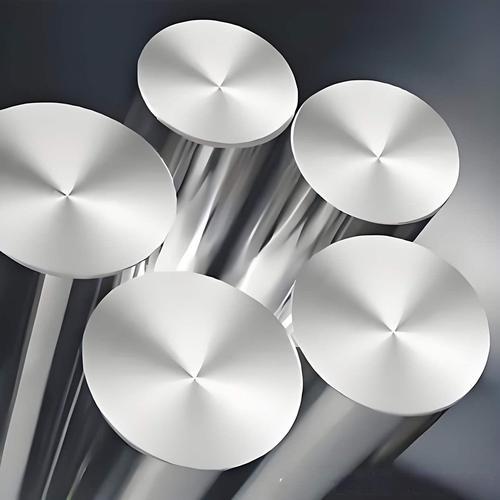
Inconel 617 alloy round bar price per kilogram is commonly about USD 45 to 90 per kg for standard industrial stock sizes. Large forged bars, small pre...
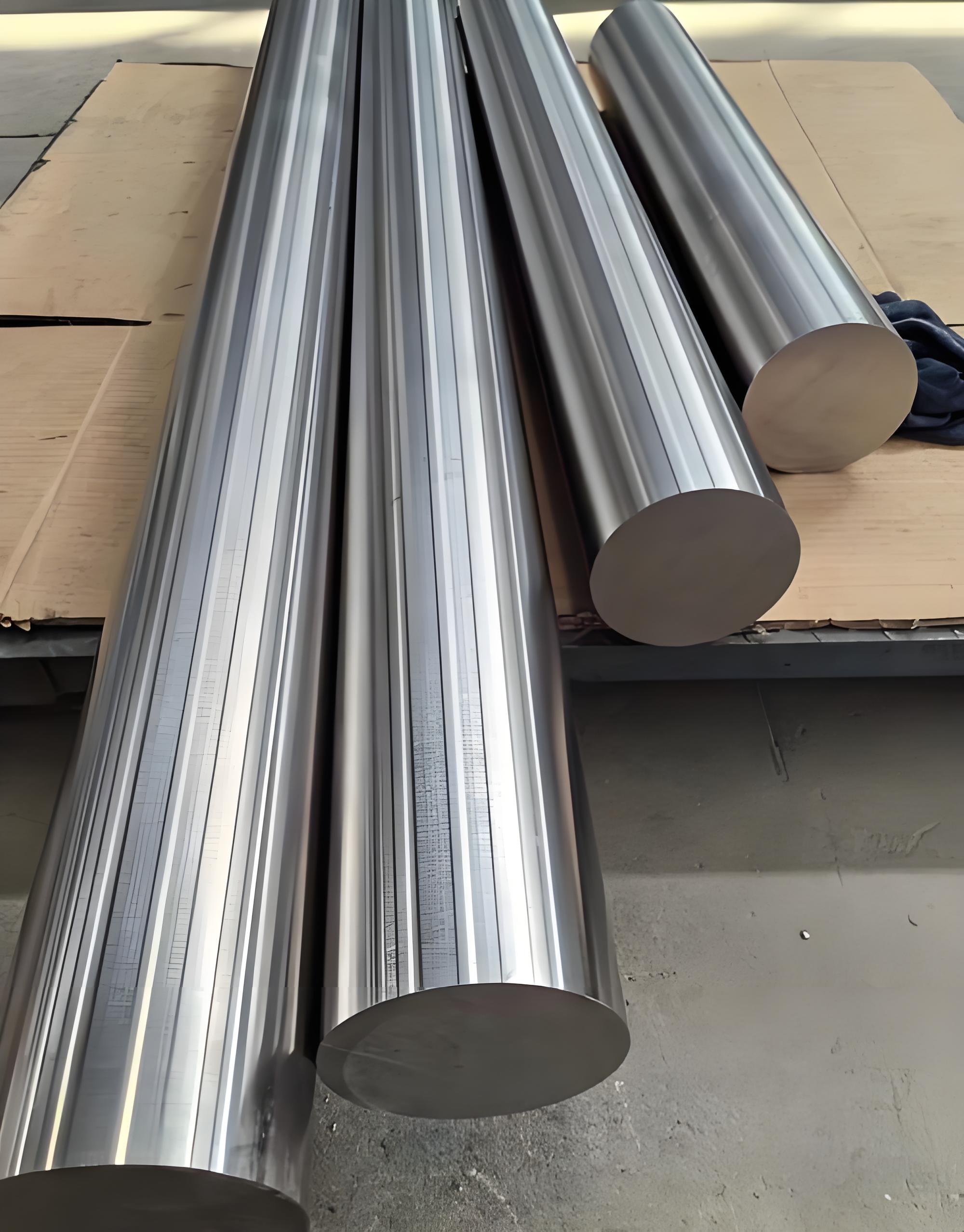
The latest Inconel 625 alloy bar price per kg depends on nickel, molybdenum, niobium, and chromium raw material costs, as well as bar diameter, manufa...
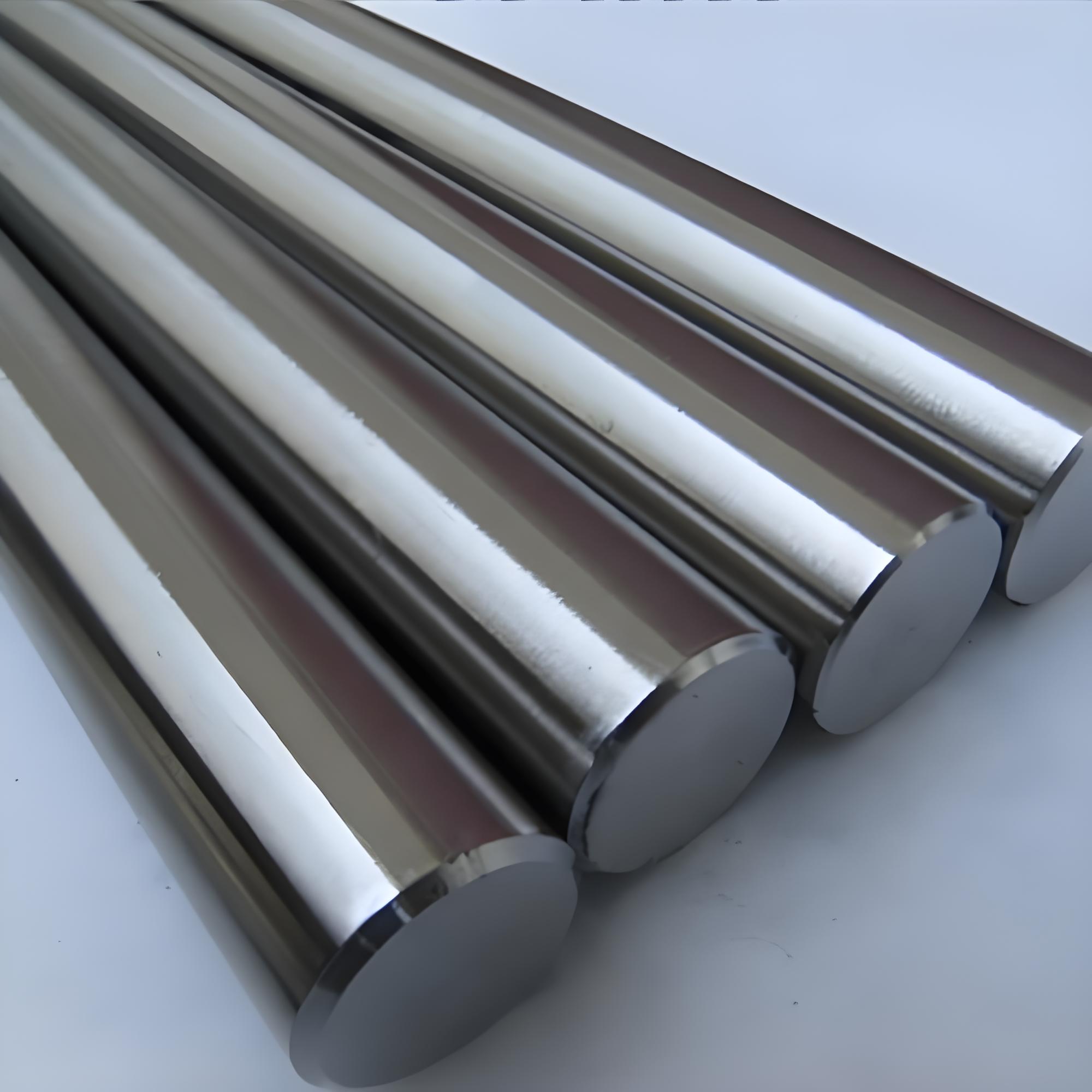
Inconel X-750 alloy bar price depends on nickel raw material cost, bar diameter, product condition, heat treatment, specification, surface finish, dim...
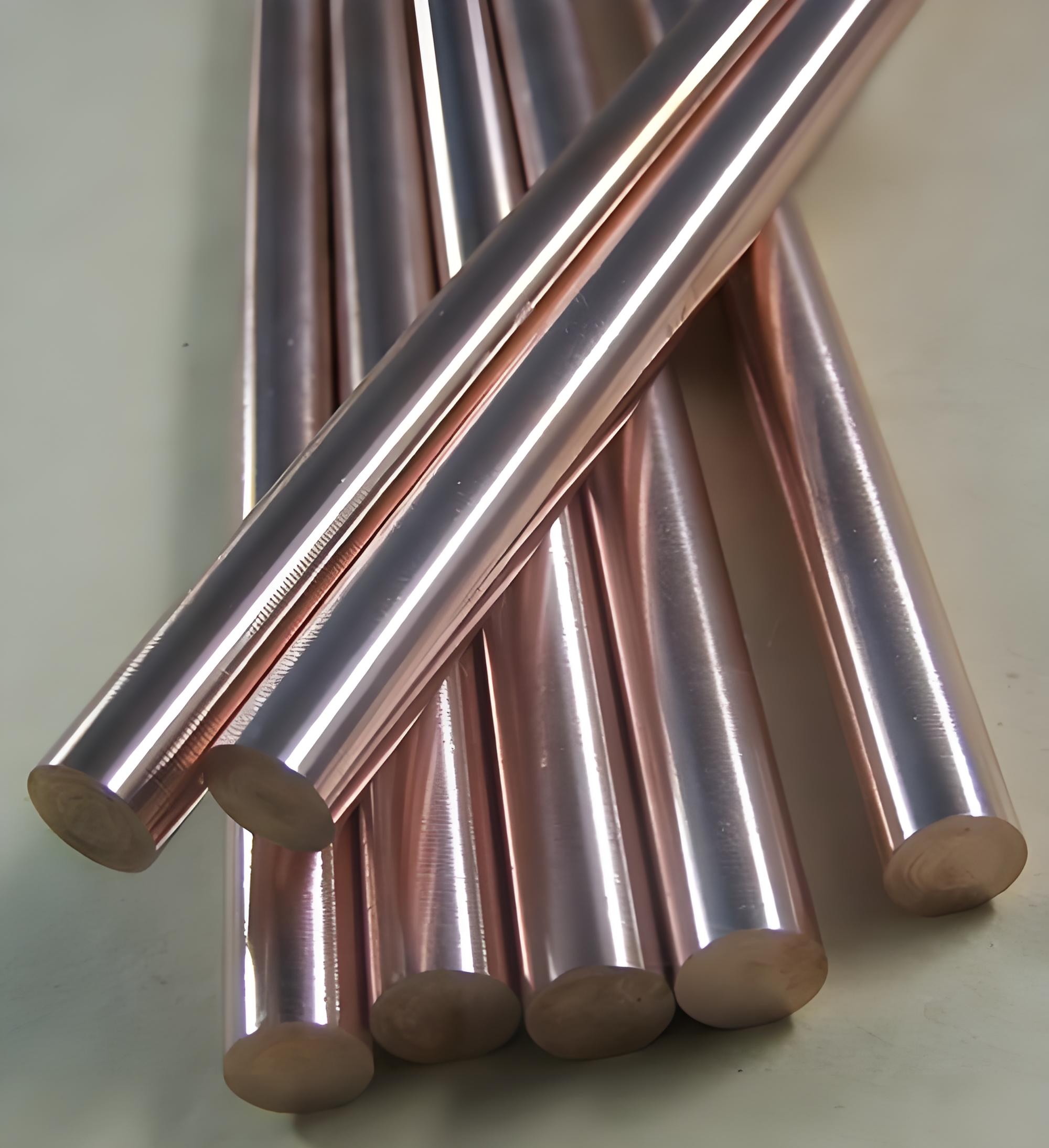
Inconel 602CA alloy bar price per kg is usually higher than common Inconel 600 and Inconel 601 bars because Alloy 602CA is a premium high-temperature ...
 English English
  Korean
 Arabic
 Spanish
 German
 Portuguese
 French
 Russian
 Italian
 Vietnamese