
Inconel 617 alloy round bar price per kilogram
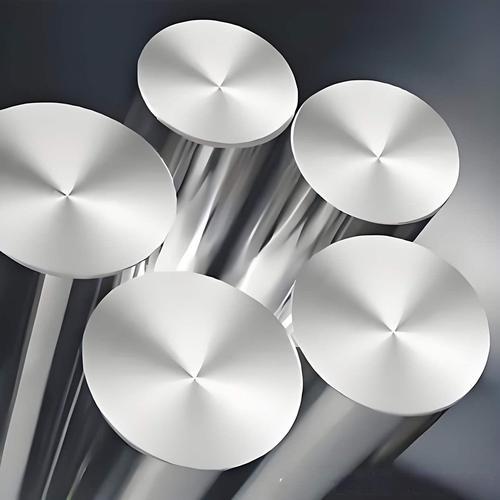
Inconel 617 alloy round bar price per kilogram is commonly about USD 45 to 90 per kg for standard industrial stock sizes. Large forged bars, small pre...
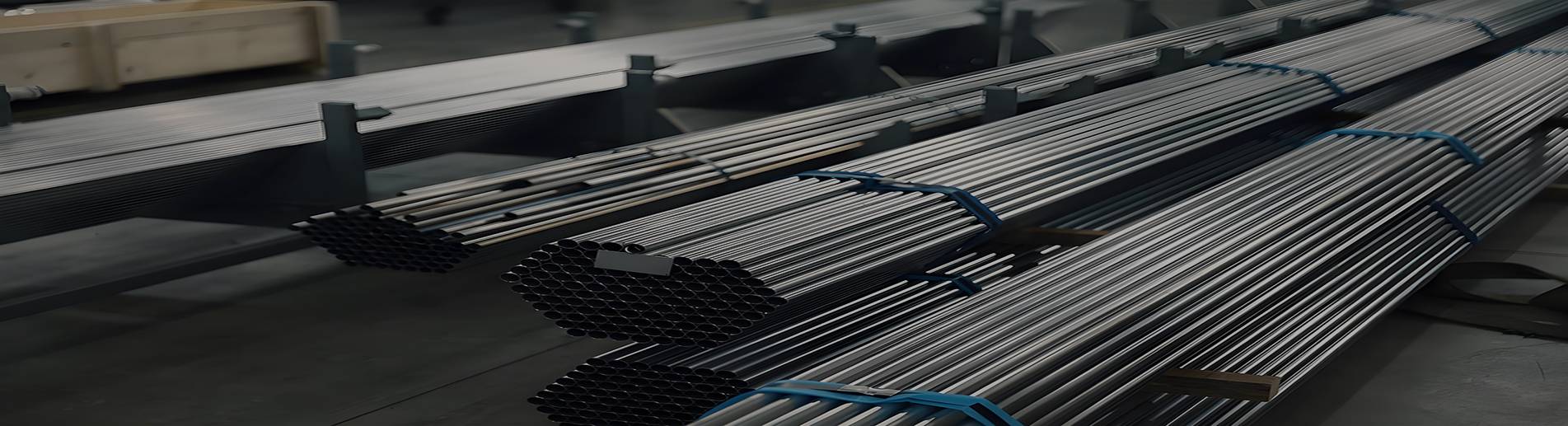
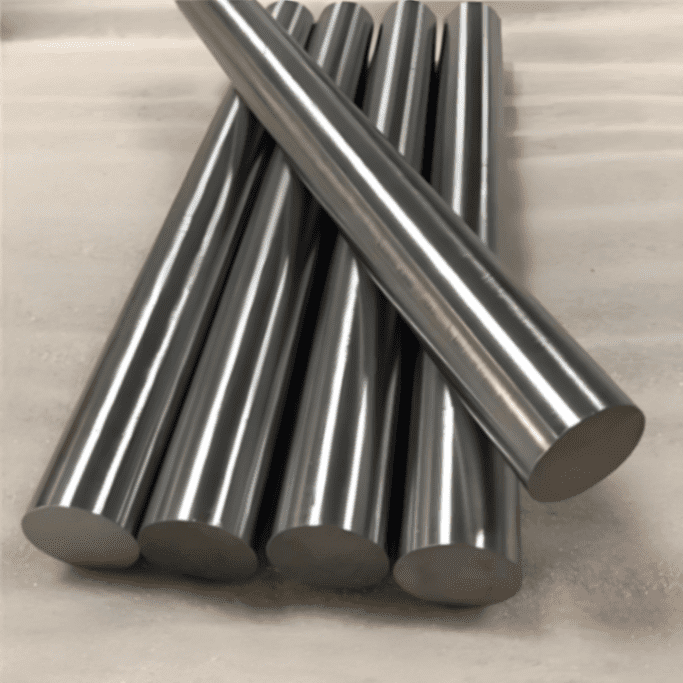
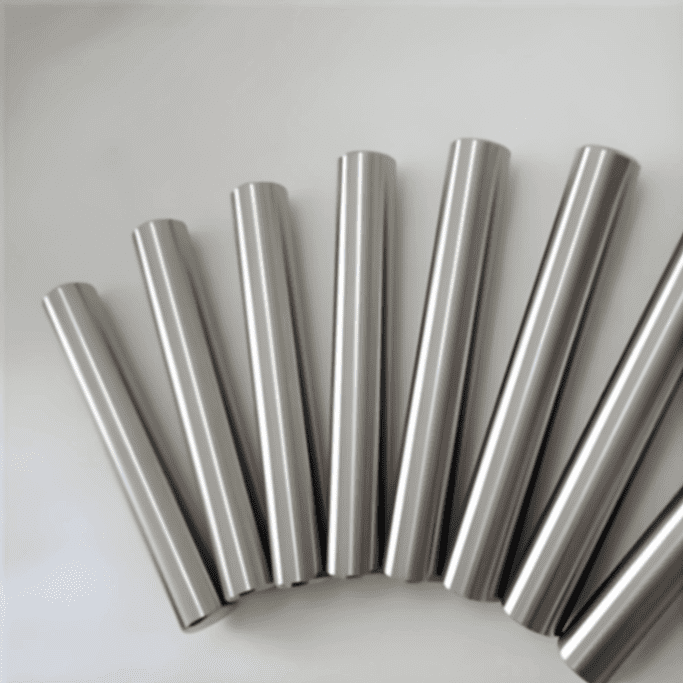
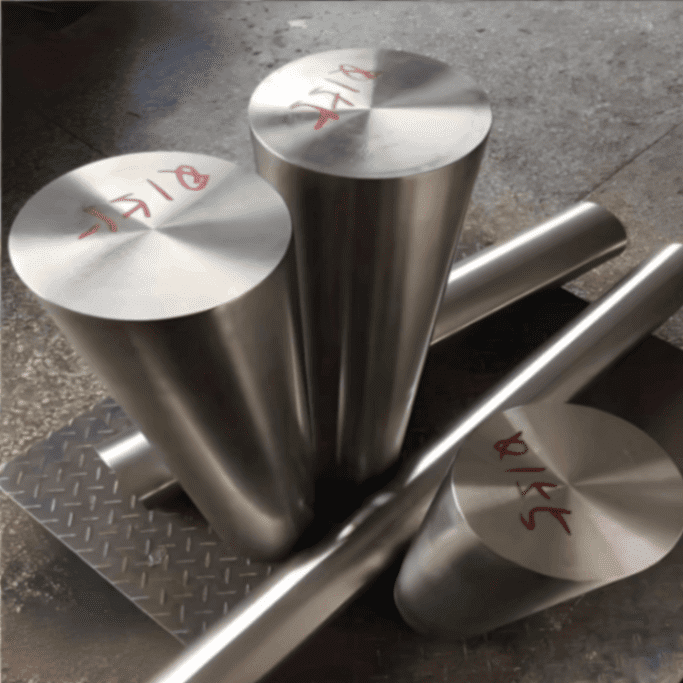
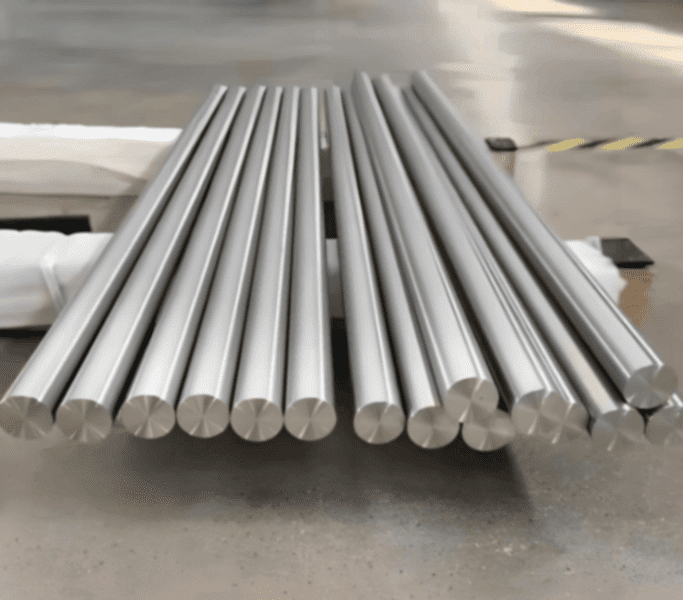
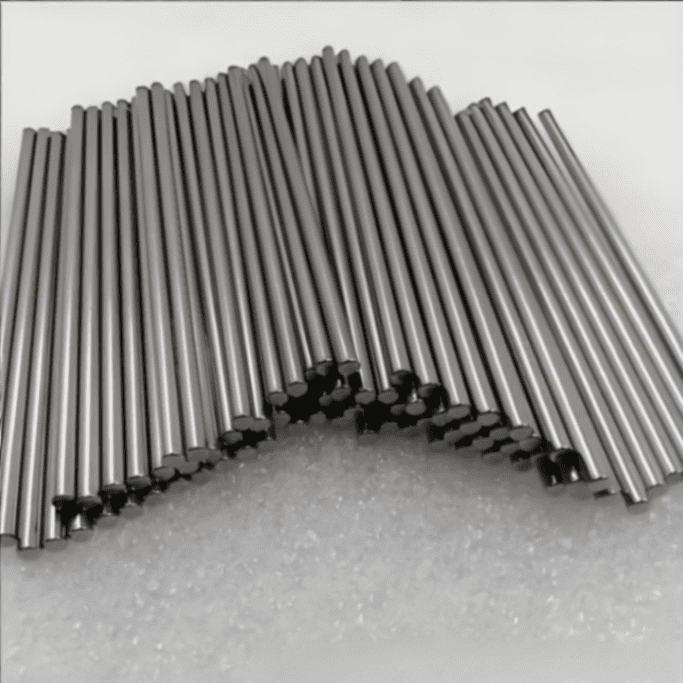
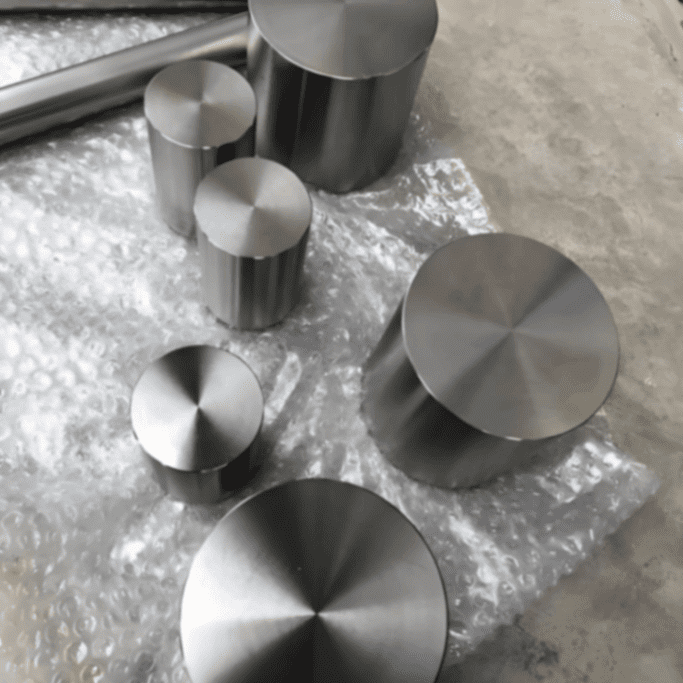
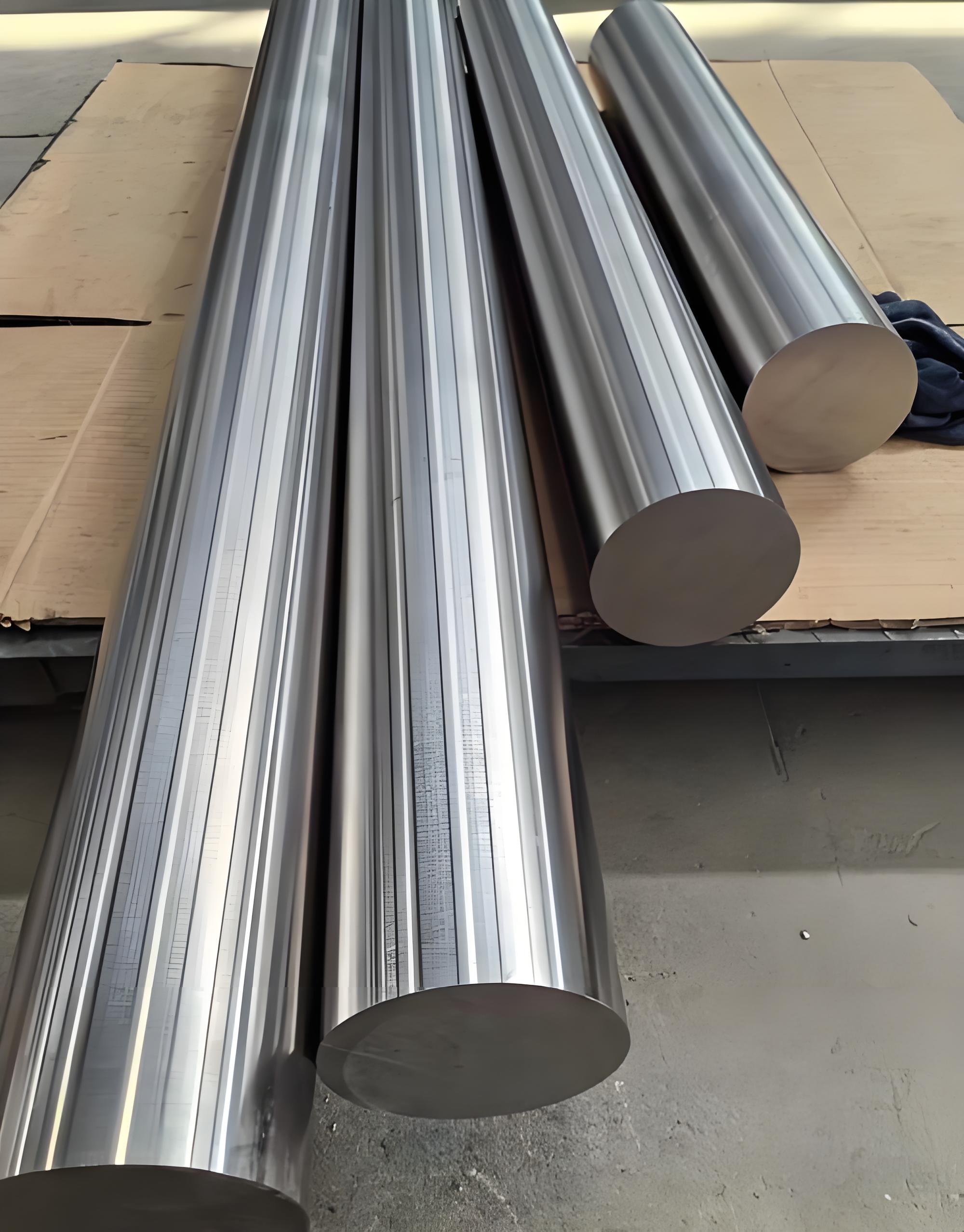
When sourcing Inconel 625 rods, understanding the difference between ASTM B446 and ASTM B564 is essential for ensuring material compliance and performance. These two specifications serve distinct purposes in the manufacturing and application of nickel-based alloy products. ASTM B446 specifically covers rods, bars, and wires, while ASTM B564 governs forgings. This article explains the key differences between these standards, including their manufacturing processes, mechanical properties, testing requirements, and typical industrial applications for Inconel 625 rods.
The fundamental distinction between these two specifications lies in the product forms they cover and the manufacturing methods permitted. ASTM B446 is specifically written for wrought nickel alloy rod, bar, and wire products, while ASTM B564 covers nickel alloy forgings and forging stock.
| Specification | Product Forms Covered | Primary Manufacturing Process | Typical Shape Offerings |
|---|---|---|---|
| ASTM B446 | Rod, Bar, Wire | Hot working (rolling, extruding) or cold working followed by finishing | Round, square, hexagon, rectangle, or wire coils |
| ASTM B564 | Forgings (discs, hubs, blocks, shafts, rings) | Hammer forging, press forging, ring rolling, or upset forging | Custom-shaped components, rough machined parts, forging stock |
The production methods for ASTM B446 rods versus ASTM B564 forgings create distinct material characteristics. B446 rods are typically produced through continuous processes like rolling or extrusion, while B564 forgings undergo discrete shaping operations that can refine grain structure.
| Process Parameter | ASTM B446 Rods | ASTM B564 Forgings |
|---|---|---|
| Primary Deformation | Unidirectional or bidirectional rolling/extrusion | Multidirectional compressive forging forces |
| Grain Flow | Linear grain orientation along rod axis | Contoured grain flow following part geometry |
| Size Range | Small diameters (typically under 12 inches) available in standard lengths | Virtually unlimited size capacity; large components up to several tons |
| Surface Finish | Hot rolled, cold drawn, ground, or turned finishes | As-forged, rough machined, or fully machined surfaces |
Both ASTM B446 and ASTM B564 require the same chemical composition for Inconel 625, as they reference the identical alloy specification UNS N06625. However, the verification testing and sampling frequencies may differ between product forms.
| Element | UNS N06625 Requirement (%) | ASTM B446 Verification | ASTM B564 Verification |
|---|---|---|---|
| Nickel (plus Cobalt) | 58.0 min | Heat analysis or product analysis | Heat analysis or product analysis |
| Chromium | 20.0 – 23.0 | Per heat or lot | Per heat or lot |
| Molybdenum | 8.0 – 10.0 | Per heat or lot | Per heat or lot |
| Niobium (plus Tantalum) | 3.15 – 4.15 | Per heat or lot | Per heat or lot |
| Iron | 5.0 max | Per heat or lot | Per heat or lot |
The mechanical property requirements for ASTM B446 rods and ASTM B564 forgings are generally similar, but B564 may have slightly different requirements depending on the forging size and configuration. Both require solution annealing following hot working.
| Mechanical Property | ASTM B446 (Rod & Bar) | ASTM B564 (Forgings) | Key Differences |
|---|---|---|---|
| Tensile Strength (min) | 120 ksi (827 MPa) | 120 ksi (827 MPa) | Same minimum requirement |
| Yield Strength (0.2% offset, min) | 60 ksi (414 MPa) | 60 ksi (414 MPa) | Same minimum requirement |
| Elongation (min) | 30% | 30% | Same minimum requirement |
| Reduction of Area (min) | Not specified for all sizes | Often specified at 30-40% min | Forgings typically require RA testing |
| Hardness | Often specified as max (typically 35 HRC) | Often specified as max (typically 35 HRC) | Comparable requirements |
The testing protocols for ASTM B446 and B564 share many similarities but differ in sampling frequency and specific test methods applicable to each product form.
| Test Type | ASTM B446 Rods | ASTM B564 Forgings |
|---|---|---|
| Tensile Testing | One per heat treated lot | One per heat per forging lot |
| Hardness Testing | As specified or per agreement | Typically required on each forging or representative sample |
| Ultrasonic Examination | Optional, typically for critical applications | Often required for pressure vessel and rotating equipment forgings |
| Grain Size | As specified or per agreement | Often required for critical forgings |
| Dimensional Inspection | Diameter, length, straightness, ovality | Complex geometry verification, machining allowance check |
ASTM B446 covers a wide range of rod and bar sizes suitable for machining into components. Shanghai NC Metal Materials Co., Ltd. supplies Inconel 625 rods in various diameters and conditions to meet diverse application requirements.
| Diameter Range (inches) | Diameter Range (mm) | Typical Condition | Common Applications | Reference Price Indicator |
|---|---|---|---|---|
| 1/8″ to 1/2″ | 3.2mm to 12.7mm | Cold drawn, annealed | Fasteners, small shafts, wire products | Higher per pound due to processing |
| 5/8″ to 2″ | 15.9mm to 50.8mm | Hot rolled or cold drawn, annealed | Pump shafts, valve stems, marine hardware | Baseline reference |
| 2-1/8″ to 4″ | 54mm to 101.6mm | Hot rolled or forged, annealed | Large shafting, heavy-duty components | Moderate premium |
| 4-1/8″ to 8″ | 104.8mm to 203.2mm | Forged and rough turned, annealed | Large flanges, heavy equipment parts | Significant size premium |
The choice between ASTM B446 rods and ASTM B564 forgings often depends on the final component geometry, stress requirements, and manufacturing efficiency. Each specification serves distinct application categories.
| Industry Sector | ASTM B446 Rod Applications | ASTM B564 Forging Applications |
|---|---|---|
| Aerospace | Engine bolts, linkage components, control rods | Turbine discs, casing rings, mounting flanges |
| Oil & Gas | Downhole tool components, instrument housings | Wellhead components, valve bodies, Christmas tree fittings |
| Chemical Processing | Reactor components, agitator shafts | Flanges, high-pressure vessel nozzles |
| Marine Engineering | Propeller shafts, fasteners | Pump bodies, valve bodies, sea water components |
| Power Generation | Control rod drive mechanisms, instrumentation | Turbine components, valve bodies, pipe fittings |
Shanghai NC Metal Materials Co., Ltd. supplies both ASTM B446 Inconel 625 rods and ASTM B564 Inconel 625 forgings to meet diverse industrial requirements. They maintain comprehensive inventory of standard sizes and can arrange custom dimensions and testing protocols for critical applications. All materials are supplied with full traceability and certification to applicable standards.
Can I use ASTM B446 rod to machine a component that requires ASTM B564 forging?
This depends on the specific application and engineering requirements. ASTM B446 rod is suitable for components machined from bar stock where the grain orientation and mechanical properties meet design criteria. However, some critical applications requiring multidirectional properties, complex geometries, or specific grain flow patterns may require ASTM B564 forgings. Engineering evaluation should consider stress states, inspection requirements, and applicable code requirements before substituting materials.
What are the cost differences between ASTM B446 rods and ASTM B564 forgings?
ASTM B446 rods generally have lower per-pound costs for simple cylindrical shapes due to efficient continuous production methods. ASTM B564 forgings typically command higher prices because of custom tooling requirements, specialized forging operations, and more extensive inspection protocols. However, for large components or complex shapes, forgings may prove more economical by reducing machining time and material waste compared to machining from solid rod. Shanghai NC Metal Materials Co., Ltd. can provide specific pricing based on dimensions, quantities, and technical requirements.
How do heat treatment requirements differ between ASTM B446 and ASTM B564?
Both specifications require solution annealing following hot working operations. For Inconel 625, this typically involves heating to 1700-1900°F (927-1038°C) followed by rapid cooling. The primary difference lies in when heat treatment occurs relative to manufacturing. ASTM B446 rods are typically solution annealed in continuous furnaces after rolling or drawing. ASTM B564 forgings may undergo solution annealing after forging, and large forgings may require specialized heat treatment cycles to ensure uniform properties throughout heavy sections. Both specifications allow for additional heat treatments when specified by purchasers.
More from this category
Inconel 617 alloy round bar price per kilogram is commonly about USD 45 to 90 per kg for standard industrial stock sizes. Large forged bars, small pre...
The latest Inconel 625 alloy bar price per kg depends on nickel, molybdenum, niobium, and chromium raw material costs, as well as bar diameter, manufa...
Inconel X-750 alloy bar price depends on nickel raw material cost, bar diameter, product condition, heat treatment, specification, surface finish, dim...
Inconel 602CA alloy bar price per kg is usually higher than common Inconel 600 and Inconel 601 bars because Alloy 602CA is a premium high-temperature ...
 English English
  Korean
 Arabic
 Spanish
 German
 Portuguese
 French
 Russian
 Italian
 Vietnamese