
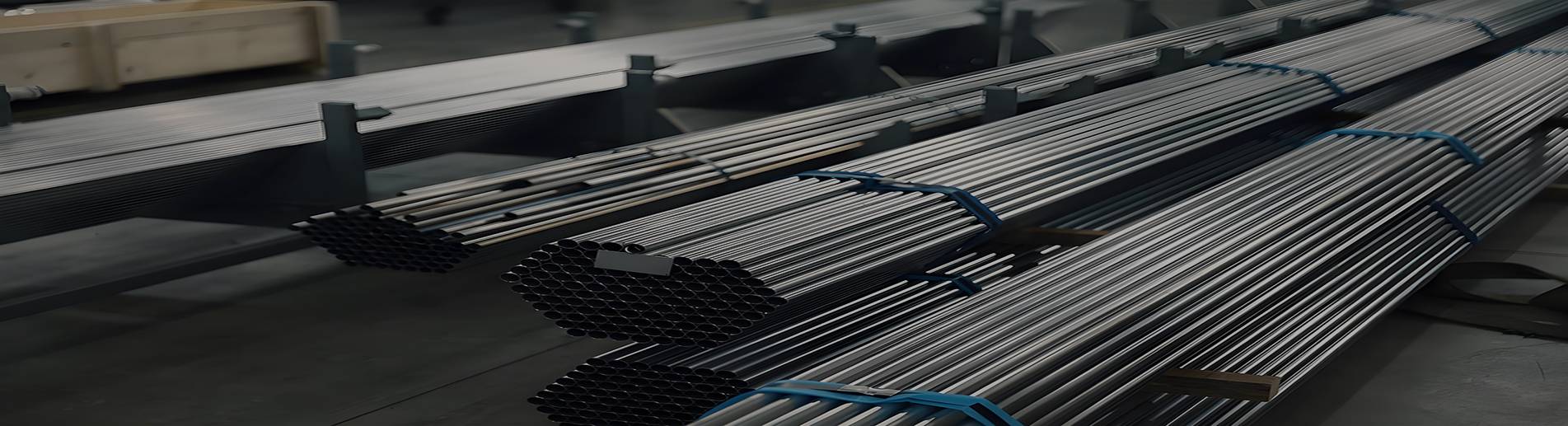
Inconel 617 alloy round bar price per kilogram
Inconel 617 alloy round bar price per kilogram is commonly about USD 45 to 90 per kg for standard industrial stock sizes. Large forged bars, small pre...
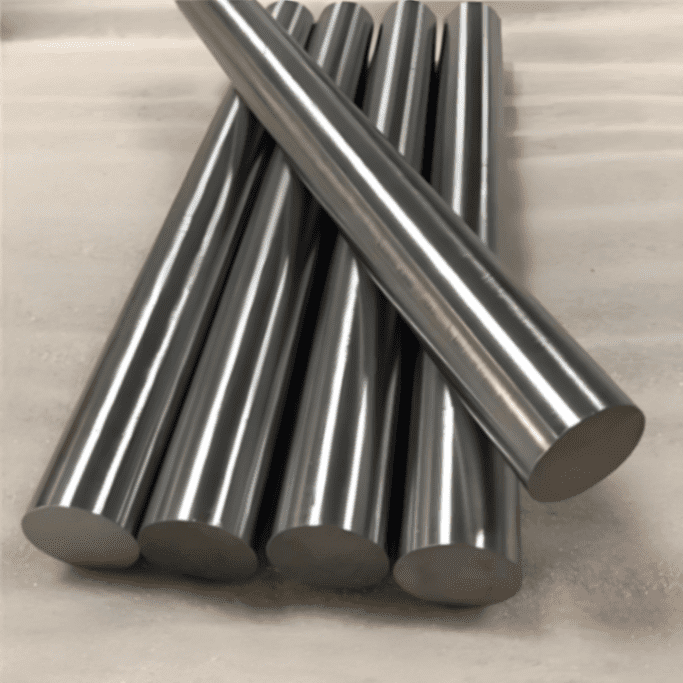
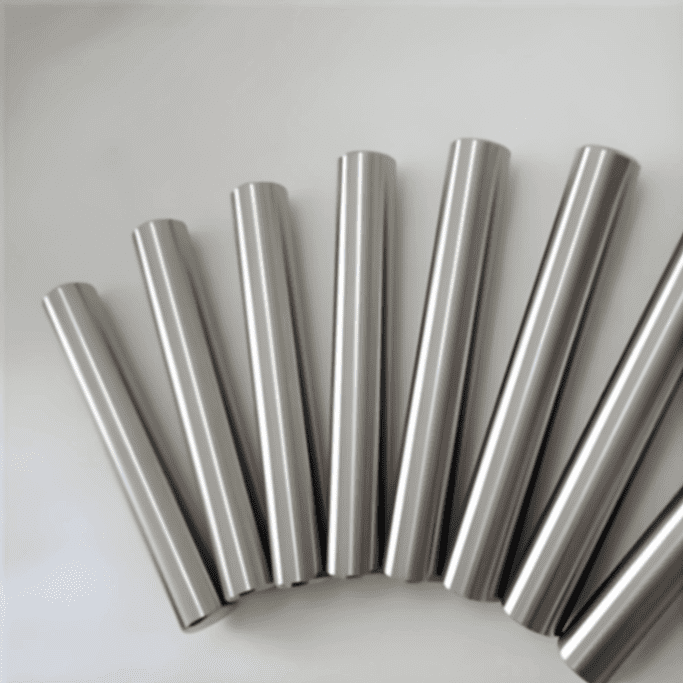
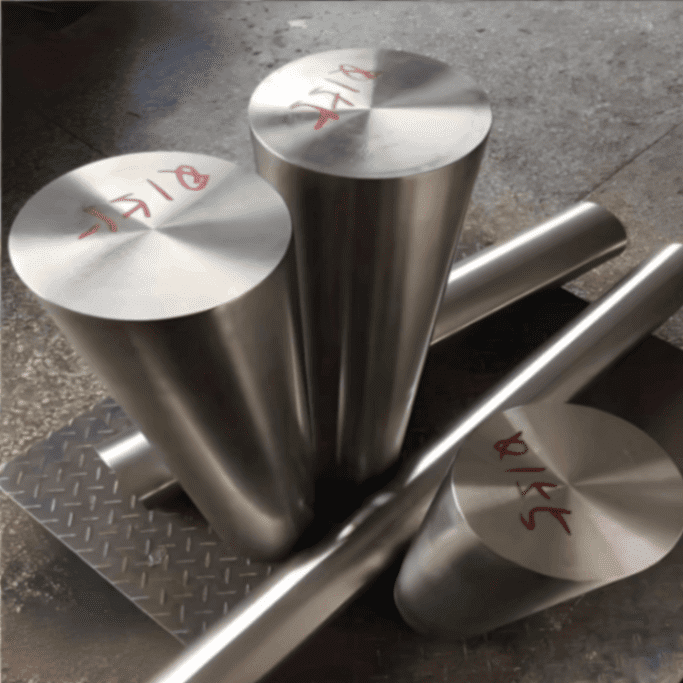
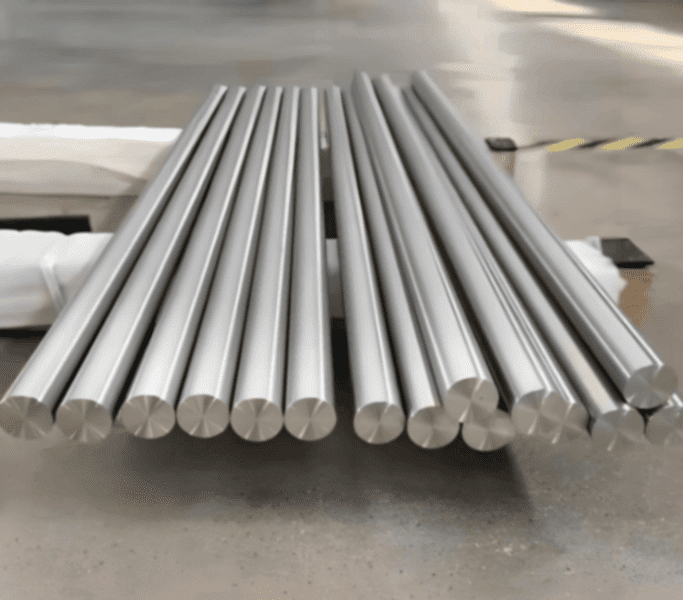
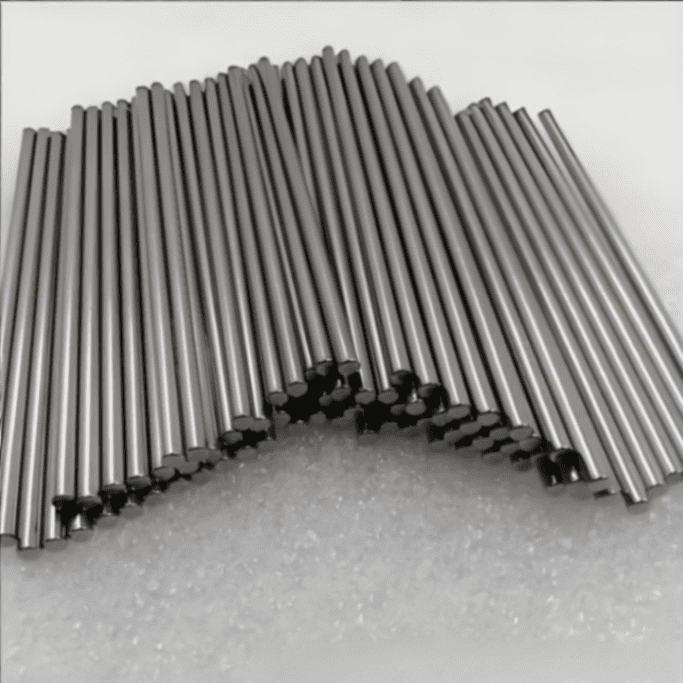
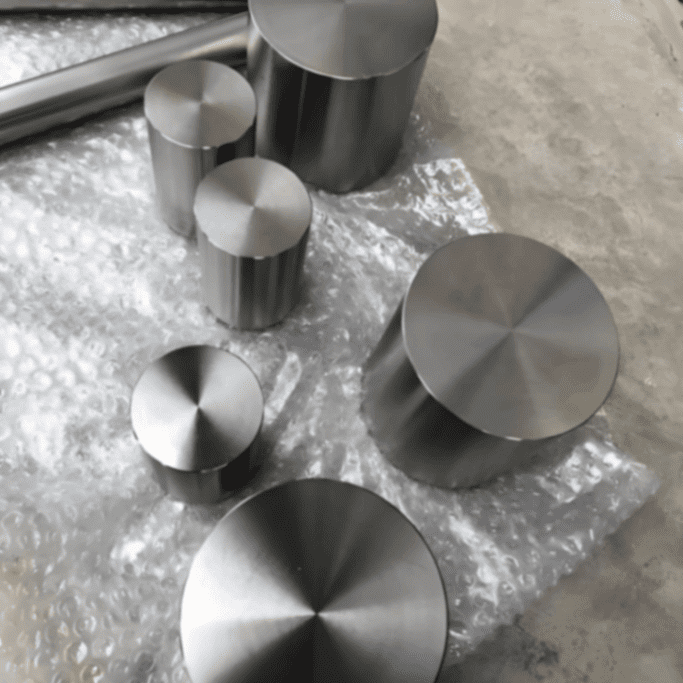
When selecting nickel-based alloy welding rods for corrosive environments, understanding the performance differences between Hastelloy C-276 and C-22 is critical for fabricators and engineers. Both are renowned for their exceptional resistance to pitting, stress-corrosion cracking, and oxidizing agents. However, their distinct chemical compositions lead to varied welding behaviors, mechanical properties, and application suitability. This article provides a detailed, side-by-side comparison of their welding performance, physical characteristics, and typical industrial uses to guide your material selection process.
The fundamental differences in welding performance between C-276 and C-22 rods stem from their alloying elements. C-22 was developed to offer broader versatility, particularly in oxidizing acids, by adjusting the chromium, tungsten, and iron content.
| Element | Hastelloy C-276 (Typical %) | Hastelloy C-22 (Typical %) | Impact on Welding |
|---|---|---|---|
| Nickel (Ni) | Balance (57% min) | Balance (56% min) | Both maintain austenitic structure, reducing cracking risk. |
| Chromium (Cr) | 14.5 – 16.5 | 20.0 – 22.5 | Higher Cr in C-22 improves resistance to oxidizing media and weld heat-affected zone stability. |
| Molybdenum (Mo) | 15.0 – 17.0 | 12.5 – 14.5 | Higher Mo in C-276 enhances resistance to reducing acids but can increase susceptibility to microstructural segregation during welding. |
| Tungsten (W) | 3.0 – 4.5 | 2.5 – 3.5 | Contributes to solid-solution strengthening; C-276 has slightly higher W content. |
| Iron (Fe) | 4.0 – 7.0 | 2.0 – 6.0 | Lower iron in C-22 helps maintain corrosion resistance in the as-welded condition. |
Both alloys are weldable using GTAW (TIG), GMAW (MIG), and SMAW (Stick) processes. However, the parameters and techniques vary slightly due to differences in fluidity and heat input requirements.
| Aspect | Hastelloy C-276 Rods | Hastelloy C-22 Rods |
|---|---|---|
| Heat Input | Requires strict control (low to moderate) to prevent secondary phase precipitation in the HAZ. | Slightly more forgiving due to higher Cr content; better phase stability during multi-pass welding. |
| Interpass Temperature | Must be kept below 200°F (93°C) to avoid hot cracking. | Recommended below 200°F, but exhibits greater tolerance to temperature buildup. |
| Fluidity | Good fluidity; puddle tends to be “stiff” requiring precise torch control. | Excellent fluidity; wets edges better, making it ideal for root passes and thin sections. |
| Shielding Gas (GTAW) | 100% Argon or Ar/He mix for better penetration. | 100% Argon with possible Ar/He mix for higher heat input on thick sections. |
| Post-Weld Cleaning | Requires thorough brushing and pickling to remove oxide layer. | Similar process; oxide layer is slightly easier to remove due to Cr content. |
The availability of welding rods in specific diameters is crucial for different welding techniques. Shanghai NC Metal Materials Co., Ltd. supplies both C-276 and C-22 rods in various standard sizes to accommodate TIG and MIG applications.
| Diameter (inches/mm) | Typical Application | Hastelloy C-276 Availability | Hastelloy C-22 Availability | Reference Price Indicator |
|---|---|---|---|---|
| 1/16″ (1.6mm) | Thin sheet TIG welding | Yes | Yes | Higher due to precision drawing |
| 3/32″ (2.4mm) | General purpose TIG | Yes (Most common) | Yes (Most common) | Baseline reference |
| 1/8″ (3.2mm) | Heavy section TIG / Root pass | Yes | Yes | Slightly lower per kg than 3/32″ |
| 5/32″ (4.0mm) | MIG / Heavy build-up | Limited | Yes | Comparable to 1/8″ |
A key differentiator is how the weld metal and heat-affected zone perform without post-weld heat treatment. C-22 was specifically engineered to resist weld decay better than C-276 in certain aggressive media.
| Environment | Hastelloy C-276 Weld Performance | Hastelloy C-22 Weld Performance |
|---|---|---|
| Reducing Acids (HCl, H2SO4) | Excellent; preferred for strong reducing conditions. | Very Good, but slightly lower Mo content reduces performance in extreme reducing environments. |
| Oxidizing Acids (HNO3, Fe3+) | Good, but susceptible to attack in highly oxidizing conditions. | Superior due to higher Chromium; the best choice for mixed acids. |
| Wet Chlorine / Hypochlorite | Good resistance. | Excellent resistance; often specified for bleach plants. |
| Pitting and Crevice Corrosion | High resistance (PRE > 65). | Higher resistance (PRE > 65) due to optimized Cr-Mo-W balance. |
The tensile strength and ductility of the weld metal are critical for pressure vessel and structural applications. Both alloys produce strong welds, but the filler metal choice can influence the final outcome.
| Property (As-Welded) | Hastelloy C-276 Rods | Hastelloy C-22 Rods |
|---|---|---|
| Tensile Strength (ksi) | 100 – 110 | 100 – 110 |
| Yield Strength (ksi) | 45 – 55 | 45 – 55 |
| Elongation (%) | 40 – 50 | 45 – 55 |
| Impact Toughness | Excellent down to cryogenic temps. | Excellent; slightly higher ductility in multi-pass welds. |
For sourcing high-quality Hastelloy C-276 and C-22 welding rods, Shanghai NC Metal Materials Co., Ltd. offers a comprehensive range of diameters and packaging options suitable for both manual and automatic welding processes. They ensure traceability and compliance with ASTM standards for critical applications.
Can I weld Hastelloy C-276 with a C-22 filler rod?
Yes, using a C-22 filler rod to weld C-276 base metal is generally acceptable and often preferred in mixed-material fabrications. The C-22 weld deposit offers excellent corrosion resistance that often over-matches the C-276 base metal, particularly in oxidizing conditions. However, for environments requiring maximum resistance to strong reducing acids where C-276 excels, matching the filler to the base metal is recommended.
What is the main difference in heat input control between C-276 and C-22?
The main difference lies in the material’s tolerance to heat. C-276 requires stricter control of heat input and interpass temperatures to prevent the precipitation of detrimental phases in the heat-affected zone, which can compromise corrosion resistance. C-22, with its higher chromium and optimized balance, exhibits better metallurgical stability during welding, making it slightly more forgiving if heat input fluctuates during multi-pass welds.
Which alloy rod provides better pitting resistance in the as-welded condition?
Hastelloy C-22 rods generally provide superior pitting resistance in the as-welded condition. This is primarily due to its higher chromium content (20-22.5%) combined with molybdenum and tungsten, which offers a higher Pitting Resistance Equivalent (PRE) and better resistance to localized corrosion in chloride-containing environments immediately after welding, without the need for post-weld solution annealing.
More from this category
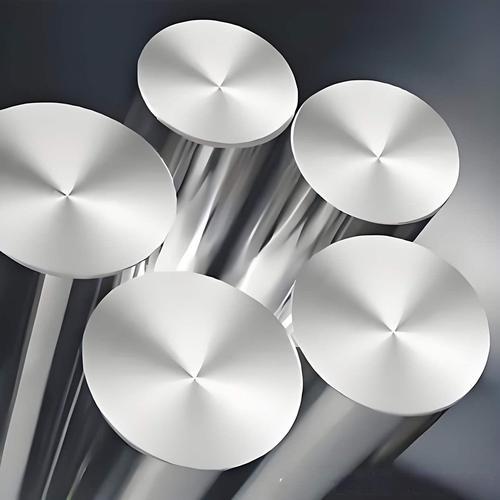
Inconel 617 alloy round bar price per kilogram is commonly about USD 45 to 90 per kg for standard industrial stock sizes. Large forged bars, small pre...
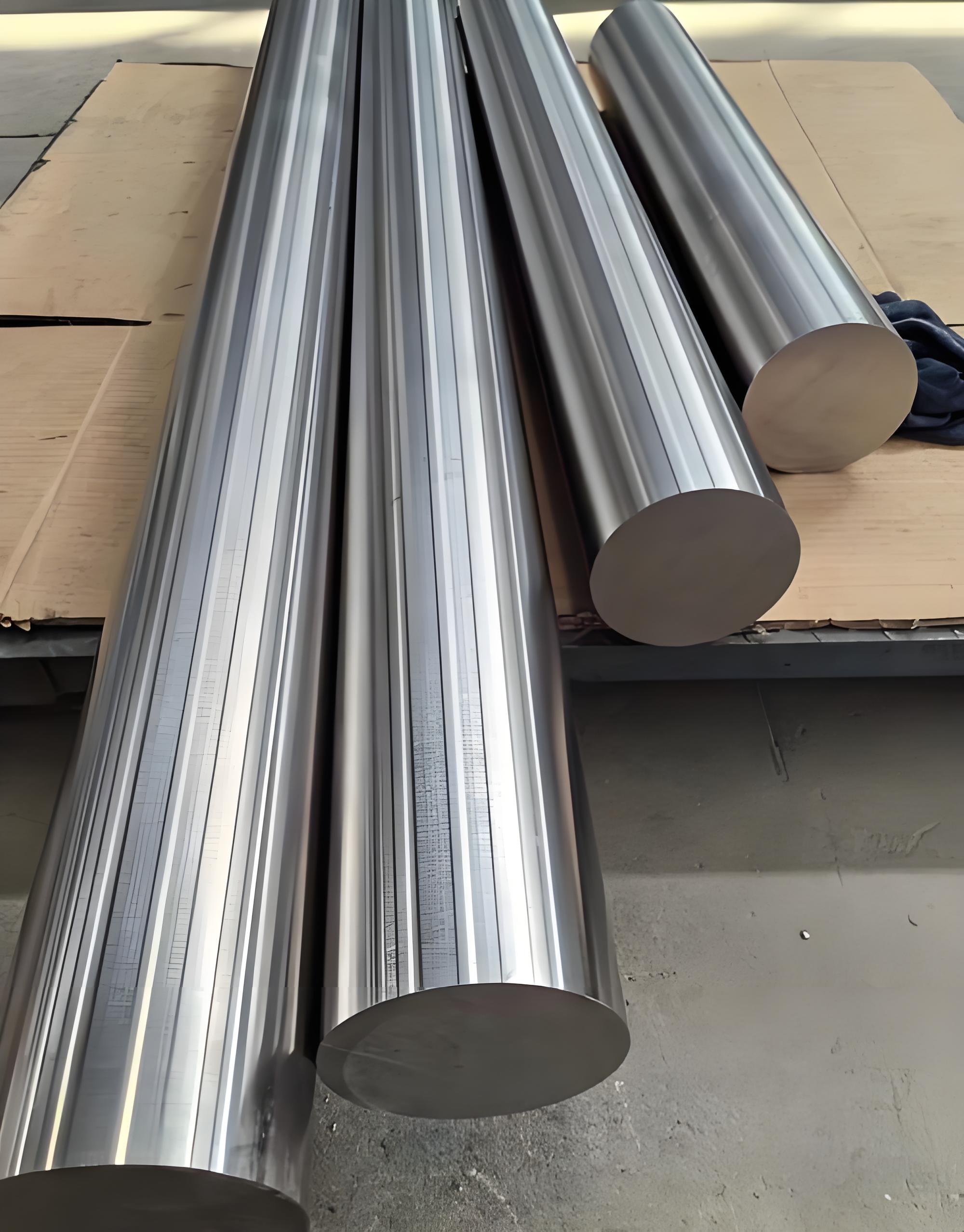
The latest Inconel 625 alloy bar price per kg depends on nickel, molybdenum, niobium, and chromium raw material costs, as well as bar diameter, manufa...
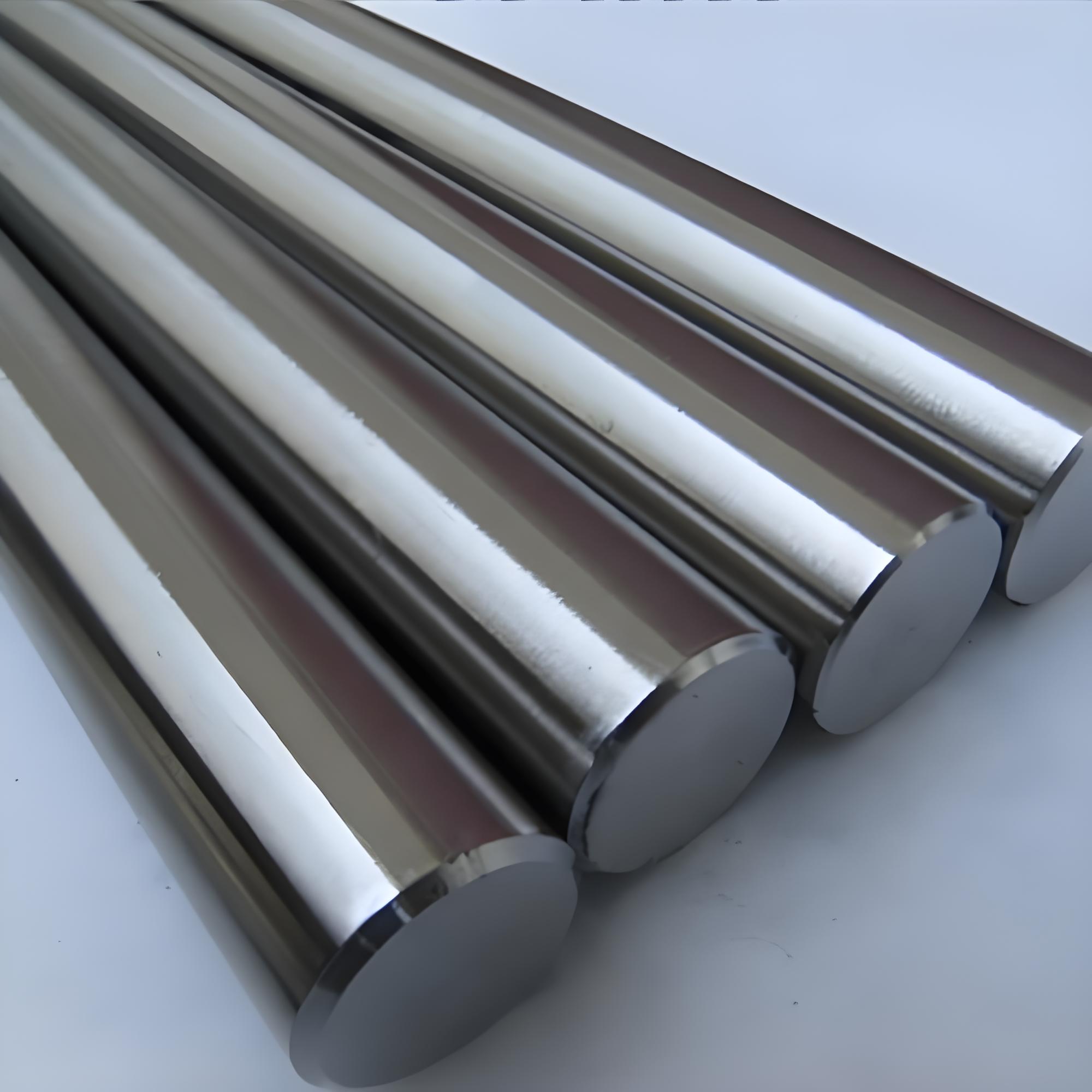
Inconel X-750 alloy bar price depends on nickel raw material cost, bar diameter, product condition, heat treatment, specification, surface finish, dim...
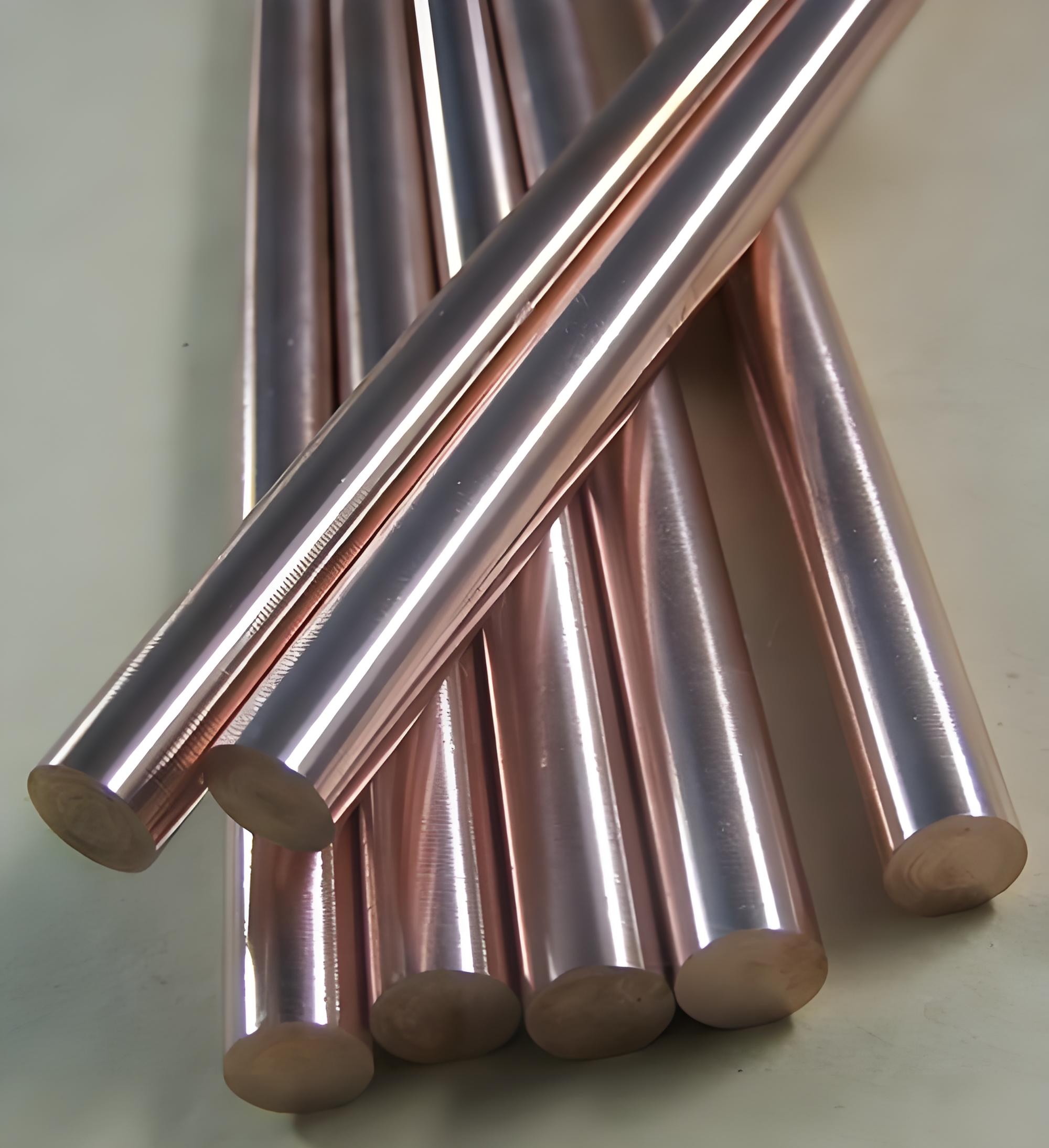
Inconel 602CA alloy bar price per kg is usually higher than common Inconel 600 and Inconel 601 bars because Alloy 602CA is a premium high-temperature ...
 English English
  Korean
 Arabic
 Spanish
 German
 Portuguese
 French
 Russian
 Italian
 Vietnamese