
Incoloy 825 Bar Price | UNS N08825 Supplier
Incoloy 825 bar price depends on the nickel-based alloy composition, bar dimensions, manufacturing route, heat-treatment condition, surface finish, in...
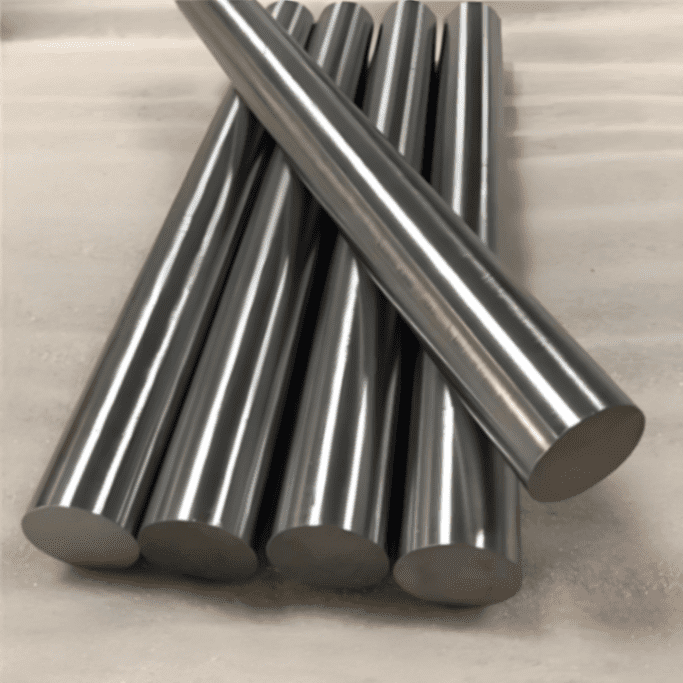
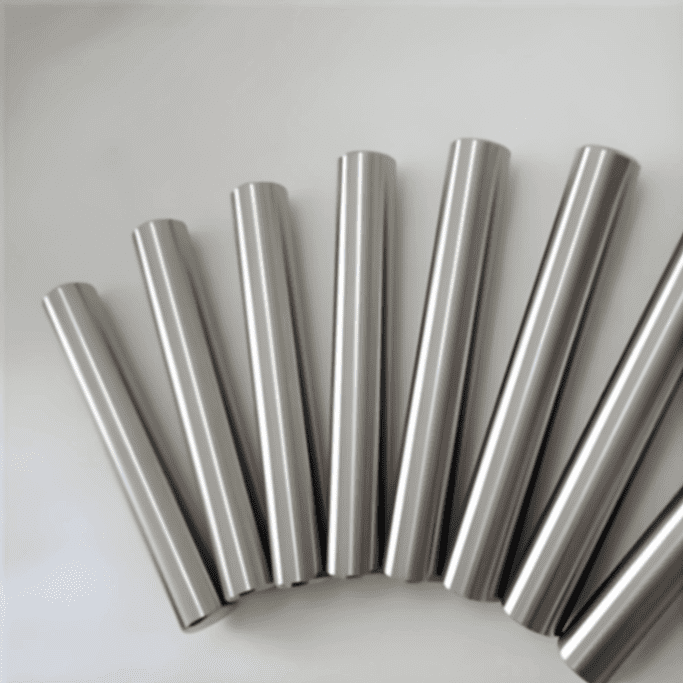
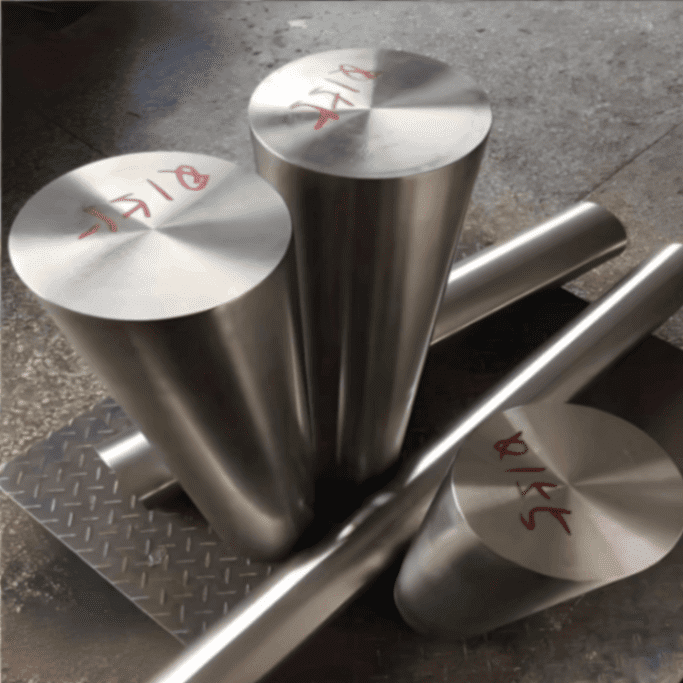
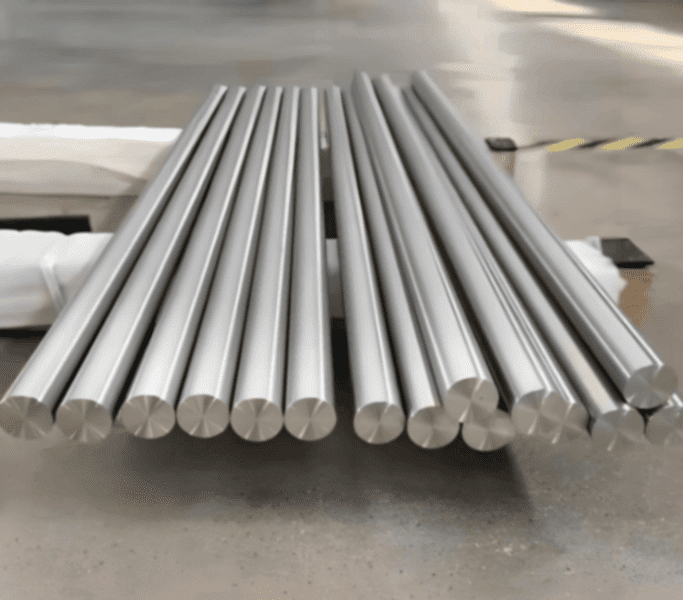
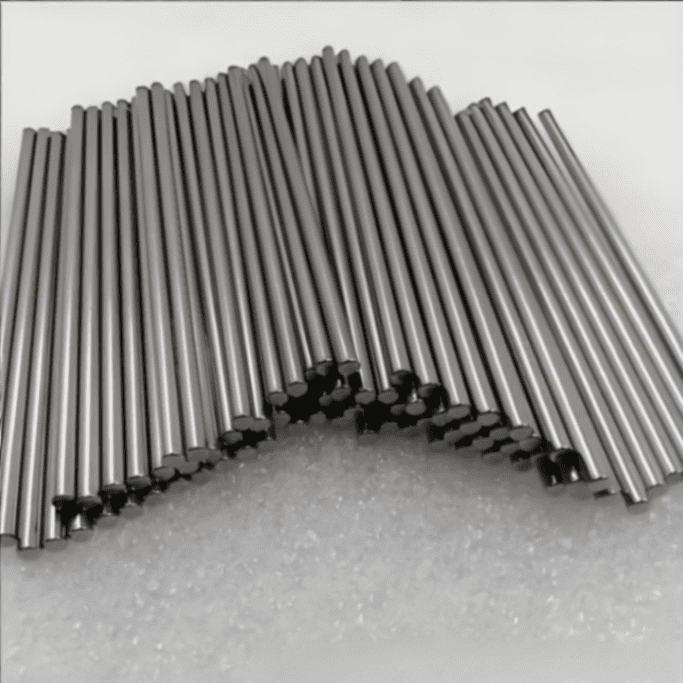
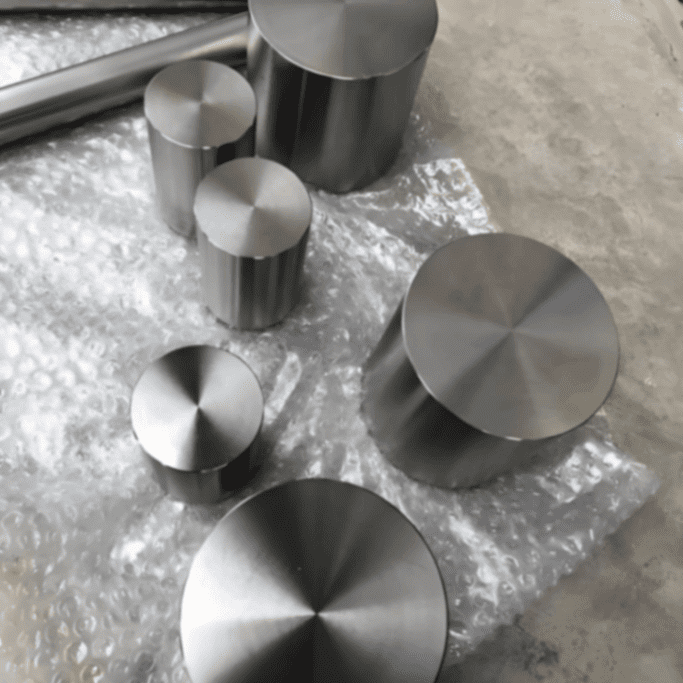
Hastelloy C 2000 alloy bar chemical composition is one of the most important topics for engineers, buyers, and corrosion-resistant alloy users when selecting materials for demanding chemical processing environments. In practical procurement, the chemical composition of a nickel-based alloy bar directly affects corrosion resistance, weldability, service life, and production reliability. For this reason, Shanghai NC Metal Materials Co., Ltd. pays close attention not only to the nominal standard range of Hastelloy C-2000 bar, but also to actual production control, trace element restriction, and melt cleanliness. This article explains the chemical composition of Hastelloy C-2000 alloy bar in a clear and professional way, with a focus on standards, major elements, impurity limits, design features, quality control, and the key composition-related points that customers should confirm before placing an order.
At Shanghai NC Metal Materials Co., Ltd., Hastelloy C-2000 alloy bar is produced in accordance with ASTM B574 and ASTM B564, depending on the delivery condition and product form requirements. These standards are widely recognized in the international market for nickel alloy bars, forgings, and related mill products.
The unified numbering system designation for this alloy is UNS N06200. In the European and German system, the corresponding material number is 2.4675. For overseas buyers, it is very important to match these designations correctly during inquiry and contract review, because different naming systems are often used in drawings, material requisitions, and end-user specifications.
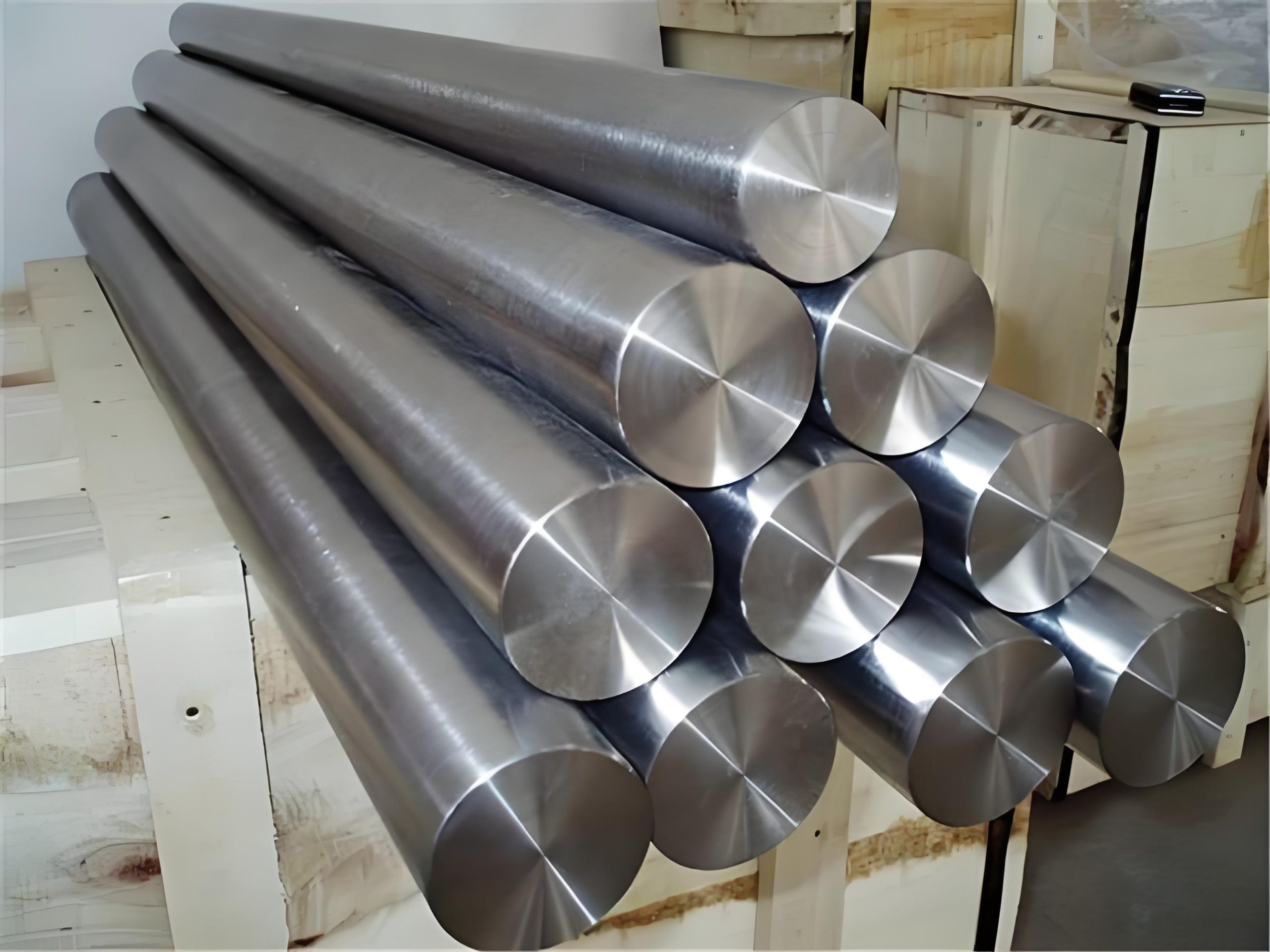
In actual trade, some customers ask for “Hastelloy C 2000 bar,” while others request “UNS N06200 round bar” or “2.4675 alloy bar.” These names refer to the same alloy family, but the documentation must stay consistent. Shanghai NC Metal Materials Co., Ltd. can provide mill certificates showing the standard, heat number, chemical analysis, and corresponding material grade for traceability.
The chemical composition of Hastelloy C-2000 is carefully designed to balance resistance to both oxidizing and reducing media. The alloy matrix is nickel, with high chromium and high molybdenum as the main strengthening and corrosion-resistant elements, plus a controlled copper addition that makes this grade different from many other Hastelloy alloys.
Our factory measured composition range is centered on the following principal elements. Nickel remains the balance and is typically not less than 55.0%. Molybdenum is controlled at 15.0% to 17.0%, chromium at 22.0% to 24.0%, copper at 1.3% to 1.9%, iron at not more than 3.0%, and cobalt at not more than 2.0%.
These ranges are not random. Each major element serves a distinct role in chemical stability, fabrication behavior, and long-term service in aggressive process streams. Strict control of these elements is especially important for alloy bars that may later be machined into shafts, fasteners, pump parts, valve components, reactor accessories, or corrosion-resistant structural parts.
| Element | Typical Factory Control | Main Function |
| Ni | Balance, ≥55.0% | Matrix element |
| Mo / Cr / Cu | 15.0–17.0% / 22.0–24.0% / 1.3–1.9% | Reducing acid resistance / oxidizing resistance / dilute sulfuric acid resistance |
Nickel provides the structural base of the alloy and supports excellent overall corrosion resistance in a wide range of media. Molybdenum improves performance in reducing acids and also helps the alloy resist pitting and crevice attack in chloride-bearing environments. Chromium promotes the formation of a stable passive film and improves resistance in oxidizing conditions. Copper is the signature addition in this alloy system and is especially valuable in dilute sulfuric acid service.
Besides the main alloying elements, trace elements and residual impurities are equally important in premium corrosion-resistant nickel alloys. Hastelloy C-2000 bar intended for critical service must maintain low levels of carbon, sulfur, phosphorus, and silicon to support weldability, structural cleanliness, and consistent corrosion performance.
At Shanghai NC Metal Materials Co., Ltd., the controlled upper limits commonly include carbon 0.010%, silicon 0.08%, manganese 0.50%, phosphorus 0.025%, sulfur 0.010%, and aluminum 0.50%. These values help maintain metallurgical stability and reduce the risk of harmful phases or processing defects.
Low carbon is particularly important because it minimizes carbide precipitation at grain boundaries during thermal exposure. Sulfur and phosphorus are restricted because they can negatively affect hot workability and may also increase susceptibility to cracking in some fabrication conditions. Silicon and manganese are kept under control to avoid unnecessary compositional variation and to maintain a clean, predictable alloy structure.
| Element | Maximum % | Purpose of Limitation |
| C / S / P | 0.010 / 0.010 / 0.025 | Improve weldability and reduce harmful segregation |
| Si / Mn / Al | 0.08 / 0.50 / 0.50 | Maintain cleanliness and composition stability |
One reason Hastelloy C-2000 attracts attention is that its composition is not simply a variation of C-276 or C-22. It was designed with a distinctive balance of chromium, molybdenum, and copper, while excluding tungsten. This gives it a special position among nickel-chromium-molybdenum corrosion-resistant alloys.
Compared with C-276, Hastelloy C-2000 maintains a similar molybdenum level of about 15% to 17%, but carries significantly higher chromium, usually 22% to 24% instead of about 14.5% to 16.5%. At the same time, it contains copper at 1.3% to 1.9%, while C-276 generally does not rely on copper as a designed feature. Unlike C-276, C-2000 also does not contain tungsten.
Compared with C-22, Hastelloy C-2000 has a similar high chromium philosophy, but again differs through its copper addition and the absence of tungsten. C-22 commonly includes tungsten and does not use copper as a signature alloying element.
The practical advantage is easy to understand. C-2000 was engineered to offer broad corrosion resistance across both oxidizing acids such as nitric acid and reducing acids such as dilute sulfuric acid. The copper addition is the most recognizable feature in this design strategy.
| Grade | Special Chemistry Feature | Quick Note |
| C-2000 | Contains Cu, no W | Balanced oxidizing and reducing acid resistance |
| C-276 / C-22 | Contain W, generally no Cu | Different corrosion design logic |
For many buyers, a chemical analysis report is not just a list of numbers. It is the most direct explanation of why the alloy performs well in certain service conditions. In Hastelloy C-2000 alloy bar, each major element contributes to corrosion resistance in a practical and measurable way.
High chromium in the 22% to 24% range helps the alloy develop a stable passive film in oxidizing environments. This is especially important in media where surface passivation controls corrosion rate. In such conditions, chromium-rich nickel alloys generally perform better than grades with lower chromium content.
High molybdenum in the 15% to 17% range improves resistance to localized attack, especially pitting and crevice corrosion in chloride-containing solutions. It also strengthens resistance to reducing acids, making the alloy more versatile in mixed chemical environments where process fluctuations may occur.
The copper content of 1.3% to 1.9% is one of the most important selling points of Hastelloy C-2000. This addition significantly improves resistance to dilute sulfuric acid, especially in concentrations up to about 40% and below the boiling point. In many chemical processing discussions, this is the feature that separates C-2000 from other nickel-chromium-molybdenum alloys that do not contain copper.
Low carbon, controlled below 0.010%, reduces the risk of intergranular carbide precipitation. This means the alloy can maintain corrosion resistance after welding without requiring solution annealing in many practical fabrication situations. For customers producing vessels, welded assemblies, and fabricated components from bar stock, this is an important benefit.
Shanghai NC Metal Materials Co., Ltd. applies strict quality control procedures to ensure that Hastelloy C-2000 alloy bar meets both specification requirements and customer expectations. Chemical composition is checked heat by heat, and every melt batch can be supported with an optical emission spectroscopy report, often referred to as an OES analysis report.
This report lists the actual measured contents of the principal alloying elements as well as the controlled residual and impurity elements. For buyers in the chemical, energy, and high-purity industrial sectors, this document is often essential for incoming inspection and project approval.
To improve internal cleanliness and composition uniformity, our factory uses vacuum induction melting together with electroslag remelting, commonly written as VIM plus ESR. This production route helps reduce segregation, improve purity, and maintain better metallurgical consistency throughout the bar section.
Product tolerance and chemistry verification are controlled according to ASTM B574 requirements, including the relevant product analysis tolerance rules for finished material. If requested by the customer, third-party inspection can also be arranged through organizations such as SGS or BV. This is often useful for export orders, EPC projects, and end-user-approved supply chains.
In some market situations, customers also ask about pricing impact. While exact offers depend on size, quantity, test requirements, and market nickel and molybdenum movement, Hastelloy C-2000 bar is generally considered a premium high-performance alloy, and reference market prices are usually discussed in U.S. dollars per kilogram or per pound.
When sending an inquiry for Hastelloy C-2000 round bar, customers should not only specify diameter and quantity. It is also important to confirm what type of chemistry documentation is required. In many cases, buyers need a finished product analysis report rather than only the original melt analysis. These are related but not always identical in reporting format.
Another key point is whether there are any special limits on minor elements beyond the standard chemistry. Some projects may request unusually low values for elements such as boron or magnesium, or may ask for additional reporting of trace residuals. If such requirements exist, they should be clearly stated before production.
For welded or heat-exposed applications, some buyers may also request chemical stability review under simulated post-weld heat treatment conditions. This is especially relevant when the final part will undergo complex fabrication, thermal cycling, or service in highly corrosive mixed-acid environments.
Shanghai NC Metal Materials Co., Ltd. can supply Hastelloy C-2000 alloy bars in diameters from 6 mm to 300 mm, with chemistry conforming to the standard and the factory control range described above. Clear communication during inquiry helps avoid mismatch between the requested grade, test certificate format, and final project requirements.
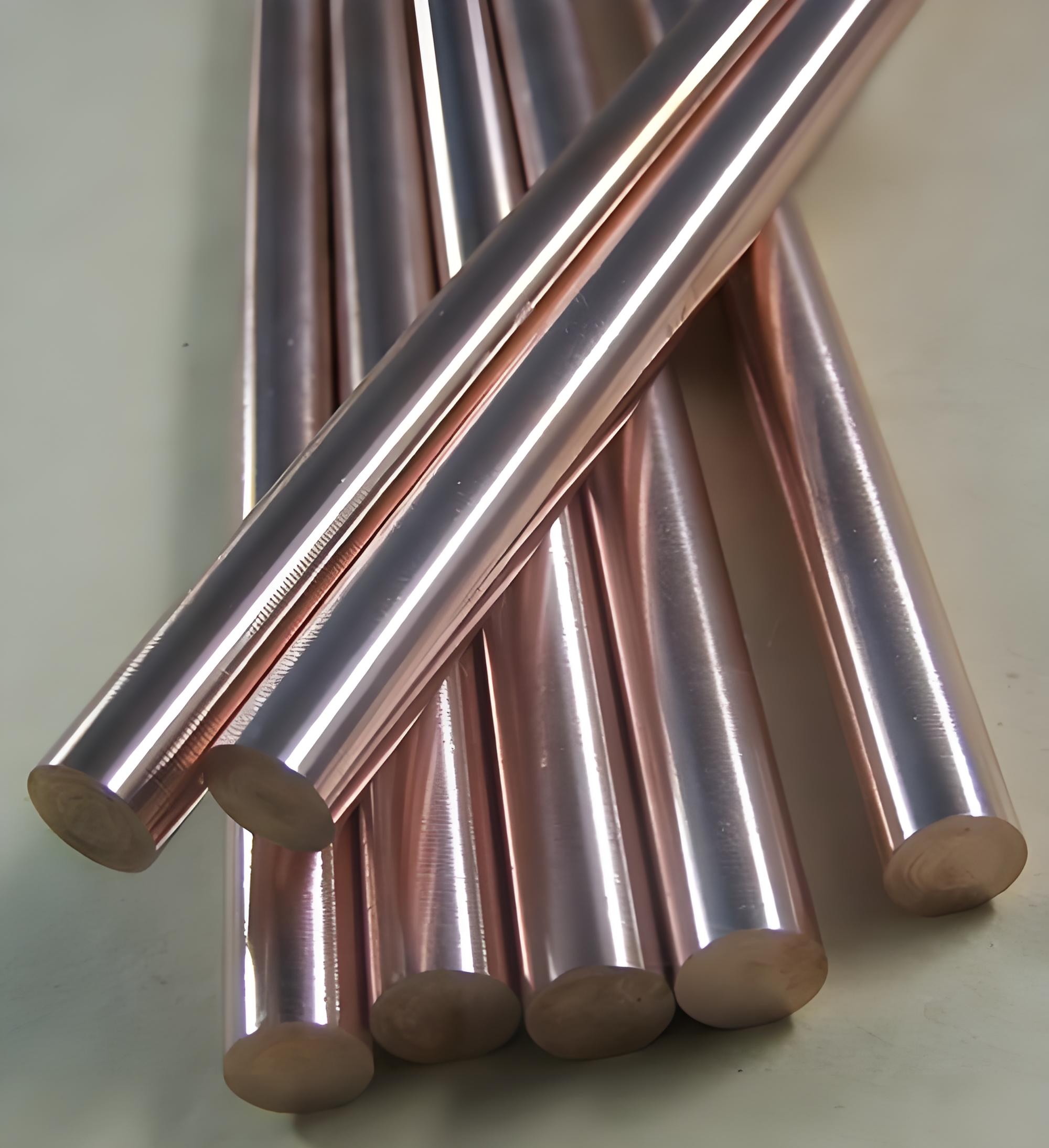
In international procurement, material confusion is common, especially among Hastelloy C-series alloys. Similar names can lead to incorrect substitution, which may create serious corrosion risks in service. For this reason, buyers should always check the UNS number and the key distinguishing elements.
Hastelloy C-2000 corresponds to UNS N06200 and is characterized by copper content together with no tungsten. Hastelloy C-22 corresponds to UNS N06022 and typically contains tungsten but no copper. Hastelloy C-276 corresponds to UNS N10276 and also contains tungsten, with a different overall chemistry balance. Alloy 59, identified as UNS N06059, is another high-performance corrosion-resistant nickel alloy but does not contain copper or tungsten and uses a high-chromium design approach.
The fastest way to identify true C-2000 is to look for copper in the range of 1.3% to 1.9%. Among the commonly compared nickel-chromium-molybdenum Hastelloy grades, this is the key feature that stands out. If the certificate shows tungsten but no copper, the material is not C-2000.
| Confused Name | Correct UNS | Main Difference |
| Hastelloy C2000 | UNS N06200 | Contains Cu, no W |
| C-22 / C-276 / Alloy 59 | N06022 / N10276 / N06059 | Different Cr-Mo-W-Cu design |
What is the chemical composition of Hastelloy C-2000 alloy bar?
Hastelloy C-2000 alloy bar is a nickel-based corrosion-resistant alloy with nickel as the balance, usually at or above 55.0%, plus molybdenum at 15.0% to 17.0%, chromium at 22.0% to 24.0%, copper at 1.3% to 1.9%, iron up to 3.0%, and cobalt up to 2.0%. Minor elements such as carbon, sulfur, phosphorus, and silicon are tightly controlled to maintain weldability and corrosion performance.
Why does Hastelloy C-2000 contain copper?
Copper is intentionally added to improve resistance to reducing acids, especially dilute sulfuric acid. This is one of the defining features of Hastelloy C-2000 and the main reason it is often selected for environments requiring a balance of oxidizing acid resistance and reducing acid resistance.
How can I verify that a bar is real UNS N06200 and not C-22 or C-276?
The most reliable method is to review the mill test certificate and OES chemical analysis report. True UNS N06200 should show copper in the 1.3% to 1.9% range and should not show tungsten as a designed alloying element. C-22 and C-276 typically contain tungsten and do not use copper in the same way. Shanghai NC Metal Materials Co., Ltd. can provide heat-by-heat chemistry documentation and third-party inspection if required.
More from this category
Incoloy 825 bar price depends on the nickel-based alloy composition, bar dimensions, manufacturing route, heat-treatment condition, surface finish, in...
Incoloy 800HT bar price is shaped by nickel, chromium, titanium, and aluminum raw-material costs, together with bar dimensions, heat-treatment conditi...
Incoloy 20 round bar price per kg depends on the alloy composition, bar size, manufacturing method, surface finish, tolerance, certificates, inspectio...
Hastelloy G-30 N06030 bar factory price is determined by the alloy’s high nickel, chromium, iron, molybdenum, copper, and tungsten content, together...
 English English
  Korean
 Arabic
 Spanish
 German
 Portuguese
 French
 Russian
 Italian
 Vietnamese