
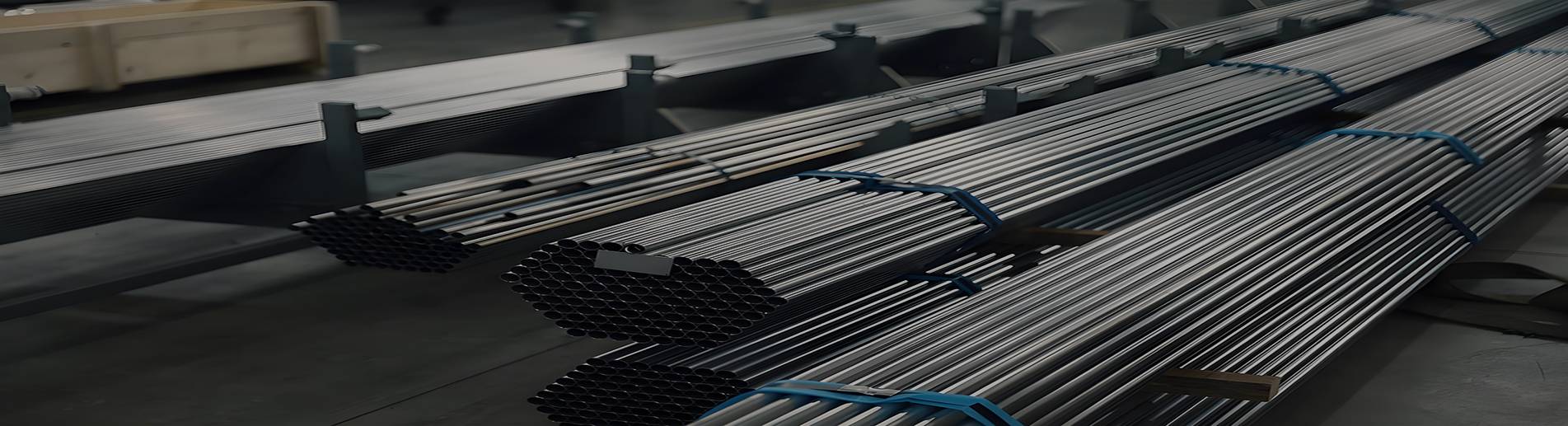
Inconel 617 alloy round bar price per kilogram
Inconel 617 alloy round bar price per kilogram is commonly about USD 45 to 90 per kg for standard industrial stock sizes. Large forged bars, small pre...
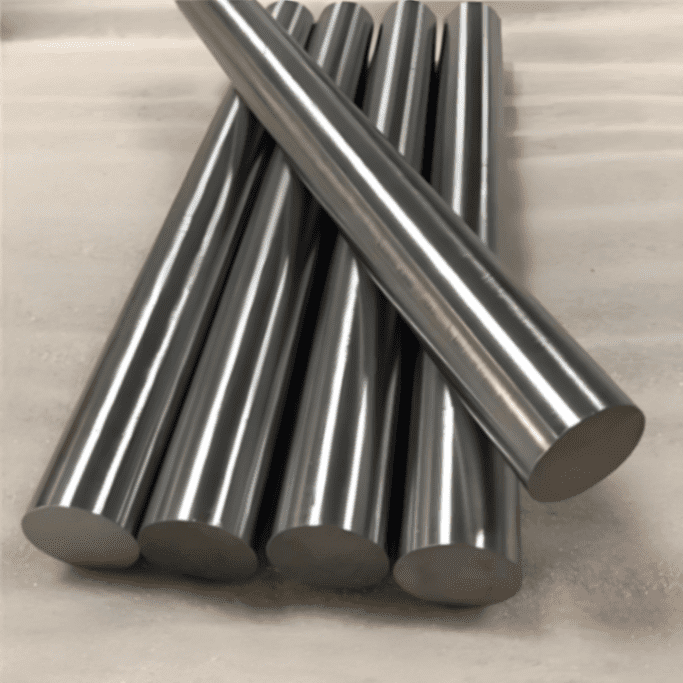
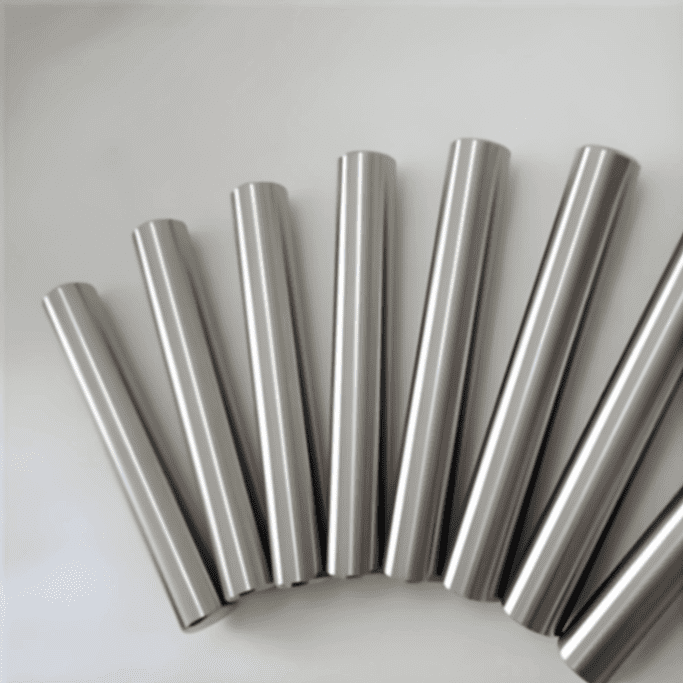
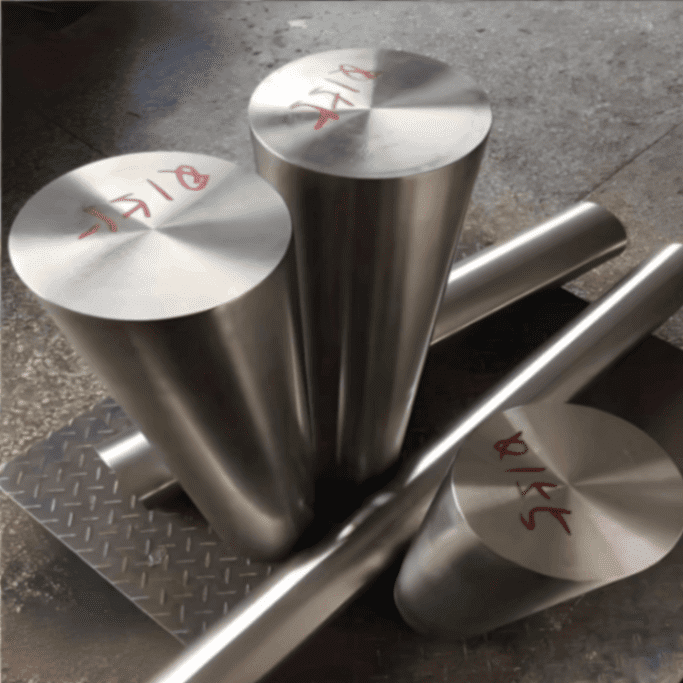
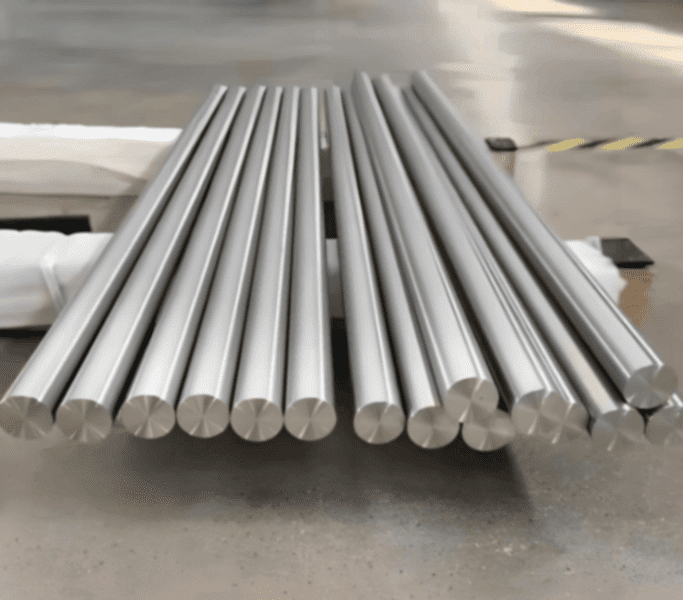
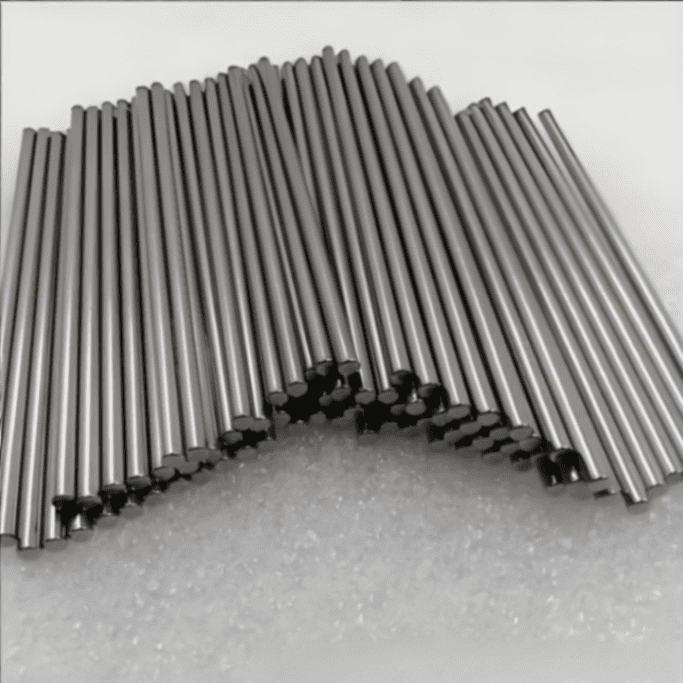
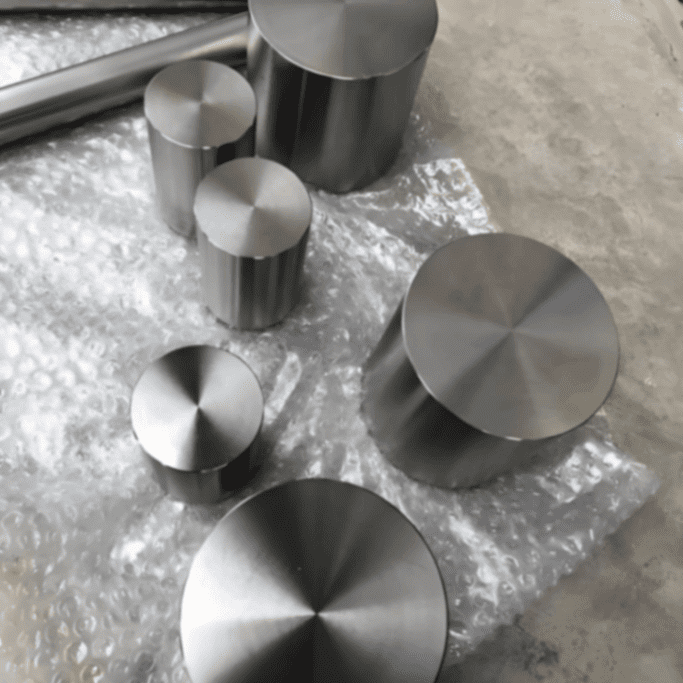
In current mill supply terms, the typical factory FOB price for Hastelloy B-3 bar is about $55–$85 USD/kg, depending on order size, diameter, surface finish, certification, and delivery condition. For very small stock orders below 100 kg, the price is often around $70–$90/kg. For standard orders between 100 and 500 kg, the common range is $60–$75/kg. For large-volume procurement above 1000 kg, the price may move down to about $50–$65/kg. Because Hastelloy B-3 contains very high nickel and molybdenum, daily price movement is closely linked to metal market changes, so the final figure should always be confirmed by same-day quotation from Shanghai NC Metal Materials Co., Ltd.
Hastelloy B-3 bar is a premium nickel-molybdenum alloy product, and its per-kilogram price is noticeably higher than many standard nickel alloys and stainless grades. The most common factory FOB range is $55–$85 USD/kg. This is the reference range most buyers can use for cost estimation before sending a detailed inquiry.
For small-lot purchases from stock, especially below 100 kg, the price is usually higher, often between $70 and $90 per kilogram. The reason is simple. Small orders still consume the same inspection time, cutting effort, packaging resources, and export handling steps as larger orders, but they cannot spread fixed cost over enough quantity.
For a more standard purchasing volume of 100–500 kg, the usual factory quotation range is around $60–$75/kg. This is often the most active commercial range for maintenance buyers, stockists, machine shops, and project contractors purchasing bar for machining into shafts, pins, valve parts, or corrosion-resistant components.
For bulk orders above 1000 kg, the unit price can decrease to around $50–$65/kg. At this scale, the factory can improve raw material planning, melting allocation, rolling efficiency, and packaging economy. Buyers with regular demand often use quarterly contracts or scheduled releases to secure this kind of lower price level.
Even within the same week, the actual quotation may move because Hastelloy B-3 relies heavily on nickel and molybdenum. If the molybdenum market rises sharply, the bar price can change quickly. For that reason, Shanghai NC Metal Materials Co., Ltd. treats all published values as reference ranges rather than fixed sales commitments.
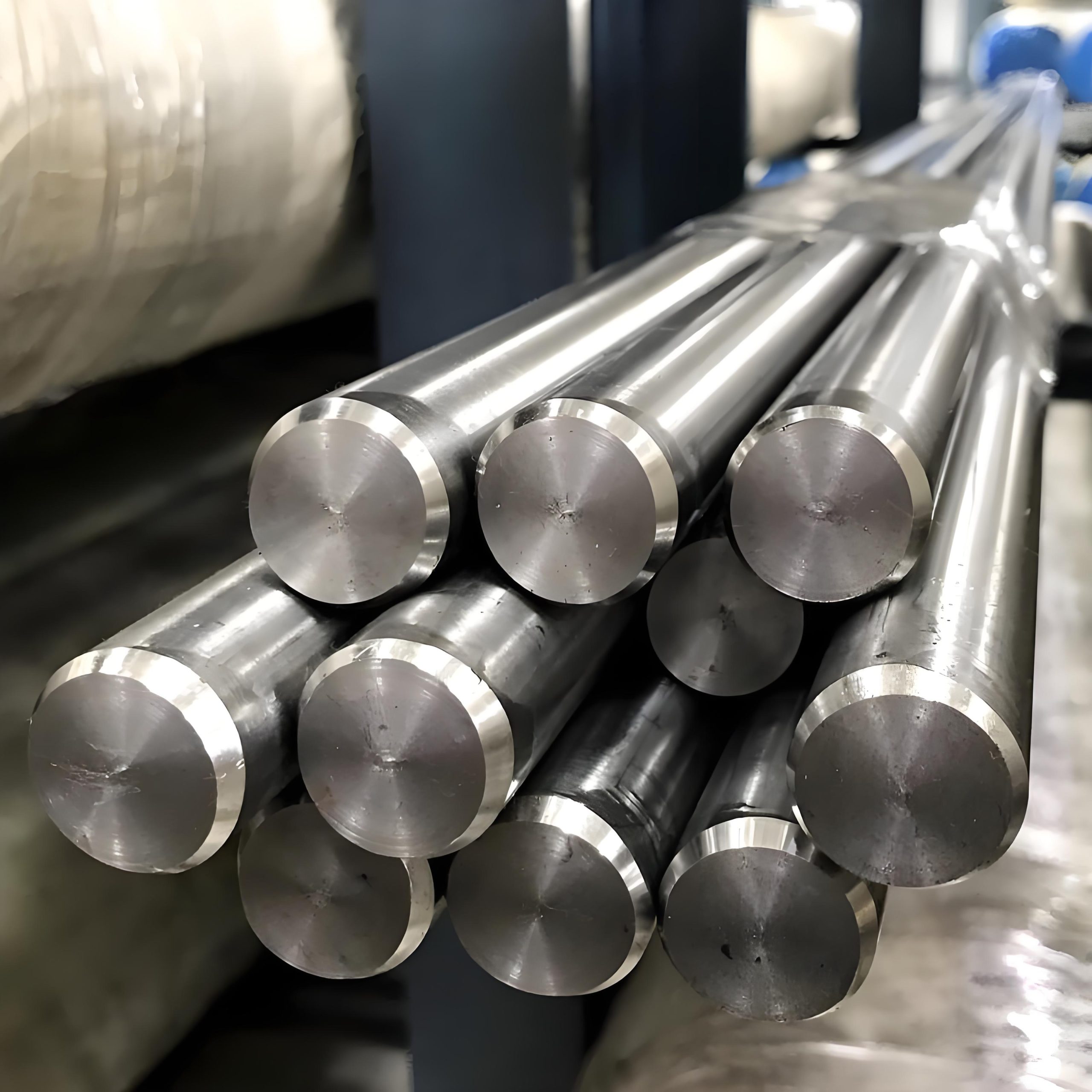
Many customers compare Hastelloy B-3 with Hastelloy C-276, Hastelloy C-22, and Inconel 625 before making a final decision. This is especially common when the project may allow a substitute alloy with lower material cost.
| Alloy Grade | Typical Price USD/kg | Main Reason |
| Hastelloy B-3 / C-276 | $55–$85 / $35–$55 | B-3 has much higher Mo content |
| Hastelloy C-22 / Inconel 625 | $40–$60 / $23–$35 | More balanced or lower Mo chemistry |
Hastelloy B-3 usually sits above Hastelloy C-276 in price because B-3 contains roughly 26–30% molybdenum, while C-276 is typically around 15–17% molybdenum. Since molybdenum is one of the most expensive alloying elements in this category, that chemistry difference has a direct and visible impact on the final bar price.
Compared with Hastelloy C-22, B-3 is also generally more expensive. C-22 has a more balanced composition and serves a wider corrosion market at a more moderate cost level. Buyers who do not specifically need the strong reducing-acid resistance profile of B-3 often find C-22 more economical.
Inconel 625 is usually much lower in price because, although it is still a nickel-based alloy, its molybdenum content is significantly lower. For applications focused on moderate corrosion and elevated temperature rather than strong reducing acid service, 625 is often chosen as a lower-cost option.
This comparison matters because alloy over-specification is expensive. A buyer selecting B-3 without a real technical need for its reducing-acid performance may pay a substantial premium in U.S. dollar terms without gaining practical project benefit.
The first and most important factor is raw material cost. Hastelloy B-3 contains about 65% nickel and around 28% molybdenum, depending on the certified composition range. Molybdenum is the largest cost driver. In practical factory costing, if the molybdenum market rises by about $5/kg, the finished Hastelloy B-3 bar cost may increase by roughly $1.4/kg. This is why B-3 quotations can move even when demand stays unchanged.
The second factor is melting difficulty. Hastelloy B-3 usually requires vacuum induction melting, often combined with electroslag remelting for quality assurance and improved internal cleanliness. These processes are far more expensive than ordinary steel melting. The overall yield is also limited, commonly around 75–80%, so the cost of non-finished input material is higher.
The third factor is processing cost. B-3 is not an easy alloy to hot work. Its hot plasticity is relatively poor, the forging and rolling window is narrow, and the scrap risk is higher than with more forgiving alloys. Fewer safe passes may be possible during deformation, and rejection cost must be included in the selling price.
The fourth factor is size and surface finish. Small diameters under 20 mm are usually more expensive per kilogram because drawing, straightening, peeling, and dimensional control become more demanding. Bright bars or ground bars also carry an additional premium, often around $10–$20/kg compared with black surface bars of similar diameter.
The fifth factor is certification. If the order requires standard EN 10204 3.1 mill certification, this is typically part of the base commercial package. If the customer needs special project documentation, nuclear-grade traceability, RCC-M related documentation, or third-party witness support, the price can rise further. Depending on complexity, this can add about $5–$15/kg.
Price in the nickel alloy bar market is never based only on alloy grade. Diameter and surface condition strongly affect the factory rate because they change machining loss, finishing cost, and stock availability.
| Diameter Range | Black Bar USD/kg | Turned or Ground Bar USD/kg |
| φ10–30 mm / φ30–80 mm | $65–85 / $55–75 | $75–100 / $65–85 |
| φ80–200 mm | $50–70 | $60–80 |
Small-diameter bars in the 10–30 mm range tend to be the highest in unit price. These sizes are often purchased for high-precision machining work, and customers usually request tighter straightness and better surface finish. As a result, the factory processing route becomes more expensive.
Medium diameters from 30 to 80 mm are usually the most commercially balanced category. They are easier to produce than very small sizes and are widely used for machined parts, flanges, shafts, and support components, so stock availability is often better.
Large diameters from 80 to 200 mm may show a lower per-kilogram rate in black condition, but that does not always mean lower total project cost. Large bars are heavy, cutting loss can be significant, and transport and packaging costs rise accordingly. For buyers making large machined parts, it is important to compare finished-part yield rather than bar price alone.
Order quantity has a direct effect on per-kilogram cost. At Shanghai NC Metal Materials Co., Ltd., volume discount is commonly structured in stages because larger orders improve melting efficiency, production scheduling, and freight preparation.
| Purchase Quantity | Discount Level | Typical Price |
| 10–99 kg / 100–499 kg | Base / about 5–8% off | $70–90 / $60–75 |
| 500–999 kg / 1000 kg and above | about 10–15% off / about 15–20% off | $55–70 / $50–65 |
For 10–99 kg, the order is usually treated as a small-lot or stock-based supply. There is little room to reduce the unit price because setup, cutting, testing, and documentation costs are proportionally high.
For 100–499 kg, customers normally receive the first meaningful discount range. This level often applies to practical fabrication lots and small project packages. For 500–999 kg, the quotation can improve further as the order becomes more production-efficient.
At 1000 kg or above, the pricing becomes substantially more competitive. This is especially true when the buyer accepts standard lengths, standard testing, and grouped shipment scheduling. Long-term buyers sometimes gain even better stability by locking quarterly pricing formulas tied to nickel and molybdenum indexes.
The base per-kilogram price does not always include every service item. Several common extras can affect the final sales amount.
Cut-to-length service normally adds about $2–$5/kg depending on cutting precision, number of pieces, and whether each piece requires individual marking. Precision sawing for short blanks or tight-tolerance pieces costs more than simple random-length cutting.
Standard EN 10204 3.1 mill certificate is generally included in normal commercial supply. However, if the customer requests 3.2 certification or third-party inspection by agencies such as SGS or BV, the additional charge may be around $3–$8/kg depending on witness scope and documentation requirements.
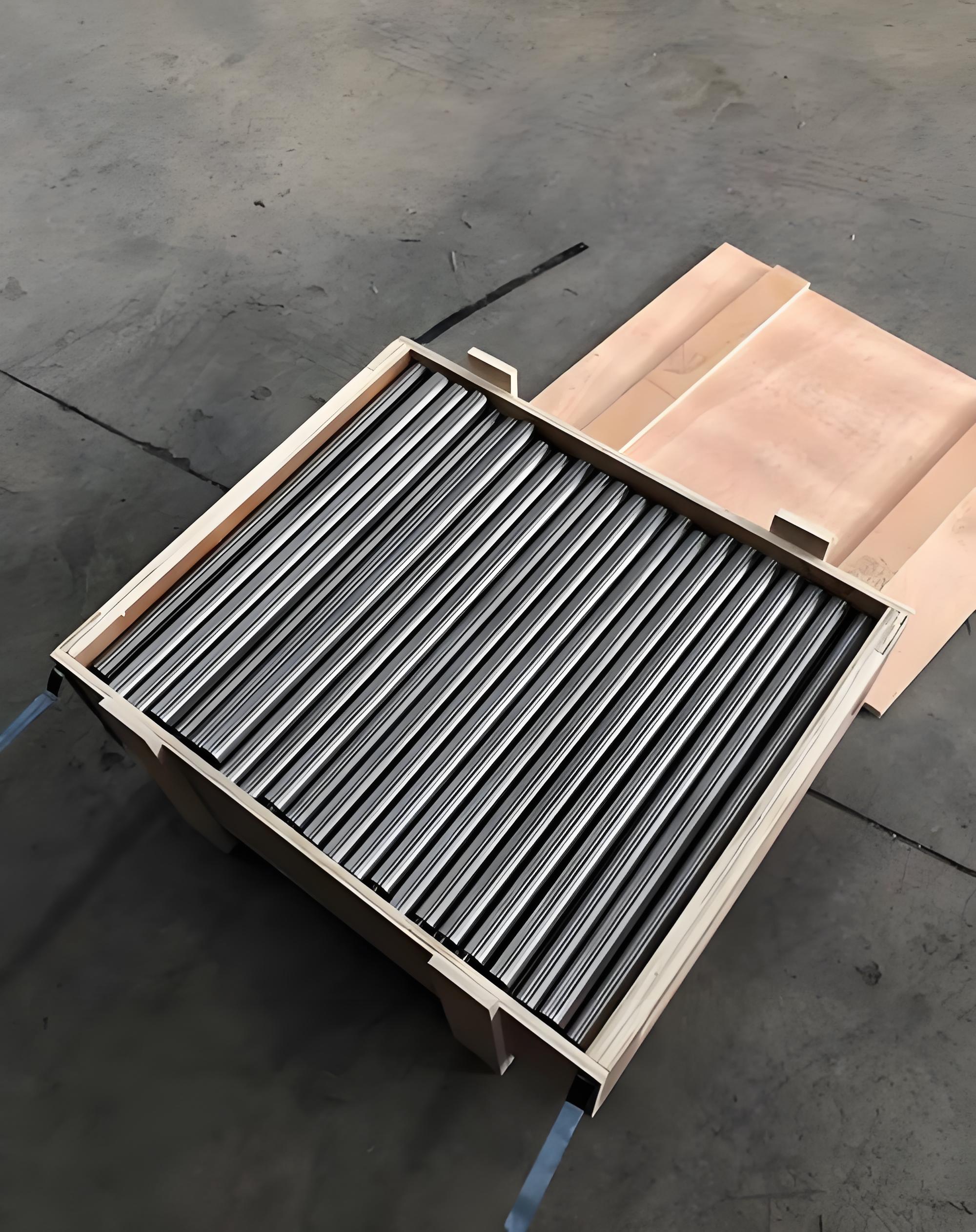
Export packing can also create extra cost. Standard seaworthy wooden case packing with anti-rust protection often adds about $1–$2/kg. For small shipments, this cost can appear relatively high because crate cost is spread over fewer kilograms.
If the delivery is urgent, an expedited schedule may increase the total by about 10–20%. Rush production affects furnace scheduling, finishing sequence, and inspection arrangement, so the premium is usually unavoidable.
Customers often ask why Hastelloy B-3 is priced so much higher than Hastelloy C-276 when both are premium nickel alloys. The answer begins with chemistry. B-3 contains about 26–30% molybdenum, while C-276 usually contains about 15–17%. If molybdenum is in the range of about $40–$50/kg, the extra molybdenum alone can add roughly $5–$6 of raw material cost to each kilogram of B-3.
Another factor is the low chromium content of B-3. While this chemistry gives B-3 its well-known reducing-acid resistance profile, it also means the alloy needs stricter protection during melting and thermal processing. Oxidation control becomes more demanding, and the use of protective atmosphere adds indirect cost.
The hot working window for B-3 is also narrower than that of C-276. In practical shop terms, the forging temperature range may be about 50°C tighter. That may sound small on paper, but in actual production it significantly increases crack risk, process rejection, and operator control difficulty.
Electroslag remelting is also more commonly treated as a near-standard route for high-quality B-3 supply, while C-276 may not always require the same level of remelting for every commercial order. This further explains the price gap between the two alloys.
At Shanghai NC Metal Materials Co., Ltd., standard supply of Hastelloy B-3 bar includes both black surface and turned or ground bar options. Typical stock diameters are around 20–150 mm, with total inventory availability around 20 tons in common forms. For orders within about 1 ton and within standard stock range, same-day dispatch preparation is often possible.
For custom production, the normal minimum order quantity is about 500 kg. This level is generally necessary to make melting, forging, rolling, and inspection economically reasonable. The usual delivery time for custom production is around 3–5 weeks, depending on bar size, surface condition, and document requirement.
Sample supply is also available. A common sample size is about φ30 × 200 mm, with reference sample charges around $50–$100. In many business cases, this sample cost can be offset against a later formal order, which is useful for customers who want machining trials, corrosion evaluation, or internal approval testing.
At present, molybdenum remains at a relatively high market level, roughly around $45–$55/kg in many reference trading discussions. Because B-3 is so molybdenum-intensive, this keeps the alloy in a high price zone. Buyers should expect less price stability than with lower-alloy nickel materials.
If molybdenum drops closer to about $35/kg, the reference price of Hastelloy B-3 bar may soften into a range closer to $45–$70/kg, depending on order size and processing condition. This is why timing matters for project purchasing, especially for larger tonnage.
For buyers with immediate demand, staged purchasing is often more practical than heavy stocking. Large speculative inventory can expose the buyer to price risk if the molybdenum market falls later. A quarterly supply agreement is often a better strategy because it can reduce daily fluctuation while still allowing purchasing flexibility.
There is also a technical-cost question. If the service environment is not a strong reducing acid condition, especially if hydrochloric acid resistance above about 180°C is not required, then alternatives such as Hastelloy C-276 or Hastelloy C-22 may reduce material cost by roughly 30–40% in many cases. This kind of substitution should always be confirmed technically, but it is a common cost-saving path.
To receive an accurate quotation from Shanghai NC Metal Materials Co., Ltd., the buyer should provide diameter, required length, quantity, surface condition, certification requirement, and destination. These details allow the sales and production teams to calculate whether the supply should come from stock, from cut pieces, or from a new production run.
We can quote on FOB factory basis, as well as CIF or CFR reference terms depending on the destination and shipment mode. For export business, freight can make a meaningful difference to the final landed cost, especially for small but heavy bars.
If the quantity is large, the price is usually negotiable within the range allowed by current nickel and molybdenum cost movement. Sample test bars can also be arranged for buyers who want to verify machinability or material performance before placing the full order.
What is the current Hastelloy B-3 bar price per kg?
The usual factory reference range is about $55–$85 USD/kg FOB. Small stock orders below 100 kg are often around $70–$90/kg, while bulk orders above 1000 kg may reach about $50–$65/kg depending on size and finish.
Why is Hastelloy B-3 more expensive than C-276?
The main reason is its much higher molybdenum content, typically around 26–30%, compared with about 15–17% for C-276. B-3 also has stricter melting and hot working requirements, which raise processing cost and reduce yield.
What information is needed for a Hastelloy B-3 bar quotation?
The buyer should provide bar diameter, length, quantity, surface condition, certification level, and destination. With these details, Shanghai NC Metal Materials Co., Ltd. can prepare a same-day reference quotation on FOB, CFR, or CIF basis.
More from this category
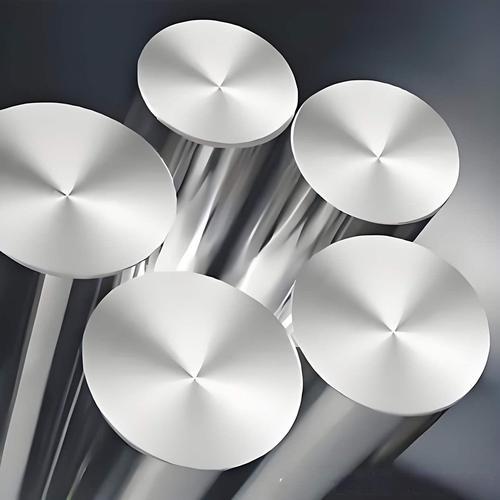
Inconel 617 alloy round bar price per kilogram is commonly about USD 45 to 90 per kg for standard industrial stock sizes. Large forged bars, small pre...
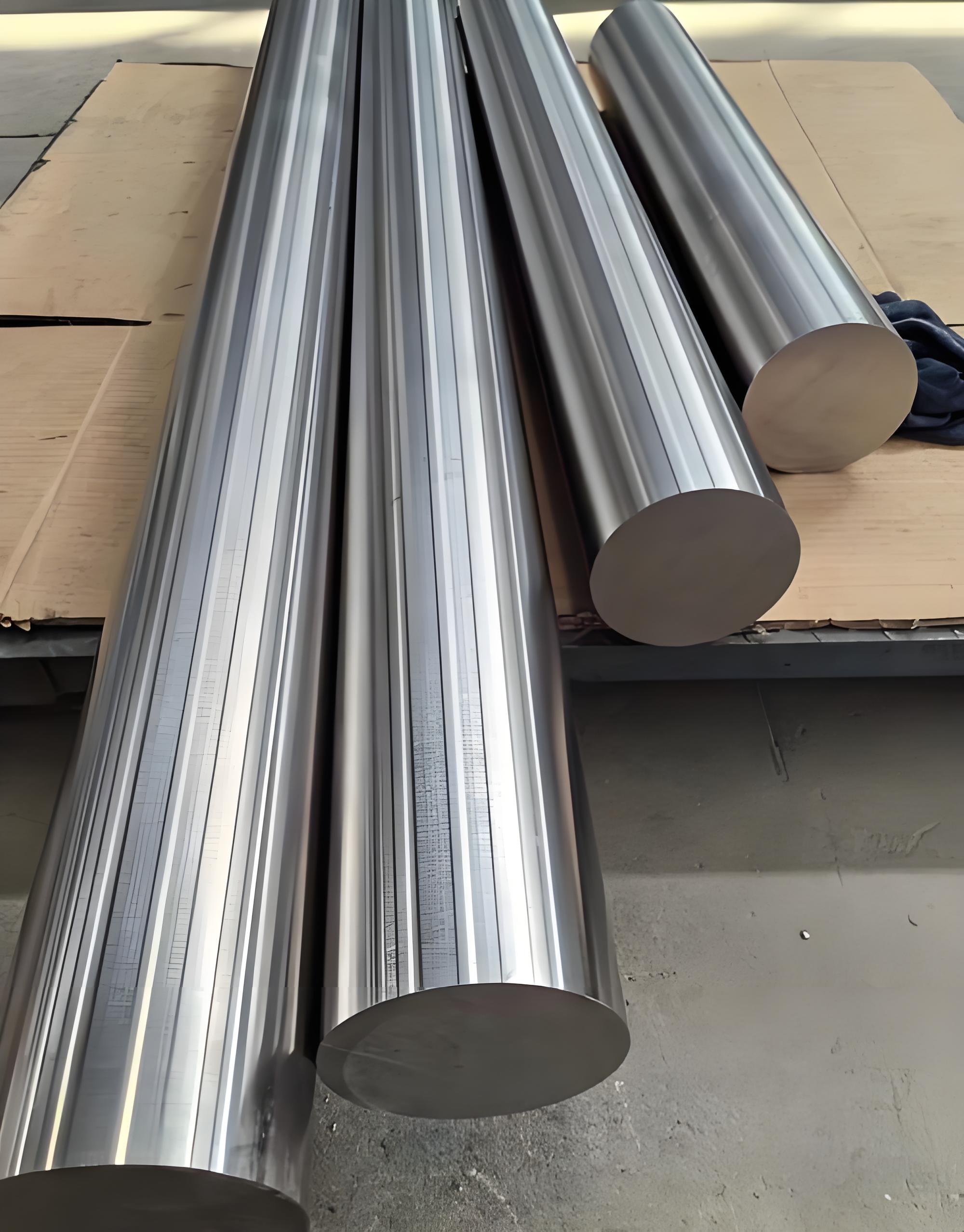
The latest Inconel 625 alloy bar price per kg depends on nickel, molybdenum, niobium, and chromium raw material costs, as well as bar diameter, manufa...
Inconel X-750 alloy bar price depends on nickel raw material cost, bar diameter, product condition, heat treatment, specification, surface finish, dim...
Inconel 602CA alloy bar price per kg is usually higher than common Inconel 600 and Inconel 601 bars because Alloy 602CA is a premium high-temperature ...
 English English
  Korean
 Arabic
 Spanish
 German
 Portuguese
 French
 Russian
 Italian
 Vietnamese