
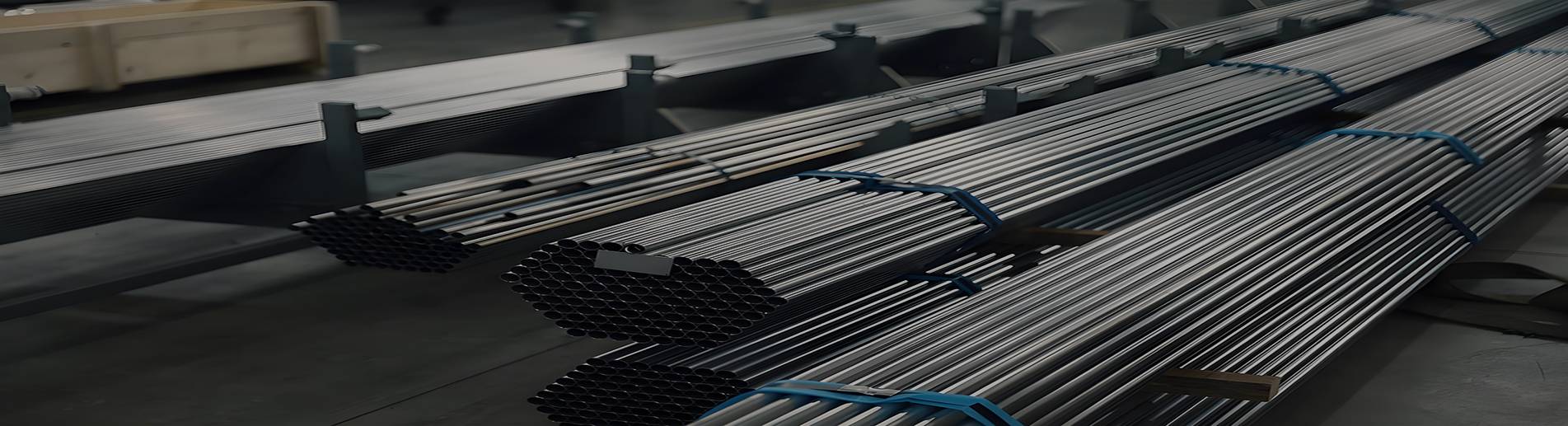
Incoloy 825 Bar Price | UNS N08825 Supplier
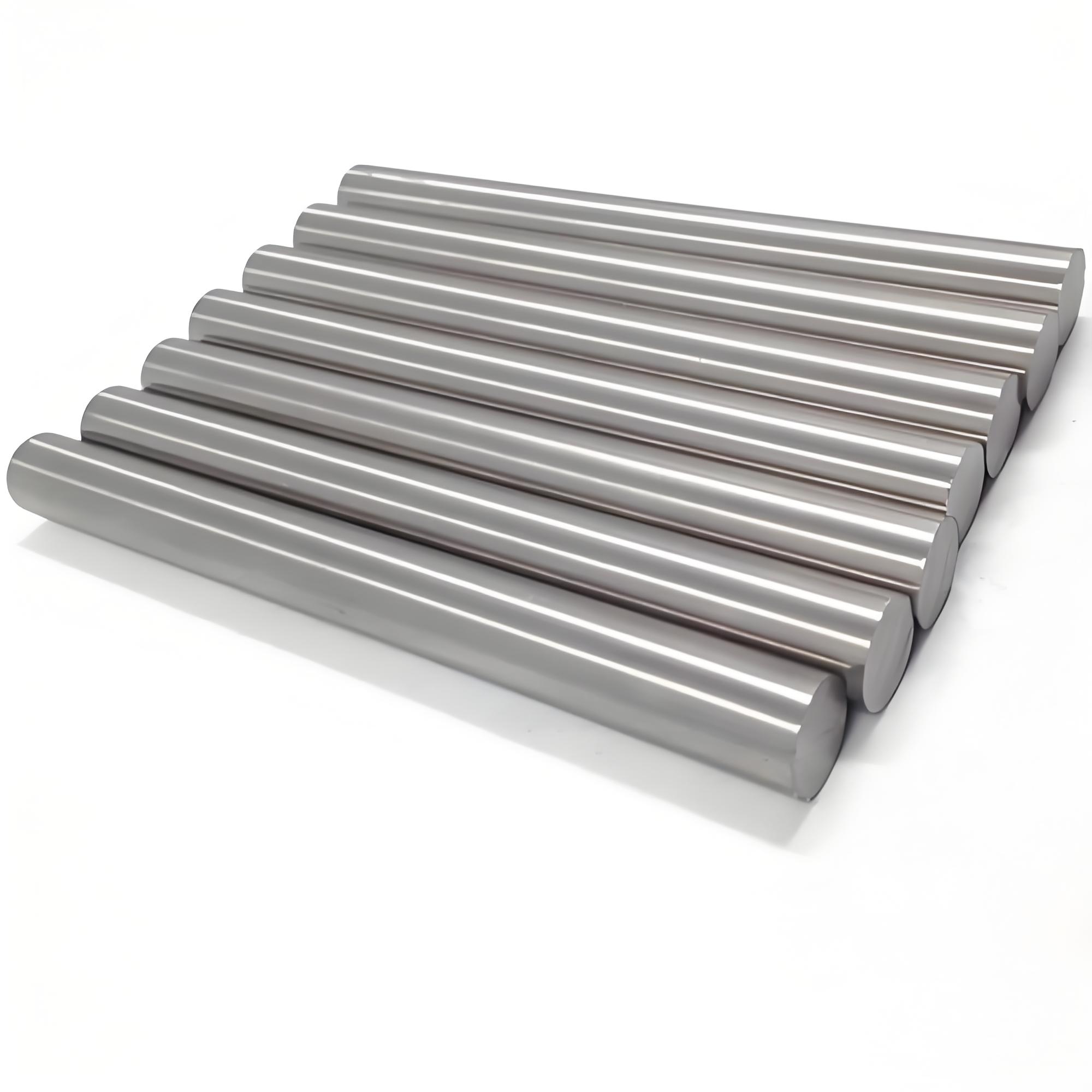
Incoloy 825 bar price depends on the nickel-based alloy composition, bar dimensions, manufacturing route, heat-treatment condition, surface finish, in...
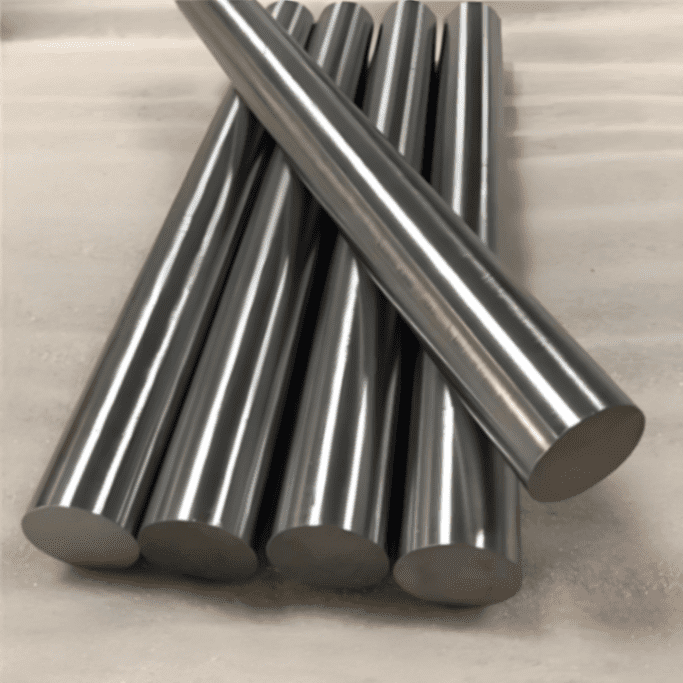
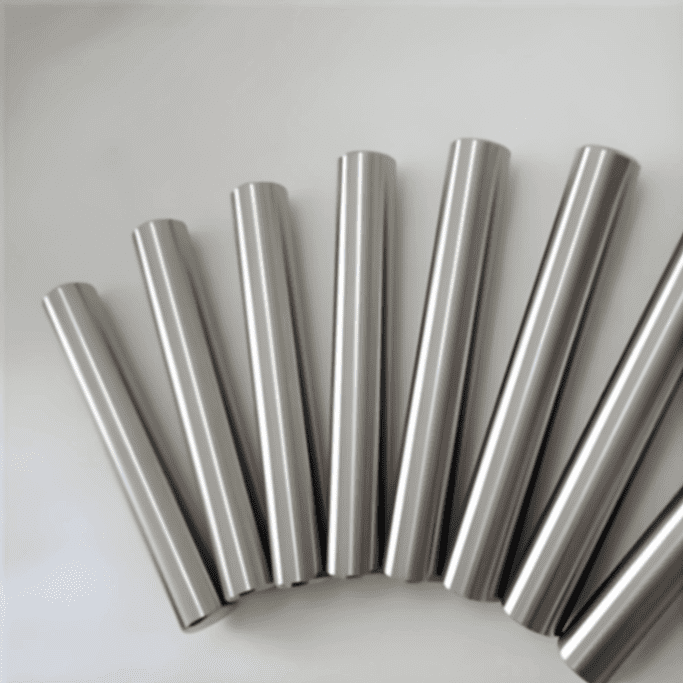
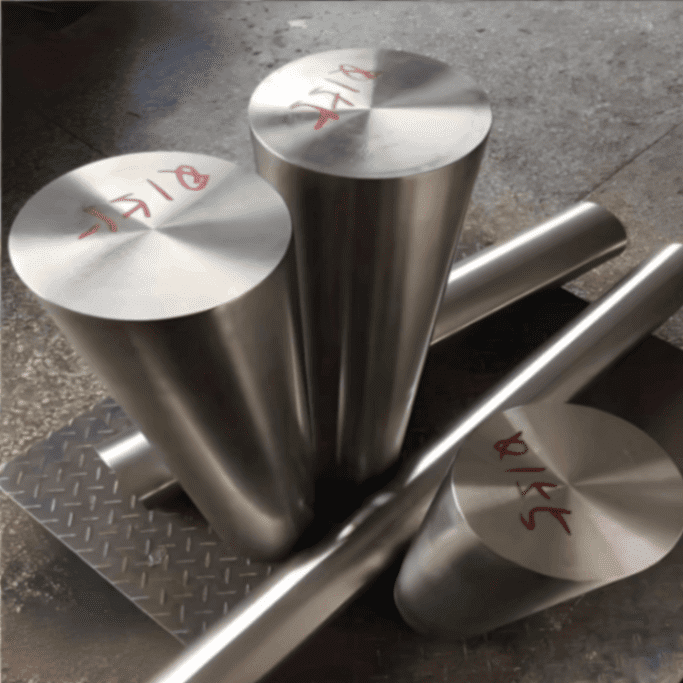
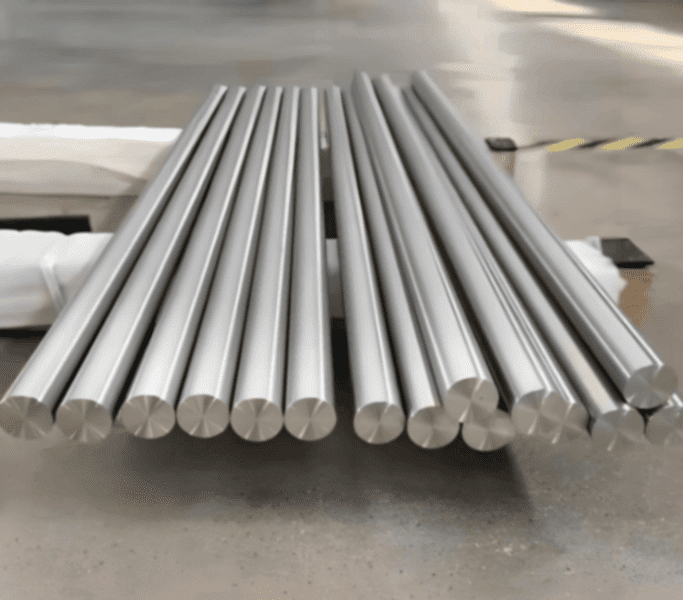
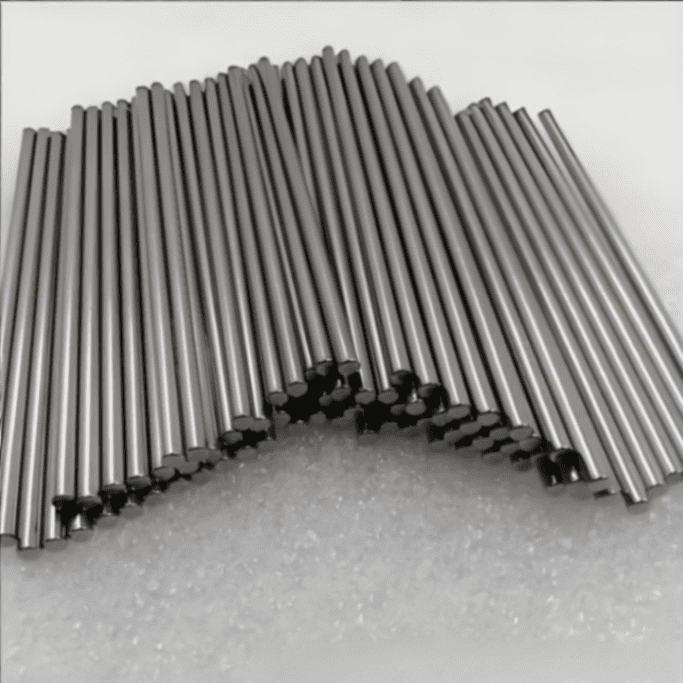
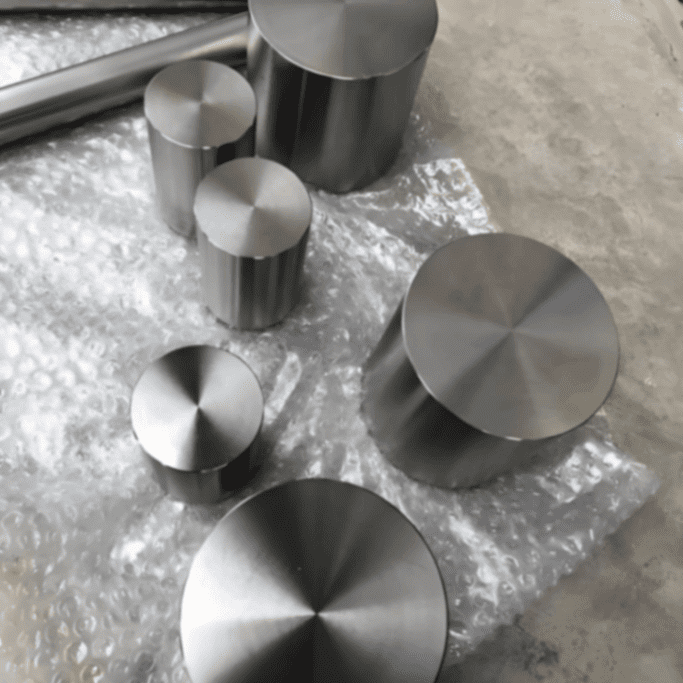
Hastelloy B-2 bars and springs,In real purchasing work, the price is not determined by alloy grade alone. It is closely related to bar size, supply condition, whether the order is for raw bars or finished springs, required testing, heat treatment, and delivery quantity. For this reason, Shanghai NC Metal Materials Co., Ltd. offers a one-stop supply model covering Hastelloy B-2 bar stock, spring wire or spring bar preparation, and finished spring processing according to drawing or sample. The following content explains the pricing structure, cost logic, processing surcharges, application suitability, and ordering details in a clear and professional way.
Shanghai NC Metal Materials Co., Ltd. supplies Hastelloy B-2 products in a flexible way so that customers can choose the most economical procurement route according to their own production capability and application needs.
The first supply mode is direct delivery of Hastelloy B-2 round bars. This option is suitable for customers who already have their own spring workshop, CNC machining line, or wire-forming capability. They purchase the bars or wire-ready feedstock and complete the spring production in-house. This often works well for factories that want tighter control over dimensions, spring rate, and assembly scheduling.
The second mode is custom spring manufacturing based on drawings or physical samples. In this case, Shanghai NC Metal Materials Co., Ltd. processes Hastelloy B-2 into finished springs by coiling, forming, or stamping according to the customer’s design. This is the preferred choice for end users who need ready-to-install spring parts for pumps, valves, dosing equipment, chemical reactors, or safety devices.
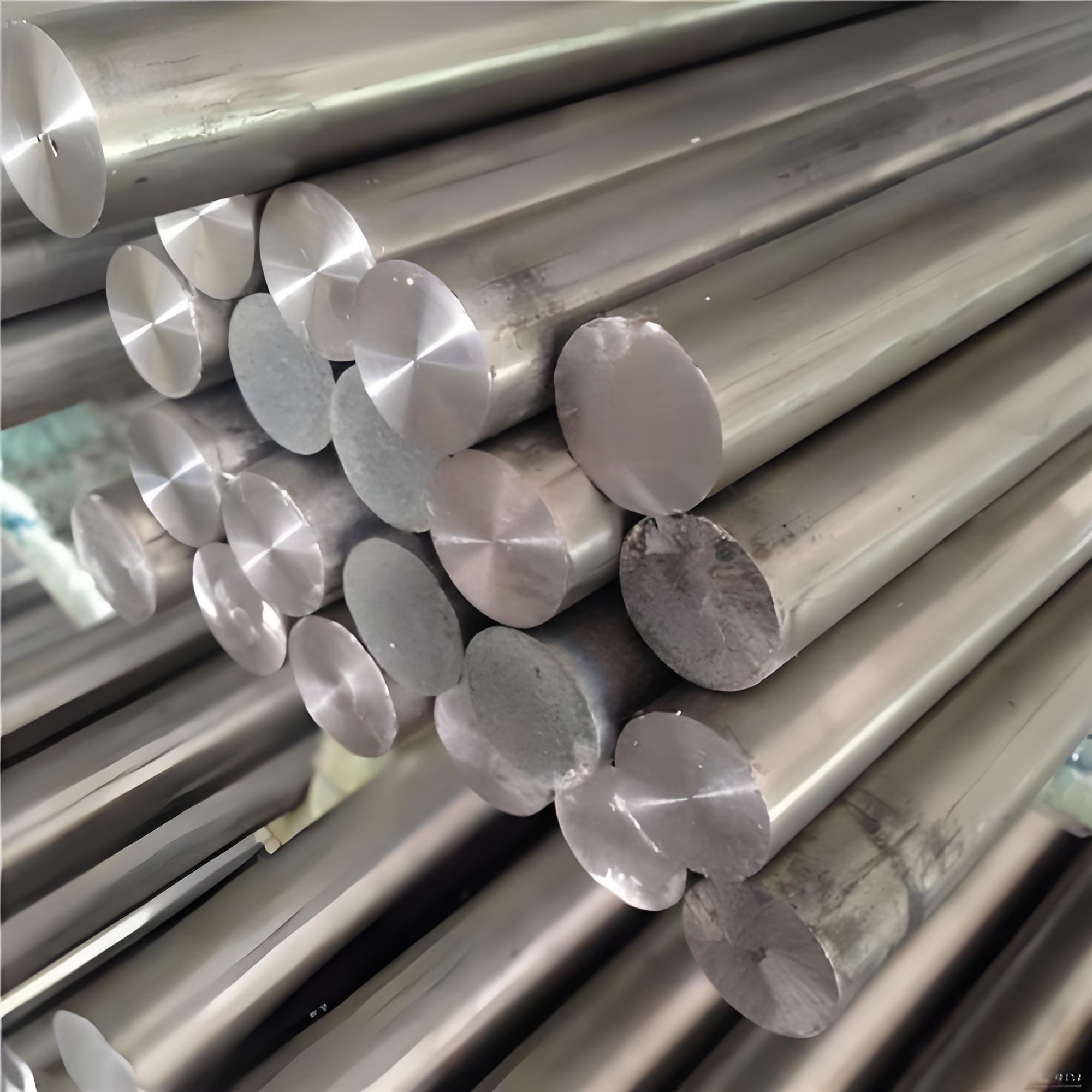
The third mode is bundled procurement of both bars and finished springs. This arrangement is especially useful for larger projects, spare parts programs, or customers who need both maintenance stock and finished components. Because the raw material and conversion process are managed in one supply chain, bundled procurement usually receives a better overall unit price than separate purchases from multiple vendors.
From a purchasing perspective, this one-stop model reduces intermediate markups, shortens communication time between material and processing suppliers, and makes traceability easier for projects requiring mill certificates and production records.
For most buyers, the first question is the reference price range of Hastelloy B-2 bars in U.S. dollars per kilogram. The exact offer always depends on current raw material costs, especially molybdenum, as well as size, surface finish, quantity, and testing requirements. Still, market-oriented reference pricing can be given for planning purposes.
For small retail quantities below 100 kg, the reference ex-works price of Hastelloy B-2 bar stock is usually around USD 90 to USD 120 per kg. This range typically applies to ready stock or short-length supply in small volume, where handling and inventory costs are relatively high.
For medium batch purchases from 100 kg to 500 kg, the reference range is generally USD 75 to USD 95 per kg. This is a common procurement level for project spares, workshop stock replenishment, and small batch manufacturing.
For large-volume purchases above 500 kg, direct mill supply can often be discussed in the range of USD 65 to USD 85 per kg. This applies especially to standard bar sizes, repeat orders, and stable production schedules.
Finished springs are normally not quoted simply by kg, because geometry, wire diameter, number of active coils, free length, load requirement, tolerance, and testing standard all affect manufacturing cost. In most cases, spring parts are priced separately by piece, by lot, or by drawing-based quotation.
| Purchase Type | Reference Price | Note |
| Bar stock under 100 kg | USD 90–120/kg | Small retail quantity |
| Bar stock above 500 kg | USD 65–85/kg | Direct factory supply |
When a customer needs finished Hastelloy B-2 springs instead of raw bars, processing charges must be added to the material value. The most basic extra cost is coiling or forming. Depending on spring complexity, size, and tolerance, the forming charge is commonly around USD 5 to USD 20 per piece.
If stress relief or solution heat treatment is required after forming, an additional heat treatment charge usually applies. As a reference, this cost is often about USD 2 to USD 8 per kg for either bar stock or spring products, depending on batch size and furnace loading efficiency.
Some spring applications require polished surfaces or protective functional coatings. Surface finishing charges are generally in the range of USD 3 to USD 10 per kg. This is often requested for spring rods, sealing-related springs, or parts used in clean chemical systems.
For high-reliability projects, especially in chemical safety equipment or nuclear-related systems, fatigue testing, load verification, or certification testing may also be required. These quality-related add-ons can cost approximately USD 50 to USD 200 per batch, depending on the number of samples and the inspection scope.
Buyers often underestimate the effect of post-forming operations on total spring price. In premium nickel alloys such as Hastelloy B-2, machining, heat treatment, and inspection can significantly change the final piece cost even when the raw material cost is already high.
The pricing logic of Hastelloy B-2 is mainly driven by alloy chemistry, melting route, hot working difficulty, and product specification. Among these, molybdenum is one of the most decisive cost factors because Hastelloy B-2 contains a very high Mo content, typically 26% to 30%.
When molybdenum market price rises by about USD 5 per kg, the material cost of B-2 may increase by roughly USD 1.3 to USD 1.5 per kg. This is why B-2 pricing is often more volatile than standard stainless steel or lower-alloy nickel materials.
The melting process is another major cost contributor. Hastelloy B-2 usually requires VIM plus ESR processing to ensure purity, structure stability, and corrosion performance. This double melting route provides a cleaner and more uniform alloy, but it also raises production cost. In addition, the final yield is typically only around 70% to 75%, which means a noticeable part of production input does not become finished saleable bar.
Hot working difficulty also affects pricing. B-2 has relatively poor hot workability compared with some more common nickel alloys. During forging and rolling, the scrap rate is higher, especially when preparing small-diameter feedstock for spring wire or precision rod. The tighter the diameter tolerance and the smaller the section, the more processing risk the mill must absorb.
Specification and surface condition are equally important. Cold-drawn spring wire from 0.5 mm to 10 mm normally carries a premium of about USD 20 to USD 40 per kg above standard hot-worked bar pricing. Bright bars in the range of 10 mm to 50 mm often carry an additional premium of about USD 10 to USD 20 per kg due to extra turning, grinding, and surface control.
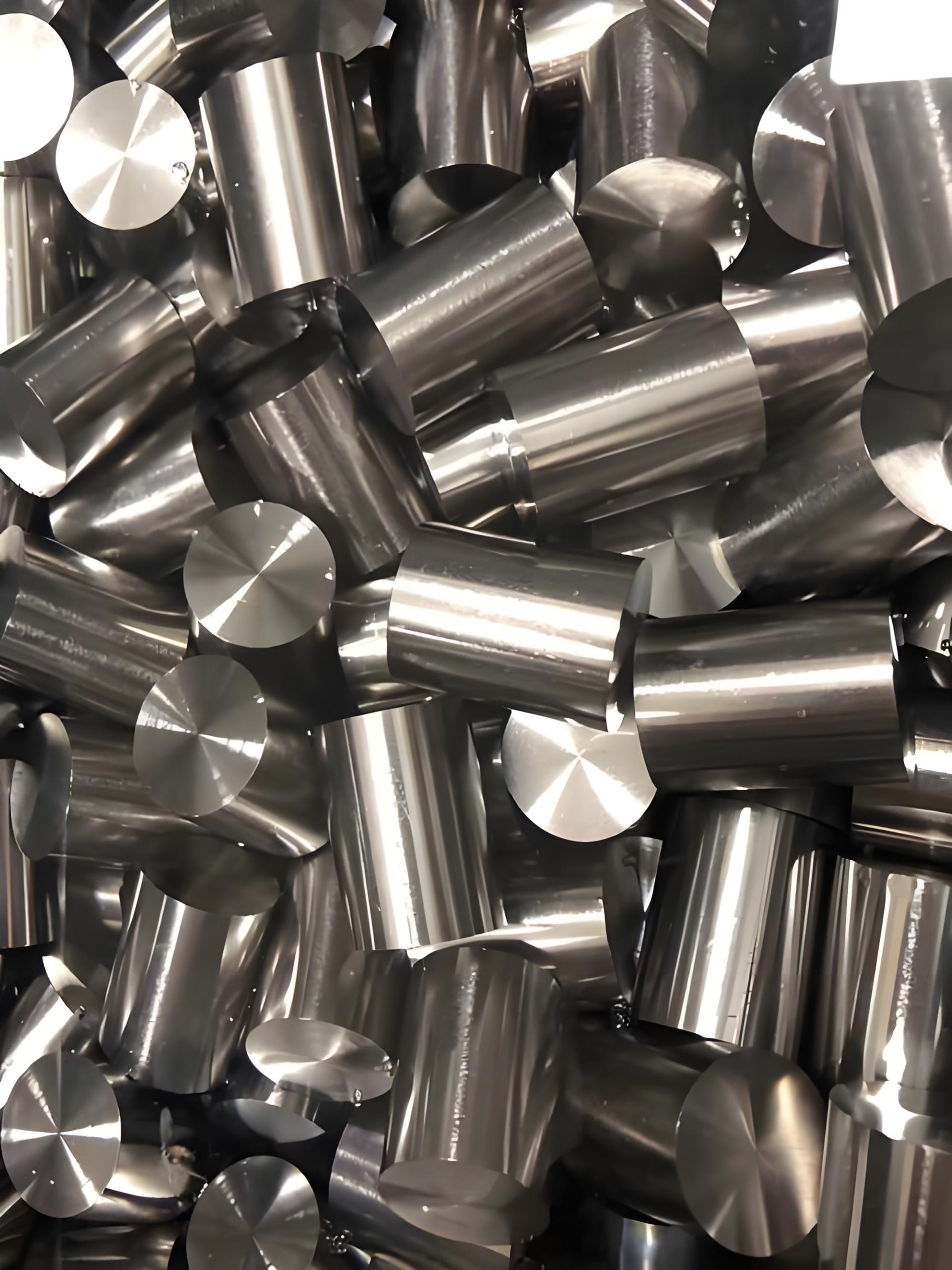
For buyers looking for the best manufacturer price, order volume is one of the simplest ways to reduce the average cost of Hastelloy B-2 materials. Shanghai NC Metal Materials Co., Ltd. applies a step-based quotation logic, where larger and more stable orders receive better pricing.
For loose bar purchases below 50 kg, the price is usually close to the benchmark level because the cost of material selection, cutting, packing, and paperwork is spread over a very small quantity. In such cases, the reference level is commonly around USD 95 to USD 120 per kg.
When the quantity increases to 100 kg to 500 kg, the discount level generally reaches about 8% to 12%, bringing the price into a more competitive range of roughly USD 75 to USD 95 per kg depending on size and form.
For combined procurement of bars and finished springs with a total material equivalent above 500 kg, discounts of around 15% to 20% are often possible. This can reduce the converted bar price to roughly USD 65 to USD 85 per kg, while also simplifying sourcing and scheduling.
Annual framework agreements above 2 tons per year typically receive the strongest support. In this case, the discount may reach 20% to 25%, and the practical reference range can move toward USD 55 to USD 75 per kg for suitable recurring specifications.
| Plan | Discount Level | Reference Range |
| 100–500 kg bars | 8–12% | USD 75–95/kg |
| Annual agreement above 2 tons | 20–25% | USD 55–75/kg |
Different spring designs require different feedstock diameters, and the price changes with the form of material supplied. For precision springs, smaller diameters generally cost more per kilogram because of higher processing difficulty and tighter dimensional control.
For diameters from 0.5 mm to 2 mm in cold-drawn annealed condition, the material is typically used for precision miniature springs. The reference price level is about USD 110 to USD 150 per kg. This range reflects the demanding cold drawing process and the lower production output per batch.
For diameters from 2 mm to 6 mm, supplied as cold-drawn or ground material, typical applications include valve springs and compact industrial springs. The price is usually around USD 90 to USD 120 per kg.
For diameters from 6 mm to 15 mm, often supplied as turned or ground spring blanks, the usual range is around USD 75 to USD 95 per kg. These sizes are suitable for larger mechanical spring components or for further machining into custom elastic parts.
For larger diameters from 15 mm to 50 mm, black surface or turned bars are commonly used as spring raw stock or forged spring component blanks, and the reference price often falls into the USD 65 to USD 85 per kg range.
| Diameter | Supply Condition | Reference Price |
| 0.5–2 mm | Cold drawn annealed | USD 110–150/kg |
| 15–50 mm | Black or turned bar | USD 65–85/kg |
Hastelloy B-2 is a nickel-molybdenum alloy developed for excellent corrosion resistance in strong reducing environments. Its chemistry, typically with nickel at not less than about 65% and molybdenum at 26% to 30%, gives it outstanding resistance in media such as hydrochloric acid and sulfuric acid under many conditions.
For spring applications exposed to hydrochloric acid, this is a major advantage. Springs often fail not because of mechanical overload alone, but because corrosion reduces the effective cross section, creates pits, and accelerates fatigue cracking. B-2 helps control this risk in severe reducing chemical systems.
Another important feature is that B-2 does not rely on chromium or tungsten in the way some other corrosion-resistant alloys do. In hydrochloric acid systems, this chemistry can help avoid certain localized corrosion behaviors that are more problematic for other alloy families. For buyers selecting springs specifically for HCl service, this often makes B-2 one of the preferred grades.
Its low carbon level, generally no more than 0.010%, supports good resistance to intergranular corrosion and helps maintain performance after welding or thermal exposure associated with fabrication. This gives more flexibility when spring assemblies are integrated into welded or processed equipment.
At the same time, buyers should understand its limitation. Hastelloy B-2 is not the ideal choice for high-temperature spring duty above about 400 degrees Celsius, because strength drops at elevated temperature. It is better suited to corrosive chemical service than to hot spring service requiring high thermal strength retention.
Shanghai NC Metal Materials Co., Ltd. has supported multiple B-2 spring applications in highly corrosive process environments where conventional stainless steel failed too quickly.
One typical case is a valve spring used in a hydrochloric acid dosing pump. The service medium was 37% HCl at 80 degrees Celsius. Under this condition, a Hastelloy B-2 spring achieved a service life of more than two years, while a previously used 316L spring lasted only about two months. This kind of comparison clearly shows why premium alloy cost can be justified by reduced downtime and maintenance frequency.
Another common application is safety valve springs used in wet chlorine gas and hydrochloric acid mixed environments. In this case, B-2 cold-drawn wire was selected for coiling because the environment was strongly corrosive and the spring required both elasticity and stable chemical resistance over repeated cycles.
A further example comes from waste treatment equipment handling reducing acidic media. For spring parts installed in a high-reliability containment system, the customer required zero-failure supply logic. Shanghai NC Metal Materials Co., Ltd. provided full material traceability and 100% non-destructive testing for the spring feedstock before forming, reducing the risk of hidden internal defects.
One common concern in alloy procurement is that the first quoted material price may not include all the real project costs. To keep budgeting clearer, it is useful to break down the most common additional charges associated with Hastelloy B-2 bars and springs.
EN 10204 3.1 material certification is normally included in the base price as a standard document. This covers basic mill certificate requirements for many industrial buyers.
If third-party inspection by organizations such as SGS or BV is required, the added cost is usually around USD 5 to USD 10 per kg, depending on the lot size and inspection scope. This is optional but common for export projects and owner-approved vendor lists.
Heat treatment, whether solution annealing or spring-related stress relief, usually adds around USD 2 to USD 5 per kg. For finished springs, this is often a necessary process rather than an optional one.
Surface polishing to a roughness level such as Ra not more than 0.8 micrometers typically adds around USD 3 to USD 8 per kg. This is often requested for spring rods or sealing-adjacent components.
Export packaging, including wooden cases and protective packing, usually adds about USD 1 to USD 2 per kg. For urgent orders with delivery required in less than seven days, an expedite surcharge of around 15% to 20% is common because production scheduling and furnace planning become less efficient.
To receive an accurate offer for Hastelloy B-2 bars, the customer should provide diameter, length, quantity, required surface finish, and certificate requirements. These basic parameters directly affect material selection, machining route, and packing method.
For finished springs, the quotation should ideally be based on a drawing. Important information includes wire diameter, number of coils, free height, outer or inner diameter, load requirement, tolerance, and whether the spring works in compression, extension, or torsion. In addition, service temperature and chemical medium should be clearly stated because these affect the suitability review.
Shanghai NC Metal Materials Co., Ltd. has the advantage of producing the same alloy grade in-house and coordinating closely with the spring workshop. This reduces intermediate trading cost and lowers the risk of mismatch between raw material quality and spring processing capability.
For trial evaluation, sample policy can also support project approval. A sample bar of about 30 mm by 200 mm may be supplied at a reference charge of USD 80, which can typically be credited against a later order. For spring development projects, up to three trial spring samples may be provided without charge if complete drawings are supplied.
Lead time is another important purchasing factor. Stock bars are often available within one to three days, while custom spring production normally takes about two to three weeks depending on forming complexity, heat treatment, and inspection level.
Looking at the 2026 market outlook, Hastelloy B-2 remains under cost pressure due to relatively high molybdenum pricing, with reference molybdenum levels often discussed around USD 45 to USD 55 per kg. Because B-2 contains a large amount of molybdenum, it tends to stay in the medium-to-high historical price band unless alloy raw material markets soften.
For buyers with recurring demand, it may be practical to lock in quarterly prices and arrange shipment in partial lots. This can reduce exposure to raw material swings while still allowing flexible warehouse planning.
If the service environment is not extremely severe hydrochloric acid duty and the operating temperature stays below about 150 degrees Celsius, alternative grades such as Hastelloy C-276 or C-22 may be considered in some projects. These substitutions can sometimes reduce total cost by about 30% to 40%, although the final decision must always depend on the exact medium composition and corrosion testing requirements.
If the spring must operate above 400 degrees Celsius and corrosion is not purely reducing acid dominated, higher-temperature spring alloys such as Inconel 718 or X-750 may be more appropriate. These grades offer stronger hot-strength performance, which B-2 is not primarily designed to provide.
What is the price of Hastelloy B-2 bar per kg?
The reference price of Hastelloy B-2 bar usually ranges from about USD 65 to USD 120 per kg depending on quantity, size, surface finish, and test requirements. Small stock orders are generally higher, while large-volume direct factory orders are more competitive.
Can Hastelloy B-2 be made into custom springs?
Yes. Shanghai NC Metal Materials Co., Ltd. can supply Hastelloy B-2 as raw bar or process it into custom springs based on drawings or samples. Coiling, forming, heat treatment, polishing, and batch testing can all be arranged according to application needs.
Is Hastelloy B-2 better than 316L for hydrochloric acid spring service?
In hydrochloric acid environments, Hastelloy B-2 is usually far superior to 316L because of its nickel-molybdenum chemistry and strong resistance to reducing acids. In many practical cases, B-2 springs last much longer than 316L springs in concentrated HCl or mixed reducing chemical service.
More from this category
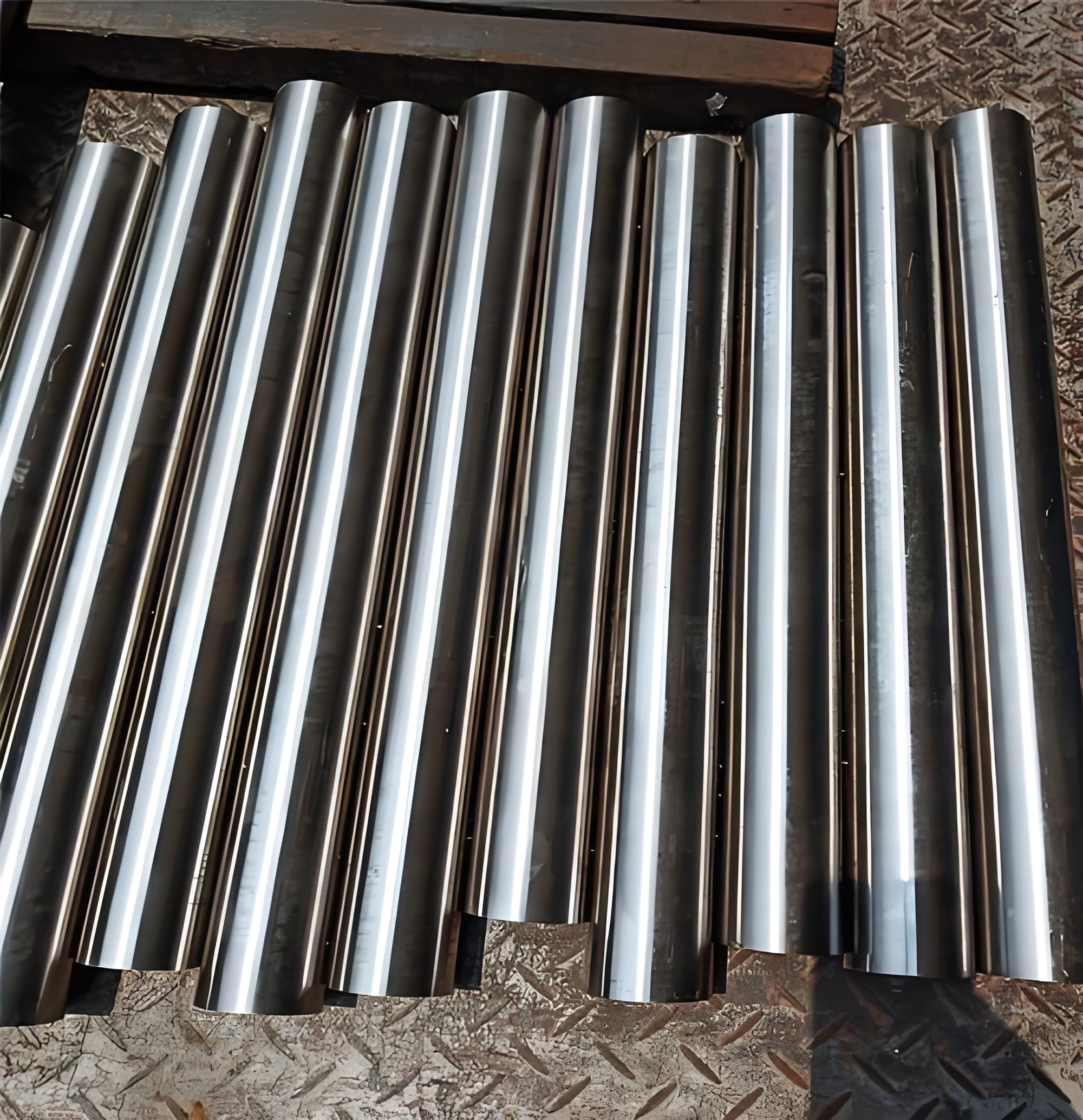
Incoloy 825 bar price depends on the nickel-based alloy composition, bar dimensions, manufacturing route, heat-treatment condition, surface finish, in...
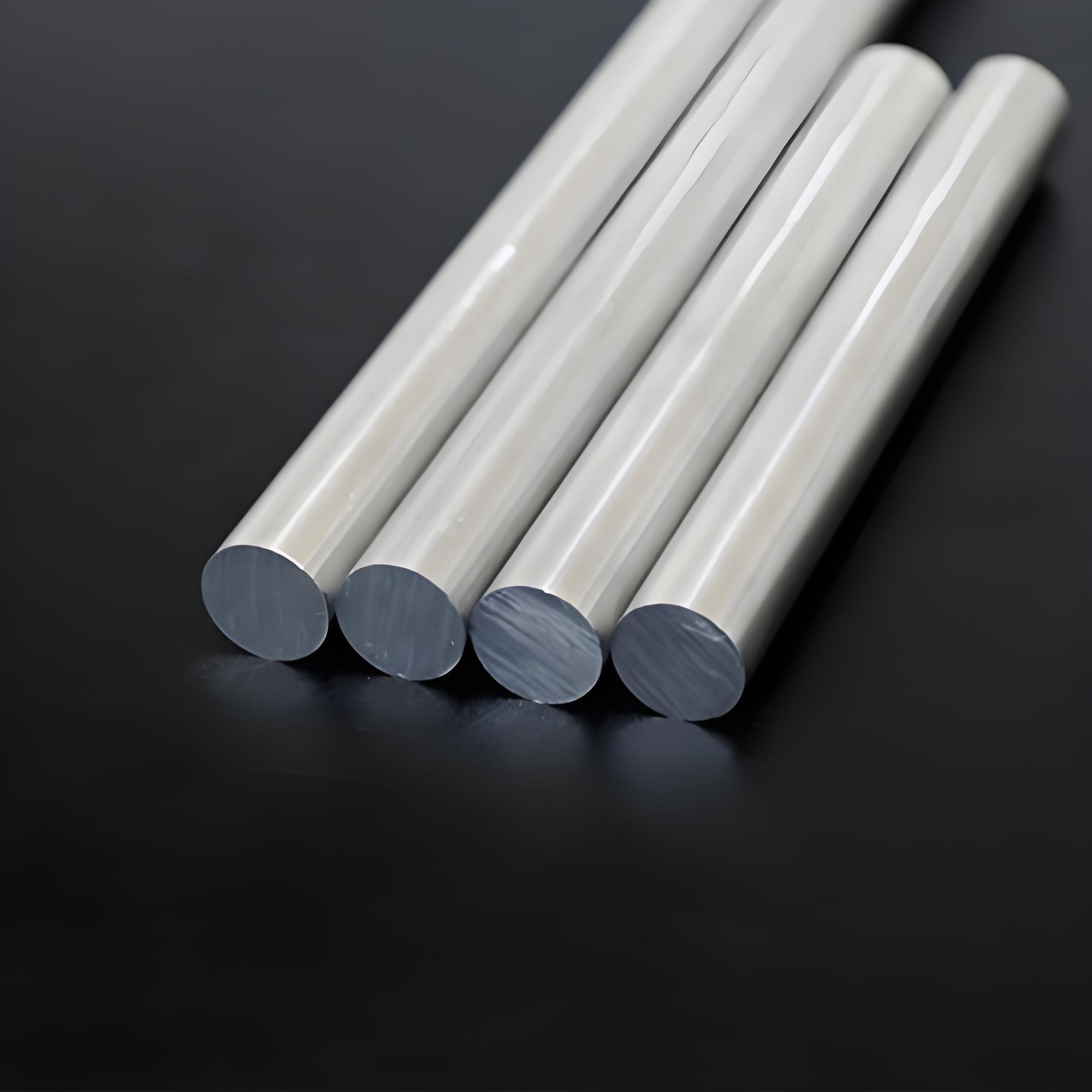
Incoloy 800HT bar price is shaped by nickel, chromium, titanium, and aluminum raw-material costs, together with bar dimensions, heat-treatment conditi...
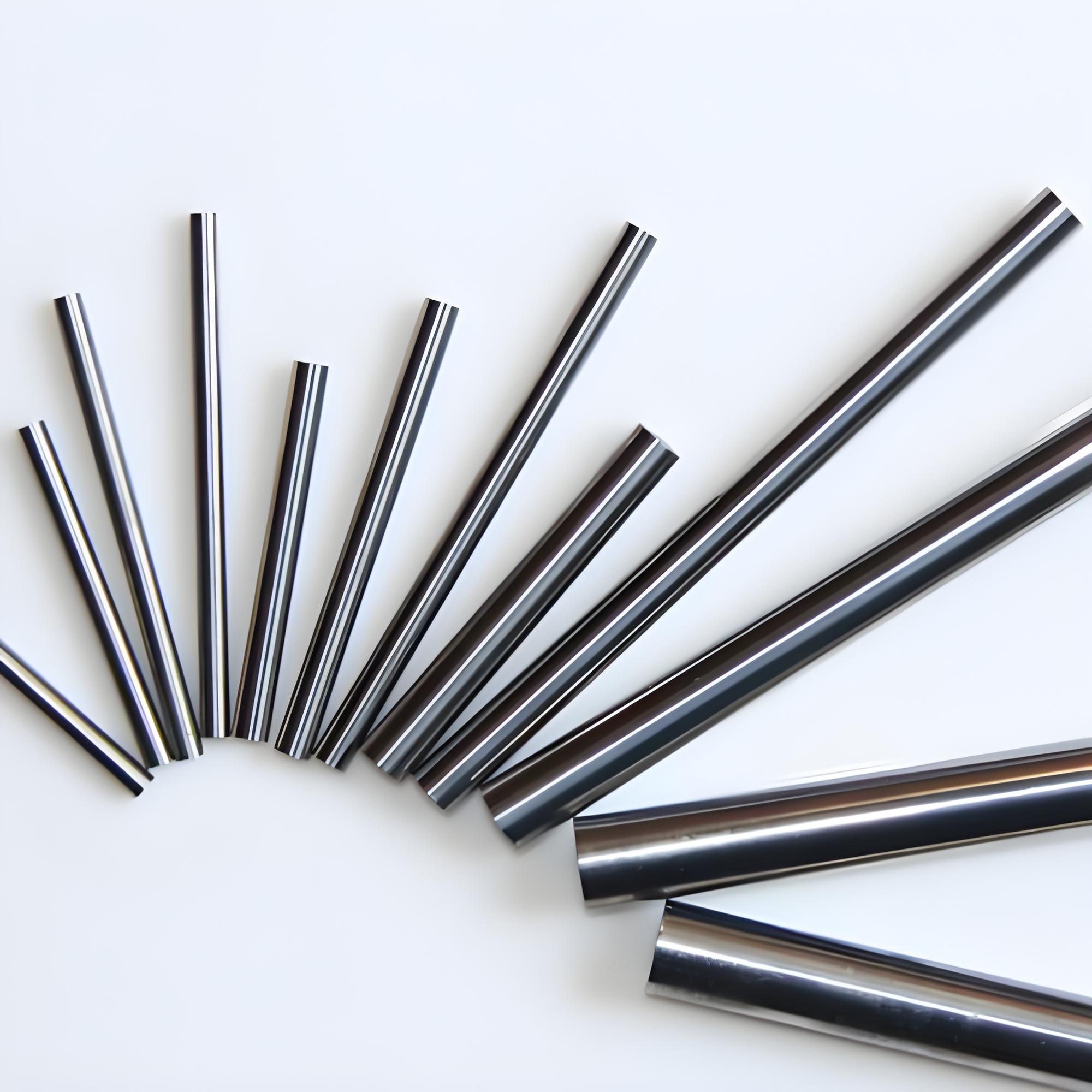
Incoloy 20 round bar price per kg depends on the alloy composition, bar size, manufacturing method, surface finish, tolerance, certificates, inspectio...
Hastelloy G-30 N06030 bar factory price is determined by the alloy’s high nickel, chromium, iron, molybdenum, copper, and tungsten content, together...
 English English
  Korean
 Arabic
 Spanish
 German
 Portuguese
 French
 Russian
 Italian
 Vietnamese