
Inconel 617 alloy round bar price per kilogram
Inconel 617 alloy round bar price per kilogram is commonly about USD 45 to 90 per kg for standard industrial stock sizes. Large forged bars, small pre...
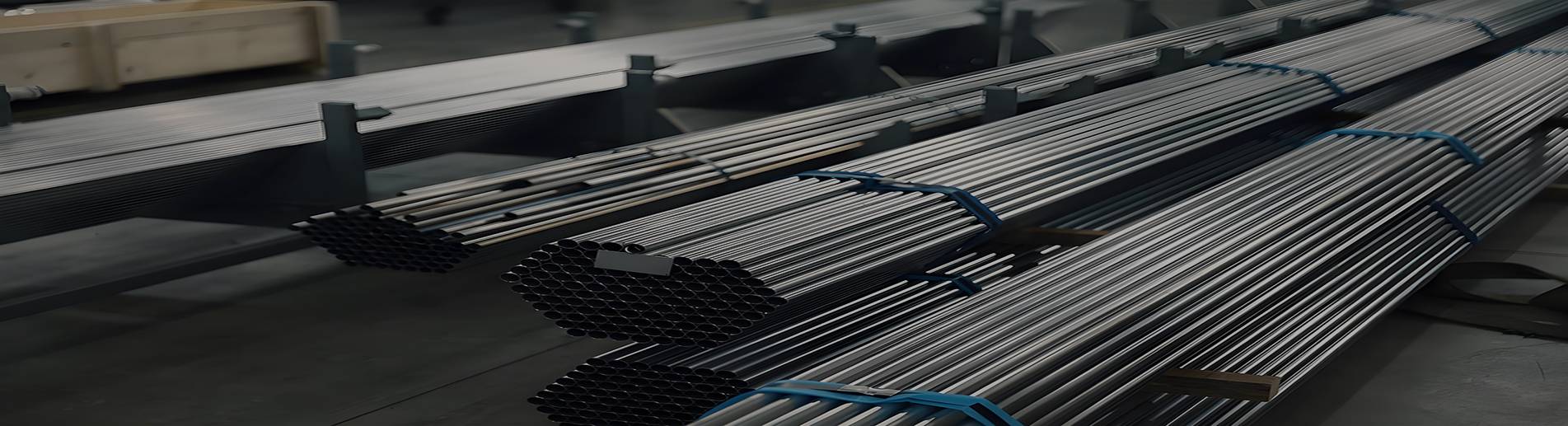
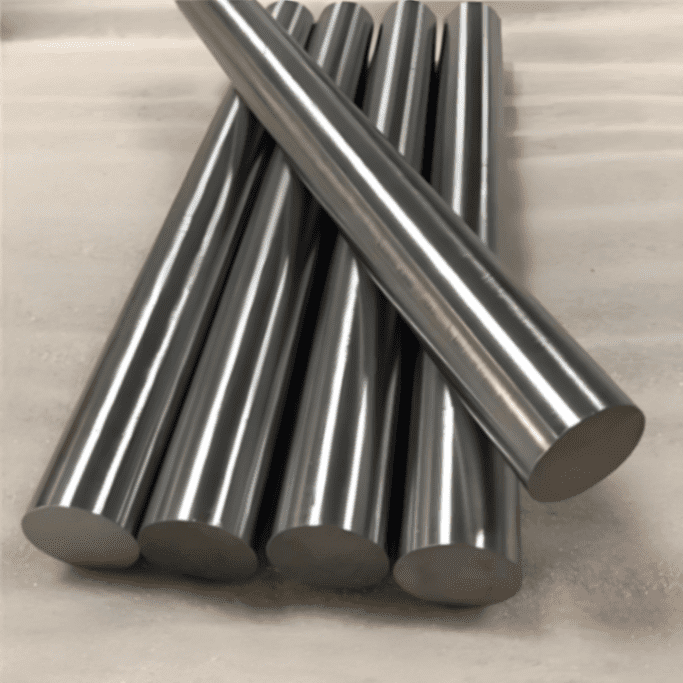
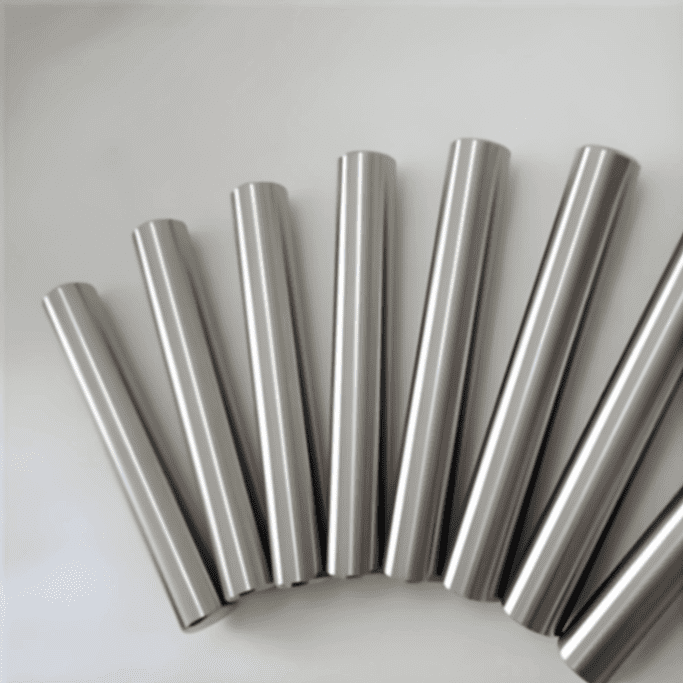
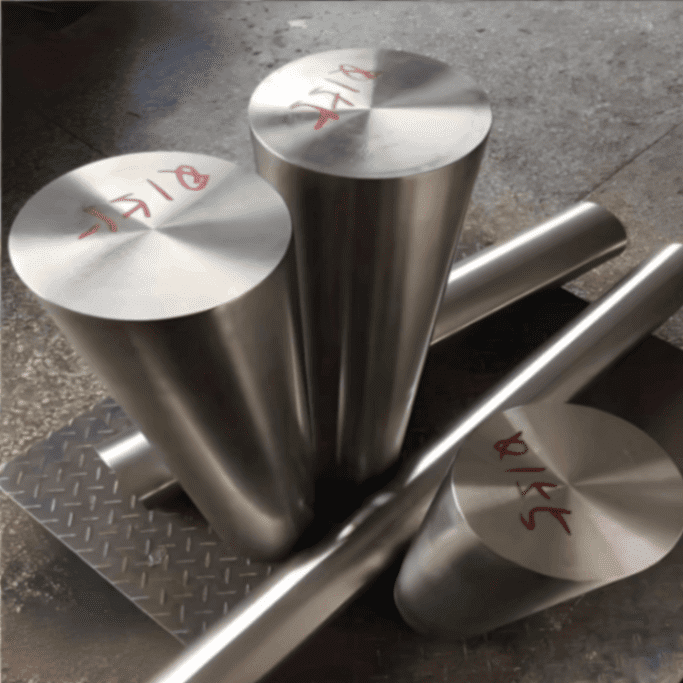
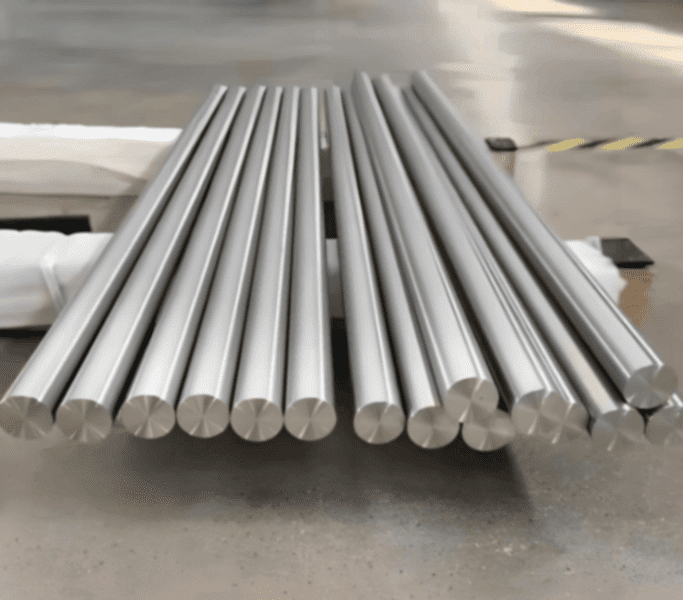
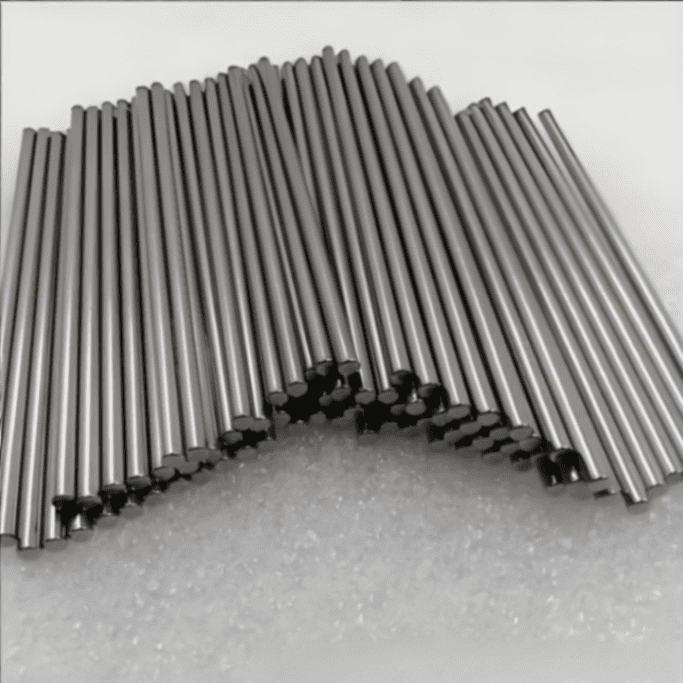
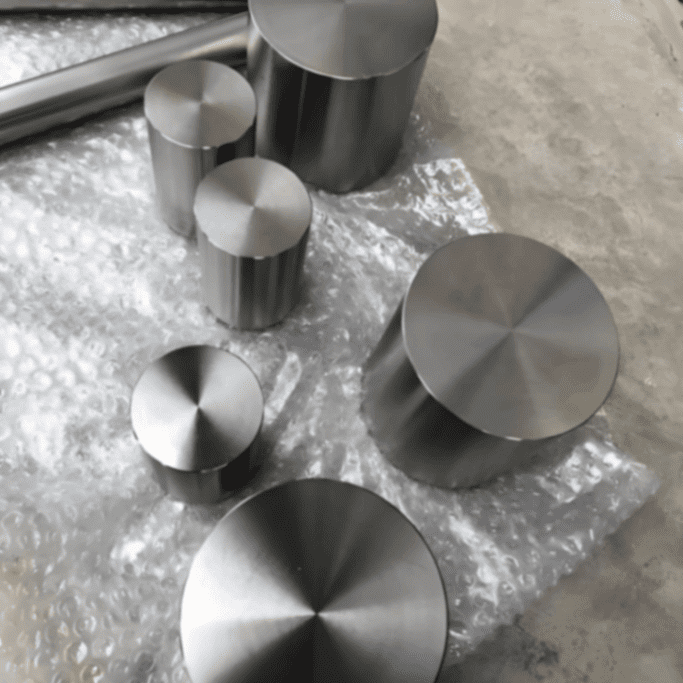
In the realm of high-performance alloys for extreme environments, Inconel 625 and Incoloy 800H are prominent choices, frequently supplied in bar form for critical components. While both offer exceptional strength and resistance, their applications and cost structures differ significantly. A detailed price comparison between Inconel 625 bar and Incoloy 800H bar is essential for informed procurement in sectors like aerospace, chemical processing, and power generation. This analysis explores the multifaceted factors that influence their pricing, from the fundamental cost of strategic raw materials to the complexities of manufacturing and the dynamics of global supply chains, clarifying why one alloy commands a substantial premium over the other.
The core of the price disparity lies in the alloy chemistry. Inconel 625 is a nickel-chromium alloy heavily fortified with niobium and molybdenum, both high-cost strategic metals. Incoloy 800H is a nickel-iron-chromium alloy stabilized with titanium and aluminum, deriving a significant portion of its content from less expensive iron. This fundamental difference in elemental composition sets the baseline for their respective costs.
| Element (%) | Inconel 625 Bar (UNS N06625) | Incoloy 800H Bar (UNS N08810) | Cost Impact Analysis |
|---|---|---|---|
| Nickel (Ni) | ≥ 58 | 30 – 35 | High Ni content is a major cost driver for 625. Lower Ni in 800H reduces direct exposure to nickel price volatility. |
| Chromium (Cr) | 20 – 23 | 19 – 23 | Comparable levels for oxidation resistance; cost impact is similar. |
| Iron (Fe) | ≤ 5 | ≥ 39.5 (Balance) | High, low-cost iron is the base of 800H, drastically reducing material cost versus 625’s minimal iron. |
| Niobium (Nb) + Tantalum (Ta) | 3.15 – 4.15 | – | The single largest cost adder for Inconel 625. Niobium is a critical, high-priced element for strengthening. |
| Molybdenum (Mo) | 8.0 – 10.0 | – | High Mo content (8-10%) significantly increases 625’s cost, providing superior pitting/crevice corrosion resistance. |
| Titanium (Ti) & Aluminum (Al) | – | Ti: 0.15-0.60; Al: 0.15-0.60 | Added for stabilization in 800H; minor cost impact compared to Nb and Mo. |
The journey from melt to finished bar introduces additional cost layers where the two alloys diverge. Inconel 625’s challenging workability and critical need for solution annealing contrast with the more straightforward processing of Incoloy 800H, albeit with its own high-temperature heat treatment requirements.
| Processing Stage | Inconel 625 Bar | Incoloy 800H Bar | Effect on Final Bar Price |
|---|---|---|---|
| Melting & Casting | Requires advanced melting (VIM/VAR often specified for aerospace) to ensure homogeneity of high Nb and Mo content and prevent segregation. | Typically melted using standard electric arc or argon-oxygen decarburization (AOD) processes; high iron content makes it less prone to certain segregation issues. | Vacuum melting for 625 is a premium process, substantially increasing ingot cost compared to 800H. |
| Hot & Cold Working | Extremely high strength even at high temperatures makes hot working energy-intensive. Rapid work-hardening makes cold drawing difficult. | Good hot workability. Cold working is possible but it work-hardens. | Higher energy consumption, more frequent annealing during working, and greater tool wear for 625 increase processing costs. |
| Heat Treatment | Requires a precise solution annealing heat treatment (~1100°C) to dissolve secondary phases and optimize corrosion resistance and mechanical properties. | Requires a high-temperature solution anneal (~1150°C) to put carbides into solution and achieve the stabilized microstructure required for high-temperature creep resistance. | Both require high-temperature solution annealing, a significant energy cost. The control for aerospace-grade 625 can be more stringent. |
| Machinability | Very poor. Highly abrasive and prone to work-hardening, leading to very short tool life and low machining speeds. | Difficult. Gummy and abrasive, leading to high tool wear. | Machining costs for both are high, but Inconel 625 is notoriously more expensive to machine, adding a large premium to finished components. |
External market forces and specific buyer requirements significantly influence the final price point. The demand profiles for these alloys stem from different industries, and the specificity of standards can dramatically affect cost.
| Pricing Factor | Impact on Inconel 625 Bar Price | Impact on Incoloy 800H Bar Price | General Market Influence |
|---|---|---|---|
| Raw Material Prices | Extremely sensitive to Nickel, Niobium (Columbium), and Molybdenum prices. Niobium cost is particularly volatile and impactful. | Primarily sensitive to Nickel prices, though to a lesser degree than 625 due to lower Ni content. Iron prices have a stabilizing effect. | Surges in niobium or molybdenum markets can disproportionately widen the cost gap between 625 and 800H. |
| Industry Demand | Very high in aerospace (engine components), marine, chemical processing (severe corrosion), and oil & gas (downhole). | Very high in petrochemical (ethylene furnace tubes), power generation (superheaters), heat treating, and industrial heating. | Competition from the aerospace sector for premium 625 can keep prices elevated. Large petrochemical projects drive demand for 800H. |
| Specifications & Certifications | Aerospace specs (AMS 5666) with strict NDT (ultrasonic testing) and traceability requirements command a large premium over standard ASTM B446. | Pressure vessel and tube codes (ASME SB-408) with creep rupture property certification for 800H add cost over standard bar stock. | The cost for aerospace-grade 625 bar can be double that of industrial-grade material. Certified 800H for pressure vessels is also more costly. |
| Quantity & Supplier | As a high-value material, even small orders are costly. Sourcing from specialized suppliers like Shanghai NC Metal Materials Co., Ltd. is common for stocked sizes. | Often purchased in larger quantities for industrial projects, allowing for better pricing on full mill runs. | For both, purchasing full-length bars in standard diameters from a mill or large stockist yields the lowest unit cost. |
Given the volatility of niobium and nickel, absolute prices are in constant flux. However, the structural cost difference is stark and consistent due to the composition gap. The table below provides a directional comparison.
| Alloy Grade | Common Bar Form (Example) | Relative Price Index (Approximate, Nickel Base = 1) | Primary Reason for Cost Position |
|---|---|---|---|
| Inconel 625 (ASTM B446) | Hot Rolled Round Bar, 50mm Dia, Solution Annealed | 6.0 – 10.0+ | High content of Nickel, Niobium, and Molybdenum. Complex melting and difficult processing. |
| Incoloy 800H (ASTM B408) | Hot Rolled Round Bar, 50mm Dia, Solution Annealed | 3.5 – 4.5 | Lower nickel content, high iron base. Cost driven by nickel and the required solution annealing. |
Note: Aerospace-specification Inconel 625 bar (AMS 5666) can easily reach a Relative Price Index of 12 or higher due to stringent testing and quality controls.
What makes Inconel 625 bar so much more expensive than Incoloy 800H bar?
Inconel 625 bar is significantly more expensive due to three primary factors: 1) Raw Materials: It contains large amounts of high-cost niobium (3-4%) and molybdenum (8-10%), in addition to high nickel content. Incoloy 800H uses lower-cost iron as its base. 2) Melting: 625 often requires expensive vacuum induction melting to ensure homogeneity of these critical elements. 3) Processing: It is notoriously difficult to hot work and machine, increasing manufacturing costs. The combined material and processing premium places Inconel 625 in a much higher price bracket.
Can Incoloy 800H be a cost-effective substitute for Inconel 625 in any applications?
Only in specific, non-overlapping applications where their properties align. Incoloy 800H is an excellent, cost-effective choice for high-temperature structural applications in oxidizing and carburizing atmospheres up to about 1150°C, such as furnace internals and reformer tubes. It should never be substituted for Inconel 625 in environments requiring resistance to pitting, crevice corrosion, or acidic chlorides (e.g., marine, flue gas desulfurization), or where very high strength-to-weight ratio is critical (aerospace). Substitution is based on environment, not initial cost.
How does the intended use (e.g., aerospace vs. industrial furnace) affect the price I pay for these bars?
The intended use drastically affects price through required specifications. Inconel 625 bar purchased to an aerospace material specification (like AMS 5666) with mandatory ultrasonic inspection, extensive testing, and full traceability will be far more expensive than the same alloy grade purchased to a general industrial standard (ASTM B446). Similarly, Incoloy 800H bar certified to ASME standards for pressure vessel construction with guaranteed creep rupture data will cost more than uncertified stock material. Always specify the appropriate standard for your application to avoid overpaying for unnecessary certifications or risking under-specification.
More from this category
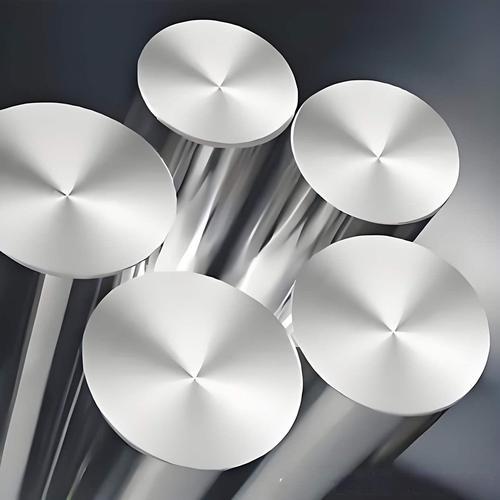
Inconel 617 alloy round bar price per kilogram is commonly about USD 45 to 90 per kg for standard industrial stock sizes. Large forged bars, small pre...
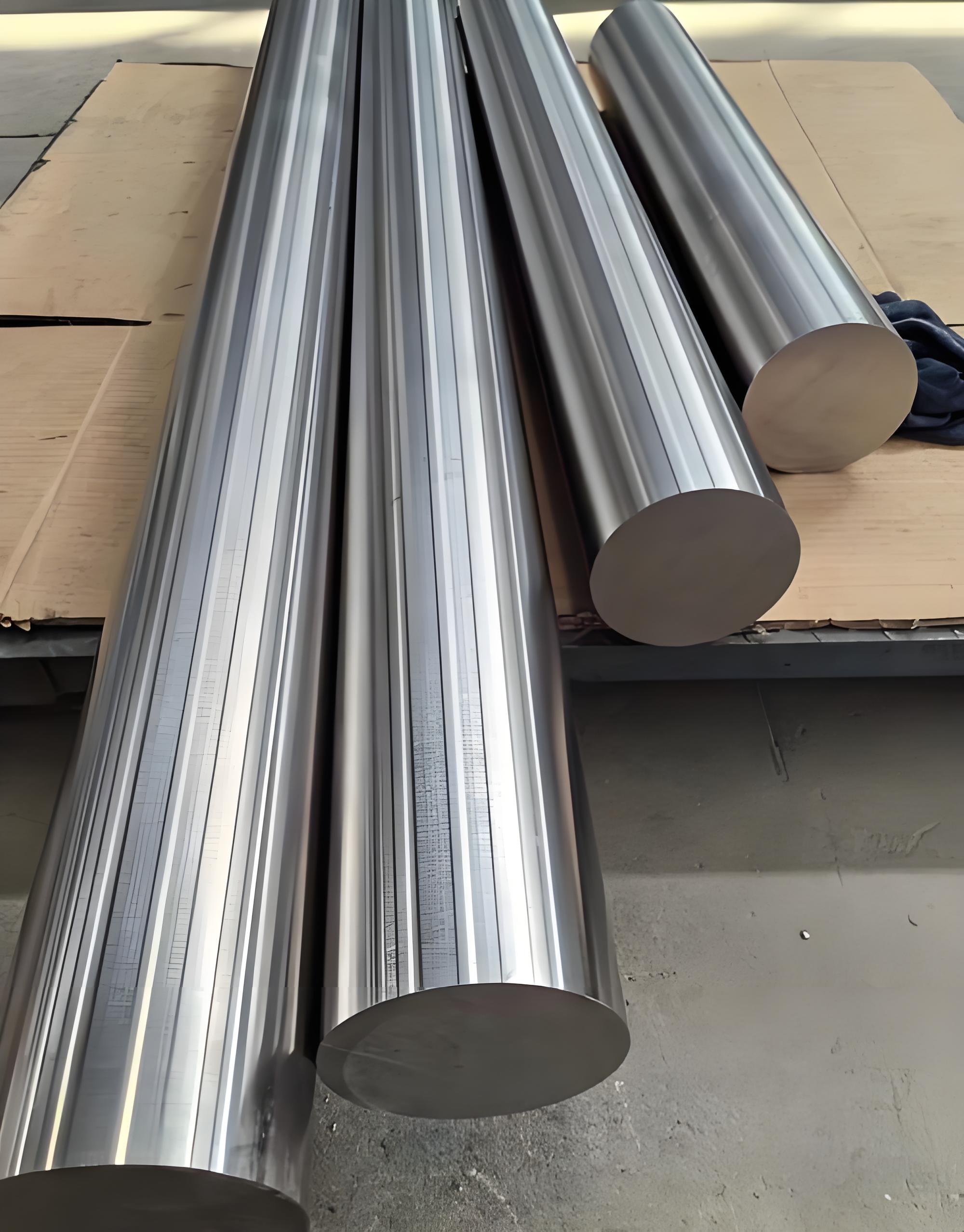
The latest Inconel 625 alloy bar price per kg depends on nickel, molybdenum, niobium, and chromium raw material costs, as well as bar diameter, manufa...
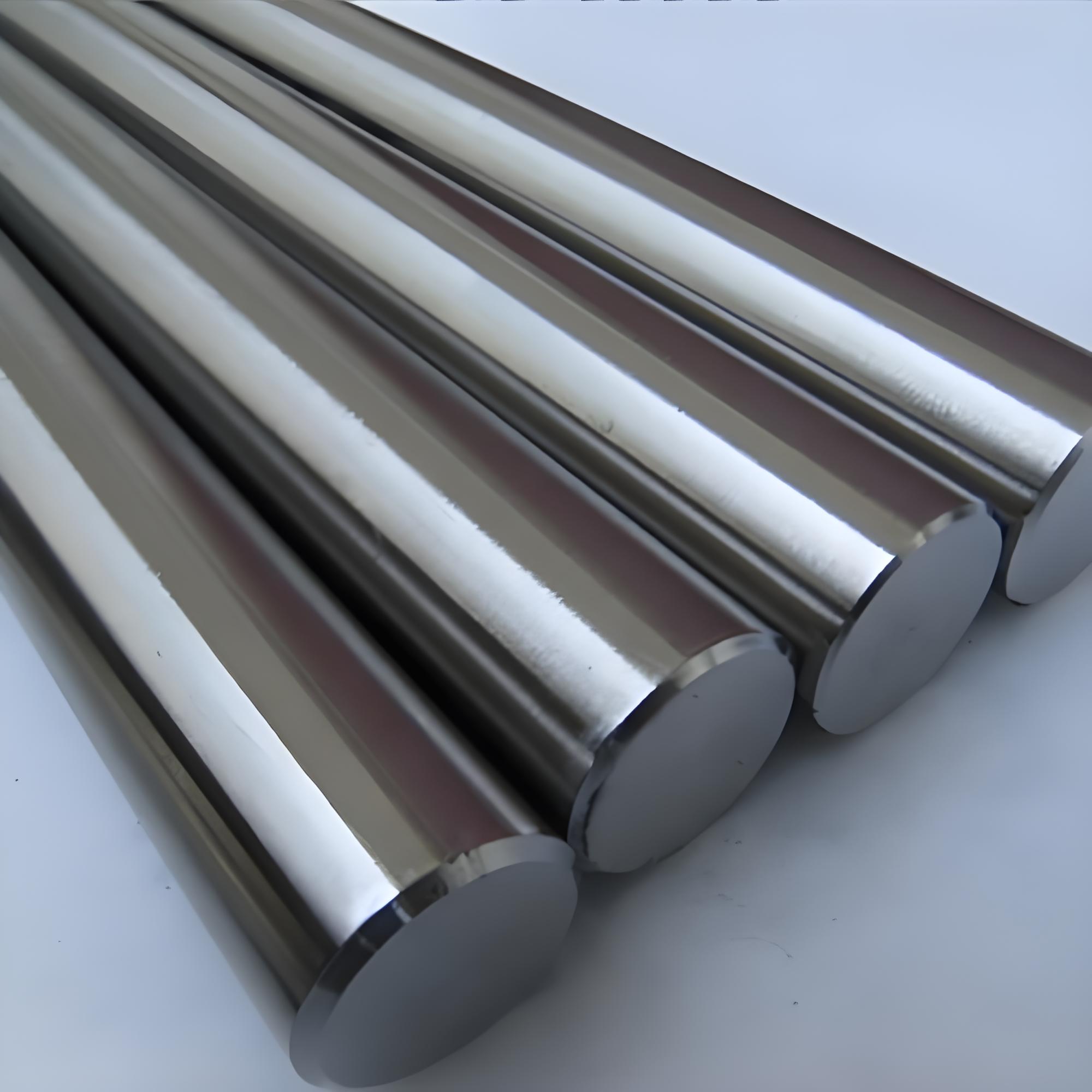
Inconel X-750 alloy bar price depends on nickel raw material cost, bar diameter, product condition, heat treatment, specification, surface finish, dim...
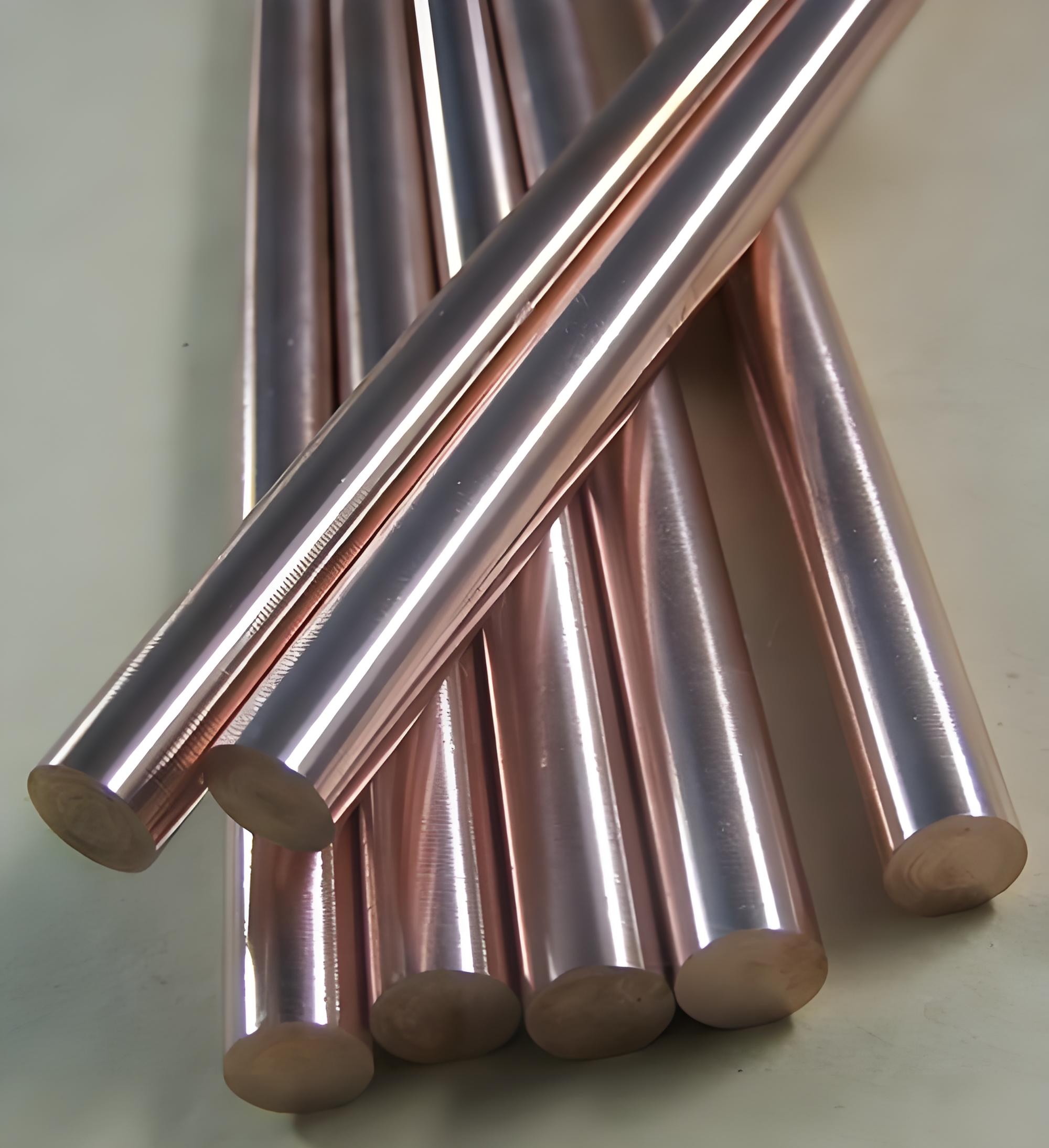
Inconel 602CA alloy bar price per kg is usually higher than common Inconel 600 and Inconel 601 bars because Alloy 602CA is a premium high-temperature ...
 English English
  Korean
 Arabic
 Spanish
 German
 Portuguese
 French
 Russian
 Italian
 Vietnamese