
Incoloy 825 Bar Price | UNS N08825 Supplier
Incoloy 825 bar price depends on the nickel-based alloy composition, bar dimensions, manufacturing route, heat-treatment condition, surface finish, in...
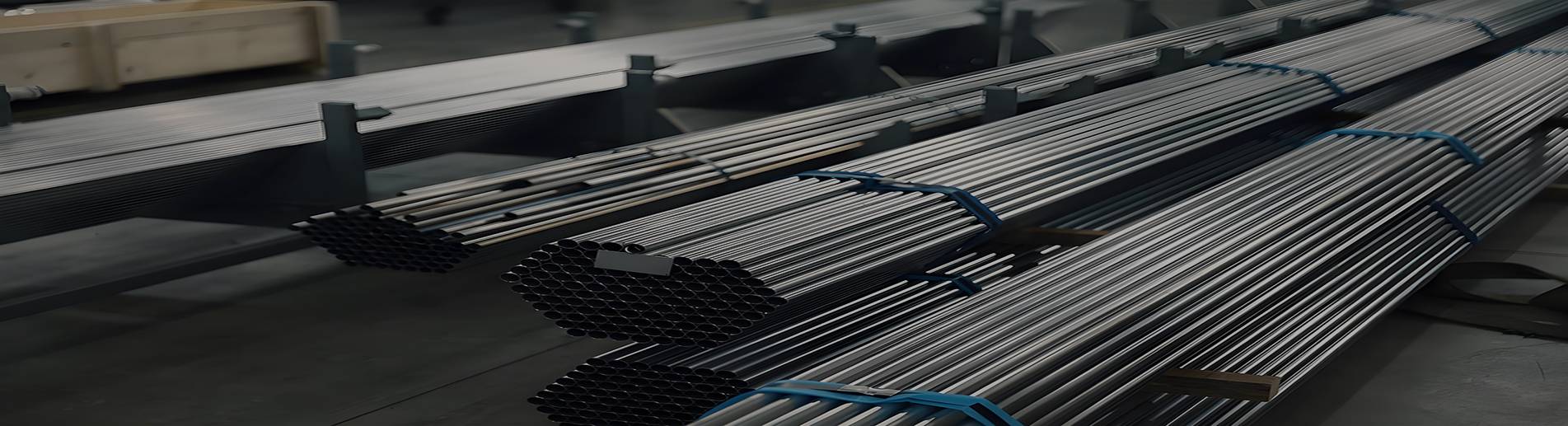
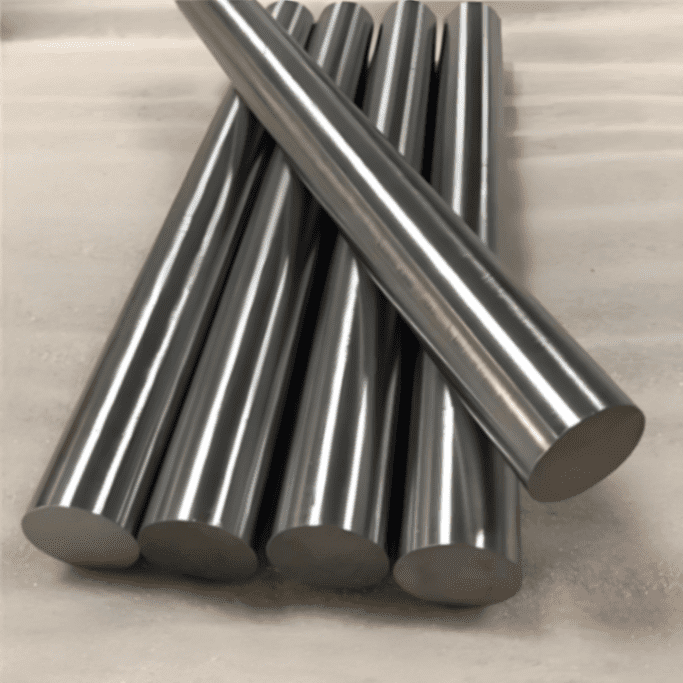
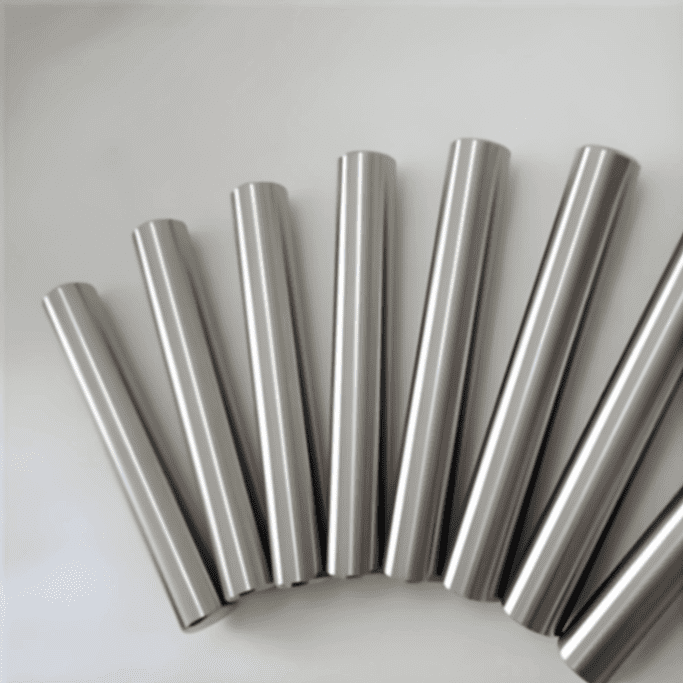
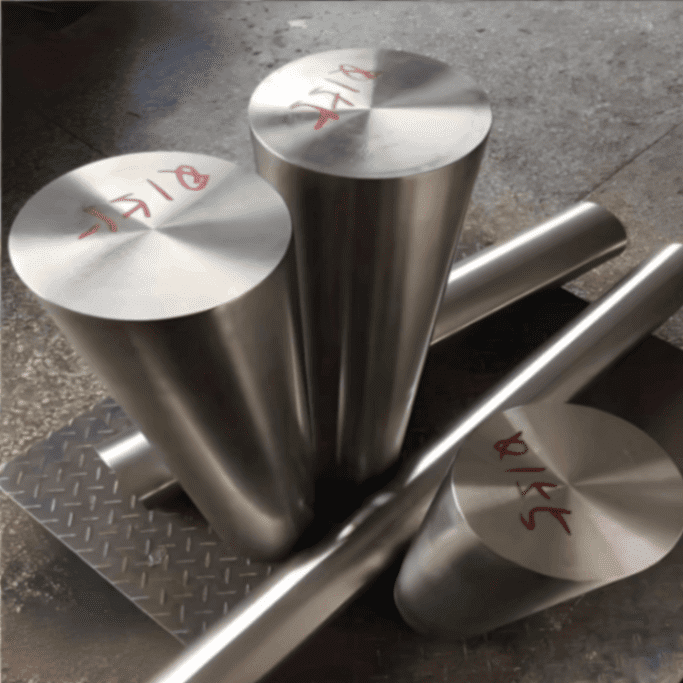
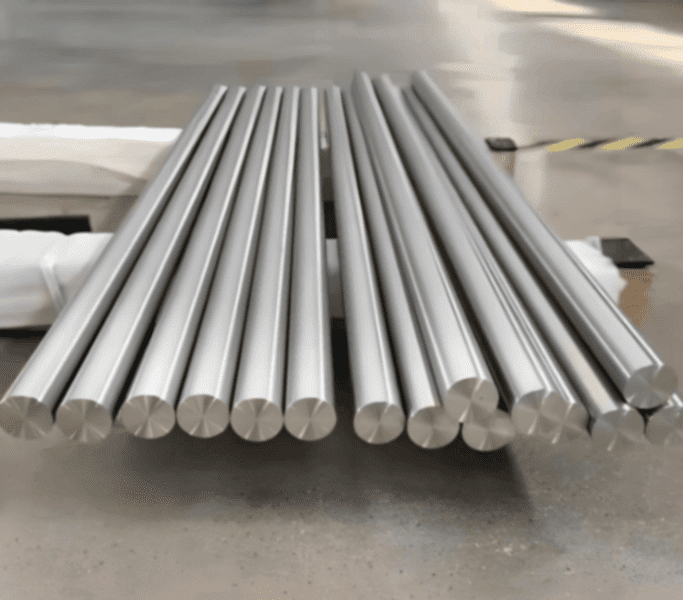
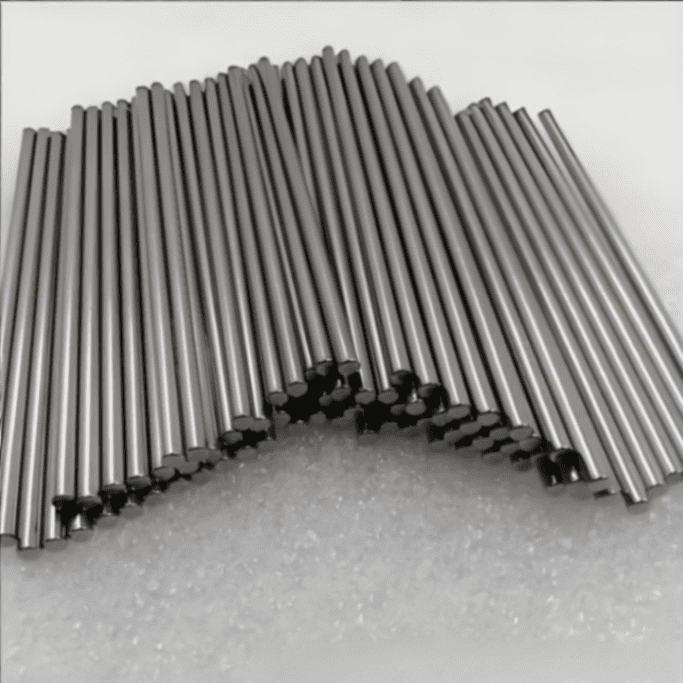
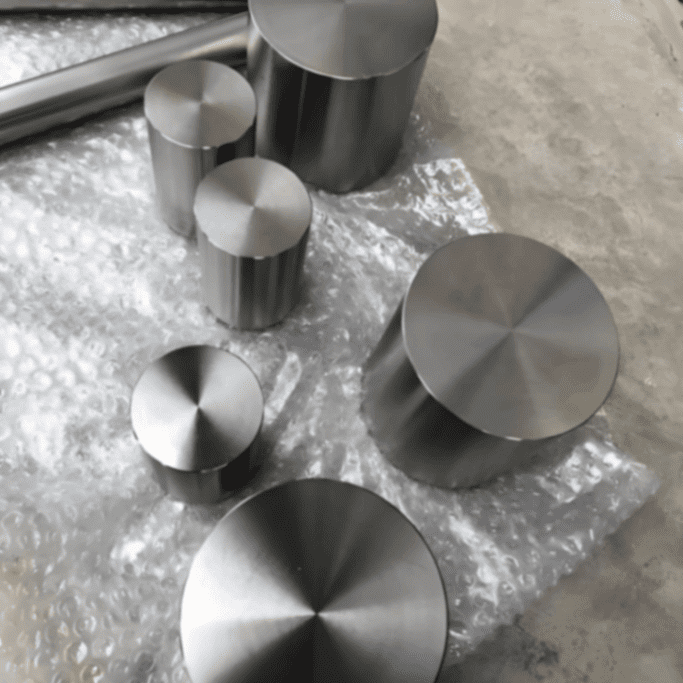
Hastelloy C276 round bar suppliers provide nickel-chromium-molybdenum alloy bar stock for chemical processing, marine engineering, pollution control, pulp and paper, oil and gas, pharmaceutical equipment, heat exchangers, valves, pumps, fasteners, shafts, and corrosion-resistant machined components. Hastelloy C276, also known as Alloy C276, UNS N10276, W.Nr. 2.4819, and NiMo16Cr15W, is one of the most widely used corrosion-resistant nickel alloys because it offers excellent resistance to pitting, crevice corrosion, chloride stress corrosion cracking, wet chlorine, oxidizing acids, reducing acids, and many mixed chemical environments. Choosing reliable Hastelloy C276 round bar suppliers is important because buyers need more than a material name. They need correct grade identification, chemical composition verification, ASTM or ASME compliance, available diameter options, cutting service, MTC, PMI, UT testing if required, traceability, suitable packing, and realistic delivery time.
Hastelloy C276 round bar suppliers serve buyers who need corrosion-resistant nickel alloy bar stock for severe industrial environments. Compared with ordinary stainless steel, duplex stainless steel, and many standard nickel alloys, Hastelloy C276 round bar is normally selected when the medium is too aggressive for common materials. It is especially valuable where chloride, acid, mixed oxidizing-reducing chemicals, wet chlorine, and localized corrosion risk are present.
A professional Hastelloy C276 round bar supplier should understand not only material availability, but also the application background. Buyers may need C276 bars for pump shafts, valve stems, fasteners, agitator shafts, flanges, sleeves, fittings, nozzles, reactor parts, heat exchanger components, or custom machined parts. Each use may require different diameter, surface condition, tolerance, heat treatment, testing, and document support.
| Supplier Capability | Why It Matters |
|---|---|
| Correct Grade Supply | Confirms the material is Hastelloy C276 / UNS N10276, not another nickel alloy |
| Stock Diameter Options | Helps reduce delivery time for urgent machining or repair projects |
| Cutting Service | Allows buyers to order short pieces, machining blanks, or fixed lengths |
| MTC and Heat Number Traceability | Provides chemical composition, mechanical properties, and batch traceability |
| Inspection Support | PMI, UT, hardness, dimension, surface, and third-party inspection may be required |
| Export Packing | Protects high-value alloy bars during international transportation |
Choosing reliable Hastelloy C276 round bar suppliers requires more than comparing price per kg. C276 is a high-value alloy used in critical corrosion-resistant service. A low price is not useful if the supplier cannot provide correct UNS N10276 material, valid MTC, matching heat number, clear standard, proper surface quality, and suitable delivery condition.
A reliable supplier should understand the difference between Hastelloy C276, Hastelloy C22, Hastelloy B2, Inconel 625, Monel 400, and stainless steel. These alloys may all be used in corrosion-related industries, but their chemical composition and corrosion resistance are different. A supplier who cannot explain these differences may create grade selection or quotation mistakes.
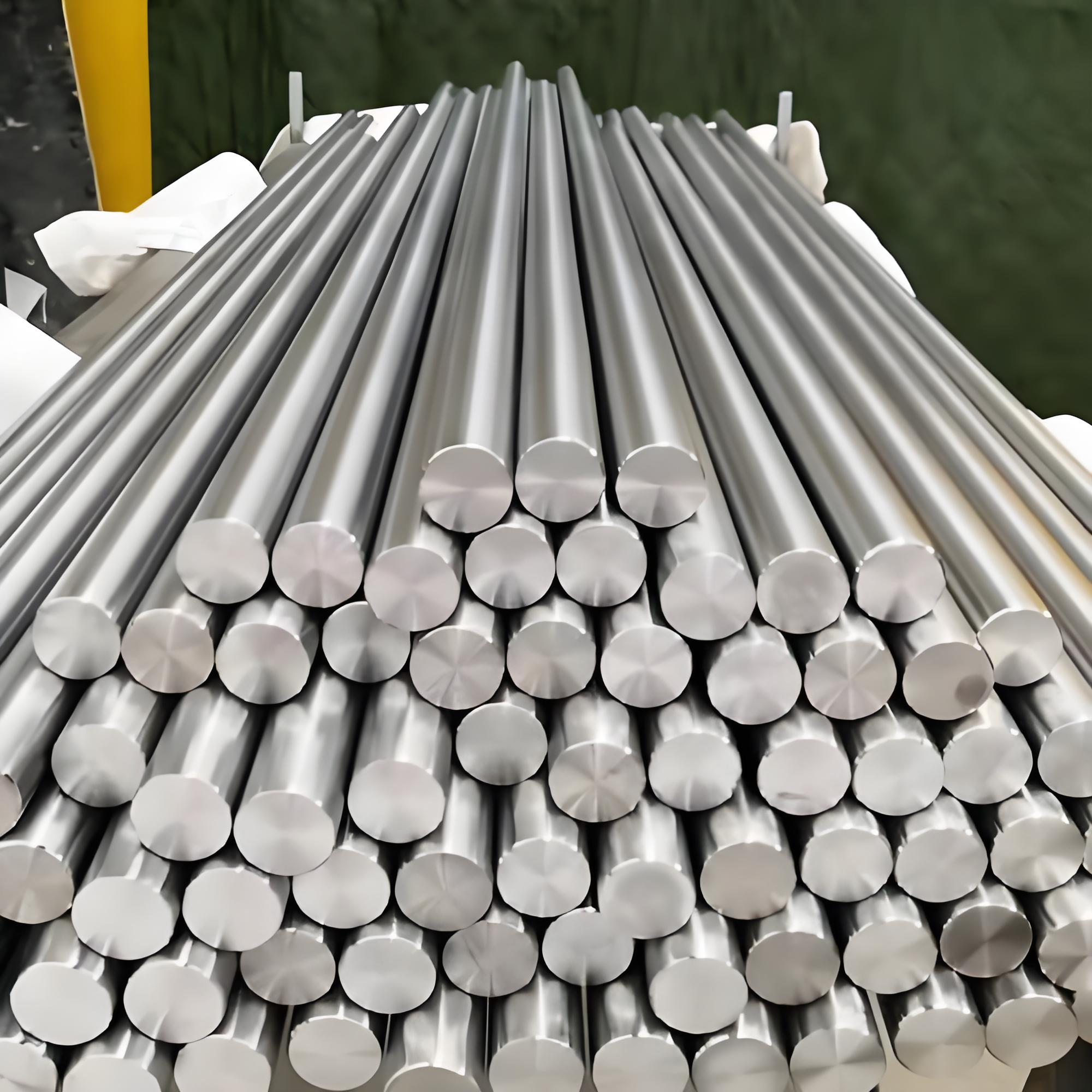
Some suppliers only trade common diameters from stock. Others can arrange forged bars, large diameter bars, precision ground bars, and custom size production. If the project needs a non-standard diameter or strict tolerance, the supplier should confirm whether it is available from stock or requires new production.
For industrial projects, C276 round bar should be supplied with MTC. The certificate should show material name, UNS N10276, chemical composition, mechanical properties, heat number, product size, standard, and delivery condition. If the buyer requires ASTM B574, ASME SB574, EN 2.4819, or customer-specific requirements, these should be confirmed before order.
| Supplier Check Point | Good Supplier Practice | Risk if Ignored |
|---|---|---|
| Grade Identification | Quotes Hastelloy C276 / Alloy C276 / UNS N10276 clearly | Wrong alloy may be supplied |
| Certificate | Provides MTC with heat number traceability | Material may be rejected by inspection |
| Stock Confirmation | Checks actual diameter, length, and quantity | Delivery delay or quotation error |
| Cutting Service | Confirms cut length, tolerance, and end allowance | Machining waste or wrong blanks |
| Testing Support | Supports PMI, UT, hardness, or third-party inspection if required | Critical project may fail acceptance |
Hastelloy C276 round bar is commonly identified as UNS N10276. It may also be written as Alloy C276, C-276 alloy, W.Nr. 2.4819, NiMo16Cr15W, or nickel alloy C276. The UNS number is especially important in international procurement because trade names and supplier names may vary.
| Designation | Meaning | Buyer Note |
|---|---|---|
| Hastelloy C276 | Common trade-name style alloy name | Widely used in chemical processing and industrial procurement |
| Alloy C276 / C-276 | Generic alloy name | Often used by suppliers and stockholders |
| UNS N10276 | Unified material designation | Useful for international grade confirmation and MTC review |
| W.Nr. 2.4819 | European material number | Common in European drawings and certificates |
| NiMo16Cr15W | EN-style designation | Describes nickel-molybdenum-chromium-tungsten alloy type |
C276 should not be confused with C22, B2, B3, Inconel 625, or Alloy 59. These materials may all be corrosion-resistant nickel alloys, but they are not identical. If a drawing specifies UNS N10276, the supplied round bar should match UNS N10276 requirements unless the end user approves a substitute.
The chemical composition of Hastelloy C276 round bar is the foundation of its corrosion resistance. The alloy is based on nickel with high molybdenum, chromium, and tungsten. Molybdenum provides strong resistance to reducing environments and localized corrosion. Chromium helps resist oxidizing media. Tungsten further supports corrosion resistance. Very low carbon and silicon content help reduce harmful grain boundary precipitation in the weld heat-affected zone.
| Element | Typical Range / Limit | Main Function |
|---|---|---|
| Nickel (Ni) | Balance | Base matrix for corrosion resistance and ductility |
| Molybdenum (Mo) | 15.0% – 17.0% | Improves resistance to reducing acids, pitting, and crevice corrosion |
| Chromium (Cr) | 14.5% – 16.5% | Improves resistance to oxidizing media and surface attack |
| Iron (Fe) | 4.0% – 7.0% | Controlled alloying element |
| Tungsten (W) | 3.0% – 4.5% | Supports corrosion resistance in aggressive media |
| Cobalt (Co) | 2.5% max | Controlled residual or minor element |
| Manganese (Mn) | 1.0% max | Controlled minor element |
| Vanadium (V) | 0.35% max | Controlled minor element |
| Silicon (Si) | 0.08% max | Kept very low to support weld heat-affected zone corrosion resistance |
| Carbon (C) | 0.010% max | Very low carbon helps reduce grain boundary precipitation risk |
| Phosphorus (P) | 0.020% max | Controlled impurity |
| Sulfur (S) | 0.015% max | Kept low for hot workability and weld quality |
| Copper (Cu) | 0.50% max | Controlled residual element |
Buyers should check actual heat analysis in the MTC. The most important values are nickel balance, molybdenum, chromium, tungsten, iron, carbon, and silicon. If carbon or silicon is higher than specified, weldability and corrosion resistance in welded areas may be affected. If molybdenum or chromium is outside range, corrosion performance may not match C276 expectations.
Hastelloy C276 round bar has excellent corrosion resistance, good mechanical strength, good ductility, and practical weldability. It is not normally selected as a high-strength precipitation-hardened alloy. Its main value is corrosion resistance in severe chemical and chloride-containing environments.
| Property | Typical Performance | Practical Meaning |
|---|---|---|
| Density | About 8.6 g/cm³ | Used for round bar weight and quotation calculation |
| Tensile Strength | High for corrosion-resistant nickel alloy, depends on condition | Useful for shafts, bolts, fittings, valve parts, and machined components |
| Yield Strength | Good, depends on product form and condition | Important for loaded parts in chemical equipment |
| Elongation | Good ductility | Supports forming, fabrication, and machining reliability |
| Corrosion Resistance | Excellent in many oxidizing, reducing, chloride, and mixed media | Main reason for selecting C276 |
| Weldability | Good with proper procedure | Useful for fabricated chemical equipment and welded components |
Mechanical properties vary according to diameter, production route, heat treatment, cold work, and standard. For formal acceptance, the buyer should review the MTC values according to the required standard, such as ASTM B574 or ASME SB574 for rod and bar products.
Corrosion resistance is the main advantage of Hastelloy C276 round bar. The alloy is known for broad resistance to severe corrosive environments, including many acids, chlorides, wet chlorine, oxidizing salts, reducing media, and mixed chemical systems. It also has excellent resistance to pitting, crevice corrosion, and chloride stress corrosion cracking.
Chloride-containing environments are difficult for many stainless steels. 304 and 316 stainless steel may suffer from pitting, crevice corrosion, or chloride stress corrosion cracking. C276 has much stronger resistance because of its nickel-molybdenum-chromium-tungsten composition.
C276 can resist many reducing and oxidizing acids. It is commonly selected for hydrochloric acid, sulfuric acid, phosphoric acid, acetic acid, formic acid, and mixed acid environments where stainless steel or lower-alloy nickel materials may fail. Actual performance depends on concentration, temperature, aeration, impurities, and flow condition.
Hastelloy C276 is widely used in chemical processing because it resists wet chlorine, chlorine dioxide, hypochlorite, and many oxidizing salt solutions better than common stainless steels. This makes it useful in pulp and paper bleaching, chemical reactors, scrubbers, and pollution control systems.
| Corrosive Environment | C276 Performance Direction | Selection Note |
|---|---|---|
| Chloride Solutions | Excellent resistance to pitting and crevice corrosion | Useful where stainless steel is not enough |
| Hydrochloric Acid | Strong resistance in many conditions | Concentration and temperature must be checked |
| Sulfuric Acid | Good resistance in many ranges | Oxidizing impurities may change performance |
| Wet Chlorine | Very strong application area | Common in chemical and bleaching systems |
| Seawater and Marine Chlorides | Very good localized corrosion resistance | Suitable for selected marine chemical components |
Hastelloy C276 round bar suppliers may offer a wide range of diameters depending on stock and production capability. Small diameters are used for fasteners, pins, rods, and valve stems. Medium diameters are used for pump shafts, sleeves, fittings, and machined parts. Large diameters are often forged or produced for heavy-duty components.
| Size Category | Common Diameter Examples | Typical Use |
|---|---|---|
| Small Diameter | 6 mm – 20 mm | Fasteners, pins, rods, small valve parts |
| Medium Diameter | 22 mm – 80 mm | Pump shafts, valve stems, fittings, sleeves, bushings |
| Large Diameter | 90 mm – 200 mm | Heavy machined parts, forged components, large shafts |
| Extra Large Diameter | Above 200 mm | Custom forged bars and special engineering components |
C276 round bar may be supplied in random length, fixed length, or cut-to-size pieces. For export orders, common commercial lengths may include 2 m, 3 m, 4 m, or 6 m, depending on stock condition and shipping method. For machining shops, cut pieces can reduce handling and material waste.
Hastelloy C276 round bar can be supplied in different production and surface conditions. The right condition depends on final machining requirement, tolerance, surface finish, cost, and delivery time.
Hot rolled C276 round bar is commonly used for general machining and industrial components. It is usually more economical than precision ground bar, but it may require more machining allowance.
Forged C276 round bar is used for large diameters and heavy-duty machined parts. Forged bars may require ultrasonic testing, heat treatment verification, and more careful inspection, especially for critical pressure or chemical equipment components.
Cold drawn C276 bar provides better tolerance and smoother surface for smaller diameters. It may be used for rods, pins, fasteners, and precision components. Cold drawing may change mechanical properties, so delivery condition should be checked.
Precision ground C276 bar is selected when tight diameter tolerance, straightness, and surface finish are required. It is used for shafts, valve stems, precision rods, and close-tolerance corrosion-resistant components.
| Bar Condition | Main Advantage | Typical Use |
|---|---|---|
| Hot Rolled | Cost-effective for general machining | Industrial parts, fittings, rough machining blanks |
| Forged | Suitable for large diameter and heavy components | Large shafts, pressure parts, heavy machined blanks |
| Cold Drawn | Better tolerance and surface quality | Small rods, pins, fasteners, precision parts |
| Peeled | Cleaner surface and reduced machining allowance | Shafts, sleeves, machined components |
| Precision Ground | Tight tolerance and smooth finish | Valve stems, precision shafts, close-tolerance rods |
Hastelloy C276 round bar is commonly supplied according to recognized standards. Standards define chemical composition, mechanical properties, product form, test requirements, tolerance, marking, and certification. A professional supplier should quote according to the standard required by the buyer.
| Standard / Designation | Meaning for Hastelloy C276 Round Bar |
|---|---|
| UNS N10276 | Unified material designation for Alloy C276 |
| ASTM B574 | Common specification for nickel-molybdenum-chromium rod and bar products |
| ASME SB574 | ASME version commonly used for pressure-related and engineering projects |
| W.Nr. 2.4819 | European material number for Alloy C276 |
| NiMo16Cr15W | EN-style designation for C276 alloy type |
| Customer Specification | May include special tolerance, UT, PMI, third-party inspection, or document requirements |
A clear RFQ should not only say “Hastelloy C276 bar.” A better inquiry would be: Hastelloy C276 / UNS N10276 round bar, ASTM B574, diameter 40 mm, length 3000 mm, quantity 500 kg, solution annealed condition, peeled surface, with MTC. If ASME certification or third-party inspection is required, it should be stated before order confirmation.
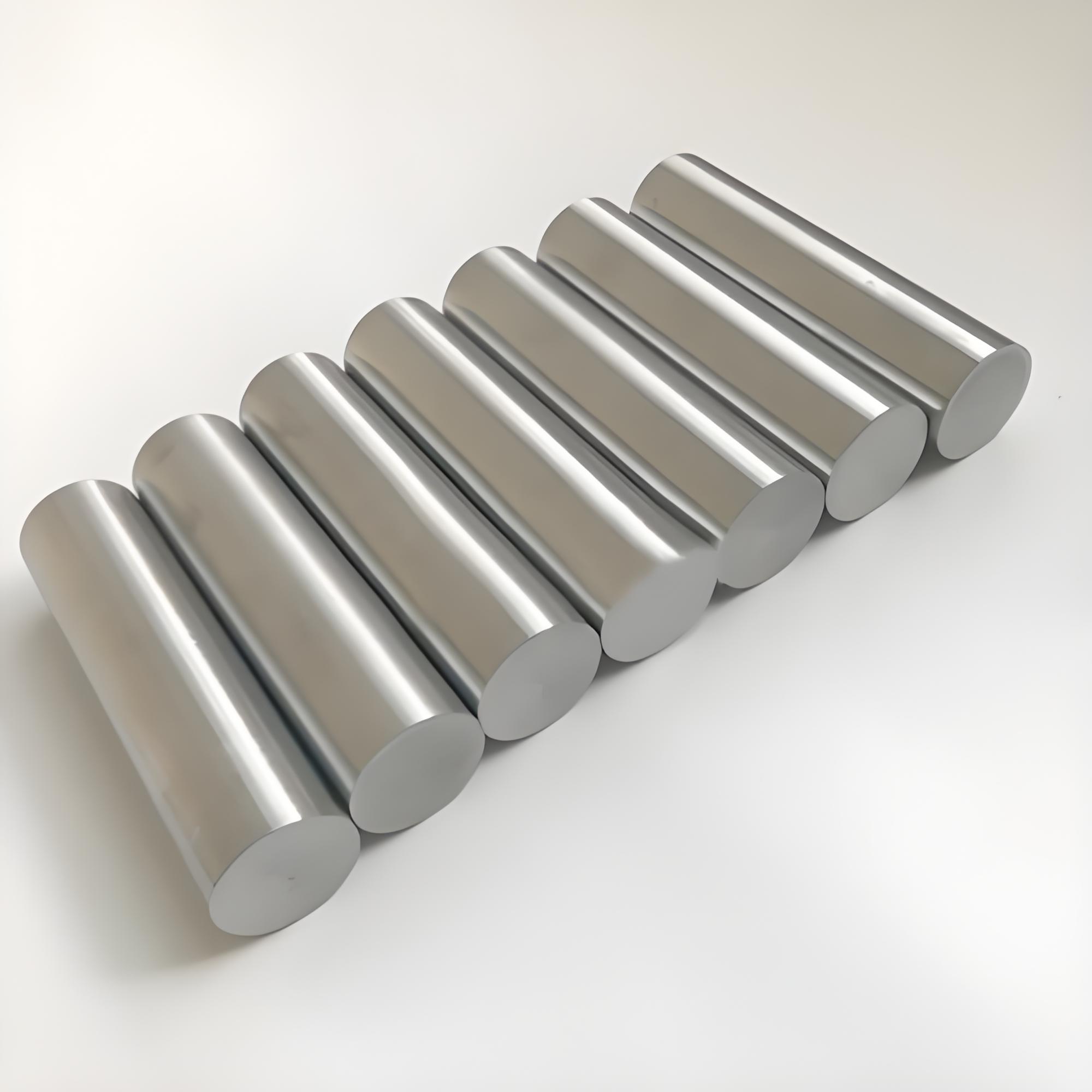
Stock availability is one of the most important reasons buyers search for Hastelloy C276 round bar suppliers. Many projects need urgent replacement parts, repair materials, or machining blanks. If the supplier has common diameters in stock, delivery time can be reduced.
Common C276 round bar diameters may be available from stock, while large forged sizes or precision ground bars may require production. Stock material should still be checked by heat number, size, surface condition, and MTC. Buyers should confirm actual inventory, not only catalog range.
Cutting service allows buyers to purchase shorter lengths instead of full bars. This is useful for machining shops that need blanks for shafts, bolts, valve stems, and fittings. Cutting tolerance, end allowance, and burr condition should be discussed before order.
Custom sizes may be needed for special equipment, large shafts, or non-standard drawings. Custom supply can include forging, rough machining, peeling, grinding, fixed-length cutting, and special inspection. Custom size orders normally have longer lead time and higher cost than stock items.
| Supply Service | Buyer Should Confirm | Why It Matters |
|---|---|---|
| Stock Size | Diameter, length, quantity, heat number | Affects delivery time and price |
| Cutting Service | Cut length, tolerance, quantity, end allowance | Reduces waste and machining preparation |
| Custom Size | Drawing, tolerance, testing, lead time | Needed for special engineering components |
| Export Packing | Wooden case, anti-damage protection, label | Protects expensive alloy material during shipment |
Quality inspection is essential when buying Hastelloy C276 round bar. Since C276 is often used in corrosive and critical environments, the material should be verified by certificate and inspection before use. A reliable supplier should provide MTC and support additional testing if required.
The MTC should show grade, UNS number, heat number, chemical composition, mechanical properties, standard, bar size, delivery condition, and test results. The heat number on the MTC should match the label and bar marking.
PMI helps verify major alloying elements such as nickel, molybdenum, chromium, iron, and tungsten. It is useful for incoming inspection and preventing material mix-up. PMI should support but not replace full MTC review, especially for carbon, sulfur, and other light or trace elements.
Ultrasonic testing may be required for large diameter bars or critical machined components. UT helps check internal soundness and detect defects that may not be visible from the surface.
Diameter, length, tolerance, straightness, ovality, and surface condition should be checked according to order requirements. Surface defects such as cracks, laps, seams, heavy scratches, and contamination may affect machining and service performance.
| Inspection Item | What to Check | Why It Matters |
|---|---|---|
| Grade Verification | Hastelloy C276 / UNS N10276 | Prevents wrong alloy supply |
| Chemical Composition | Ni, Mo, Cr, W, Fe, C, Si, S and other elements | Confirms C276 alloy compliance |
| Mechanical Properties | Tensile strength, yield strength, elongation, hardness if required | Confirms performance according to standard |
| PMI | Major alloying elements | Reduces material mix-up risk |
| UT | Internal soundness for large or critical bars | Important for heavy machined parts |
| Dimension | Diameter, length, tolerance, straightness | Affects machining and assembly |
| Traceability | Heat number on MTC, label, and bar marking | Supports project acceptance and quality audit |
Hastelloy C276 round bar is widely used in chemical and marine-related industries because it resists severe corrosion where common alloys often fail. It is machined into parts that must survive acidic, chloride-containing, oxidizing, reducing, or mixed media environments.
In chemical processing, C276 round bar is used for agitator shafts, valve stems, pump shafts, fasteners, fittings, sleeves, reactor internals, nozzles, and heat exchanger components. It is selected when corrosion resistance is more important than low material cost.
In marine and offshore industries, C276 may be used where chloride corrosion, seawater exposure, sour service, or chemical contamination is present. It is not always the first choice for every seawater component because cost is high, but it is valuable for severe localized corrosion conditions.
C276 is used in scrubbers, flue gas desulfurization systems, dampers, and pollution control equipment. These environments may contain chlorides, acids, wet gases, and fluctuating temperatures, making corrosion resistance difficult for ordinary materials.
| Industry | Typical C276 Round Bar Components | Reason for Use |
|---|---|---|
| Chemical Processing | Agitator shafts, valve stems, fittings, fasteners | Resistance to acids, chlorides, and mixed chemicals |
| Marine and Offshore | Shafts, bolts, pump parts, sleeves | Resistance to chloride pitting and crevice corrosion |
| Pollution Control | Scrubber parts, rods, fasteners, supports | Resistance to wet acidic chloride environments |
| Pulp and Paper | Bleaching equipment components | Resistance to wet chlorine and chlorine dioxide environments |
| Oil and Gas | Sour service components and corrosion-resistant parts | Resistance to stress corrosion and aggressive oilfield environments |
Hastelloy C276 round bar price depends on nickel, molybdenum, chromium, and tungsten raw material cost, as well as diameter, quantity, surface condition, tolerance, testing requirement, stock availability, and lead time. Since C276 contains high molybdenum and nickel, raw material cost is a major part of the price.
| Price Factor | How It Affects C276 Round Bar Price |
|---|---|
| Raw Material Cost | Nickel, molybdenum, chromium, and tungsten influence base cost |
| Diameter | Common sizes may be cheaper; large forged sizes may cost more |
| Quantity | Small orders usually have higher price per kg |
| Surface Condition | Peeled, polished, or ground bars cost more than hot rolled bars |
| Tolerance | Tight tolerance requires more machining or grinding |
| Testing | PMI, UT, hardness, third-party inspection, or special certificates increase cost |
| Lead Time | Urgent or custom production may increase price |
| Cutting Service | Cut-to-length blanks add processing cost but reduce buyer waste |
Hastelloy C276 round bar is usually priced much higher than 304 or 316 stainless steel and commonly higher than many standard nickel alloys because of its high alloying content and more difficult processing. For accurate pricing, buyers should provide grade, standard, diameter, length, quantity, surface condition, tolerance, testing requirement, and destination.
For Hastelloy C276 round bar purchasing, both suppliers and manufacturers can be useful. The better choice depends on quantity, delivery time, size requirement, and documentation requirement. A manufacturer may be better for large custom production, while a stock supplier may be better for urgent orders, mixed sizes, and cut-to-size service.
A supplier is usually better when the buyer needs fast delivery, small quantity, multiple diameters, cut pieces, export packing, and flexible document support. Stock suppliers can often provide common bar sizes more quickly than a mill production route.
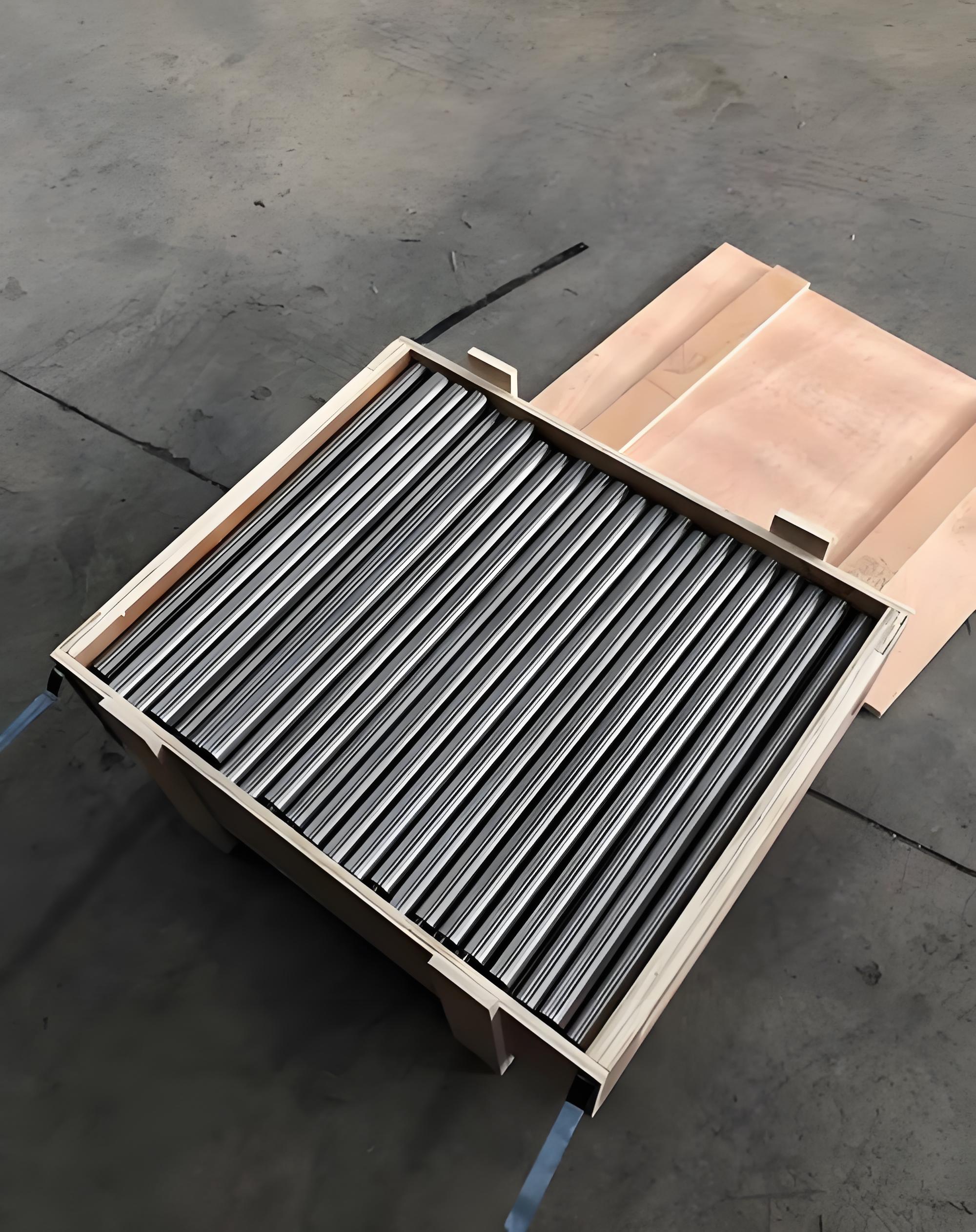
A manufacturer is usually better when the buyer needs large quantity, special diameter, large forged bar, controlled production, or repeat project supply. However, production lead time may be longer, and MOQ may be higher.
For many international buyers, the best option is a supplier with both stock access and manufacturer coordination. This type of supplier can supply urgent stock sizes and also arrange custom production when required. Shanghai NC Metal Materials Co., Ltd. can support Hastelloy C276 round bar inquiries by checking available stock, arranging cutting service, reviewing material certificates, and quoting according to size, quantity, surface condition, inspection requirement, and lead time.
| Comparison Item | Stock Supplier | Manufacturer |
|---|---|---|
| Main Advantage | Fast delivery, cutting service, mixed sizes, export support | Production control, large quantity, custom size ability |
| Best For | Urgent orders, small batches, cut pieces, stock diameters | Large orders, special diameter, custom forged bar |
| Lead Time | Shorter if stock is available | Longer if new production is required |
| Price | May be higher for small orders but saves time | May be better for bulk production |
| Flexibility | Good for mixed size and cut-to-length orders | Good for planned production and special specifications |
Where to buy Hastelloy C276 round bar?
Hastelloy C276 round bar can be purchased from nickel alloy stock suppliers, special metal distributors, and manufacturers that supply UNS N10276 bar according to standards such as ASTM B574 or ASME SB574. Buyers should confirm grade, diameter, length, stock availability, surface condition, MTC, heat number traceability, and whether cutting service or additional inspection is required before placing an order.
What is Hastelloy C276 round bar used for?
Hastelloy C276 round bar is used for chemical processing parts, pump shafts, valve stems, fasteners, fittings, agitator shafts, reactor components, heat exchanger parts, marine hardware, pollution control equipment, scrubber components, and oilfield corrosion-resistant parts. It is selected for excellent resistance to pitting, crevice corrosion, chloride stress corrosion cracking, wet chlorine, acids, and mixed corrosive environments.
How to verify Hastelloy C276 round bar quality?
To verify Hastelloy C276 round bar quality, buyers should check the MTC, UNS N10276 grade identification, chemical composition, mechanical properties, heat number, standard, bar size, delivery condition, and surface inspection results. PMI can help confirm major alloying elements such as nickel, molybdenum, chromium, and tungsten. UT testing may be required for large diameter or critical bars. The heat number on the MTC, product label, and bar marking should match.
More from this category
Incoloy 825 bar price depends on the nickel-based alloy composition, bar dimensions, manufacturing route, heat-treatment condition, surface finish, in...
Incoloy 800HT bar price is shaped by nickel, chromium, titanium, and aluminum raw-material costs, together with bar dimensions, heat-treatment conditi...
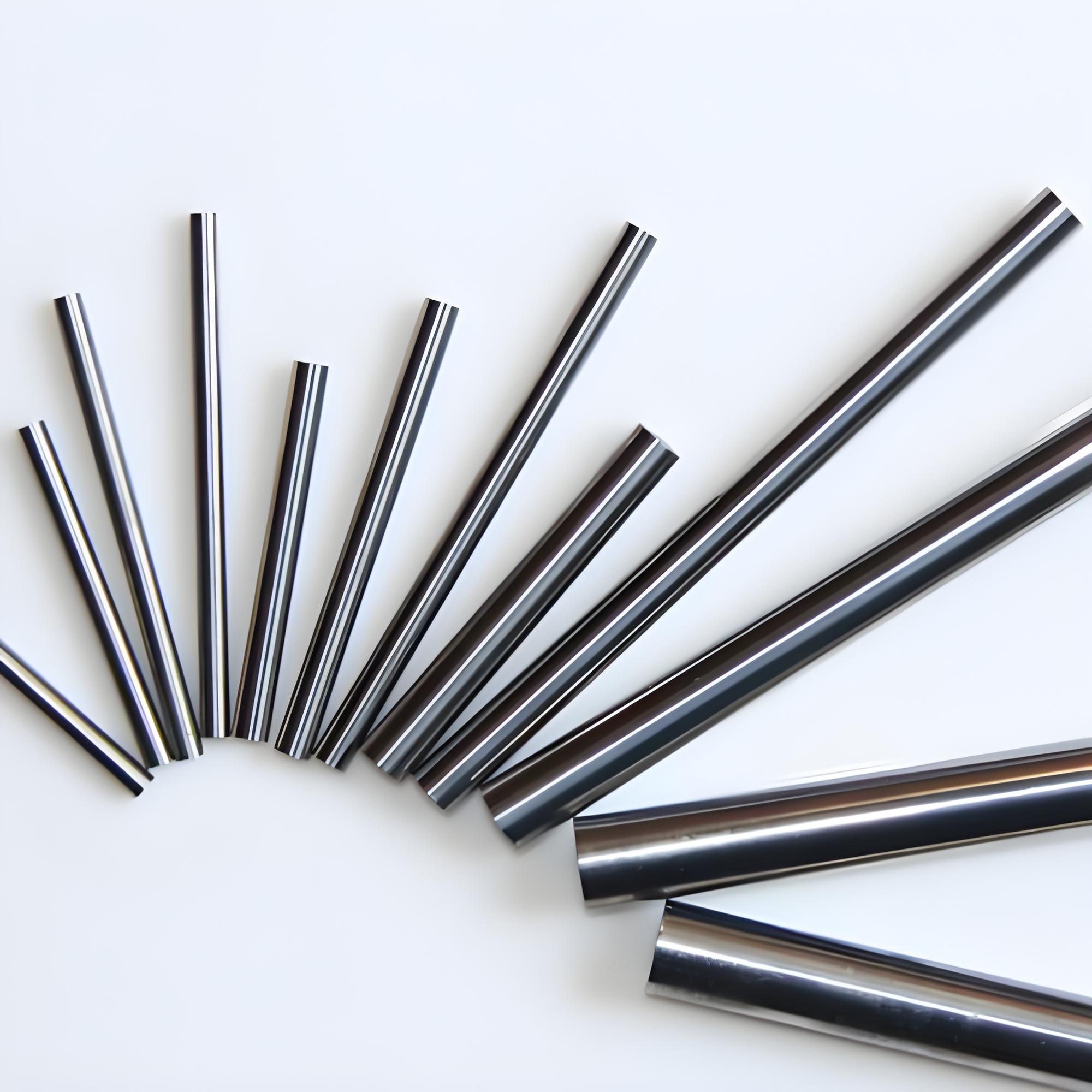
Incoloy 20 round bar price per kg depends on the alloy composition, bar size, manufacturing method, surface finish, tolerance, certificates, inspectio...
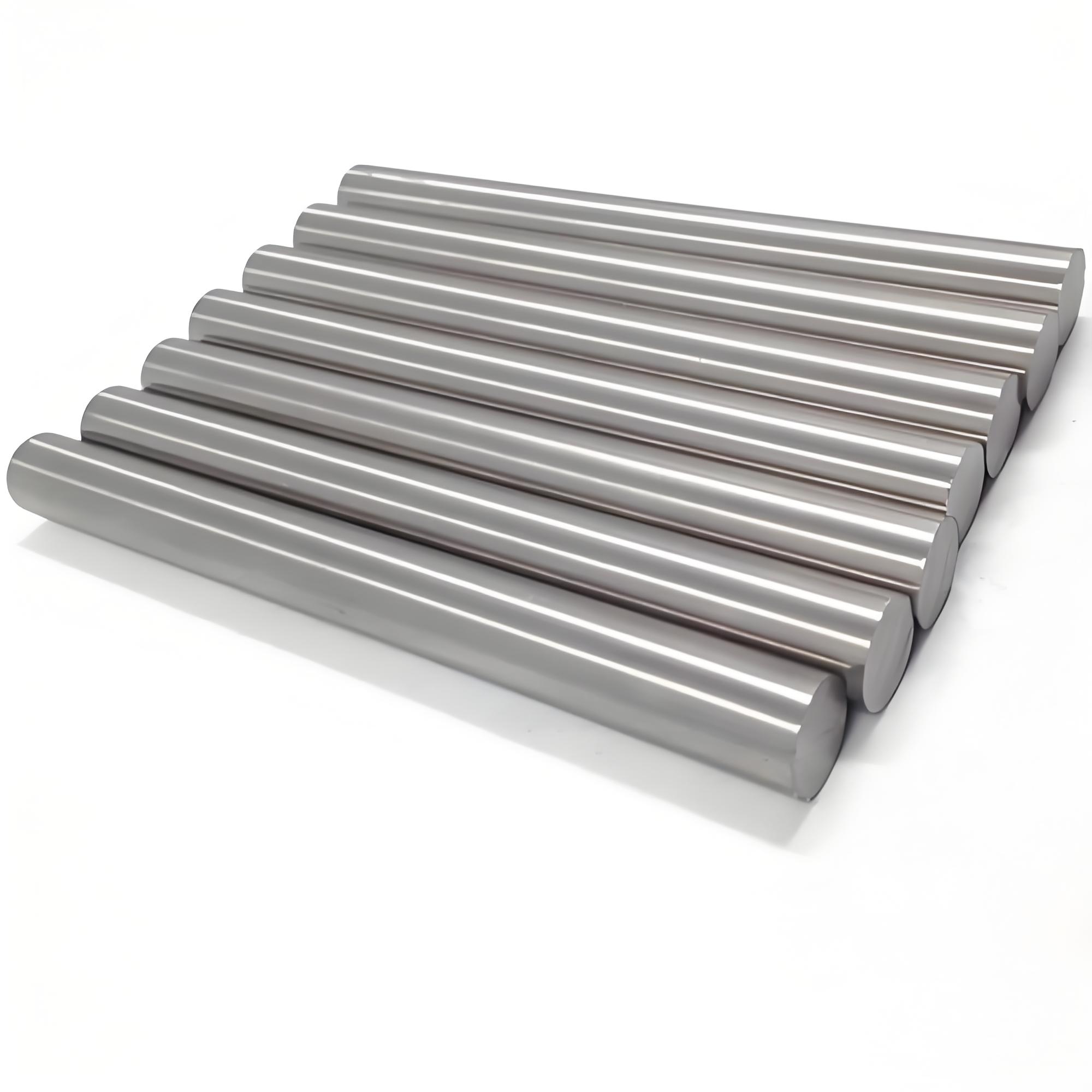
Hastelloy G-30 N06030 bar factory price is determined by the alloy’s high nickel, chromium, iron, molybdenum, copper, and tungsten content, together...
 English English
  Korean
 Arabic
 Spanish
 German
 Portuguese
 French
 Russian
 Italian
 Vietnamese