
Incoloy 825 Bar Price | UNS N08825 Supplier
Incoloy 825 bar price depends on the nickel-based alloy composition, bar dimensions, manufacturing route, heat-treatment condition, surface finish, in...
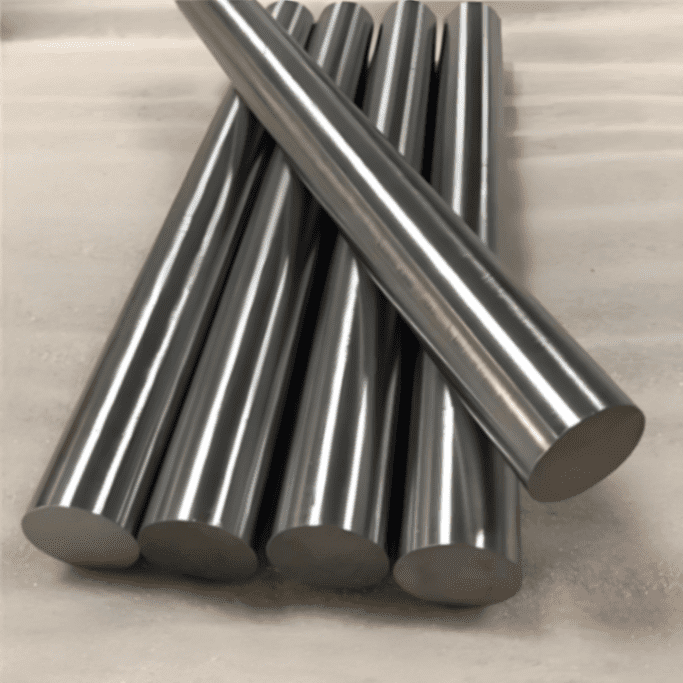
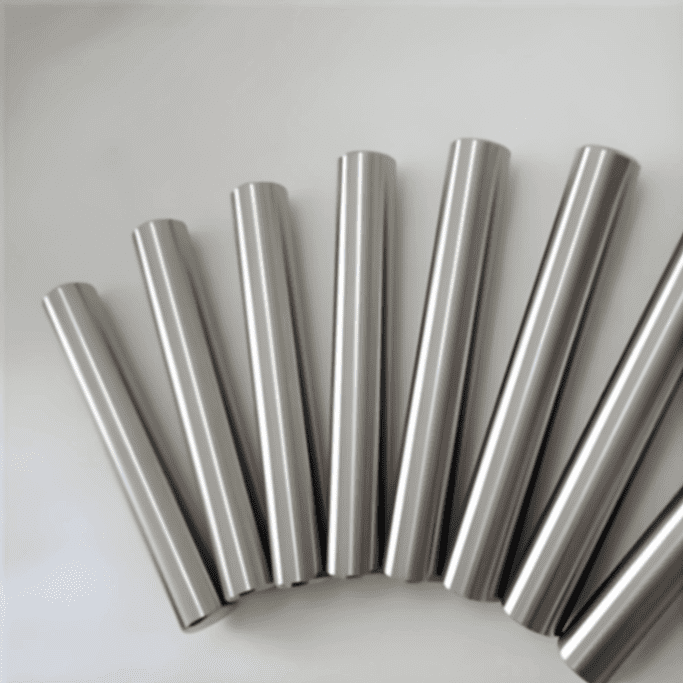
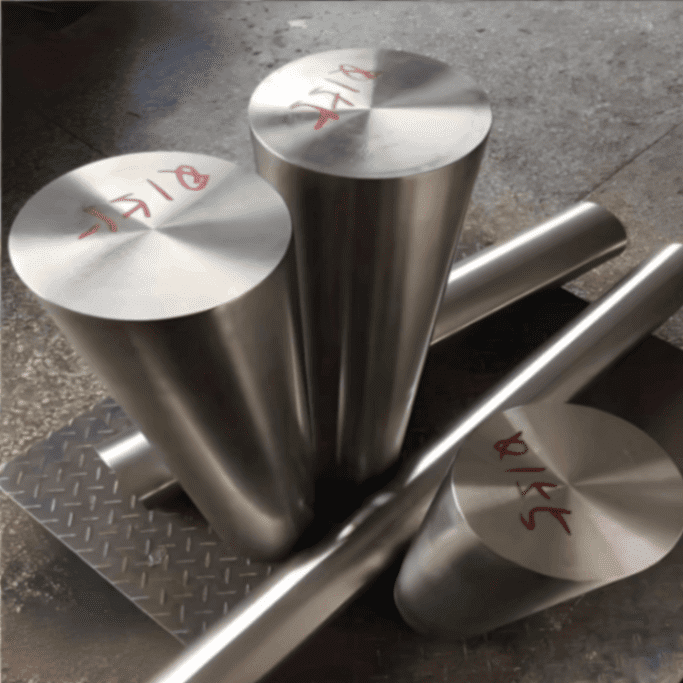
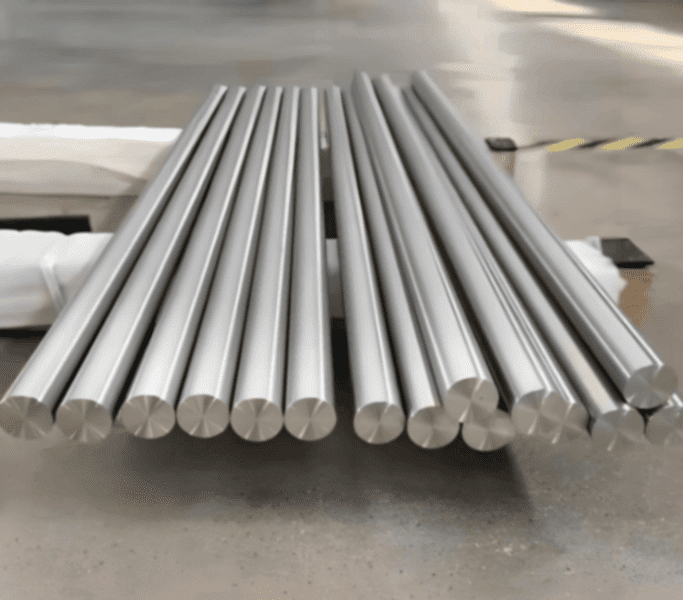
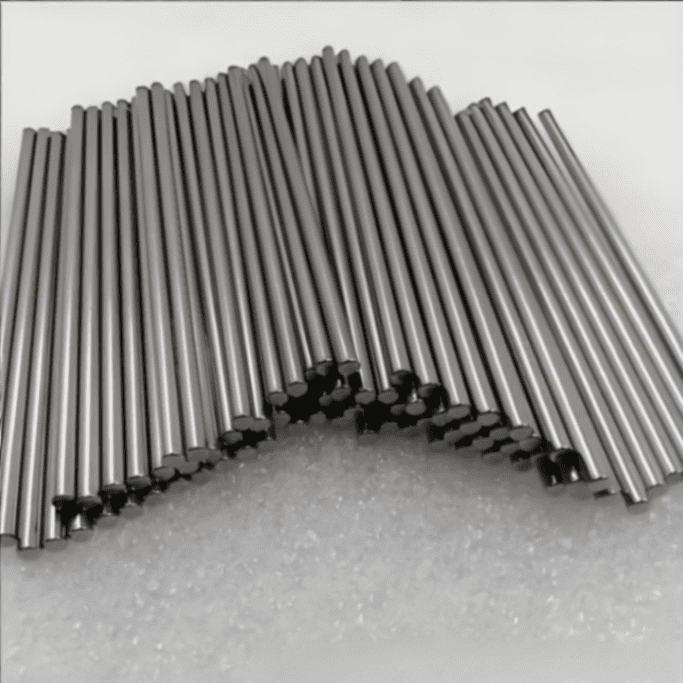
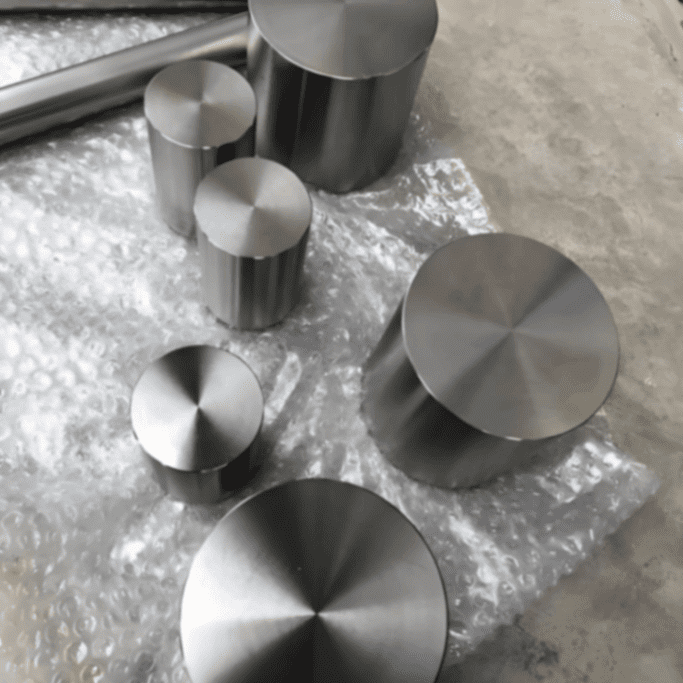
Inconel X-750 bar manufacturer and supplier price depends on nickel and chromium raw material cost, titanium and aluminum strengthening elements, bar diameter, delivery condition, heat treatment, surface finish, tolerance, testing requirements, stock availability, quantity, and lead time. Inconel X-750, also known as Alloy X-750, UNS N07750, and W.Nr. 2.4669, is a precipitation-hardenable nickel-chromium alloy used where high-temperature strength, oxidation resistance, relaxation resistance, and corrosion resistance are required. For buyers of Inconel X-750 round bar, forged bar, cold drawn bar, precision ground bar, spring bar, or fastener bar stock, price per kg should not be the only purchasing factor. A reliable quotation should also confirm grade, standard, chemical composition, heat treatment condition, mechanical properties, MTC, PMI, UT testing if required, cutting service, packing, and delivery schedule.
Inconel X-750 bar is a high-value nickel-based superalloy bar. It is usually more expensive than common stainless steel, carbon steel, and many ordinary nickel alloy bars because it contains high nickel, chromium, iron, titanium, aluminum, niobium plus tantalum, and controlled minor elements. More importantly, X-750 is not only a corrosion-resistant alloy. It is an age-hardenable alloy, so production cost also includes controlled melting, hot working, solution treatment, aging, testing, and quality inspection.
For manufacturers and suppliers, Inconel X-750 bar price is usually calculated from raw material cost, production route, processing condition, size, quantity, and inspection level. A stock supplier may quote faster delivery for common diameters, while a manufacturer may offer better pricing for large quantity or custom production. Buyers should compare not only price, but also the supply condition, documents, and whether the bar can meet ASTM, AMS, ASME, or customer-specific requirements.
| Price Component | What It Includes | Impact on Final Price |
|---|---|---|
| Raw Material Cost | Nickel, chromium, iron, titanium, aluminum, niobium, and other elements | Very high impact |
| Production Process | Melting, forging, rolling, drawing, solution treatment, aging | High impact |
| Bar Condition | Hot rolled, forged, cold drawn, peeled, ground, aged | Medium to high impact |
| Testing and Certification | MTC, PMI, UT, tensile test, hardness test, third-party inspection | Depends on project requirement |
| Stock and Lead Time | Ready stock, custom production, urgent delivery | Strong impact on practical quotation |
As a practical reference, Inconel X-750 bar commonly costs about USD 38 to 75 per kg for many standard industrial bar orders, depending on diameter, quantity, surface condition, heat treatment, standard, and supplier stock. Precision ground bars, AMS-grade aerospace bars, special heat-treated spring bars, large forged bars, small custom quantities, and urgent orders may cost more, sometimes reaching USD 80 to 120 per kg or higher.
This is only a reference range. The actual Inconel X-750 bar manufacturer and supplier price must be quoted according to grade, standard, diameter, length, quantity, heat treatment condition, tolerance, surface finish, certificate, and delivery destination. Since nickel price changes frequently, most supplier quotations have a limited validity period.
| Product Type | Reference Price Range | Typical Situation |
|---|---|---|
| Hot Rolled Inconel X-750 Round Bar | USD 38 – 65 / kg | Common machining blank, standard industrial use |
| Forged Inconel X-750 Bar | USD 48 – 85 / kg | Large diameter, heavy machined components, turbine parts |
| Cold Drawn Inconel X-750 Bar | USD 50 – 90 / kg | Better tolerance, smaller rods, spring and fastener applications |
| Precision Ground Inconel X-750 Bar | USD 65 – 120 / kg | Tight tolerance shafts, precision rods, high-quality machined parts |
| AMS Grade Inconel X-750 Bar | Usually higher than standard industrial grade | Aerospace, turbine, spring, and critical fastener use |
Inconel X-750 bar has several delivery conditions and heat treatment routes. A standard hot rolled bar for rough machining is not priced the same as AMS 5667 bar, spring temper material, or precision ground aged bar. A buyer should always compare the quoted condition, not only the price per kg.
Inconel X-750 bar is commonly identified as UNS N07750 and W.Nr. 2.4669. It is a nickel-chromium alloy made precipitation hardenable by additions of titanium, aluminum, and niobium plus tantalum. Correct grade identification is very important because Inconel X-750 may be confused with Inconel 600, Inconel 625, Inconel 718, Nimonic 80A, or other high-temperature nickel alloys.
| Designation | Meaning | Buying Note |
|---|---|---|
| Inconel X-750 | Common trade-name style alloy name | Widely used in industrial and aerospace purchasing |
| Alloy X-750 | Generic alloy name | Common in supplier quotations and stock lists |
| UNS N07750 | Unified material designation | Important for international grade confirmation |
| W.Nr. 2.4669 | European material number | May appear in European drawings and certificates |
| NiCr15Fe7TiAl | Nickel-chromium-iron-titanium-aluminum designation | Describes the alloy by main elements |
UNS N07750 should appear clearly on the quotation, purchase order, MTC, product label, and packing list. If a drawing requires UNS N07750, another nickel alloy should not be substituted without engineering approval. For springs, bolts, turbine parts, and nuclear components, wrong grade supply can cause serious performance risk.
The chemical composition of Inconel X-750 bar explains both its performance and price. Nickel provides the high-temperature base matrix. Chromium improves oxidation and corrosion resistance. Titanium, aluminum, and niobium plus tantalum make the alloy age hardenable. Iron is present as a controlled element. Carbon, manganese, silicon, sulfur, copper, and cobalt are limited to maintain quality and performance.
| Element | Typical Range / Limit | Main Function |
|---|---|---|
| Nickel + Cobalt (Ni + Co) | 70.0% min | Base matrix for high-temperature strength and corrosion resistance |
| Chromium (Cr) | 14.0% – 17.0% | Oxidation resistance and corrosion resistance |
| Iron (Fe) | 5.0% – 9.0% | Controlled alloying element |
| Titanium (Ti) | 2.25% – 2.75% | Main precipitation-hardening element |
| Aluminum (Al) | 0.40% – 1.00% | Supports age hardening and high-temperature strength |
| Niobium + Tantalum (Nb + Ta) | 0.70% – 1.20% | Supports precipitation strengthening and creep resistance |
| Manganese (Mn) | 1.00% max | Controlled minor element |
| Silicon (Si) | 0.50% max | Controlled residual and processing-related element |
| Copper (Cu) | 0.50% max | Controlled residual element |
| Carbon (C) | 0.08% max | Controlled for carbide behavior and quality |
| Sulfur (S) | 0.010% max | Kept low for hot workability and quality |
High nickel content is the largest raw material cost driver. Chromium, titanium, aluminum, and niobium also affect alloy cost and production complexity. Because X-750 is precipitation hardenable, the supplier must control both chemical composition and heat treatment. This is one reason Inconel X-750 bar costs more than many non-age-hardenable nickel alloy bars.
Inconel X-750 bar is valued for high-temperature strength, oxidation resistance, corrosion resistance, creep-rupture properties, and relaxation resistance. These properties make it useful for springs, bolts, turbine parts, hot gas components, rocket engine parts, nuclear reactor components, and pressure vessel hardware.
| Property | Inconel X-750 Bar Performance | Practical Meaning |
|---|---|---|
| Alloy Type | Precipitation-hardenable nickel-chromium alloy | Can develop high strength after aging treatment |
| Density | About 8.28 g/cm³ | Used for weight and quotation calculation |
| Oxidation Resistance | Good in high-temperature oxidizing environments | Useful for hot gas and turbine applications |
| High-Temperature Strength | Good up to about 700°C / 1300°F in many applications | Important for springs, fasteners, and turbine parts |
| Relaxation Resistance | Excellent after proper heat treatment | Important for high-temperature springs and bolts |
| Corrosion Resistance | Good in many industrial and oxidizing environments | Better than many steels in hot corrosive service |
Inconel X-750 is not only strengthened by its chemistry. It needs correct solution treatment and aging to develop the required mechanical properties. The same grade may show different strength, hardness, ductility, and creep behavior depending on heat treatment condition.
High-temperature strength and oxidation resistance are major reasons to choose Inconel X-750 bar. The alloy is similar to Inconel 600 in its nickel-chromium base, but X-750 is strengthened by titanium, aluminum, and niobium additions, making it suitable for loaded high-temperature parts.
Inconel X-750 can maintain useful strength at elevated temperature after proper age hardening. It is commonly used for parts operating up to about 700°C / 1300°F when tensile strength, creep resistance, and relaxation resistance are required. In some heat-treated conditions, it may retain useful strength at higher temperatures, but actual service limit depends on stress, exposure time, atmosphere, and design requirement.
Chromium helps Inconel X-750 form a protective oxide scale at elevated temperature. This improves resistance to scaling and surface attack in hot air and many oxidizing environments. For hot gas service, surface condition and temperature cycling should also be considered.
Relaxation resistance is especially important for springs and bolts. A spring or bolt working at high temperature may lose force over time if relaxation resistance is poor. Inconel X-750 is widely used for high-temperature springs and fasteners because it can maintain load better than many common alloys when properly heat treated.
| Performance Area | Main Composition / Process Contributor | Application Meaning |
|---|---|---|
| High-temperature strength | Ni-Cr matrix plus Ti, Al, Nb precipitation hardening | Useful for turbine, spring, and fastener parts |
| Oxidation resistance | Chromium content | Supports hot gas and oxidizing atmosphere service |
| Creep-rupture strength | Age-hardened microstructure | Important for long-term high-temperature loading |
| Relaxation resistance | Correct aging condition | Important for springs, bolts, and clamps |
Age-hardening heat treatment has a strong effect on both performance and price. Inconel X-750 bar can be supplied in different conditions, such as solution treated, annealed, aged, spring temper, or according to AMS heat treatment requirements. Each condition has different cost and different mechanical properties.
Heat treatment requires furnace time, controlled temperature, cooling method, aging cycle, testing, and documentation. For aerospace or critical spring applications, heat treatment may need to follow strict AMS or customer requirements. This increases production cost compared with simple hot rolled or annealed bar.
| Condition | General Meaning | Price Impact |
|---|---|---|
| Solution Treated | High-temperature treatment before aging | Medium impact |
| Aged / Precipitation Hardened | Heat treated to develop high strength | Higher cost due to aging process and testing |
| Spring Temper | Special condition for spring applications | Higher cost due to controlled processing |
| AMS-Specified Condition | Condition defined by aerospace specification | Usually higher cost due to strict requirements |
| Custom Heat Treatment | Customer-specific process route | May require MOQ, extra testing, and longer lead time |
For springs, fasteners, and turbine components, heat treatment should not be chosen only by price. A cheaper untreated bar may require later heat treatment by the buyer. If the final part requires a specific strength or relaxation resistance, the bar condition should be agreed before purchase.
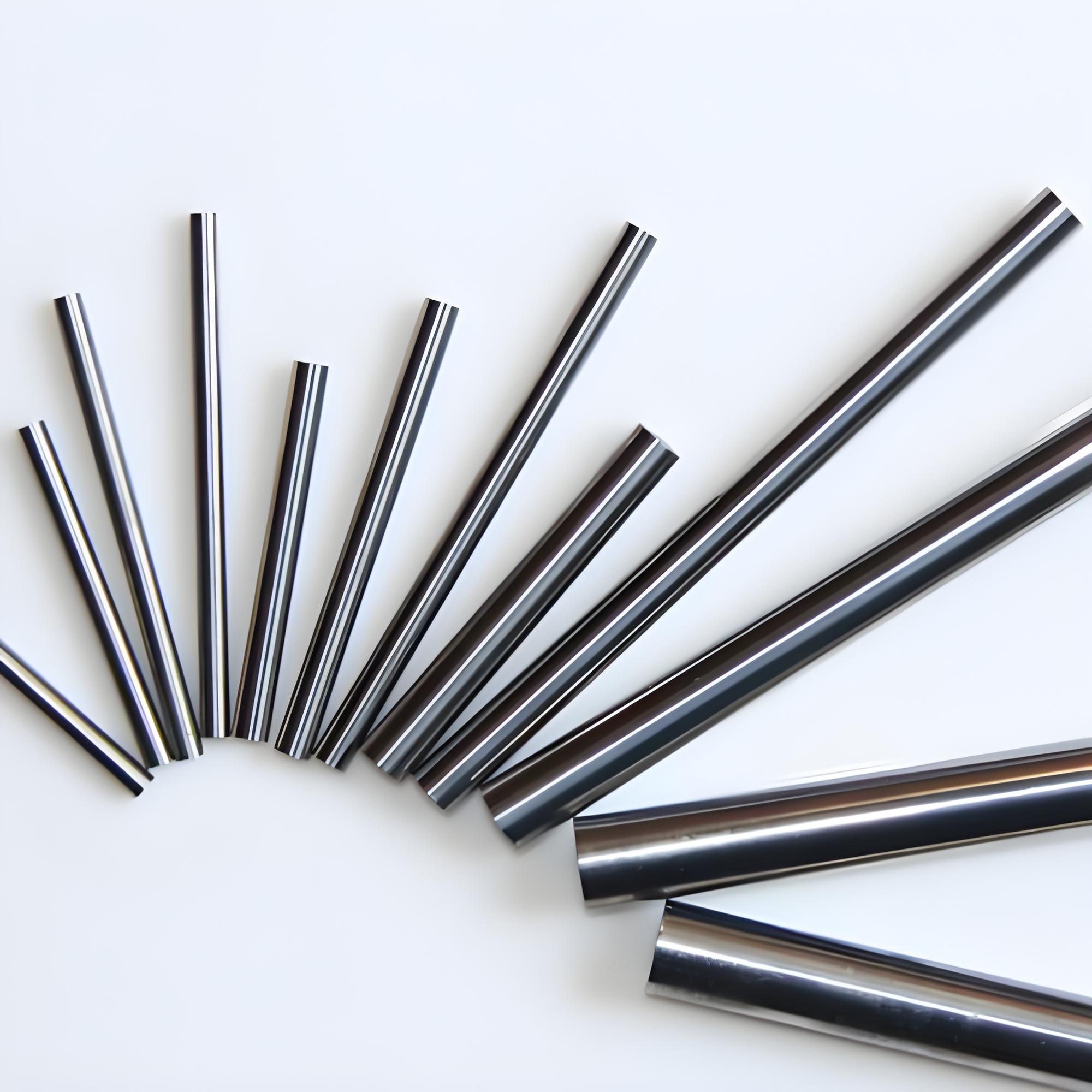
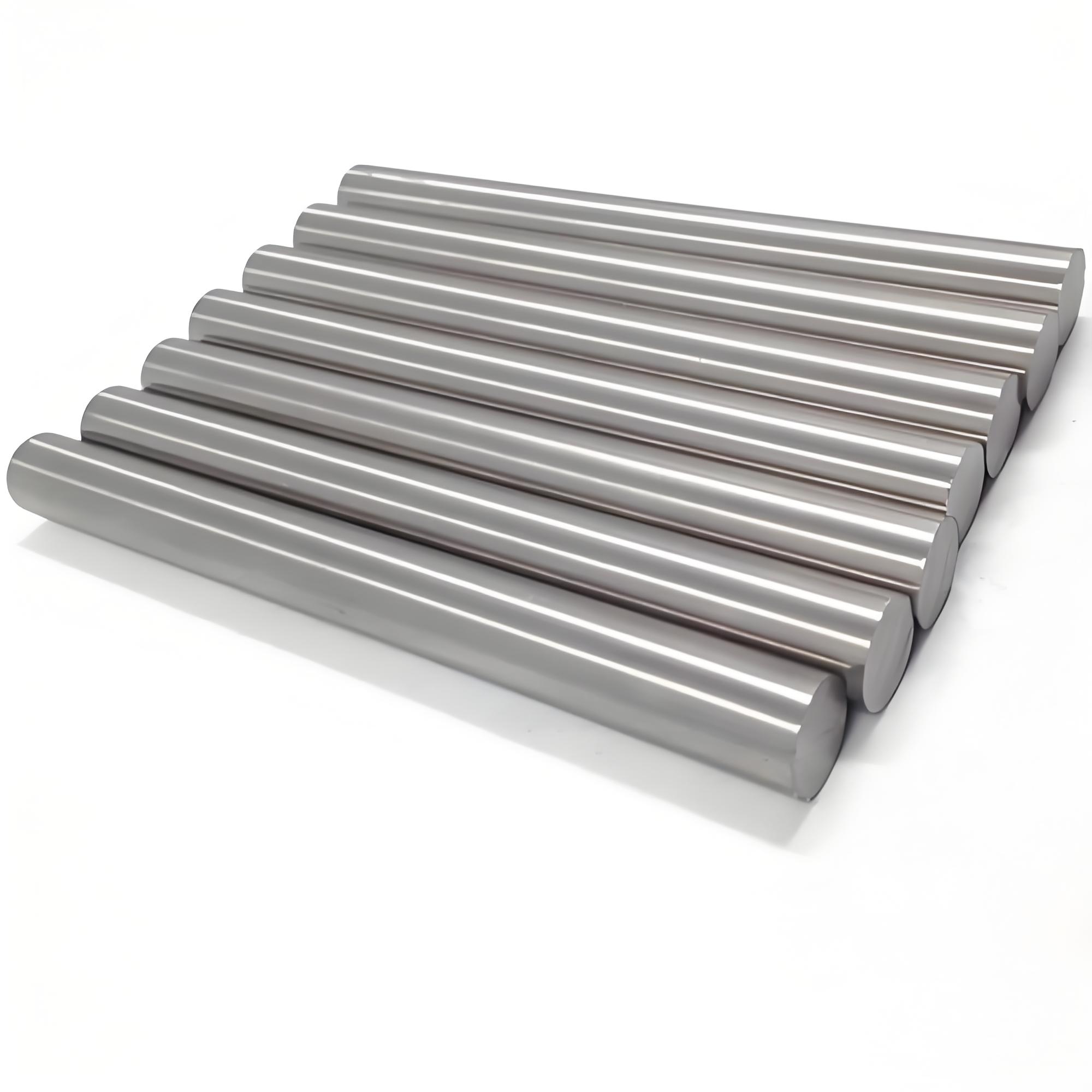
Inconel X-750 bar is supplied in different diameters and lengths depending on stock and production capability. Common forms include round bar, forged bar, rod, wire rod, hex bar, and precision ground bar. Round bar is the most common form for machining into shafts, bolts, studs, rings, pins, and spring components.
| Size Category | Common Diameter Examples | Typical Use |
|---|---|---|
| Small Diameter Bar | 3 mm – 20 mm | Springs, pins, rods, fasteners, small precision components |
| Medium Diameter Bar | 22 mm – 80 mm | Bolts, shafts, valve stems, turbine hardware, machined parts |
| Large Diameter Bar | 90 mm – 200 mm | Large fasteners, forged components, rings, heavy machined parts |
| Extra Large Forged Bar | Above 200 mm | Custom turbine or heavy high-temperature components |
Bars can be supplied in random length, fixed length, or cut-to-size pieces. Common commercial lengths may include 1 m, 2 m, 3 m, 4 m, or 6 m depending on stock and shipping condition. For machining shops, cut-to-length blanks can reduce waste and handling time.
The supply condition of Inconel X-750 bar affects price, mechanical properties, dimensional accuracy, machining allowance, and delivery time. Buyers should select the condition based on final application, not only availability.
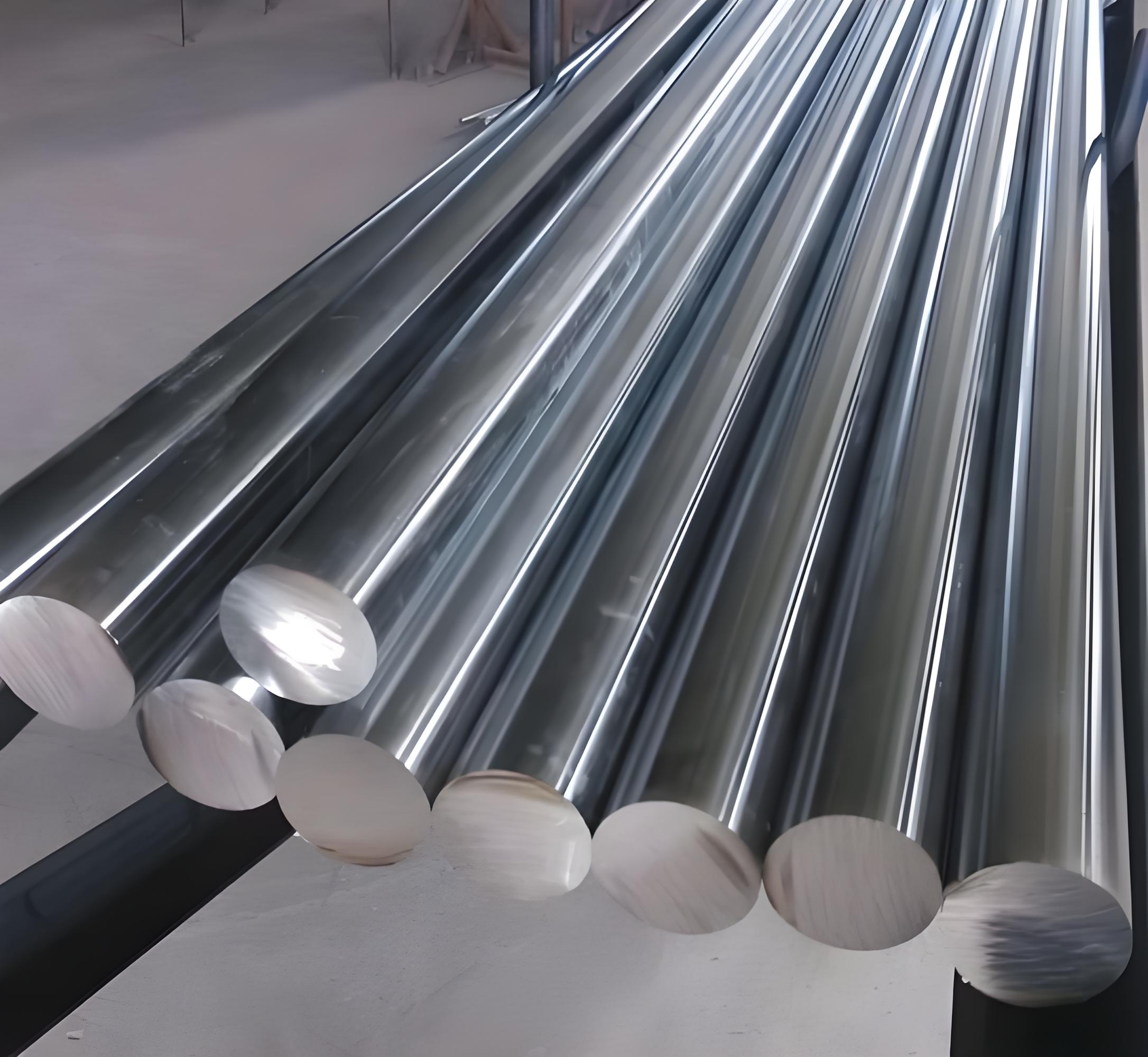
Hot rolled bar is commonly used for general machining blanks. It is usually more economical than precision ground material but may require more machining allowance. It is suitable for many industrial components when tight diameter tolerance is not required.
Forged bar is used for larger diameters, heavy components, or parts requiring better internal structure. Forged X-750 bar may require ultrasonic testing and more detailed inspection, especially for turbine or pressure-related applications.
Cold drawn bar provides better tolerance and surface finish. It is often used for smaller rods, spring materials, precision fasteners, and parts requiring better dimensional control. Cold drawing may affect mechanical properties and should be matched with the heat treatment route.
Precision ground bar provides tight tolerance, smooth surface, and better straightness. It is used for high-temperature shafts, valve stems, spring rods, precision fasteners, and close-tolerance machined components. It is more expensive because it requires additional finishing and inspection.
| Bar Type | Relative Price Level | Main Advantage | Typical Use |
|---|---|---|---|
| Hot Rolled Bar | Lower to medium | Cost-effective machining blank | General industrial machined parts |
| Forged Bar | Medium to high | Suitable for large diameter and heavy components | Turbine parts, large fasteners, pressure components |
| Cold Drawn Bar | Medium to high | Better tolerance and surface finish | Springs, rods, pins, precision fasteners |
| Precision Ground Bar | High | Tight tolerance and smooth surface | Precision shafts, valve stems, high-quality rods |
Inconel X-750 bar can be supplied according to different standards depending on application. Industrial buyers may request ASTM or ASME specifications, while aerospace and spring applications often require AMS standards. The required standard affects price because it controls chemistry, heat treatment, mechanical properties, testing, and certification.
| Standard / Specification | Meaning for Inconel X-750 Bar |
|---|---|
| UNS N07750 | Unified designation for Alloy X-750 |
| ASTM B637 | Common specification for precipitation-hardening nickel alloy bars, forgings, and forging stock |
| ASME SB637 | ASME version used for pressure-related and engineering applications |
| AMS 5667 | Aerospace material specification for X-750 bar, forging, and rings in specific condition |
| AMS 5671 | Aerospace specification associated with X-750 material in selected product forms and conditions |
| AMS 5698 / AMS 5699 | Spring temper specifications for X-750 wire or spring-related forms |
| BS HR 505 | British high-temperature alloy specification reference |
| W.Nr. 2.4669 | European material number reference |
AMS-grade X-750 bar may cost more than standard industrial bar because aerospace specifications often require stricter heat treatment, mechanical testing, traceability, and documentation. If a buyer only needs industrial corrosion-resistant bar, ASTM B637 may be enough. If the drawing states AMS 5667 or another aerospace specification, the supplier must quote accordingly.
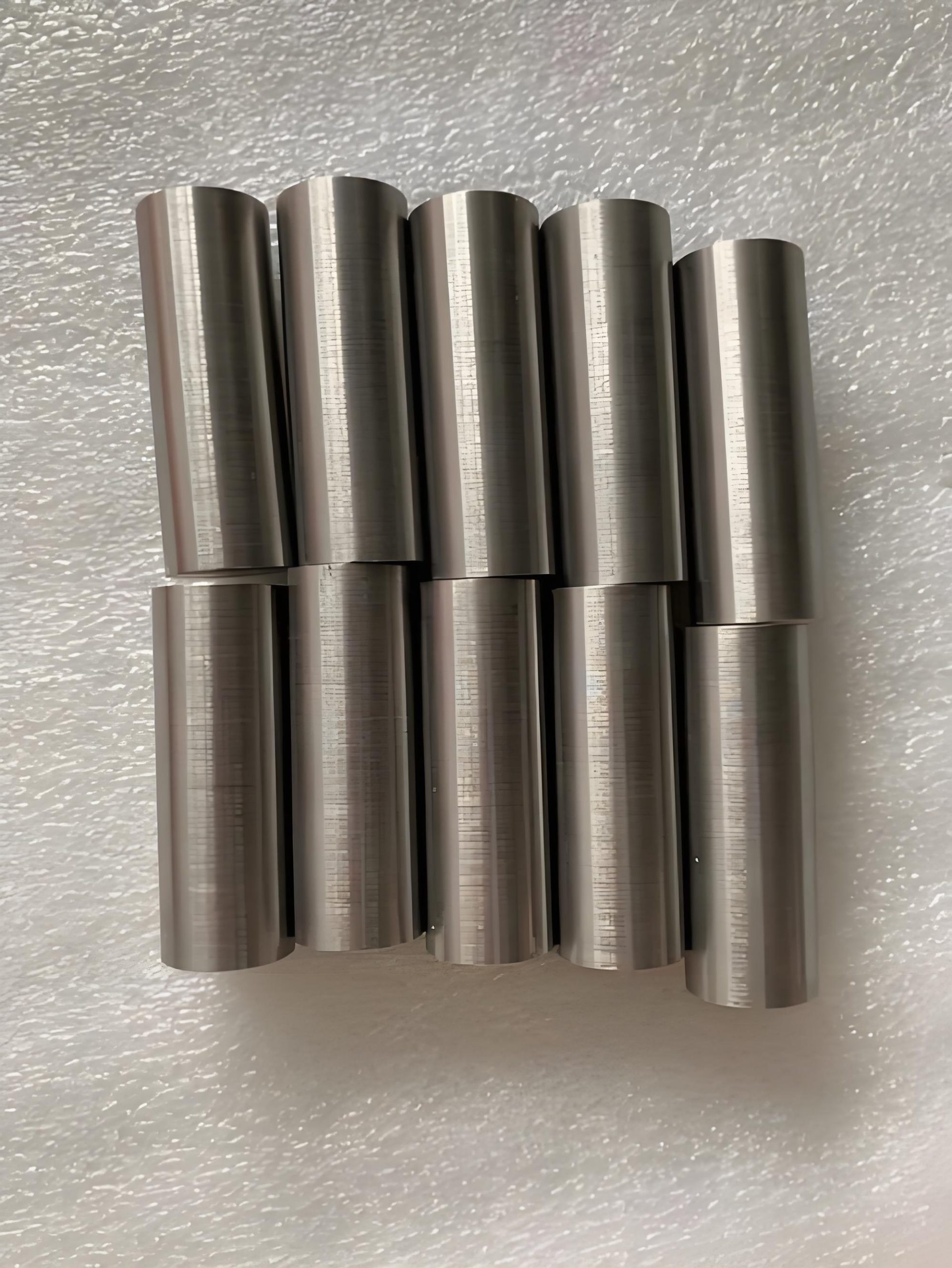
Stock availability can greatly affect Inconel X-750 bar price and delivery time. Common diameters may be available from stock, while large forged bars, AMS-grade bars, or precision ground spring materials may require production. A stock supplier can often support urgent repair and machining projects faster than a manufacturer producing from raw material.
Ready stock can reduce lead time and help buyers avoid production waiting time. However, stock material should still be checked by heat number, standard, heat treatment condition, diameter, surface condition, and MTC.
Cutting service allows buyers to order fixed-length blanks instead of full bars. This is useful for bolts, studs, shafts, rods, rings, and machined parts. Cutting tolerance, end allowance, and burr condition should be confirmed before order.
Custom size supply may include special diameter, forged bar, precision ground bar, special heat treatment, or customer drawing parts. Custom production usually has higher cost and longer lead time, but it may be necessary for aerospace, turbine, or spring applications.
| Supply Service | Buyer Should Confirm | Price / Lead Time Impact |
|---|---|---|
| Stock Bar | Diameter, length, heat number, condition, standard | Faster delivery and often better price |
| Cut-to-Length Service | Cut length, tolerance, quantity, end allowance | Adds processing cost but reduces buyer waste |
| Custom Forged Bar | Size, forging ratio, UT, heat treatment, inspection | Higher cost and longer lead time |
| Precision Ground Bar | Diameter tolerance, straightness, surface finish | Higher cost due to finishing and inspection |
Inspection and certification are essential when buying Inconel X-750 bar. Since this alloy is often used in springs, fasteners, turbines, nuclear equipment, and high-temperature components, material quality should be verified before machining or use.
The MTC should show grade, UNS number, standard, heat number, chemical composition, mechanical properties, heat treatment condition, product size, and test results. For age-hardenable material, the heat treatment condition is especially important.
PMI helps verify major alloying elements such as nickel, chromium, iron, titanium, and niobium. It is useful for incoming inspection and material mix-up prevention. PMI should support but not replace the full MTC, especially for carbon, sulfur, and other light or trace elements.
Ultrasonic testing may be required for large diameter forged bars or critical components. UT helps detect internal defects that cannot be seen from the surface. For turbine or aerospace applications, UT may be part of the required quality control process.
Diameter, length, tolerance, straightness, ovality, and surface finish should be inspected according to the order. Surface defects such as cracks, seams, laps, heavy scratches, and grinding burns may affect machining and service life.
| Inspection Item | What to Check | Why It Matters |
|---|---|---|
| Grade Verification | Inconel X-750 / UNS N07750 | Prevents wrong alloy supply |
| Chemical Composition | Ni, Cr, Fe, Ti, Al, Nb+Ta, C, S and other elements | Confirms alloy compliance and aging response |
| Heat Treatment | Solution treated, aged, spring temper, AMS condition | Controls mechanical strength and relaxation resistance |
| Mechanical Properties | Tensile strength, yield strength, elongation, hardness | Confirms performance for loaded parts |
| PMI | Major alloying elements | Reduces material mix-up risk |
| UT | Internal soundness for large or critical bars | Important for turbine, aerospace, and pressure components |
| Traceability | Heat number on MTC, label, and bar marking | Supports quality audit and project acceptance |
Inconel X-750 bar is widely used where high-temperature strength, oxidation resistance, relaxation resistance, and corrosion resistance are required. It is especially common in spring and fastener applications because it can maintain load under heat when properly aged.
Inconel X-750 is a common material for high-temperature springs because it has excellent relaxation resistance. Springs made from X-750 can maintain force better than many ordinary alloys at elevated temperature.
X-750 bar is machined into bolts, studs, nuts, threaded rods, and fastener parts used in turbines, engines, reactors, pressure vessels, and hot gas systems. Strength and relaxation resistance are important for maintaining clamping force.
Inconel X-750 is used in gas turbines, aircraft structures, rocket engines, and hot-section hardware. These parts need strength, oxidation resistance, and thermal stability under demanding conditions.
X-750 is used in nuclear reactor components, pressure vessel parts, and high-temperature support hardware. In these applications, correct specification, heat treatment, and traceability are essential.
| Application | Required Property | Why Inconel X-750 Bar Is Used |
|---|---|---|
| High-temperature springs | Relaxation resistance and strength retention | Maintains spring force under heat |
| Bolts and studs | High strength and creep resistance | Maintains clamping force in hot service |
| Gas turbine parts | Oxidation resistance and high-temperature strength | Performs in hot gas and rotating equipment environments |
| Rocket engine components | Thermal strength and oxidation resistance | Useful for severe heat and load conditions |
| Nuclear reactor components | Strength, corrosion resistance, and traceability | Used in critical engineering systems |
The main factors affecting Inconel X-750 bar manufacturer and supplier price include raw material cost, bar diameter, quantity, heat treatment, standard, surface finish, tolerance, testing, stock availability, and lead time. Since X-750 is a precipitation-hardenable alloy, heat treatment and testing requirements can affect price more than buyers sometimes expect.
| Price Factor | How It Affects Price |
|---|---|
| Nickel Price | High nickel content makes raw material cost a major price driver |
| Chromium and Strengthening Elements | Cr, Ti, Al, Nb, and Ta add alloy cost and production complexity |
| Diameter | Common sizes may be cheaper; large forged bars cost more |
| Quantity | Small quantity usually has higher price per kg |
| Heat Treatment | Solution treatment, aging, spring temper, or AMS condition increases cost |
| Surface Finish | Peeled, polished, and ground bars cost more than hot rolled bars |
| Tolerance | Tight tolerance requires cold drawing or grinding |
| Testing | PMI, UT, tensile, hardness, third-party inspection, and AMS documents add cost |
| Stock Availability | Ready stock may reduce lead time; custom production may cost more |
| Delivery Time | Urgent orders may require priority processing or faster logistics |
To get an accurate Inconel X-750 bar quotation, buyers should provide grade, UNS number, standard, diameter, length, quantity, heat treatment condition, surface finish, tolerance, testing requirement, certificate requirement, cutting requirement, and destination. A clear inquiry can be written as: Inconel X-750 round bar, UNS N07750, ASTM B637 or AMS 5667, diameter 25 mm, length 3000 mm, aged condition, peeled surface, quantity 200 kg, with MTC and heat number traceability.
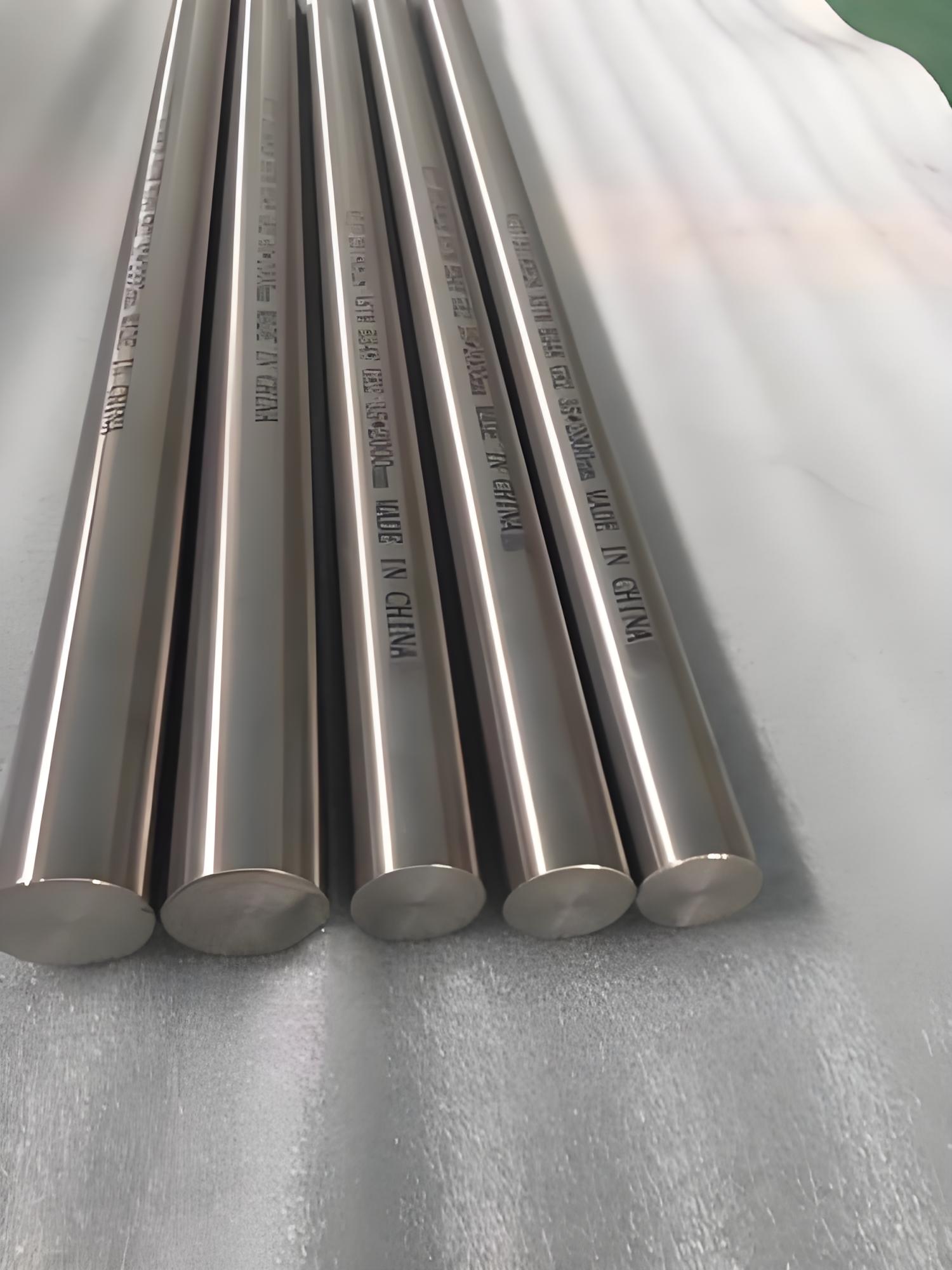
How much is Inconel X-750 bar per kg?
Inconel X-750 bar commonly costs about USD 38 to 75 per kg for many standard industrial bar orders. Precision ground bars, large forged bars, AMS-grade bars, special heat-treated bars, spring temper materials, small quantity orders, and urgent custom production may cost more, sometimes reaching USD 80 to 120 per kg or higher. The final price should be confirmed according to diameter, length, quantity, standard, heat treatment, tolerance, surface finish, certificate, and lead time.
What is Inconel X-750 bar used for?
Inconel X-750 bar is used for high-temperature springs, bolts, studs, fasteners, turbine components, rocket engine parts, nuclear reactor components, pressure vessel hardware, hot gas system parts, valve components, shafts, and precision high-temperature rods. It is selected for high-temperature strength, oxidation resistance, corrosion resistance, creep-rupture properties, and excellent relaxation resistance after proper heat treatment.
How to choose an Inconel X-750 bar supplier?
To choose an Inconel X-750 bar supplier, buyers should check whether the supplier can provide UNS N07750 grade confirmation, ASTM B637 or AMS material support, correct heat treatment condition, stock sizes, cutting service, MTC, heat number traceability, PMI, UT testing if required, and suitable export packing. A good supplier should quote based on actual diameter, quantity, standard, surface condition, heat treatment, tolerance, and inspection requirements, not only a simple price per kg.
More from this category
Incoloy 825 bar price depends on the nickel-based alloy composition, bar dimensions, manufacturing route, heat-treatment condition, surface finish, in...
Incoloy 800HT bar price is shaped by nickel, chromium, titanium, and aluminum raw-material costs, together with bar dimensions, heat-treatment conditi...
Incoloy 20 round bar price per kg depends on the alloy composition, bar size, manufacturing method, surface finish, tolerance, certificates, inspectio...
Hastelloy G-30 N06030 bar factory price is determined by the alloy’s high nickel, chromium, iron, molybdenum, copper, and tungsten content, together...
 English English
  Korean
 Arabic
 Spanish
 German
 Portuguese
 French
 Russian
 Italian
 Vietnamese