
Incoloy 825 Bar Price | UNS N08825 Supplier
Incoloy 825 bar price depends on the nickel-based alloy composition, bar dimensions, manufacturing route, heat-treatment condition, surface finish, in...
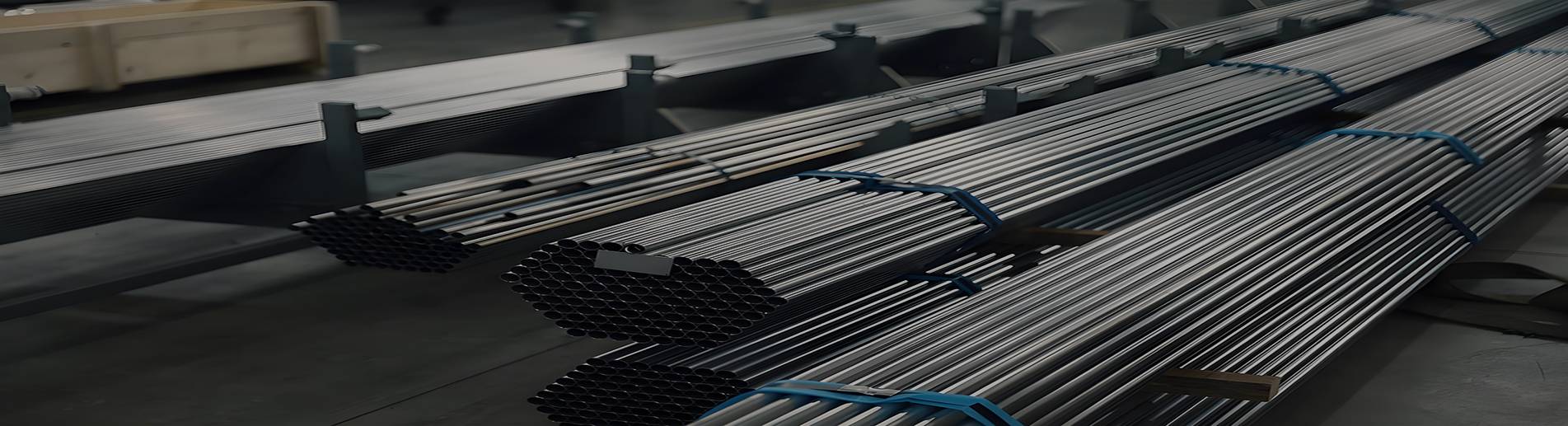
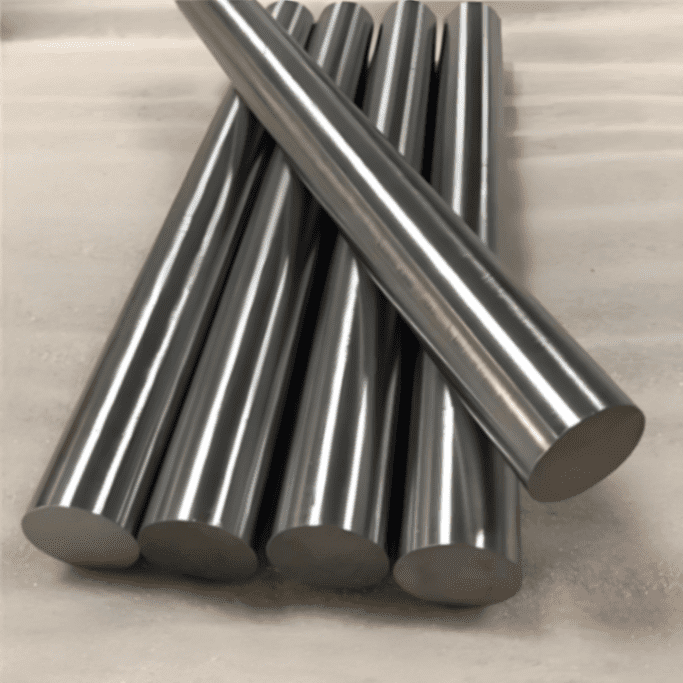
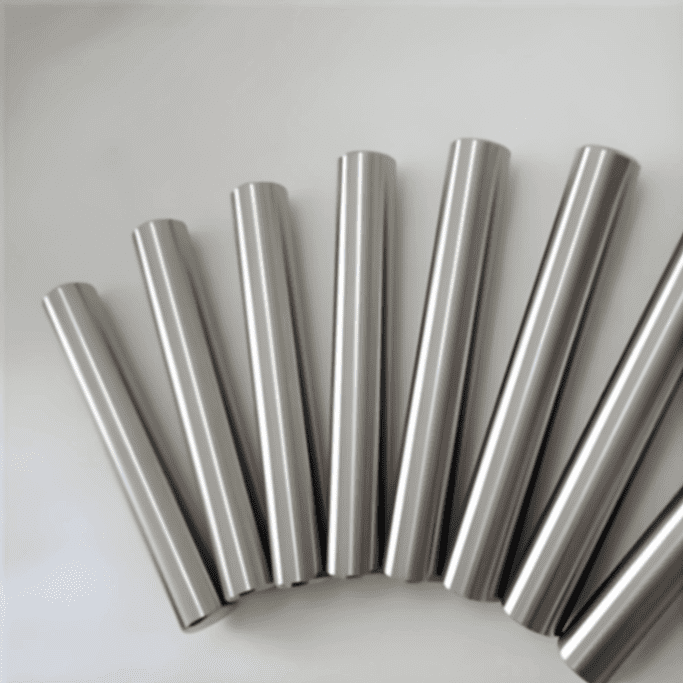
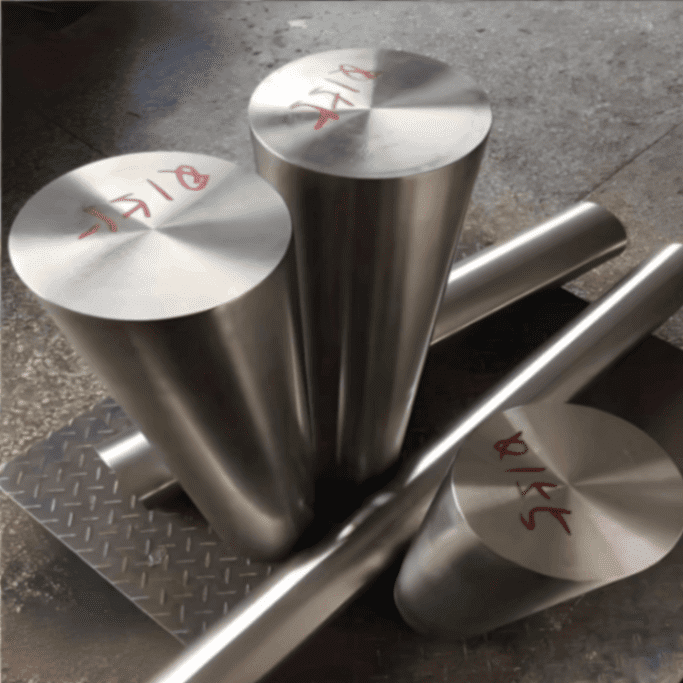
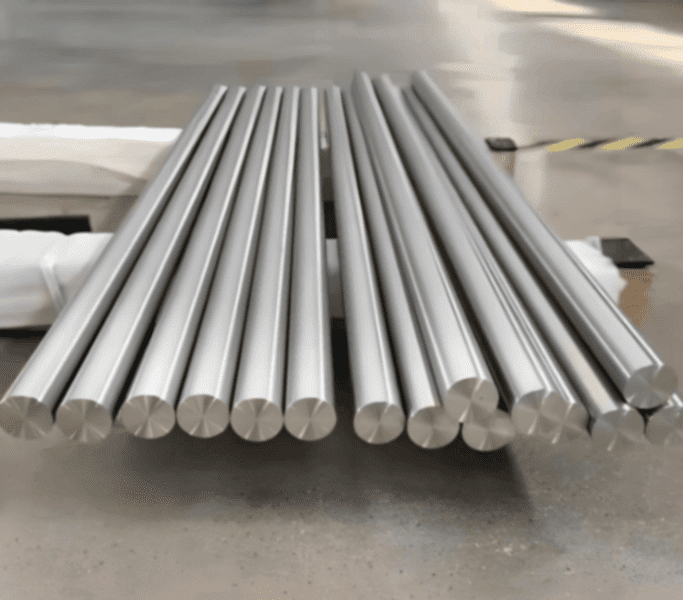
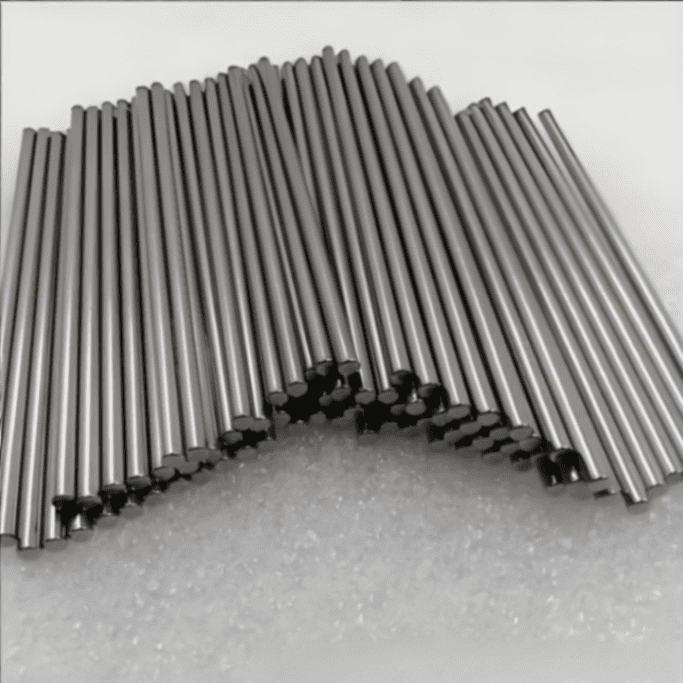
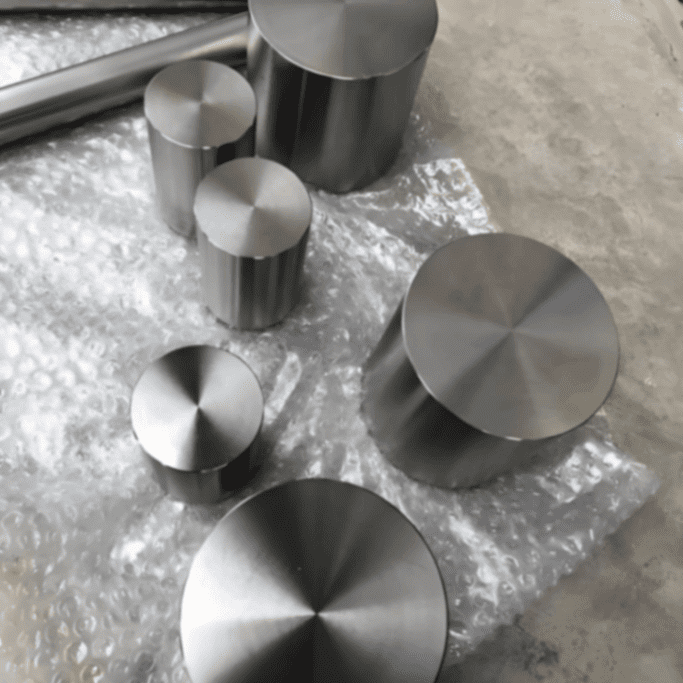
Super Invar 32-5 bar supplier price is usually higher than standard Invar 36 bar because Super Invar 32-5 contains both nickel and cobalt and is used for more demanding ultra-low thermal expansion applications. Super Invar 32-5, commonly identified as UNS K93500, is an iron-nickel-cobalt controlled expansion alloy designed to provide extremely low thermal expansion near room temperature. Its bar price depends on nickel and cobalt raw material cost, diameter, bar form, stock availability, custom size requirement, surface finish, tolerance, straightness, heat treatment condition, MTC, inspection requirements, MOQ, and lead time. For buyers of Super Invar 32-5 round bar, forged bar, cold drawn bar, or precision ground bar, the correct purchasing decision should not be based only on price per kg. The quotation should also confirm chemical composition, low expansion performance, heat number traceability, dimensional accuracy, annealed or stress-relieved condition, and whether the bar is suitable for precision instruments, optical systems, aerospace tooling, cryogenic equipment, and dimensional stability applications.
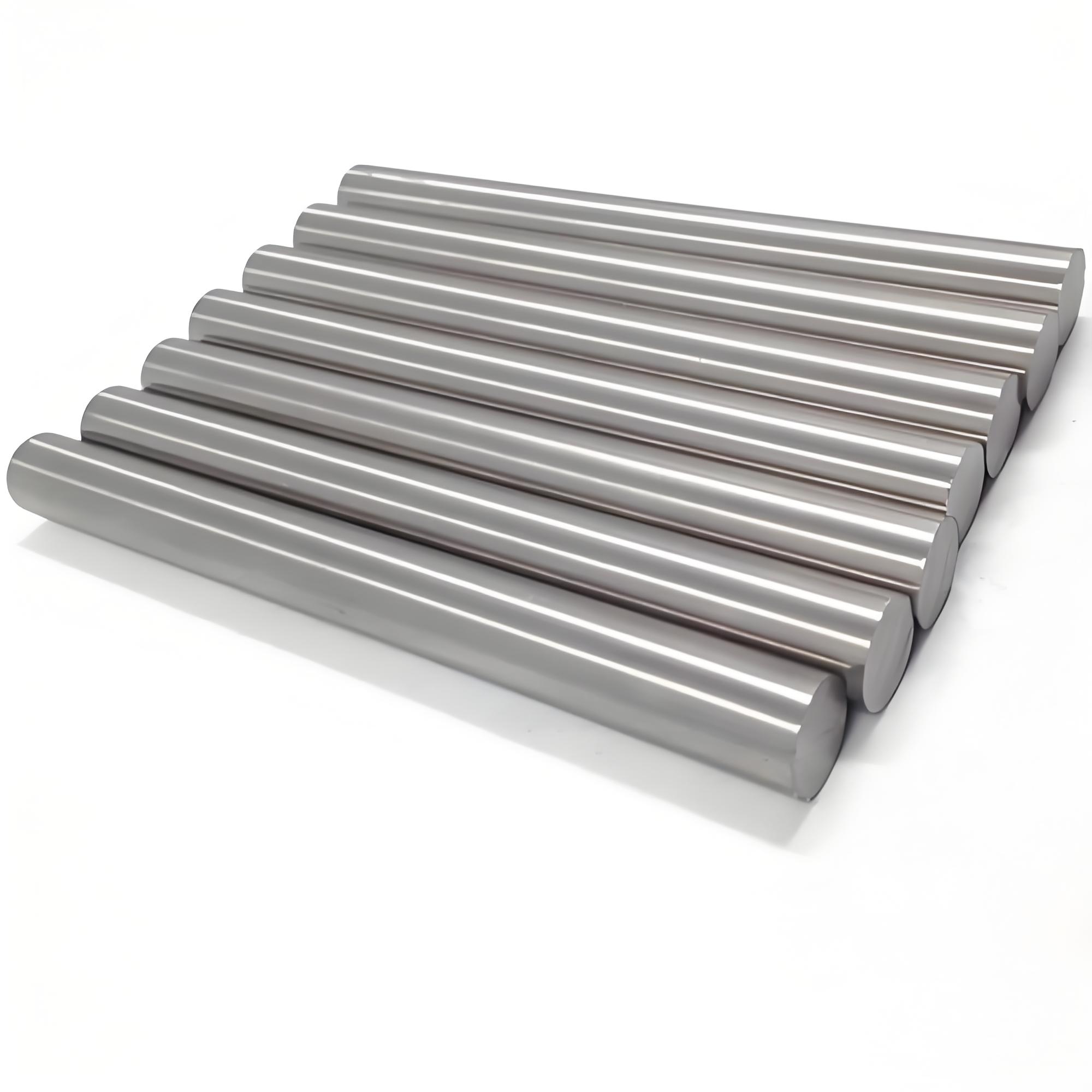
Super Invar 32-5 bar is a premium controlled expansion alloy bar. It is more specialized than standard Invar 36 and is mainly selected when an application requires even lower thermal expansion near room temperature. Because of its nickel and cobalt content, smaller market demand, stricter production control, and precision application requirements, Super Invar 32-5 bar supplier price is usually higher than standard low-expansion alloy bars.
For international buyers, a practical Super Invar 32-5 bar quotation should include material grade, UNS number, chemical composition, bar diameter, length, quantity, delivery condition, surface condition, tolerance, straightness, heat treatment condition, MTC, packing method, and lead time. If the buyer only asks for “Super Invar 32-5 bar price,” the supplier will usually need more information before giving an accurate quotation.
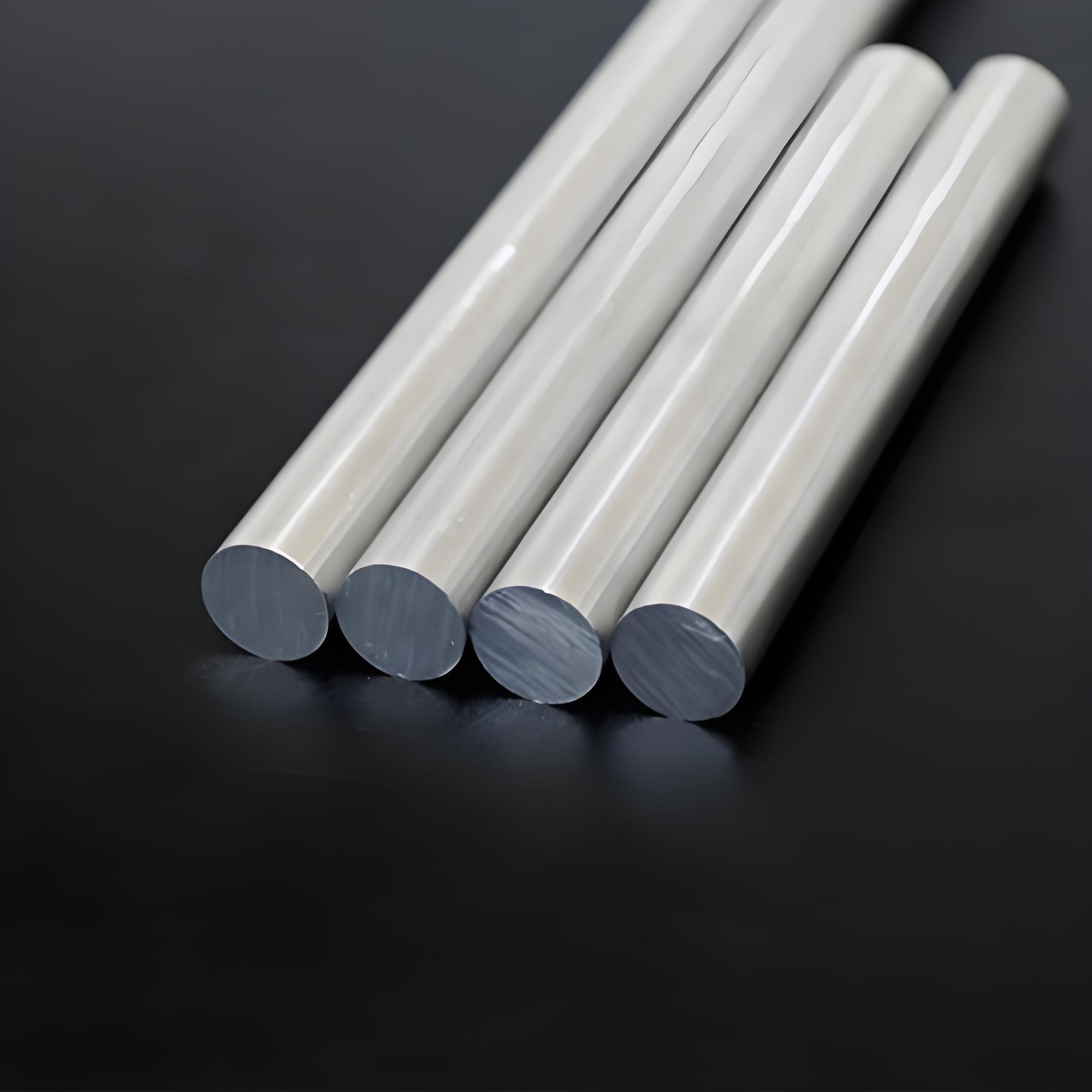
| Price Item | Typical Situation | Buyer Note |
|---|---|---|
| Stock Bar Price | Common diameter available from inventory | Usually faster delivery and more stable cost |
| Custom Size Price | Special diameter, length, tolerance, or surface finish | Usually higher cost and longer lead time |
| Precision Ground Bar Price | Tight tolerance and smooth surface required | Higher processing cost but better dimensional accuracy |
| Forged Bar Price | Large diameter or heavy machining blank | Higher cost due to forging, heat treatment, and inspection |
As a practical reference, Super Invar 32-5 bar may cost about USD 55 to 105 per kg for common bar sizes, depending on diameter, quantity, surface condition, tolerance, heat treatment, and stock availability. Precision ground small-diameter bars, large forged bars, special heat-treated bars, or urgent custom production may cost more, sometimes reaching USD 110 to 150 per kg or higher for strict requirements.
This price range is only for budget reference. Super Invar 32-5 bar price changes with nickel and cobalt market movement, supplier inventory, production route, testing requirements, and order quantity. A formal quotation should always be based on actual size, quantity, delivery condition, certificate requirement, and destination.
| Super Invar 32-5 Bar Type | Reference Price Range | Typical Situation |
|---|---|---|
| Hot Rolled Round Bar | USD 55 – 85 / kg | Common machining blank, standard tolerance |
| Cold Drawn Round Bar | USD 65 – 105 / kg | Better tolerance, smoother surface, smaller diameters |
| Forged Round Bar | USD 75 – 130 / kg | Large diameter or custom heavy machining blank |
| Precision Ground Bar | USD 85 – 150 / kg | Tight tolerance, high straightness, precision applications |
| Custom Cut Pieces | Based on size and quantity | Cutting, handling, packing, and small MOQ may increase unit cost |
Super Invar 32-5 is not a commodity steel bar. Its price may change significantly between suppliers because some suppliers quote from stock, while others quote from new production. Some quotations include MTC, cutting, export packing, and inspection, while others only cover full-length bar material. Buyers should compare quotation details before judging whether one price is truly cheaper.
Super Invar 32-5 is commonly identified as UNS K93500. It is an austenitic, magnetic iron-nickel-cobalt controlled expansion alloy. The alloy is designed to provide minimum thermal expansion near room temperature and lower expansion than standard Invar 36 in selected temperature ranges.
Super Invar 32-5 is often chosen for ultra-precision applications. It is not primarily selected for high strength, high corrosion resistance, or high-temperature oxidation resistance. Its value comes from very low thermal expansion and dimensional stability. This is why grade identification must be clear in the quotation and MTC.
| Item | Super Invar 32-5 Information |
|---|---|
| Common Name | Super Invar 32-5 / Invar 32-5 |
| UNS Designation | UNS K93500 |
| Alloy System | Iron-Nickel-Cobalt controlled expansion alloy |
| Nominal Composition | About 32% nickel, about 5% cobalt, balance iron |
| Main Property | Extremely low thermal expansion near room temperature |
| Main Applications | Optical systems, laser equipment, precision instruments, aerospace tooling, scientific frames |
The chemical composition of Super Invar 32-5 bar is one of the main reasons for its price level. The alloy contains significant nickel and cobalt. Nickel contributes to the controlled expansion Fe-Ni system, while cobalt further lowers the coefficient of thermal expansion compared with standard Invar 36. Since nickel and cobalt are both high-value alloying elements, raw material cost has a strong impact on the final bar price.
| Element | Typical Content | Influence on Price and Performance |
|---|---|---|
| Nickel (Ni) | About 32% | Main element for controlled expansion behavior and a major cost driver |
| Cobalt (Co) | About 5% | Helps reduce thermal expansion and strongly affects raw material cost |
| Iron (Fe) | Balance | Base element with lower cost impact |
| Carbon (C) | Controlled low level | Affects processing, stability, and quality |
| Manganese (Mn) | Controlled minor element | Controlled for metallurgical quality |
| Silicon (Si) | Controlled minor element | Controlled for processing and quality consistency |
| Sulfur (S) | Low maximum limit | Kept low for hot workability and machining quality |
A lower-quality or unclear material source may offer a cheaper price, but controlled expansion alloys cannot be accepted only by appearance. If nickel, cobalt, or residual elements are outside the required range, the bar may not provide the expected low expansion performance. For precision applications, chemical composition and CTE stability are part of the real cost.
Nickel and cobalt are the main raw material cost drivers for Super Invar 32-5 bar. Iron is the balance element and has a much lower price impact. Because cobalt price can be more volatile and more expensive than nickel, the cobalt content in Super Invar 32-5 makes the alloy more costly than standard Invar 36.
Nickel accounts for about one-third of the alloy composition. When nickel market prices rise, Super Invar 32-5 bar quotations may increase. Suppliers holding older inventory may quote differently from suppliers producing from new raw materials.
Cobalt content is lower than nickel content, but cobalt has a strong cost impact. Even around 5% cobalt can noticeably raise the alloy cost. This is one of the main reasons Super Invar 32-5 is usually more expensive than Invar 36.
Iron is the balance element, but it has limited influence on the final price because iron is much cheaper than nickel and cobalt. The finished bar price is not simply the raw element cost; it also includes melting, rolling, forging, heat treatment, testing, cutting, packing, and supplier margin.
| Element | Approximate Content | Price Influence |
|---|---|---|
| Nickel | About 32% | High influence |
| Cobalt | About 5% | High influence because cobalt is expensive |
| Iron | Balance | Low influence compared with nickel and cobalt |
| Minor Elements | Controlled low levels | Small direct cost impact but important for quality |
Super Invar 32-5 round bar is commonly quoted by kg. The price per kg depends on diameter, length, processing route, tolerance, surface finish, stock condition, and required certification. Common stock round bars may have a more stable price, while custom forged or precision ground round bars usually cost more.
| Round Bar Size | Reference Price Range | Typical Use |
|---|---|---|
| Small Diameter 3 mm – 20 mm | USD 70 – 120 / kg | Precision rods, pins, optical supports, instrument parts |
| Medium Diameter 22 mm – 80 mm | USD 55 – 100 / kg | Machined components, fixtures, precision frames, shafts |
| Large Diameter 90 mm – 200 mm | USD 75 – 130 / kg | Large tooling components, heavy precision structures |
| Precision Ground Round Bar | USD 85 – 150 / kg | High-accuracy rods, measuring parts, close-tolerance components |
Small diameter Super Invar 32-5 bars may require cold drawing, grinding, straightening, and careful surface control. Although the total weight is smaller, the processing cost per kg can be higher. This is why a 6 mm precision ground bar may have a higher unit price than a standard 50 mm hot rolled bar.
Super Invar 32-5 bar can be supplied in different diameters and lengths depending on stock and production capability. Common product forms include round bar, rod, flat bar, forged bar, and precision ground bar. Round bar is the most common form for machining.
| Size Category | Common Diameter Examples | Price Note |
|---|---|---|
| Small Diameter | 3 mm, 5 mm, 6 mm, 8 mm, 10 mm, 12 mm, 16 mm, 20 mm | Often higher unit cost if precision drawn or ground |
| Medium Diameter | 25 mm, 30 mm, 40 mm, 50 mm, 60 mm, 75 mm, 80 mm | Usually better availability if stock exists |
| Large Diameter | 90 mm, 100 mm, 120 mm, 150 mm, 180 mm, 200 mm | May require forging or special production |
| Special Diameter | Customer drawing size | Higher cost if custom production is required |
Super Invar 32-5 bars may be supplied in random length, fixed length, or cut-to-size pieces. Standard stock lengths may reduce cost, while many short cut pieces can increase cutting and handling cost. For precision machining blanks, buyers should specify cutting tolerance and machining allowance.
Stock size Super Invar 32-5 bar is usually more cost-effective and faster to deliver than custom size material. If a supplier has the required diameter in inventory, the quotation can be based on existing stock. If the required size is not available, the supplier may need to arrange new melting, forging, rolling, drawing, grinding, or cutting, which increases cost and lead time.
Stock size bars usually have shorter lead time, lower unit processing cost, and simpler quotation. Buyers with flexible machining allowance can often reduce cost by choosing a nearby stock diameter rather than requesting an exact custom diameter.
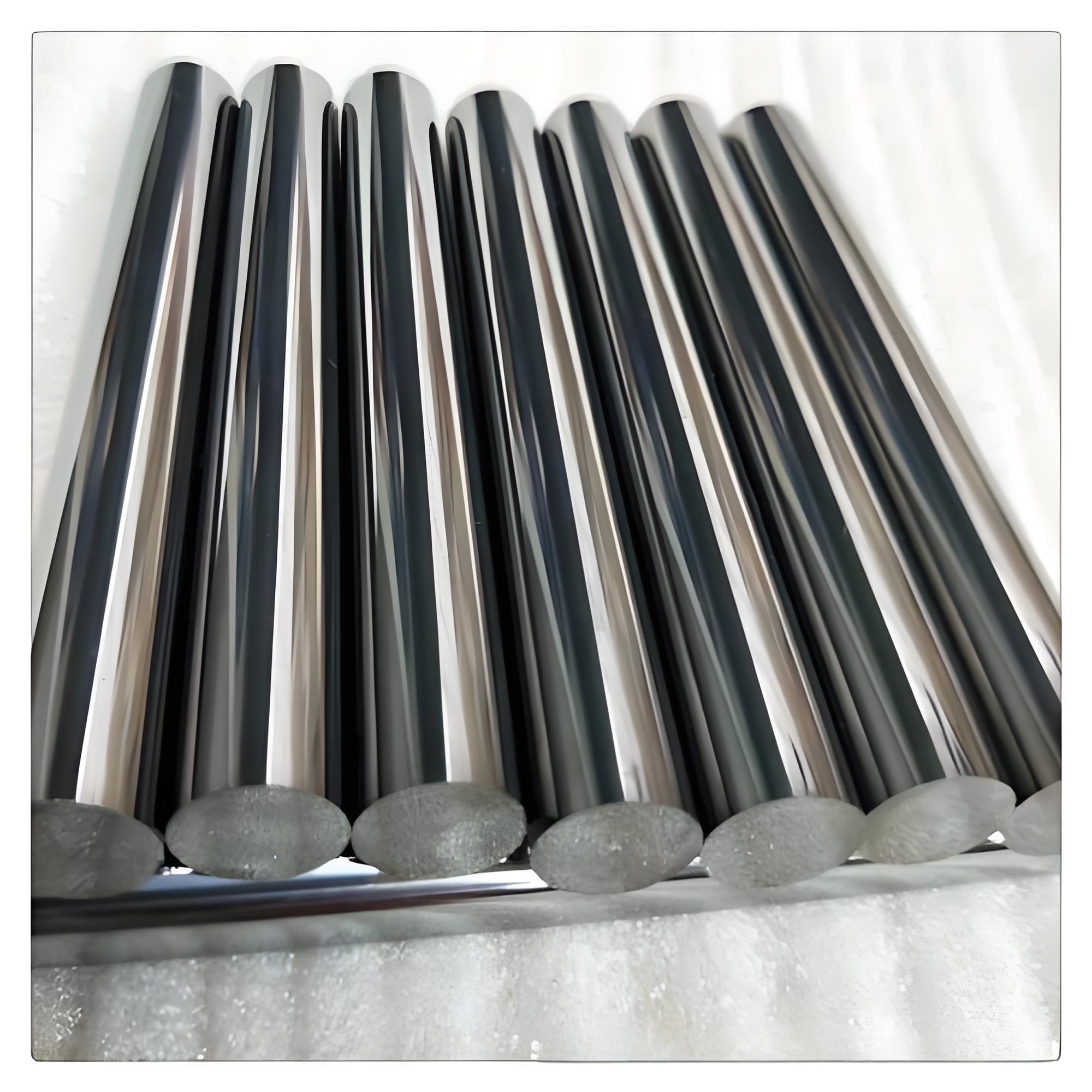
Custom size bars may require special production. This is common for large diameter forged bars, unusual lengths, tight tolerance rods, or parts requiring special stress-relieved condition. Custom production may also have a minimum order quantity.
| Item | Stock Size | Custom Size |
|---|---|---|
| Price Level | Usually lower | Usually higher |
| Lead Time | Shorter if available | Longer due to production |
| MOQ | May accept smaller quantity | May require higher MOQ |
| Size Flexibility | Limited to available inventory | Can match drawing requirement |
| Best Use | Machining blanks and urgent orders | Strict design size or project-specific requirement |
The production route has a major influence on Super Invar 32-5 bar price. Hot rolled bar is usually more economical, forged bar is suitable for larger sections, cold drawn bar provides better tolerance and strength, and precision ground bar provides the best dimensional accuracy and surface finish.
Hot rolled bar is usually selected as a general machining blank. It is more cost-effective than precision ground bar, but it may require more machining allowance. For components that will be heavily machined, hot rolled bar may be practical.
Forged bar is often used for large diameter or heavy precision components. Forging cost is higher because it requires additional processing, heat treatment, inspection, and sometimes ultrasonic testing.
Cold drawn bar offers better dimensional tolerance and smoother surface than hot rolled bar. It is suitable for small diameter rods, pins, and precision components. However, cold drawing may introduce residual stress, so stress relief may be required for high-precision applications.
Precision ground bar is the most expensive common bar condition. It is used where tight diameter tolerance, high straightness, and smooth surface finish are required. It is often selected for optical systems, metrology instruments, laser components, and precision assemblies.
| Bar Condition | Relative Cost | Main Advantage | Typical Use |
|---|---|---|---|
| Hot Rolled | Lower | Cost-effective machining blank | General precision parts after machining |
| Forged | Medium to high | Suitable for large diameter and heavy sections | Large molds, frames, precision structures |
| Cold Drawn | Medium to high | Better tolerance and surface condition | Small rods, pins, shafts, instrument parts |
| Precision Ground | High | Tight tolerance and best surface finish | Metrology, optics, laser, high-accuracy components |
Tolerance, straightness, and surface finish can strongly affect Super Invar 32-5 bar price. Since this alloy is often used for precision applications, buyers frequently request tighter requirements than ordinary industrial bars. These requirements increase processing time, inspection cost, and rejection risk during production.
Standard mill tolerance is usually cheaper. Tight diameter tolerance may require cold drawing, peeling, or grinding. If the final part is a precision rod or optical support, tighter tolerance may be necessary.
Straightness is important for long bars and precision rods. Better straightness requires additional straightening and inspection. Poor straightness can increase machining time and may cause finished part rejection.
Black surface or hot rolled surface is cheaper. Peeled, polished, or ground surfaces cost more but reduce machining allowance and improve final accuracy. For clean room, optical, or scientific instrument applications, surface condition may be very important.
| Requirement | Lower Cost Option | Higher Cost Option |
|---|---|---|
| Diameter Tolerance | Standard mill tolerance | Precision ground tolerance |
| Straightness | Standard straightness | Precision straightened bar |
| Surface Finish | Hot rolled or black surface | Peeled, polished, or centerless ground surface |
| Length | Standard full length | Many cut pieces with tight cutting tolerance |
| Inspection | Standard MTC and size check | CTE test, PMI, UT, third-party inspection |
Heat treatment has a direct effect on Super Invar 32-5 bar cost because it affects dimensional stability and thermal expansion performance. Annealing, furnace cooling, stress relief, and special thermal stabilization may add cost, but they are often necessary for precision applications.
Annealed Super Invar 32-5 bar generally provides better dimensional stability and lower residual stress. This is useful when the bar will be machined into precision parts. Annealed material may cost more than standard hot worked material, but it can reduce machining distortion risk.
Stress relief may be required after cold drawing, heavy machining, or welding. If a buyer needs low expansion performance in the final machined part, stress relief should be considered as part of the process plan.
Super Invar 32-5 is selected for its very low expansion near room temperature. However, expansion behavior can be affected by thermal history and processing condition. If CTE performance is critical, buyers should specify heat treatment condition and request CTE test data for the required temperature range.
| Condition / Process | Cost Impact | Reason |
|---|---|---|
| Annealed Bar | Medium | Additional heat treatment improves stability |
| Stress-Relieved Bar | Medium to high | Reduces residual stress for precision machining |
| Precision Ground After Heat Treatment | High | Requires heat treatment, grinding, and final inspection |
| CTE-Tested Material | Higher | Requires additional thermal expansion testing and documentation |
MOQ, quantity, and lead time are important pricing factors for Super Invar 32-5 bar. Since this alloy is more specialized than common stainless steel or standard nickel alloy, stock may be limited. Small orders, urgent orders, and special sizes often have higher unit prices.
Some suppliers can sell small cut pieces from available stock. Others may require full bar purchase or production MOQ. If the buyer needs only a small quantity, the price per kg may be higher because cutting, packing, document preparation, and handling costs are spread over fewer kilograms.
Larger orders may reduce unit price if the supplier has enough stock or can arrange efficient production. However, for custom production, the supplier may still need to consider melting, forging, rolling, heat treatment, and inspection costs.
Ready stock can usually be shipped faster. Custom production may require several weeks or longer depending on size and process route. Urgent delivery can increase cost, especially if special cutting, inspection, or air freight is required.
| Order Factor | Lower Price Situation | Higher Price Situation |
|---|---|---|
| MOQ | Full bar or larger quantity | Small cut piece or sample order |
| Quantity | Regular batch order | Very small quantity |
| Lead Time | Normal delivery schedule | Urgent processing or air shipment |
| Stock Availability | Available stock diameter | Special production size |
| Documents | Standard MTC | CTE test, third-party inspection, special certification |
Super Invar 32-5 bar supplier price and manufacturer price may be different because their roles are different. A manufacturer focuses on production, while a supplier may provide stock availability, cutting service, mixed size supply, document preparation, export packing, and faster shipment.
A supplier is useful when buyers need small quantity, quick delivery, cut-to-size pieces, stock checking, MTC support, and export service. Even if the price per kg is slightly higher, a supplier can reduce lead time and purchasing complexity.
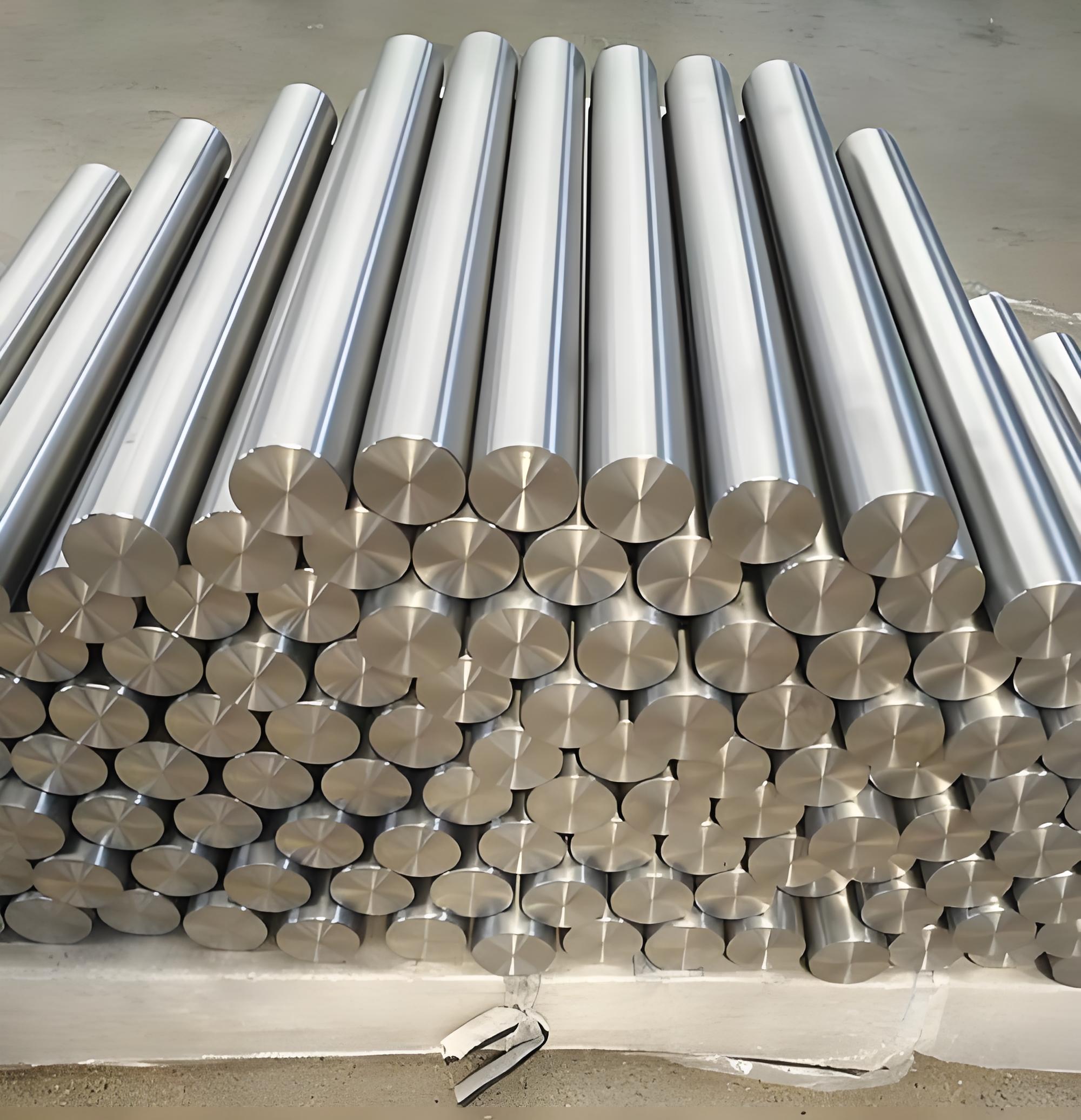
A manufacturer may offer better unit price for large quantity or planned production. However, production MOQ and lead time may be higher. If the required bar size is not common, manufacturer production may still be necessary.
If the buyer needs urgent stock, small quantity, or cut pieces, a supplier may be more practical. If the buyer needs large quantity, special diameter, or repeat production, manufacturer pricing may be more competitive. For international buyers, a supplier with both stock access and manufacturing coordination can often provide a better balance of price, lead time, and document support.
| Comparison Item | Stock Supplier | Manufacturer |
|---|---|---|
| Main Advantage | Fast stock supply, cutting, documents, export support | Production control and large-order pricing |
| Best For | Small orders, urgent orders, mixed sizes, cut pieces | Large quantity, custom production, repeat projects |
| Price Level | May be higher for service and stock convenience | May be lower for bulk production |
| Lead Time | Shorter if stock is available | Longer if new production is required |
| Flexibility | Good for different sizes and cut-to-length service | Good for controlled production and custom specifications |
Shanghai NC Metal Materials Co., Ltd. can support Super Invar 32-5 bar inquiries by checking available sizes, confirming material grade, reviewing MTC requirements, arranging cutting service, and quoting according to size, quantity, surface condition, tolerance, and delivery schedule.
To get an accurate Super Invar 32-5 bar quotation, buyers should provide complete technical and commercial details. A clear inquiry helps the supplier check stock, calculate weight, confirm processing cost, and prepare a realistic lead time.
| Inquiry Detail | Example | Why It Matters |
|---|---|---|
| Grade | Super Invar 32-5 / UNS K93500 | Confirms correct controlled expansion alloy |
| Product Form | Round bar, flat bar, forged bar, precision rod | Affects production route and stock availability |
| Size | Diameter, width, thickness, or custom drawing size | Main factor for weight and stock checking |
| Length | Full length, fixed length, or cut-to-size pieces | Affects cutting cost and packing |
| Quantity | Kg, pieces, meters, or total bars | Affects MOQ and unit price |
| Surface Condition | Hot rolled, peeled, polished, precision ground | Affects machining allowance and processing cost |
| Tolerance | Standard, tight tolerance, or drawing requirement | Affects grinding, inspection, and rejection risk |
| Heat Treatment | Annealed, stress relieved, or special condition | Affects dimensional stability and cost |
| Certificate | MTC, PMI, CTE test, third-party inspection | Affects acceptance and final price |
| Delivery Requirement | Destination, shipping method, urgent or normal | Affects freight and lead time |
A clear inquiry can be written as: Super Invar 32-5 round bar, UNS K93500, diameter 25 mm, length 3000 mm, quantity 100 kg, annealed condition, precision ground surface, tight diameter tolerance, with MTC and heat number traceability. If the part requires low thermal expansion verification, the buyer should also specify the required CTE test temperature range.
How much is Super Invar 32-5 bar per kg?
Super Invar 32-5 bar commonly costs about USD 55 to 105 per kg for many stock or standard bar requirements. Precision ground bars, small diameter rods, large forged bars, custom sizes, special heat treatment, and CTE-tested material may cost more, sometimes reaching USD 110 to 150 per kg or higher. The final price should be confirmed according to actual diameter, length, quantity, tolerance, surface finish, certificate, and lead time.
Why is Super Invar 32-5 more expensive than Invar 36?
Super Invar 32-5 is usually more expensive than Invar 36 because it contains cobalt in addition to nickel and iron. Cobalt is a costly alloying element and helps reduce the thermal expansion coefficient compared with standard Invar 36. Super Invar 32-5 is also used for more demanding precision applications, so tighter tolerance, stress relief, CTE testing, and precision grinding may further increase the price.
How to choose a Super Invar 32-5 bar supplier?
To choose a Super Invar 32-5 bar supplier, buyers should check whether the supplier can confirm UNS K93500 material identity, provide available stock sizes, support cutting service, offer annealed or precision ground condition, supply MTC with heat number traceability, and arrange additional tests such as PMI or CTE testing when required. A good supplier should quote based on exact size, tolerance, surface finish, quantity, heat treatment condition, and application requirement, not only a simple price per kg.
More from this category
Incoloy 825 bar price depends on the nickel-based alloy composition, bar dimensions, manufacturing route, heat-treatment condition, surface finish, in...
Incoloy 800HT bar price is shaped by nickel, chromium, titanium, and aluminum raw-material costs, together with bar dimensions, heat-treatment conditi...
Incoloy 20 round bar price per kg depends on the alloy composition, bar size, manufacturing method, surface finish, tolerance, certificates, inspectio...
Hastelloy G-30 N06030 bar factory price is determined by the alloy’s high nickel, chromium, iron, molybdenum, copper, and tungsten content, together...
 English English
  Korean
 Arabic
 Spanish
 German
 Portuguese
 French
 Russian
 Italian
 Vietnamese