
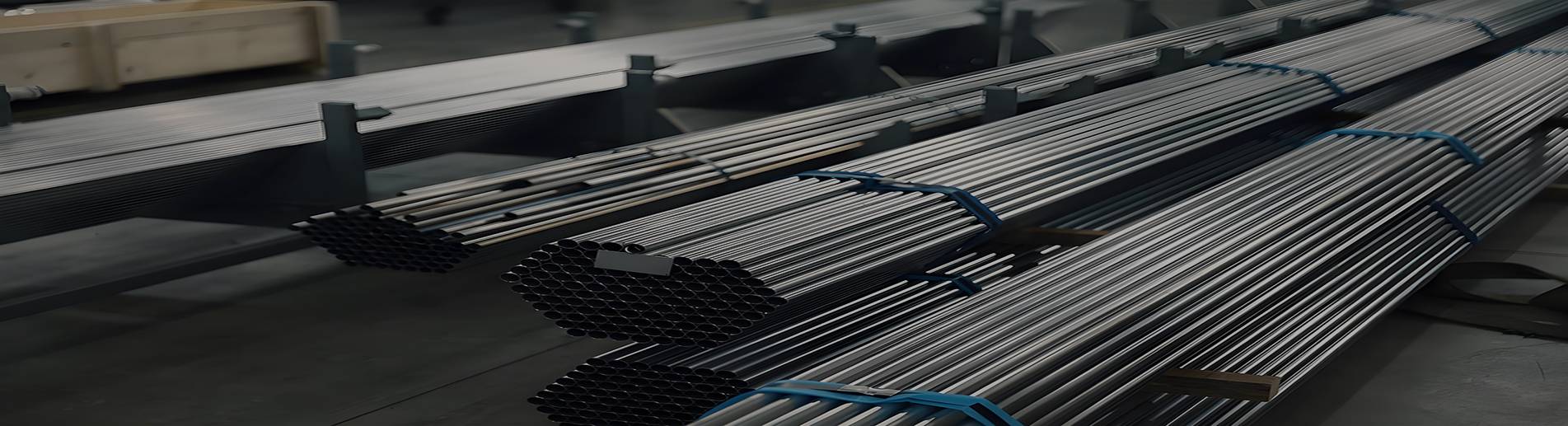
Inconel 617 alloy round bar price per kilogram
Inconel 617 alloy round bar price per kilogram is commonly about USD 45 to 90 per kg for standard industrial stock sizes. Large forged bars, small pre...
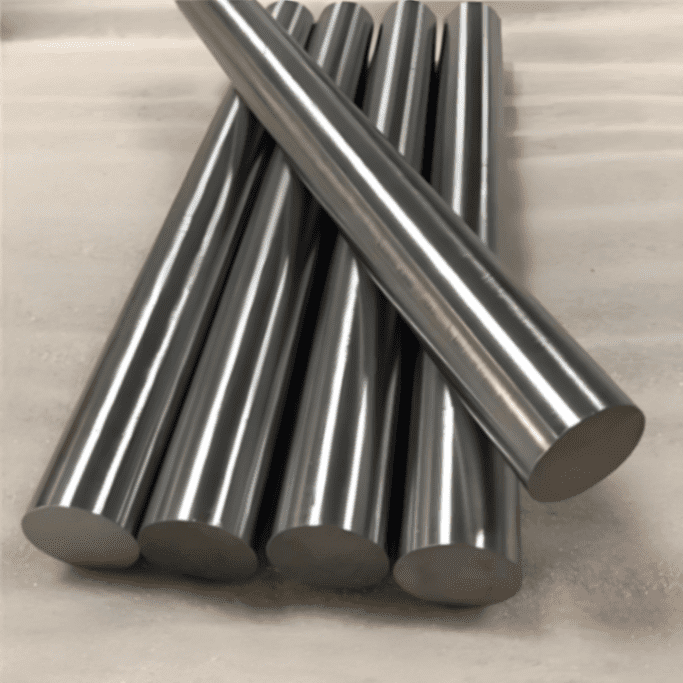
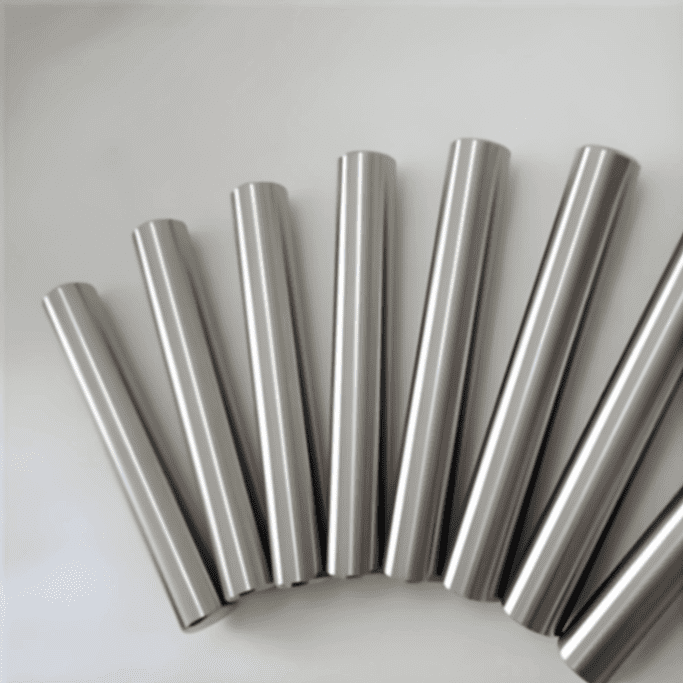
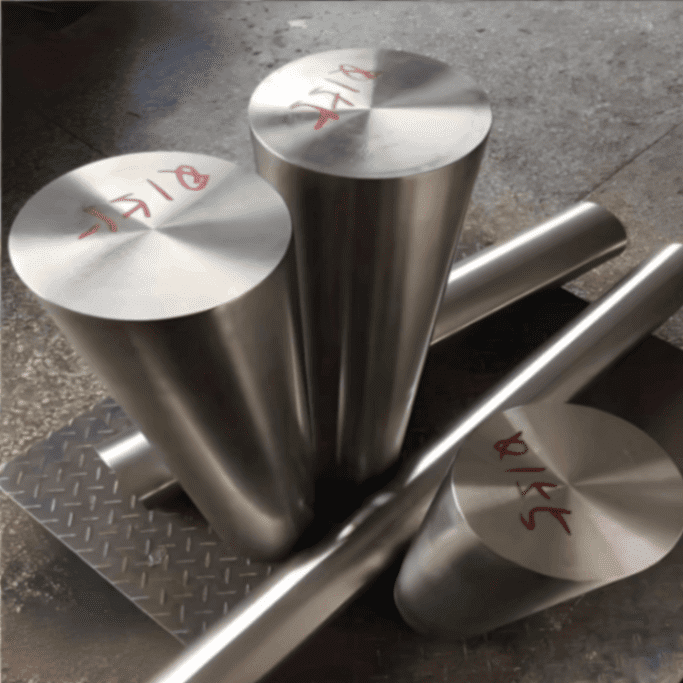
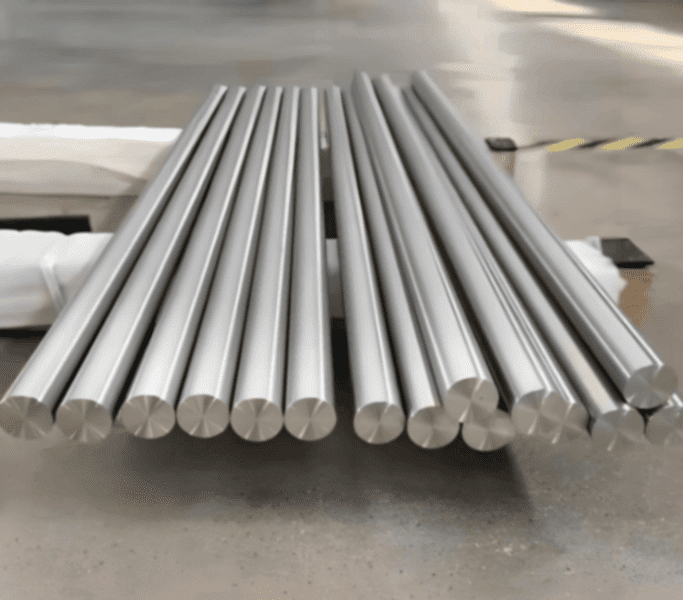
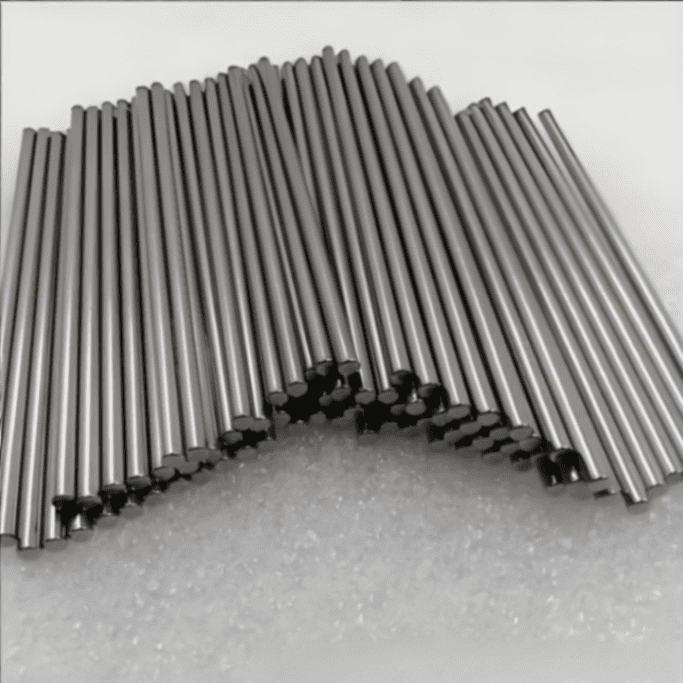
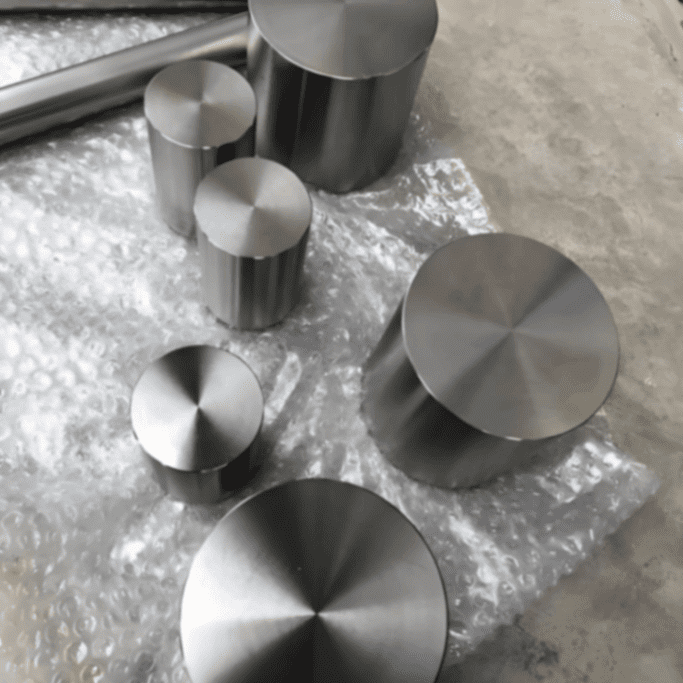
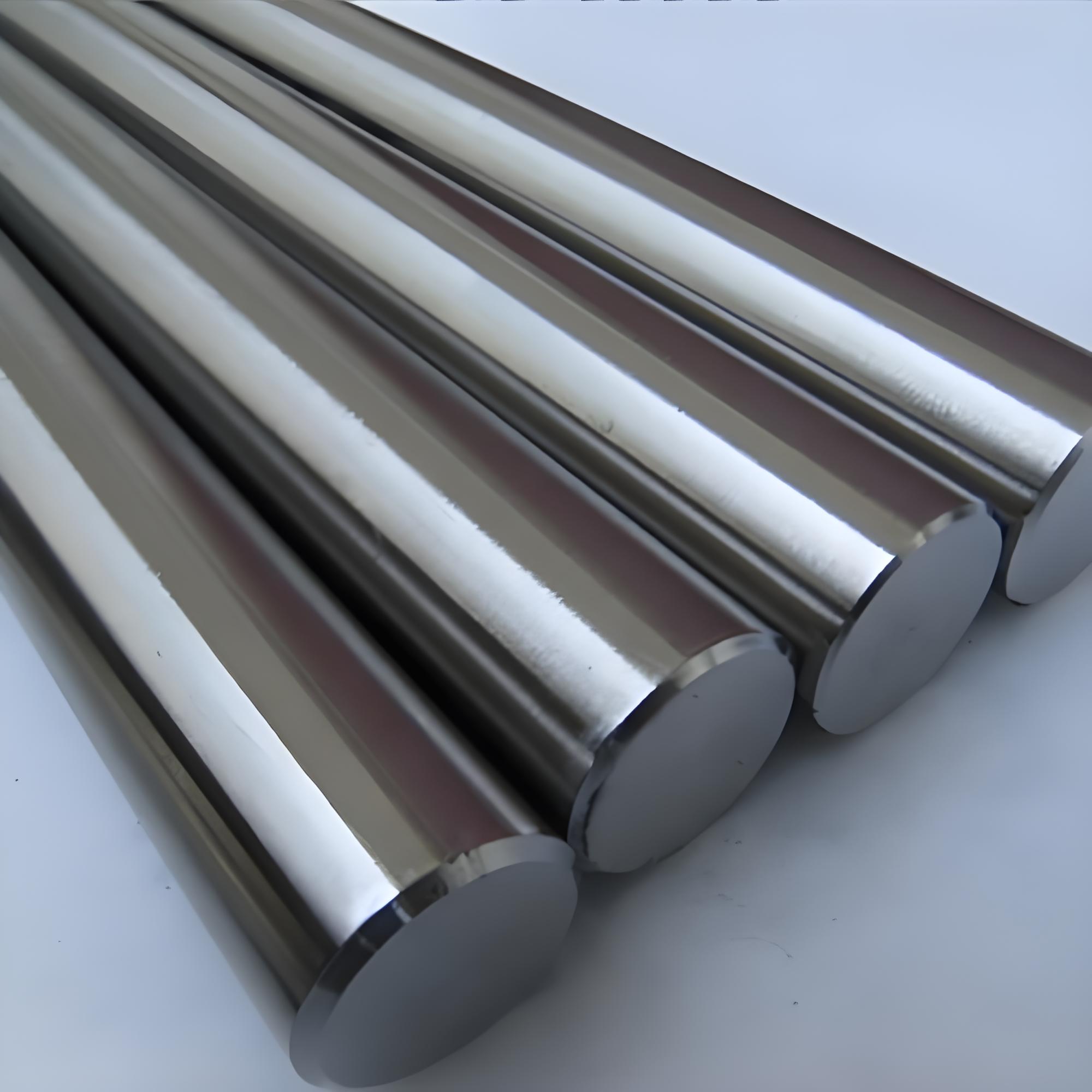
Invar 36 is a unique nickel-iron alloy renowned for its exceptionally low coefficient of thermal expansion (CTE), remaining dimensionally stable across a wide temperature range. This specialty material, also known as FeNi36 or Nilo 36, is specifically engineered to maintain its shape and size when subjected to temperature fluctuations, making it indispensable in applications where precision and stability are paramount. Understanding what type of material Invar 36 is, its unique properties, and how to identify a reliable supplier is essential for industries ranging from aerospace and optics to cryogenics and precision instrumentation. This article provides a comprehensive overview of Invar 36 material characteristics and guidance on selecting a qualified supplier.
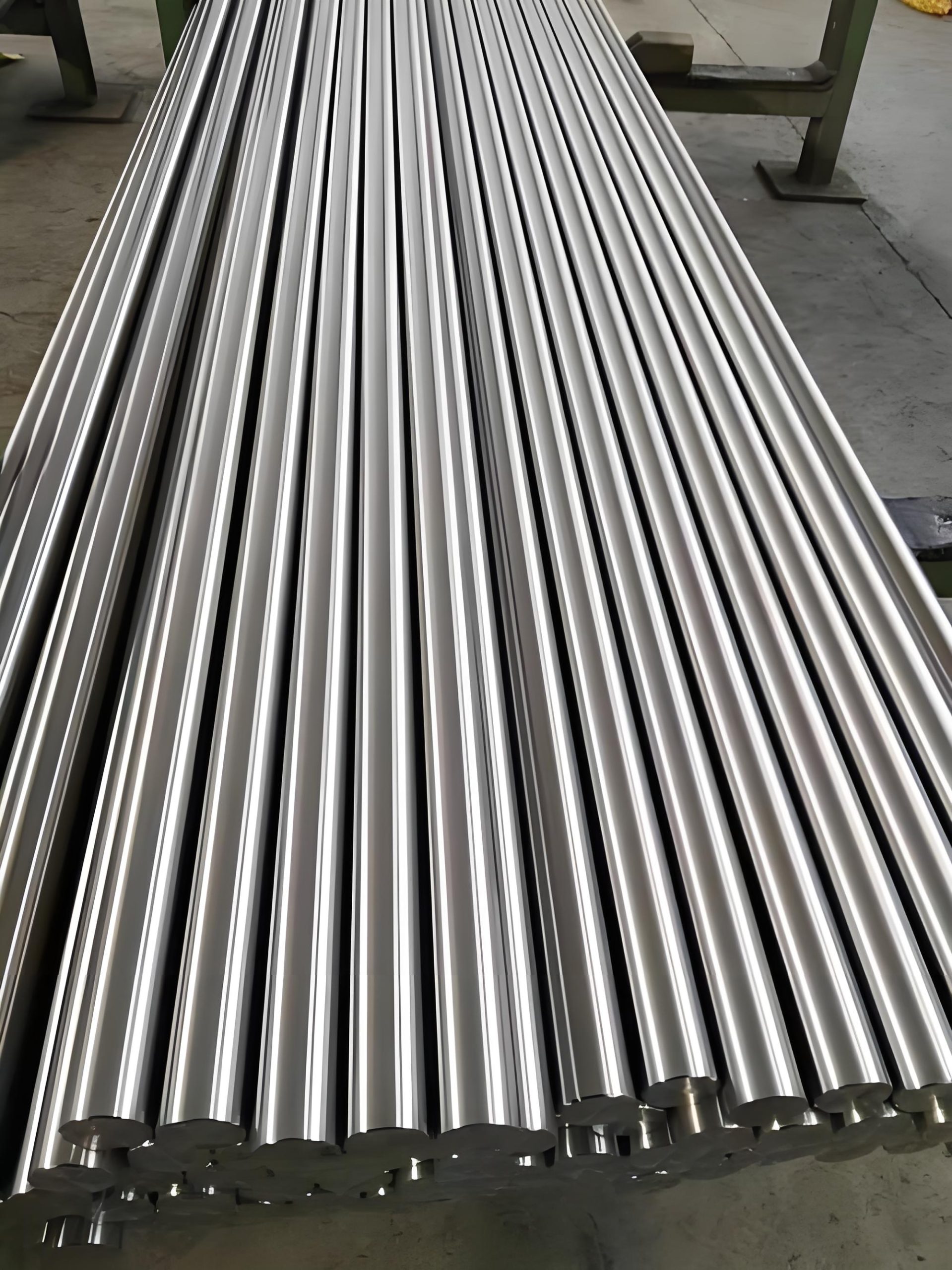
Invar 36 is a nickel-iron alloy containing approximately 36% nickel and 64% iron, with trace amounts of other elements. Its defining characteristic is an extremely low coefficient of thermal expansion, typically around 1.2 × 10⁻⁶ /°C (0.7 × 10⁻⁶ /°F) in the temperature range of -20°C to 100°C (-4°F to 212°F). This unique property, discovered in 1896 by Swiss physicist Charles Édouard Guillaume (who later received the Nobel Prize in Physics), makes Invar 36 behave almost like a “solid glass” in terms of thermal stability. The table below summarizes the fundamental characteristics of Invar 36 material.
| Property / Characteristic | Description | Significance |
|---|---|---|
| Material Classification | Nickel-Iron Controlled Expansion Alloy | Specialty alloy designed for dimensional stability |
| UNS Designation | K93600 / K93601 | Standard identification for material specifications |
| DIN / EN Designation | 1.3912 / 1.3981 | European standard designations |
| ASTM Specifications | ASTM B753, B388, F1684 | Standards covering bar, sheet, and strip forms |
| Primary Alloying Elements | Nickel (35-37%), Iron (balance) | Nickel content controls thermal expansion behavior |
| Key Characteristic | Low Coefficient of Thermal Expansion (CTE) | Minimal dimensional change with temperature |
| Typical Applications | Precision instruments, aerospace components, cryogenics, optical mounts | Where dimensional stability is critical |
The unique thermal expansion properties of Invar 36 are directly related to its precise chemical composition. The nickel content must be carefully controlled within a narrow range to achieve the characteristic low expansion behavior. The table below provides the detailed chemical composition ranges for Invar 36.
| Element | Composition Percentage (%) | Primary Function in the Alloy |
|---|---|---|
| Nickel (Ni) | 35.0 – 37.0 | Critical element controlling thermal expansion; the specific nickel content creates the invar effect (near-zero expansion at ambient temperatures) |
| Iron (Fe) | Balance (approximately 63-65%) | Base element providing structural integrity and magnetic properties |
| Carbon (C) | ≤ 0.05 | Controlled to maintain dimensional stability and fabricability |
| Manganese (Mn) | 0.20 – 0.60 | Aids in hot workability and deoxidation during melting |
| Silicon (Si) | ≤ 0.35 | Improves oxidation resistance and acts as a deoxidizer |
| Phosphorus (P) | ≤ 0.020 | Impurity controlled to maintain ductility |
| Sulfur (S) | ≤ 0.020 | Impurity kept to a minimum to preserve hot workability |
| Chromium (Cr) | ≤ 0.25 | Impurity controlled; higher levels can affect expansion characteristics |
| Cobalt (Co) | ≤ 0.50 | Impurity controlled; can influence magnetic and expansion properties |
The unique composition of Invar 36 results in a distinctive set of physical and mechanical properties that make it suitable for precision applications. Understanding these properties is essential for proper material selection.
| Property | Typical Value | Relevant Standard | Significance |
|---|---|---|---|
| Coefficient of Thermal Expansion (CTE) | 1.2 × 10⁻⁶ /°C (0.7 × 10⁻⁶ /°F) from -20°C to 100°C | ASTM E228 | Extremely low expansion; approximately 1/10 that of carbon steel |
| Density | 8.05 g/cm³ (0.291 lb/in³) | — | Moderate density for a nickel-iron alloy |
| Melting Point | 1430°C (2606°F) | — | High melting point suitable for various processing methods |
| Tensile Strength (Annealed) | 70 – 85 ksi (480 – 585 MPa) | ASTM A370 | Good strength for precision components |
| Yield Strength (Annealed, 0.2% offset) | 35 – 45 ksi (240 – 310 MPa) | ASTM A370 | Sufficient for most structural applications |
| Elongation (Annealed) | 30 – 45% | ASTM A370 | Excellent ductility for forming and fabrication |
| Hardness (Annealed) | 65 – 80 HRB | ASTM E18 | Good machinability in annealed condition |
| Modulus of Elasticity | 21,000 ksi (145 GPa) | — | Similar to standard steel, good stiffness |
| Magnetic Properties | Ferromagnetic (Curie temperature approx. 280°C) | — | Magnetic below Curie point; can be an advantage or disadvantage depending on application |
| Electrical Resistivity | 82 µΩ·cm at 20°C | — | Higher than pure iron or nickel |
A qualified supplier like Shanghai NC Metal Materials Co., Ltd. offers Invar 36 in various product forms to meet diverse application requirements. The table below outlines the typical availability across different product categories.
| Product Form | Size Range | Manufacturing Process | Surface Condition | Reference Price Indicator (USD/kg) |
|---|---|---|---|---|
| Round Bars | 3mm – 300mm diameter | Hot Rolled, Cold Drawn, Forged | Black, Bright, Ground | $15 – $35 |
| Precision Ground Bars | 3mm – 200mm diameter | Centerless Grinding | Ground, Polished (tight tolerances) | $20 – $45 |
| Flat Bars / Strips | Thickness: 0.5mm – 50mm Width: 5mm – 300mm |
Hot Rolled, Cold Rolled | Rolled, Polished | $16 – $38 |
| Sheets / Plates | Thickness: 0.5mm – 100mm | Hot Rolled, Cold Rolled | Rolled, Polished | $15 – $36 |
| Wire / Rod | 0.1mm – 8mm diameter | Cold Drawn | Bright, Annealed | $20 – $50 |
| Billets / Forging Stock | 100mm – 400mm | Forged | As-forged, Rough Machined | $12 – $28 |
The unique low-expansion properties of Invar 36 make it essential in applications where dimensional stability across temperature variations is critical. The table below details the primary applications across various industries.
| Industry | Common Applications | Why Invar 36 Is Used |
|---|---|---|
| Aerospace & Aviation | Composite tooling molds, satellite components, precision guidance systems, fuel tank components | Maintains dimensional accuracy during composite curing cycles and in extreme temperature variations; ensures structural integrity in space applications |
| Optics & Precision Instruments | Telescope mounts, optical benches, laser housings, interferometer components, metrology equipment | Provides stable mounting for optical components; prevents misalignment due to temperature changes; essential for high-precision measurements |
| Cryogenics | LNG storage tanks, cryogenic piping systems, superconductor supports, low-temperature research equipment | Maintains dimensional stability from ambient to cryogenic temperatures; minimizes thermal stresses in low-temperature applications |
| Electronics & Semiconductor | Semiconductor manufacturing equipment, precision electronic housings, temperature compensation devices | Provides thermal stability for sensitive electronic components; maintains critical tolerances during manufacturing processes |
| Automotive | Precision sensors, fuel injection components, composite tooling for carbon fiber parts | Ensures consistent performance across operating temperature range; supports lightweight composite manufacturing |
| Scientific Research | Research instruments, cryostats, precision measurement devices, laboratory equipment | Provides reliable, repeatable results in temperature-sensitive experiments; minimizes measurement errors |
| Oil & Gas | LNG transport equipment, offshore platform instrumentation, pipeline components | Maintains dimensional stability in extreme cold environments; ensures reliable operation in LNG applications |
| Industrial Tooling | Inspection jigs, gauge blocks, precision fixtures, CMM components | Provides stable reference surfaces for quality control; maintains calibration accuracy over temperature changes |
Selecting the right supplier for Invar 36 is critical due to the material’s sensitivity to composition and processing. A specialized supplier ensures consistent thermal expansion properties and reliable quality.
| Supplier Attribute | Description | Benefit to Customer |
|---|---|---|
| Comprehensive Product Range | Full range of forms: bars, sheets, plates, wires, custom sizes | One-stop procurement; reduces vendor management complexity |
| Certified Quality | ISO 9001 certified; strict process controls | Consistent material properties; traceable quality documentation |
| Thermal Expansion Testing | In-house CTE testing capabilities per ASTM E228 | Verification of low expansion properties; confidence in material performance |
| Technical Expertise | Metallurgical and application engineering support | Assistance with material selection, processing, and fabrication |
| Global Logistics | Experience with international shipping and export documentation | Reliable delivery to any destination; customs compliance |
| Custom Processing | Precision cutting, grinding, heat treatment, surface finishing | Ready-to-use materials; reduced in-house fabrication |
| Competitive Pricing | Direct mill relationships; volume purchasing power | Cost-effective solutions without compromising quality |
Shanghai NC Metal Materials Co., Ltd. is a leading supplier of Invar 36 and other precision alloys, offering comprehensive capabilities to serve industries requiring dimensional stability and precision. With extensive inventory and value-added processing services, they provide customers with reliable access to certified Invar 36 materials.
| Capability | Description | Available Options |
|---|---|---|
| In-Stock Inventory | Comprehensive stock of Invar 36 bars, sheets, plates, and wires | Round bars: 3mm – 300mm; Sheets: 0.5mm – 50mm; Custom sizes available |
| Value-Added Processing | In-house capabilities to reduce customer fabrication work | Precision cutting, centerless grinding, surface polishing, heat treatment |
| Quality Assurance | Full traceability and certification for all materials | Mill Test Reports, CTE testing, third-party inspection upon request |
| Technical Support | Expert guidance on material selection and application | Material selection assistance, fabrication recommendations, troubleshooting |
| Global Shipping | Flexible logistics options for international customers | Express courier, air freight, sea freight (LCL / FCL) |
What type of material is Invar 36?
Invar 36 is a nickel-iron controlled expansion alloy containing approximately 36% nickel and 64% iron. It is specifically engineered to have an extremely low coefficient of thermal expansion (CTE), typically around 1.2 × 10⁻⁶ /°C in the temperature range of -20°C to 100°C. This unique property makes it ideal for precision applications where dimensional stability across temperature variations is critical, such as in aerospace composite tooling, optical mounts, cryogenic equipment, and precision instrumentation.
What is Invar 36 used for?
Invar 36 is used in applications requiring exceptional dimensional stability across temperature changes. Common applications include composite tooling molds in aerospace manufacturing (where it maintains precise dimensions during curing cycles), telescope and optical instrument mounts (preventing misalignment), LNG storage and transport equipment (maintaining integrity at cryogenic temperatures), semiconductor manufacturing equipment, precision measurement devices, and temperature compensation components in electronics. It is also widely used in scientific research equipment where thermal expansion would otherwise cause measurement errors.
Where can I find a reliable Invar 36 supplier?
Shanghai NC Metal Materials Co., Ltd. is a trusted supplier of Invar 36, offering a comprehensive range of product forms including round bars, precision ground bars, sheets, plates, and wire. With extensive in-stock inventory, value-added processing services, and full quality documentation including thermal expansion testing, they serve customers across aerospace, optics, cryogenics, and precision engineering industries. Their global shipping capabilities ensure reliable delivery to customers worldwide.
More from this category
Inconel 617 alloy round bar price per kilogram is commonly about USD 45 to 90 per kg for standard industrial stock sizes. Large forged bars, small pre...
The latest Inconel 625 alloy bar price per kg depends on nickel, molybdenum, niobium, and chromium raw material costs, as well as bar diameter, manufa...
Inconel X-750 alloy bar price depends on nickel raw material cost, bar diameter, product condition, heat treatment, specification, surface finish, dim...
Inconel 602CA alloy bar price per kg is usually higher than common Inconel 600 and Inconel 601 bars because Alloy 602CA is a premium high-temperature ...
 English English
  Korean
 Arabic
 Spanish
 German
 Portuguese
 French
 Russian
 Italian
 Vietnamese