
Incoloy 825 Bar Price | UNS N08825 Supplier
Incoloy 825 bar price depends on the nickel-based alloy composition, bar dimensions, manufacturing route, heat-treatment condition, surface finish, in...
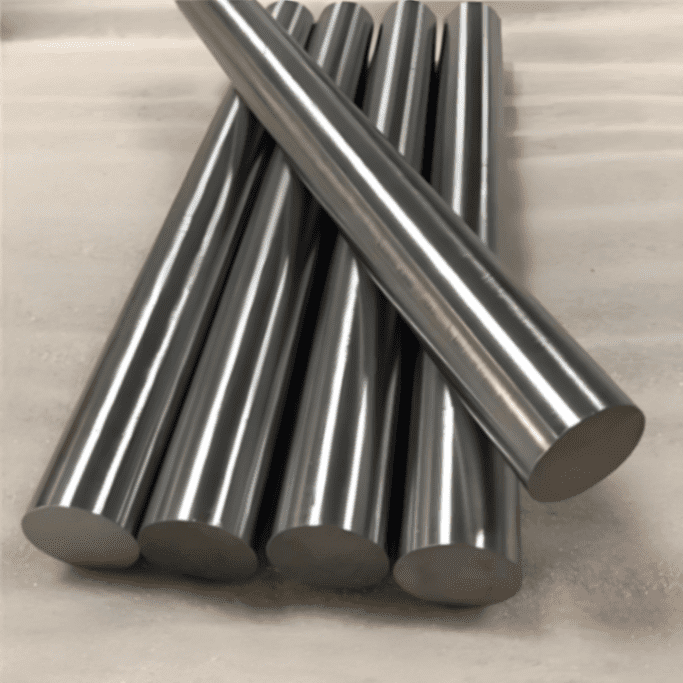
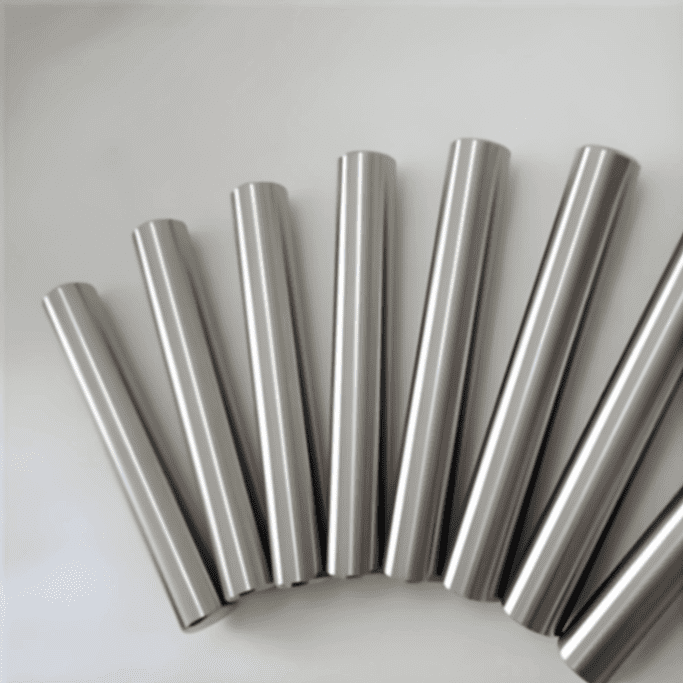
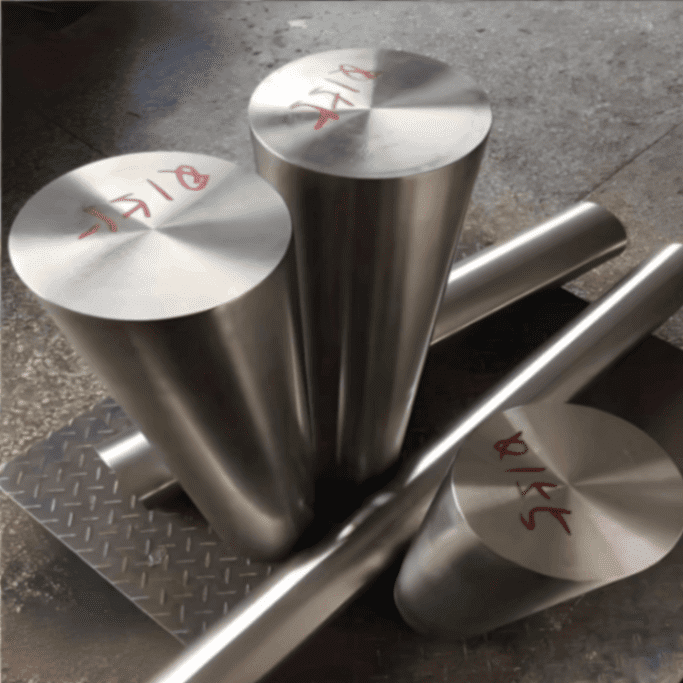
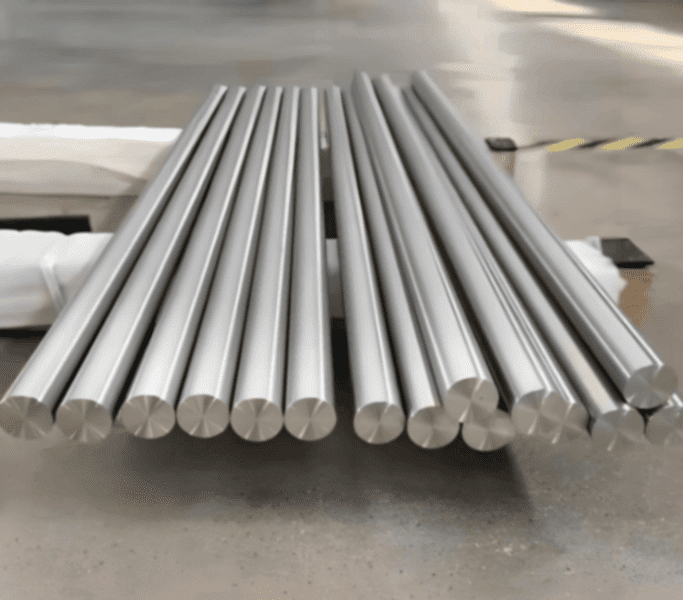
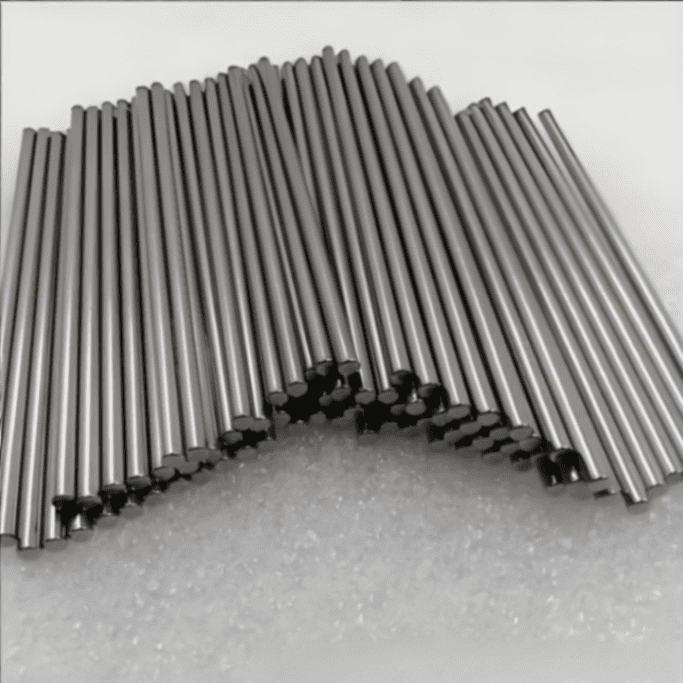
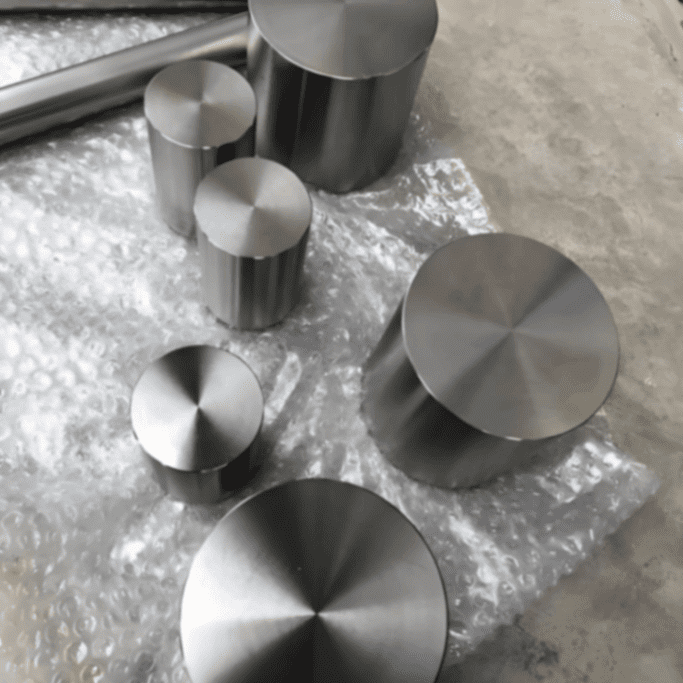
Hastelloy X bar is a solid-solution-strengthened nickel-based alloy primarily composed of nickel, chromium, iron, and molybdenum. In practical industry language, it is known for combining oxidation resistance, good high-temperature strength, and acceptable fabrication performance. These features make it a preferred material for high-heat structural parts where both thermal stability and surface durability are required.
The typical composition framework of Hastelloy X is based on Ni-Cr-Fe-Mo. Nickel forms the matrix and provides the alloy with strong high-temperature toughness and corrosion resistance. Chromium is the key element for oxidation resistance because it supports the formation of a stable protective oxide scale. Iron helps balance cost and metallurgical behavior, while molybdenum contributes to strength and resistance in more aggressive environments. This balanced chemistry is why Hastelloy X remains relevant in heat-processing and aerospace sectors.
Its relatively high chromium content is especially important in oxidizing atmospheres. At elevated temperatures, chromium reacts with oxygen to form a dense chromium oxide layer on the surface. This oxide film acts like a barrier. It slows down the diffusion of oxygen into the metal and reduces the rate at which the base alloy is consumed. Without this mechanism, bare metal at high temperature would oxidize much more rapidly and lose section thickness over time.
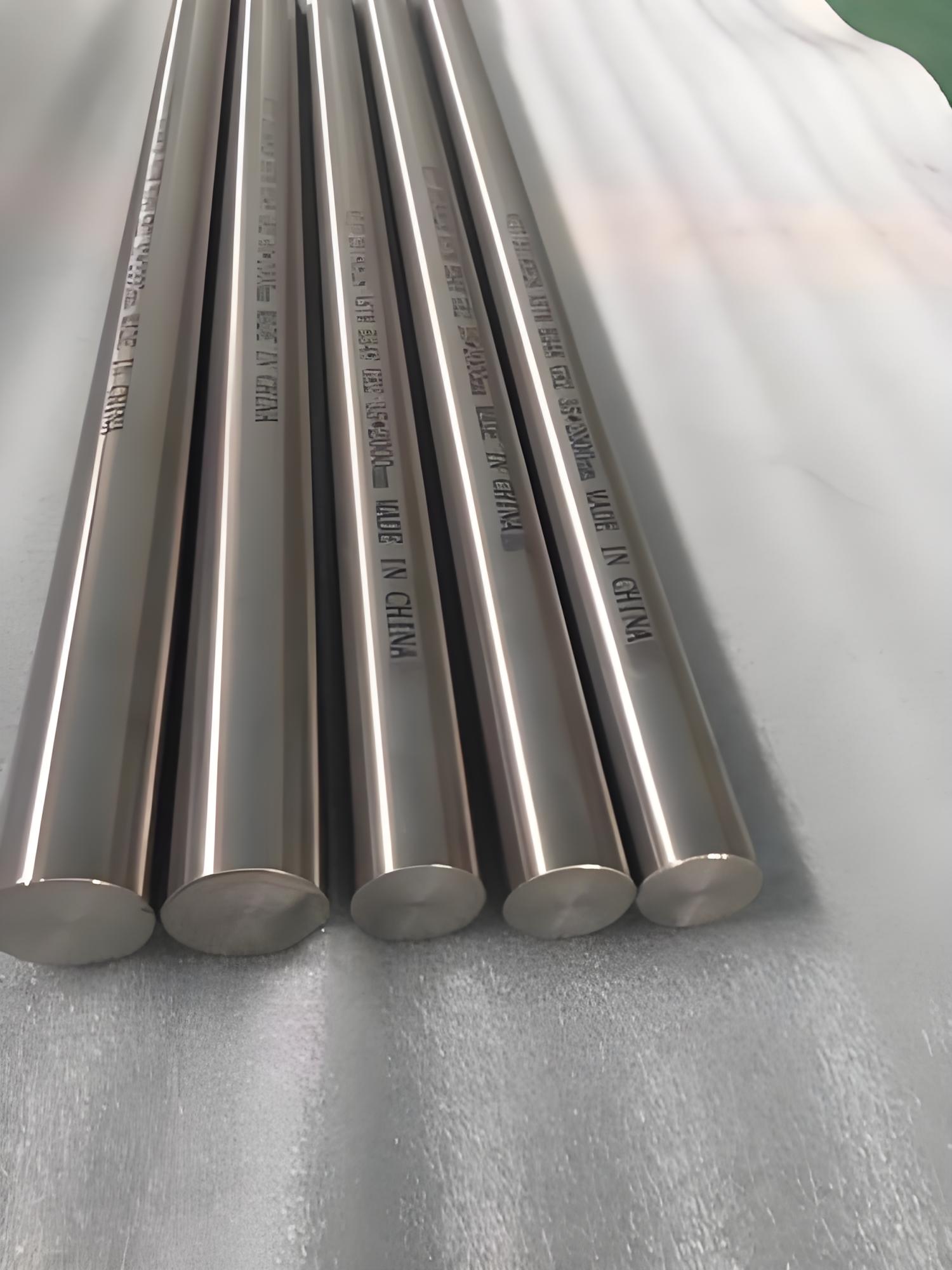
From the factory sales perspective of Shanghai NC Metal Materials Co., Ltd., common customer purchasing scenarios for Hastelloy X bar are very concentrated in high-temperature service. Heat treatment furnace components are one major category, including support rods, fixtures, retorts, and thermal processing hardware. Gas turbine and combustion system users may source bar stock for machined rings, pins, connectors, and hot-section structural pieces. Aerospace thermal-end parts are another typical application area, especially when a customer needs a machinable bar product rather than plate or sheet.
For these users, oxidation resistance is not an abstract laboratory property. It determines whether a part can maintain dimensional integrity, avoid excessive scaling, and remain serviceable through repeated thermal exposure. In many purchasing cases, buyers first focus on strength, but for long-term performance in air or combustion atmospheres, oxidation resistance is often the first property that controls actual service life.
In general industrial recommendation, Hastelloy X bar is commonly regarded as suitable for long-term continuous service in oxidizing environments up to around 1100°C, depending on part geometry, atmosphere purity, stress level, and surface condition. Many users operate it conservatively in the 900–1050°C range when they want a more reliable balance of oxidation resistance and mechanical stability over long durations.
For intermittent or short-cycle exposure, Hastelloy X can tolerate somewhat higher temperatures than it can under continuous service. In many practical discussions, short-period exposure may extend toward approximately 1150°C or slightly above in controlled conditions. However, this should not be interpreted as an unlimited safe operating zone. The oxidation rate increases with temperature, and the protective oxide layer can become less stable when repeated heating and cooling cycles are involved.
The atmosphere makes a major difference. In clean air, Hastelloy X generally performs well because the chromium-rich oxide scale can form in a relatively stable way. In combustion gas, actual performance depends on fuel chemistry, excess oxygen, moisture, sulfur traces, and flow conditions. In industrial oxidation furnaces, the alloy may still show good service behavior, but aggressive contaminants can accelerate degradation. That is why a single “maximum temperature” is never enough for correct material selection.
For example, a customer running a component continuously at 1050°C in relatively clean oxidizing air may obtain acceptable life. Another customer using the same bar at a similar temperature in a furnace atmosphere containing sulfur-bearing combustion products may see much faster surface attack. The nominal temperature looks identical, but the oxidation behavior is not.
Once the temperature exceeds the practical upper limit for the service atmosphere, oxidation accelerates sharply. This means the oxide scale thickens faster, the risk of spallation rises, and metal loss begins to become significant. In purchasing decisions, this is where cost mistakes often happen. Some buyers only ask whether Hastelloy X can “withstand” a peak temperature, but the more important question is how long it can withstand it without unacceptable scaling or reduced part life.
As a broad engineering reference, many manufacturers and users position Hastelloy X as an oxidation-resistant alloy with a useful range up to about 1175°C for certain high-temperature oxidizing service conditions, while long-term practical operation is usually set lower to preserve life and reliability. The safest procurement approach is always to define both continuous temperature and peak excursion temperature, not just one number.
The main oxidation protection mechanism of Hastelloy X comes from the formation of a Cr2O3 surface film. When the alloy is heated in an oxygen-containing atmosphere, chromium at the surface oxidizes first and creates a compact oxide layer. This film slows oxygen ingress and reduces further reaction between the environment and the alloy matrix. In simple terms, the alloy protects itself by building a shield.
However, this shield is not permanent under all conditions. The oxide film can thicken, crack, or detach depending on thermal stress, alloy depletion near the surface, and atmosphere chemistry. This is why the phrase “oxidation resistant” should be understood as “oxidation slows down,” not “oxidation stops.” All high-temperature alloys oxidize eventually. The difference is the rate and the stability of the protective scale.
Thermal cycling is one of the most important real-world problems. When a furnace part repeatedly heats up and cools down, the oxide layer and the metal substrate expand and contract at different rates. Over time, this mismatch can cause the oxide film to spall off. Once spallation occurs, fresh metal is exposed, and a new oxide layer must form. Repeating this cycle continuously consumes chromium and increases metal loss.
Complex atmospheres create additional risks. Carburization may occur in carbon-rich atmospheres, changing surface chemistry and affecting high-temperature properties. Sulfidation can be especially damaging because sulfur compounds can attack the alloy more aggressively than oxygen alone. In mixed environments containing sulfur, carbon, moisture, and combustion by-products, service life may be much shorter than what a clean-air temperature rating would suggest.
Surface condition also matters more than many buyers expect. A bright machined surface may oxidize differently from a hot-rolled black surface. Pickled surfaces usually have better cleanliness and can support more uniform oxide formation than contaminated or damaged surfaces. Rough scale, embedded iron contamination, or severe machining marks can create local oxidation initiation sites. This is why the same chemistry does not always produce identical oxidation performance in field use.
From a factory quality perspective, Shanghai NC Metal Materials Co., Ltd. typically advises customers to evaluate not only alloy grade, but also final surface delivery condition and downstream machining route. If a customer plans deep machining after purchase, final oxidation performance may depend partly on how the machined surface is prepared before high-temperature operation.
In the 800–1000°C range, Hastelloy X bar is generally considered highly suitable for long-term service in many oxidizing applications. This is a stable temperature window for numerous furnace fixtures, support components, and thermal process hardware. In this interval, oxidation is usually manageable, and the alloy can provide a strong combination of strength retention, fabricability, and surface stability. For many industrial users, this is the most economical and dependable operating zone.
Applications in this range often include heat treatment bars, support shafts, tray structures, and machined hot-zone connectors. If the atmosphere is reasonably controlled, users can expect predictable performance and relatively lower oxidation-driven maintenance compared with operation at more extreme temperatures.
In the 1000–1150°C range, Hastelloy X remains useful, but service evaluation becomes more application-specific. This is the zone where high-temperature furnace internals, combustion chamber parts, and gas path components frequently operate. Here, oxidation behavior is still one of the alloy’s strengths, but the customer must pay more attention to exposure duration, part thickness, thermal cycling, and atmosphere contaminants.
At these higher temperatures, even a well-performing alloy can show increased scaling and a shorter replacement interval. For that reason, many industrial buyers ask not only for standard round bar supply, but also for advice on stock allowance. Adding corrosion and oxidation allowance into the machined design can significantly improve practical service life.
Above 1150°C, Hastelloy X is typically better viewed as a material for short-term peak conditions rather than carefree long-duration operation. It may still be selected for transient thermal spikes, startup and shutdown excursions, or short-life hot-section components. But in this zone, lifetime management becomes critical. Customers should estimate exposure frequency, time at peak temperature, atmosphere severity, and acceptable thickness loss before confirming procurement volume.
From the manufacturing-side recommendation of Shanghai NC Metal Materials Co., Ltd., customers with stable long-term service under 1000°C often choose Hastelloy X for a balanced solution. Customers working near 1050–1150°C should provide more process details before final grade confirmation. Customers regularly seeing higher peaks may need to compare Hastelloy X against alternative high-temperature alloys rather than relying on nominal alloy familiarity alone.
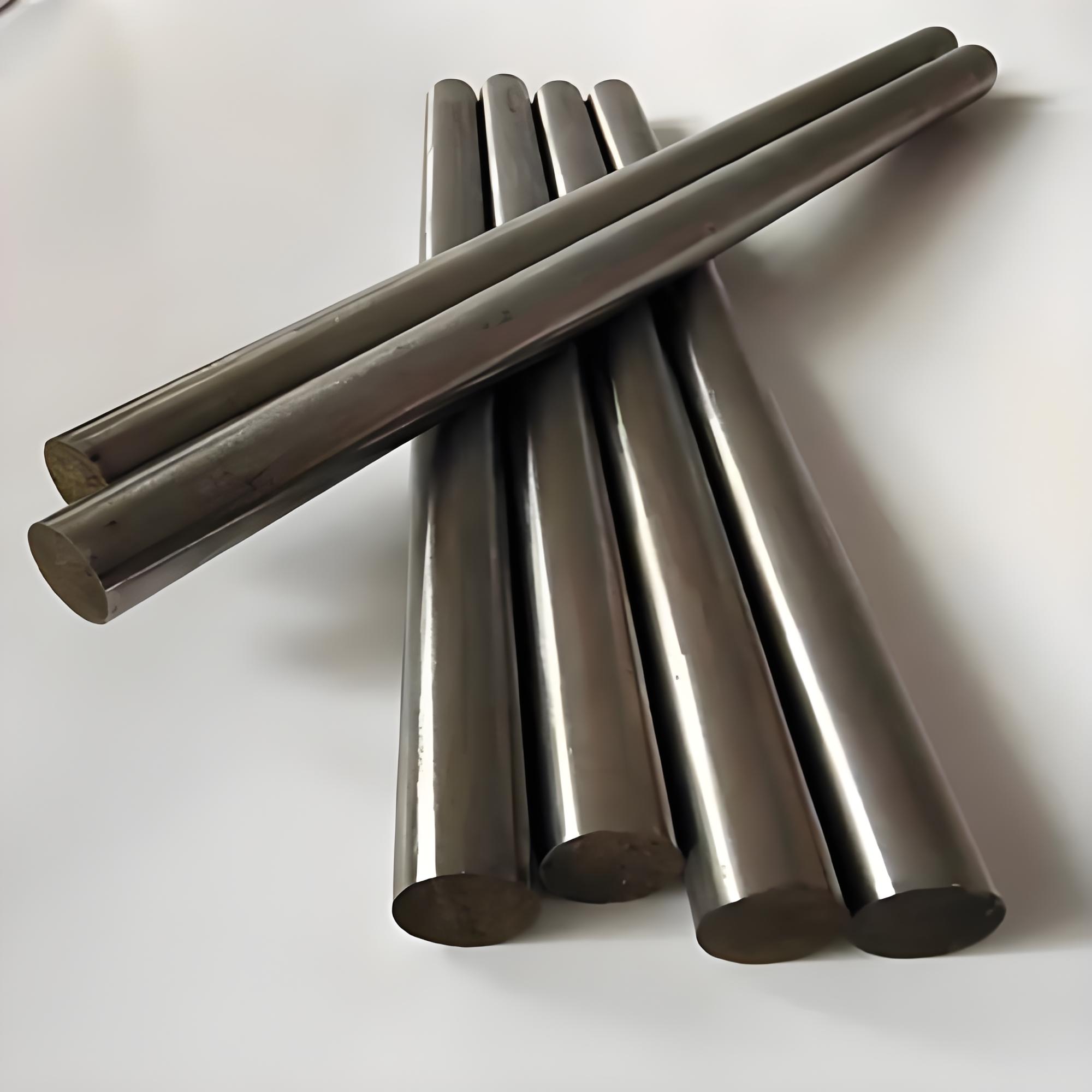
Compared with Inconel 600, Hastelloy X generally offers stronger oxidation resistance and better suitability for more demanding hot-section applications. Inconel 600 has good oxidation resistance and very good general high-temperature corrosion performance, but its chromium and strengthening balance make it less preferred in some severe thermal environments where Hastelloy X performs more reliably. In terms of procurement, Inconel 600 may sometimes be selected for moderate-temperature service where cost control is more important than pushing oxidation capability.
Compared with Inconel 601, the comparison becomes more nuanced. Inconel 601 is widely recognized for excellent oxidation resistance due to its high chromium and aluminum-assisted oxide behavior. In pure oxidation-focused applications, 601 can be very competitive and in some cases superior. However, Hastelloy X often brings stronger all-around high-temperature mechanical usefulness and excellent fabrication value for hot-section structural parts. The correct choice depends on whether the customer prioritizes oxidation alone, or oxidation plus mechanical and fabrication balance.
Compared with Haynes 230, Hastelloy X is often seen as slightly less advanced in the highest-temperature long-term oxidation regime. Haynes 230 is a premium high-temperature alloy with excellent oxidation resistance and creep strength at very elevated temperatures. For the most demanding furnace or turbine service, Haynes 230 may offer longer life. The trade-off is usually higher material cost and, depending on project details, potentially different procurement lead time.
From a factory recommendation strategy, material selection should never be based on oxidation limit alone. Price, machinability, availability, and project service life targets all matter. In broad market terms, Hastelloy X bar may be quoted in reference ranges roughly around $35 to $70 per kilogram depending on size, order quantity, specification level, certification scope, and market nickel conditions. Inconel 600 is often lower. Inconel 601 may be similar or slightly lower to comparable depending on form and certification. Haynes 230 is frequently higher.
For customers who need a practical combination of oxidation resistance, processing flexibility, and availability in bar form, Hastelloy X remains a strong middle-ground choice. If the project needs the most economical moderate-temperature option, an alloy like Inconel 600 may be reviewed. If oxidation resistance at very high temperature is the top concern and budget is less sensitive, Inconel 601 or Haynes 230 may deserve comparison.
| Alloy | Oxidation Resistance Level | General Cost Position |
| Inconel 600 | Good | Lower |
| Hastelloy X / Inconel 601 / Haynes 230 | Good to Excellent / Excellent / Excellent | Medium / Medium / High |
Bar diameter and section thickness play a direct role in service life. A thicker section can tolerate a greater amount of oxidation-related metal loss before structural integrity becomes a concern. Thin machined features, by contrast, may fail much sooner even if the alloy chemistry is correct. This is why procurement should match raw bar size not only to machining efficiency, but also to final service allowance.
Heat treatment condition is another critical factor. Proper solution annealing helps establish a favorable microstructure for high-temperature service. If the material is not processed correctly, local segregation or unwanted phases may affect oxidation behavior and thermal stability. Customers purchasing for severe hot-zone use should confirm not just the grade name, but also the supply condition.
Surface quality after processing also has a visible influence. Deep tool marks, smeared surfaces, oxide residues, or contamination introduced during fabrication can reduce oxidation consistency. In many high-temperature industries, post-machining cleaning and controlled surface preparation are simple steps that significantly improve field results.
Work cycle profile matters as much as maximum temperature. Continuous service generally allows the oxide film to grow in a more stable way. Cyclic service introduces repeated thermal stress and increases the probability of oxide cracking and spallation. Therefore, a component running continuously at 1050°C may outlast a component repeatedly cycling between room temperature and 1000°C, even if the peak temperature is lower in the second case.
Furnace atmosphere control is often underestimated. Excess oxygen, water vapor, sulfur compounds, chlorides, carbon potential, and gas flow velocity can all change oxidation rate. Material choice alone cannot compensate for poor atmosphere management. In many purchasing reviews, the alloy gets blamed for early failure when the real issue is uncontrolled process atmosphere.
At Shanghai NC Metal Materials Co., Ltd., the manufacturing focus for Hastelloy X bar begins with raw material melting and chemistry stability. Since oxidation resistance depends heavily on chromium level, nickel balance, and impurity control, stable composition is essential. Tight chemistry control during melting and remelting processes helps maintain consistent high-temperature behavior across production lots.
High-temperature performance verification is also important. For applications involving oxidation resistance, factory-side evaluation may include oxidation testing, thermal stability review, and microstructure inspection after heat treatment. While not every order requires a custom oxidation test, serious industrial buyers often request additional data when the bars are intended for furnace internals or aerospace-related hot-zone machining.
Standard compliance is another major purchasing checkpoint. Hastelloy X bar is commonly produced according to relevant ASTM and AMS requirements depending on end use. Buyers for industrial furnace hardware may focus on ASTM-oriented supply. Aerospace and higher-specification machining customers may require AMS-linked documentation and stricter inspection records. These standard controls support consistency in chemistry, heat treatment, mechanical properties, and dimensional tolerance.
In terms of supply capability, Hastelloy X round bar can typically be provided in a broad diameter range from smaller precision bars to heavy forged diameters, with custom cutting and machining support where needed. Tolerance expectations depend on production route, whether hot rolled, forged, peeled, turned, or centerless ground. Customers with special concentricity, straightness, or surface finish requirements should define these clearly before order confirmation to avoid unnecessary delays or cost increases.
| Control Area | Typical Factory Focus | Customer Value |
| Chemistry | Ni-Cr-Fe-Mo stability | Consistent oxidation resistance |
| Standards | ASTM / AMS compliance | Traceability and export acceptance |
One of the most common buyer mistakes is focusing only on price per kilogram while ignoring high-temperature life. A lower quote may look attractive at the purchasing stage, but if chemistry consistency, heat treatment quality, or dimensional accuracy are weaker, the total operating cost may become much higher through shorter replacement cycles and more downtime.
Another frequent issue is confusion between actual operating temperature and peak temperature. A customer may say the application is “1150°C service,” but after deeper discussion, it turns out the part sees 1150°C only during a brief ramp-up phase and spends most of its life near 980°C. This distinction matters greatly because the material selection and budget strategy may change. Conversely, some buyers underestimate how long the component really stays near peak temperature, leading to under-specification.
Non-standard sizes are another hidden cost driver. Hastelloy X is not a low-cost commodity alloy, so unusual diameters, special lengths, and tight machining allowances can significantly affect lead time and cost. If a required size is outside standard mill practice, the buyer may face longer production schedules, lower yield, and higher per-unit pricing. Early dimensional planning can reduce this issue.
For export orders, certification documents are often more important than some buyers expect. Mill test certificates, heat number traceability, standard compliance statements, and in some cases origin-related documentation can influence customs clearance, end-user approval, and project acceptance. For customers in regulated industries, missing paperwork can become a bigger problem than the material itself.
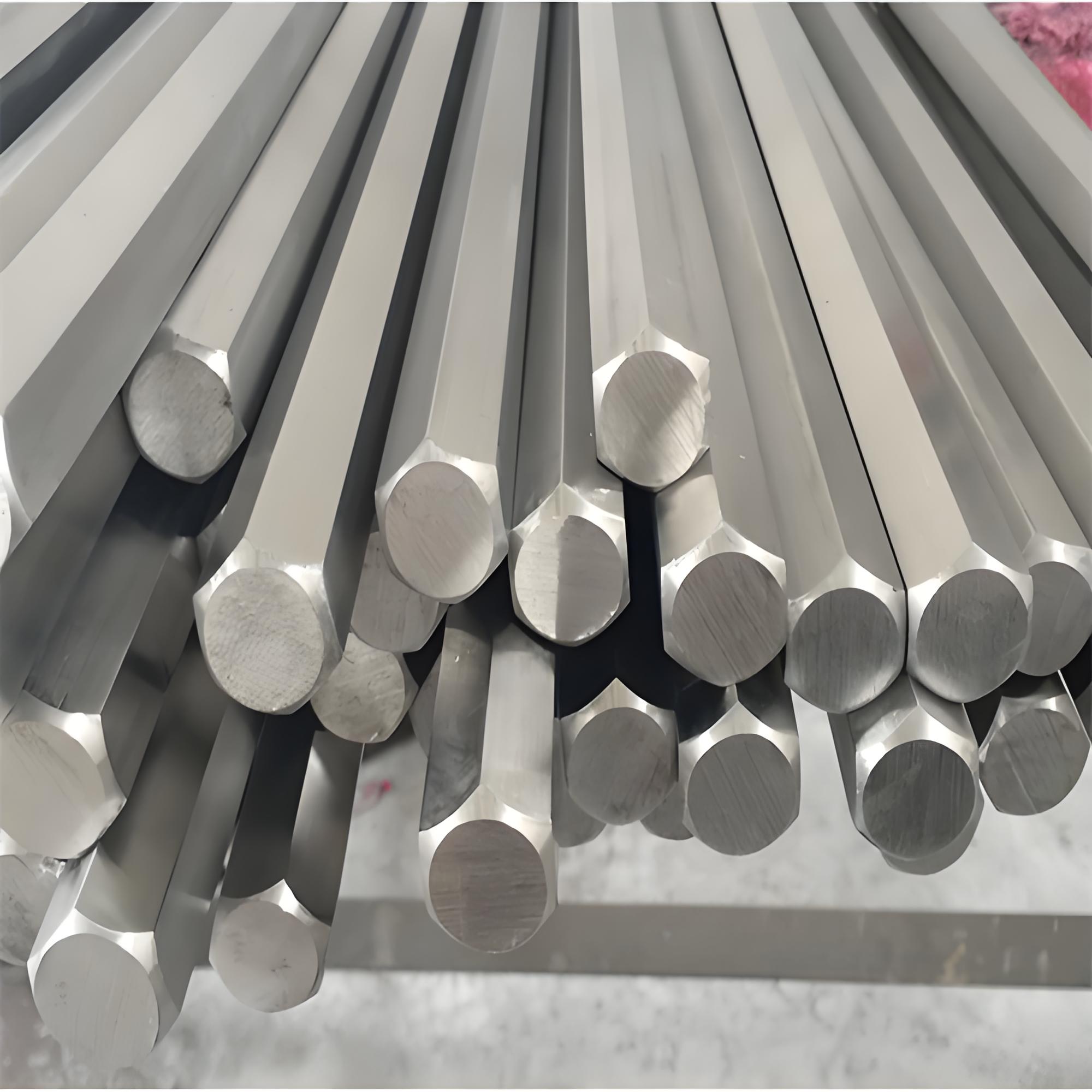
From the factory perspective, the first cost-control step is to confirm whether Hastelloy X is truly necessary. Not every high-temperature application requires it. If the operating temperature is moderate and the atmosphere is not especially aggressive, an alternative nickel alloy or even a lower-cost heat-resistant alloy may be sufficient. Material over-selection is very common in industrial procurement.
The second step is to avoid excessive temperature margin. Some buyers automatically add very large safety margins, assuming that higher alloy grade always means lower risk. In reality, smart design usually performs better than blind over-specification. If the actual continuous service is 950°C with short peaks at 1020°C, the purchasing decision should be built around that real profile rather than a theoretical extreme.
Batch ordering and long-term cooperation can also reduce cost significantly. Because nickel alloys are sensitive to raw material fluctuation and production scheduling, stable annual demand often supports better pricing than repeated small urgent purchases. For regular users of furnace bars or machined blanks, consolidated planning can lower both material cost and logistics risk.
Stock size versus custom size is another major pricing factor. Standard inventory diameters can often be delivered faster and at a more competitive level. Fully customized diameters or special tolerances usually mean extra processing, more scrap risk, and lower production efficiency. When possible, adjusting part design to a standard available bar diameter can produce meaningful savings.
As a broad reference, buyers comparing solutions should evaluate total cost, not just raw bar price. This includes machining yield, oxidation life, replacement frequency, downtime cost, and certification requirements. In many cases, the cheapest material on paper is not the lowest-cost solution in service. Shanghai NC Metal Materials Co., Ltd. generally advises customers to submit a full operating profile before final grade confirmation, especially when service temperature approaches the upper oxidation range of Hastelloy X.
What is the maximum oxidation resistance temperature of Hastelloy X bar in air?
In practical engineering use, Hastelloy X bar is often considered effective in oxidizing air up to around 1100°C for longer-term service, with short intermittent exposure potentially reaching about 1150°C or slightly higher depending on conditions. The exact usable limit depends on exposure time, thermal cycling, and atmosphere cleanliness.
Is Hastelloy X better than Inconel 601 for high-temperature oxidation resistance?
Not in every case. Inconel 601 is extremely strong in oxidation-focused service, especially where its oxide behavior is advantageous. Hastelloy X is often selected when buyers need a broader balance of oxidation resistance, high-temperature strength, and fabrication practicality. The better choice depends on the real service environment and part design.
How much does Hastelloy X bar cost per kg?
As a market reference, Hastelloy X bar is often quoted in a broad range of about $35 to $70 per kilogram, depending on diameter, order quantity, certification level, processing condition, and nickel market fluctuation. Precision-ground, aerospace-documentation, or non-standard size bars are usually priced higher than standard industrial supply.
More from this category
Incoloy 825 bar price depends on the nickel-based alloy composition, bar dimensions, manufacturing route, heat-treatment condition, surface finish, in...
Incoloy 800HT bar price is shaped by nickel, chromium, titanium, and aluminum raw-material costs, together with bar dimensions, heat-treatment conditi...
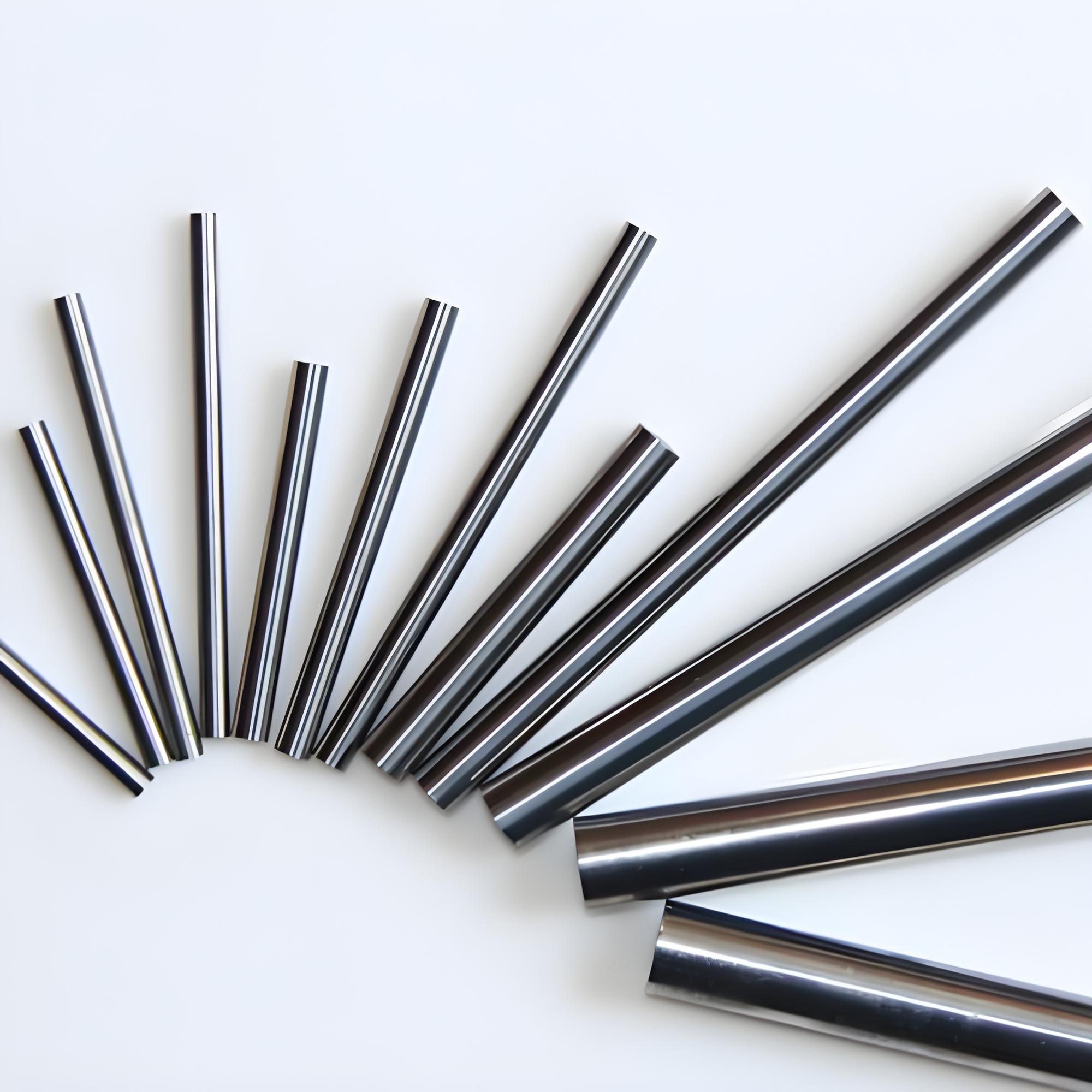
Incoloy 20 round bar price per kg depends on the alloy composition, bar size, manufacturing method, surface finish, tolerance, certificates, inspectio...
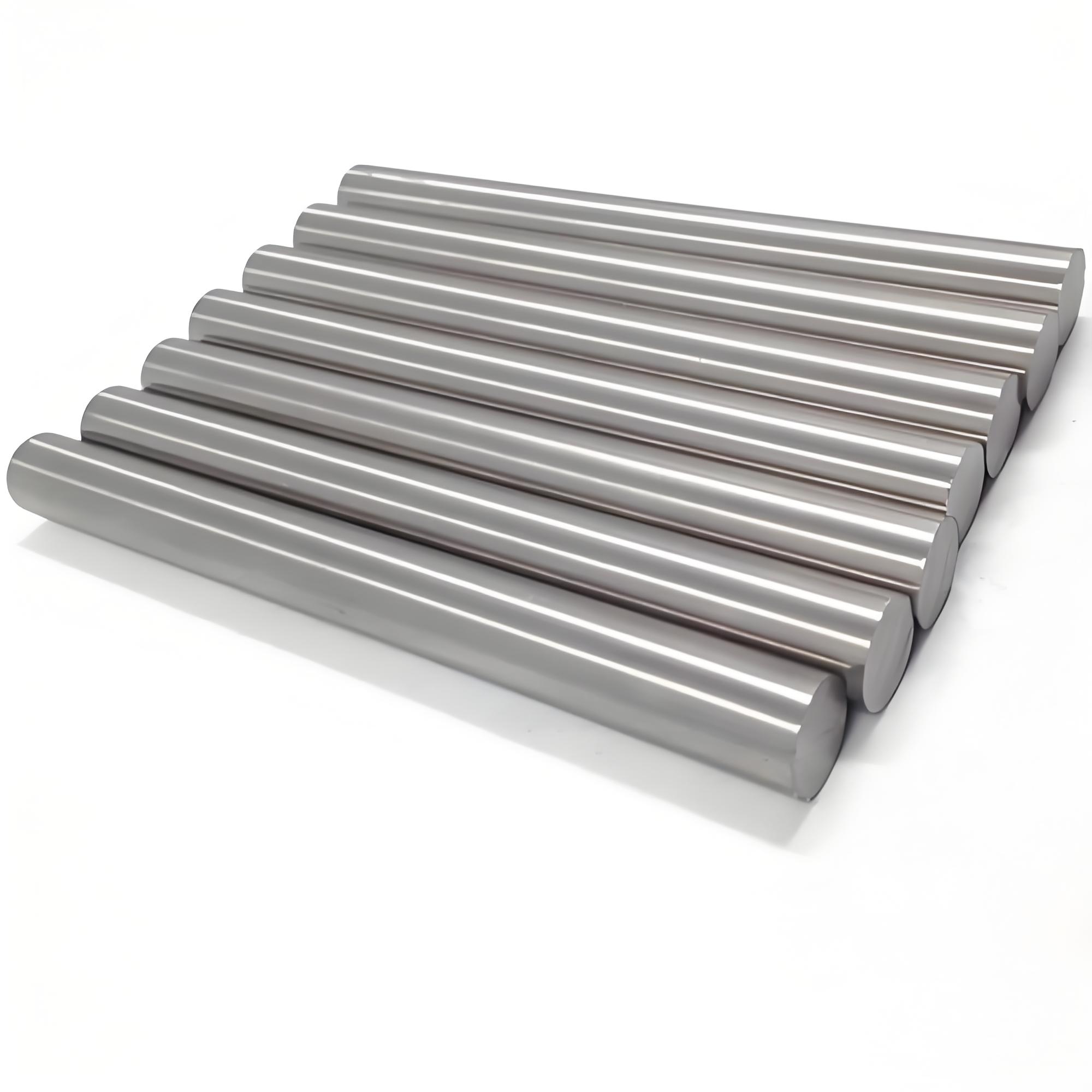
Hastelloy G-30 N06030 bar factory price is determined by the alloy’s high nickel, chromium, iron, molybdenum, copper, and tungsten content, together...
 English English
  Korean
 Arabic
 Spanish
 German
 Portuguese
 French
 Russian
 Italian
 Vietnamese