- E-mail: [email protected]
- WhatsApp: +86 18533346372
Home > Products > Inconel bar > Inconel 601/UNS N06601/W.Nr. 2.4851 bar
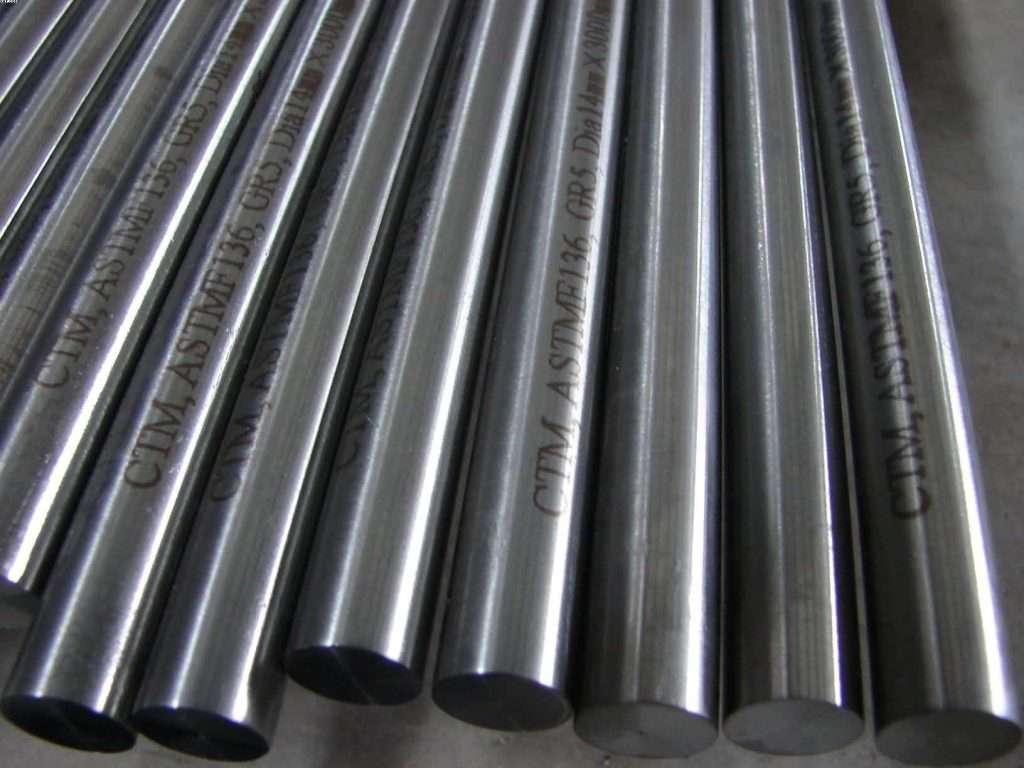
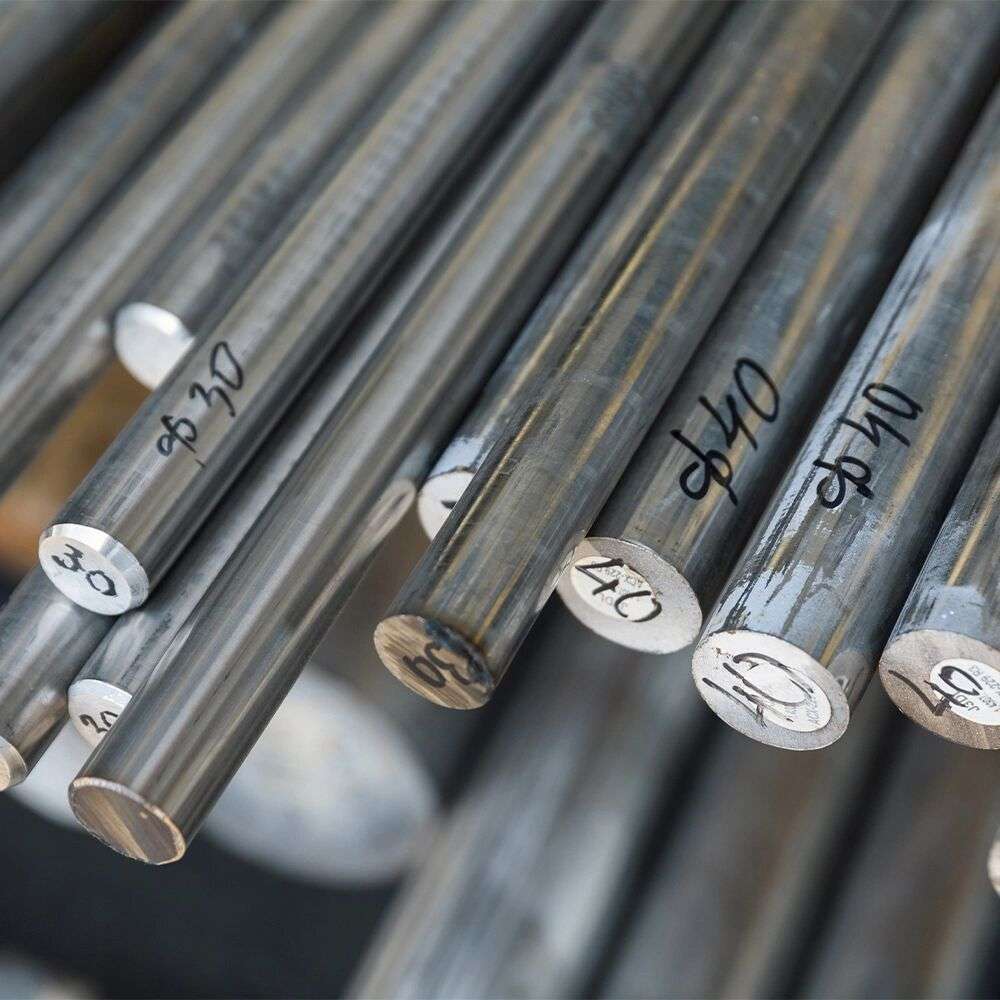
Inconel 601 bar, also designated as UNS N06601 bar or W.Nr. 2.4851 bar, refers to the rod and bar stock forms of a premier nickel-chromium alloy engineered for extreme heat and corrosion resistance. This specific product form is a
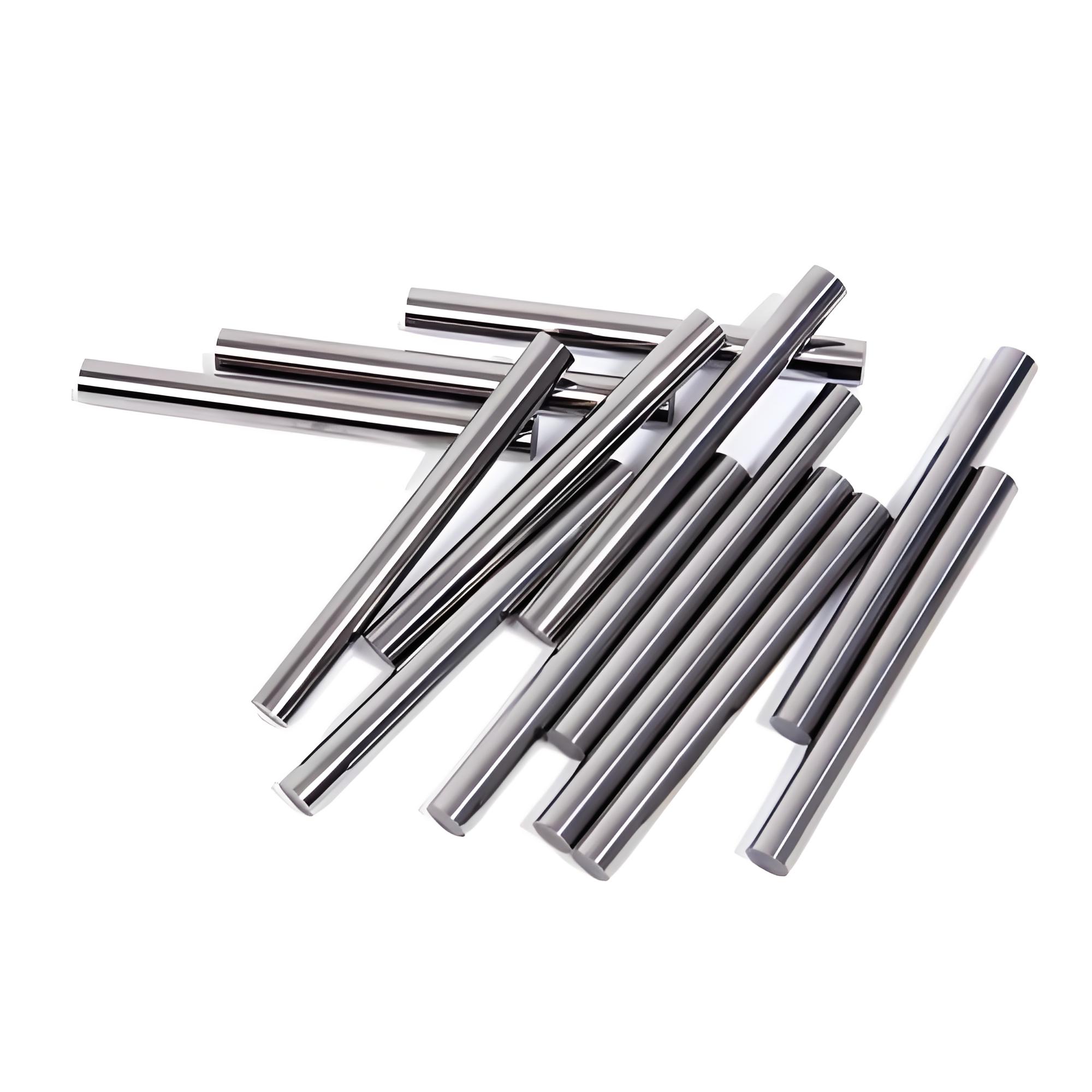
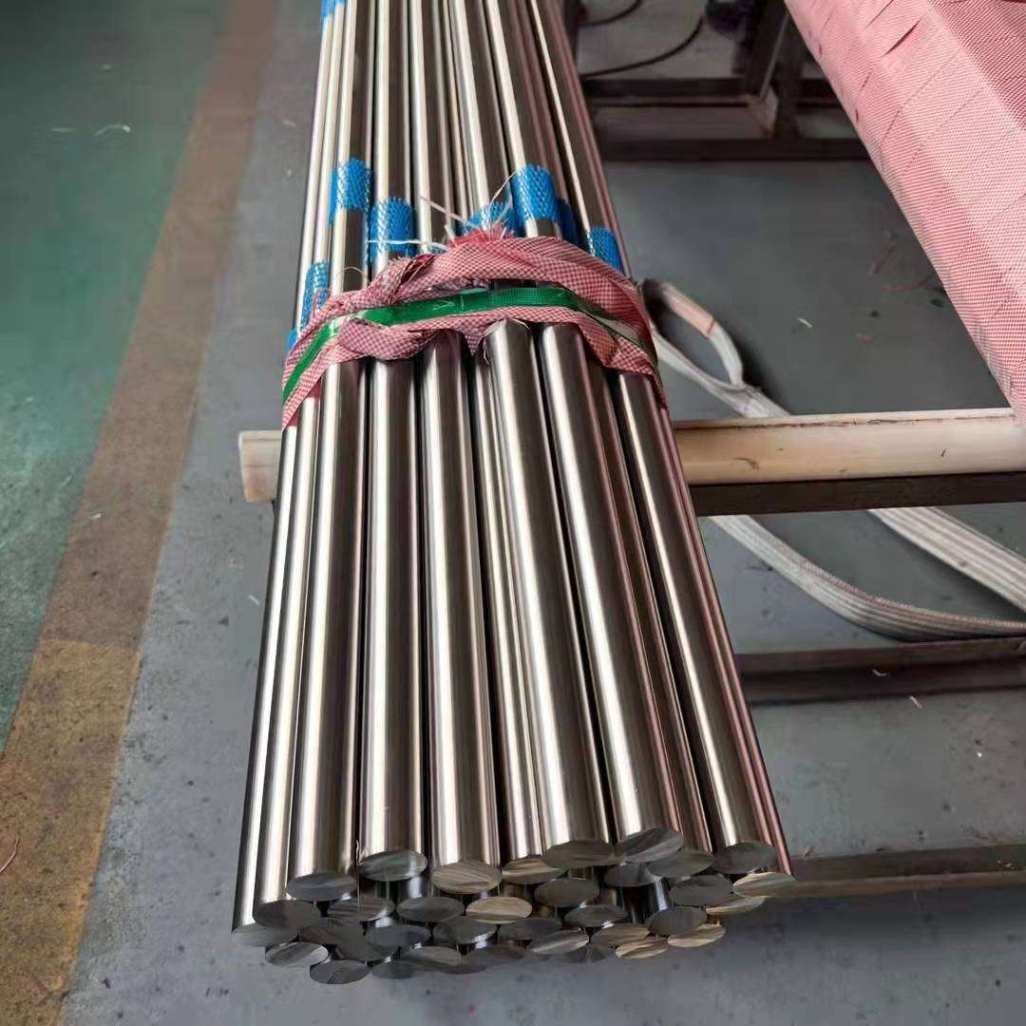
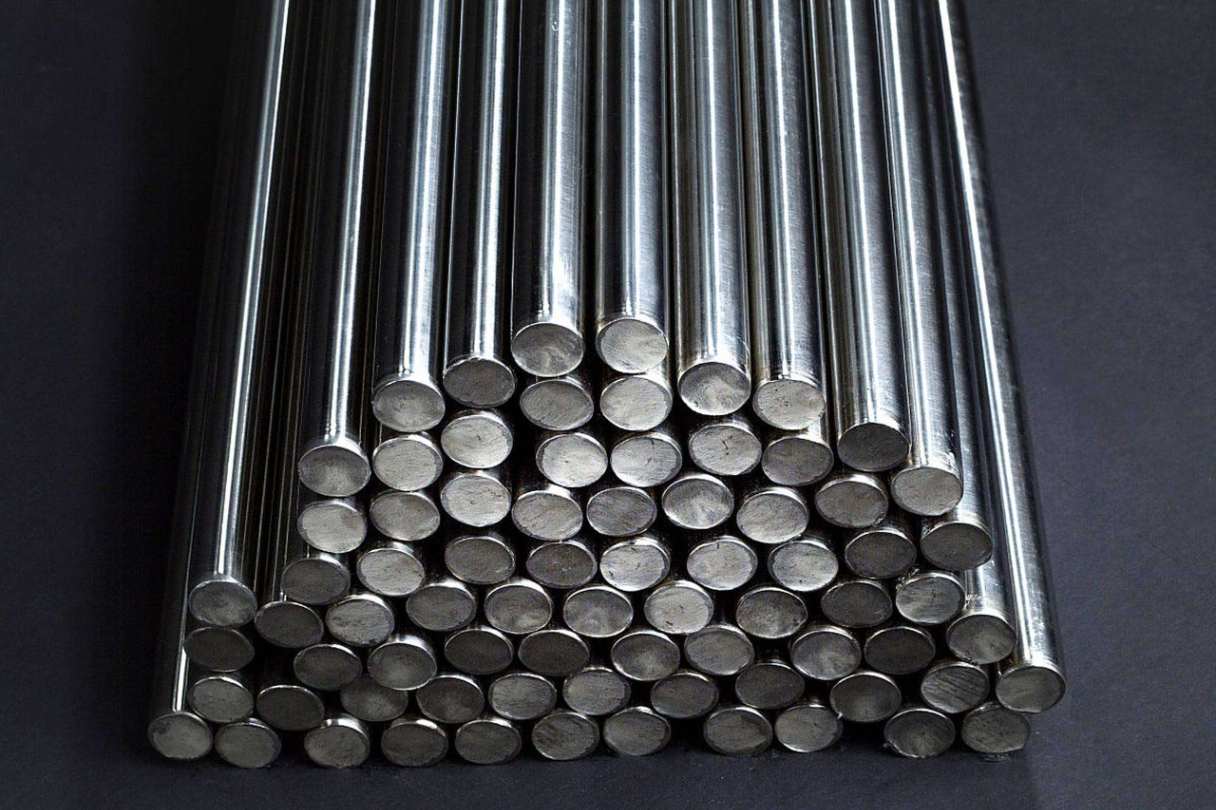
Inconel 601 bar, also designated as UNS N06601 bar or W.Nr. 2.4851 bar, refers to the rod and bar stock forms of a premier nickel-chromium alloy engineered for extreme heat and corrosion resistance. This specific product form is a fundamental raw material for machinists and fabricators across demanding industries, providing the solid starting point for creating durable components like valves, fasteners, shafts, and furnace parts that must withstand temperatures up to 1250°C (2280°F).
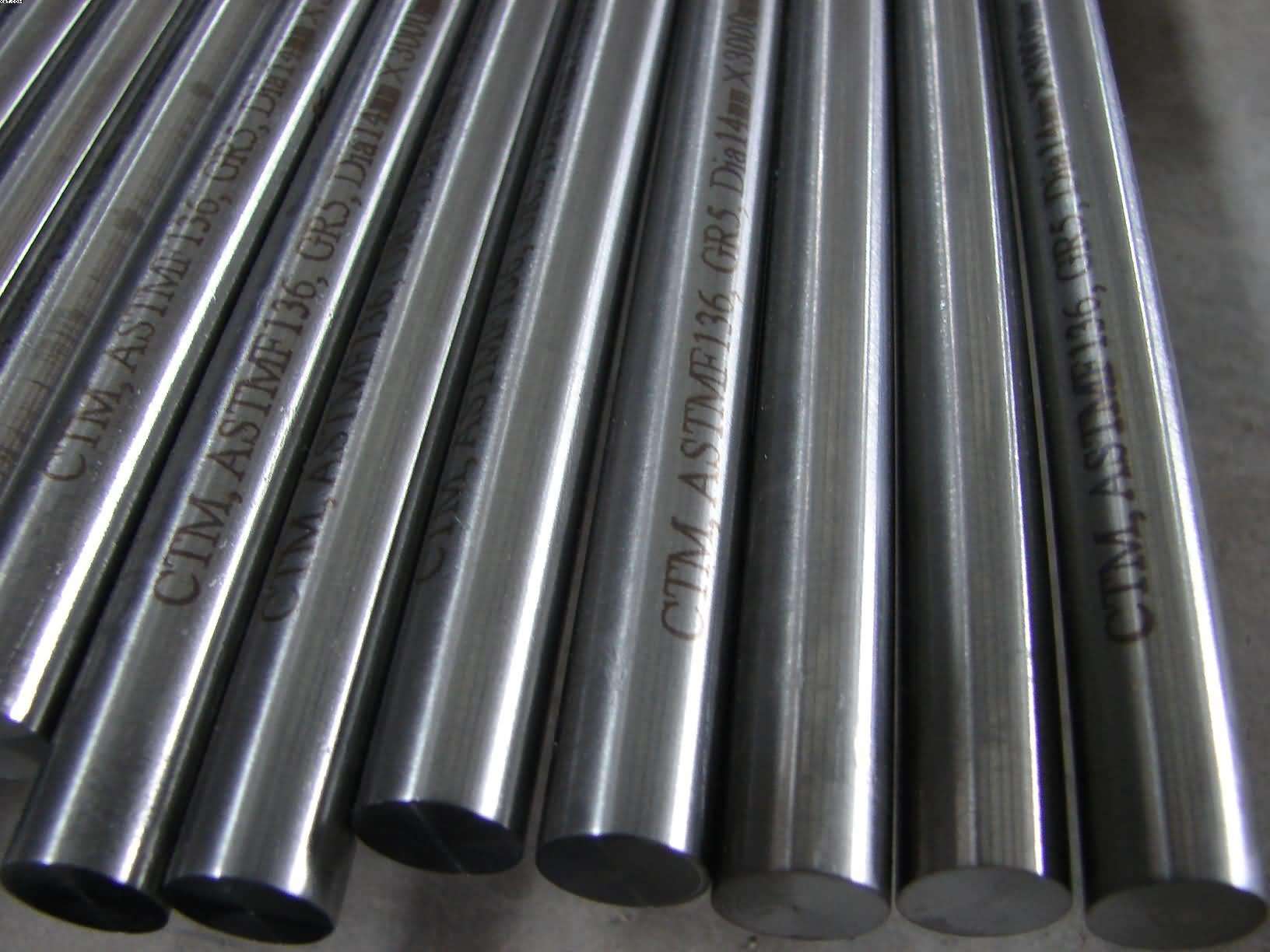
Inconel 601 is a solid-solution strengthened, nickel-based superalloy. Its excellent high-temperature performance stems from a dual-protection mechanism: a chromium oxide layer for general oxidation resistance and an aluminum oxide sub-layer that provides exceptional stability under cyclic heating conditions and in carburizing atmospheres. This makes the bar stock particularly valuable for applications involving thermal cycling.
The consistent and controlled chemistry of Inconel 601 bar is the foundation of its properties. Supplied by Shanghai NC Metal Materials Co., Ltd., the bar stock adheres to strict international standards ensuring every batch delivers predictable performance.
| Element | Percentage (%) – Typical | Role in the Alloy |
|---|---|---|
| Nickel (Ni) | 58.0 – 63.0 | Base element; provides fundamental corrosion resistance and matrix stability. |
| Chromium (Cr) | 21.0 – 25.0 | Forms a protective Cr2O3 scale for oxidation resistance. |
| Iron (Fe) | Balance | Contributes to solid solution strength and cost structure. |
| Aluminum (Al) | 1.0 – 1.7 | Key element; forms a stable, adherent Al2O3 layer for high-temperature protection. |
| Carbon (C) | 0.10 max | Kept low to minimize carbide precipitation in weld zones. |
| Manganese (Mn) | 1.0 max | Aids in deoxidation during melting. |
| Silicon (Si) | 0.5 max | Enhances resistance to oxidation and carburization. |
Inconel 601 bar is produced to meet precise mechanical property standards, which vary slightly depending on the specific size and temper condition (typically annealed). The following table outlines key property requirements as per common specifications like ASTM B166.
| Mechanical Property | ASTM B166 Requirement (Annealed Condition) | Typical Value at Elevated Temperature (980°C / 1800°F) |
|---|---|---|
| Tensile Strength | ≥ 655 MPa (95 ksi) | ≈ 70 MPa (10 ksi) |
| Yield Strength (0.2% Offset) | ≥ 345 MPa (50 ksi) | ≈ 55 MPa (8 ksi) |
| Elongation in 2 inches (50mm) | ≥ 30% | N/A |
| Hardness (Rockwell) | ≤ 90 HRB | N/A |
| Modulus of Elasticity | ≈ 214 GPa (31 x 10^6 psi) at 21°C | ≈ 130 GPa (19 x 10^6 psi) |
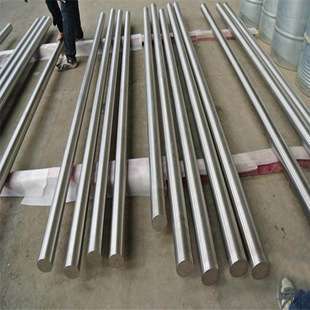
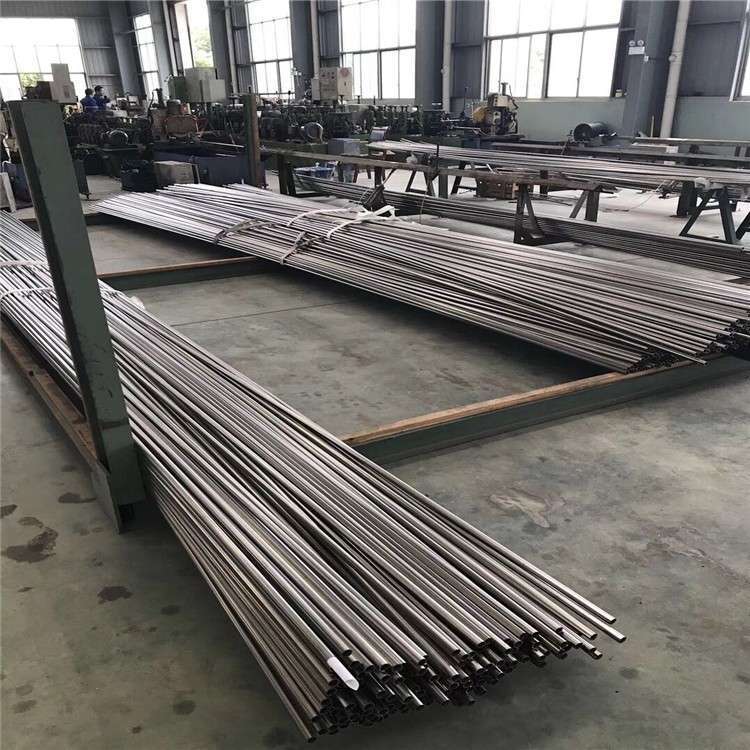
Shanghai NC Metal Materials Co., Ltd. stocks and supplies Inconel 601 bar in a comprehensive range of forms, sizes, and conditions to suit various machining and fabrication needs. The standard supply condition is hot-finished and annealed, with other finishes available upon request.
| Bar Form | Standard Diameter/Size Range | Available Conditions | Common Specifications |
|---|---|---|---|
| Round Bar | 3mm (1/8″) to 300mm (12″) Diameter | Hot Rolled & Annealed, Cold Drawn & Annealed, Peeled/Turned | ASTM B166, ASME SB166, DIN 17742 |
| Hexagonal Bar | 5mm to 100mm Across Flats | Hot Rolled & Annealed | ASTM B166, DIN 17742 |
| Square Bar | 5mm to 100mm Width | Hot Rolled & Annealed | ASTM B166 |
| Flat Bar / Rectangle | Thickness: 5-100mm; Width: up to 300mm | Hot Rolled & Annealed, Mill Edge | ASTM B168 (Sheet/Plate spec often applied) |
The bar form is specifically selected for components that require extensive machining, turning, or forging from solid stock. Common applications include: heat treatment furnace components such as radiant tubes, retorts, and baskets; chemical processing industry equipment like reactor stirrer shafts, thermowells, and valve trim; aerospace engine components; and fasteners (bolts, studs) for high-temperature assemblies.
Machining Inconel 601 bar requires techniques suitable for high-strength, work-hardening alloys. Successful machining depends on maintaining a sharp cutting edge and controlling heat generation. Recommended practices include using rigid machine setups, positive-rake carbide or ceramic inserts, low to moderate cutting speeds, and consistent, generous feed rates to cut below the work-hardened surface. Ample use of heavy-duty, chlorinated or sulfurized cutting oils is essential for cooling and lubrication.
The price of Inconel 601 bar from Shanghai NC Metal Materials Co., Ltd. is influenced by several key factors related to the bar itself and market dynamics. Prices are typically quoted per kilogram or per piece, with raw material costs (nickel, chromium) being a primary driver.
| Primary Cost Factor | Impact on Reference Price | Notes for Buyers |
|---|---|---|
| Bar Diameter/Size | Larger diameters (>150mm) and very small diameters (<10mm) often carry a premium due to processing complexity. | Select the standard size closest to your final part dimension to minimize machining cost. |
| Quantity (Weight) | Significant volume discounts apply for full mill heat lots or large tonnage orders. | Consolidating requirements into larger orders can reduce unit cost. |
| Condition & Finish | Cold-drawn, peeled, or centerless ground finishes cost more than standard hot-rolled black bar. | Specify a finish only if needed for your machining process; standard hot-rolled is often sufficient. |
| Certification Requirements | Third-party inspection or special test reports (e.g., EN 10204 3.2) add to the cost. | Clearly define necessary certification level with your supplier to avoid unnecessary expenses. |
We are factory wholesale price, and the prices are lower than 95% of suppliers. Our professional quotation will help you with your project. Expecting our long-term cooperation. )
 English English
  Korean
 Arabic
 Spanish
 German
 Portuguese
 French
 Russian
 Italian
 Vietnamese