- E-mail: [email protected]
- WhatsApp: +86 18533346372
Home > Products > Inconel bar > Inconel 600/N06600/ASTM UNS/W.Nr. 2.4816/DIN/Alloy bar
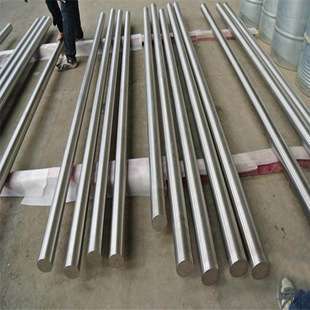
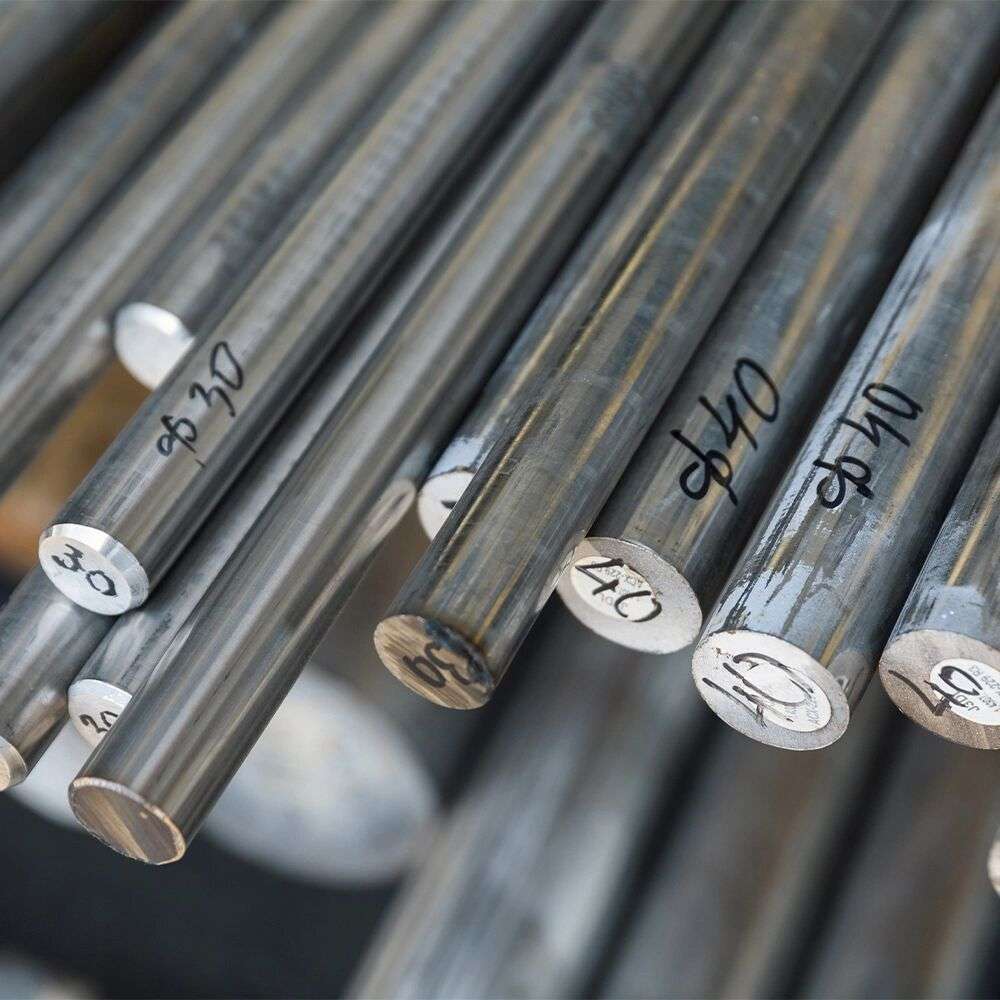
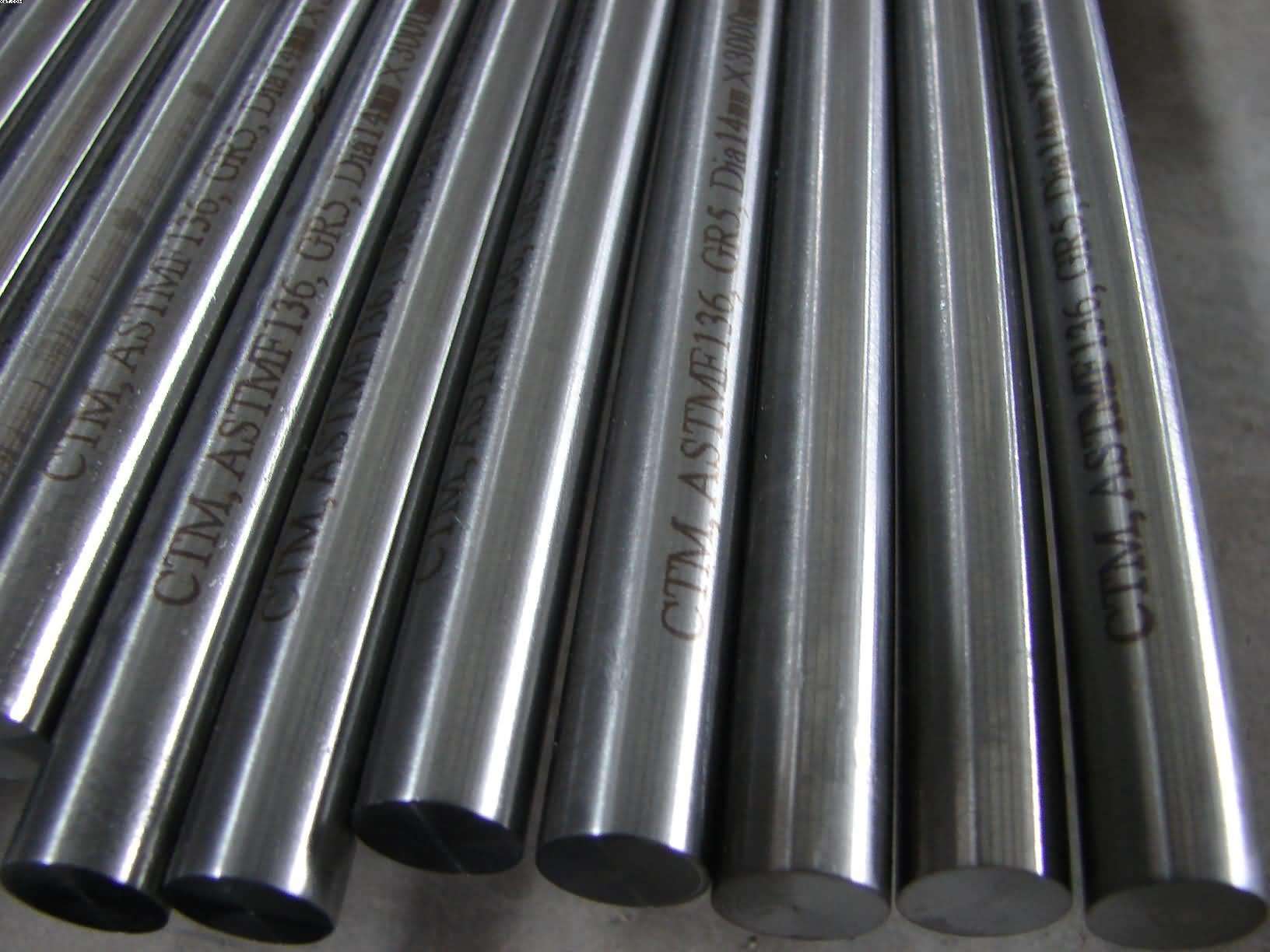
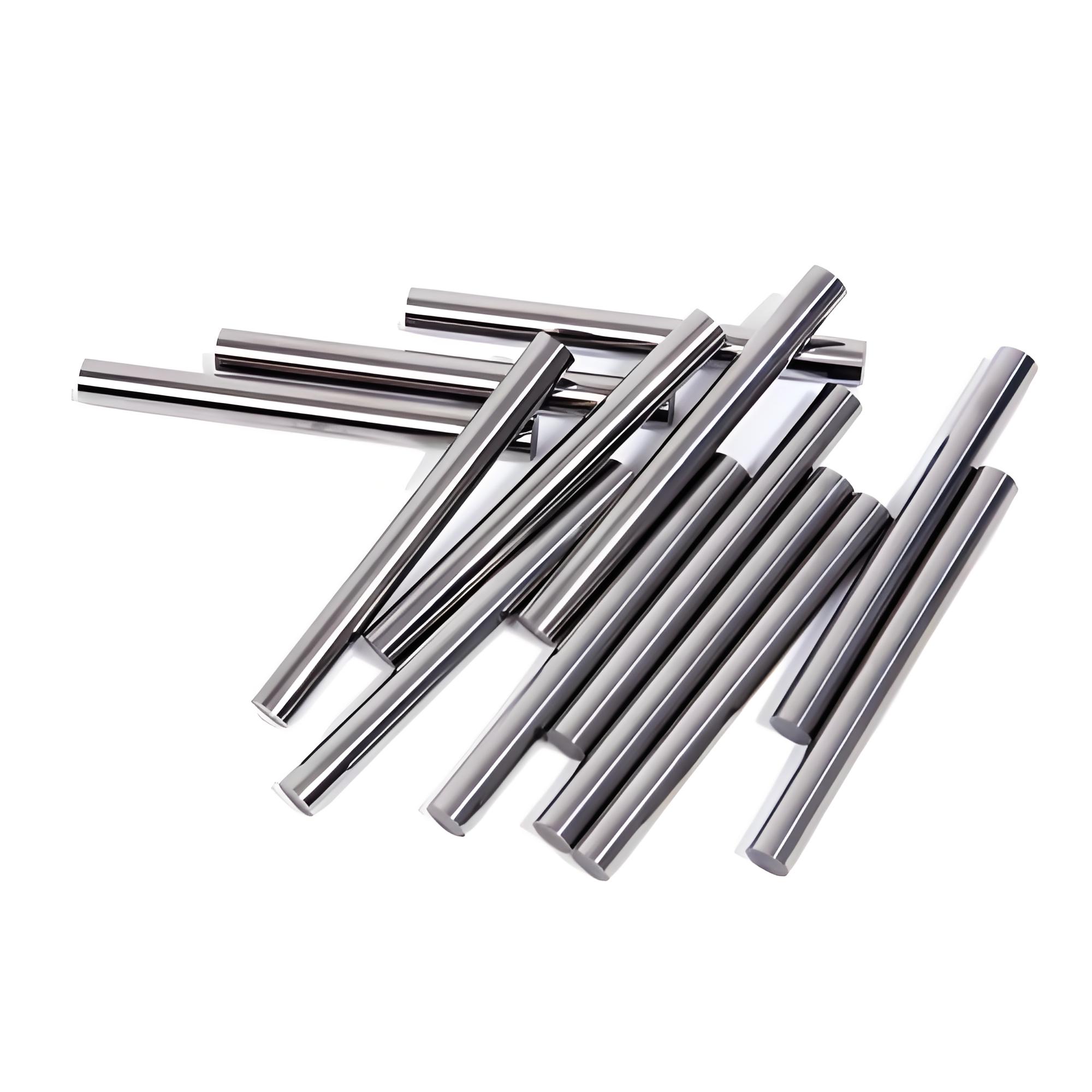
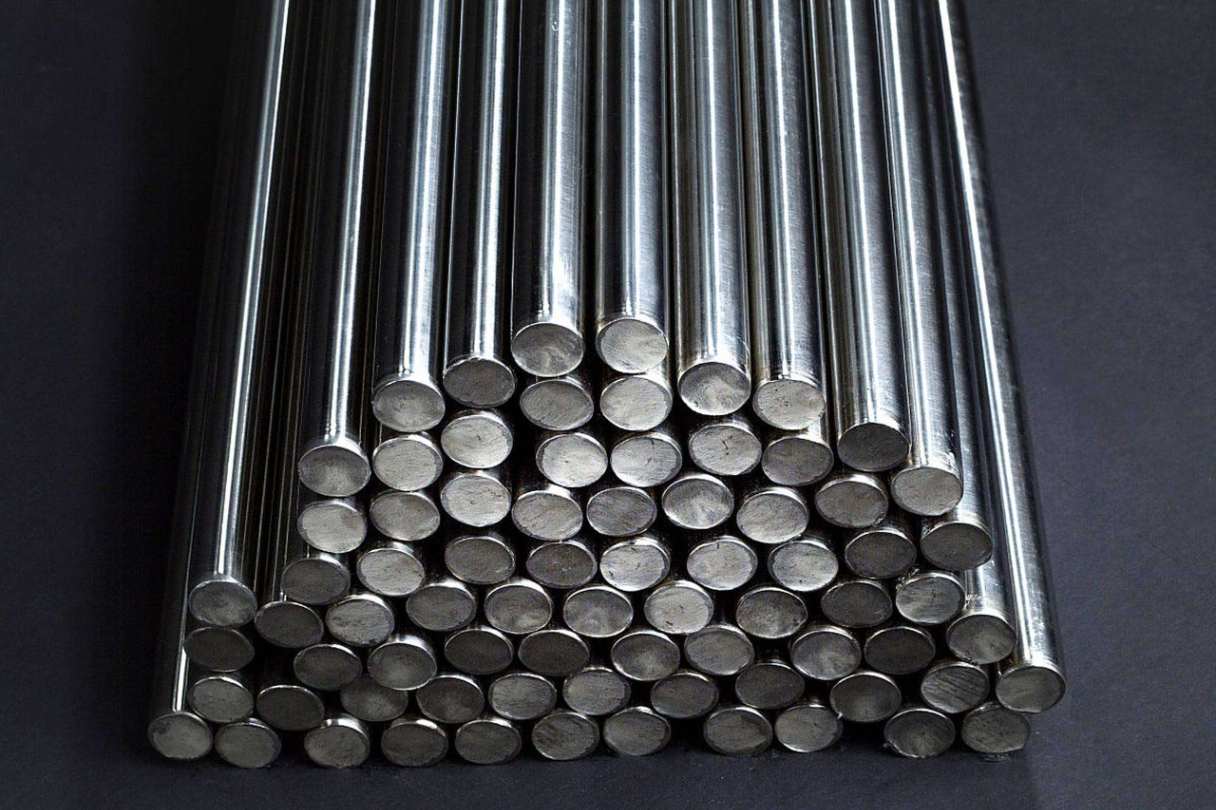
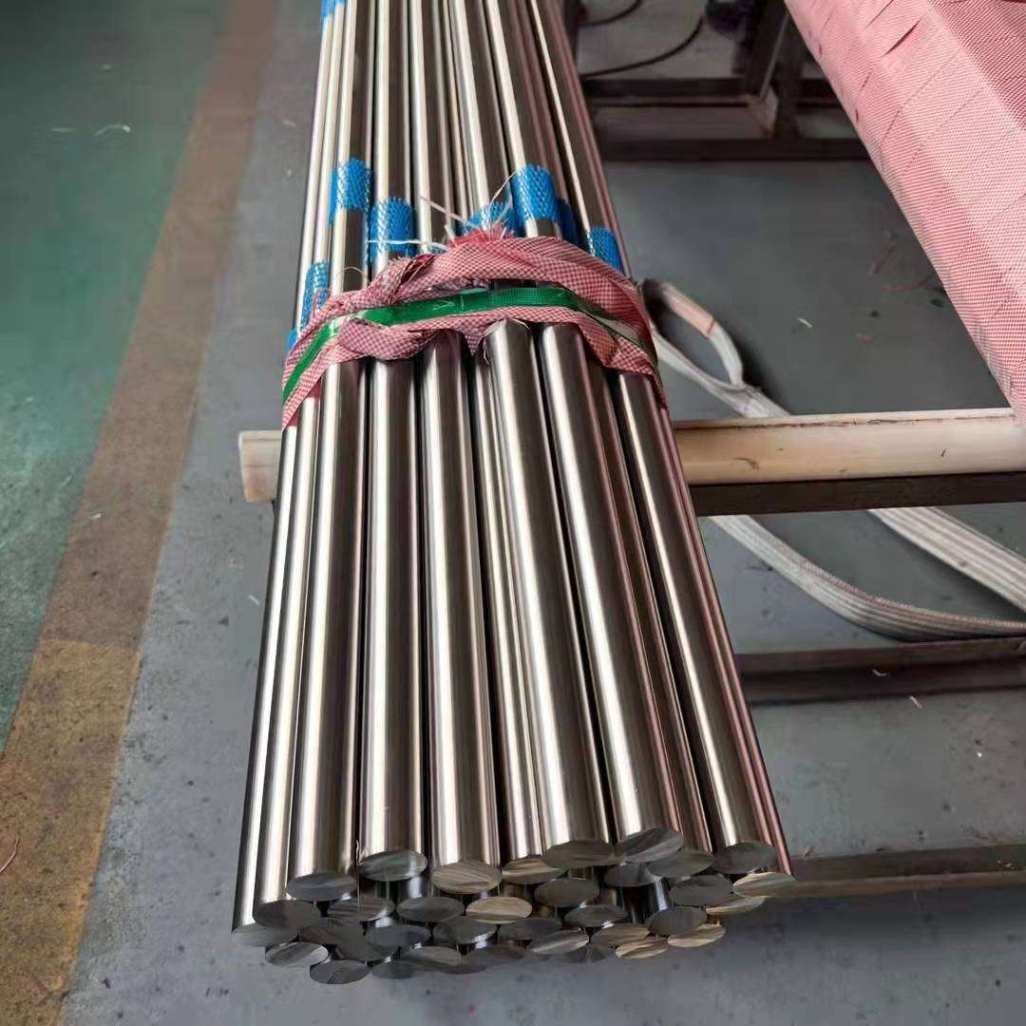
Inconel 600 bar, also known by its various designations UNS N06600, W.Nr. 2.4816, and complying with standards like ASTM and DIN, is a widely used nickel-chromium alloy in bar stock form. This solid-solution strengthened material is prized for its excellent resistance to
Inconel 600 bar, also known by its various designations UNS N06600, W.Nr. 2.4816, and complying with standards like ASTM and DIN, is a widely used nickel-chromium alloy in bar stock form. This solid-solution strengthened material is prized for its excellent resistance to high temperatures, corrosion, and oxidation, making it a fundamental choice for machinists and engineers fabricating components for demanding environments in aerospace, chemical processing, and thermal applications.
Inconel 600 is a nickel-chromium-iron alloy designed for use from cryogenic temperatures up to about 1175°C (2150°F). Its high nickel content provides resistance to reducing environments and caustic alkalis, while the chromium offers protection against oxidizing atmospheres. The alloy also maintains good mechanical properties and resists chloride-ion stress-corrosion cracking, making the bar stock form ideal for machining into shafts, valves, fasteners, and furnace components.
The consistent performance of Inconel 600 bar is guaranteed by its tightly controlled chemical composition. Supplied by Shanghai NC Metal Materials Co., Ltd., the bar stock meets the requirements of major international standards, ensuring reliability in critical applications.
| Element | Percentage (%) – Typical | Primary Function |
|---|---|---|
| Nickel (Ni) | ≥ 72.0 | Base element; provides fundamental corrosion resistance, especially in reducing environments and against caustics. |
| Chromium (Cr) | 14.0 – 17.0 | Imparts resistance to oxidation and sulfur-containing atmospheres at high temperatures. |
| Iron (Fe) | 6.0 – 10.0 | Contributes to solid-solution strengthening and overall alloy structure. |
| Carbon (C) | 0.15 max | Kept low to enhance weldability and minimize carbide precipitation. |
| Manganese (Mn) | 1.0 max | Acts as a deoxidizer during the alloy melting process. |
| Silicon (Si) | 0.5 max | Enhances resistance to oxidation and scaling. |
| Copper (Cu) | 0.5 max | Residual element; kept low for optimal corrosion performance. |
Inconel 600 bar is manufactured to precise mechanical property standards, typically in the annealed condition to ensure optimal machinability and subsequent performance. The following table outlines key room-temperature properties as per common bar specifications like ASTM B166.
| Mechanical Property | ASTM B166 Requirement (Annealed) | Typical Value |
|---|---|---|
| Tensile Strength | ≥ 550 MPa (80 ksi) | 620 – 690 MPa (90 – 100 ksi) |
| Yield Strength (0.2% Offset) | ≥ 240 MPa (35 ksi) | 275 – 345 MPa (40 – 50 ksi) |
| Elongation in 2 inches (50mm) | ≥ 30% | 35 – 45% |
| Hardness (Rockwell B) | ≤ 90 HRB | 65 – 85 HRB |
| Reduction of Area | N/A | ≈ 55% |
The physical constants of Inconel 600 are important for design calculations involving thermal expansion, electrical requirements, and weight. These properties remain stable across a wide temperature range.
| Physical Property | Value at Room Temperature (21°C / 70°F) | Notes / Value at Elevated Temperature |
|---|---|---|
| Density | 8.47 g/cm³ (0.306 lb/in³) | – |
| Melting Range | 1354 – 1413°C (2470 – 2575°F) | – |
| Specific Heat | 444 J/kg·°C (0.106 BTU/lb·°F) | At 100°C (212°F) |
| Thermal Conductivity | 14.9 W/m·K (103 BTU·in/hr·ft²·°F) | At 100°C (212°F) |
| Mean Coefficient of Thermal Expansion | 13.3 μm/m·°C (7.4 μin/in·°F) | 20-100°C (68-212°F) |
| Electrical Resistivity | 1.03 μΩ·m (41.6 μΩ·in) | At 21°C (70°F) |
| Modulus of Elasticity (Tensile) | 214 GPa (31 x 10^6 psi) | Decreases with increasing temperature |
Shanghai NC Metal Materials Co., Ltd. supplies Inconel 600 bar in a comprehensive range of forms, finishes, and sizes to meet diverse manufacturing requirements. The material conforms to a wide array of global standards.
| Product Form | Standard Size Range | Available Conditions & Finishes | Common Specifications |
|---|---|---|---|
| Round Bar | 3mm (0.125″) to 500mm (20″) Diameter | Hot Rolled & Annealed, Cold Drawn & Annealed, Centerless Ground, Peeled/Turned | ASTM B166, ASME SB166, DIN 17752, AMS 5665 |
| Hexagonal Bar | 5mm to 100mm Across Flats | Hot Rolled & Annealed, Cold Drawn | ASTM B166, DIN 17752 |
| Square Bar | 5mm to 100mm Width | Hot Rolled & Annealed | ASTM B166 |
| Flat Bar | Thickness: 5-100mm; Width: up to 300mm | Hot Rolled & Annealed, Sheared or Saw-Cut Edges | ASTM B168 (Plate/Sheet spec often applied) |
Machined from bar stock, Inconel 600 components are essential in many high-performance industries. Common uses include furnace components (radiant tubes, muffles, baskets), chemical and food processing equipment (reactor vessels, transfer piping, bubble caps), aerospace components (engine bleed air ducts, thermal insulation blankets), electrical and electronic parts (heating element sheathing), and nuclear reactor components (control rod parts, core support structures).
Inconel 600 bar is machinable using methods suitable for austenitic alloys. It work-hardens rapidly, so successful machining requires sharp tools, rigid setups, and positive feeds. Recommended practices include using carbide or high-speed steel tools with positive rake angles, moderate speeds, and heavy, consistent feed rates to ensure the tool cuts beneath the work-hardened layer. Copious amounts of coolant are necessary to dissipate heat.
The price of Inconel 600 bar from Shanghai NC Metal Materials Co., Ltd. is influenced by dimensional factors, purchase volume, market conditions for nickel, and specific processing requirements. Prices are typically quoted per kilogram or per piece.
| Cost Factor | Impact on Reference Price | Procurement Consideration |
|---|---|---|
| Bar Diameter/Size | Very large diameters (>300mm) and very small precision diameters (<10mm) command higher prices due to specialized processing. | Select a standard stock size to minimize premium costs. |
| Quantity & Order Weight | Significant economies of scale apply. Full bar lengths and mill heat quantities offer the best value per kilogram. | Plan material requirements to consolidate orders. |
| Condition & Surface Finish | Cold-finished (drawn, ground, peeled) bars are more expensive than hot-rolled bars. Special surface finishes add cost. | Order hot-rolled for rough machining; specify cold-finished only for finish machining or tolerance requirements. |
| Certification & Testing | Additional testing (e.g., PMI, ultrasonic) or specific mill certifications (3.1, 3.2) increase the base price. | Specify the exact certification needed for the application to avoid unnecessary cost. |
We are factory wholesale price, and the prices are lower than 95% of suppliers. Our professional quotation will help you with your project. Expecting our long-term cooperation. )
 English English
  Korean
 Arabic
 Spanish
 German
 Portuguese
 French
 Russian
 Italian
 Vietnamese