
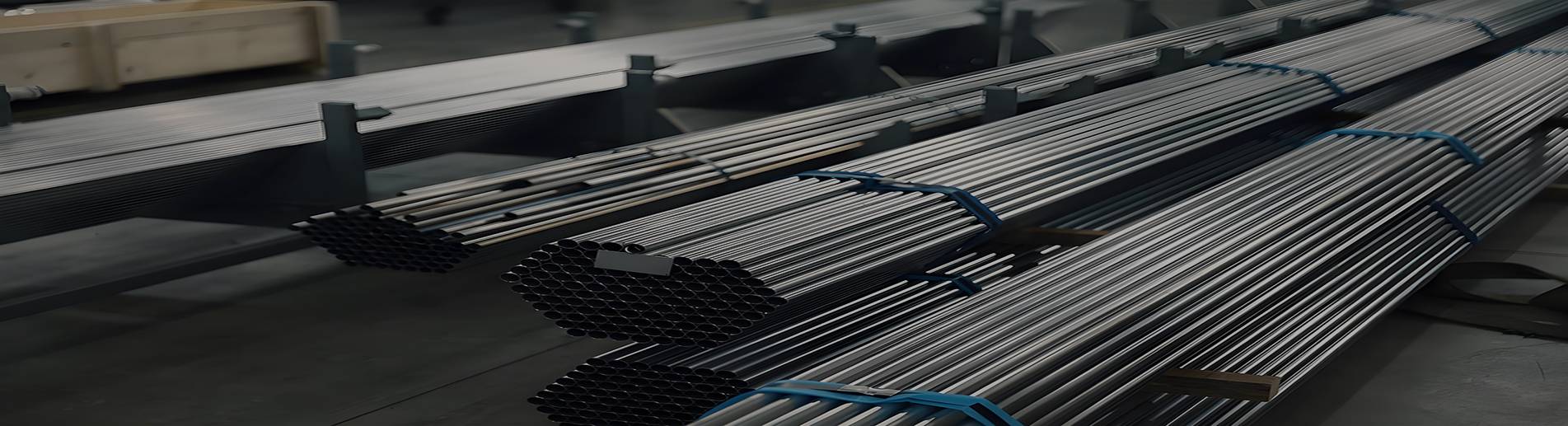
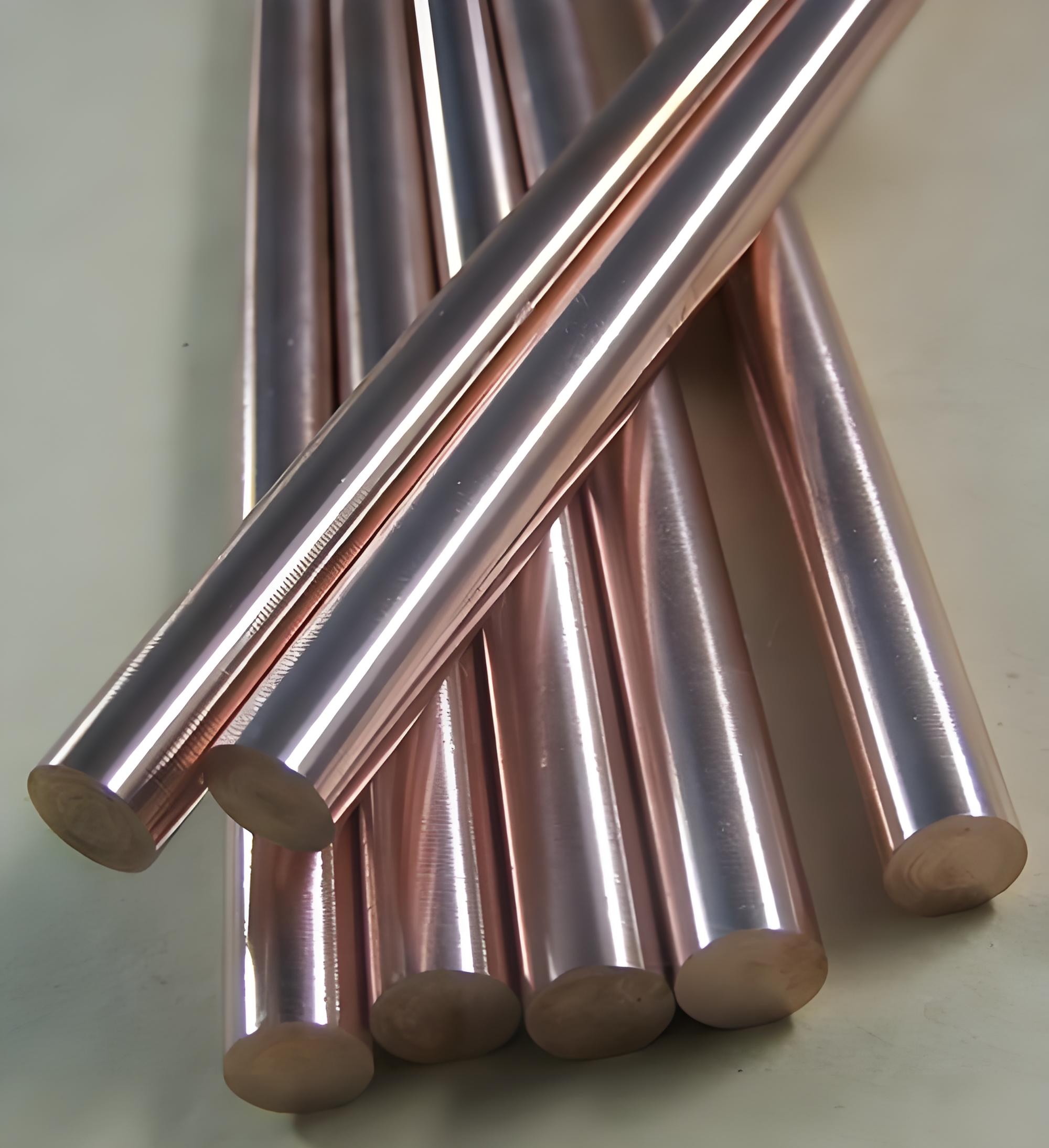
Inconel 617 alloy round bar price per kilogram
Inconel 617 alloy round bar price per kilogram is commonly about USD 45 to 90 per kg for standard industrial stock sizes. Large forged bars, small pre...
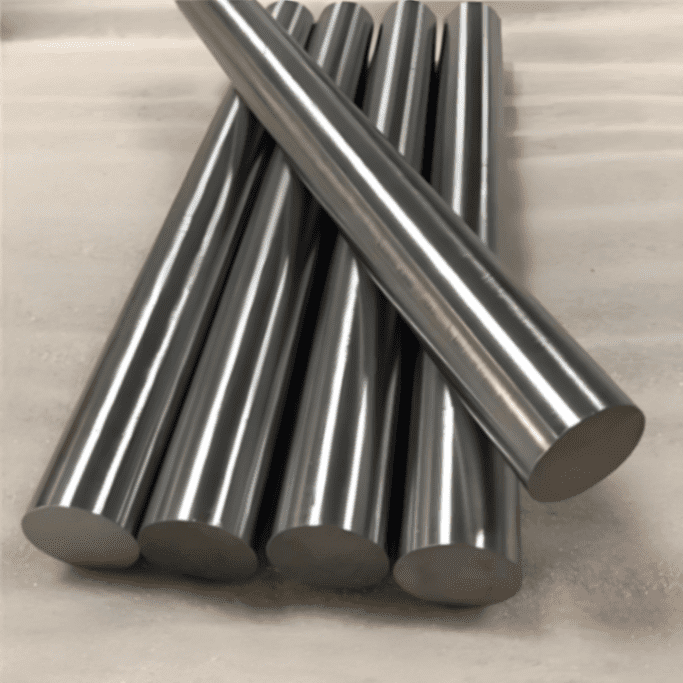
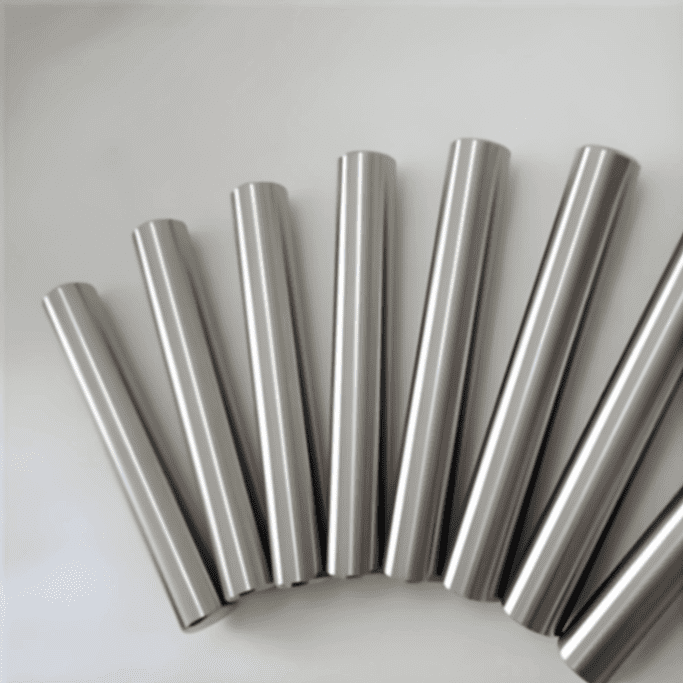
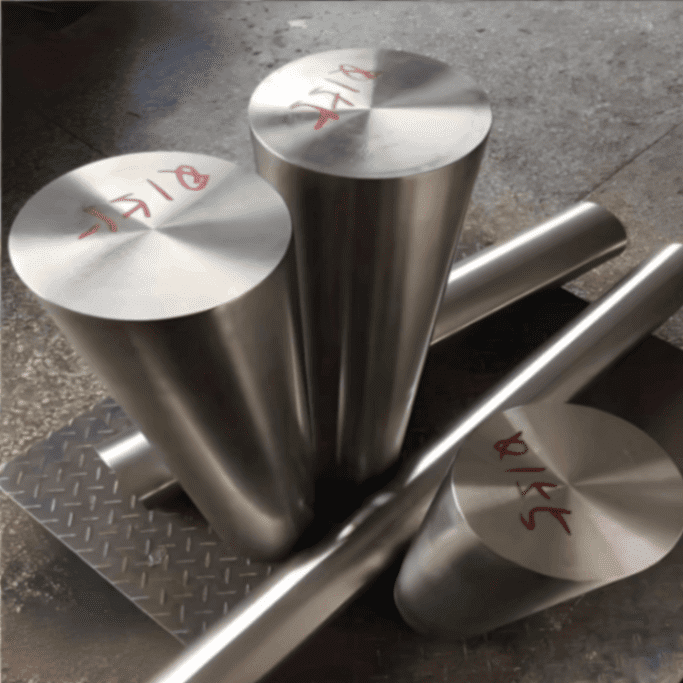
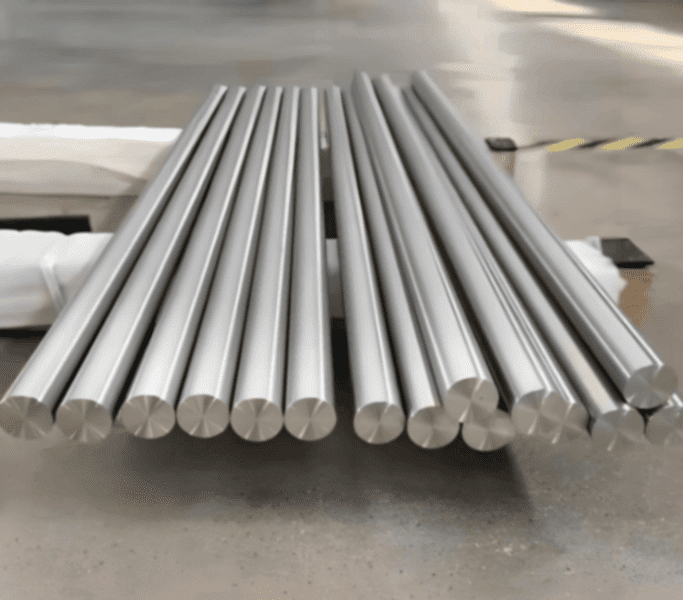
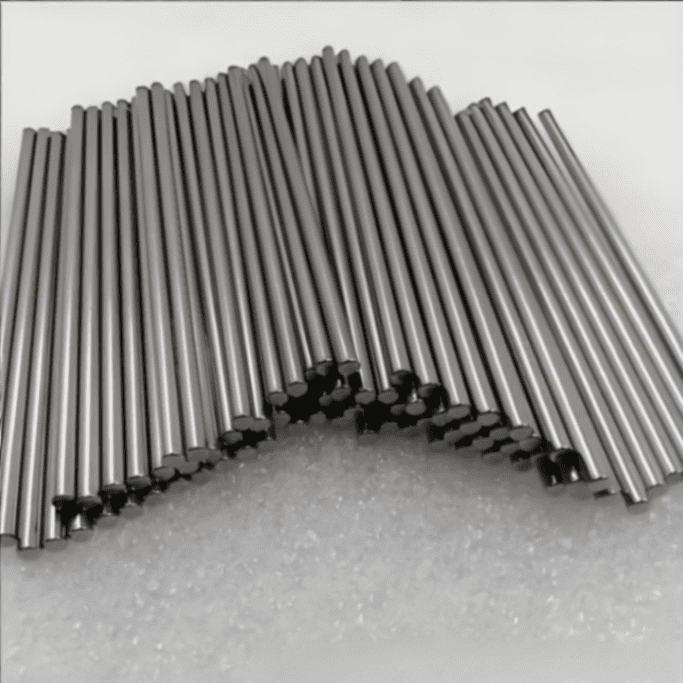
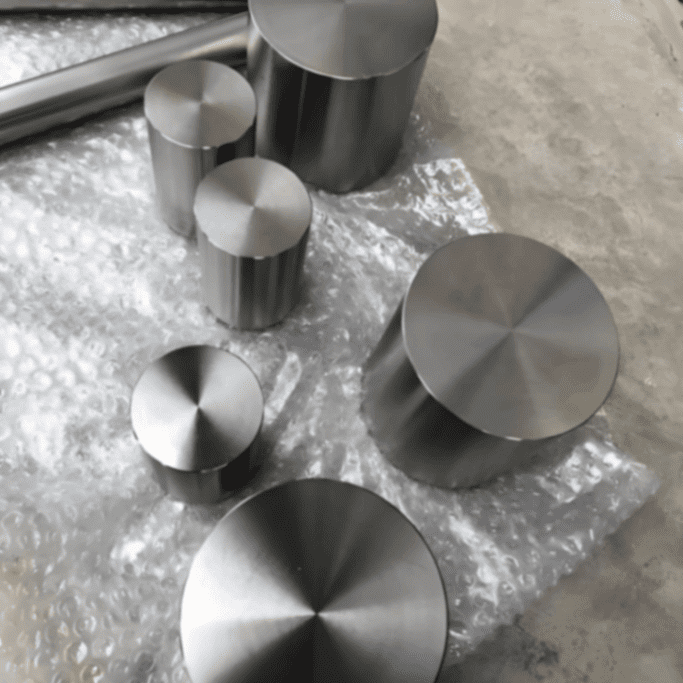
In day-to-day purchasing, Inconel 690 is commonly about 30% to 60% more expensive than Inconel 600, although the real gap can move up or down with nickel prices, chromium prices, product form, certification level, and order size. On paper, both are nickel-based alloys used for corrosion resistance and high-temperature service, so they may look similar at first glance. But once you look at chemistry, melting difficulty, processing control, and end-use requirements, the price difference becomes much easier to understand.
In practical market terms, Inconel 690 is usually priced above Inconel 600, and the difference is not small. For many standard industrial orders, buyers often see Inconel 690 come in roughly 30% to 60% higher than Inconel 600. That spread is common enough to be treated as a useful purchasing rule of thumb, especially when comparing similar product forms such as plate to plate, bar to bar, or tube to tube.
The biggest reason is simple: Inconel 690 is designed with a much higher chromium level, and that changes both raw material cost and production complexity. Even though Inconel 600 contains more nickel, which is also expensive, the overall cost structure of 690 is still usually higher because high chromium content and tighter metallurgy requirements make it harder to produce consistently.
It is also important to understand that alloy pricing is never driven by chemistry alone. Two quotations for the same alloy can differ a lot depending on whether the material is being bought as hot-rolled plate, cold-finished bar, seamless tube, or a nuclear-grade controlled product. A stock-size retail order may show a much larger premium than a large mill order because the base material cost is only one part of the final selling price.
In real purchasing work, buyers should treat percentage comparisons as a market reference rather than a fixed rule. If nickel spikes sharply, Inconel 600 may rise faster because its nickel content is higher. If chromium strengthens or supply becomes tight, Inconel 690 can widen the gap again. So the “30% to 60% more expensive” range is realistic, but it is still a moving target rather than a permanent number.
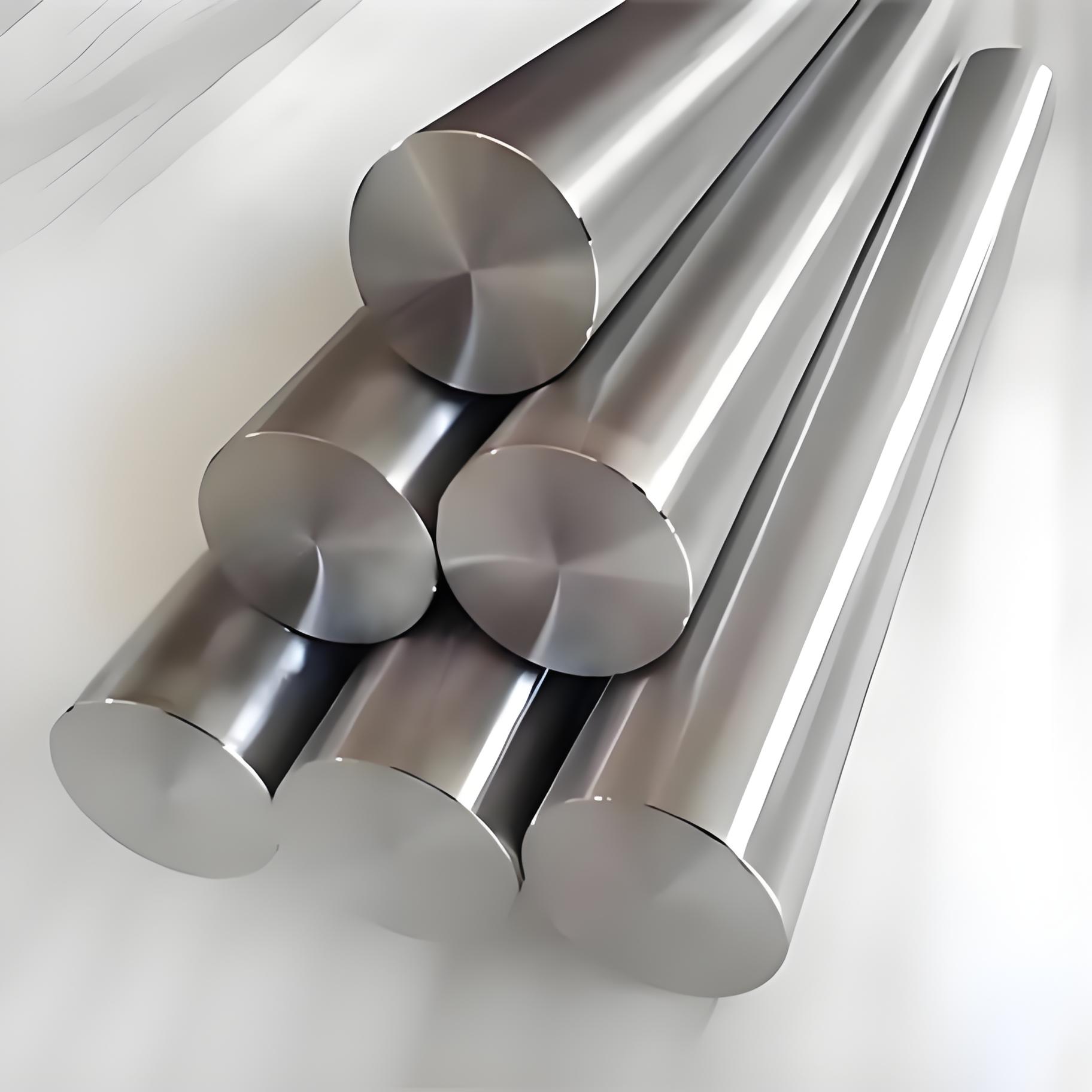
The chemistry difference between these two alloys is the core reason their prices do not match. Inconel 600 typically contains about 14.0% to 17.0% chromium, while Inconel 690 usually contains about 27.0% to 31.0% chromium. That means 690 has nearly double the chromium content of 600. This is a major design difference, not a minor adjustment, and it directly pushes up the alloying cost.
Chromium matters because it is the main element that improves resistance to oxidizing environments and helps Inconel 690 perform far better in conditions such as nitric acid service and nuclear steam generator tubing applications. The extra chromium is exactly why 690 is chosen when stress corrosion cracking resistance and oxidizing corrosion resistance are critical. But better chemistry usually means higher input cost, and this is one of the main reasons the material is more expensive.
Nickel content tells a slightly different story. Inconel 600 generally contains at least 72.0% nickel, while Inconel 690 generally contains at least 58.0% nickel. So from a pure nickel perspective, 600 is richer in nickel than 690. This means Inconel 600 is often more exposed to swings in the nickel market. When nickel prices rise sharply, the cost of 600 can move up fast, sometimes narrowing the price gap between the two alloys.
However, buyers should not assume that lower nickel automatically makes 690 cheaper. Alloy cost is not calculated by looking at one element only. Inconel 690 balances lower nickel with much higher chromium and much stricter metallurgical control. So even though 600 is more nickel-heavy, 690 still usually ends up with a higher total market price.
Carbon content is another hidden cost driver. Inconel 600 generally allows carbon up to 0.15%, while Inconel 690 is usually limited to 0.05% maximum. This lower carbon requirement may look like a small specification detail, but in production it matters a lot. Lower carbon control places more pressure on melting practice, refining, and quality consistency. It raises the difficulty of achieving target composition while maintaining the right microstructure and final properties.
That is why buyers should not look at chemistry sheets as simple percentages on paper. Each chemistry window has a production cost behind it. Higher chromium in 690 increases raw material burden, lower carbon increases refining difficulty, and the combination of both creates a more demanding alloy to make. In short, chemistry is not just a technical issue; it is a cost issue from the start of the melt.
Another major reason for the price difference is that Inconel 690 is generally more difficult to process than Inconel 600. Higher chromium content changes how the alloy behaves during melting, forging, rolling, and heat treatment. Mills have to control the process more carefully to avoid defects, maintain uniformity, and make sure the final product meets specification.
During melting and refining, high-chromium nickel alloys demand tighter control of chemistry stability. The producer has to hit the composition range accurately while also minimizing impurities and managing the low-carbon requirement. That means more attention in furnace practice, more quality checks, and in some cases more remelting or additional refining measures, all of which add cost.
Hot working is also more challenging with 690. In forging and rolling, the alloy can require narrower temperature control windows to avoid cracking, surface issues, or undesirable microstructural changes. This does not mean Inconel 600 is easy in a casual sense, because nickel alloys in general are not low-cost materials to process. But compared with 600, Inconel 690 usually asks for more discipline on the shop floor and more process experience from the manufacturer.
Heat treatment control is especially important for 690. The alloy needs stricter thermal management to reduce the risk of harmful phase precipitation, including sigma phase concerns in chromium-rich structures. If heat treatment is not controlled properly, the material can lose part of the corrosion resistance and structural stability that buyers are actually paying for. That means a serious producer cannot treat 690 like a routine commodity alloy.
Yield is another practical issue. Inconel 690 often has a slightly lower finished yield than Inconel 600. In simple terms, more of the original input material may be lost through processing, trimming, rejection, or tighter inspection requirements before it becomes a shippable finished product. A lower yield means the cost of acceptable material goes up, even if raw material prices stayed the same.
For this reason, when a buyer asks why two nickel-based alloys that look similar in application language are priced differently, the answer is often found in manufacturing difficulty rather than in chemistry alone. A more difficult alloy usually means more risk, more control points, more inspection, and lower production efficiency. All of those factors naturally show up in the quotation.
The following ranges are typical industry reference prices in US dollars per kilogram for common commercial supply situations. Prices are for reference only, and actual quotations depend on size, specification, quantity, certification, delivery condition, and market timing.
| Material | Typical Price Range (USD/kg) | Relative Price |
| Inconel 600 | 25–40 | 1.0x |
| Inconel 690 | 35–65 | 1.4–1.6x |
These numbers make the relationship clear: Inconel 690 usually costs more, and in many cases the premium lands right inside the 1.4x to 1.6x range. That said, a buyer should be careful not to treat these numbers as fixed transaction prices. For example, seamless tube, precision strip, or nuclear-grade material can trade well above the upper end of a general industrial price range.
At the same time, very large contract orders can narrow the gap. When a mill runs a larger heat and gets better production efficiency, the unit cost may fall. By contrast, a small warehouse purchase of cut lengths or retail-size quantities often increases the price sharply for both alloys, and especially for the less common one. In that kind of scenario, the price difference can feel even larger than the standard 30% to 60% guideline.
When discussing supply with a company such as Shanghai NC Metal Materials Co., Ltd., buyers typically get the best price picture by clarifying product form, dimensions, quantity, required standards, and whether the material is general industrial grade or a specialized certified grade. Without those details, any price comparison remains only a broad market estimate.
Raw material prices are the first and most obvious factor. Nickel affects both alloys because both are nickel-based materials. If nickel moves up quickly, the base cost of both 600 and 690 will increase. However, since Inconel 600 has a higher nickel level, it can be more sensitive to a strong nickel rally. This sometimes reduces the percentage gap between the two alloys, even though 690 is still usually more expensive overall.
Chromium is the second key factor, and this is where Inconel 690 becomes more sensitive. Because its chromium content is far higher, any major shift in chromium pricing can have a stronger effect on 690 than on 600. In a stable nickel market but a rising chromium market, buyers may see Inconel 690 become relatively more expensive than usual.
Order quantity has a very large impact, and many buyers underestimate this point. In bulk procurement, the mill can optimize production planning, reduce setup losses, and offer more competitive pricing. In small-lot or retail purchases, the seller has to spread overhead, cutting cost, and inventory burden across fewer kilograms. As a result, the price gap between Inconel 600 and 690 can become much larger in small orders, in some cases even more than double when comparing certain stock items or niche forms.
Product form matters just as much as alloy grade. Bar, plate, sheet, strip, pipe, tube, wire, and forged parts all have different cost structures. For example, seamless tube usually carries more manufacturing cost than simple plate, and cold-finished precision products are usually priced above basic hot-worked products. So it is not enough to ask whether 690 is more expensive than 600. The better question is whether 690 plate is more expensive than 600 plate, or whether 690 tube is more expensive than 600 tube under the same delivery condition.
Certification level can create another major premium. Standard industrial material is one thing, but nuclear-grade Inconel 690 is a different purchasing category altogether. If the material needs RCC-M, ASME, or similarly strict compliance, the price can rise significantly because documentation, traceability, testing, process control, and qualification standards become much tighter. This is one reason why 690 used in nuclear service often carries a premium well beyond the normal commercial range.
Lead time also changes price. If buyers need fast delivery from stock, they may pay more for immediate availability. If they can place a planned order against a production schedule, pricing is often better. In nickel alloys, schedule flexibility can be almost as valuable as negotiation on unit price.
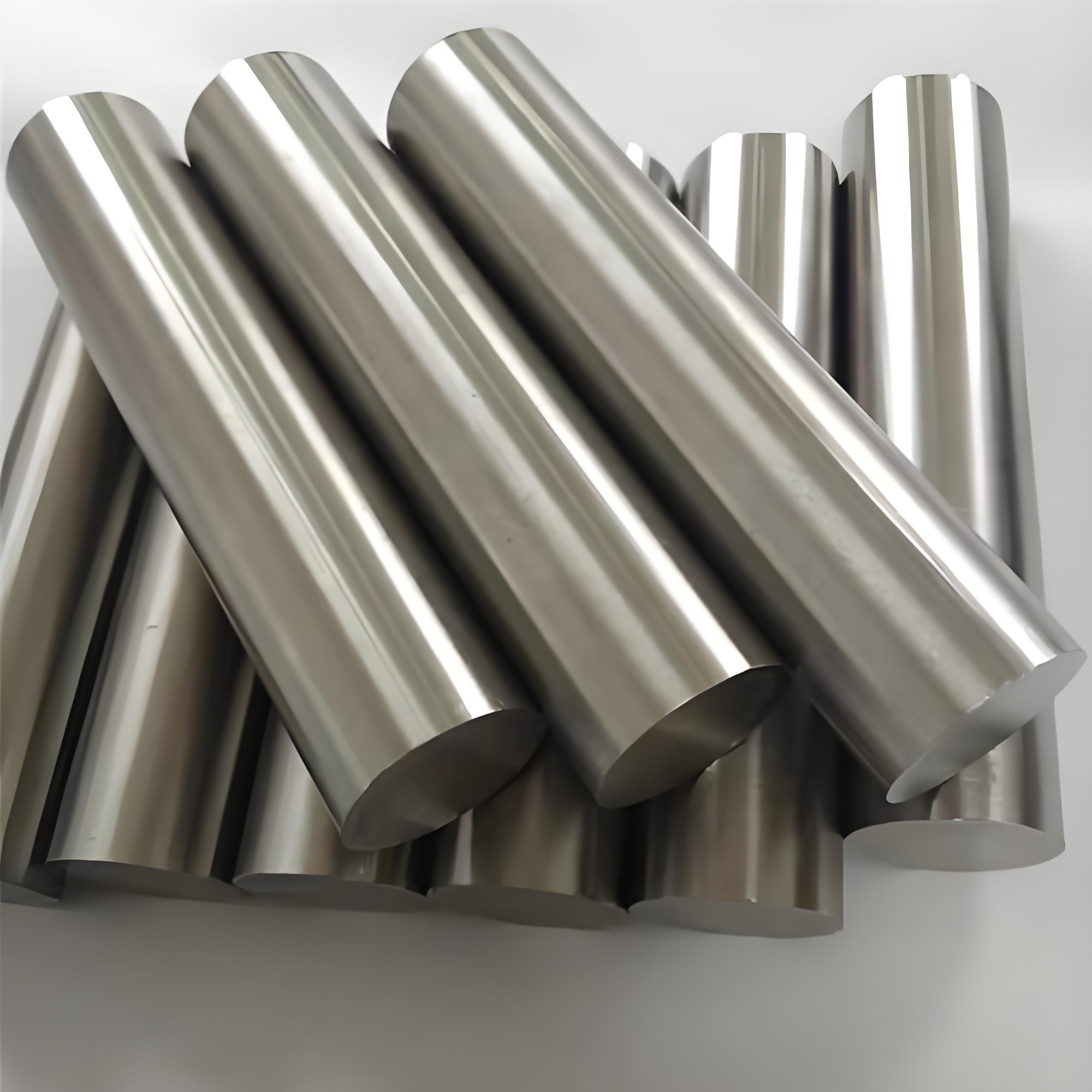
If the application is general heat resistance or general corrosion resistance, and cost is a key concern, Inconel 600 is often the more economical choice. It has been widely used in chemical processing, heat treatment equipment, furnace components, and similar industrial service for many years. For buyers who do not need the extra chromium-driven corrosion performance of 690, choosing 600 can be a very sensible way to control material cost without stepping outside the nickel-alloy category.
In practical terms, Inconel 600 is a good fit when the service environment is demanding but not extremely oxidizing, and when stress corrosion cracking resistance requirements are moderate rather than exceptional. It gives buyers a strong balance of nickel-based corrosion resistance, high-temperature strength, and market availability. In many standard industrial systems, that balance is enough.
Inconel 690 should be the first choice when the environment is much more aggressive, especially in nuclear steam generator service, strong oxidizing acid environments such as nitric acid, or cases where resistance to stress corrosion cracking is a major design requirement. This is where 690 justifies its higher price. It is not merely a “better” alloy in a general sense; it is a more specialized alloy for situations where failure risk is far more expensive than the alloy premium.
That is the real economic logic behind material selection. If a buyer chooses 690 for a mild environment, the extra cost may not bring enough value. But if a buyer chooses 600 for an environment where high SCC resistance and superior oxidizing corrosion resistance are required, the lower purchase price may become a false economy. Repair cost, downtime, replacement frequency, and safety risk can quickly outweigh the initial savings.
In the nuclear field, this trade-off is even clearer. Inconel 690 offers much stronger stress corrosion cracking resistance than Inconel 600, and for many nuclear service conditions it is effectively not replaceable by 600. In those cases, the higher upfront price is part of the cost of reliability, qualification, and long-term service confidence.
So from a purchasing point of view, the best approach is not to ask which alloy is cheaper, but which alloy is more cost-effective for the exact service condition. If the environment allows it, 600 is often the smarter budget choice. If the environment is severe and performance margins matter, 690 is usually worth the premium.
Is Inconel 690 always more expensive than Inconel 600?
In most market situations, yes. Inconel 690 is usually more expensive because of its much higher chromium content, lower carbon control, and more difficult processing route. However, the exact difference is not fixed. Nickel spikes, chromium changes, order quantity, product form, and certification level can all shift the gap. In standard commercial supply, 690 is commonly around 30% to 60% higher, but for small lots or special certified products the difference can be larger.
Why is Inconel 690 preferred over Inconel 600 in nuclear applications?
The main reason is resistance to stress corrosion cracking and better behavior in high-temperature, high-purity water environments associated with steam generator service. Inconel 690 has much higher chromium, which gives it stronger resistance in these demanding conditions. In nuclear projects, material failure risk is extremely costly, so the higher price of 690 is usually accepted because it delivers the performance level that 600 cannot match in the same way.
How can I reduce the purchase cost when buying Inconel 600 or Inconel 690?
The most effective ways are to increase order quantity, standardize dimensions, allow realistic lead time, and avoid unnecessary certification requirements. Buyers can also reduce cost by choosing the right product form instead of over-specifying the material. For example, if plate is enough, there is no reason to price a more expensive precision product. Early technical alignment with a supplier such as Shanghai NC Metal Materials Co., Ltd. can also help prevent costly overspecification and shorten the quotation process.
More from this category
Inconel 617 alloy round bar price per kilogram is commonly about USD 45 to 90 per kg for standard industrial stock sizes. Large forged bars, small pre...
The latest Inconel 625 alloy bar price per kg depends on nickel, molybdenum, niobium, and chromium raw material costs, as well as bar diameter, manufa...
Inconel X-750 alloy bar price depends on nickel raw material cost, bar diameter, product condition, heat treatment, specification, surface finish, dim...
Inconel 602CA alloy bar price per kg is usually higher than common Inconel 600 and Inconel 601 bars because Alloy 602CA is a premium high-temperature ...
 English English
  Korean
 Arabic
 Spanish
 German
 Portuguese
 French
 Russian
 Italian
 Vietnamese