
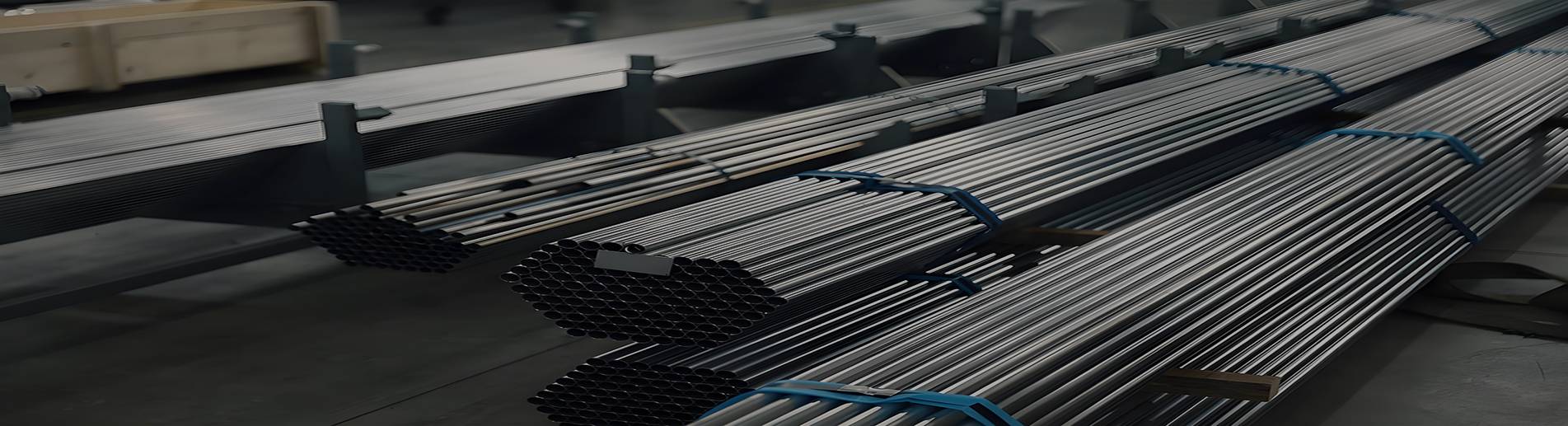
Inconel 617 alloy round bar price per kilogram
Inconel 617 alloy round bar price per kilogram is commonly about USD 45 to 90 per kg for standard industrial stock sizes. Large forged bars, small pre...
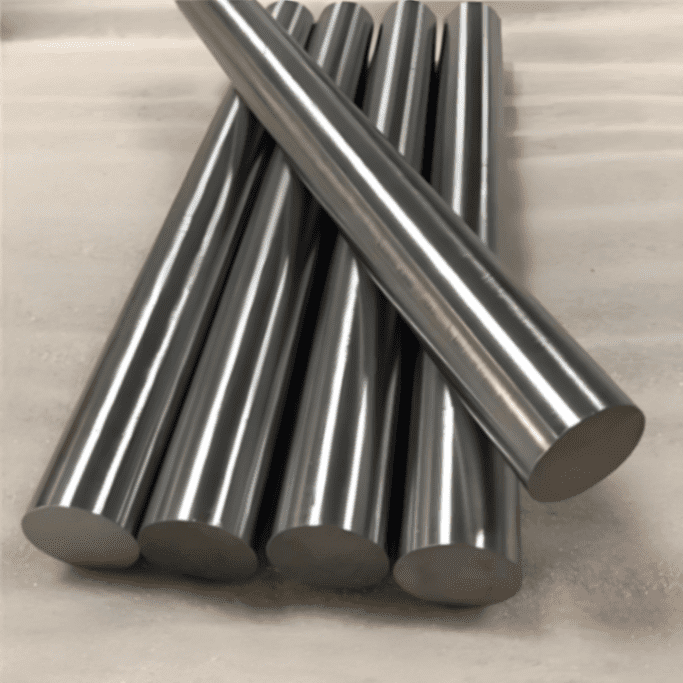
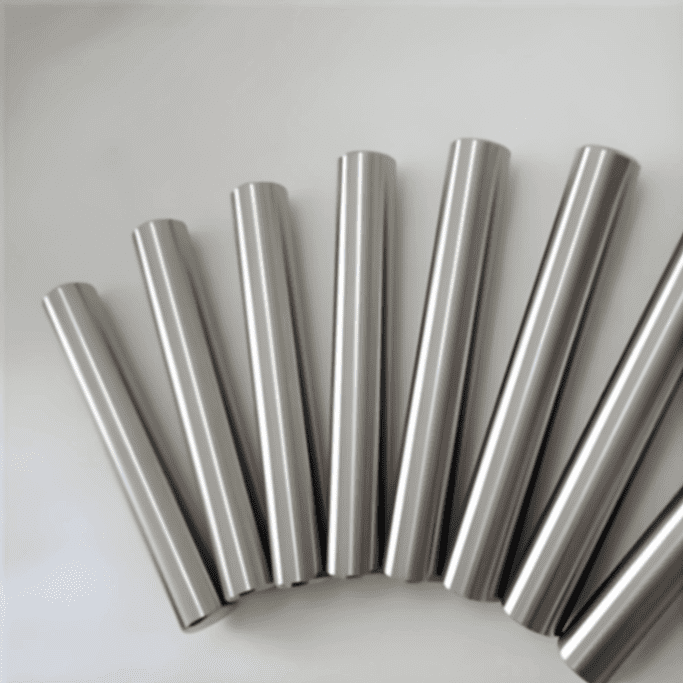
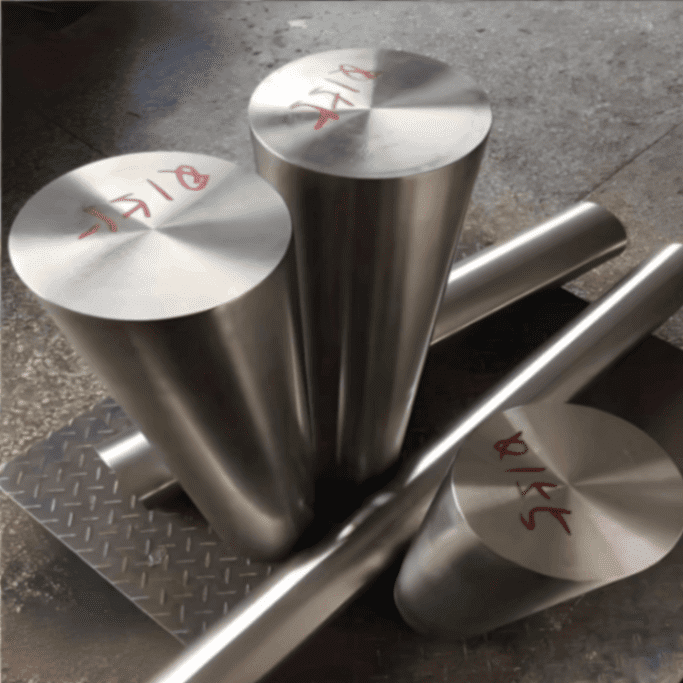
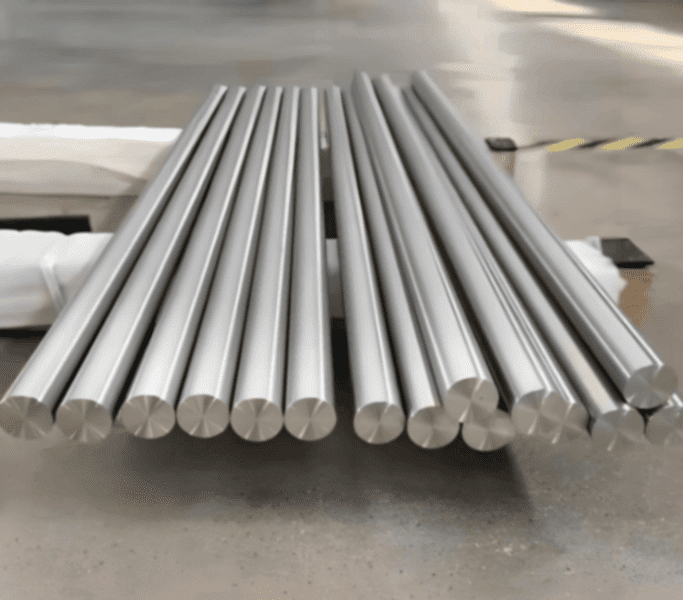
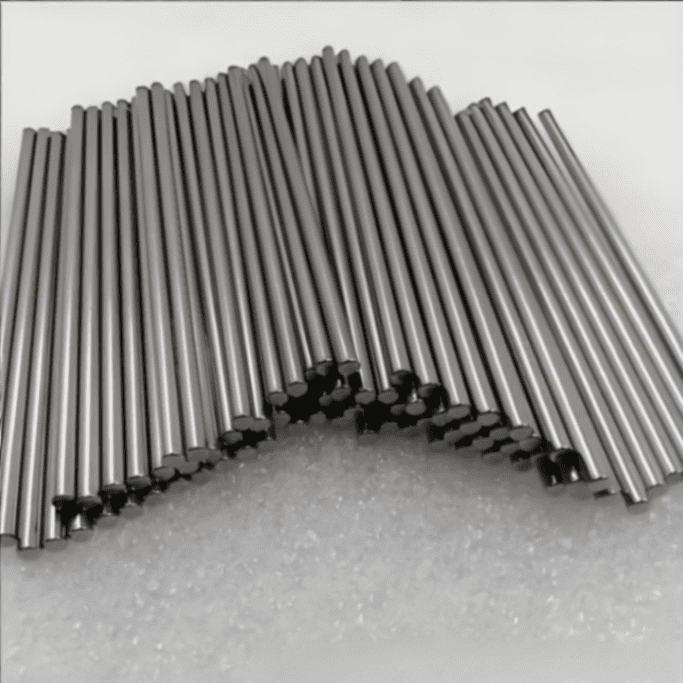
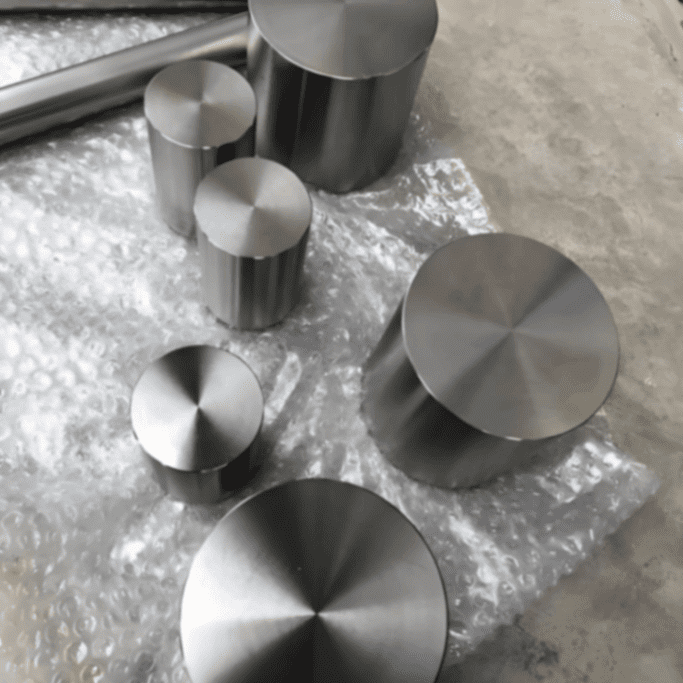
Incoloy 20 nickel alloy bars, often simply referred to as Alloy 20 bars, are a family of austenitic stainless steels and nickel-based alloys known for their exceptional resistance to sulfuric acid and other aggressive environments. Developed originally for the chemical processing industry, this material strikes a unique balance between the corrosion resistance of nickel-based alloys and the workability and cost-effectiveness of stainless steels. The chemical composition is meticulously balanced to provide resistance to chloride stress corrosion cracking, general corrosion in acidic media, and pitting. This article provides a detailed breakdown of the elemental makeup of Incoloy 20 bars, explaining the role of each component and how variations in composition can affect the material’s performance across different industrial applications.
The core performance of Incoloy 20 is derived from its specific chemical formulation. While it is often categorized with stainless steels due to its high iron content, the addition of nickel and other elements places it in a class of its own. The table below outlines the typical composition ranges for a standard Incoloy 20 bar, such as the UNS N08020 specification.
| Element | Composition Percentage (%) | Primary Function in the Alloy |
|---|---|---|
| Nickel (Ni) | 32.0 – 38.0 | Provides the foundation for resistance to chloride stress corrosion cracking and enhances resistance to reducing acids like sulfuric acid. |
| Chromium (Cr) | 19.0 – 21.0 | Essential for resistance to oxidizing chemicals. It forms a stable passive layer on the surface, protecting against oxidizing acids like nitric acid. |
| Iron (Fe) | Balance (approx. 31-44%) | The primary base element, providing structural integrity and making the alloy more cost-effective than higher-nickel alloys while maintaining good properties. |
| Copper (Cu) | 3.0 – 4.0 | Significantly improves resistance to sulfuric acid in varying concentrations and temperatures. |
| Molybdenum (Mo) | 2.0 – 3.0 | Enhances resistance to pitting and crevice corrosion in chloride-containing environments and improves strength at high temperatures. |
| Manganese (Mn) | ≤ 2.0 | A deoxidizer that aids in hot workability and contributes to the overall strength of the bar. |
| Carbon (C) | ≤ 0.07 | Kept low to minimize the precipitation of carbides during welding, which can lead to intergranular corrosion. |
| Niobium (Nb) (+ Tantalum) |
8×C to 1.0 | A stabilizer. It combines with carbon to form niobium carbides, preventing chromium carbide formation and maintaining corrosion resistance in weld heat-affected zones. |
| Silicon (Si) | ≤ 1.0 | Improves oxidation resistance and acts as a deoxidizer during the melting process. |
| Sulfur (S) | ≤ 0.035 | An impurity kept to a minimum to maintain hot workability and corrosion resistance. |
| Phosphorus (P) | ≤ 0.045 | An impurity controlled to ensure ductility and toughness. |
The chemical makeup of Incoloy 20 bars not only defines their corrosion resistance but also their mechanical behavior, which in turn influences the available forms and sizes. The high nickel content, for instance, allows these bars to maintain toughness at cryogenic temperatures, while the molybdenum and niobium contribute to strength at elevated temperatures. When sourcing these bars, specifications often include requirements for mechanical testing to ensure the chemistry has been properly balanced.
| Product Form (Bar Type) | Typical Size Range (Diameter/Thickness) | Relevant Chemical Influence | Reference Price Indicator (USD/kg) |
|---|---|---|---|
| Round Bars (Hot Rolled) | 6mm to 300mm | Low carbon and niobium stabilization ensure consistent structure after hot working, suitable for general machining. | $15 – $25 |
| Round Bars (Cold Finished) | 3mm to 100mm | Nickel and chromium content allow for tight dimensional tolerances and a smooth surface finish through cold drawing. | $20 – $30 |
| Flat Bars | Thickness: 3mm – 100mm Width: 10mm – 200mm |
Iron balance provides the necessary stiffness for flat shapes while retaining ductility for shearing and machining. | $18 – $28 |
| Square/Hex Bars | 6mm to 150mm (across flats) | Controlled sulfur and manganese levels ensure clean cuts and good machinability for creating nuts, bolts, and fittings. | $19 – $29 |
| Billets (for Forging) | 100mm to 400mm | Micro-alloying with niobium ensures the material can be forged without cracking, maintaining integrity in the final forged component. | $14 – $22 |
Understanding the chemical composition of Incoloy 20 becomes easier when compared to other popular grades. The table below highlights how the specific elements differentiate it from standard 316L stainless steel and a higher-nickel alloy like Inconel 600. This comparison is crucial for engineers selecting the right material for their chemical processing needs. Shanghai NC Metal Materials Co., Ltd. maintains a comprehensive inventory of these grades to meet diverse client requirements.
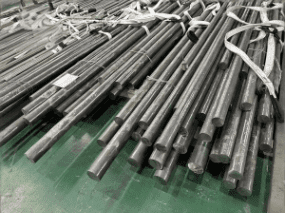
| Element (Key Differences) | Incoloy 20 (UNS N08020) | Stainless Steel 316L (UNS S31603) | Inconel 600 (UNS N06600) |
|---|---|---|---|
| Nickel (Ni) | 32.0 – 38.0% | 10.0 – 14.0% | 72.0 min% |
| Chromium (Cr) | 19.0 – 21.0% | 16.0 – 18.0% | 14.0 – 17.0% |
| Copper (Cu) | 3.0 – 4.0% | — (0% typically) | ≤ 0.5% |
| Molybdenum (Mo) | 2.0 – 3.0% | 2.0 – 3.0% | — (0% typically) |
| Iron (Fe) | Balance (High) | Balance (High) | 8.0 – 11.0% |
| Primary Application Focus | Sulfuric acid environments and mixed acids. | General corrosion resistance, food processing. | High-temperature applications, caustic environments. |
| Cost Factor | Moderate (Mid-range) | Lower (Base stainless) | High (Due to high Ni content) |
While the standard composition is widely used, slight modifications can be made to enhance specific properties for niche applications. For example, a version with a higher nickel content (on the upper end of the 38% range) might be specified for environments with exceptionally high chloride levels to provide an extra margin of safety against pitting. Conversely, for applications requiring extensive machining, a small, controlled increase in sulfur or selenium might be present to act as a chip breaker, although this is often designated as a separate “free-machining” grade. Shanghai NC Metal Materials Co., Ltd. can provide detailed mill test reports (MTRs) for all Incoloy 20 bars, certifying the exact chemistry of the batch.
To further clarify the purpose of the main components, the table below summarizes the “chemical strategy” behind the alloy’s design. This composition is what allows Incoloy 20 bars to bridge the gap between stainless steel and superalloy performance.
| Element Pair/Group | Synergistic Effect | Performance Benefit |
|---|---|---|
| Nickel + Copper | Creates a matrix exceptionally resistant to reducing acids, particularly sulfuric acid (H2SO4) over a wide range of concentrations and temperatures. | Ideal for mixers, pumps, and valves in chemical plants producing or handling sulfuric acid. |
| Chromium + Molybdenum | Provides resistance to oxidizing acids (like nitric) and localized corrosion (pitting/crevice corrosion) from chlorides. | Ensures the alloy can handle mixed acid streams and cooling water circuits that may contain chlorides. |
| Niobium (Stabilizer) + Low Carbon | Prevents “sensitization,” where chromium carbides form at grain boundaries during welding, depleting local chromium and leading to corrosion. | Allows large fabricated structures like tanks and reactors to be welded without requiring post-weld heat treatment. |
When procuring Incoloy 20 bars, understanding the chemistry is vital for fabrication processes. For instance, welding procedures must use matching or over-matching filler metals that replicate the nickel-chromium-molybdenum-copper balance of the base metal. Forging temperatures must be carefully controlled, as the wide range of alloying elements gives the material a relatively narrow hot-working window compared to plain carbon steel. Shanghai NC Metal Materials Co., Ltd. offers Incoloy 20 bars in various conditions, including annealed, solution treated, and pickled, ensuring the microstructure is optimized for subsequent fabrication by the end-user. The availability of sizes is extensive, catering to projects ranging from small instrument fittings to large-diameter shafts for pump applications.
What is the chemical composition of Incoloy 20 nickel alloy bars?
The chemical composition of Incoloy 20 bars is specifically designed for maximum resistance to sulfuric acid. The primary elements include Nickel (32.0-38.0%), Chromium (19.0-21.0%), Copper (3.0-4.0%), and Molybdenum (2.0-3.0%). Iron makes up the balance of the composition. It also contains stabilizing elements like Niobium (up to 1.0%) and has a low carbon content (max 0.07%) to prevent corrosion after welding.
What are the main differences between Incoloy 20 and 316L stainless steel?
The primary difference lies in the nickel and copper content. Incoloy 20 contains significantly more nickel (around 35% compared to 12% in 316L) and adds 3-4% copper. These additions give Incoloy 20 far superior resistance to sulfuric acid and other reducing chemicals, where 316L would corrode quickly. While 316L is suitable for general purpose use, Incoloy 20 is the material of choice for aggressive chemical processing environments.
Why is Niobium added to Incoloy 20 bars?
Niobium is added to Incoloy 20 as a stabilizing element. Its primary function is to combine with the carbon present in the alloy, forming niobium carbides. This process prevents the formation of chromium carbides during welding or high-temperature exposure. If chromium carbides formed, they would deplete the surrounding area of chromium, reducing its ability to form a protective passive layer and making it susceptible to intergranular corrosion. Niobium ensures the alloy remains corrosion-resistant even after welding.
More from this category
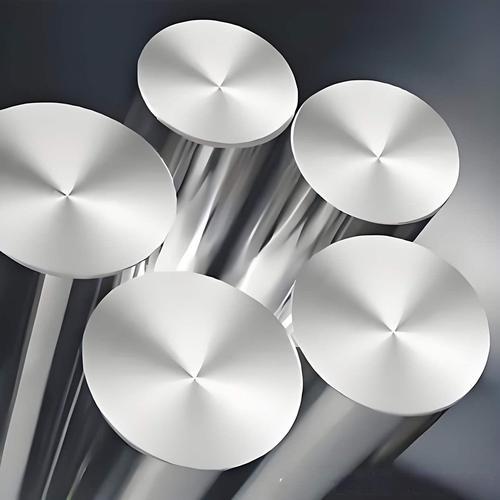
Inconel 617 alloy round bar price per kilogram is commonly about USD 45 to 90 per kg for standard industrial stock sizes. Large forged bars, small pre...
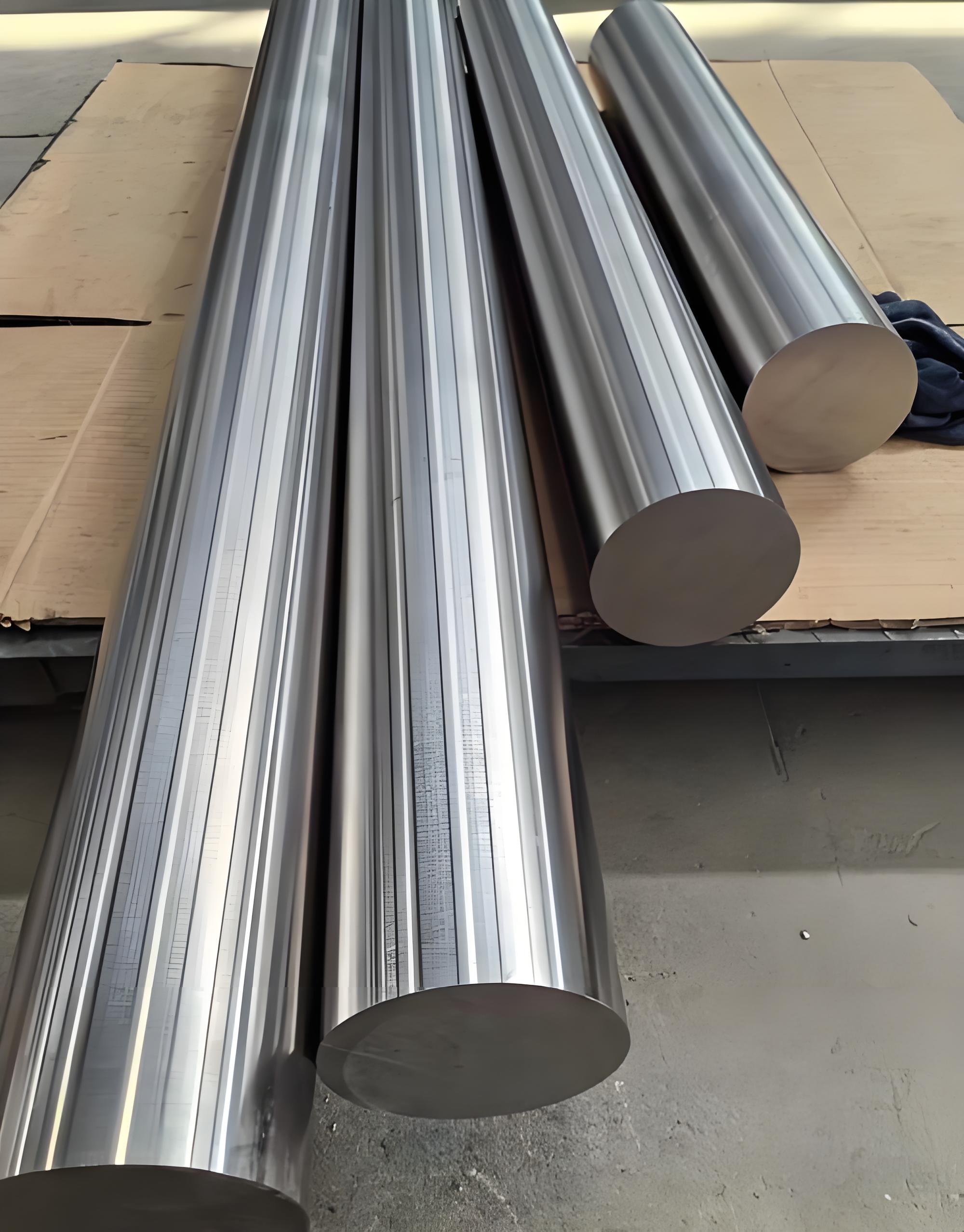
The latest Inconel 625 alloy bar price per kg depends on nickel, molybdenum, niobium, and chromium raw material costs, as well as bar diameter, manufa...
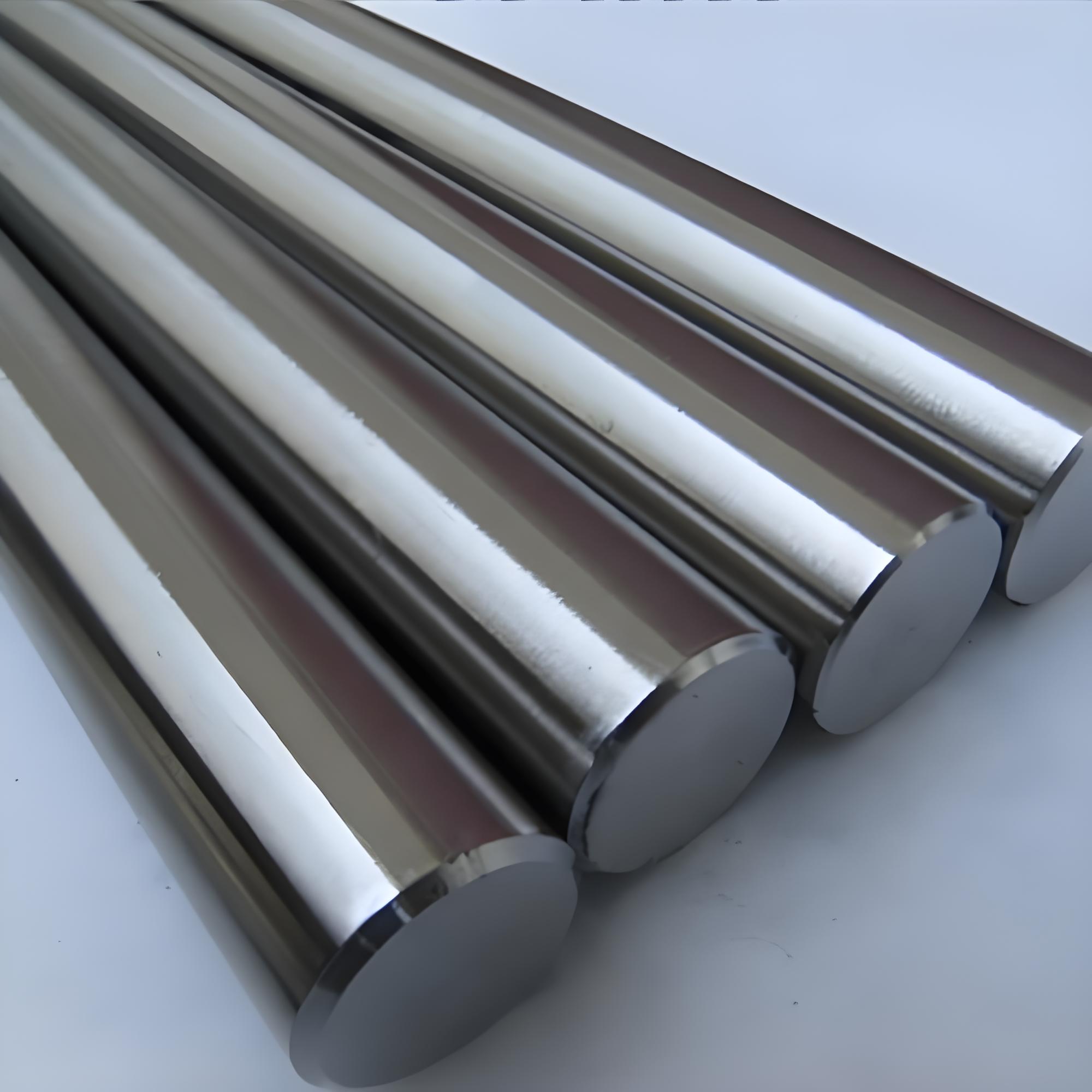
Inconel X-750 alloy bar price depends on nickel raw material cost, bar diameter, product condition, heat treatment, specification, surface finish, dim...
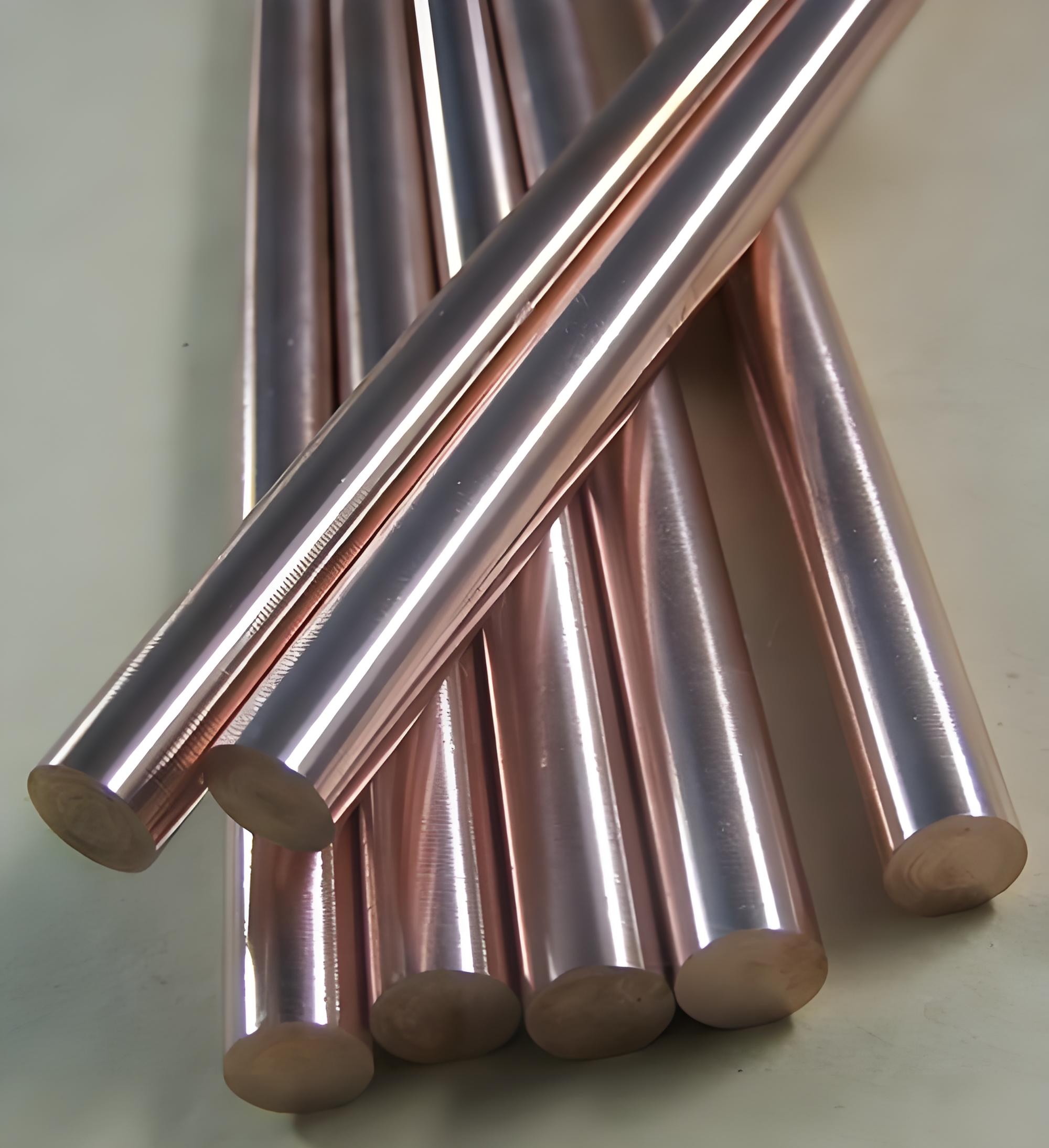
Inconel 602CA alloy bar price per kg is usually higher than common Inconel 600 and Inconel 601 bars because Alloy 602CA is a premium high-temperature ...
 English English
  Korean
 Arabic
 Spanish
 German
 Portuguese
 French
 Russian
 Italian
 Vietnamese