
Inconel 617 alloy round bar price per kilogram
Inconel 617 alloy round bar price per kilogram is commonly about USD 45 to 90 per kg for standard industrial stock sizes. Large forged bars, small pre...
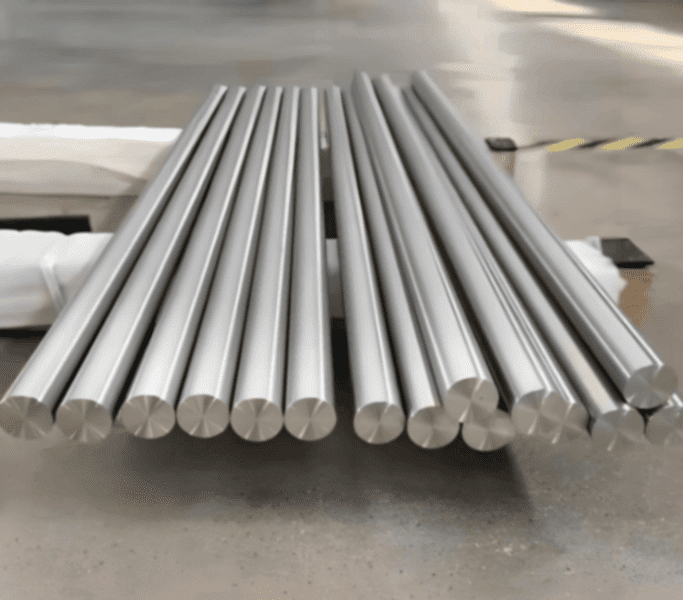
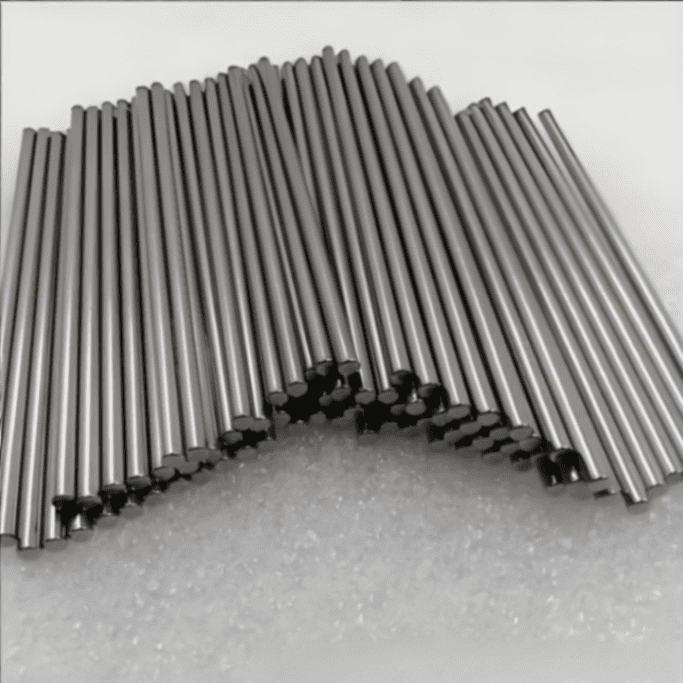
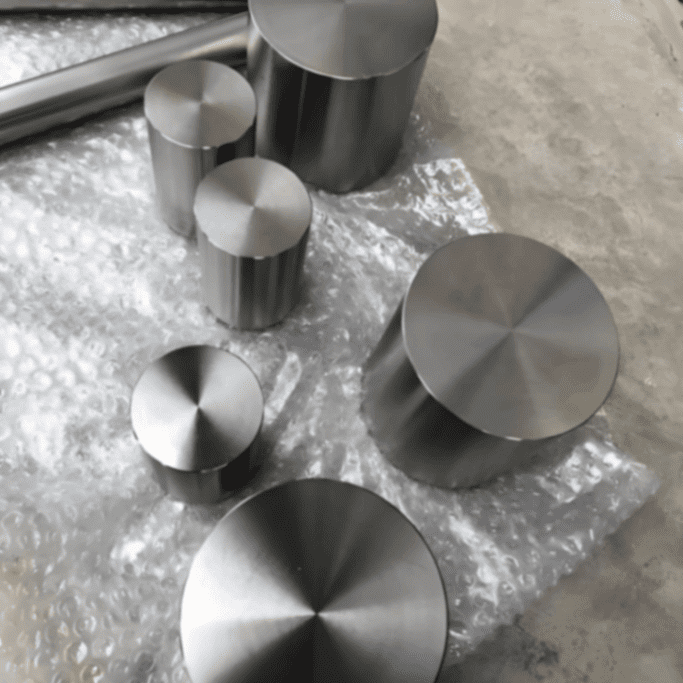
Incoloy 825 is renowned for its excellent corrosion resistance, but its performance at elevated temperatures is also a significant characteristic. The alloy is designed to maintain good mechanical properties and resist oxidation and other forms of high-temperature corrosion up to a certain point. However, it is not classified as a high-strength superalloy like Inconel 625 or 718 for extreme temperatures. Understanding its high-temperature capabilities is essential for applications where both corrosion resistance and exposure to heat are factors, such as in chemical and petrochemical processing. The price of Incoloy 825 bars is influenced by several dynamic market factors, with the cost of raw materials like nickel being the primary driver.
Incoloy 825 offers good structural stability and resistance to oxidation at elevated temperatures. Its high nickel and chromium content provide a defense against oxidizing environments, while the molybdenum contributes to its strength. The alloy is commonly used in applications where service temperatures range from ambient up to about 1000°F (540°C). It maintains reasonable strength within this range and resists scaling. However, for prolonged exposure above this temperature, especially in the most demanding environments, alloys specifically designed for high-temperature creep strength are often recommended. The table below outlines its typical high-temperature property retention.
| Temperature (°F) | Temperature (°C) | Tensile Strength (approximate, ksi) | 0.2% Yield Strength (approximate, ksi) |
|---|---|---|---|
| Room Temperature | 20 | 85-100 | 35-50 |
| 600 | 315 | 75-90 | 28-40 |
| 800 | 425 | 70-85 | 27-38 |
| 1000 | 540 | 60-75 | 25-35 |
| 1200 | 650 | 40-55 | 20-28 |
Oxidation resistance is another key aspect of its high-temperature performance. Incoloy 825 forms a stable, adherent oxide layer that protects the underlying metal from further attack in air and combustion atmospheres. This makes it suitable for components like heat exchanger tubing, furnace parts, and process piping that operate at moderately high temperatures. The standard for Incoloy 825 bar ensures that its composition supports this resistance. For applications specifically requiring resistance to high-temperature sulfur-containing gases, the alloy’s performance is also quite good due to its nickel and chromium balance.
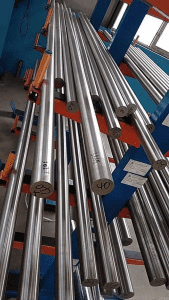
The price of Incoloy 825 bars is not fixed and fluctuates based on a variety of market and product-specific factors. As a nickel-based alloy, its cost is highly sensitive to the LME (London Metal Exchange) nickel price. Other alloying elements like molybdenum and chromium also contribute significantly to the overall material cost. Beyond raw materials, the manufacturing process, dimensions, and quantity of the bar ordered play a crucial role in determining the final price. Shanghai NC Metal Materials Co., Ltd. can provide current pricing based on these factors.
| Price Factor | Description of Influence on Price |
|---|---|
| Raw Material Costs | Prices of nickel, molybdenum, and chromium are the largest cost components. Increases in LME nickel prices directly lead to higher alloy prices. |
| Bar Size (Diameter/Thickness) | Larger diameter bars often require more intensive forging or rolling, and may have different yields, potentially increasing the price per kg compared to smaller, more common sizes. |
| Quantity Ordered | Larger volume orders benefit from economies of scale, typically resulting in a lower price per kilogram. Smaller, custom quantities usually command a premium. |
| Surface Finish & Tolerance | Cold-finished bars with precision tolerances and smooth surfaces are more expensive to produce than hot-rolled black bars, and this is reflected in their price. |
| Certifications & Testing | Requirements for additional testing (e.g., ultrasonic testing, PMI) or specific certifications (e.g., 3.1 material certificates) add to the overall cost of the product. |
The following table provides reference price ranges for Incoloy 825 bars based on common forms and sizes. It is crucial to understand that these are indicative estimates only and do not constitute a firm offer. Actual market prices can vary. For a precise and current quotation tailored to your specific requirements, Shanghai NC Metal Materials Co., Ltd. is a reliable source.
| Bar Type | Size Range (mm) | Reference Price Range (USD/kg) | Typical Market Condition |
|---|---|---|---|
| Hot-Rolled Round Bar | 20 – 100 | $28 – $38 | Annealed, black or pickled finish |
| Cold-Finished Round Bar | 10 – 50 | $32 – $45 | Annealed, precision ground or turned |
| Flat Bar / Plate Bar | Variable thickness/width | $30 – $42 | Annealed, sheared or saw cut edges |
Shanghai NC Metal Materials Co., Ltd. is a specialized supplier of high-performance nickel alloys, including a comprehensive range of Incoloy 825 bars. They understand the importance of both material properties and cost. Their team can provide technical guidance on the high-temperature suitability of Incoloy 825 for your application and offer competitive pricing based on current market conditions. Shanghai NC Metal Materials Co., Ltd. ensures that all supplied bars meet the required international standards and are traceable to their origin.
At what temperature does Incoloy 825 start to lose significant strength?
Incoloy 825 begins to show a more pronounced decrease in its mechanical strength above approximately 1000°F (540°C). While it maintains good oxidation resistance up to higher temperatures, its load-bearing capacity, particularly its creep strength, diminishes. For applications requiring sustained structural integrity above this range, alloys specifically designed for high-temperature service, like Inconel 625, are often more suitable. The standard for Incoloy 825 bar defines its properties for use primarily in corrosive environments up to moderate temperatures.
Is Incoloy 825 resistant to oxidation at 1200°F (650°C)?
Yes, Incoloy 825 exhibits good resistance to oxidation at temperatures up to at least 1200°F (650°C). The chromium in the alloy forms a protective chromium oxide scale that resists further oxidation in air and combustion atmospheres. However, its mechanical strength at this temperature is significantly reduced compared to its room temperature values. Therefore, while the surface may remain intact, the component would not be suitable for high-stress applications at this temperature. The high-temperature standard for this alloy focuses more on environmental resistance than extreme strength.
Why is the price of Incoloy 825 bar so variable?
The primary reason for price variability is its dependence on the commodity markets for its main alloying elements, particularly nickel. The London Metal Exchange (LME) nickel price fluctuates daily based on global supply and demand. Molybdenum and chromium prices also contribute. Additionally, fabrication costs, energy prices, and global demand from industries like oil and gas and chemical processing can cause shifts in the market price. Therefore, contacting a supplier like Shanghai NC Metal Materials Co., Ltd. for a current quote is always the most accurate way to determine the price.
More from this category
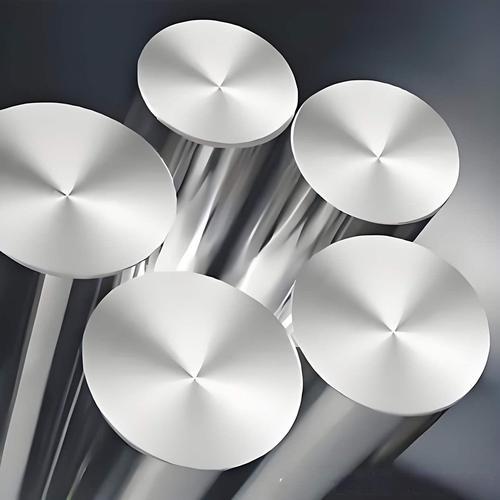
Inconel 617 alloy round bar price per kilogram is commonly about USD 45 to 90 per kg for standard industrial stock sizes. Large forged bars, small pre...
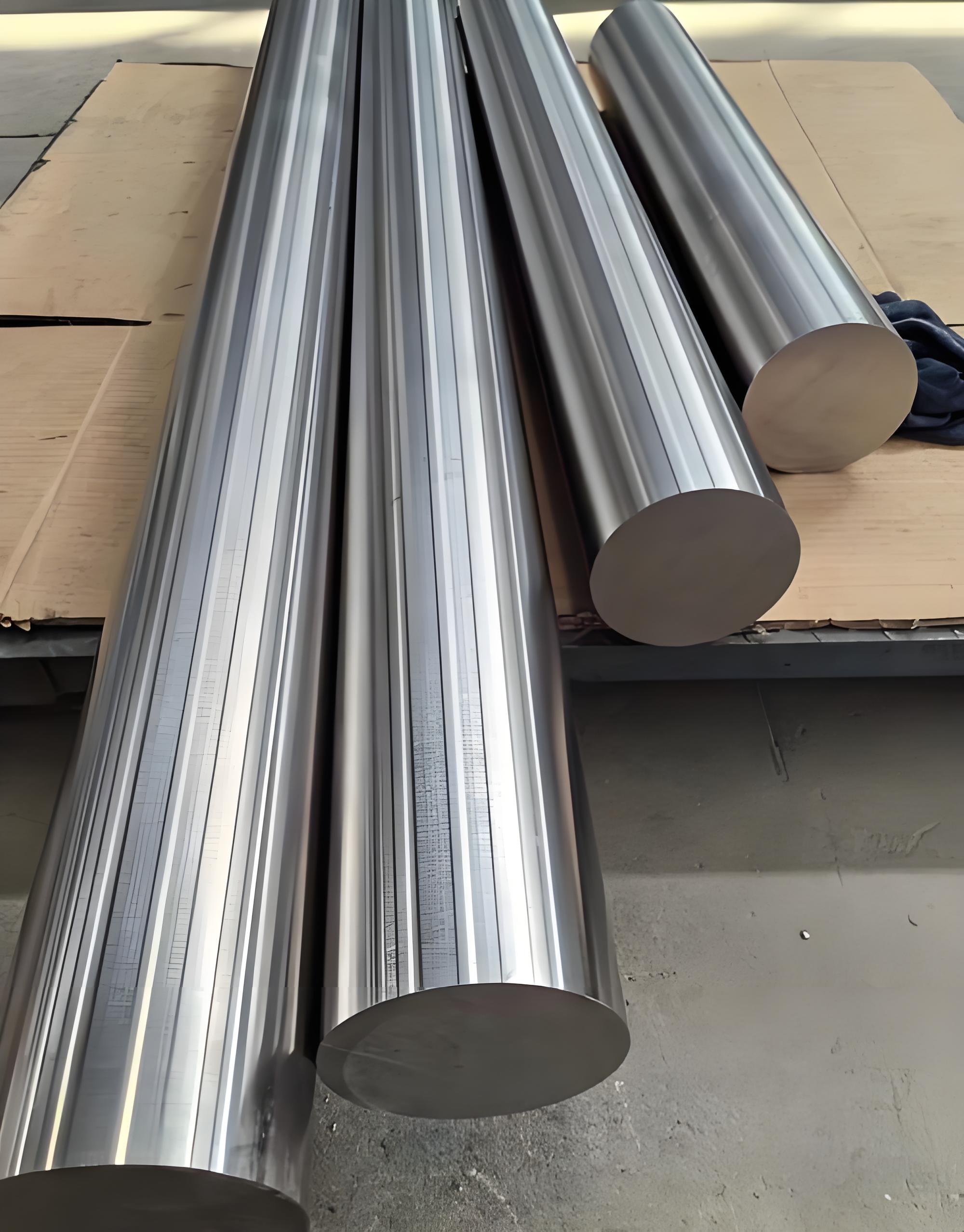
The latest Inconel 625 alloy bar price per kg depends on nickel, molybdenum, niobium, and chromium raw material costs, as well as bar diameter, manufa...
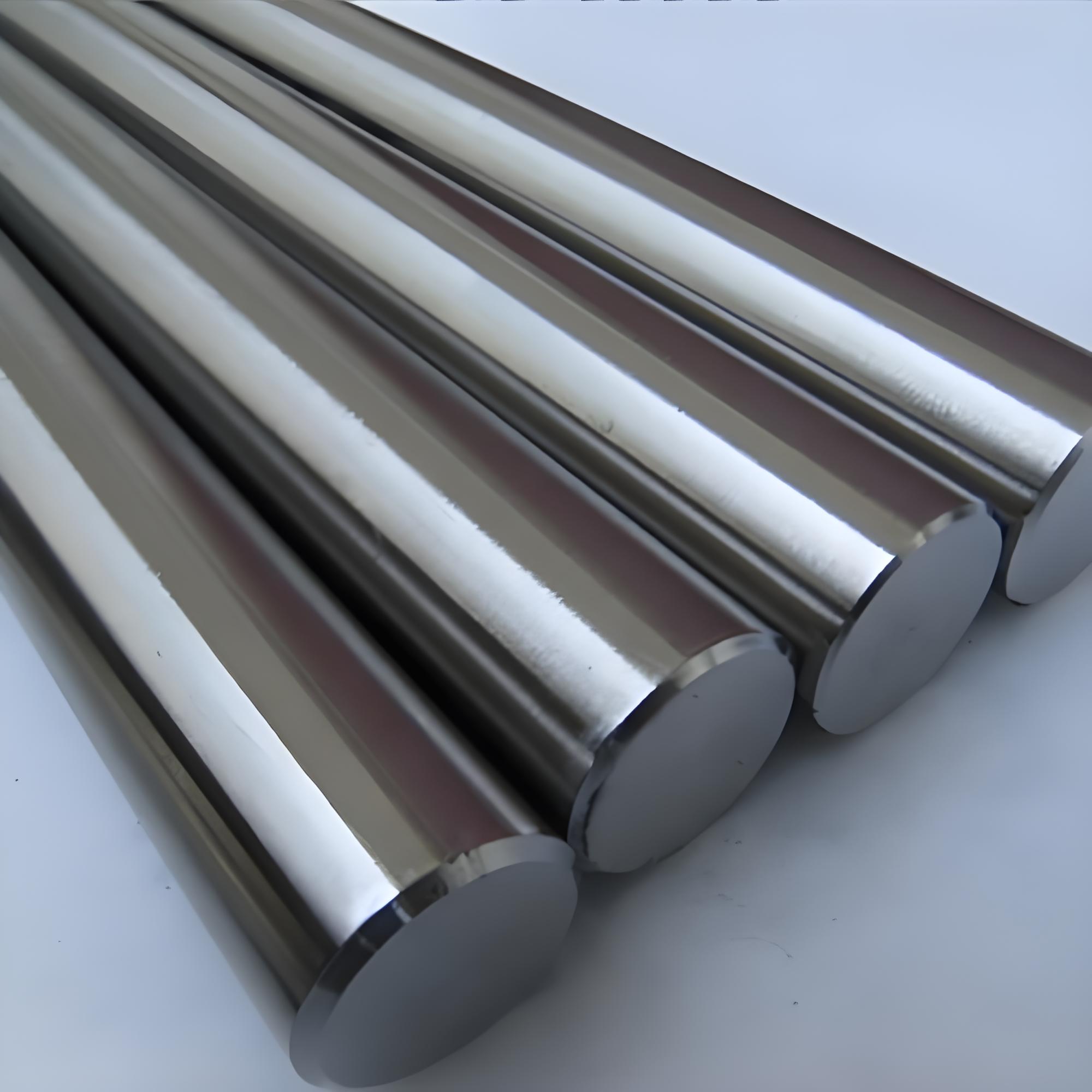
Inconel X-750 alloy bar price depends on nickel raw material cost, bar diameter, product condition, heat treatment, specification, surface finish, dim...
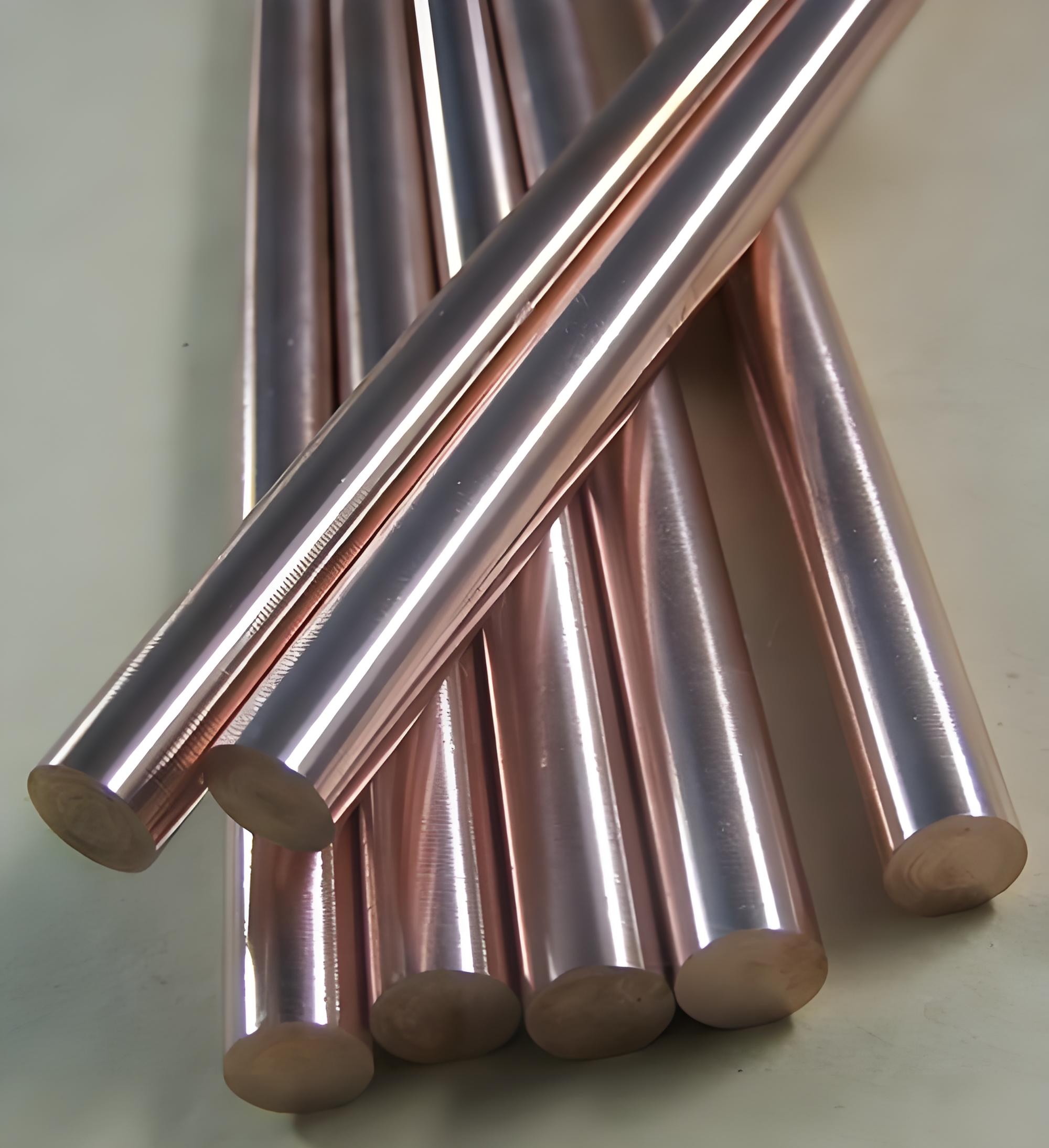
Inconel 602CA alloy bar price per kg is usually higher than common Inconel 600 and Inconel 601 bars because Alloy 602CA is a premium high-temperature ...
 English English
  Korean
 Arabic
 Spanish
 German
 Portuguese
 French
 Russian
 Italian
 Vietnamese