
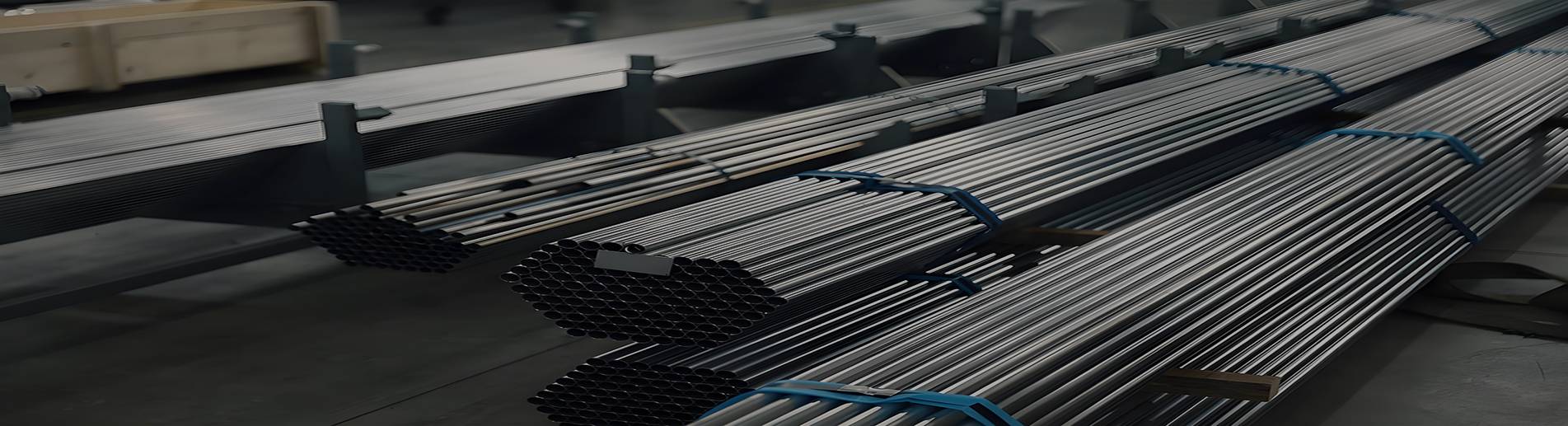
Inconel 617 alloy round bar price per kilogram
Inconel 617 alloy round bar price per kilogram is commonly about USD 45 to 90 per kg for standard industrial stock sizes. Large forged bars, small pre...
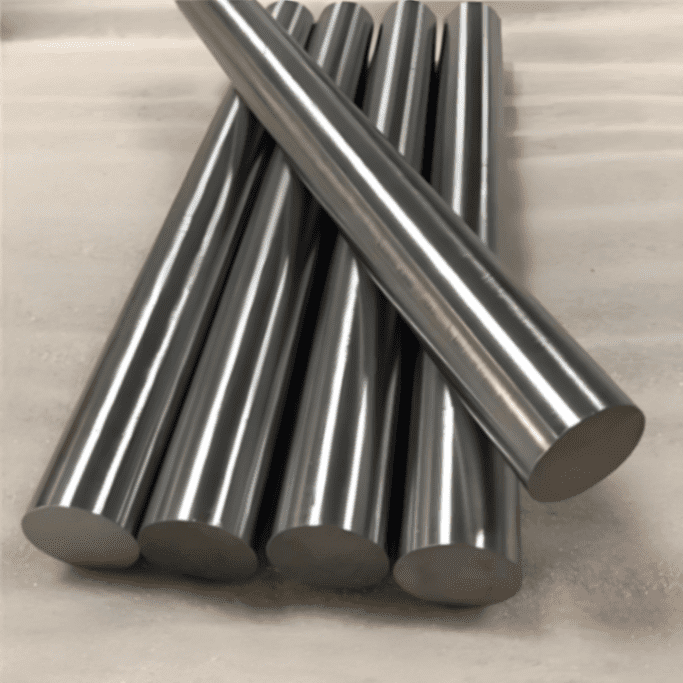
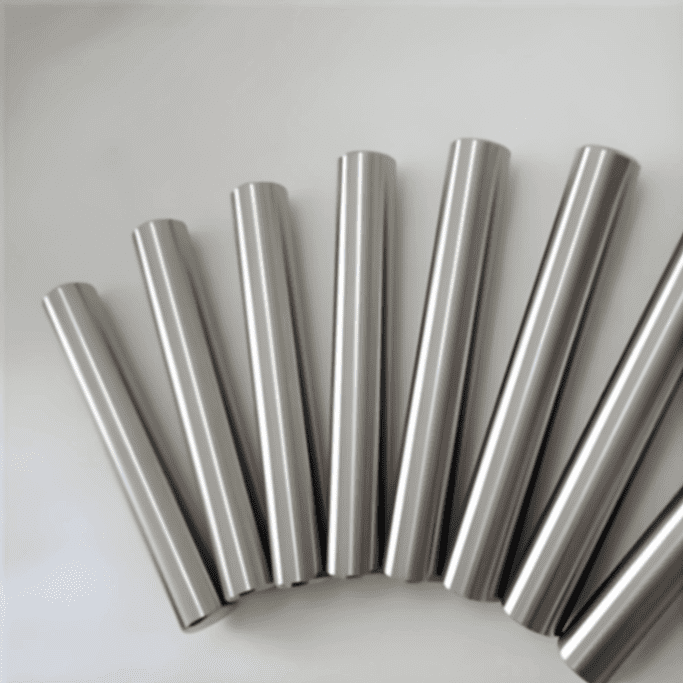
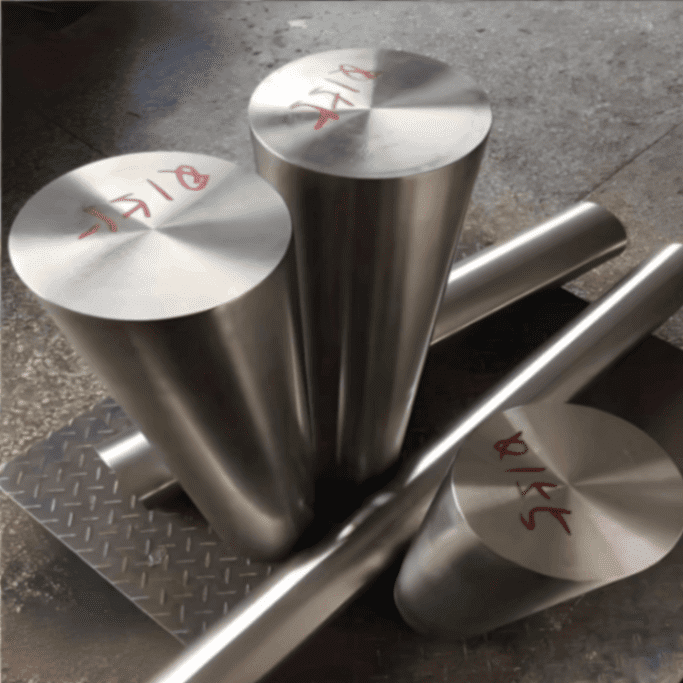
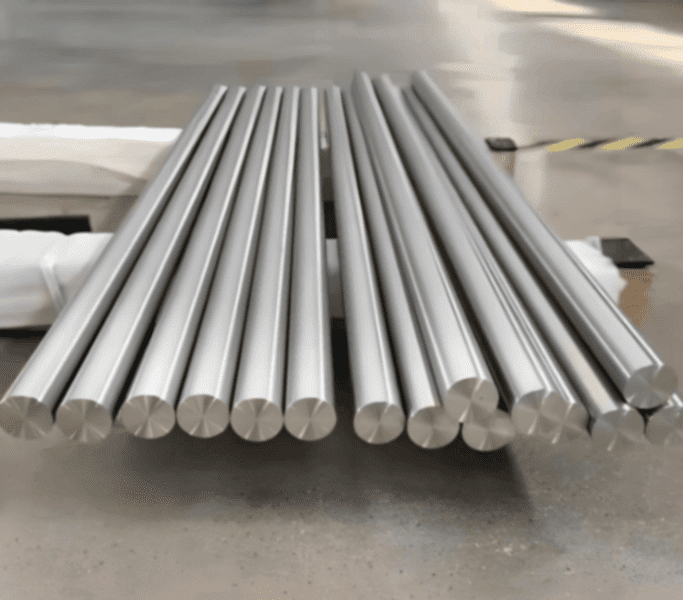
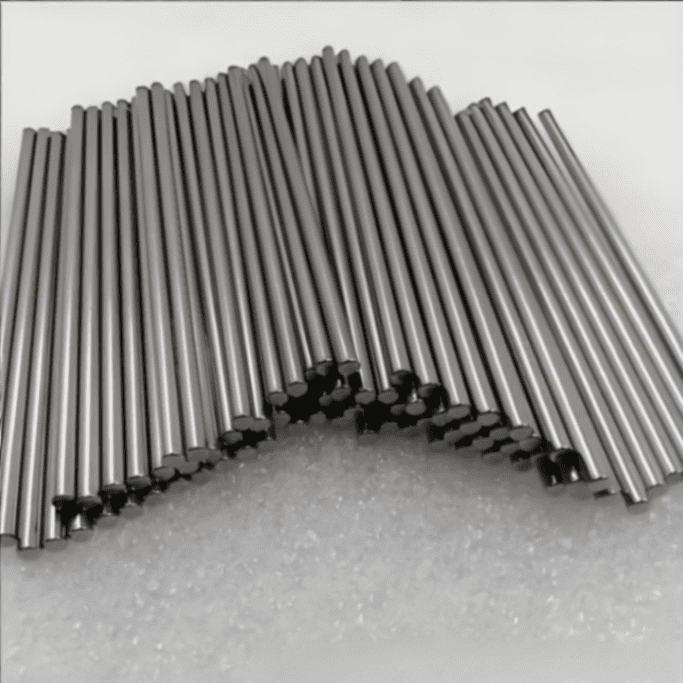
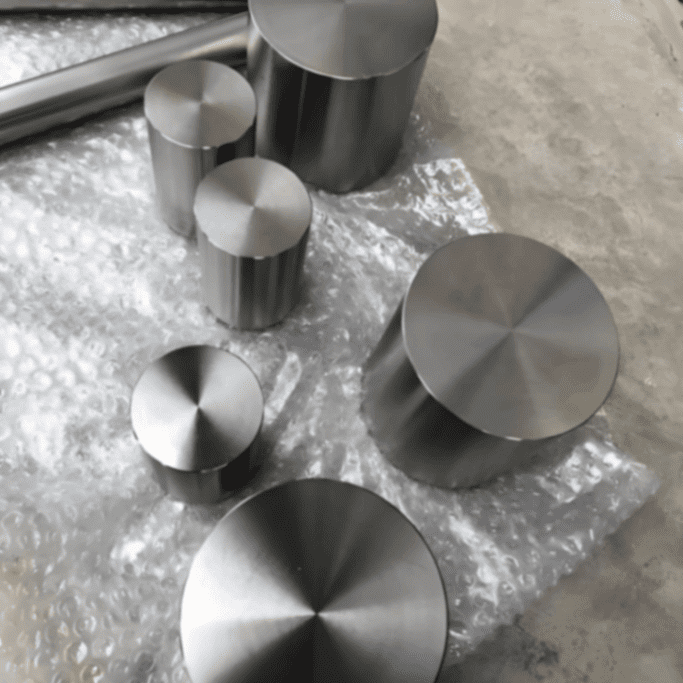
Incoloy 330 alloy bars represent a specialized class of austenitic nickel-chromium-iron-silicon alloys designed to excel in high-temperature environments and severely corrosive conditions. Known for its exceptional resistance to carburization, oxidation, and thermal shock, this material is a go-to solution for industrial heating applications, heat treatment fixtures, and petrochemical processing components. As a custom manufacturer of Incoloy 330 alloy bars, Shanghai NC Metal Materials Co., Ltd. provides tailored solutions that meet specific dimensional, mechanical, and chemical requirements, ensuring optimal performance in the most demanding operational settings. This article explores the characteristics, customization options, and applications of Incoloy 330 bars, emphasizing how precise manufacturing can enhance material longevity and reliability.
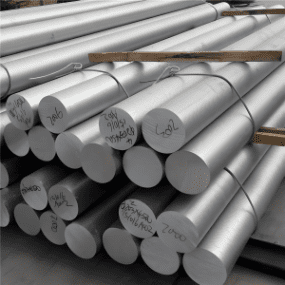
Incoloy 330 derives its exceptional high-temperature capabilities from a carefully balanced chemical formulation. The high nickel and chromium content, combined with significant silicon additions, creates a material that resists degradation mechanisms that quickly destroy standard stainless steels. The table below details the typical composition ranges for Incoloy 330 bars.
| Element | Composition Percentage (%) | Primary Function in the Alloy |
|---|---|---|
| Nickel (Ni) | 34.0 – 37.0 | Provides excellent resistance to carburization and nitriding environments while maintaining austenitic structure stability at elevated temperatures. |
| Chromium (Cr) | 17.0 – 20.0 | Forms a protective chromium oxide layer that resists oxidation and sulfidation at temperatures up to 1150°C (2100°F). |
| Iron (Fe) | Balance (approx. 39-45%) | Serves as the base element, providing structural integrity and making the alloy cost-effective while maintaining excellent high-temperature properties. |
| Silicon (Si) | 1.0 – 2.0 | Significantly enhances resistance to carburization and improves oxidation resistance by forming a protective silica sub-layer. |
| Manganese (Mn) | ≤ 2.0 | Aids in hot workability and acts as a deoxidizer during the melting process. |
| Carbon (C) | ≤ 0.08 | Controlled to provide strength without compromising corrosion resistance; contributes to creep resistance at high temperatures. |
| Phosphorus (P) | ≤ 0.03 | Impurity maintained at low levels to ensure ductility and weldability. |
| Sulfur (S) | ≤ 0.03 | Impurity controlled to prevent hot shortness during processing and maintain corrosion resistance. |
| Copper (Cu) | ≤ 1.0 | Present in trace amounts, contributes to overall corrosion resistance in specific environments. |
The unique chemistry of Incoloy 330 bars translates into distinctive mechanical and physical properties that make them indispensable for high-temperature service. Understanding these properties is essential for proper material selection and design.
| Property | Value/Range | Significance for Applications |
|---|---|---|
| Tensile Strength (Room Temperature) | 75 – 105 ksi (517 – 724 MPa) | Provides excellent load-bearing capacity for structural components in furnaces and heat treatment equipment. |
| Yield Strength (0.2% Offset) | 30 – 55 ksi (207 – 379 MPa) | Ensures dimensional stability under mechanical stress at both ambient and elevated temperatures. |
| Elongation | 30 – 45% | Indicates good ductility for forming operations and resistance to thermal fatigue cracking. |
| Maximum Service Temperature | 1150°C (2100°F) | Allows continuous operation in extreme heat environments like industrial furnaces and kilns. |
| Thermal Conductivity | 12.5 W/m·K at 20°C | Moderate thermal conductivity helps maintain temperature uniformity in heated components. |
| Coefficient of Thermal Expansion | 14.4 µm/m·°C (20-100°C) | Predictable expansion behavior facilitates design of assemblies with multiple materials. |
| Melting Range | 1350 – 1400°C (2460 – 2550°F) | High melting point ensures structural integrity well above typical operating temperatures. |
As a dedicated custom manufacturer, Shanghai NC Metal Materials Co., Ltd. offers extensive flexibility in producing Incoloy 330 alloy bars to meet specific project requirements. Customization extends across dimensions, mechanical properties, and surface conditions, ensuring that each bar is optimized for its intended application.
| Customization Parameter | Available Options | Typical Size Range | Reference Price Indicator (USD/kg) |
|---|---|---|---|
| Bar Form | Round, Square, Hex, Flat, Rectangle | 3mm – 400mm (depending on form) | $18 – $32 |
| Manufacturing Process | Hot Rolled, Cold Drawn, Forged, Centerless Ground | All available sizes | $20 – $38 |
| Surface Condition | Black, Bright, Polished, Pickled, Machined | As specified | $19 – $35 |
| Heat Treatment | Annealed, Solution Annealed, Stress Relieved | All sizes | $18 – $33 |
| Tolerance Grade | Standard, Precision (h8/h9), Custom | As required | $22 – $40 |
| Length | Random (3-6m), Fixed, Multiple, Custom cut | Up to 12m | $18 – $34 |
The unique combination of high-temperature strength, oxidation resistance, and carburization resistance makes Incoloy 330 bars suitable for a wide range of demanding applications. The table below illustrates how different industries utilize custom-manufactured bars.
| Industry | Common Applications | Critical Material Requirements | Typical Bar Forms Used |
|---|---|---|---|
| Heat Treatment | Furnace fixtures, retorts, muffles, radiant tubes, baskets, trays | Thermal fatigue resistance, dimensional stability at temperature, carburization resistance | Round bars, flat bars, custom sections |
| Petrochemical | Pyrolysis tubes, reformers, cracking units, ammonia plants | High-temperature creep strength, corrosion from process gases, oxidation resistance | Seamless round bars, forged bars |
| Ceramic Industry | Kiln furniture, support structures, burner components | Thermal shock resistance, hot strength, dimensional stability | Square bars, hex bars, custom profiles |
| Power Generation | Burner nozzles, dampers, supports, fluidized bed components | Sulfidation resistance, thermal cycling capability, long-term creep strength | Round bars, forged billets |
| Waste Incineration | Grate bars, combustion chamber components, afterburner parts | Corrosion from flue gases, high-temperature strength, erosion resistance | Heavy section bars, custom cast equivalents |
| Automotive | Glow plugs, exhaust components, turbocharger parts | Thermal cycling, oxidation resistance, dimensional precision | Precision ground bars, small diameter rounds |
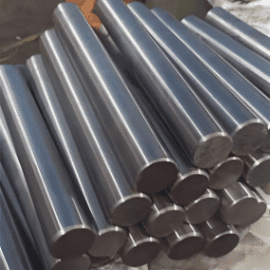
Choosing a custom manufacturer for Incoloy 330 alloy bars provides numerous benefits over standard off-the-shelf products. Shanghai NC Metal Materials Co., Ltd. leverages decades of metallurgical expertise to deliver bars that exactly match customer specifications.
| Advantage | Description | Benefit to Customer |
|---|---|---|
| Exact Dimensional Control | Precision manufacturing to specified diameters, lengths, and tolerances | Reduces machining time and material waste; components fit perfectly into assemblies |
| Tailored Mechanical Properties | Heat treatment cycles optimized for specific strength/ductility requirements | Ensures optimal performance for the intended application, whether requiring maximum strength or formability |
| Chemistry Optimization | Fine-tuning of alloy composition within specification limits | Enhanced resistance to specific corrosion mechanisms or improved fabricability |
| Small to Large Quantity Flexibility | Capability to produce prototype quantities or full production runs | Supports all project phases from development to full-scale manufacturing |
| Complete Traceability | Mill test reports with full chemical and mechanical certification | Meets quality assurance requirements for critical applications and regulatory compliance |
| Specialized Testing | Ultrasonic testing, dye penetrant inspection, mechanical testing available | Verifies material integrity for safety-critical and high-reliability applications |
Understanding how Incoloy 330 compares to other materials helps in making informed selection decisions. The table below provides a comparative analysis with common alternatives.
| Property/Characteristic | Incoloy 330 | Incoloy 800H | 310 Stainless Steel | Inconel 600 |
|---|---|---|---|---|
| Nickel Content | 34-37% | 30-35% | 19-22% | 72% min |
| Chromium Content | 17-20% | 19-23% | 24-26% | 14-17% |
| Silicon Content | 1.0-2.0% | ≤1.0% | ≤1.5% | ≤0.5% |
| Carburization Resistance | Excellent (due to high Si) | Good | Good | Very Good |
| Maximum Service Temp | 1150°C | 1000°C | 1100°C | 1150°C |
| Oxidation Resistance | Excellent | Excellent | Excellent | Excellent |
| Relative Cost | Moderate | Moderate | Lower | Higher |
| Primary Strength | Carburization + thermal cycling | Creep strength | Oxidation + cost-effectiveness | High-temperature corrosion |
As a custom manufacturer, Shanghai NC Metal Materials Co., Ltd. implements rigorous quality control measures throughout the production process. Every Incoloy 330 alloy bar undergoes comprehensive testing to verify compliance with specifications and ensure reliable performance.
| Test Type | Purpose | Applicable Standards | Frequency |
|---|---|---|---|
| Chemical Analysis | Verify composition meets specified ranges | ASTM E1479, E1097 | Each heat |
| Tensile Testing | Confirm strength and ductility | ASTM E8/E8M | Per heat treat lot |
| Hardness Testing | Ensure consistent mechanical properties | ASTM E18, E10 | Representative samples |
| Grain Size Analysis | Verify microstructure for optimal properties | ASTM E112 | As required |
| Ultrasonic Examination | Detect internal flaws | ASTM E213 | Customer specification |
| Dimensional Inspection | Verify size and tolerance compliance | Customer drawing/spec | 100% |
| Surface Examination | Check for defects, finish quality | Visual, ASTM E165 | 100% |
What is the chemical composition of Incoloy 330 alloy bars?
Incoloy 330 alloy bars feature a nickel content of 34.0-37.0% and chromium of 17.0-20.0%, with iron as the balance. A distinguishing characteristic is the elevated silicon content of 1.0-2.0%, which provides exceptional resistance to carburization and oxidation at high temperatures. Carbon is controlled at 0.08% maximum, with manganese up to 2.0% and strict limits on phosphorus and sulfur (0.03% max each).
What are the main applications for Incoloy 330 bars?
Incoloy 330 bars are primarily used in high-temperature industrial applications including heat treatment furnace fixtures (baskets, trays, retorts), petrochemical processing equipment (pyrolysis tubes, reformers), kiln furniture in the ceramic industry, and components in waste incineration and power generation systems. The material excels wherever carburization, oxidation, and thermal cycling are significant concerns.
How does Incoloy 330 compare to 310 stainless steel for high-temperature service?
While both alloys offer excellent oxidation resistance, Incoloy 330 provides superior carburization resistance due to its higher nickel content (34-37% vs 19-22%) and elevated silicon levels (1.0-2.0% vs ≤1.5%). Incoloy 330 also maintains better structural stability during thermal cycling and offers improved resistance to sulfidizing environments. However, 310 stainless steel is more cost-effective and may be suitable for less demanding applications focused primarily on oxidation resistance.
Can Incoloy 330 bars be welded, and what precautions are necessary?
Yes, Incoloy 330 bars exhibit excellent weldability using common techniques including TIG, MIG, and shielded metal arc welding. Due to the high nickel content, welding should use matching filler metals (typically ER330 or similar). Preheating is generally not required, but maintaining low heat input and using a stringer bead technique helps minimize heat-affected zone effects. Post-weld heat treatment is not typically necessary for corrosion resistance, though stress relief may be beneficial for complex or highly restrained fabrications.
What custom sizes and forms are available for Incoloy 330 bars?
Shanghai NC Metal Materials Co., Ltd. offers Incoloy 330 bars in virtually any custom configuration, including round bars from 3mm to 400mm diameter, square and hex bars from 6mm to 200mm across flats, flat bars in various width/thickness combinations, and custom extruded profiles. Lengths can be supplied from random mill lengths up to 12 meters, with precision cutting available to meet exact requirements. Surface conditions range from black hot-rolled to precision ground and polished finishes.
More from this category
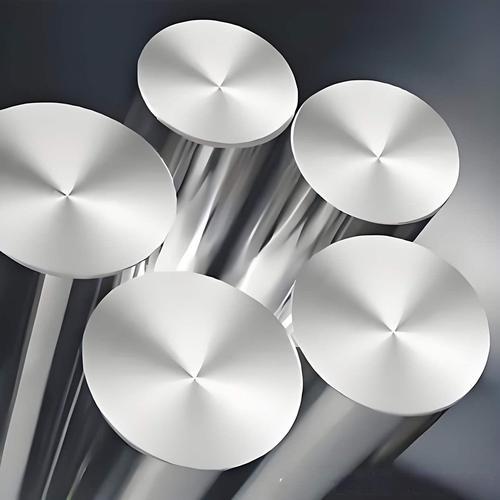
Inconel 617 alloy round bar price per kilogram is commonly about USD 45 to 90 per kg for standard industrial stock sizes. Large forged bars, small pre...
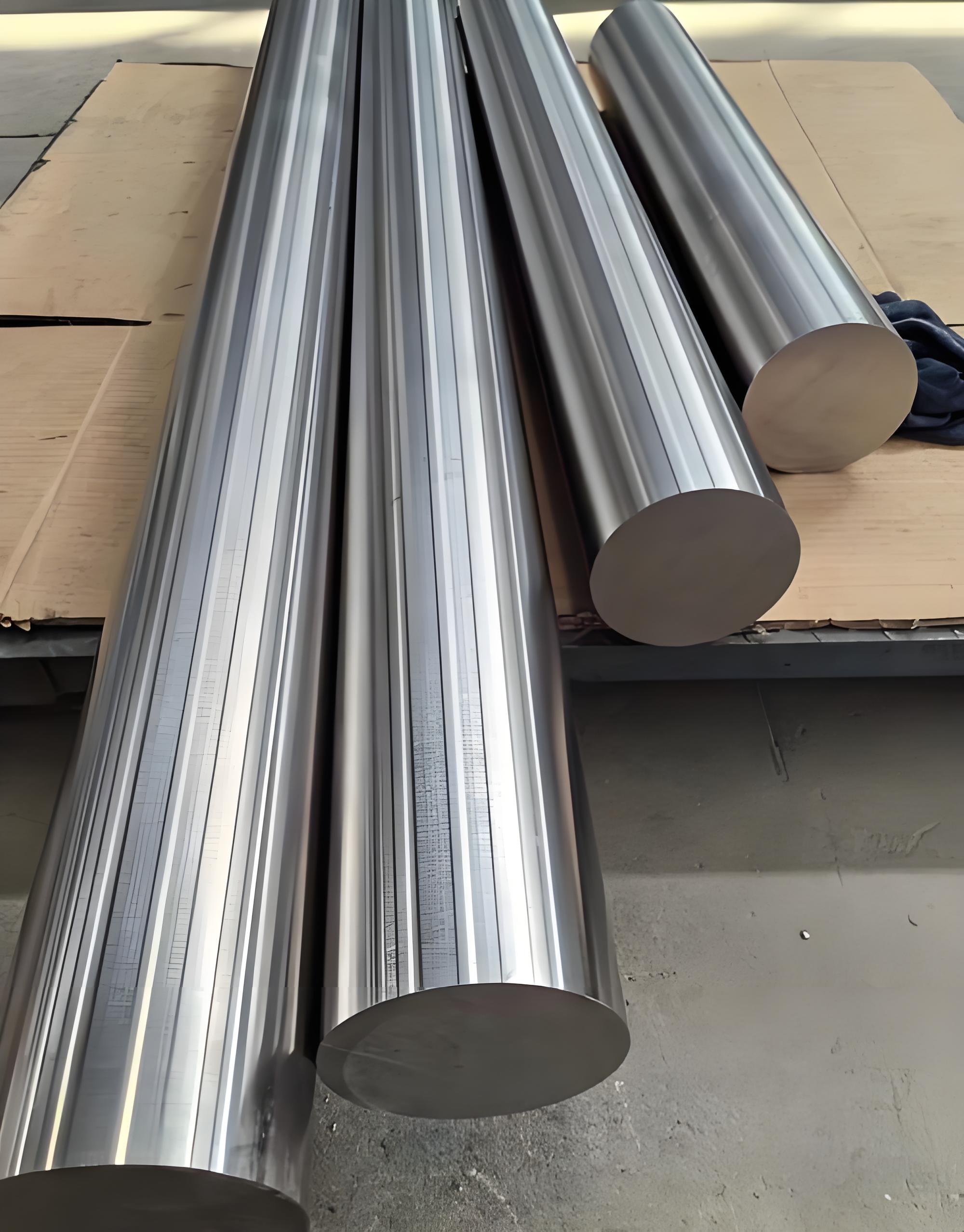
The latest Inconel 625 alloy bar price per kg depends on nickel, molybdenum, niobium, and chromium raw material costs, as well as bar diameter, manufa...
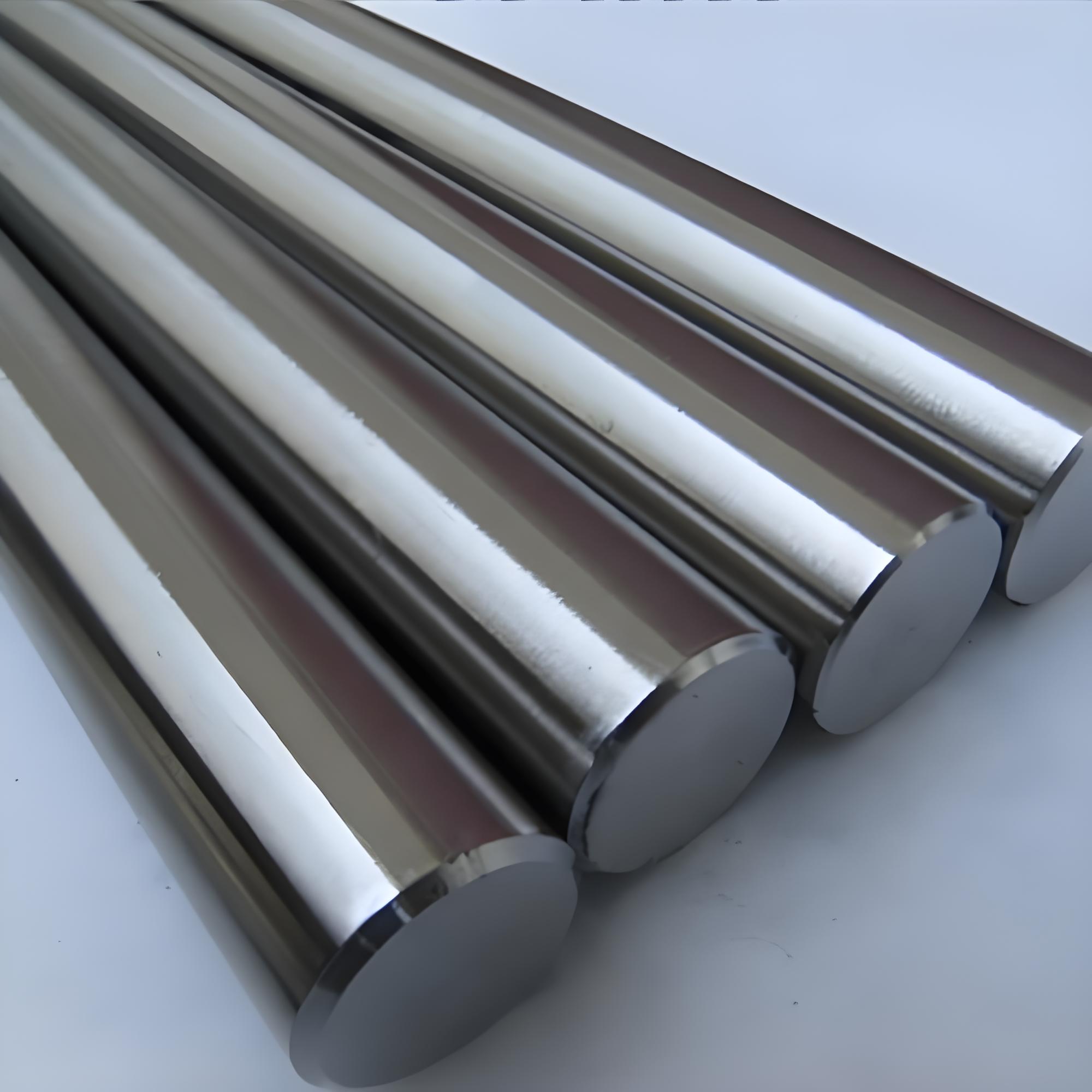
Inconel X-750 alloy bar price depends on nickel raw material cost, bar diameter, product condition, heat treatment, specification, surface finish, dim...
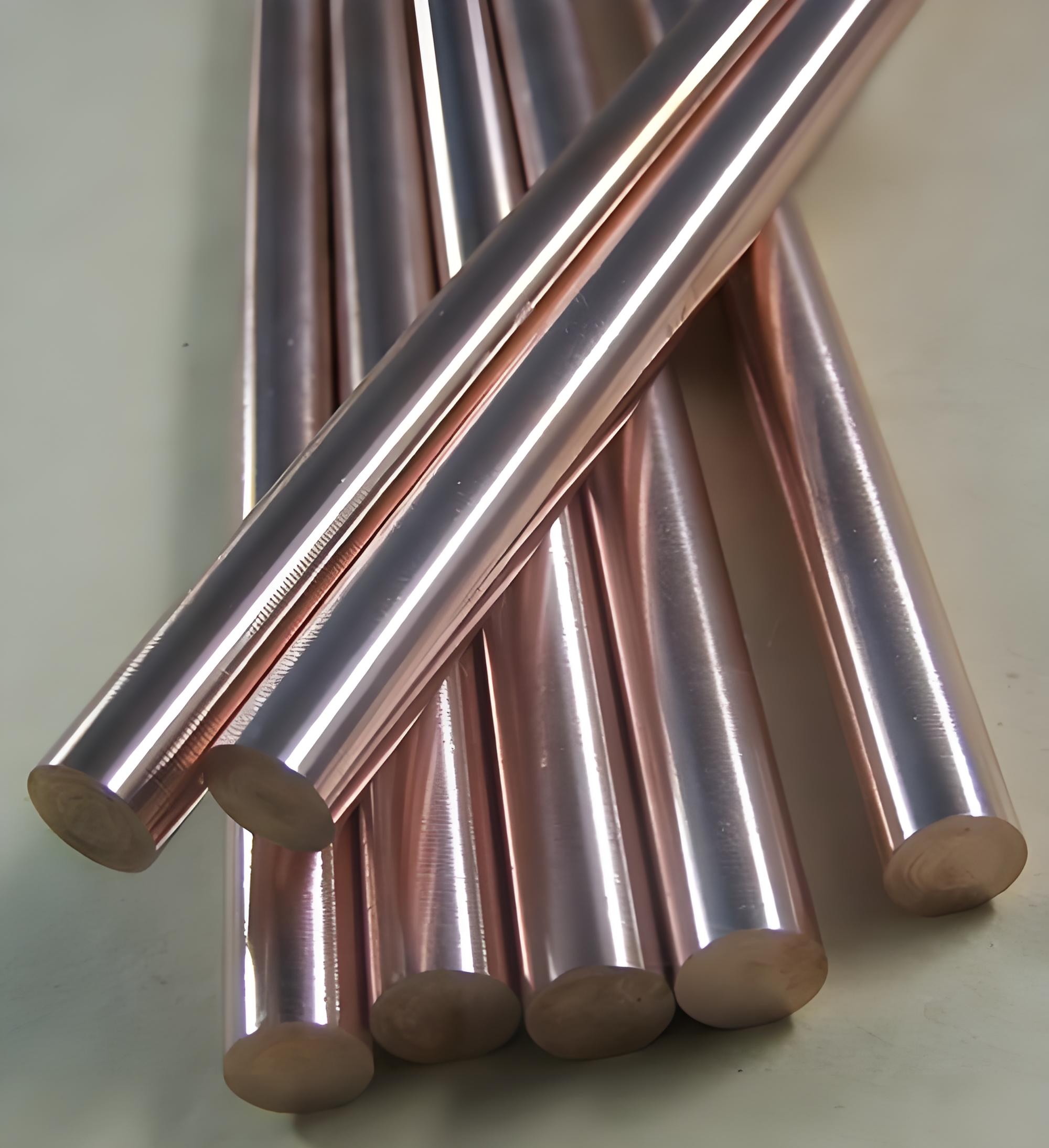
Inconel 602CA alloy bar price per kg is usually higher than common Inconel 600 and Inconel 601 bars because Alloy 602CA is a premium high-temperature ...
 English English
  Korean
 Arabic
 Spanish
 German
 Portuguese
 French
 Russian
 Italian
 Vietnamese