
Inconel 617 alloy round bar price per kilogram
Inconel 617 alloy round bar price per kilogram is commonly about USD 45 to 90 per kg for standard industrial stock sizes. Large forged bars, small pre...
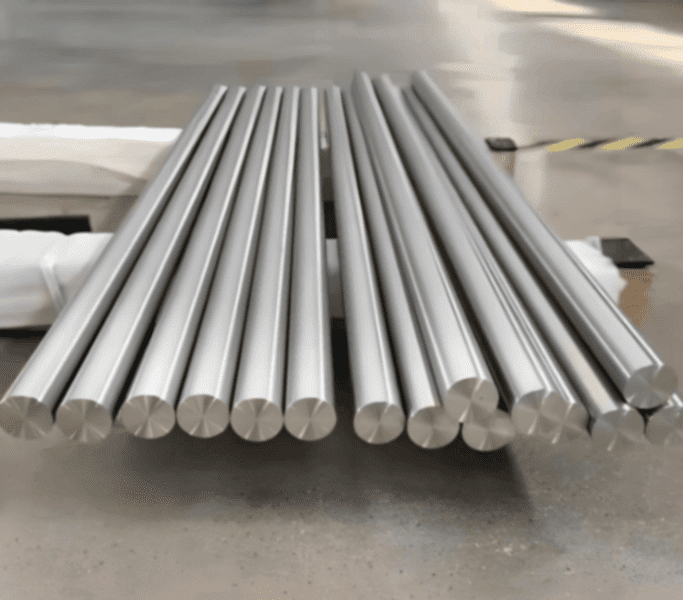
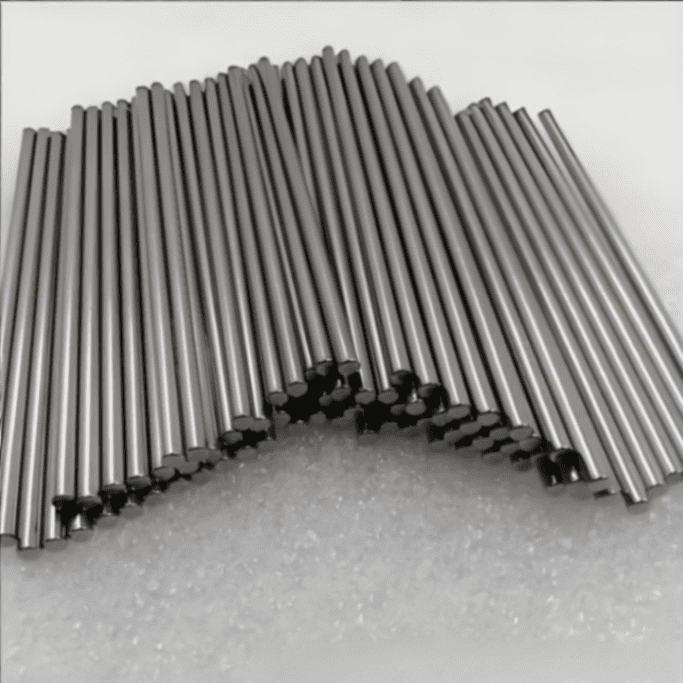
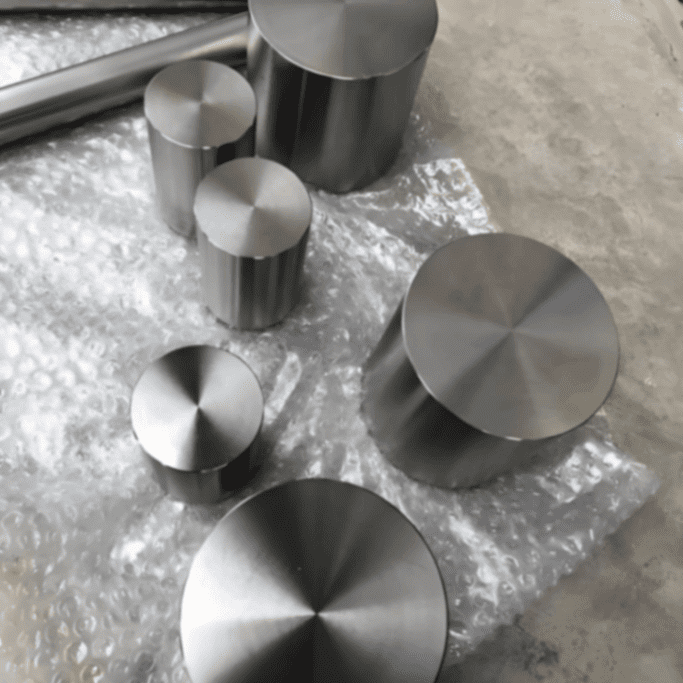
Navigating the landscape of nickel-iron-chromium alloys often leads to a comparison between Inconel 600 and Incoloy 825, two widely used materials available in bar form. While both offer excellent resistance to oxidation and corrosion, their price points differ, influencing procurement decisions for projects in chemical processing, heat treating, and marine engineering. This analysis breaks down the key factors that determine the cost of Inconel 600 bars versus Incoloy 825 bars. By examining differences in raw material composition, manufacturing processes, market demand, and application-specific requirements, we can clarify why one alloy typically carries a higher price tag than the other and how various elements impact the final cost to the buyer.
The fundamental price driver for both alloys is their chemical makeup. While both are based on nickel, the specific percentages and types of alloying elements create a distinct cost structure. Inconel 600 has a simpler composition with a very high nickel content and minimal other costly alloys. Incoloy 825, designed for more aggressive corrosive environments, incorporates additional, more expensive elements like molybdenum and copper to enhance its performance, which directly increases its base material cost.
| Element (%) | Inconel 600 Bar | Incoloy 825 Bar | Cost Impact Analysis |
|---|---|---|---|
| Nickel (Ni) | ≥ 72 | 38 – 46 | High Ni content in Inconel 600 makes it highly sensitive to LME nickel prices. |
| Chromium (Cr) | 14 – 17 | 19.5 – 23.5 | Similar Cr content; both provide oxidation resistance. |
| Iron (Fe) | 6 – 10 | ≥ 22 | Higher Fe content in Incoloy 825 acts as a lower-cost base, partially offsetting other costs. |
| Molybdenum (Mo) | – | 2.5 – 3.5 | A key cost adder for Incoloy 825. Mo is a strategic, high-priced metal. |
| Copper (Cu) | ≤ 0.5 | 1.5 – 3.0 | Significant Cu content in 825 adds cost but improves resistance to sulfuric acid. |
| Other | – | Ti: 0.6-1.2 | Addition of titanium for stabilization adds minor processing cost. |
The journey from ingot to finished bar involves several steps where costs accumulate. The processing requirements for Incoloy 825 are generally more stringent due to its alloying complexity and the need to achieve specific corrosion-resistant properties. This often results in higher processing costs compared to the relatively straightforward manufacturing of Inconel 600 bars.
| Processing Stage | Inconel 600 Bar | Incoloy 825 Bar | Effect on Final Bar Price |
|---|---|---|---|
| Melting & Casting | Standard air melting processes are commonly used. | Often requires more controlled melting (e.g., AOD) to manage higher Fe and precise Mo/Cu levels. | Advanced refining techniques for 825 can increase initial ingot cost. |
| Hot Working | Good hot workability. Standard hot rolling/forging practices apply. | Also good hot workability, but alloy content may require slight adjustments in temperature. | Processing costs are similar, with 825 possibly having a slight premium due to alloy-specific controls. |
| Heat Treatment | Typically supplied in annealed condition. Annealing is straightforward. | Requires a solution annealing heat treatment followed by rapid quenching to retain alloying elements in solution and optimize corrosion resistance. | The solution anneal and quench for 825 is a critical, energy-intensive step, adding more cost than the anneal for 600. |
| Machinability | Fair to good machinability; tends to work-harden. | Similar or slightly better machinability than Inconel 600 due to sulfur content adjustment. | Machining costs are comparable, though tool life and speeds may vary slightly. |
External market forces and specific buyer requirements play a significant role in the final quoted price. The demand profile for each alloy differs, influencing their market availability and pricing. Furthermore, the specific form, tolerance, and quantity ordered can shift the cost equation significantly for both materials.
| Pricing Factor | Impact on Inconel 600 Bar Price | Impact on Incoloy 825 Bar Price | General Market Influence |
|---|---|---|---|
| Nickel Price (LME) | Extremely sensitive due to very high nickel content (≥72%). Price fluctuates directly with LME nickel. | Moderately sensitive. Lower nickel content (~42%) reduces direct exposure, but Mo price becomes a major factor. | Nickel market volatility is the primary driver for Inconel 600. For 825, both Ni and Mo markets are key. |
| Industry Demand | Strong in furnace components, chemical processing, nuclear. Steady, mature demand. | Strong in chemical processing (especially sulfuric/phosphoric acid), oil & gas, pollution control. Growing demand in aggressive environments. | High demand in sectors like sulfuric acid plant construction can tighten 825 supply and support higher prices. |
| Bar Specifications | Cold-finished bars for precision parts cost more than hot-rolled. Large diameters are more expensive. | Same principles apply. Solution-annealed and pickled finish is standard and included in base price. | Any special testing (e.g., extensive NDT), certifications, or non-standard lengths add a premium for both alloys. |
| Quantity & Supplier | Full mill lengths from producers or large stock from suppliers like Shanghai NC Metal Materials Co., Ltd. offer the best value. | Same as Inconel 600. Due to its widespread use, 825 is readily available in many sizes, promoting competitive pricing among distributors. | Small “cut” orders incur high service charges. Sourcing from a reputable stockist with volume can mitigate per-kg cost. |
Given the volatility of underlying metals, absolute prices are not fixed. However, the structural relationship between the costs of these two alloys is consistent. The table below provides a directional cost comparison for similar bar product forms, assuming standard specifications and market conditions.
| Alloy Grade | Common Bar Form (Example) | Relative Price Index (Approximate, Nickel Base = 1) | Primary Reason for Cost Position |
|---|---|---|---|
| Inconel 600 | Hot Rolled Round Bar, 50mm Dia, Annealed | 3.0 – 4.0 | Dominant cost is the high percentage of nickel (≥72%). Simple processing. |
| Incoloy 825 | Hot Rolled Round Bar, 50mm Dia, Solution Annealed | 3.5 – 4.5 | Lower nickel content is offset by the cost of molybdenum and copper, plus the solution anneal process. |
Note: Under certain market conditions (e.g., very high nickel prices, stable Mo prices), the price of Inconel 600 can meet or temporarily exceed that of Incoloy 825. Typically, however, Incoloy 825 carries a modest premium.
Is Incoloy 825 always more expensive than Inconel 600?
Not always, but it is typically the case. The price relationship depends heavily on the raw material markets. Inconel 600’s cost is tied directly to the price of nickel. Incoloy 825’s cost is linked to both nickel and molybdenum. If nickel prices surge while molybdenum prices remain stable, Inconel 600 can become more expensive. In most market conditions, however, the added cost of molybdenum, copper, and the required solution annealing heat treatment for Incoloy 825 results in a total cost that is slightly higher than that of Inconel 600 bars of similar form and size.
What is the main performance reason justifying the potential higher cost of Incoloy 825 bar?
The key performance advantage of Incoloy 825 over Inconel 600 is its superior resistance to corrosion in reducing acids, particularly sulfuric and phosphoric acids, and in environments containing chlorides. This is due to its carefully balanced composition containing molybdenum and copper. Inconel 600 excels in high-temperature oxidation resistance and in caustic or high-purity water environments. Therefore, the cost premium for Incoloy 825 is justified when the application involves aggressive acidic or chloride-containing media where Inconel 600 would corrode prematurely, leading to equipment failure and costly downtime.
How can I get an accurate price comparison when planning a project?
To obtain an accurate and current price comparison, you should provide detailed specifications to suppliers simultaneously. Key details include: alloy grade (ASTM B166 for 600, ASTM B425 for 825), bar diameter and length, condition (hot rolled, cold finished, annealed), quantity (full bars or cut pieces), and any required certifications. Reputable metal suppliers like Shanghai NC Metal Materials Co., Ltd. can provide competitive quotes for both materials based on the same parameters. This apples-to-apples comparison, requested during a stable market period, will give you the most reliable cost differential for your specific project needs.
More from this category
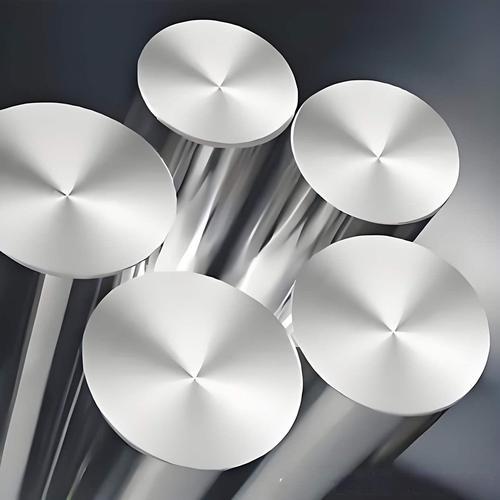
Inconel 617 alloy round bar price per kilogram is commonly about USD 45 to 90 per kg for standard industrial stock sizes. Large forged bars, small pre...
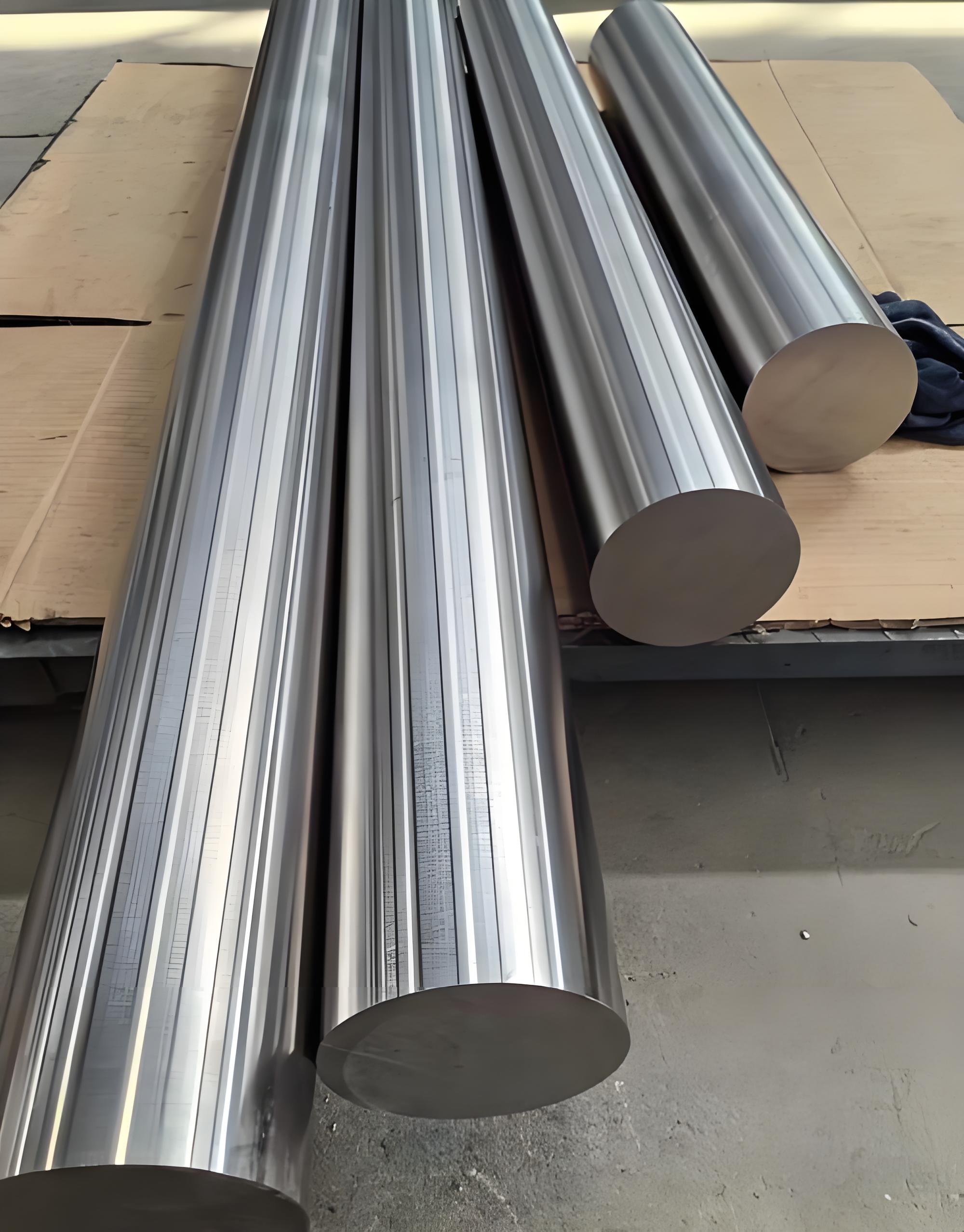
The latest Inconel 625 alloy bar price per kg depends on nickel, molybdenum, niobium, and chromium raw material costs, as well as bar diameter, manufa...
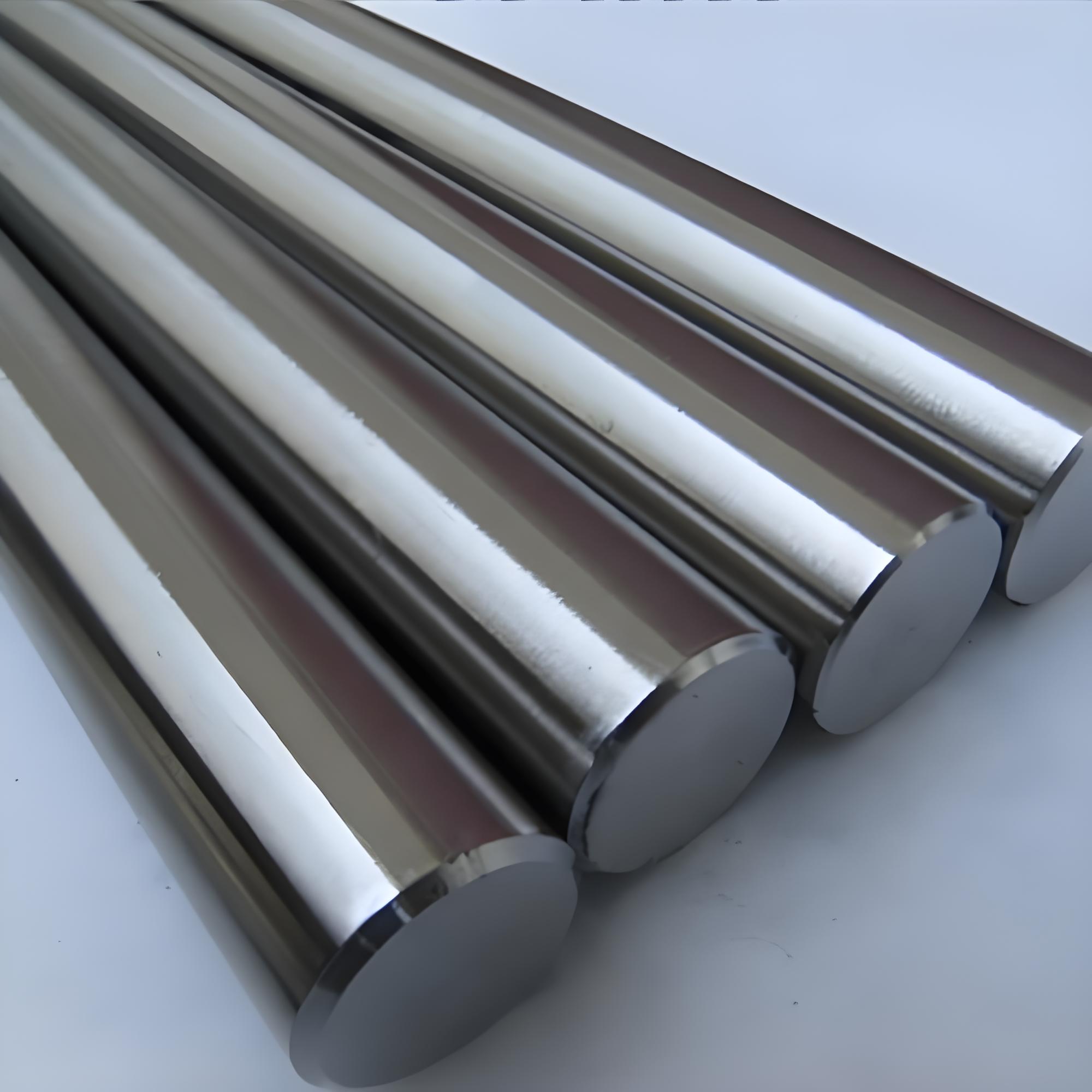
Inconel X-750 alloy bar price depends on nickel raw material cost, bar diameter, product condition, heat treatment, specification, surface finish, dim...
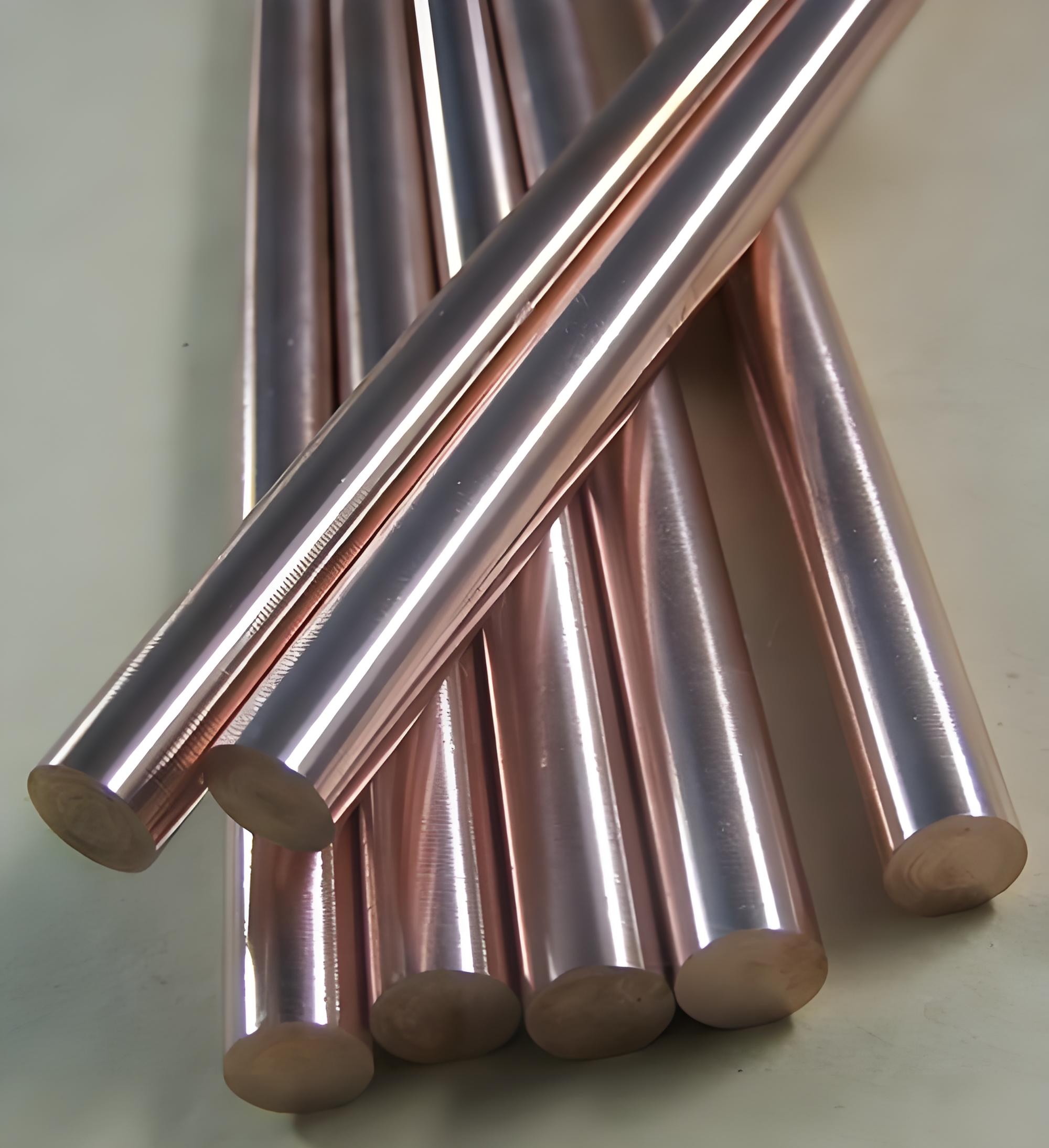
Inconel 602CA alloy bar price per kg is usually higher than common Inconel 600 and Inconel 601 bars because Alloy 602CA is a premium high-temperature ...
 English English
  Korean
 Arabic
 Spanish
 German
 Portuguese
 French
 Russian
 Italian
 Vietnamese