
Inconel 617 alloy round bar price per kilogram
Inconel 617 alloy round bar price per kilogram is commonly about USD 45 to 90 per kg for standard industrial stock sizes. Large forged bars, small pre...
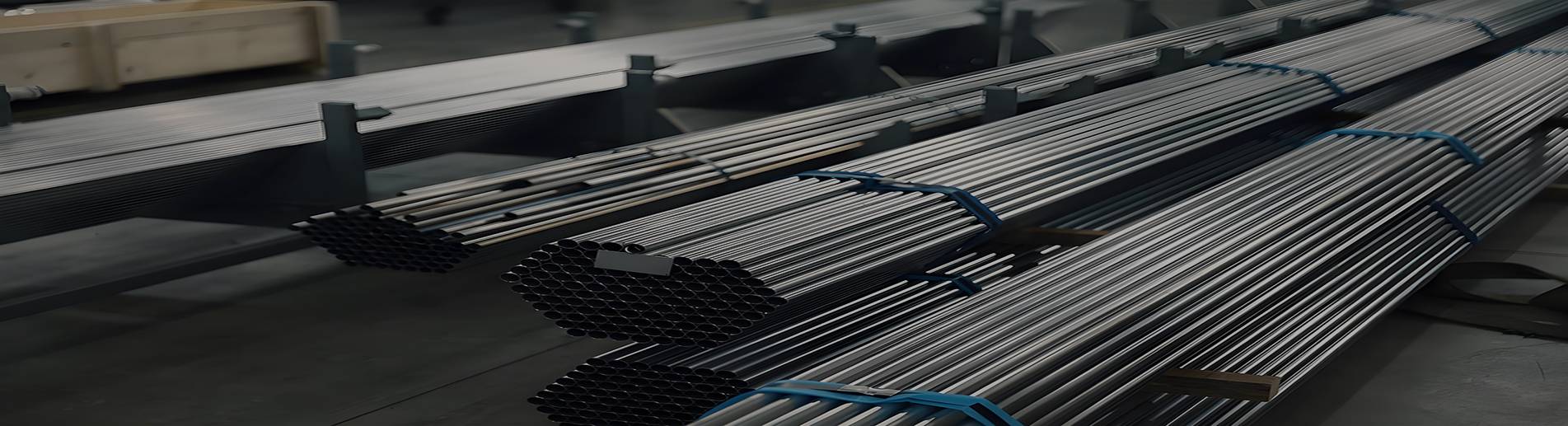
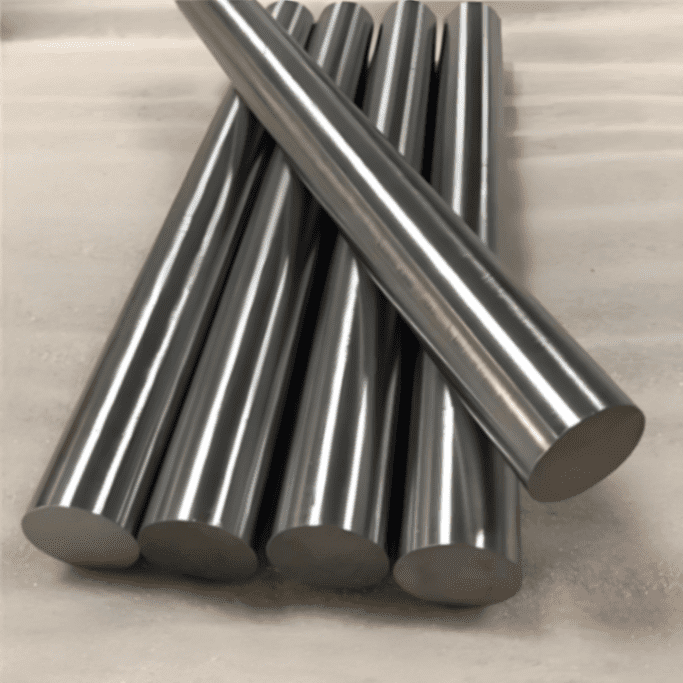
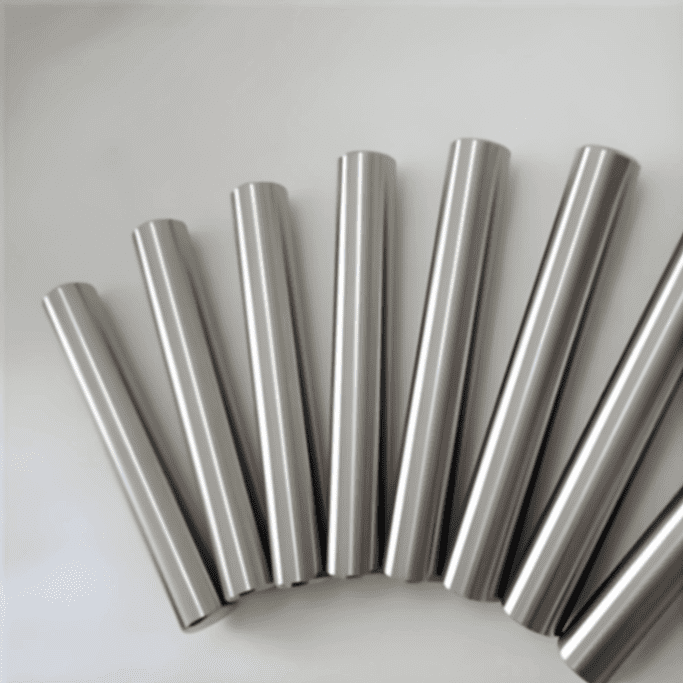
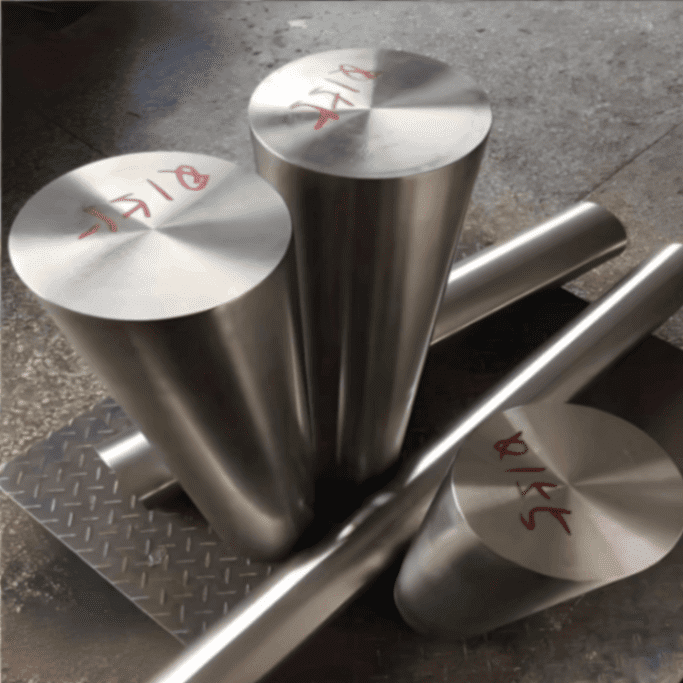
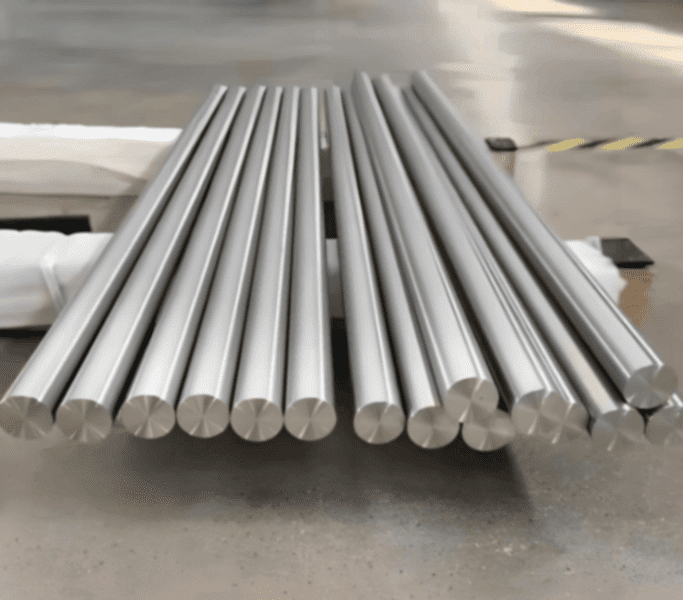
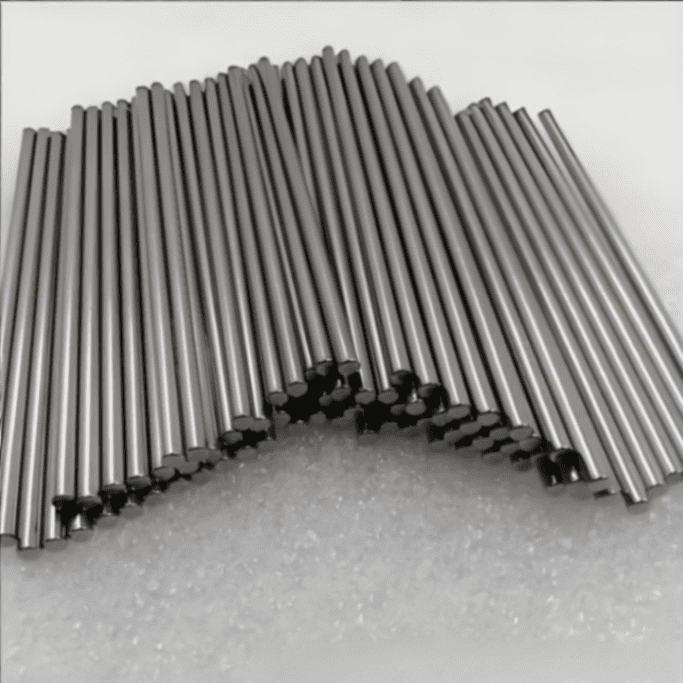
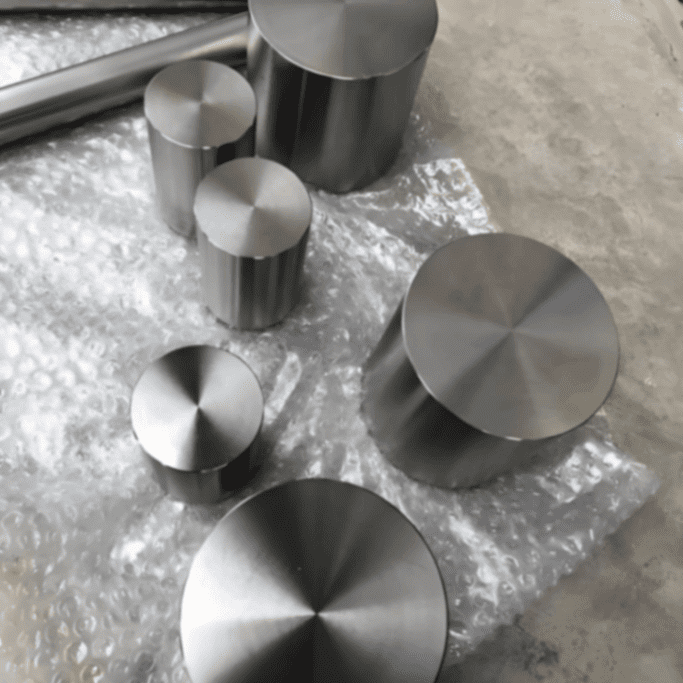
Selecting the right high-temperature or corrosion-resistant alloy for a project often involves comparing materials with overlapping yet distinct properties, such as Inconel 601 and Incoloy 800. Both are available in bar form and are staples in industries ranging from heat treatment to chemical processing. A critical part of this selection process is understanding their cost structures. While they may seem similar, the price of an Inconel 601 bar versus an Incoloy 800 bar is influenced by a complex interplay of composition, manufacturing demands, and market forces. This comparison explores the key factors that dictate pricing, explaining why one alloy typically commands a higher price and how specific requirements can alter the final cost for engineers and buyers.
The intrinsic cost of these alloys begins with their chemical makeup. Both are nickel-iron-chromium alloys, but the precise balance of elements, particularly nickel, aluminum, and stabilizing additions, creates a fundamental price difference. Inconel 601 contains a higher percentage of nickel and includes aluminum, which is critical for its high-temperature performance but adds to material cost. Incoloy 800 has a lower nickel content and higher iron, making its base cost more sensitive to iron and nickel price differentials.
| Element (%) | Inconel 601 Bar (UNS N06601) | Incoloy 800 Bar (UNS N08800) | Cost Impact Analysis |
|---|---|---|---|
| Nickel (Ni) | 58 – 63 | 30 – 35 | The high Ni content (≈60%) is the dominant cost driver for Inconel 601, making it highly sensitive to LME nickel prices. |
| Chromium (Cr) | 21 – 25 | 19 – 23 | Similar levels; both provide excellent oxidation resistance. Cost impact is comparable. |
| Iron (Fe) | Balance (≈10-15) | ≥ 39.5 (Balance) | High Fe content in Incoloy 800 acts as a significant lower-cost filler, substantially reducing reliance on expensive nickel. |
| Aluminum (Al) | 1.0 – 1.7 | 0.15 – 0.60 | Aluminum in Inconel 601 is essential for forming a protective alumina scale at high temperatures, adding material and process control cost. |
| Other Key Elements | – | Ti: 0.15-0.60; Al: 0.15-0.60 (stabilized) | Incoloy 800/800H uses Ti and Al for stabilization against sensitization, adding minor processing complexity. |
Transforming raw alloy into finished bar stock involves several cost-additive steps. The manufacturing processes for Inconel 601 and Incoloy 800 differ due to their metallurgical requirements, particularly in heat treatment. Inconel 601’s need for a specific thermal cycle to develop its aluminum oxide layer adds a critical and controlled processing step not required for standard Incoloy 800.
| Processing Stage | Inconel 601 Bar | Incoloy 800 Bar | Effect on Final Bar Price |
|---|---|---|---|
| Melting & Casting | Requires controlled melting to manage high Ni and Al content; often via electric arc or vacuum induction melting. | Standard melting practices are suitable due to lower alloying complexity and high iron content. | More sophisticated melting for 601 can lead to a higher cost per ingot compared to 800. |
| Hot Working | Good hot workability. Performed at high temperatures to avoid excessive work hardening. | Excellent hot workability due to the austenitic structure and balanced composition. | Processing costs are similar, with Incoloy 800 potentially having a slight advantage in ease of forming. |
| Heat Treatment | Requires a final solution annealing heat treatment at a very high temperature (≈1175°C) to dissolve carbides and allow Al to form the protective scale in service. | Standard Incoloy 800 is typically supplied in annealed condition. Incoloy 800H requires solution annealing for carbide solution. | The high-temperature solution anneal for 601 is more energy-intensive and critical for performance, adding a significant premium over the anneal for standard 800. |
| Machinability | Moderate to difficult; tends to work-harden rapidly during machining. | Similar machinability challenges; both are gummy and abrasive on tools. | Machining costs are high and comparable for both, impacting the price of finished, precision-machined components. |
Broader economic factors and specific purchase requirements significantly influence the final price quoted by mills or distributors. The demand cycles in different industries, the availability of specific grades, and the details of the order all play a role in determining whether the price gap between these two alloys widens or narrows.
| Pricing Factor | Impact on Inconel 601 Bar Price | Impact on Incoloy 800 Bar Price | General Market Influence |
|---|---|---|---|
| Nickel Price (LME) | Extremely high sensitivity. The primary cost component (≈60% Ni) means price moves almost directly with nickel. | Moderate sensitivity. Lower nickel content (≈32%) reduces direct exposure, but nickel remains a key factor. | During periods of high nickel prices, the cost gap between 601 and 800 increases significantly. |
| Industry Demand | Strong in high-temperature furnace components (radiant tubes, baskets), thermal processing, aerospace. | Very strong in petrochemical (reformer tubes), power generation, heat exchangers, chemical processing. Broader industrial base. | High demand for Incoloy 800/800H in large-scale petrochemical projects can tighten supply and support firm pricing. |
| Grade & Specification | Primarily one major grade (601). Price is for solution-annealed condition. | Different grades (800, 800H, 800HT) affect price. 800H (high carbon) and 800HT (high carbon & strength) command a premium over standard 800. | Specifying high-temperature grades like 800H involves stricter controls and testing, raising cost closer to that of Inconel 601. |
| Quantity & Supplier | As a specialized alloy, smaller quantities may carry a higher premium. Sourcing from major stockists like Shanghai NC Metal Materials Co., Ltd. ensures availability. | High volume usage in many industries often means better availability and more competitive pricing for standard sizes and grades. | For both alloys, ordering full mill lengths in standard diameters yields the lowest cost per kilogram. |
Given the volatility of nickel, absolute prices fluctuate daily. However, the structural cost relationship between Inconel 601 and standard Incoloy 800 is clear due to the nickel content disparity. The table below offers a simplified reference for common bar products.
| Alloy Grade | Common Bar Form (Example) | Relative Price Index (Approximate, Nickel Base = 1) | Primary Reason for Cost Position |
|---|---|---|---|
| Inconel 601 | Hot Rolled Round Bar, 50mm Dia, Solution Annealed | 4.0 – 5.5 | High nickel content (≈60%) and the required high-temperature solution anneal. |
| Incoloy 800 (Standard) | Hot Rolled Round Bar, 50mm Dia, Annealed | 2.5 – 3.5 | Lower nickel content (≈32%) and higher, less expensive iron content. Standard annealing process. |
| Incoloy 800H/HT | Hot Rolled Round Bar, 50mm Dia, Solution Annealed | 3.5 – 4.5 | Premium grade with controlled carbon and required solution annealing, closing the gap with Inconel 601. |
Why is Inconel 601 bar generally more expensive than Incoloy 800 bar?
Inconel 601 bar is typically more expensive due to its significantly higher nickel content (approximately 60% vs. 32% in Incoloy 800). Nickel is the single largest cost driver in these alloys. Additionally, Inconel 601 requires a high-temperature solution annealing heat treatment to optimize its aluminum content for high-temperature service, which is a more energy-intensive and controlled process than the standard annealing used for basic Incoloy 800. These two factors—raw material cost and specialized processing—consistently place Inconel 601 at a higher price point.
Does the price difference justify choosing Incoloy 800 over Inconel 601 for high-temperature applications?
The choice should be driven by application requirements, not price alone. For long-term service in temperatures above 1000°C where cyclic heating and carburization are factors, Inconel 601’s aluminum oxide scale provides superior oxidation and carburization resistance, justifying its higher cost. Incoloy 800H/HT is suitable for high-temperature structural applications up to about 1150°C, especially in stationary components like reformer tubes, where its lower cost for good performance is advantageous. Using the cheaper alloy where the more capable one is needed leads to premature failure, making the initial savings irrelevant.
How do different forms (like hot-rolled vs. cold-finished bar) affect the price comparison?
The form and finish add processing costs that affect both alloys similarly but magnify the absolute price difference. A hot-rolled bar is the base product for both. Cold-drawing or turning bars to achieve precise diameters, tight tolerances, and a smooth finish adds significant machining and labor costs. Since Inconel 601 has a higher starting material cost, the premium for a cold-finished bar will be greater in absolute dollar terms than for a similarly finished Incoloy 800 bar. Therefore, when comparing prices, ensure you are comparing the same condition (e.g., hot-rolled and annealed vs. cold-drawn and polished) for an accurate assessment.
More from this category
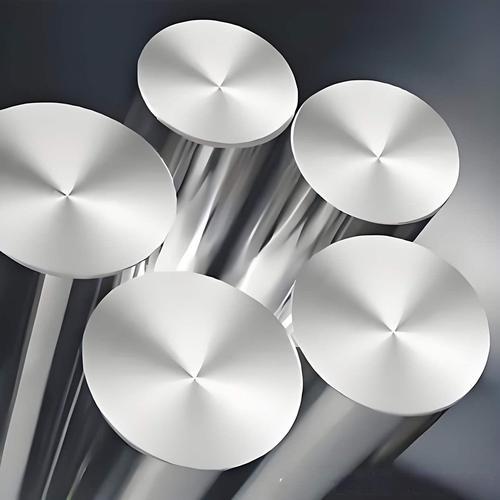
Inconel 617 alloy round bar price per kilogram is commonly about USD 45 to 90 per kg for standard industrial stock sizes. Large forged bars, small pre...
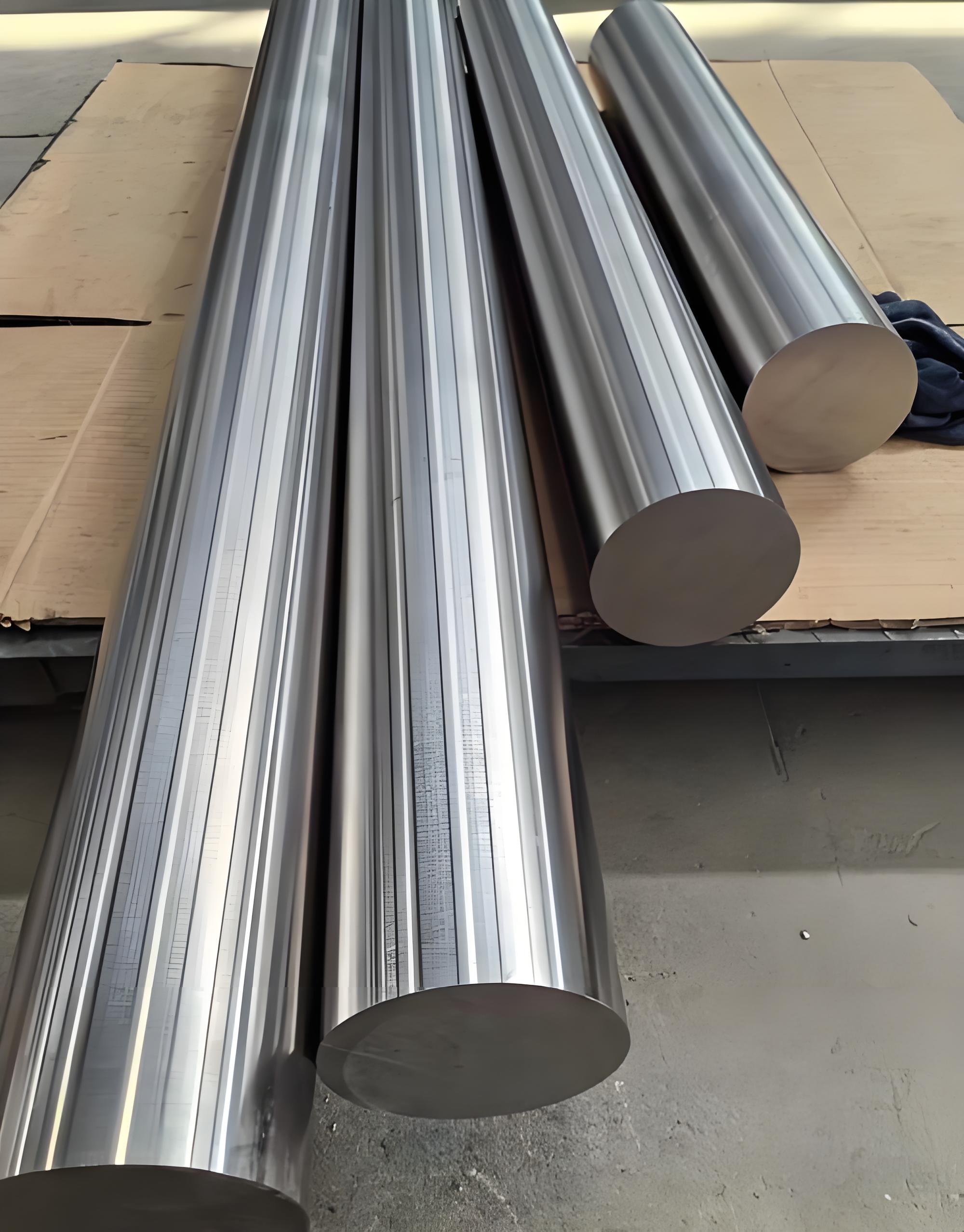
The latest Inconel 625 alloy bar price per kg depends on nickel, molybdenum, niobium, and chromium raw material costs, as well as bar diameter, manufa...
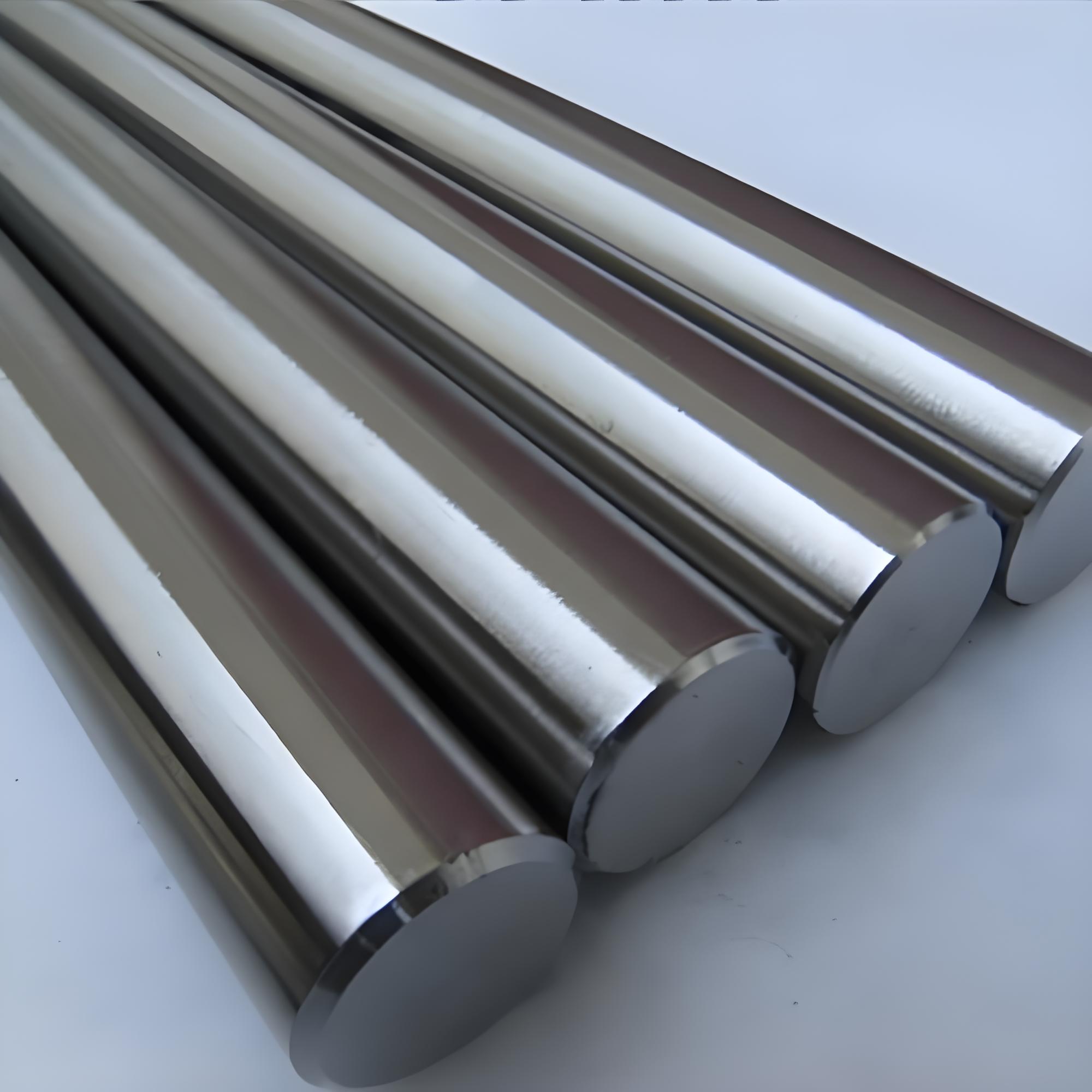
Inconel X-750 alloy bar price depends on nickel raw material cost, bar diameter, product condition, heat treatment, specification, surface finish, dim...
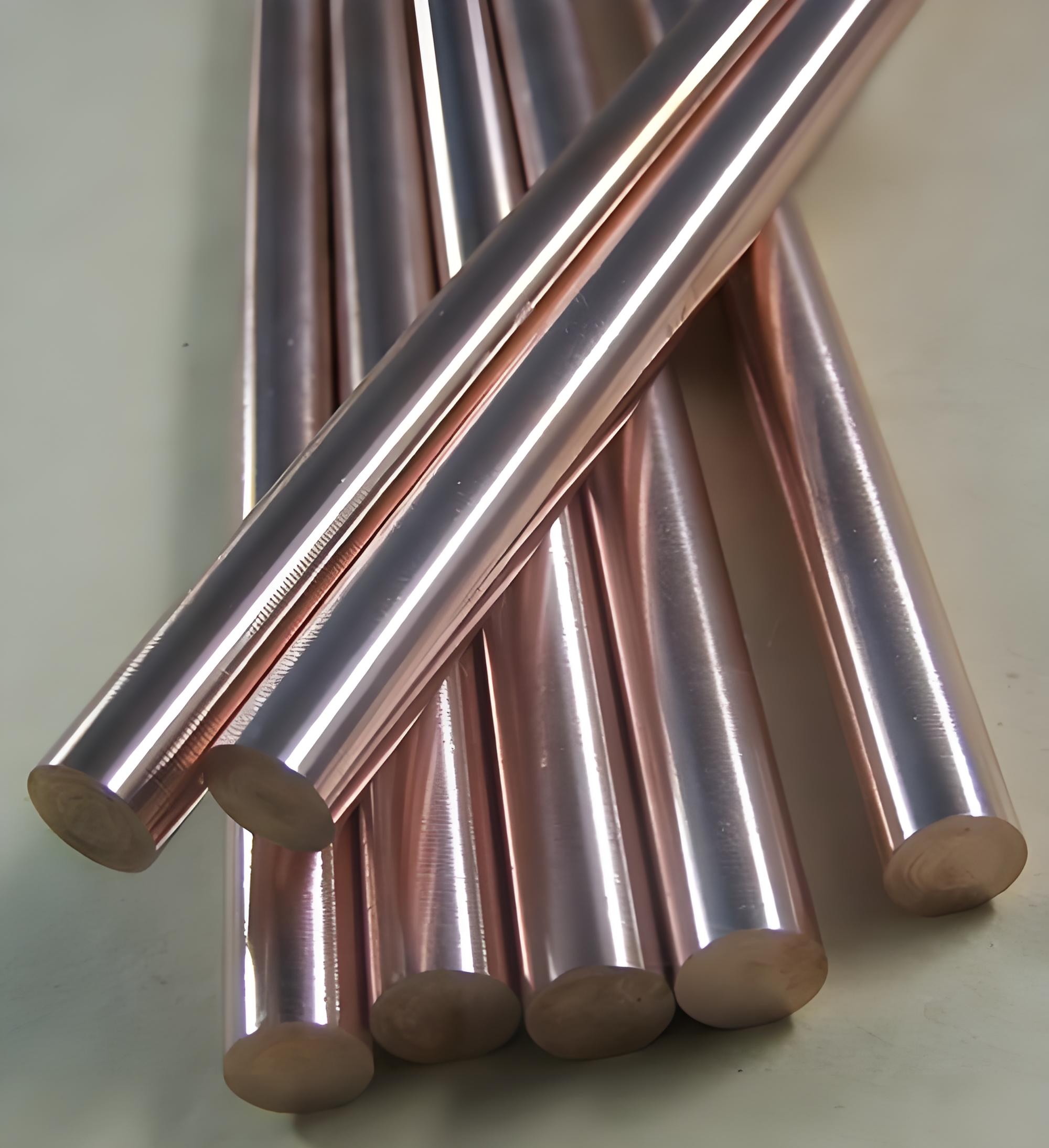
Inconel 602CA alloy bar price per kg is usually higher than common Inconel 600 and Inconel 601 bars because Alloy 602CA is a premium high-temperature ...
 English English
  Korean
 Arabic
 Spanish
 German
 Portuguese
 French
 Russian
 Italian
 Vietnamese