
Inconel 617 alloy round bar price per kilogram
Inconel 617 alloy round bar price per kilogram is commonly about USD 45 to 90 per kg for standard industrial stock sizes. Large forged bars, small pre...
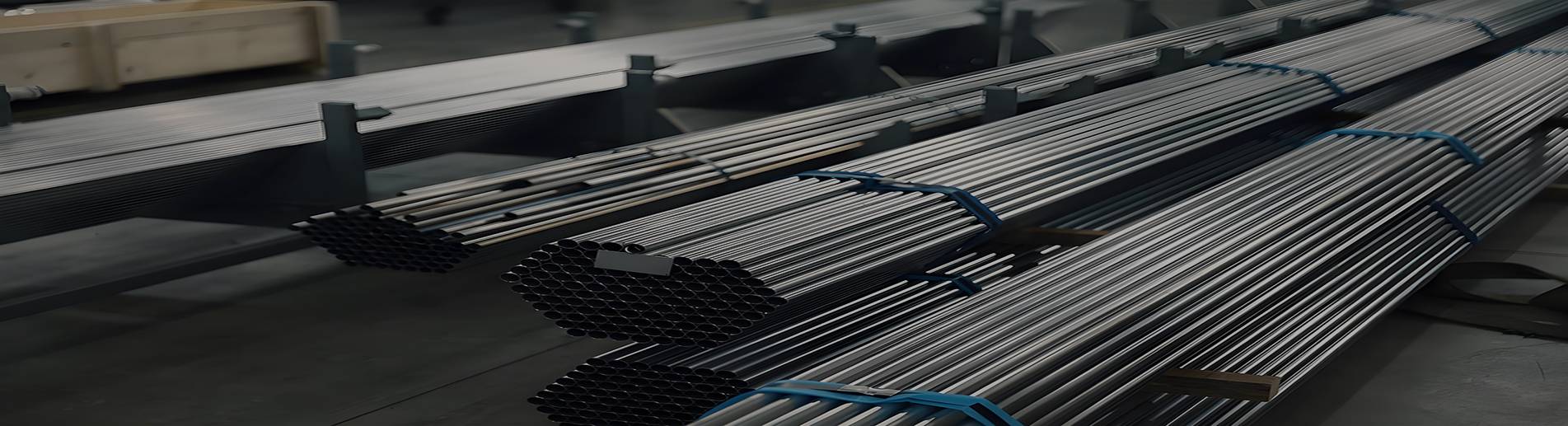
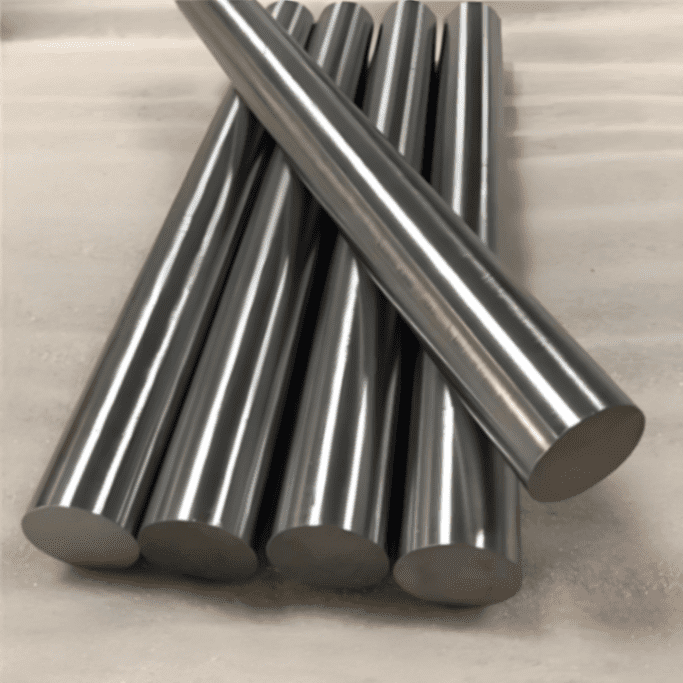
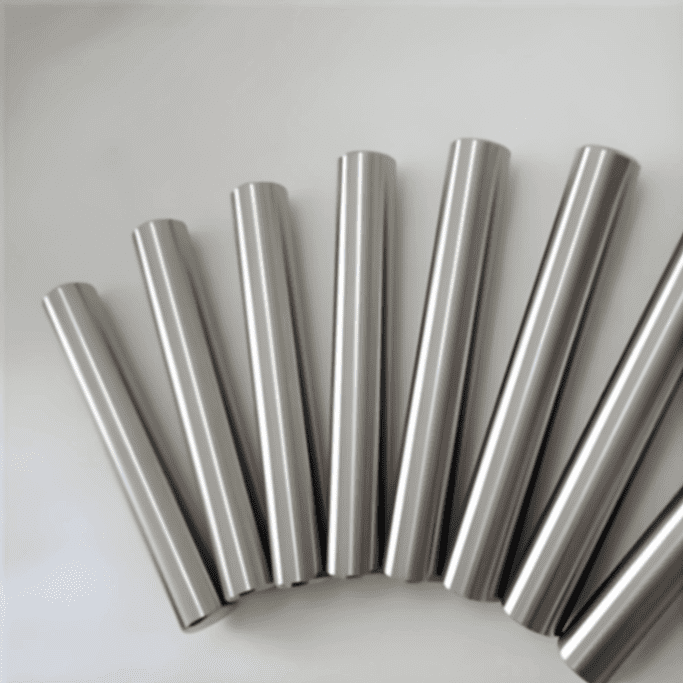
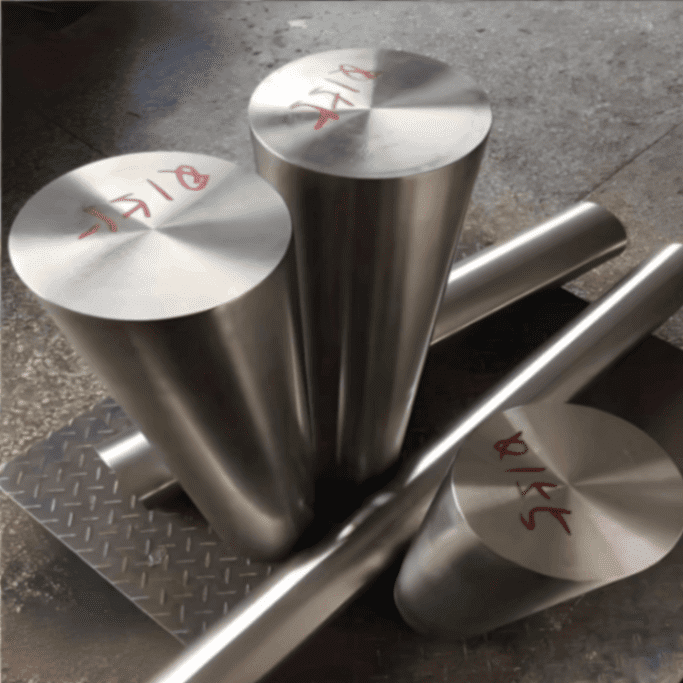
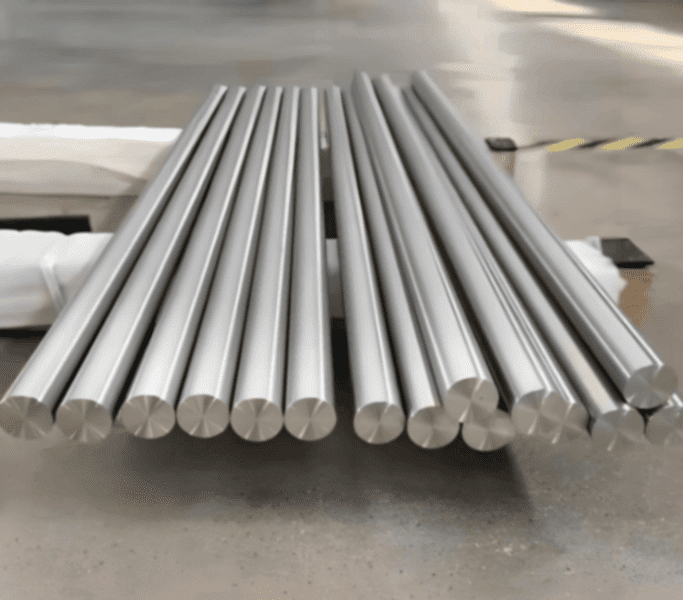
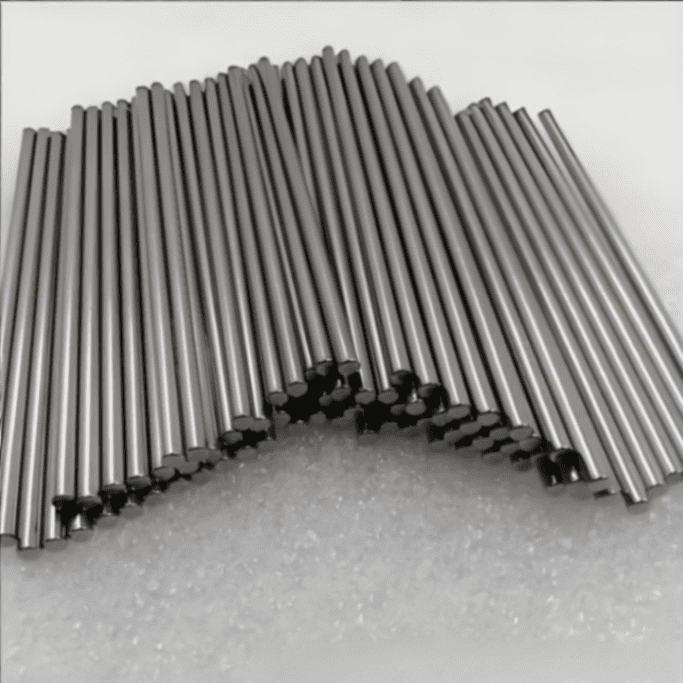
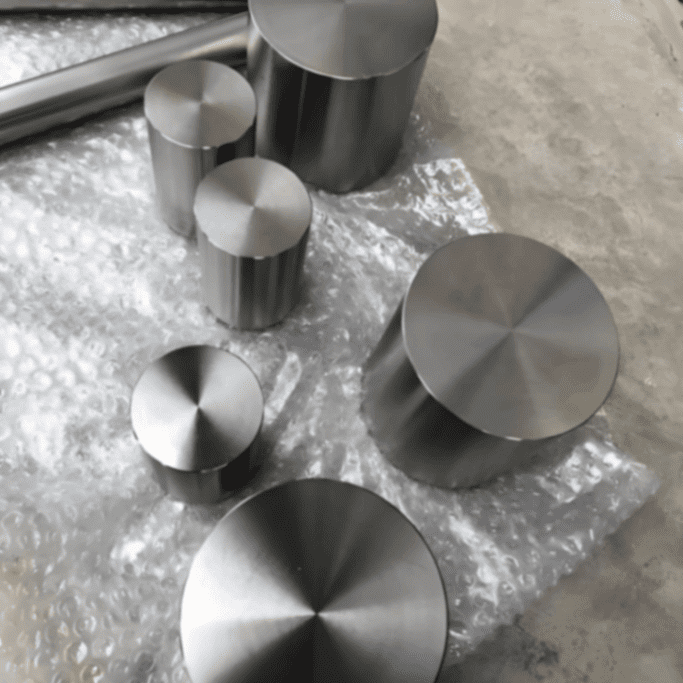
Hastelloy C-276 bar, In actual procurement, the density value directly affects weight calculation, freight estimation, machining allowance, project budgeting, and even alloy selection at the design stage. Based on production and inspection experience at Shanghai NC Metal Materials Co., Ltd., the standard measured density for Hastelloy C-276 bar is 8.89 g/cm³, which is consistent with the theoretical expectation for UNS N10276 and aligns with ASTM B574 requirements. In routine production, the batch-to-batch fluctuation is typically controlled within ±0.05 g/cm³, mainly due to normal composition tolerance and processing differences rather than any fundamental material deviation.
The most practical number for customers is the measured density value used in real production and shipment calculations. At Shanghai NC Metal Materials Co., Ltd., the standard density reference for Hastelloy C-276 bar is 8.89 g/cm³. This value is the one most frequently used by our sales, production, warehouse, and export teams when preparing quotations, theoretical weights, and packing plans.
From an engineering perspective, 8.89 g/cm³ is fully reasonable for this nickel-molybdenum-chromium alloy grade. Hastelloy C-276 contains a high nickel base together with relatively heavy alloying elements such as molybdenum and tungsten. These elements raise the alloy density above many other nickel-based grades like Inconel 625, Inconel 600, and Alloy 601.
In our internal quality records, density variation is normally held within ±0.05 g/cm³ from batch to batch. This is considered a stable and acceptable range for forged or hot-rolled bars, bright bars, and machined cut pieces. Such small variation does not usually create a functional issue, but it can slightly affect total shipment weight when customers order a large quantity of long bars or heavy diameters.
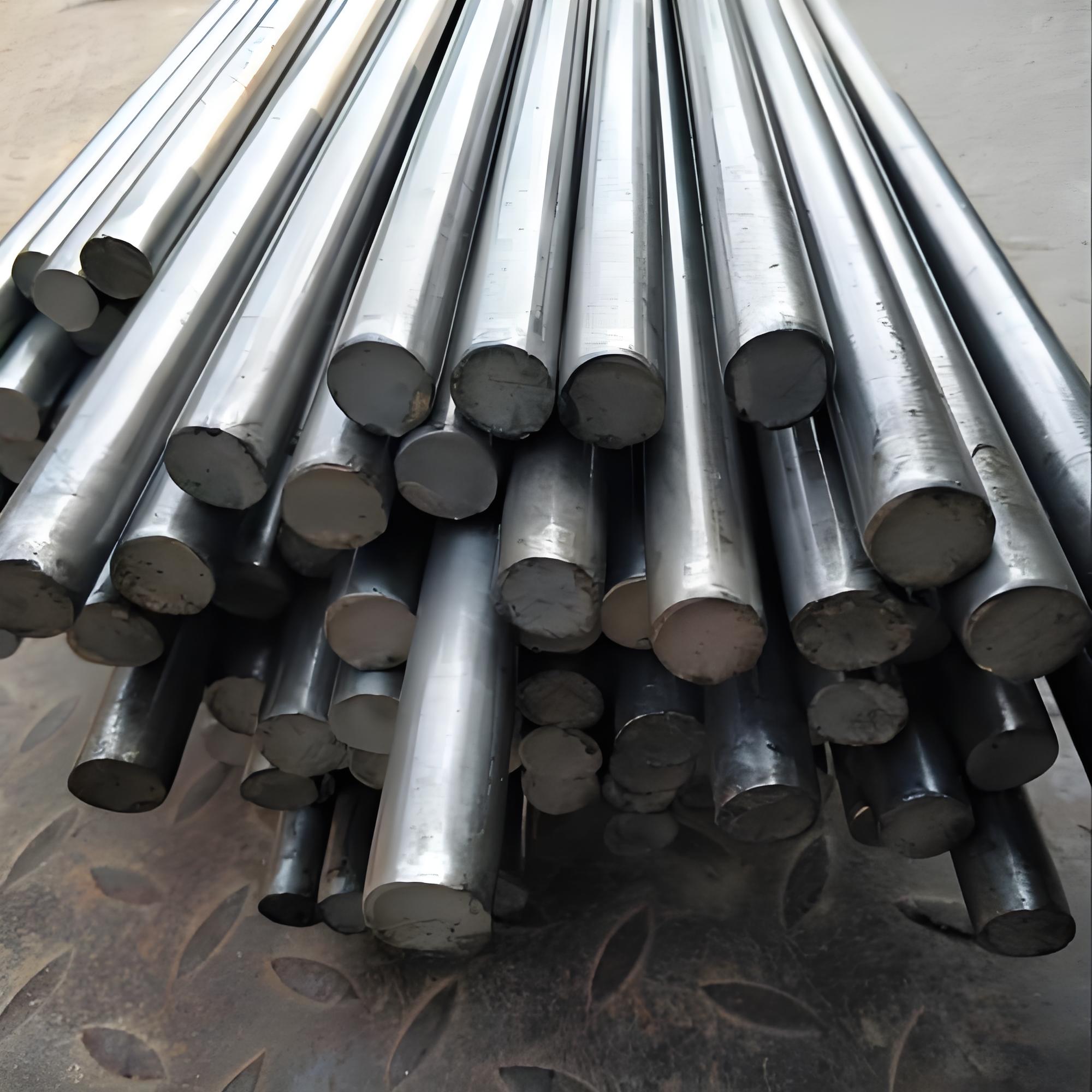
Customers sometimes ask whether the density on paper and the density of delivered goods are always exactly the same. In practice, the answer is no. Density is a representative material value, not a single fixed number at every point of every bar. What matters is whether the measured result stays within the expected range for compliant Hastelloy C-276 material and whether the chemistry, metallographic quality, and physical integrity meet the specification.
The density of Hastelloy C-276 bar is closely tied to its chemistry. While the alloy is often identified mainly as a corrosion-resistant nickel alloy, the actual density comes from the combined contribution of several alloying elements with different individual densities. This is why C-276 is denser than some standard nickel alloys that do not contain tungsten or that contain lower molybdenum.
Nickel, which makes up the balance and is typically around 57%, is the base density contributor. Because nickel itself is already a relatively dense metal, it provides the structural foundation for the alloy’s weight. In C-276, nickel is not merely a matrix element for corrosion performance; it is also the major reason the alloy remains in the upper density range among industrial corrosion-resistant materials.
Molybdenum is present at about 15.0–17.0%, and this is one of the key factors that drives the density higher. With an elemental density of about 10.22 g/cm³, molybdenum is significantly heavier than chromium and iron. More importantly, C-276 contains molybdenum at a much higher level than many competing nickel alloys. This high molybdenum content is one reason why the alloy performs well in severe reducing environments and why its density stays near 8.89 g/cm³.
Chromium, usually 14.5–16.5%, has a moderate density of about 7.19 g/cm³. Although chromium is not as heavy as molybdenum or tungsten, its percentage is high enough to influence the final alloy density. It also supports oxidation resistance and broad chemical corrosion resistance, which is why chromium remains essential even if its pure elemental density is lower than nickel.
Tungsten, at 3.0–4.5%, is a particularly important density booster. Tungsten has an elemental density of approximately 19.25 g/cm³, far higher than the other major constituents. Even a few percent of tungsten can noticeably increase the overall alloy density. This is one reason C-276 is heavier than grades such as Inconel 625, which does not contain tungsten in the same way.
Iron, usually 4.0–7.0%, has a density of around 7.87 g/cm³. Iron is slightly lighter than nickel and significantly lighter than molybdenum and tungsten. If the iron proportion increases within the allowed range while heavier elements trend toward the lower side of tolerance, the final measured density may move slightly downward. This is one of the practical causes behind normal batch fluctuation.
For buyers who need a quick chemistry-to-density understanding, the following simplified relationship is useful.
| Element | Typical Content | Density Effect |
| Ni, Mo, Cr | ~57%, 15.0–17.0%, 14.5–16.5% | Base + major weight contribution |
| W, Fe | 3.0–4.5%, 4.0–7.0% | W raises density strongly, Fe moderates |
In factory control, chemistry and density are not checked in isolation. When optical emission or other spectrometric analysis shows a composition close to the target range, the density result usually also sits in the expected range. If a density result appears abnormal, composition distribution and internal soundness are both reviewed.
For most purchasing teams, density matters because it directly determines bar weight. This is especially important when ordering solid round bars, where the total mass can become substantial as diameter increases. At Shanghai NC Metal Materials Co., Ltd., our common formula for bar weight calculation is:
Weight (kg) = Length (m) × Cross-sectional Area (cm²) × 8.89
This formula is simple and highly practical. Once the customer confirms diameter, section shape, and cut length, we can quickly estimate unit weight, bundle weight, and total shipment weight. This is extremely useful for export packing, inland transport planning, and preliminary budget approval.
For round bars, buyers often ask for the theoretical weight per meter. Based on the density of 8.89 g/cm³, several standard references are frequently used in quotation work.
| Round Bar Size | Theoretical Weight | Unit |
| φ10 / φ20 mm | 0.698 / 2.79 | kg/m |
| φ50 / φ100 mm | 17.45 / 69.8 | kg/m |
These values help customers understand why a large-diameter Hastelloy C-276 bar can become very heavy very quickly. For example, a 100 mm round bar at several meters in length is already a significant logistics item. Weight affects not only freight cost but also lifting, storage, loading method, and packaging reinforcement.
During quotation, customers are encouraged to provide exact length and quantity. With those details, Shanghai NC Metal Materials Co., Ltd. can quickly calculate the total theoretical weight and estimate freight in reference U.S. dollar terms where needed. In international business, this step helps avoid misunderstandings about shipping budget, especially for sea freight and project cargo planning.
It is also worth noting that density-based theoretical weight is different from actual weighed shipment mass. Actual mass may differ slightly because of dimensional tolerance, end cutting condition, machining allowance, and piece-by-piece variation. However, for commercial planning and project costing, the density-based theoretical method is the industry standard and remains highly reliable.
Although Hastelloy C-276 has a recognized standard density of 8.89 g/cm³, the actual measured value of a finished bar may show slight deviation due to manufacturing and material factors. Understanding these factors helps customers interpret density certificates correctly.
The first factor is heat treatment condition. Whether the material is in solution annealed condition or a different thermal history, the density change is usually very small, generally less than 0.02 g/cm³. This means heat treatment does not materially change the alloy’s fundamental density. Customers should therefore not expect a major weight difference simply because the bar is supplied in one heat-treated state versus another.
The second factor is work hardening or processing mode, such as cold drawn versus annealed. In normal practice, cold working does not create a meaningful change in density. It may alter hardness, yield strength, residual stress, and dimensional precision, but not the alloy’s true mass per unit volume in any commercially important way.
The third factor is composition segregation. If heavy elements such as molybdenum and tungsten are not perfectly uniform in local areas, then a small localized density deviation can appear. In some cases, this local variation may reach around ±0.1 g/cm³ at a specific sampling point. This does not automatically mean the whole batch is defective, but it is a useful warning sign requiring more detailed review of melting, forging reduction, and microstructural uniformity.
The fourth factor is internal defects such as porosity, shrinkage cavity, or unsound structure. These defects reduce measured density because they add internal volume without adding corresponding metal mass. In workshop quality terms, this is a much more serious issue than normal chemistry-related fluctuation. If density is noticeably lower because of internal voids, that material should be treated as nonconforming.
This is why density is not only a number for logistics; it can also be a quick indicator of internal quality. When a sample shows an unexpectedly low density, our quality team checks dimensional accuracy, chemical composition, and internal integrity together before release.
Many buyers compare several nickel alloys before placing an order. Density becomes an important decision factor when the project is sensitive to total structural weight, transportation cost, or assembly load. Hastelloy C-276 is relatively heavy because of its high molybdenum and tungsten content.
| Alloy | Density g/cm³ | Difference |
| Hastelloy C-276 / Inconel 625 / Inconel 600 | 8.89 / 8.44 / 8.47 | C-276 is heavier due to Mo and W |
| Inconel 718 / Alloy 601 | 8.19 / 8.11 | Lower due to different chemistry balance |
Compared with Inconel 625, Hastelloy C-276 is denser mainly because C-276 contains tungsten and generally carries a stronger heavy-element contribution from molybdenum. Inconel 625 is still corrosion-resistant and strong, but it usually comes in at a lower density level.
Compared with Inconel 600, the difference is even easier to understand. Inconel 600 does not rely on molybdenum or tungsten for its chemistry. Its composition is more straightforward, which keeps its density below that of C-276.
Inconel 718 is widely used in aerospace and high-strength fastening applications, and its density is lower at about 8.19 g/cm³. Although it contains substantial alloying additions for strengthening, its chemistry differs significantly from C-276, especially in the absence of the same high molybdenum and tungsten pattern. This lower density can be helpful when weight control is a design priority.
Alloy 601 is lighter still, around 8.11 g/cm³, because it uses a different balance of elements including aluminum and lower iron, without the heavy molybdenum-tungsten combination seen in C-276. For buyers deciding between corrosion resistance and weight reduction, this comparison is often very useful.
In real engineering projects, density is not just a catalog figure. It affects how parts perform, how they are designed, and how much the final system weighs. At Shanghai NC Metal Materials Co., Ltd., we often see density become a practical issue during technical discussion rather than only in the purchasing stage.
One example is deep-sea and chemical valve counterweight calculation. In these applications, the designer may need an accurate estimate of component mass to balance moving parts, maintain opening and closing performance, or account for submerged loading conditions. If the density assumption is wrong, the valve assembly may require redesign or recalibration.
Another example is aerospace fasteners and special hardware. Hastelloy C-276 offers outstanding corrosion resistance, but it is relatively heavy. If the application must strictly control total assembly weight, engineers may consider alternatives such as Inconel 625 or Inconel 718, depending on the required corrosion, temperature, and strength profile.
In nuclear waste handling or specialized shielding-related container systems, higher density can be beneficial. While C-276 is not selected purely as a shielding material, its relatively high density can still contribute positively where mass and containment robustness are part of the design logic. Combined with its corrosion resistance in severe media, this can make the alloy attractive for niche containment components.
During the customer design phase, we can provide density reference sheets and weight calculation support. This helps project engineers make quicker comparisons between solid bars, machined parts, and alternative alloy options before committing to a full material release.
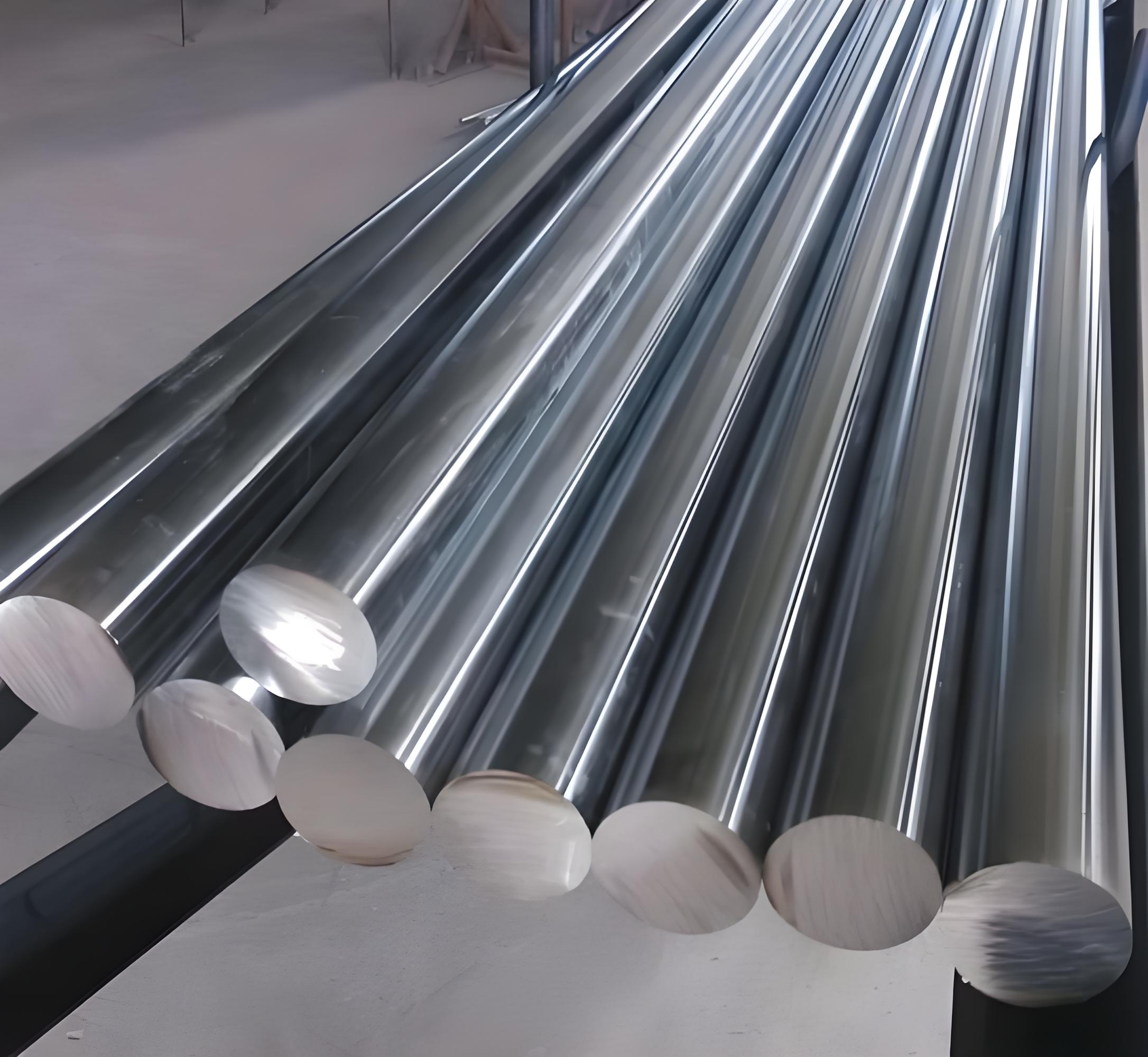
To ensure the supplied density data remains credible and useful, Shanghai NC Metal Materials Co., Ltd. applies routine density spot checks on each batch. The standard in-house method is the Archimedes water displacement method. This method is widely accepted for metallic material density verification and offers a practical balance between accuracy and efficiency.
Under this method, the sample is weighed in air and then in water, allowing the true density to be calculated from buoyancy difference. For finished bar products, this is a reliable way to confirm whether the measured value is consistent with the expected range for Hastelloy C-276.
We can also provide EN 10204 MTC 3.1 certification, including either the measured density value or a guaranteed reference value, depending on the order requirement and project documentation need. For many industrial buyers, especially those supplying pressure equipment, offshore systems, or chemical process assemblies, this documentation is important for internal traceability.
If required, third-party witnesses such as SGS or BV can be arranged for on-site density rechecking. This is particularly useful for critical export orders, owner-approved materials, or projects where independent verification is written into the procurement procedure.
In addition to density testing, composition is verified by spectrometric analysis. This creates a useful reverse-check system. If the chemistry is compliant and the density also falls into the proper range, confidence in the material identity and consistency becomes much stronger.
When requesting a quotation for Hastelloy C-276 bar, customers should mention in advance if a density certificate is required. This helps our production and quality teams prepare the right documentation and sample plan before dispatch. It is especially helpful for EPC contractors, stockists serving regulated industries, and end users that need material files for project approval.
Buyers should also understand that density data is mainly used for cost planning, weight estimation, and logistics calculation. It should not be treated as the sole acceptance criterion for the alloy. In standard industrial practice, chemical composition remains the primary basis for alloy identification, supported by mechanical properties, heat treatment status, dimensions, and surface condition as required.
If the customer wishes to perform independent density testing, Shanghai NC Metal Materials Co., Ltd. can provide cut samples from the ordered bar for self-checking. This is useful for laboratories, inspection agencies, and end users who want to compare in-house results against the mill certificate.
For commercial planning, density also affects raw material budgeting. Since C-276 contains high-value alloying elements, its reference U.S. dollar price per kilogram is usually higher than more common stainless or lower-alloy nickel grades. The density therefore has a direct impact on final material cost once the part volume is known. A denser alloy means more kilograms per component, and more kilograms translate into a higher total budget even when the geometry remains unchanged.
What is the standard density of Hastelloy C-276 round bar?
The standard reference density is 8.89 g/cm³. At Shanghai NC Metal Materials Co., Ltd., this value is used for routine theoretical weight calculation and is consistent with ASTM B574 and UNS N10276 expectations. Normal batch fluctuation is typically within ±0.05 g/cm³.
How do I calculate Hastelloy C-276 bar weight per meter?
You can use the formula: Weight (kg) = Length (m) × Cross-sectional Area (cm²) × 8.89. For round bars, common references are 0.698 kg/m for 10 mm diameter, 2.79 kg/m for 20 mm, 17.45 kg/m for 50 mm, and 69.8 kg/m for 100 mm.
Is Hastelloy C-276 heavier than Inconel 625?
Yes. Hastelloy C-276 is heavier, with a density of 8.89 g/cm³ compared with about 8.44 g/cm³ for Inconel 625. The main reason is that C-276 contains higher heavy-element contribution, especially from molybdenum and tungsten.
More from this category
Inconel 617 alloy round bar price per kilogram is commonly about USD 45 to 90 per kg for standard industrial stock sizes. Large forged bars, small pre...
The latest Inconel 625 alloy bar price per kg depends on nickel, molybdenum, niobium, and chromium raw material costs, as well as bar diameter, manufa...
Inconel X-750 alloy bar price depends on nickel raw material cost, bar diameter, product condition, heat treatment, specification, surface finish, dim...
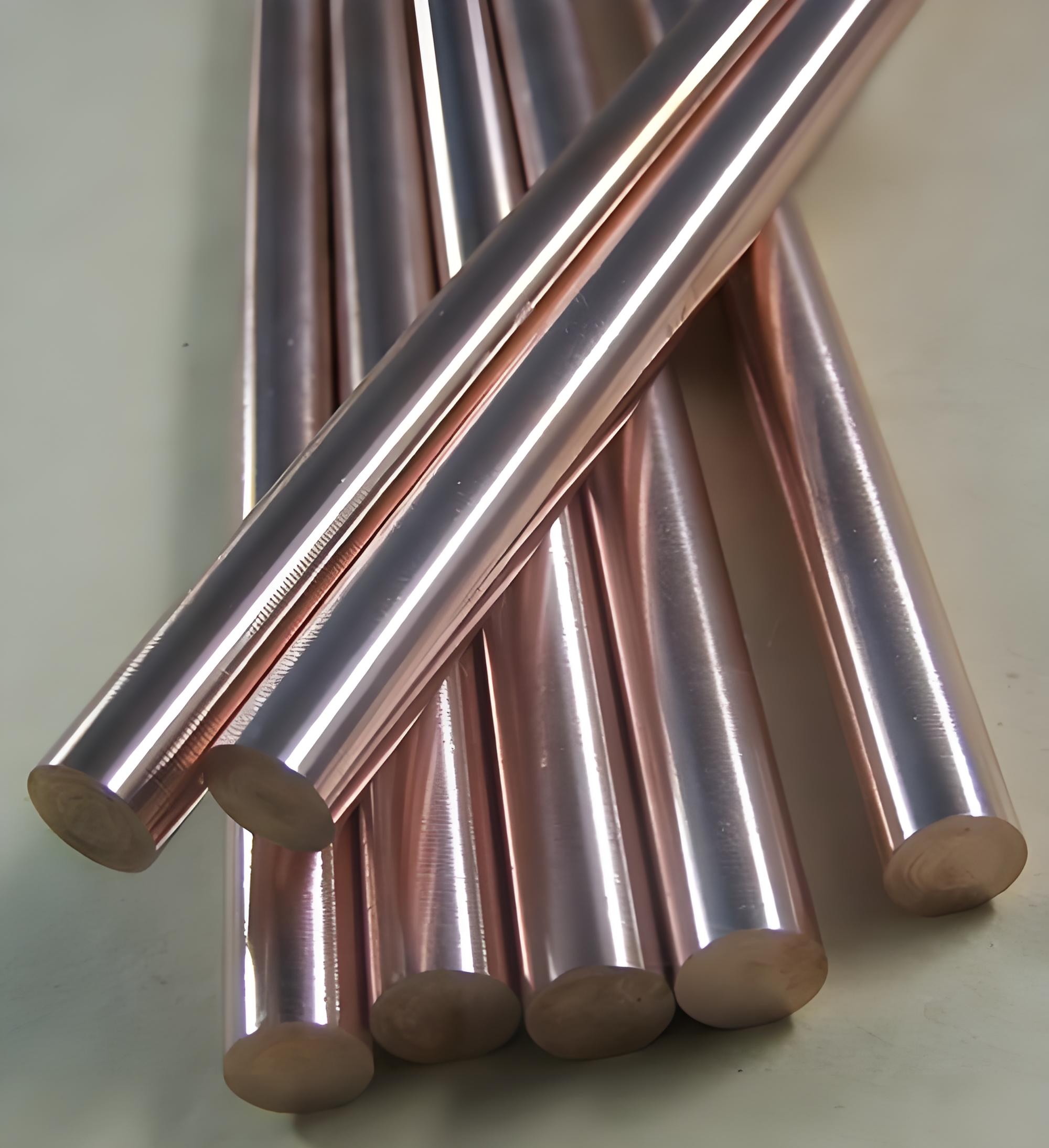
Inconel 602CA alloy bar price per kg is usually higher than common Inconel 600 and Inconel 601 bars because Alloy 602CA is a premium high-temperature ...
 English English
  Korean
 Arabic
 Spanish
 German
 Portuguese
 French
 Russian
 Italian
 Vietnamese