
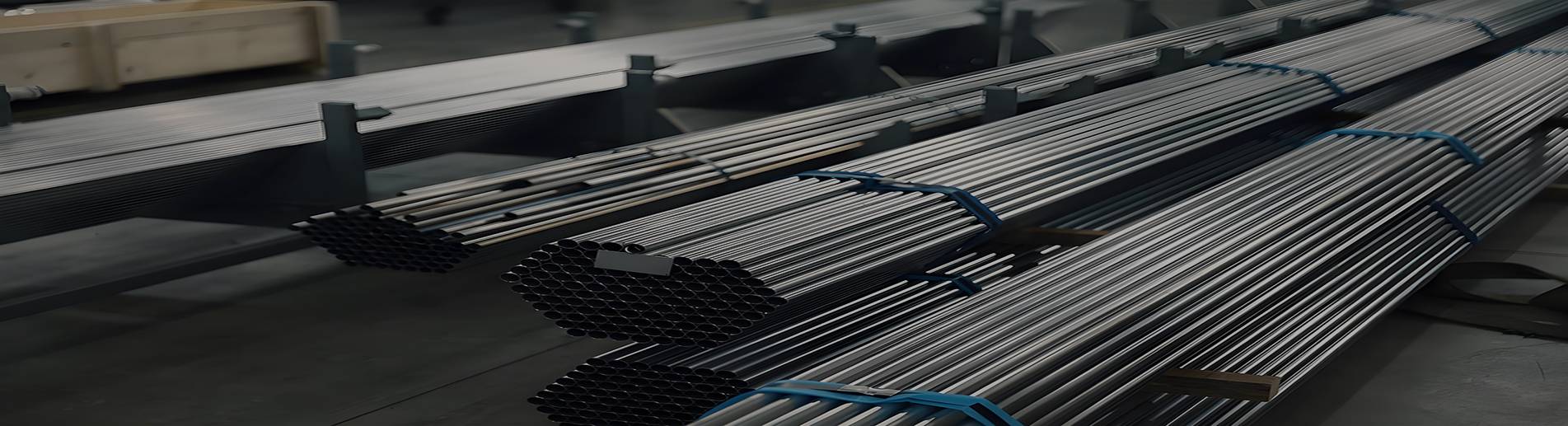
Latest Inconel 625 Alloy Bar Price List per Kg
The latest Inconel 625 alloy bar price per kg depends on nickel, molybdenum, niobium, and chromium raw material costs, as well as bar diameter, manufa...
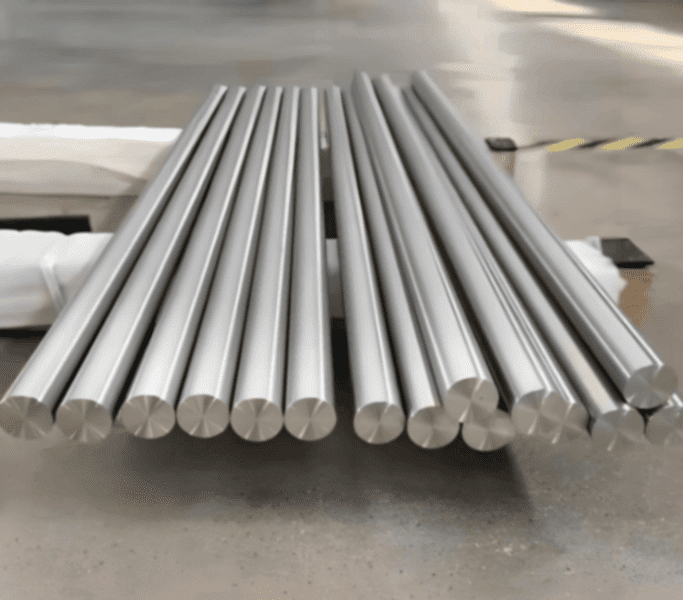
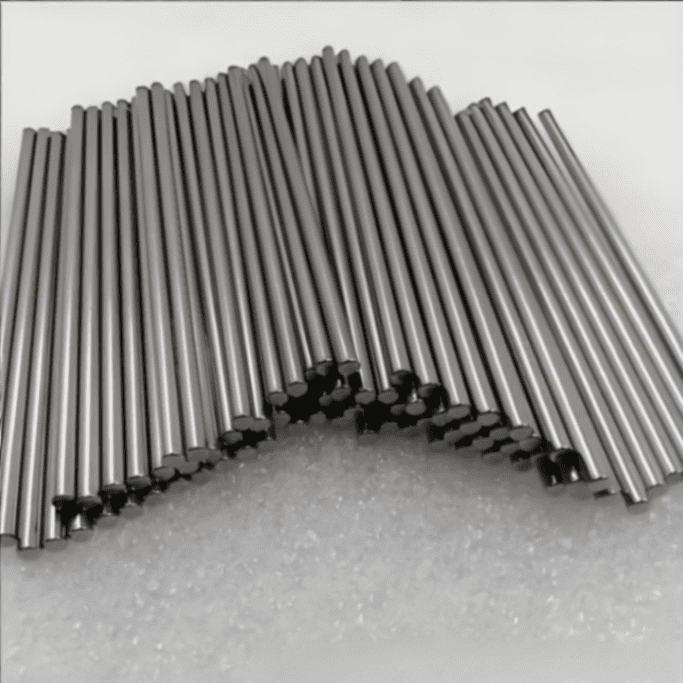
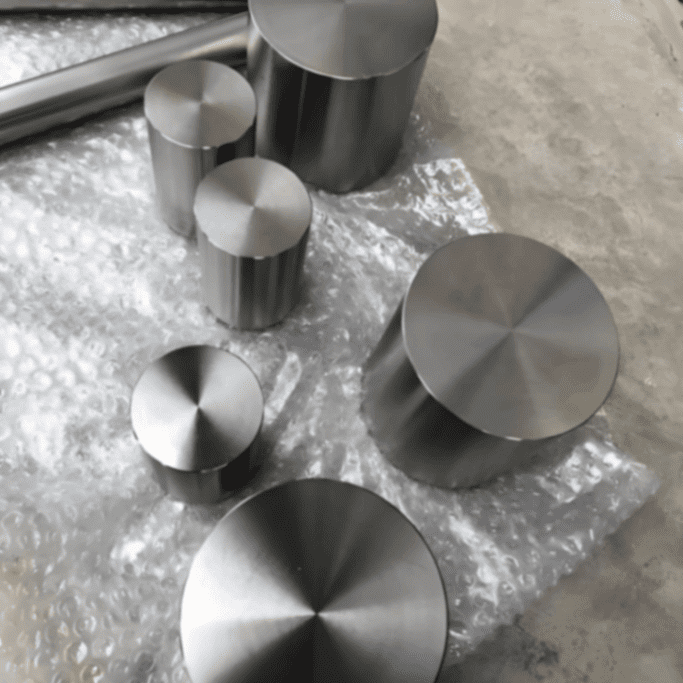
When buyers compare Inconel X-750 and Inconel 718, the first question is usually not which alloy is “better,” but which one fits the actual service condition better. That choice starts with chemistry. These two nickel-based alloys are often grouped together because both are used in high-temperature and high-strength environments, but their chemical composition is clearly different, and those differences are exactly why they behave differently in production and service. Inconel X-750 is built around a higher nickel base with stronger titanium-driven precipitation hardening, while Inconel 718 relies more heavily on niobium, molybdenum, and a higher iron content to create its own balance of strength, weldability, and crack resistance. If you only look at the alloy names, they may seem close. If you look at the chemistry closely, the gap becomes much clearer.
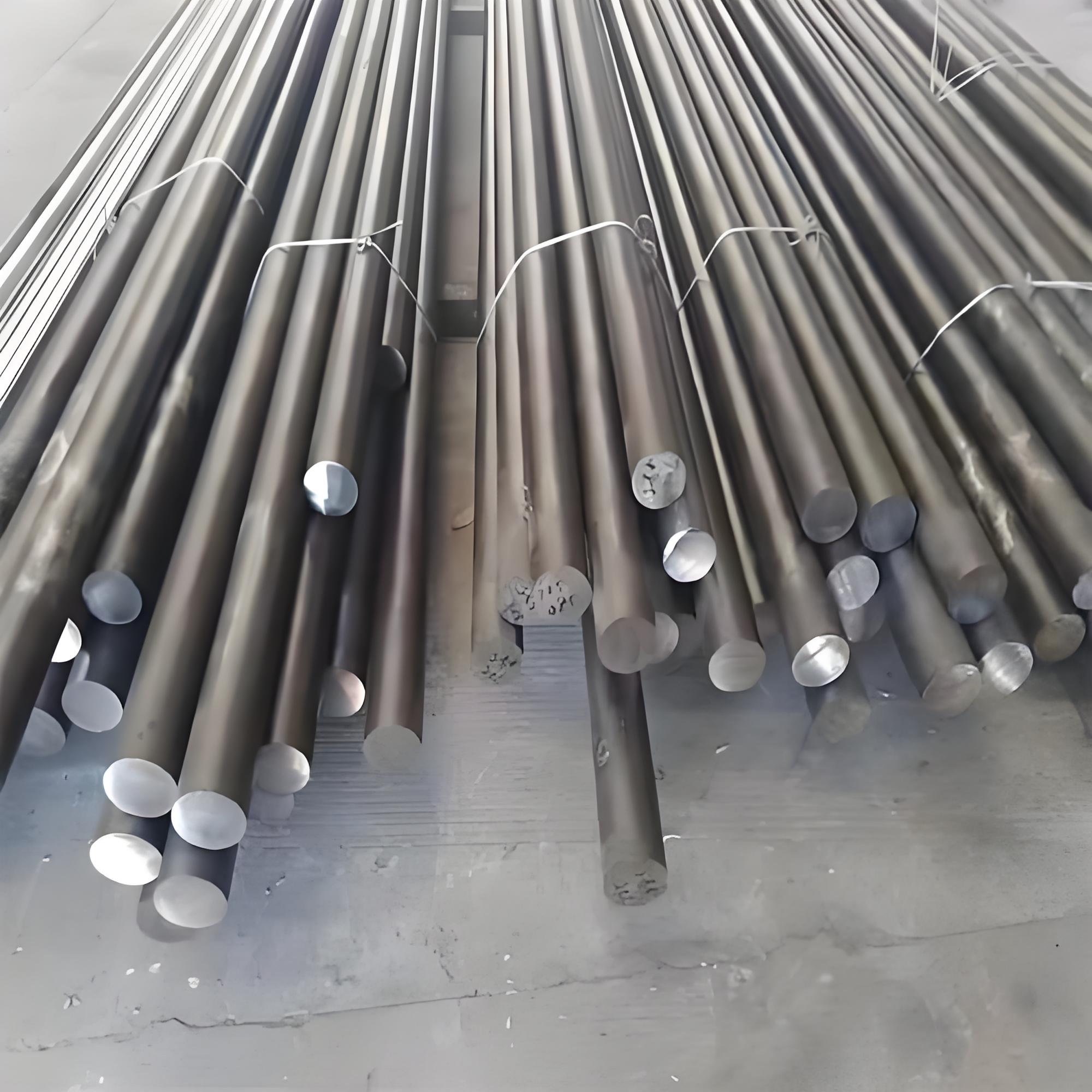
The most direct way to compare Inconel X-750 and Inconel 718 is to start with the base matrix elements: nickel, chromium, and iron. These three elements shape the overall identity of the alloy before we even get to the strengthening additions. They influence corrosion resistance, oxidation behavior, structural stability, and the basic cost-performance balance of the material.
Nickel is the biggest visual difference in the chemistry sheet. Inconel X-750 typically contains at least 70.0% nickel, while Inconel 718 is usually in the range of 50.0% to 55.0%. That means X-750 is much more nickel-rich. In practical terms, a higher nickel content usually supports good resistance to oxidation, corrosion, and structural instability at elevated temperature. It also gives the alloy a more classic nickel-alloy character rather than a nickel-iron alloy character. This is one reason why X-750 is often associated with strong heat resistance and reliable spring performance in demanding thermal environments.
Inconel 718, by contrast, has significantly lower nickel than X-750, but it still remains a nickel-based superalloy by industry classification. The reduction in nickel is balanced by a much higher iron content and strong additions of niobium and molybdenum. This makes 718 a very different alloy in behavior, even if buyers see both materials listed under the same broad nickel alloy category. In purchasing discussions, this is an important point: 718 is not simply a lower-nickel version of X-750. It is a different design concept with different strengthening priorities.
Chromium content also separates the two alloys. X-750 generally contains 14.0% to 17.0% chromium, while 718 is usually higher at 17.0% to 21.0%. So if we compare only chromium, 718 has the edge. Chromium is the main element responsible for oxidation resistance and a large part of general corrosion resistance in both alloys. The higher chromium in 718 helps maintain a stable oxide film and gives solid protection in oxidizing environments. That said, chromium never works alone. Its real effect depends on the full chemistry system and the service temperature range.
Iron content shows one of the sharpest contrasts. Inconel X-750 contains roughly 5.0% to 9.0% iron, while Inconel 718 contains iron as the balance, commonly around 17% to 21%. That is a major difference, and it has real implications. The higher iron content in 718 makes it more of a nickel-iron-chromium alloy, while X-750 stays closer to a nickel-chromium alloy with more limited iron dilution. This chemistry shift affects cost structure, phase balance, and the way the alloy responds to heat treatment and welding. In the market, this is one reason why 718 is often selected when a buyer wants a very strong alloy with good fabrication and welding potential, while X-750 is often chosen when a higher nickel base and good spring or relaxation resistance are more important.
So even at the matrix level, these alloys are not close substitutes. X-750 is higher in nickel and lower in iron, while 718 is lower in nickel but higher in chromium and much higher in iron. That basic difference already points to different service strengths before the precipitation hardening elements are even considered.
The next major comparison point is the precipitation-strengthening system. This is where Inconel X-750 and Inconel 718 really separate from each other in a technical sense. Both are precipitation-hardened alloys, but they do not rely on the same chemistry balance to achieve strength. That difference matters a lot for heat treatment response, elevated-temperature strength, and long-term structural stability.
Niobium plus tantalum is one of the most important differences. In X-750, niobium plus tantalum is usually limited to about 0.70% to 1.20%. In 718, the level is much higher, typically 4.75% to 5.50%. This is not a small adjustment. It is a major design difference. Inconel 718 depends heavily on niobium for its precipitation hardening and its strong mechanical performance. The high niobium content promotes the formation of strengthening phases that are central to 718’s identity, especially its well-known combination of high strength and good resistance to crack propagation.
Because 718 contains so much more niobium, it generally develops stronger high-temperature mechanical properties than X-750 in many structural applications. This is one reason 718 is commonly used for turbine discs, high-temperature fasteners, and critical aerospace components where strength margins are tight and crack resistance matters. Buyers who need strong structural performance under heavy load often move toward 718 for exactly this reason.
X-750 goes in a different direction. Its titanium content is much higher, typically 2.25% to 2.75%, while 718 usually contains only about 0.65% to 1.15% titanium. That is a large gap, and it tells you a lot about how X-750 is designed. Titanium is one of the key elements behind the alloy’s gamma prime, or γ’ strengthening mechanism, especially when it works together with aluminum. This titanium-rich chemistry is part of what gives X-750 its strong age-hardening response and its good stress relaxation resistance, especially in spring applications and components that must maintain elastic load over time.
In simple terms, X-750 leans more heavily on titanium-based strengthening, while 718 leans much more heavily on niobium-based strengthening. This is one of the most important chemical differences between the two materials. It explains why X-750 is often chosen for springs, retaining rings, bellows, and gas turbine sealing parts, while 718 is often selected for more heavily loaded structural parts where very high strength and crack resistance are critical.
Aluminum is comparatively closer between the two alloys. X-750 typically contains 0.40% to 1.00% aluminum, while 718 is usually in the range of 0.20% to 0.80%. So the two are broadly similar, but X-750 is often slightly higher. Aluminum works with titanium in X-750 to support gamma prime formation, while in 718 it plays a supporting role in the overall precipitation system. Even though the difference looks smaller than the niobium or titanium gap, it still matters because aluminum is part of the hardening balance. In X-750, the slightly higher aluminum content supports the alloy’s age-hardening behavior and contributes to oxidation resistance as well.
For practical sourcing, this means buyers should not compare these alloys by tensile strength alone. The strengthening mechanism itself is different, and that affects service temperature range, heat treatment stability, and long-term behavior under stress. A material with higher niobium behaves differently from one with higher titanium, even if both are called nickel-based precipitation-hardening alloys.
Beyond the major matrix elements and precipitation-strengthening additions, there are a few specific elements that clearly separate Inconel X-750 from Inconel 718. Among them, molybdenum is the most important. This is one of those chemistry differences that can immediately tell a technical buyer that these two alloys are built for different performance targets.
Inconel X-750 does not contain molybdenum as a major alloying element. If any molybdenum is present, it is not part of the main composition strategy. Inconel 718, on the other hand, typically contains 2.80% to 3.30% molybdenum. That is a substantial addition, and it plays a major role in strengthening and high-temperature performance. Molybdenum improves solid-solution strengthening and helps raise the alloy’s resistance to deformation under load at elevated temperature. This is one reason 718 maintains such a strong reputation in demanding structural applications.
From a practical engineering point of view, the presence of molybdenum in 718 supports higher high-temperature strength and contributes to its good resistance to mechanical degradation under sustained stress. It also helps the alloy perform well in applications where a component sees both temperature and load at the same time. That combination is common in aerospace and power generation parts. In contrast, X-750 is not designed around molybdenum-driven strengthening. Its performance profile comes more from high nickel, titanium, aluminum, and moderate niobium.
Cobalt is another element worth mentioning, but mainly because it does not serve as a major differentiator here. In both X-750 and 718, cobalt is typically limited to 1.0% maximum. That means it is restricted rather than intentionally added in significant amounts. In other nickel-based superalloys, cobalt can be a major strengthening or stabilizing element, but in these two grades it is not the main story. Buyers sometimes expect all high-temperature nickel alloys to contain meaningful cobalt, but that is not the case here.
The absence of major cobalt additions in both alloys also helps underline a broader point: X-750 and 718 achieve their properties through different chemistry strategies, but neither relies on cobalt as a primary driver. So when comparing mill certificates, cobalt should be viewed more as a controlled residual or minor element than a deciding factor between the two grades.
If we reduce this section to a simple comparison, the standout difference is easy to see. Inconel 718 contains a meaningful molybdenum addition; X-750 does not. That single chemistry fact already points to stronger elevated-temperature structural performance for 718 in many applications. At the same time, the lack of molybdenum in X-750 does not make it weak. It simply means X-750 is optimized differently, with more emphasis on relaxation resistance and age-hardened performance in a somewhat different service window.
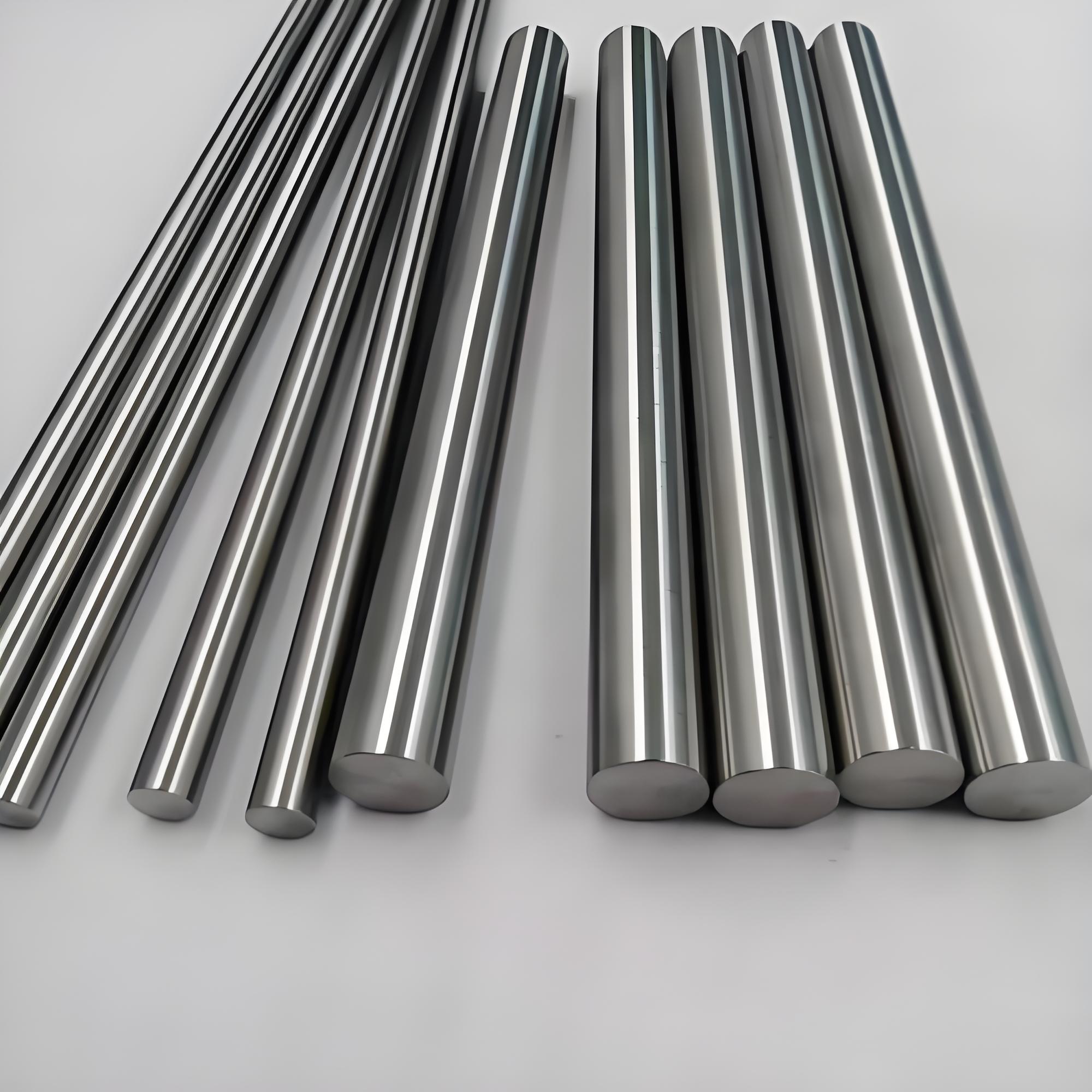
After the major alloying elements, buyers should also look at impurity and trace element controls. These values may seem less important because the numbers are small, but in nickel alloys, small numbers can have a big effect on manufacturability, cleanliness, weld quality, hot workability, and long-term reliability. This is especially true for bars, forgings, fasteners, and precision-machined parts.
Carbon is a good example. Both Inconel X-750 and Inconel 718 typically limit carbon to 0.08% maximum. So in this area, the two alloys are quite similar. Carbon must be kept under control because too much carbon can encourage excessive carbide formation, which may affect ductility, toughness, and certain high-temperature properties. In some applications, controlled carbide formation can be useful, but excess carbon is generally undesirable. The fact that both alloys keep carbon at a similar low level shows that both are designed for controlled high-performance service rather than general-purpose alloy use.
Manganese, silicon, sulfur, phosphorus, and copper are also tightly limited in both grades, and the restriction levels are often fairly close. Manganese and silicon are usually controlled because they influence deoxidation behavior and can affect cleanliness and processing if they drift too high. Sulfur and phosphorus are especially important because they can damage hot workability and reduce ductility, and in critical parts they can raise the risk of cracking or poor mechanical consistency.
Copper is generally treated as a residual element in both alloys rather than a beneficial addition. It is kept low because excessive copper can interfere with intended alloy behavior and processing stability. For buyers reviewing test certificates, copper is rarely the first value checked, but it still matters in high-specification material.
One useful detail in the comparison is that Inconel 718 may sometimes have more specific controls on boron and magnesium, depending on the governing standard or customer requirement. Boron in very small amounts can influence grain boundary behavior and high-temperature properties. Magnesium may also be controlled in certain melting or refining routes. These are not always front-page chemistry items in standard purchasing discussions, but for aerospace-grade or special-quality 718, they can become important. That is especially true where tight process control, fatigue life, or crack resistance is required.
X-750 also demands careful trace control, of course, but 718 is often seen in applications where the full chemistry control package is more tightly linked to weldability and structural integrity under severe conditions. This does not mean X-750 is a loose-tolerance alloy. It simply means 718 is frequently ordered under conditions where trace chemistry and process control receive extra attention because the final parts are so heavily stressed.
For procurement teams, the takeaway is practical: if the application is highly critical, do not stop at the main chemistry line. Review the full trace element limits, the applicable standard, and whether the alloy is supplied under general industrial requirements or a more demanding aerospace or enterprise-level specification. That is often where the real difference in material consistency shows up.
The chemistry differences between Inconel X-750 and Inconel 718 are not academic details. They directly influence where each alloy performs best. In real-world sourcing, this is the part that matters most. Once the buyer understands the chemistry, the typical application pattern starts to make sense.
Inconel X-750, with its higher nickel and higher titanium content, is well known for good stress relaxation resistance and useful creep performance from low temperature up into the moderate high-temperature range. This makes it a common choice for springs, gas turbine gaskets, bolting, retaining rings, and other parts that need to maintain force or shape over time. In spring applications especially, the ability to resist loss of load under heat is often more important than reaching the absolute highest tensile strength number. That is where X-750 has a long and practical track record.
The higher nickel content in X-750 also supports strong oxidation and corrosion resistance, while the titanium-aluminum precipitation system helps produce stable age-hardened strength. This combination is especially useful in components that face repeated thermal cycling, mechanical preload, or moderate sustained heat. In other words, X-750 is often selected where elastic performance, dimensional stability, and heat resistance need to work together.
Inconel 718 moves in a different direction. Its much higher niobium content, meaningful molybdenum addition, and higher iron level create an alloy with stronger high-temperature structural strength and very good overall weldability compared with many high-strength nickel superalloys. It is also well known for good resistance to crack propagation. In practice, this is a big reason why 718 is used for turbine discs, high-temperature fasteners, aerospace structural parts, engine cases, and heavily loaded components where mechanical reliability is critical.
One of the most practical advantages of 718 is that it can offer a strong combination of high strength and relatively good fabrication behavior. Some nickel superalloys become very difficult to weld or highly crack-sensitive as strength increases, but 718 is widely valued because it handles that balance well. Its chemistry is a major reason for that reputation. The niobium-driven strengthening system and the overall alloy design make it particularly attractive when the part must be welded and still retain dependable mechanical performance after processing.
By contrast, X-750 is often preferred in applications where spring properties, relaxation resistance, and service stability matter more than maximizing structural strength at the top end of the temperature range. It is not unusual for procurement teams to compare the two because both may appear on approved material lists for heat-resistant service. But when the job involves heavily loaded structural sections, 718 often wins. When the job is more about maintaining force, resisting relaxation, or supporting resilient components, X-750 often remains the better fit.
This is why substitution between the two should never be treated casually. A buyer may see that both are nickel-based, both are precipitation hardenable, and both are used in aerospace or energy industries. But the chemistry says they are optimized differently. X-750 is not simply an older version of 718, and 718 is not just a stronger X-750. They are distinct alloys designed around different metallurgical logic.
For suppliers such as Shanghai NC Metal Materials Co., Ltd., explaining this chemistry-to-application relationship is often more useful than just listing standard numbers. Buyers usually do not need more marketing language. They need to know why one alloy appears in springs and gaskets while the other shows up in turbine discs and high-strength structural fasteners. The answer is in the chemical composition: more nickel and titanium push X-750 toward relaxation resistance and age-hardened spring behavior, while more niobium, molybdenum, and iron push 718 toward stronger structural performance, better weldability, and stronger resistance to crack growth.
What is the main chemical difference between Inconel X-750 and Inconel 718?
The biggest difference is in the strengthening chemistry. Inconel X-750 has much higher nickel and titanium, while Inconel 718 has much higher niobium and includes a significant molybdenum addition. X-750 is typically nickel-rich at 70.0% minimum, while 718 is lower in nickel at about 50.0% to 55.0% and much higher in iron. These differences lead to different heat-treatment response and different application preference.
Is Inconel 718 stronger than Inconel X-750 at high temperature?
In many structural applications, yes. Because 718 contains much more niobium and also includes 2.80% to 3.30% molybdenum, it generally delivers higher high-temperature strength and better crack-growth resistance than X-750. That is why 718 is often chosen for turbine discs, aerospace structural parts, and high-temperature fasteners. X-750 still performs very well, but it is more often selected for springs, gaskets, and components where stress relaxation resistance is especially important.
Can Inconel X-750 be used instead of Inconel 718?
It depends on the application, but direct substitution should not be assumed. Even though both are nickel-based precipitation-hardening alloys, their chemistry and property balance are different. X-750 is better known for spring performance and relaxation resistance, while 718 is usually preferred for higher structural strength, better weldability, and stronger resistance to crack propagation. Before substitution, buyers should check the drawing requirement, service temperature, load condition, welding needs, and the exact material standard.
More from this category
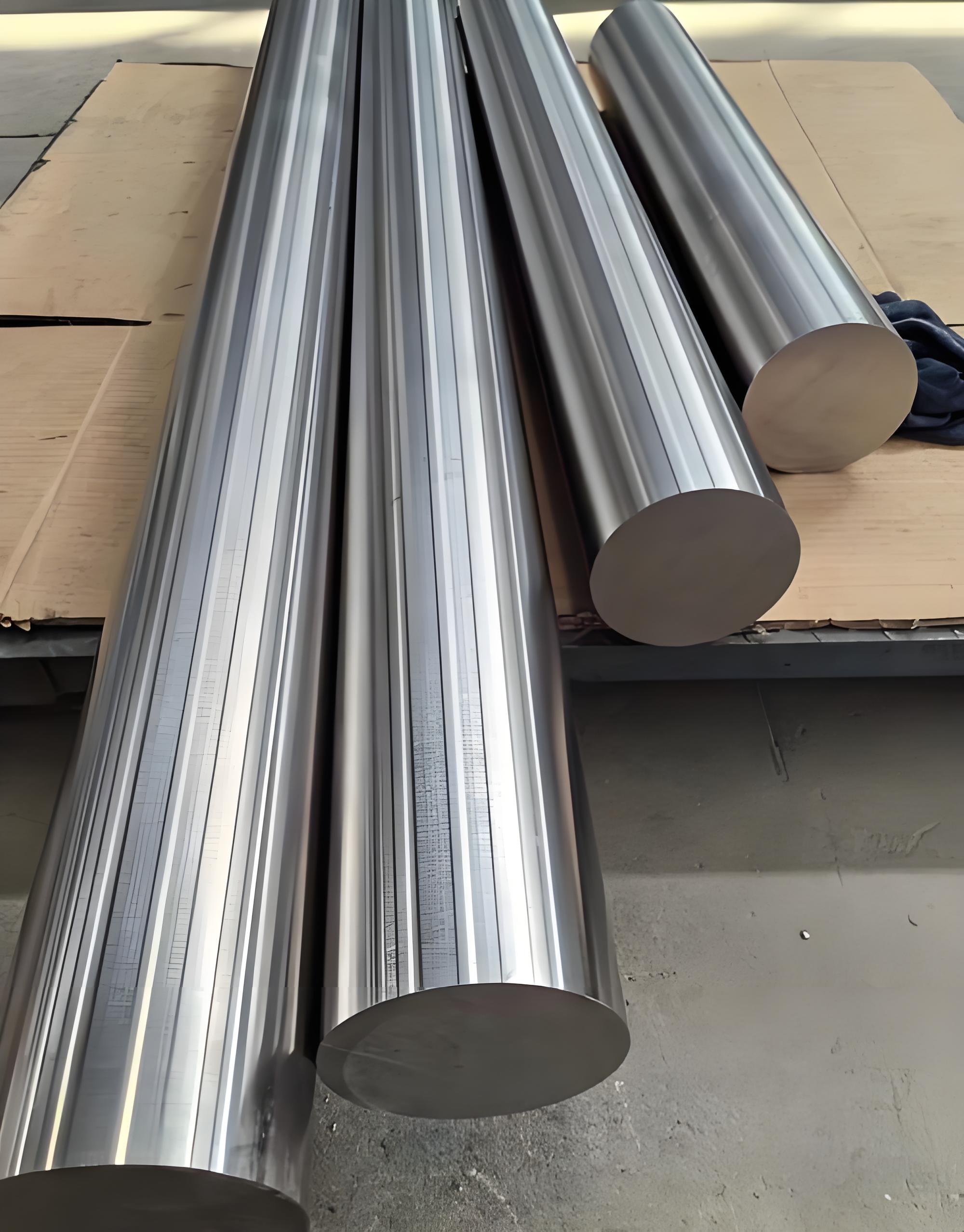
The latest Inconel 625 alloy bar price per kg depends on nickel, molybdenum, niobium, and chromium raw material costs, as well as bar diameter, manufa...
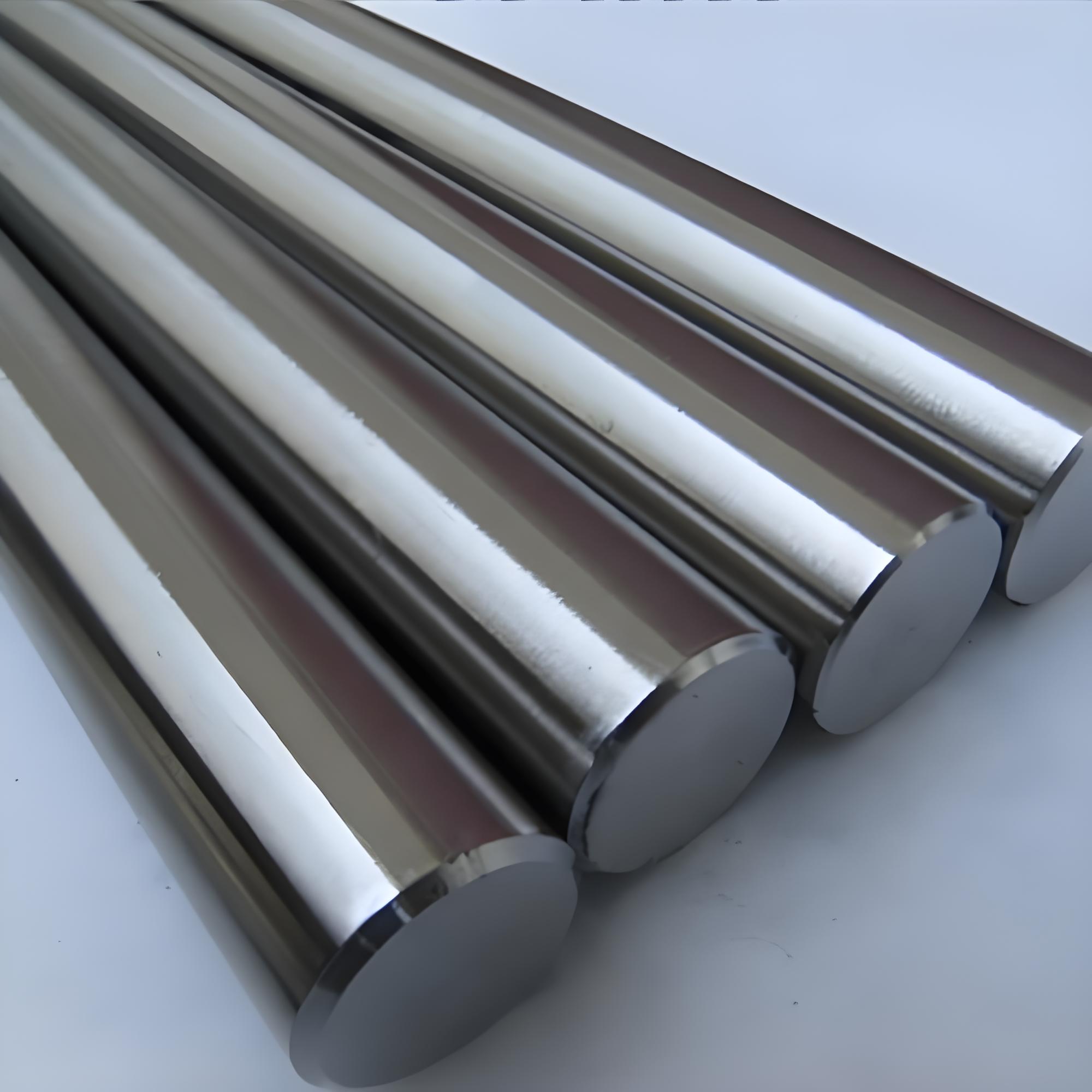
Inconel X-750 alloy bar price depends on nickel raw material cost, bar diameter, product condition, heat treatment, specification, surface finish, dim...
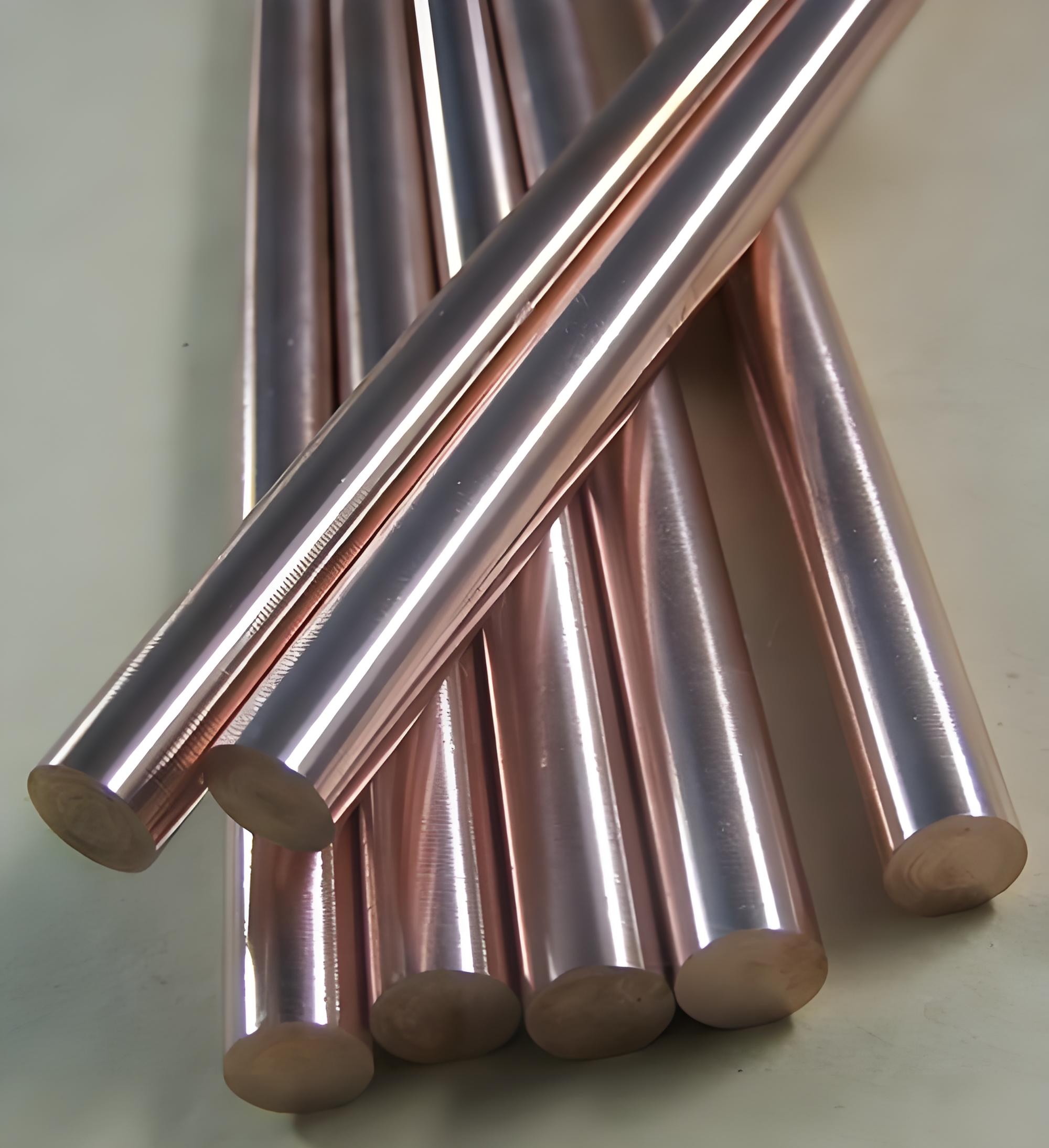
Inconel 602CA alloy bar price per kg is usually higher than common Inconel 600 and Inconel 601 bars because Alloy 602CA is a premium high-temperature ...
Nickel 200 bar price depends mainly on nickel raw material cost, bar shape, diameter, length, tolerance, surface finish, delivery condition, stock ava...
 English English
  Korean
 Arabic
 Spanish
 German
 Portuguese
 French
 Russian
 Italian
 Vietnamese