- E-mail: [email protected]
- WhatsApp: +86 18533346372
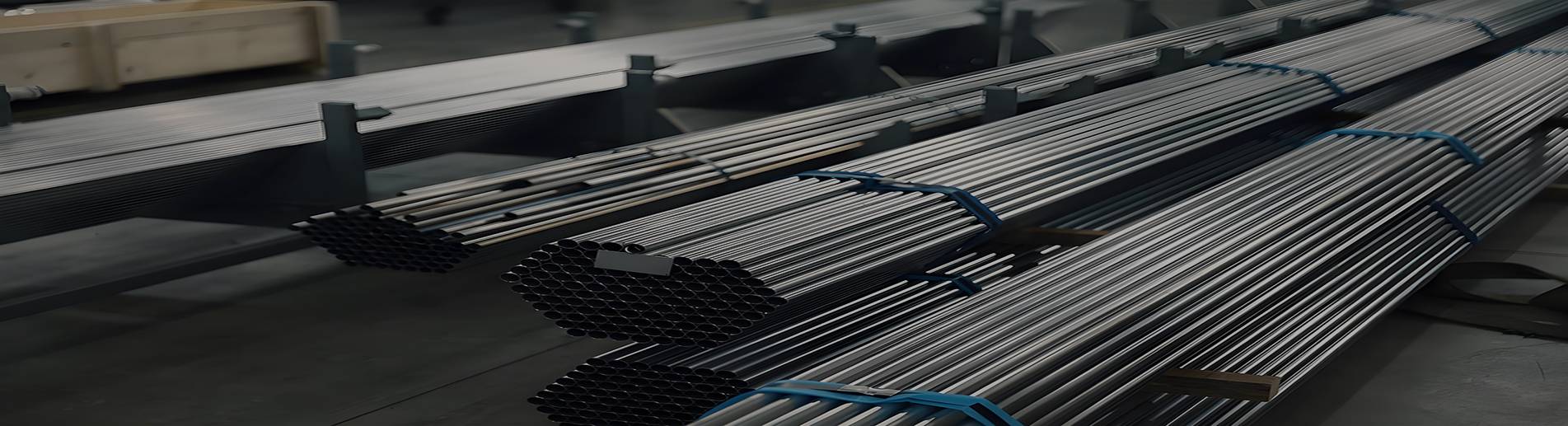
Home > Products > Inconel bar > Inconel X-750/UNS N07750/W. Nr. 2.4669 Alloy bar
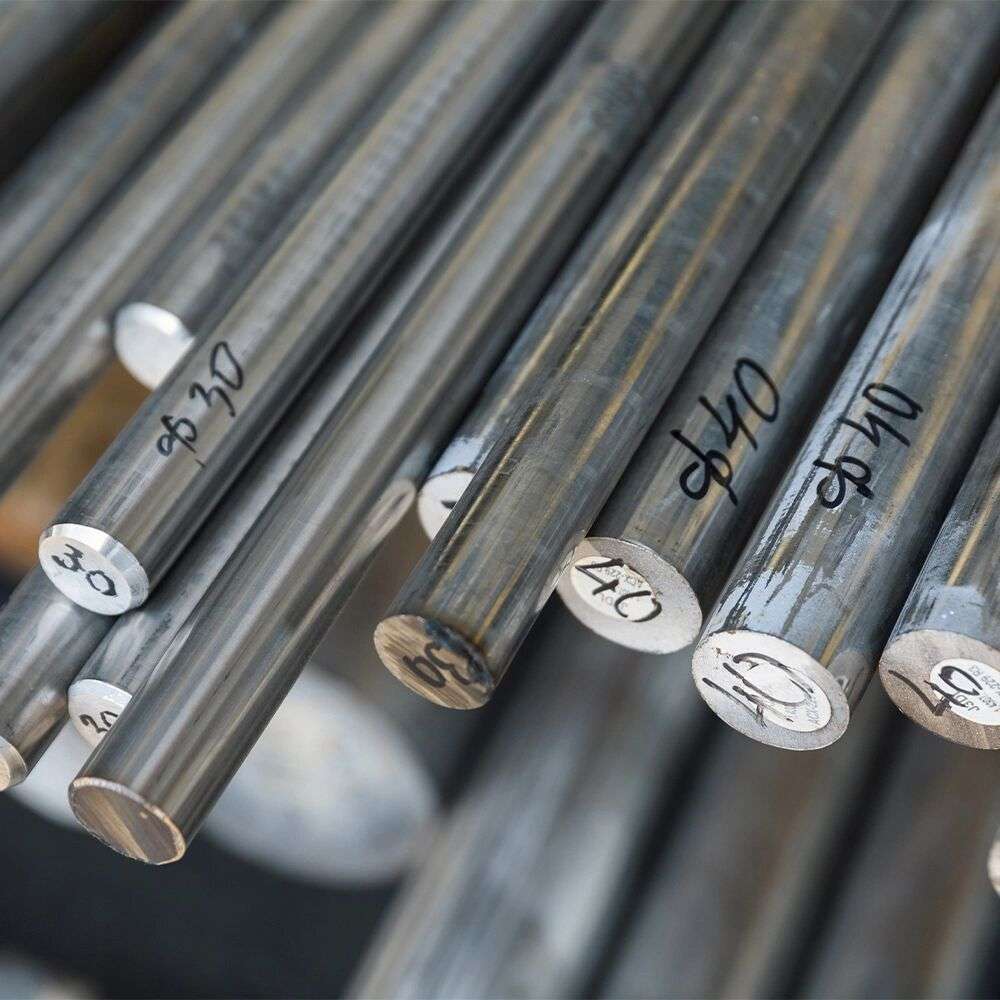
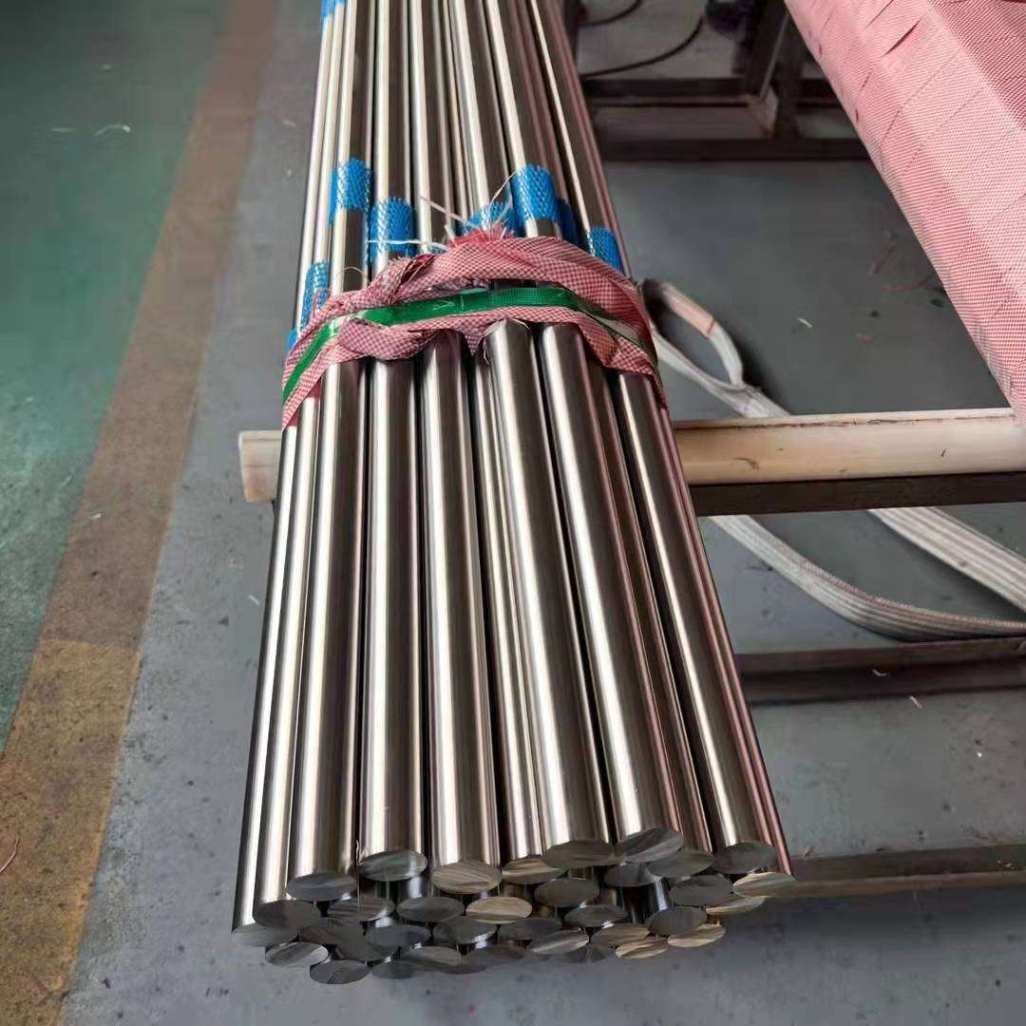
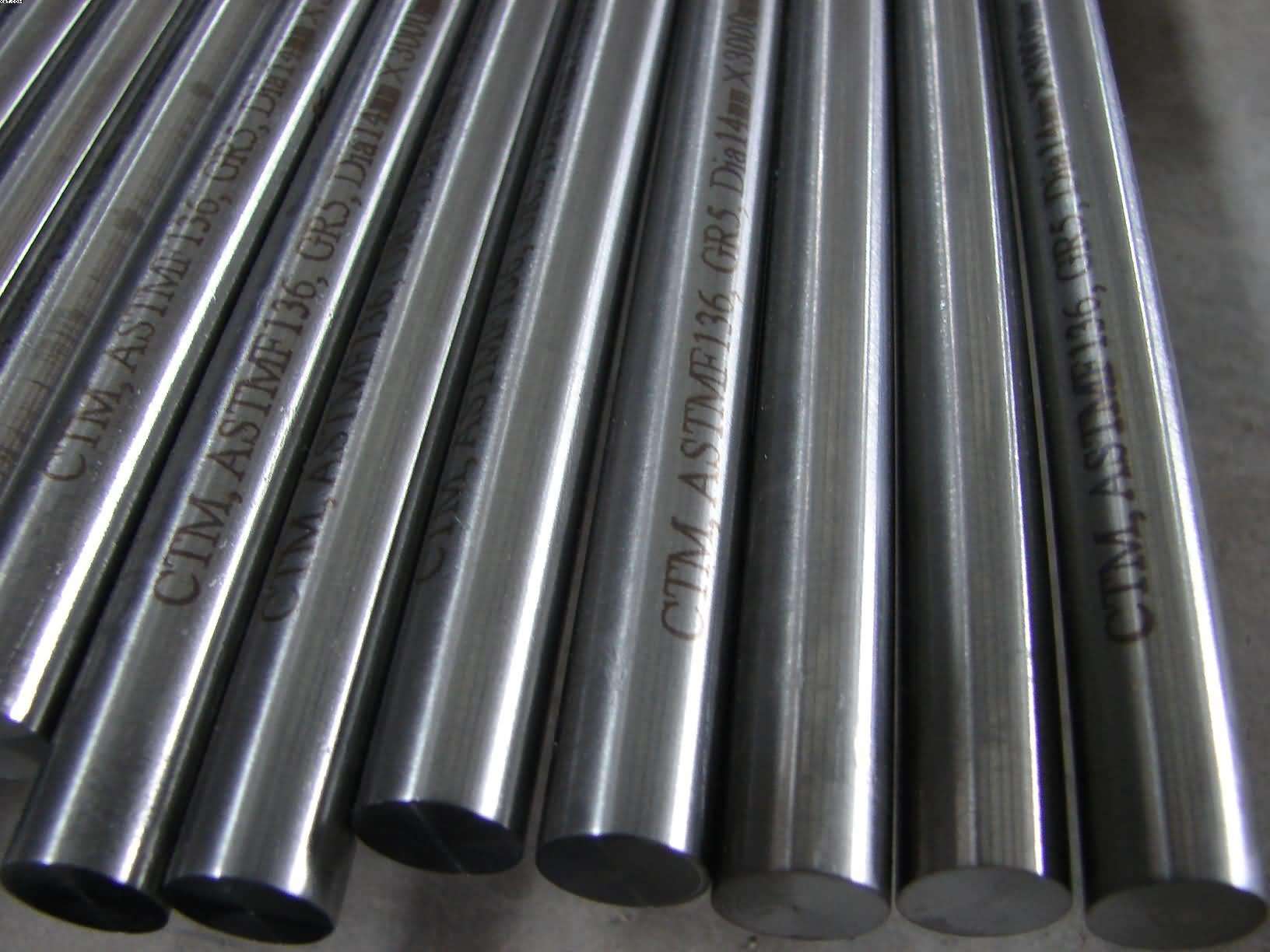
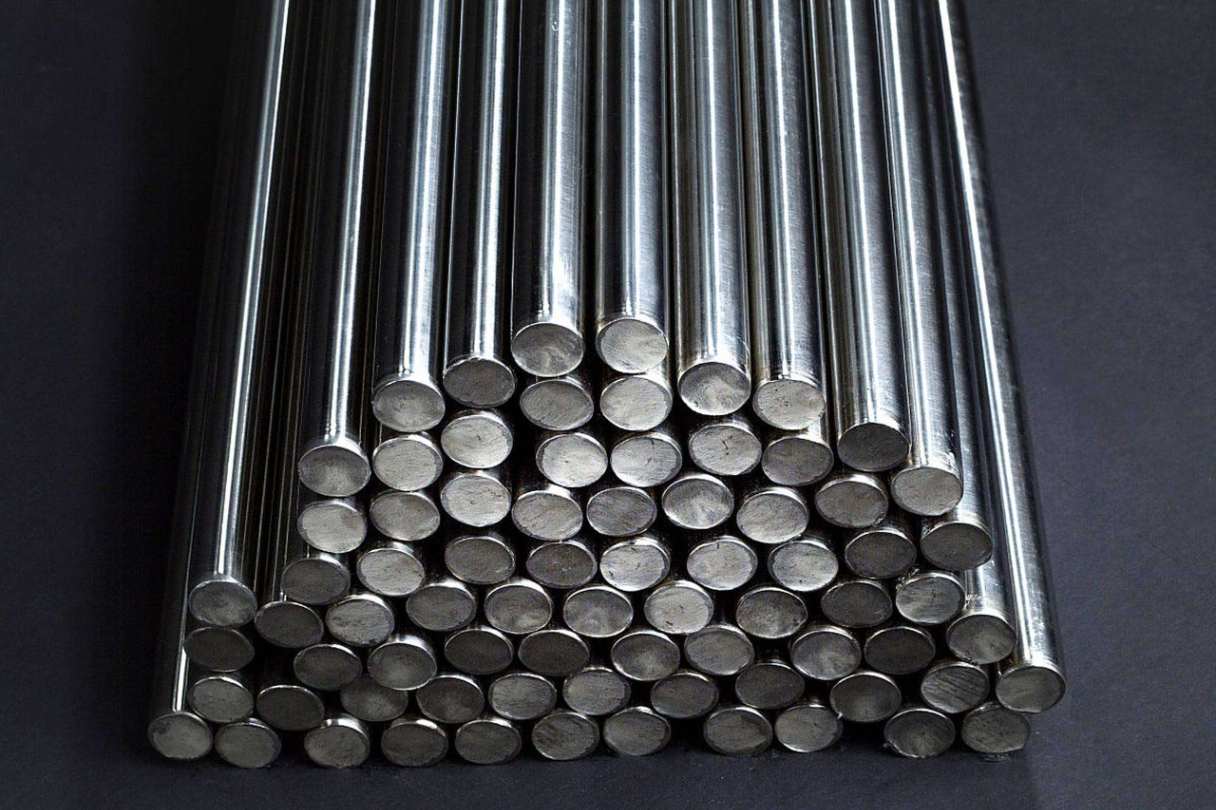
Inconel X-750 bar, also known by its designations UNS N07750, W.Nr. 2.4669, and approximate composition name NiCr15Fe7TiAl, is a nickel-chromium-iron superalloy strengthened by precipitation hardening with aluminum and titanium
Inconel X-750 bar, also known by its designations UNS N07750, W.Nr. 2.4669, and approximate composition name NiCr15Fe7TiAl, is a nickel-chromium-iron superalloy strengthened by precipitation hardening with aluminum and titanium. This bar stock form is renowned for its high strength and excellent corrosion resistance at temperatures up to approximately 700°C (1300°F), alongside good spring properties and resistance to relaxation, making it a premier choice for critical high-stress components in aerospace, nuclear, and industrial applications.
Inconel X-750 is a gamma prime (γ’) precipitation-hardened alloy derived from the Inconel 600 series but optimized for significantly higher yield and creep strength through controlled additions of aluminum and titanium. The bar stock is commonly heat treated to various conditions (such as AH, HTH, or aged) to achieve specific mechanical property profiles, making it ideal for machining parts like turbine blades, fasteners, springs, and forming tools that require a precise balance of strength, toughness, and environmental resistance.
The carefully balanced chemistry of Inconel X-750 bar is fundamental to its precipitation hardening behavior and overall performance. Supplied by Shanghai NC Metal Materials Co., Ltd., the bar stock conforms to exacting aerospace and industrial specifications, ensuring consistent response to heat treatment.
| Element | Percentage (%) – Typical Range | Primary Function in the Alloy |
|---|---|---|
| Nickel (Ni) | ≥ 70.0 (Balance) | Base element; provides the austenitic matrix, corrosion resistance, and supports γ’ formation. |
| Chromium (Cr) | 14.0 – 17.0 | Confers resistance to oxidation and corrosion at high temperatures. |
| Iron (Fe) | 5.0 – 9.0 | Solid-solution strengthener and matrix stabilizer. |
| Titanium (Ti) | 2.25 – 2.75 | Primary hardening element; combines with aluminum and nickel to form the coherent γ’ (Ni3(Al,Ti)) strengthening precipitate. |
| Aluminum (Al) | 0.40 – 1.00 | Co-primary hardening element; essential for γ’ formation, contributing to high-temperature strength and stability. |
| Niobium (Nb) + Tantalum (Ta) | 0.70 – 1.20 | Contributes to strengthening through formation of γ” phase and stabilizes carbides. |
| Carbon (C) | 0.08 max | Controlled to form beneficial carbides for grain boundary strength without compromising toughness. |
| Manganese (Mn) | 1.00 max | Residual element, deoxidizer. |
| Silicon (Si) | 0.50 max | Residual element. |
| Copper (Cu) | 0.50 max | Residual element. |
| Sulfur (S) | 0.010 max | Impurity, kept very low for optimal hot workability. |
| Boron (B) | 0.006 max | Trace addition to strengthen grain boundaries. |
The mechanical properties of Inconel X-750 bar are highly dependent on its specific heat treatment condition. Bar is often supplied in the solution annealed condition (Condition A) for subsequent forming and aging, or directly in a precipitation-hardened condition.
| Mechanical Property | Typical Value (Condition AH – Aged) | Typical Value (Condition HTH – High-Temp Aged) | Common Specification Reference |
|---|---|---|---|
| Tensile Strength | ≥ 1138 MPa (165 ksi) | ≥ 1034 MPa (150 ksi) | AMS 5667 (Condition AH) |
| Yield Strength (0.2% Offset) | ≥ 827 MPa (120 ksi) | ≥ 758 MPa (110 ksi) | AMS 5667 (Condition AH) |
| Elongation in 2 inches (50mm) | ≥ 15% | ≥ 20% | AMS 5667 |
| Hardness (Rockwell) | 31 – 38 HRC | 28 – 35 HRC | – |
| Stress Rupture Life (700°C/1300°F) | Excellent, > 100 hours at 690 MPa (100 ksi) | Optimized for long-term stability at high temperature | – |
The physical properties of Inconel X-750 are critical for design in applications involving thermal cycling, electrical insulation, and weight considerations.
| Physical Property | Value at Room Temperature (20°C / 68°F) | Notes / Condition |
|---|---|---|
| Density | 8.28 g/cm³ (0.299 lb/in³) | – |
| Melting Range | 1395 – 1425°C (2540 – 2600°F) | – |
| Specific Heat | 431 J/kg·°C (0.103 BTU/lb·°F) | At 100°C |
| Thermal Conductivity | 11.7 W/m·K (81.0 BTU·in/hr·ft²·°F) | At 100°C |
| Mean Coefficient of Thermal Expansion | 12.8 μm/m·°C (7.1 μin/in·°F) | 20-100°C (68-212°F) |
| Electrical Resistivity | 1.22 μΩ·m (48.0 μΩ·in) | At 20°C |
| Modulus of Elasticity (Tensile) | 214 GPa (31.0 x 10^6 psi) | At 20°C |
Shanghai NC Metal Materials Co., Ltd. supplies Inconel X-750 bar in various forms and heat treatment conditions tailored to specific aerospace and industrial standards.
| Product Form | Standard Size Range | Key Standard Specifications | Common Supply Conditions |
|---|---|---|---|
| Round Bar (Hot Rolled/Forged) | 10mm (0.4″) to 300mm (12″) Diameter | AMS 5667 (Condition A, AH), ASTM B637 (UNS N07750), SB-637, DIN 17752 (W.Nr. 2.4669) | Condition A (Annealed), Condition AH (Aged), Condition HTH |
| Hexagonal Bar | 10mm to 80mm Across Flats | AMS 5667, ASTM B637 | Condition A, Condition AH |
| Square Bar | 10mm to 80mm Width | AMS 5667 | Condition A |
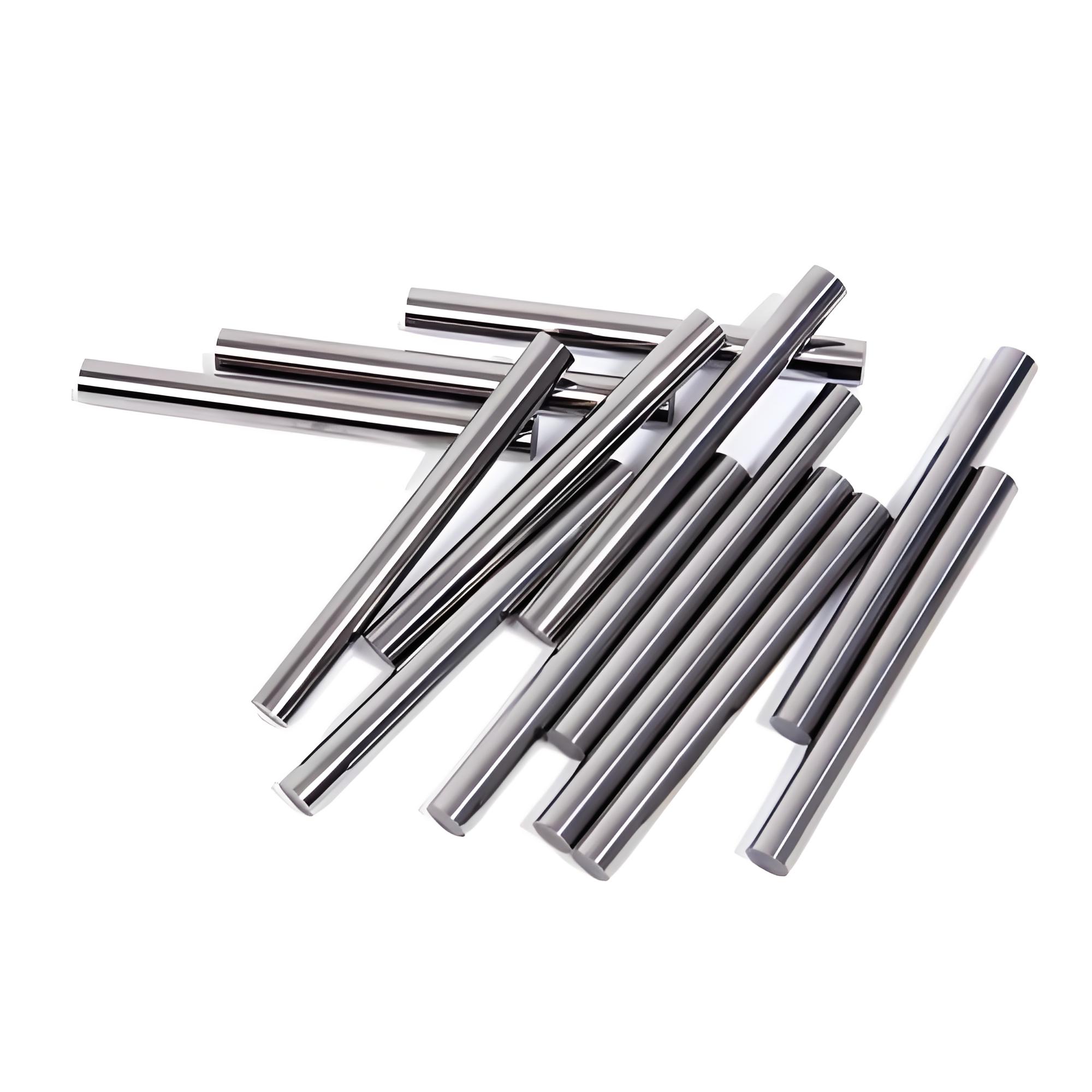
| Cold Finished Bar (Ground/Drawn) | 3mm to 100mm Diameter | AMS 5667 (cold drawn), ASTM B637 | Condition A, Condition AD (Annealed & Drawn) |
| Forging Billet | 150mm to 500mm Diameter | AMS 5668, ASTM B637 (Forgings) | Condition A (Annealed) |
Components machined from Inconel X-750 bar are essential in high-reliability systems: Aerospace & Jet Engines: Turbine blades and vanes, engine mount components, thrust reverser linkages, and high-strength fasteners. Nuclear Power: Reactor core components such as spring clips, guide pins, and support structures due to its strength and low neutron absorption cross-section. Industrial Gas Turbines: Buckets, bolts, and combustion chamber parts. Tooling & Forming: Hot-work die inserts and extrusion tooling. Springs & Bellows: High-temperature, high-stress springs and flexible metal bellows where resistance to stress relaxation is critical.
The properties of Inconel X-750 are developed through precise heat treatment sequences. Common industry conditions include: Condition A (Annealed): Solution treatment at approximately 1150°C (2100°F) followed by rapid cooling. This is the standard supply condition for fabricable bar stock. Condition AH (Aged Hardened): Solution treat (Condition A) followed by aging at 845°C (1550°F) for 24 hours, air cool, then age at 705°C (1300°F) for 20 hours, air cool. This provides high tensile and yield strength. Condition HTH (High Temperature Heat Treatment): Similar to AH but with adjusted times/temps to optimize creep rupture and stress relaxation properties for service above 650°C (1200°F).
Machining Inconel X-750 bar, especially in age-hardened conditions, demands careful technique due to its high strength and work-hardening tendency. Recommendations include: using rigid, high-power machine tools; sharp carbide or ceramic cutting tools with positive geometries; conservative cutting speeds; moderate to heavy, constant feed rates to work beneath the hardened surface; and abundant high-pressure coolant to manage heat and chip evacuation. Machining is often performed in the softer Condition A, followed by final aging to achieve full strength.
Inconel X-750 is considered weldable but requires caution due to its precipitation-hardening nature. Welding is typically performed in the solution-annealed condition (Condition A). Post-weld heat treatment (PWHT) is almost always required to restore corrosion resistance and mechanical properties in the heat-affected zone (HAZ) and to relieve stresses. Matching filler metals (e.g., ENiCrFe-7) or nickel-based fillers like 625 are often used. Solid-state welding processes like friction welding can be very successful.
The price of Inconel X-750 bar from Shanghai NC Metal Materials Co., Ltd. is influenced by its complex heat treatment requirements, stringent aerospace-grade quality controls, and the cost of its strengthening elements.
| Pricing Factor | Impact on Reference Price | Procurement Guidance |
|---|---|---|
| Heat Treatment Condition | Bar supplied in a fully precipitation-hardened condition (AH, HTH) is more expensive than solution-annealed (Condition A) bar due to the additional thermal processing and energy costs. | Consider purchasing in Condition A for complex machining, then aging in-house if you have a certified furnace. For simpler parts, buy pre-aged bar to save on processing steps. |
| Aerospace Certification (AMS) | Bar conforming to AMS 5667 or AMS 5668 (for forgings) with full traceability, stringent NDE (ultrasonic inspection), and extensive testing commands a significant premium over commercial ASTM-grade material. | Specify the exact AMS or customer specification number. “AMS 5667 Condition AH” is a precise and common requirement for aerospace fasteners and components. |
| Bar Size and Form | Large diameter forging billets and small diameter precision ground bar for spring wire are higher cost items. Standard hot-rolled round bar is the most economical form for general machining. | Utilize standard mill sizes for hot-rolled bar whenever possible to avoid special-order premiums. |
| Special Testing Requirements | Additional tests such as stress-rupture testing, notch-tensile testing, or specialized microstructural evaluations (grain size, phase identification) add considerable cost and lead time. | These are often required for nuclear or critical rotating parts. Ensure your purchase order clearly states all required tests to the relevant ASTM or customer standards. |
We are factory wholesale price, and the prices are lower than 95% of suppliers. Our professional quotation will help you with your project. Expecting our long-term cooperation. )
 English English
  Korean
 Arabic
 Spanish
 German
 Portuguese
 French
 Russian
 Italian
 Vietnamese