
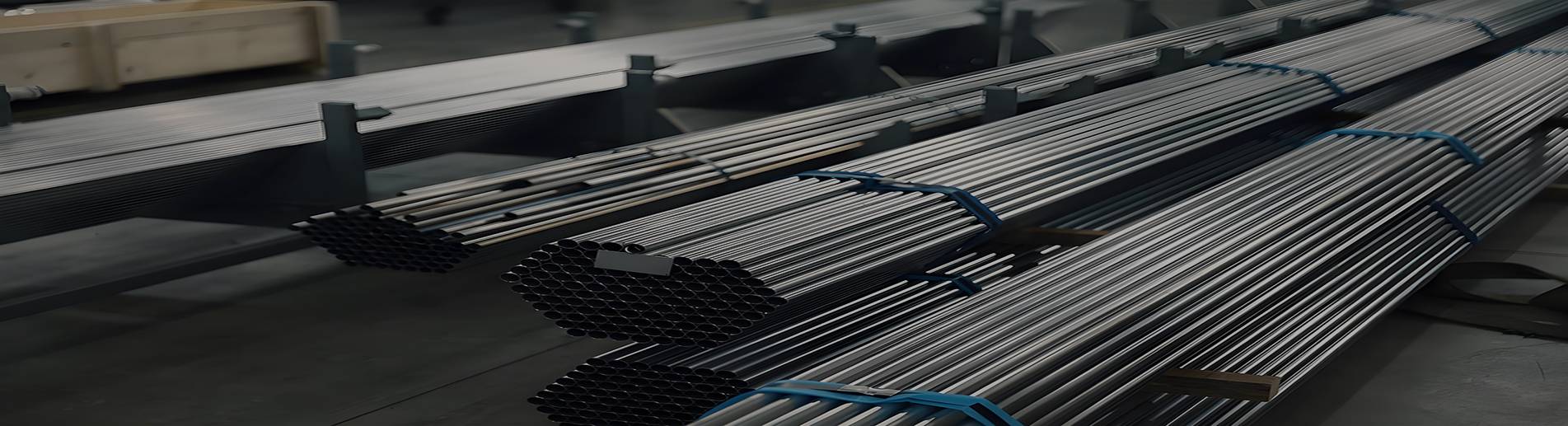
Inconel 617 alloy round bar price per kilogram
Inconel 617 alloy round bar price per kilogram is commonly about USD 45 to 90 per kg for standard industrial stock sizes. Large forged bars, small pre...
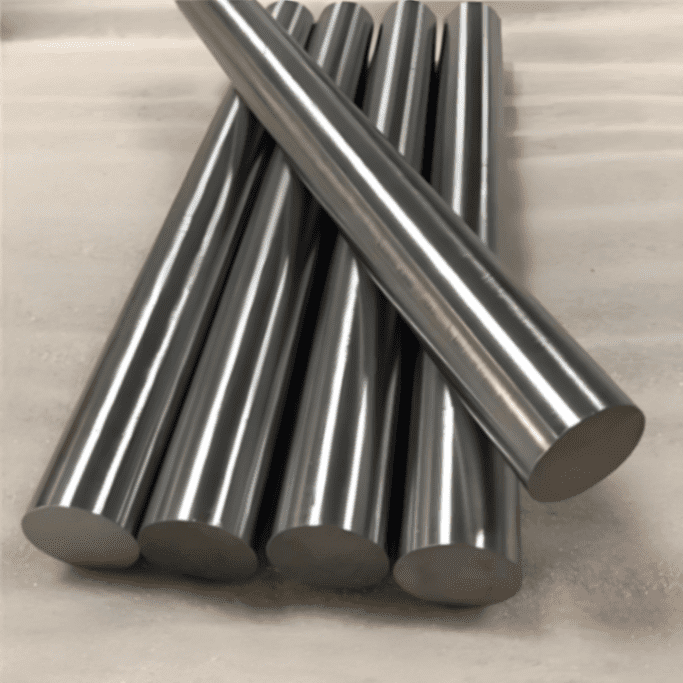
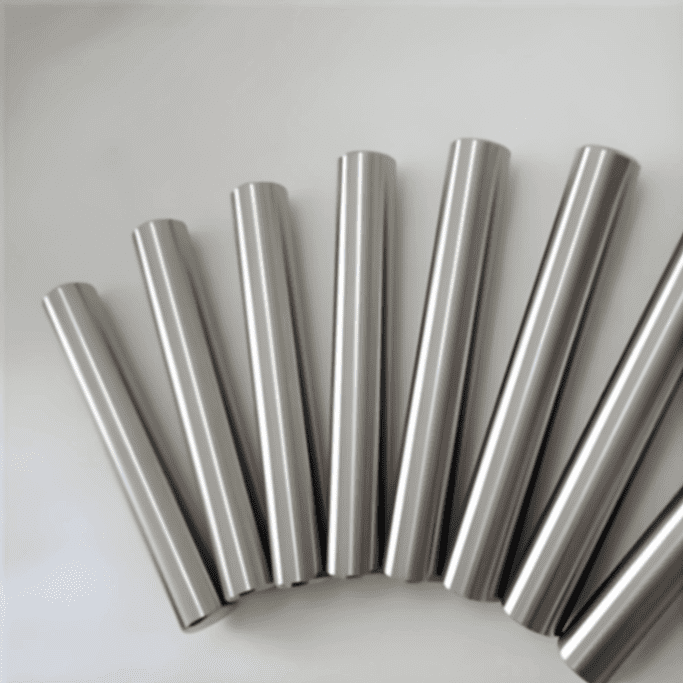
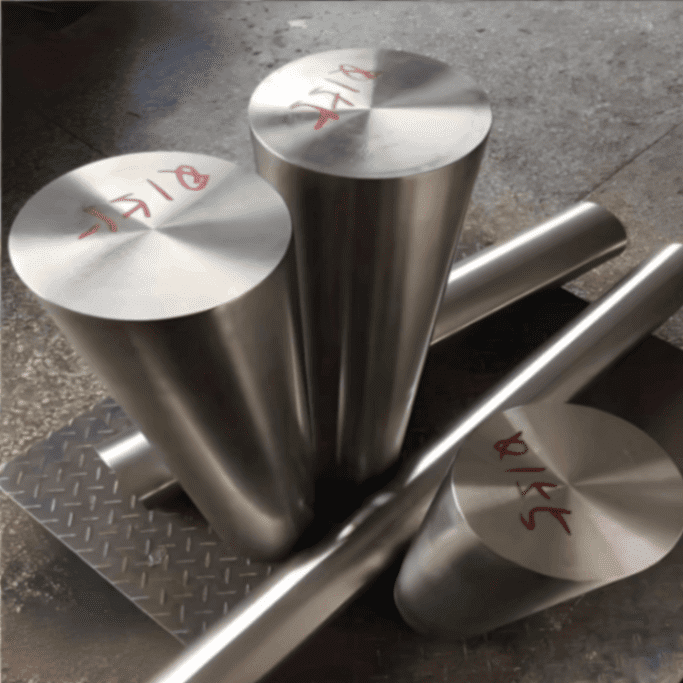
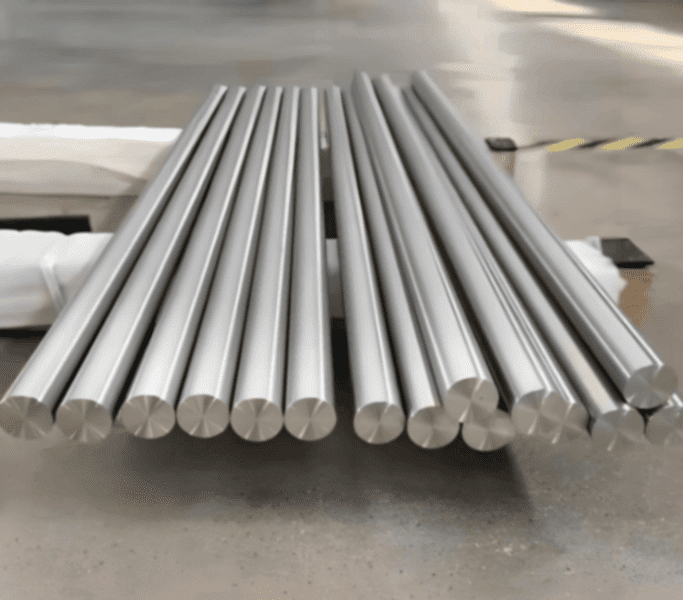
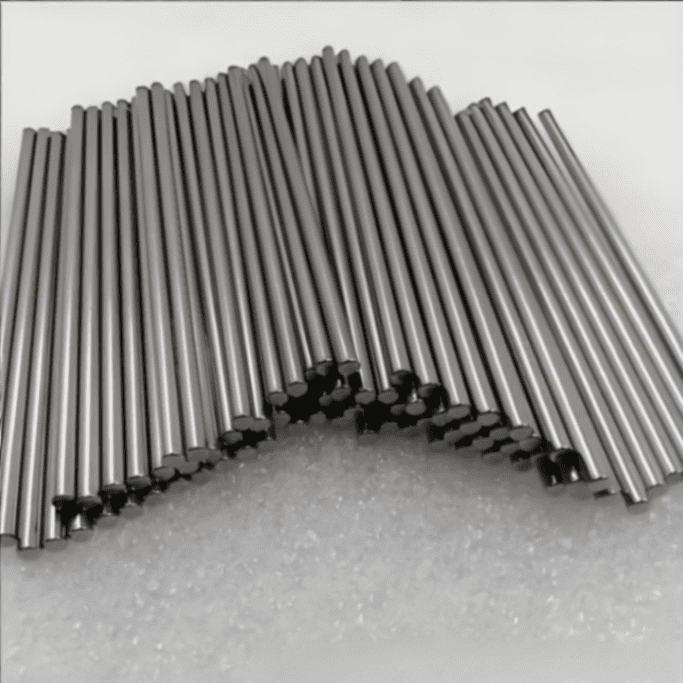
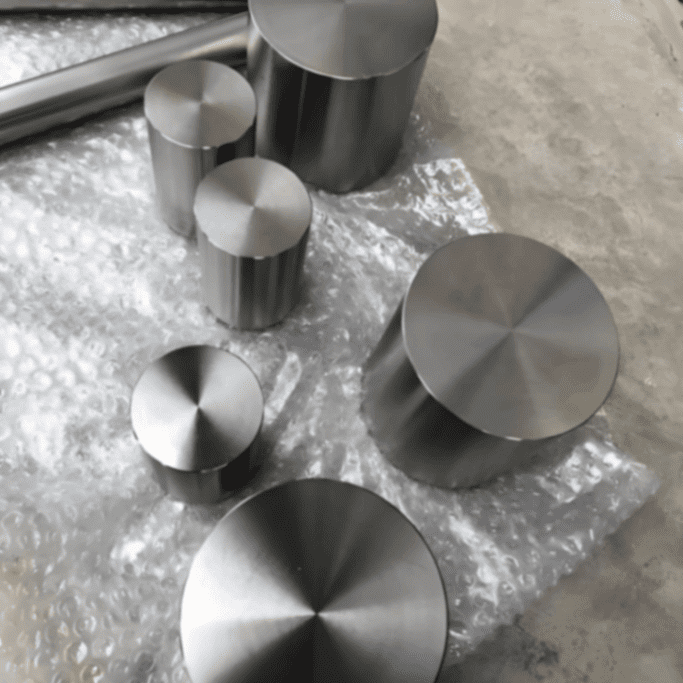
When a buyer asks for Inconel X-750 bar material composition under ASTM standards, the real question is usually broader than chemistry alone. For Inconel X-750 bar, the key reference is ASTM B637, which covers age-hardenable nickel alloy bars, forgings, and forging stock for high-temperature service. Once that standard is named, the discussion becomes much more practical: the chemistry must fall within a defined range, the sampling and analysis must follow the standard, and the final documentation must clearly show that the material is suitable for solution treatment and aging so that it can deliver the required strength, relaxation resistance, and creep performance in service.
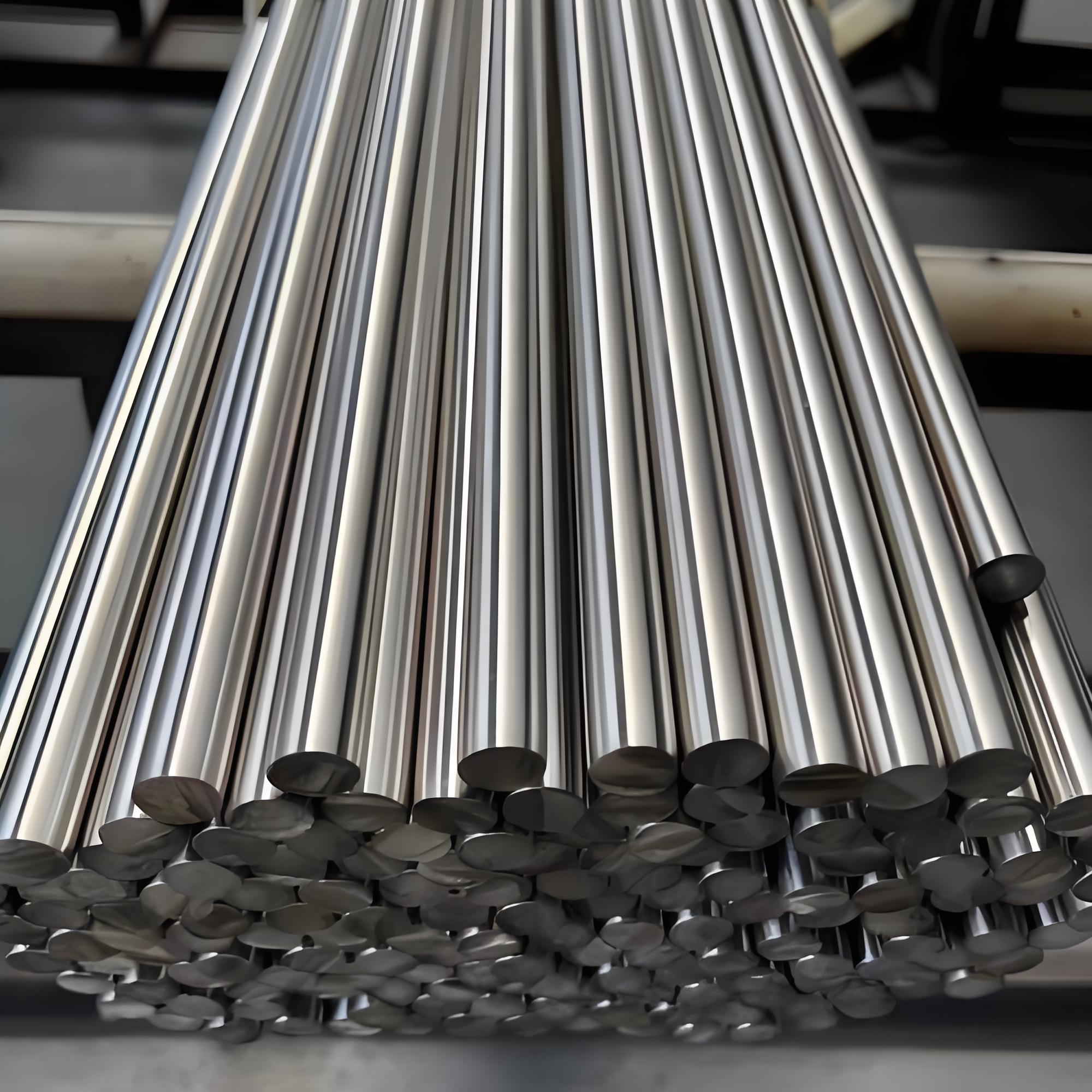
The core ASTM specification most commonly associated with Inconel X-750 bar is ASTM B637. In straightforward terms, this is the main standard buyers and mills rely on when dealing with precipitation-hardening nickel alloy bars, forgings, and forging stock intended for elevated-temperature service. If a purchase order simply says “Inconel X-750 bar,” that description is incomplete in many industrial settings. Once ASTM B637 is added, the requirement becomes much clearer because the standard provides the accepted framework for chemistry, product form, testing, and supply condition.
ASTM B637 is important because Inconel X-750 is not just a corrosion-resistant nickel alloy. It is an age-hardenable alloy. That means its final strength depends not only on the base chemistry, but also on the way the material is processed and heat treated. ASTM B637 helps connect those pieces. It tells the buyer and the supplier that the material is not being purchased as a generic nickel bar, but as a controlled high-temperature alloy product expected to meet a recognized industrial standard.
In terms of product form, ASTM B637 applies to hot-rolled bar, cold-drawn bar, and forged bar. This is a practical point that matters during procurement. Hot-rolled bar is often used where larger section sizes or additional machining allowance are needed. Cold-drawn bar is commonly selected when tighter dimensional tolerance, improved surface finish, or smaller diameter precision stock is required. Forged bar is often chosen for applications demanding controlled structure and performance in larger or more critical sections. Even though all three forms may be ordered as Inconel X-750 bar, the manufacturing route can affect surface condition, tolerances, and downstream machining behavior.
For buyers, ASTM B637 gives a common language across suppliers, stockholders, and end users. Without that common reference, chemistry may be described loosely and the final product may not match the intended high-temperature application. A bar can look similar in appearance, but if it is not supplied to the proper standard, it may differ in melting practice, analysis method, inspection scope, or heat treatment readiness. That is exactly why ASTM B637 remains the starting point in technical purchasing discussions for Inconel X-750 bar.
Another reason this ASTM specification matters is traceability. In actual project work, the standard number appears on mill certificates, internal quality records, customer drawings, and inspection reports. So ASTM B637 is not just a reference found in a catalog. It is part of the compliance chain. If a customer later asks for document review, material verification, or third-party inspection, the standard named on the paperwork becomes one of the first things checked.
Under ASTM B637, the chemical composition of Inconel X-750 bar is tightly controlled. These limits are not random. They are designed to create the right nickel-based matrix and the right precipitation-hardening balance so the alloy can develop the expected mechanical properties after the proper heat treatment. In purchasing practice, chemistry is often the first thing reviewed on the mill test certificate because if the composition is out of range, later processing cannot fully correct the problem.
Nickel is specified at 70.0% minimum. This high nickel content is the backbone of the alloy. It provides the corrosion-resistant and heat-resistant matrix that gives Inconel X-750 its basic identity. A high nickel level supports structural stability at elevated temperature and helps the alloy retain useful properties in aggressive environments. In simple terms, if the nickel is not high enough, the material starts moving away from the intended alloy system.
Chromium is controlled at 14.0% to 17.0%. Chromium is one of the main reasons Inconel X-750 performs well in oxidation and many high-temperature environments. It helps form a protective oxide layer on the surface, which slows down further attack. This is especially important for bars that will be machined into gas turbine hardware, springs, fasteners, or high-temperature fixtures. Even a relatively small shift in chromium content can change oxidation resistance and affect long-term surface stability.
Iron is limited to 5.0% to 9.0%. Iron is not the dominant element in this alloy, but it is part of the chemistry balance. Compared with alloys such as Inconel 718, X-750 is much more nickel-rich and contains significantly less iron. That lower iron level helps preserve the alloy’s intended nickel-base character and supports the performance profile associated with age-hardened X-750.
Titanium is specified at 2.25% to 2.75%. This is one of the key strengthening elements in the alloy. Titanium works together with aluminum to form the gamma prime strengthening phase during aging. This is a major reason why X-750 can deliver strong mechanical performance after solution treatment and age hardening. For anyone buying this alloy for springs or components that need to resist load loss at temperature, titanium is not just a number on the certificate. It is central to the alloy’s function.
Niobium plus tantalum is controlled at 0.70% to 1.20%. In mill certification, these elements are often reported together because tantalum may accompany niobium in raw material sources. Their combined presence supports high-temperature strength and helps improve long-term performance under stress. Compared with 718, the niobium level is much lower in X-750, but it still plays an important supporting role in maintaining useful service properties.
Aluminum is specified at 0.40% to 1.00%. Like titanium, aluminum is part of the precipitation-hardening system. It helps form the gamma prime phase and supports oxidation resistance. The aluminum range has to be controlled carefully. Too low, and hardening response can weaken. Too high, and process balance can be affected. In specialty alloys, small percentages often have outsized importance, and aluminum in X-750 is a good example.
Carbon is limited to 0.08% maximum. A low carbon limit helps avoid excessive carbide formation that could reduce ductility or negatively affect certain elevated-temperature behaviors. Controlled carbon supports a better balance between strength and toughness, especially for critical machined parts. Buyers in aerospace, energy, and nuclear-related applications often check carbon closely for this reason.
Manganese, silicon, sulfur, and copper are also controlled, generally at low maximum values within the 0.50% to 1.00% range depending on the element. Manganese is typically limited to 1.00% maximum, silicon to 0.50% maximum, sulfur to 0.01% maximum, and copper to 0.50% maximum. These are not major strengthening additions. They are controlled because excessive amounts can hurt cleanliness, hot workability, ductility, or consistency. Sulfur is especially important because even very small amounts can increase the risk of hot cracking and reduce forging quality.
When procurement teams review ASTM B637 chemistry requirements, the right approach is to look at the whole balance, not just one or two headline elements. Inconel X-750 performs as intended because nickel, chromium, titanium, aluminum, niobium, and the residual limits all work together inside a defined range. A certificate that shows compliance across the full composition is much more meaningful than a simple statement that the material is “X-750 equivalent.”
Although ASTM B637 is the core reference for Inconel X-750 bar, buyers often see additional standards listed on technical documents, inquiries, and purchase orders. These related standards do not replace ASTM B637 in a casual way, but they help define the alloy in different product forms, industries, or international supply contexts. Understanding how they relate to ASTM B637 makes purchasing much smoother.
AMS 5667 is one of the most relevant supplementary specifications for Inconel X-750 in bar and forging form. In many aerospace or high-specification projects, AMS 5667 may appear together with or instead of ASTM language, depending on the customer’s internal documentation system. AMS specifications usually go beyond simple chemistry description and may be more tightly linked to aerospace processing expectations, heat treatment conditions, and property requirements. For buyers, the key point is that ASTM B637 and AMS 5667 are related in the same alloy family, but they should not be treated as interchangeable without checking the exact end-use requirement.
AMS 5598 is also commonly mentioned, though it applies mainly to sheet and strip rather than bar. It is useful as a reference because it confirms the broader alloy identity and is often seen in technical comparisons or approved material lists. Still, if the actual product being purchased is bar, rod, or forging stock, ASTM B637 and bar-related AMS specifications are the more relevant references. This distinction matters because sheet and bar standards may differ in processing route, acceptance criteria, and mechanical expectations.
UNS N07750 is the unified alloy designation for Inconel X-750. In practical terms, UNS tells everyone involved that they are talking about the same alloy family. It is very useful for cross-referencing between ASTM, AMS, and international standards. However, UNS by itself is not a full purchasing specification. It identifies the alloy, but it does not define all the product details such as bar form, testing, heat treatment condition, or certification level. So in real procurement, UNS N07750 should be treated as the alloy identification number, not the complete supply requirement.
ISO 9723 is often used as an international comparison reference. For buyers working across different regions, ISO standards help align technical communication between suppliers and end users who may not use ASTM as their primary standard language. This can be useful when comparing offers from different countries or when preparing export documentation. Even so, the purchasing team still needs to verify whether the project calls specifically for ASTM B637 compliance or whether an equivalent international standard is acceptable.
What often happens in actual sourcing is that a document may list more than one reference at the same time, for example ASTM B637 plus UNS N07750, or ASTM B637 plus an AMS requirement. That is normal. The important thing is to understand the role of each standard. ASTM B637 defines the bar and forging specification, AMS 5667 may introduce aerospace-specific expectations, AMS 5598 helps as a related reference for other product forms, UNS N07750 identifies the alloy family, and ISO 9723 supports international comparison. Once that relationship is clear, the risk of ordering the wrong material drops significantly.
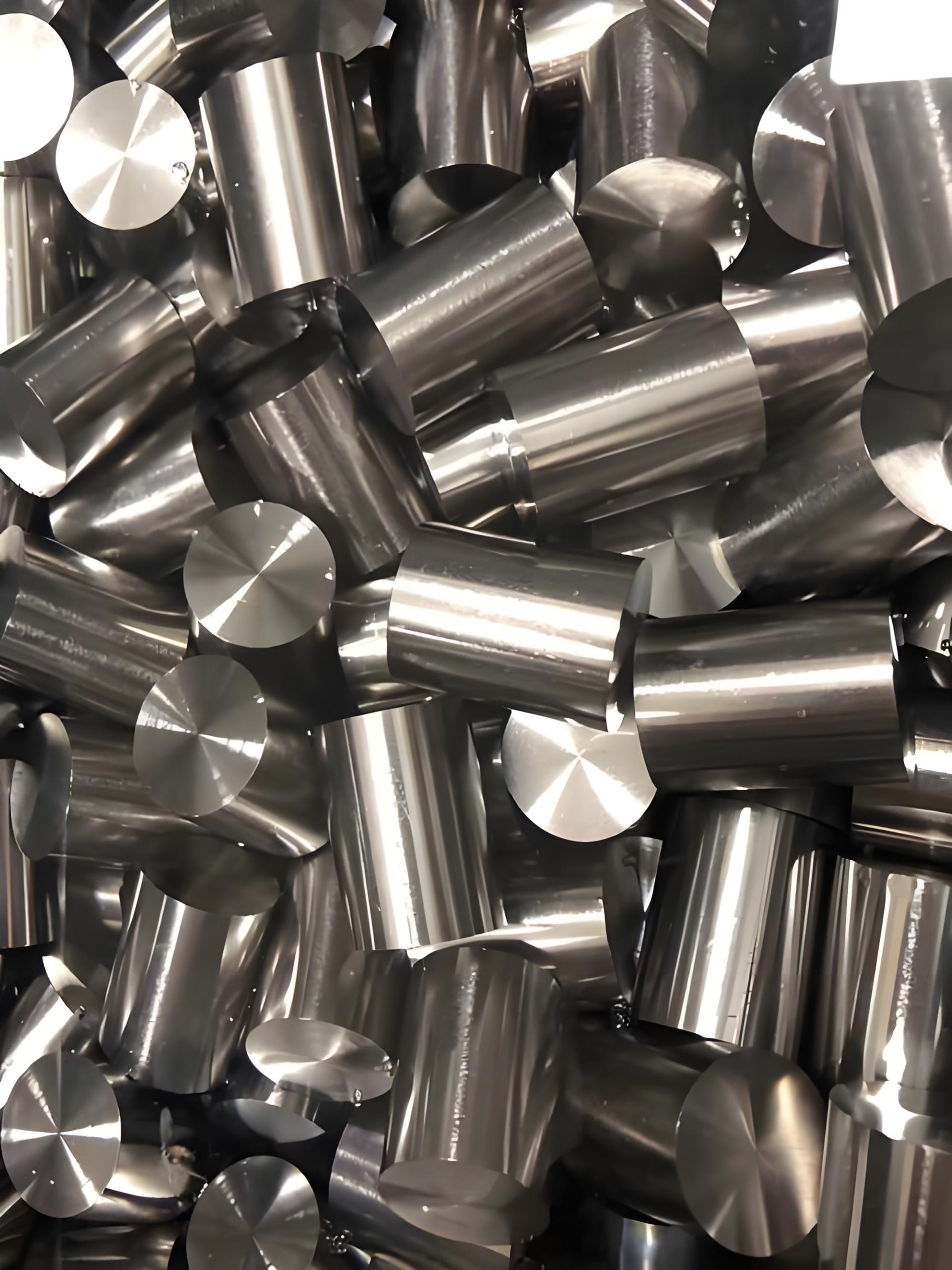
For Inconel X-750 bar, standards are not limited to listing chemistry values. They also set product-specific rules that affect how the material is checked and documented. This is where many purchasing mistakes happen. A buyer may confirm the nominal chemical composition, but overlook how the analysis was taken, what tolerances apply, or what report format the customer actually needs. ASTM B637 matters because it addresses these details in a structured way.
One important point is chemical composition tolerance. The listed chemistry range is the base requirement, but in practice there can be differences between heat analysis and product analysis. A heat, or melt, analysis is taken from the molten alloy during production. This is the primary chemistry record for the heat. A product analysis is taken from the finished bar or a sample representing the finished product. Because sampling location and metallurgical distribution can vary slightly, standards may allow limited product analysis variation from the original heat analysis values, within accepted tolerance rules.
This distinction is important because buyers sometimes compare a finished product test result directly against the exact heat analysis range without considering how the standard handles product analysis tolerance. A good purchasing review should ask: was the reported chemistry taken as melt analysis, finished product analysis, or both? The answer affects how the results should be interpreted. In critical projects, both may be relevant.
Sampling method also matters. Melt analysis gives the most representative picture of the full heat chemistry, while product analysis helps confirm that the finished bar remains within acceptable composition limits after processing. In bar products, especially larger diameters or forged sections, proper sampling and traceability are essential. If the sample origin is unclear, the certificate loses value. That is why serious end users often require the analysis method to be clearly stated on the material test report.
Another practical issue is certification format. For high-performance nickel alloy bars, buyers commonly ask for MTC 3.1 or MTC 3.2 documentation. A 3.1 certificate typically means the mill issues the inspection document based on its own authorized quality representative. A 3.2 certificate involves additional validation, often with third-party inspection or purchaser-approved inspection involvement, depending on the project rules. For critical industries, the difference is not just paperwork. It affects approval flow, traceability confidence, and sometimes the ability to release the material for use.
For Inconel X-750 bar, a proper test report normally needs to show the grade or UNS number, applicable standard such as ASTM B637, heat number, size, product form, chemical composition, and where required, mechanical or heat treatment-related information. If the project is highly specified, the report may also need to reference inspection methods, supplementary tests, or special customer clauses. This is one reason experienced buyers do not focus only on the alloy name. They also check the quality document package before the material is accepted into stock.
From a supplier-side perspective, this is where discipline matters. A bar may physically meet size and surface requirements, but if the certificate does not match the required standard language, the customer may reject it. For companies such as Shanghai NC Metal Materials Co., Ltd., understanding these documentation expectations is part of supplying the alloy correctly. In high-value nickel alloy procurement, paperwork and chemistry control go hand in hand.
The reason standards matter so much for Inconel X-750 bar is simple: the alloy only delivers its intended performance when the chemistry and heat treatment framework are both correct. ASTM B637 is not just a compliance label. It is part of the pathway that ensures the bar can be solution treated and aged to achieve the precipitation-hardening response expected from X-750.
When the composition meets ASTM B637, the alloy has the correct base for precipitation hardening. The high nickel matrix, the controlled chromium content, and the combined presence of titanium and aluminum allow the gamma prime strengthening phase to form during aging. This is the main reason X-750 can achieve a useful combination of strength, heat resistance, and stress relaxation resistance. If the chemistry is outside standard, the hardening response may become inconsistent, and that can create problems in springs, fasteners, retaining rings, and turbine-related components.
Matching the correct heat treatment is just as important. Inconel X-750 is typically supplied or further processed using a solution treatment followed by aging. The exact temperature cycle depends on the specification and the target property balance. The purpose of solution treatment is to place the alloying elements into the right condition within the matrix. The aging step then allows strengthening precipitates to form in a controlled way. If the chemistry meets ASTM B637 but the heat treatment is wrong, the final properties can still miss the target. In other words, the standard gives the alloy the right chemical foundation, and the heat treatment turns that foundation into usable performance.
This chemistry-plus-heat-treatment relationship directly affects high-temperature stress relaxation and creep behavior. X-750 is widely used in springs and bolting because it can maintain load better than many ordinary alloys when exposed to heat over time. That ability does not come from nickel alone. It depends on the full precipitation-hardening system being present and balanced correctly. Titanium and aluminum support the strengthening phase, while niobium contributes to long-term elevated-temperature performance. ASTM B637 helps make sure those elements are present in the proper range so the material can meet these service expectations.
Creep resistance is also closely tied to compliance with standard chemistry and process rules. In applications where the bar is machined into parts that remain under load at elevated temperature, creep strength and dimensional stability become critical. If composition is too far from the standard, the alloy may lose strength faster over time. This is why end users in aerospace, energy, and high-temperature industrial sectors tend to specify not only the grade, but also the exact standard and condition. They are not buying metal by alloy name alone. They are buying a known performance pathway.
Another benefit of meeting ASTM B637 is consistency between heats. In real production, consistent chemistry means more predictable machining, more reliable heat treatment response, and fewer surprises during qualification testing. This is especially valuable when repeat orders are needed over a long project cycle. A buyer does not want one batch of X-750 bar to age harden well and the next batch to behave differently because chemistry control was loose. The standard helps reduce that risk.
So when procurement teams ask whether ASTM B637 compliance really matters, the answer is yes, for a very practical reason. It links the chemistry to the mechanical purpose of the alloy. Without that link, the bar is just a nickel-based product with a familiar name. With that link, it becomes a controlled high-temperature material capable of being heat treated into the performance range expected for Inconel X-750.
What ASTM standard applies to Inconel X-750 bar?
The main ASTM standard is ASTM B637. It covers age-hardenable nickel alloy bars, forgings, and forging stock for high-temperature service. For Inconel X-750, this is the core reference used to define chemical composition, product form, and general supply requirements for hot-rolled bar, cold-drawn bar, and forged bar.
What is the ASTM B637 chemical composition for Inconel X-750 bar?
The typical ASTM B637 composition for Inconel X-750 includes nickel at 70.0% minimum, chromium at 14.0% to 17.0%, iron at 5.0% to 9.0%, titanium at 2.25% to 2.75%, niobium plus tantalum at 0.70% to 1.20%, aluminum at 0.40% to 1.00%, and carbon at 0.08% maximum. Manganese, silicon, sulfur, and copper are also tightly limited at low maximum values.
Does ASTM B637 alone guarantee the performance of Inconel X-750 bar?
Not by itself. ASTM B637 ensures that the bar meets the required chemistry and basic specification framework, which is essential for proper precipitation hardening. But final performance also depends on the correct melting route, bar processing, solution treatment, aging treatment, and the required inspection and certification. In simple terms, ASTM B637 provides the right foundation, and proper manufacturing plus heat treatment deliver the final properties.
More from this category
Inconel 617 alloy round bar price per kilogram is commonly about USD 45 to 90 per kg for standard industrial stock sizes. Large forged bars, small pre...
The latest Inconel 625 alloy bar price per kg depends on nickel, molybdenum, niobium, and chromium raw material costs, as well as bar diameter, manufa...
Inconel X-750 alloy bar price depends on nickel raw material cost, bar diameter, product condition, heat treatment, specification, surface finish, dim...
Inconel 602CA alloy bar price per kg is usually higher than common Inconel 600 and Inconel 601 bars because Alloy 602CA is a premium high-temperature ...
 English English
  Korean
 Arabic
 Spanish
 German
 Portuguese
 French
 Russian
 Italian
 Vietnamese