
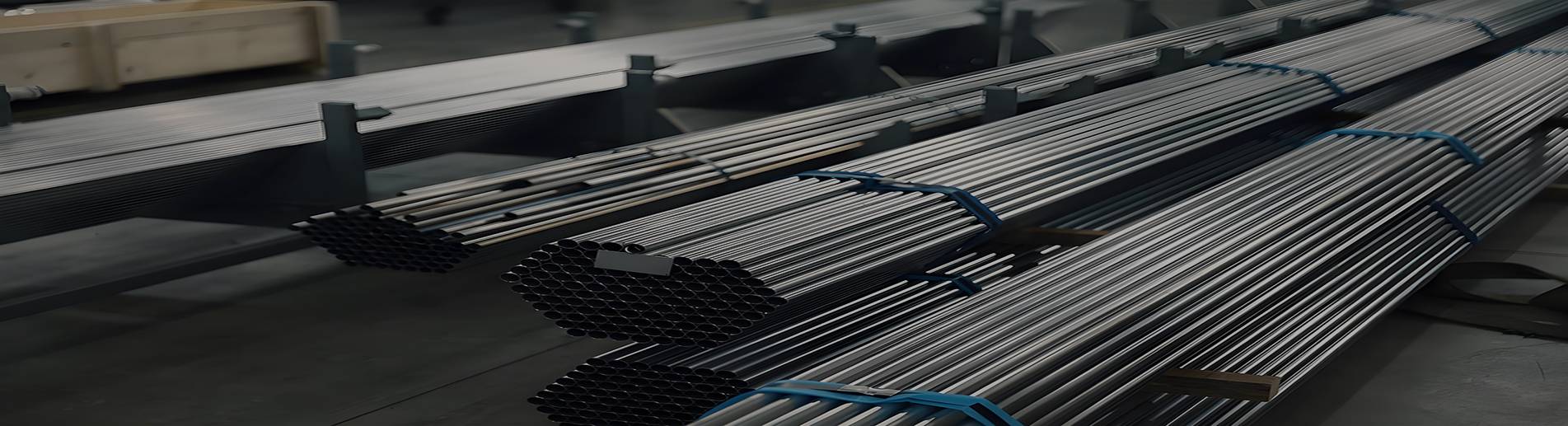
Inconel 617 alloy round bar price per kilogram
Inconel 617 alloy round bar price per kilogram is commonly about USD 45 to 90 per kg for standard industrial stock sizes. Large forged bars, small pre...
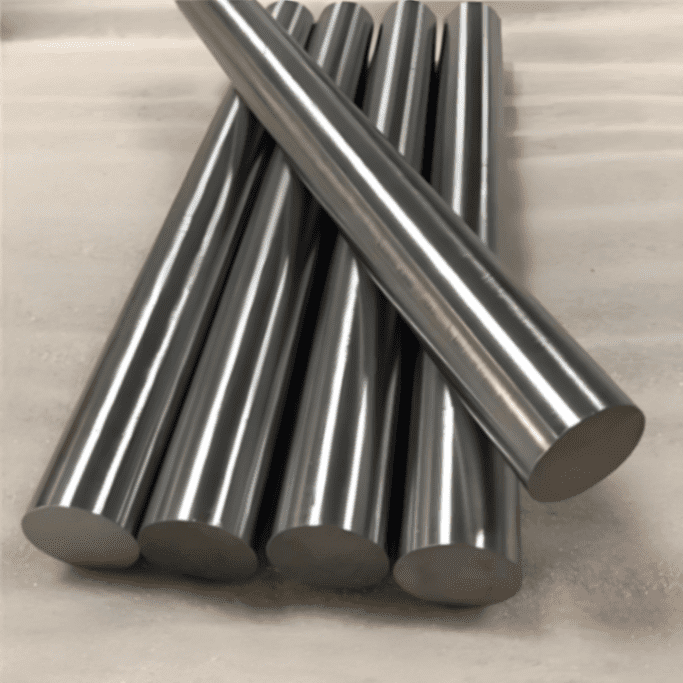
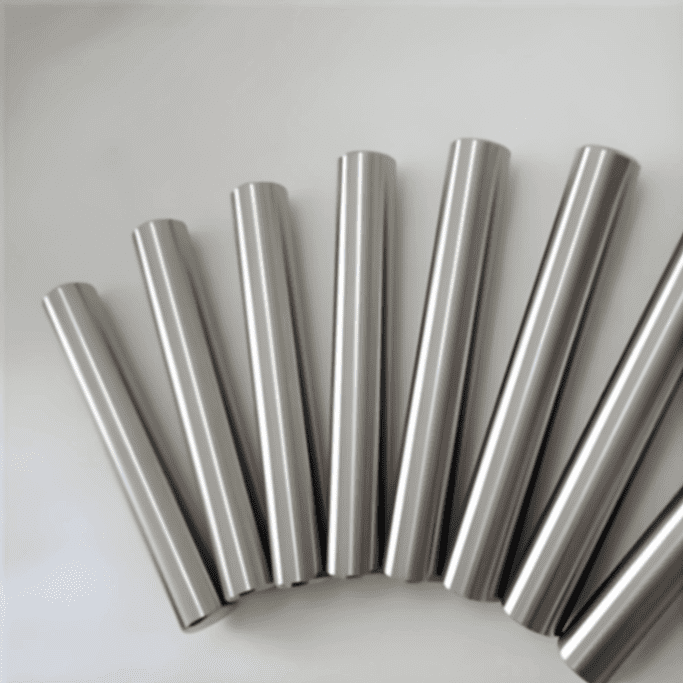
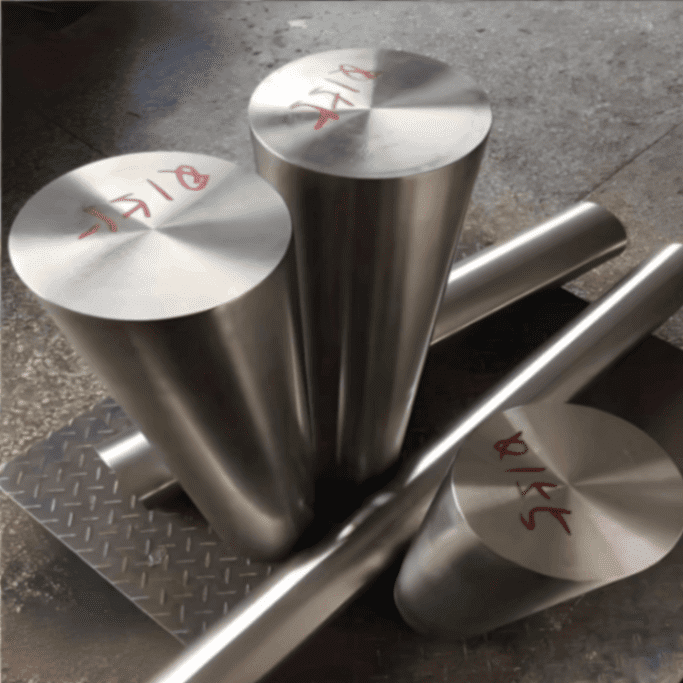
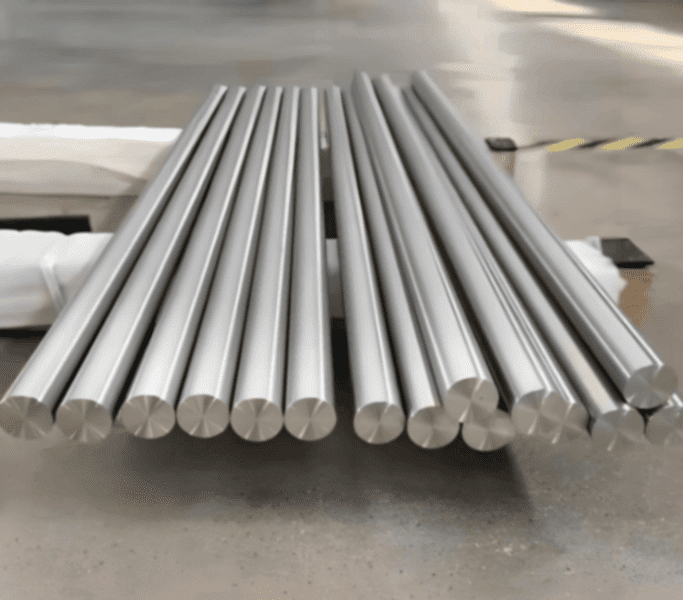
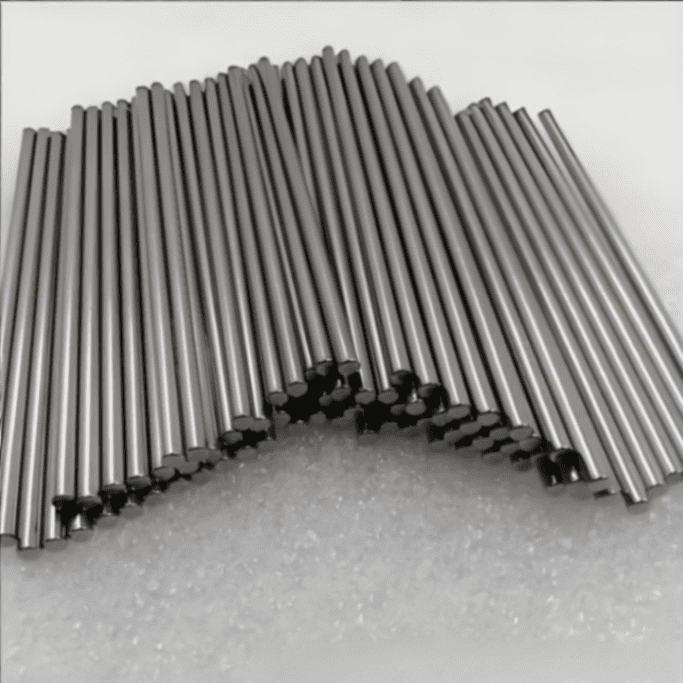
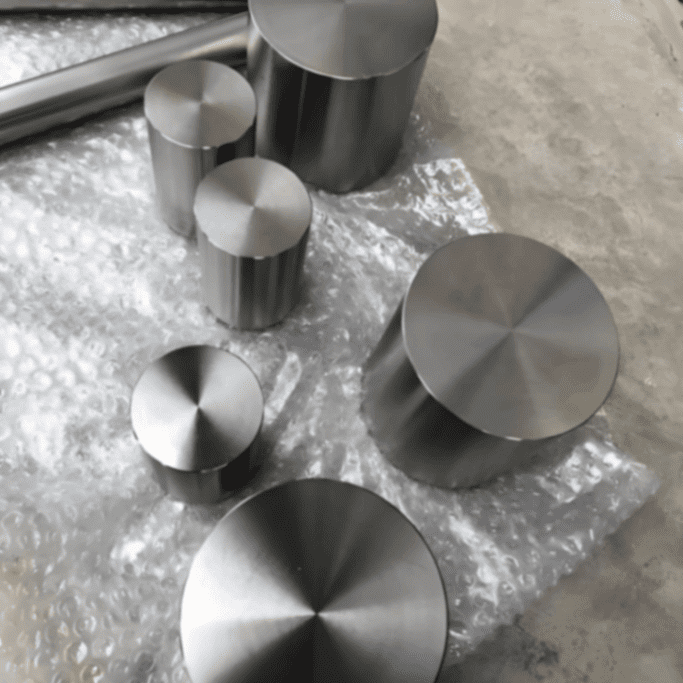
When buyers ask about Inconel X-750 bar chemical composition, they usually want more than a simple list of numbers. They want to know which elements matter most, what the accepted percentage ranges are, which standards define those limits, and how those elements affect strength, oxidation resistance, corrosion behavior, and long-term service at elevated temperature. For Inconel X-750 bar, the chemistry is built around a high-nickel matrix with controlled additions of chromium, iron, titanium, aluminum, and niobium, supported by tight limits on carbon, manganese, silicon, sulfur, and copper. This balance is what allows the alloy to be used for springs, fasteners, shafts, reactor components, gas turbine parts, and other applications where both heat resistance and age-hardened strength are required.
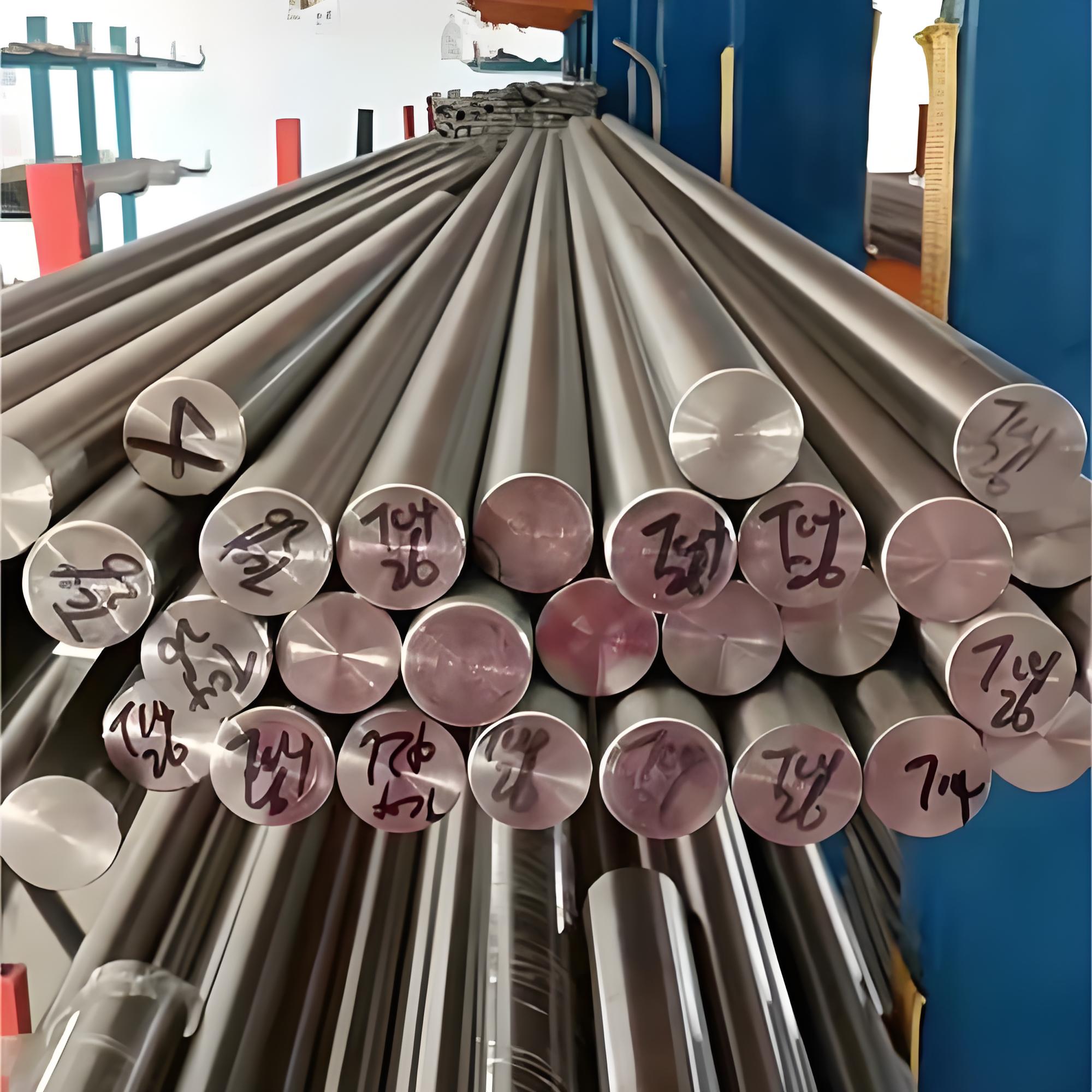
Inconel X-750 bar is a precipitation-hardening nickel-chromium alloy. In day-to-day purchasing language, that means it is not just a heat-resistant nickel alloy, but one that can also develop high strength after proper heat treatment. The chemistry range is the foundation of that behavior. If the alloying elements drift too far from the accepted limits, the final bar may still look correct on paper as a nickel alloy, but it may not respond properly to solution treatment, aging, machining, or high-temperature service.
Nickel, listed at about 70.0%, is the dominant element in Inconel X-750 bar. In many material specifications, nickel is expressed as a minimum or as the balance after all other elements are accounted for, but for practical understanding, the alloy is widely recognized as having roughly seventy percent nickel. This high nickel content gives the alloy its basic corrosion resistance, stability at elevated temperature, and resistance to scaling in demanding atmospheres. Nickel also provides the matrix in which precipitation hardening can take place. Without this nickel-rich structure, the alloy would not maintain the same combination of toughness and strength after aging.
Chromium is usually controlled in the range of 14.0% to 17.0%. This is one of the most important ranges in the chemistry. Chromium is the key element responsible for oxidation resistance and many forms of corrosion resistance. At elevated temperature, chromium helps form a stable, protective oxide film on the surface of the bar. In practical terms, this means better resistance to hot gas environments, oxidation during long service cycles, and more reliable behavior in applications where surface degradation can shorten component life. If chromium is too low, oxidation resistance drops. If it is too high, the alloy balance can shift in ways that are not ideal for the intended microstructure and processing route.
Iron is present at about 5.0% to 9.0%. Compared with nickel and chromium, iron is not the headline element, but it still plays an important role in balancing the alloy system. Iron helps adjust the chemistry and can influence cost, phase stability, and processing behavior. In Inconel X-750, iron is not added in large amounts like it is in some lower-cost nickel alloys, because the alloy is designed first for heat-resistant performance and precipitation hardening, not for economy alone. The controlled iron range helps preserve the alloy’s intended high-temperature capability without turning it into a different class of material.
Titanium is one of the defining strengthening elements in Inconel X-750 bar, usually controlled at 2.25% to 2.75%. This is a relatively high titanium level compared with many general corrosion-resistant nickel alloys. Titanium works together with aluminum to form the gamma prime, or γ’ phase, during aging heat treatment. This fine precipitate is what gives the alloy much of its strength at room and elevated temperatures. Buyers sometimes focus only on nickel and chromium because those are the best-known alloying elements, but for X-750, titanium is one of the reasons the alloy is used when mechanical strength matters just as much as corrosion resistance.
Niobium plus tantalum, typically controlled together at 0.70% to 1.20%, further supports the strengthening system and improves high-temperature performance. In many mill certificates and standards, niobium and tantalum are combined because tantalum may be present naturally with niobium in raw materials. In practical terms, the combined limit is what matters. Niobium contributes to the alloy’s creep resistance and stress-rupture capability, especially when the material is exposed to elevated temperatures for long periods. In applications such as springs, bolting, and engine-related parts, this helps the bar maintain load-bearing ability over time instead of losing strength too quickly under heat.
For buyers reviewing mill test reports, these major alloying elements are not just chemistry values to check off. They directly influence whether the material can be heat treated correctly, whether it meets specification, and whether it is suitable for the intended service temperature. A bar that meets dimensional tolerance but misses chemistry control can create major problems later in fabrication or service.
Alongside the main alloying elements, Inconel X-750 bar also contains several minor or trace elements that are carefully controlled. These are easy to overlook, but in specialty alloys, small chemistry changes can have a large effect on cleanliness, hot workability, weldability, ductility, and long-term stability. For this reason, serious buyers usually check not only the major elements but also the residual and trace limits shown on the mill certificate.
Aluminum is typically specified at 0.40% to 1.00%. Even though this percentage is much lower than nickel or chromium, aluminum is a critical part of the precipitation-hardening mechanism. Together with titanium, it forms the γ’ phase during aging. If aluminum is too low, the alloy may not reach the intended hardness and strength after heat treatment. If it is too high, processing balance can be affected. Aluminum also contributes to oxidation resistance, especially by supporting the stability of the protective oxide scale at elevated temperature. In short, aluminum is a small-number element with a very large effect.
Carbon is limited to 0.08% maximum. Carbon control matters because excessive carbon can promote unwanted carbide networks, reduce ductility, and affect high-temperature performance. In nickel alloys used for bars and forgings, carbon is often kept low to maintain good toughness and avoid excessive grain boundary carbide formation that may hurt certain mechanical properties. That said, a controlled amount of carbon can still contribute to some strengthening effects, so the goal is not zero carbon, but the right upper limit. For many procurement teams, carbon is one of the first trace values they look at when the material will be used in critical rotating or load-bearing parts.
Manganese is limited to 1.00% maximum, and silicon is limited to 0.50% maximum. These elements are commonly used in alloy melting and deoxidation, but they are not intended as major strengthening additions in Inconel X-750. If they become too high, they may influence oxidation behavior, hot working response, or cleanliness in ways that are not desirable. Keeping manganese and silicon under control helps the alloy remain consistent from heat to heat, which is especially important for bars that will later be machined into precision components.
Sulfur is tightly restricted to 0.01% maximum. This low sulfur requirement is very important. Sulfur is generally harmful to hot workability and can promote cracking during forging or other thermal processing. It may also reduce ductility and hurt overall material cleanliness. In high-performance nickel alloys, sulfur control is one of the quiet but essential indicators of good melting practice. Buyers who care about forging quality or fatigue-sensitive applications should pay close attention to sulfur, even though it appears as only a tiny number on the certificate.
Copper is usually limited to 0.50% maximum. Copper is not a desired major addition in this alloy system, so it is controlled as a residual element. Excess copper can affect hot workability and overall alloy balance. In most properly produced Inconel X-750 bar, copper remains comfortably below the maximum limit, but the specification still matters because consistency is one of the keys to reliable downstream performance.
What this tells us is simple: major elements define the alloy family, while minor elements often decide whether the bar behaves cleanly and predictably in real manufacturing. For aerospace, energy, and high-temperature industrial use, those small chemistry details are often the difference between a routine machining job and a costly production issue.
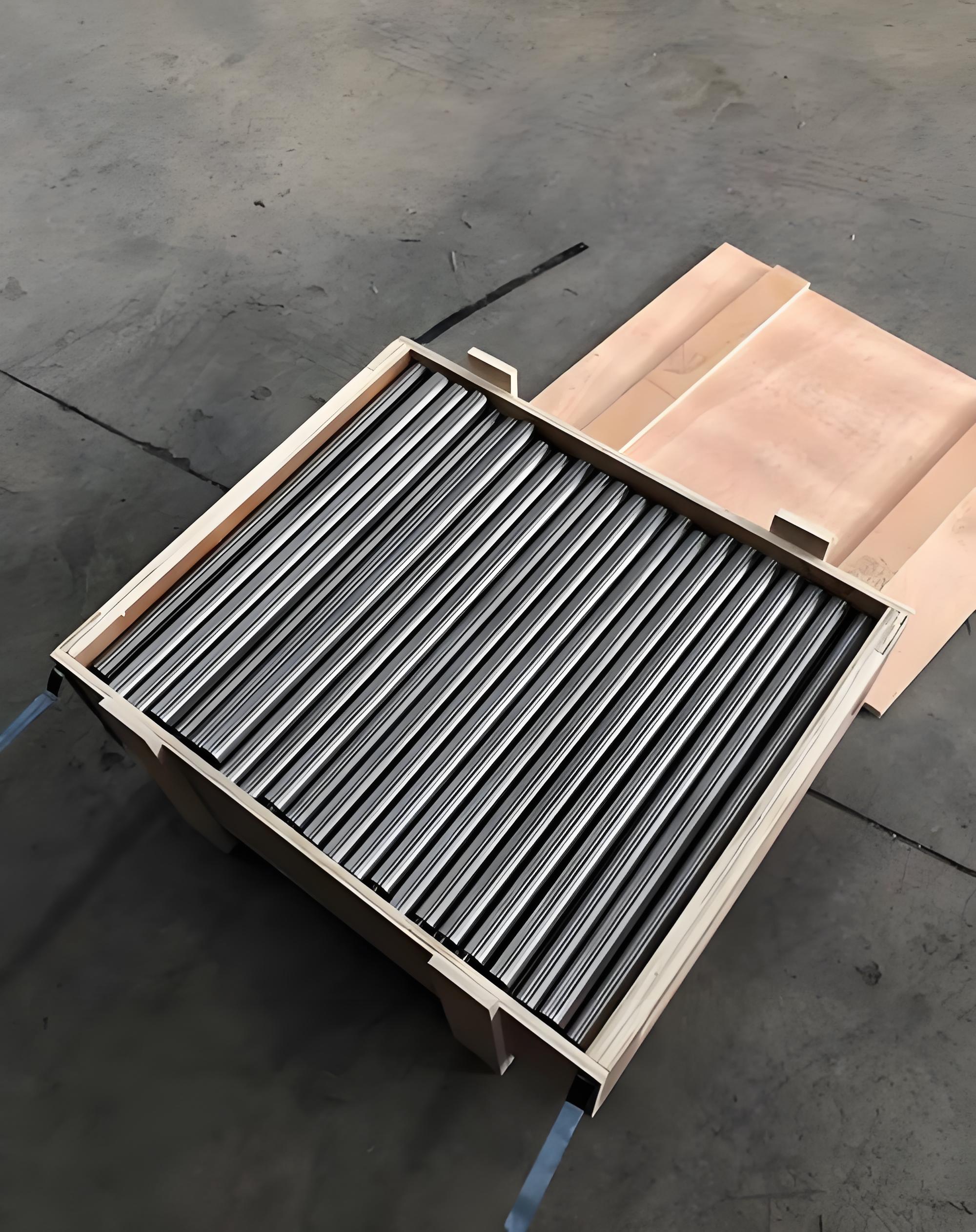
Inconel X-750 bar is not identified by chemistry alone. In the market, the alloy is usually ordered, certified, and accepted according to recognized standards. These standards do more than list chemical limits. They may also define product form, heat treatment condition, mechanical property requirements, testing methods, grain size expectations, and inspection rules. For buyers, the standard named on the purchase order is just as important as the alloy name itself.
One of the most widely referenced standards is ASTM B637. This is a common specification for precipitation-hardening and cold-worked nickel alloy bars, forgings, and forging stock for high-temperature service. When an Inconel X-750 bar is supplied to ASTM B637, the buyer is generally looking for a product with controlled chemistry, defined heat treatment options, and mechanical performance appropriate to the standard. In many industrial sectors, ASTM B637 is the baseline reference because it is widely understood across mills, stockholders, machine shops, and end users.
AMS standards are also heavily used, especially when the material is intended for aerospace or other highly specified applications. For Inconel X-750, common references include AMS 5667, AMS 5598, and AMS 5670. These specifications are not interchangeable in a casual sense; each one may apply to a particular product form, heat treatment condition, or processing route. Buyers should not assume that any AMS number is acceptable simply because the alloy name matches. The exact AMS callout on the drawing or purchase document must be checked carefully. This is a common point of confusion in procurement, especially when bars are later machined into parts with critical mechanical property requirements.
UNS N07750 is the unified material designation used to identify the alloy composition family. In purchasing language, UNS is useful because it gives a universal chemistry identity that can be recognized across different standards and international references. However, UNS by itself does not always provide the full product requirements needed for a finished bar. It tells you what alloy it is, but not necessarily everything about condition, testing, or acceptance. That is why UNS N07750 is often used together with ASTM, AMS, or customer-specific specifications.
ISO 9723 is another relevant standard, especially in international trade and cross-border procurement. For companies sourcing material globally, ISO standards can help align expectations between different regions. When buyers compare European, American, and Asian supply chains, ISO references can make communication easier, but the detailed requirement still needs to match the end-use application. A general chemistry match is not enough if the project requires a particular heat treatment or tensile property level.
Beyond public standards, many end users rely on internal corporate specifications. In sectors such as aerospace, power generation, and advanced engineering, it is common to see company-level standards from names such as GE, PWA, and MSRR. These internal standards may add tighter controls on cleanliness, grain structure, ultrasonic inspection, traceability, or approved melting routes. For suppliers and buyers alike, this means that “Inconel X-750 bar” is sometimes only the starting point. The real requirement may be ASTM or AMS plus a corporate supplement that narrows the acceptable production window.
From a sourcing standpoint, this is why technical review matters before ordering. Two bars can both be labeled Inconel X-750 and still differ in accepted chemistry tolerance interpretation, heat treatment condition, mechanical expectations, or inspection scope. A reliable procurement process needs to confirm alloy designation, standard number, product form, size range, condition, and any customer-specific additions before production starts.
The reason Inconel X-750 bar remains widely used is that its composition is designed to give a practical combination of oxidation resistance, corrosion resistance, and high strength after age hardening. This is not a random mix of elements. Each key addition supports a specific part of the alloy’s service behavior. When buyers understand that relationship, it becomes easier to choose the right condition and standard for the application.
The high nickel plus chromium combination is the starting point for heat and corrosion performance. Nickel provides stability in harsh environments and supports resistance to many corrosive media, while chromium helps form a protective oxide layer that limits surface attack at elevated temperature. In real service, this means the bar is better able to resist oxidation, scaling, and general degradation in hot air or combustion-related atmospheres. For components exposed to repeated heating cycles, this chemistry gives a level of reliability that ordinary stainless steels often cannot match.
Titanium plus aluminum is what gives Inconel X-750 its precipitation-hardening character. During aging heat treatment, these elements form a fine distribution of γ’ precipitates inside the nickel matrix. These precipitates act like barriers to dislocation movement, which is a simple way of saying they make the alloy much stronger. This strengthening mechanism is especially valuable because it works not only at room temperature but also at moderately high temperatures. That is why X-750 is frequently used for springs, fasteners, and structural parts that need to keep their strength when heat rises. Without titanium and aluminum in the right ratio and range, the alloy would lose much of its competitive advantage.
Niobium contributes another layer of performance by improving elevated-temperature strength and long-term stress capability. In practical terms, niobium helps the material better withstand creep and stress rupture conditions. These are the kinds of failures that happen slowly over time when a part is exposed to heat and load together. For short-term service, many alloys can appear acceptable. For long-term service, only a smaller group performs well. The niobium addition helps keep Inconel X-750 in that stronger group for many demanding uses.
The controlled carbon level also has a performance effect, even if it is not discussed as often as nickel or titanium. Low carbon helps preserve ductility and reduces the risk of excessive carbide formation at grain boundaries. This supports a better balance between strength and toughness, especially when the bar will be machined into parts that may see vibration, cyclic loading, or thermal stress. At the same time, the tight sulfur control helps maintain forging quality and reduces the risk of hot cracking, which matters in both production and service reliability.
Another important point is that composition and heat treatment work together. Chemistry alone does not deliver the final properties. Inconel X-750 bar must also be processed correctly, including melting practice, hot working, solution treatment, and aging. However, none of those steps can fully compensate for chemistry that sits outside the intended range. The alloy performs well because the composition gives the heat treatment something to work with. This is especially important for procurement teams comparing low-cost offers. A bar with a weak chemical balance may look cheaper upfront, but if it fails to age harden properly or shows unstable performance in service, the total cost becomes much higher.
For manufacturers such as Shanghai NC Metal Materials Co., Ltd., composition control is one of the most practical quality checkpoints because it affects every later stage: machining response, mechanical properties, oxidation resistance, and final component life. Buyers who understand the chemistry-performance link usually make better material decisions and avoid many of the common sourcing mistakes.
What is the standard chemical composition range for Inconel X-750 bar?
The commonly accepted composition includes nickel at about 70.0%, chromium at 14.0–17.0%, iron at 5.0–9.0%, titanium at 2.25–2.75%, and niobium plus tantalum at 0.70–1.20%. Minor elements typically include aluminum at 0.40–1.00%, carbon up to 0.08%, manganese up to 1.00%, silicon up to 0.50%, sulfur up to 0.01%, and copper up to 0.50%. Exact acceptance still depends on the governing standard, such as ASTM B637, AMS specifications, or a customer-specific requirement.
Which standards are most commonly used when buying Inconel X-750 bar?
The most common standards are ASTM B637, AMS 5667, AMS 5598, AMS 5670, UNS N07750, and ISO 9723. In many aerospace and power-generation projects, buyers also need to meet internal company standards such as GE, PWA, or MSRR requirements. The best practice is to specify not only “Inconel X-750 bar” but also the exact standard, product form, size, and heat treatment condition required for the job.
Why do titanium, aluminum, and niobium matter so much in Inconel X-750 bar?
Titanium and aluminum are the main elements responsible for precipitation hardening because they form the γ’ strengthening phase during aging heat treatment. This is what gives Inconel X-750 its high strength. Niobium helps improve elevated-temperature durability, especially creep and stress-rupture resistance during long service exposure. In simple terms, nickel and chromium make the alloy heat- and corrosion-resistant, while titanium, aluminum, and niobium make it strong enough for demanding load-bearing applications.
More from this category
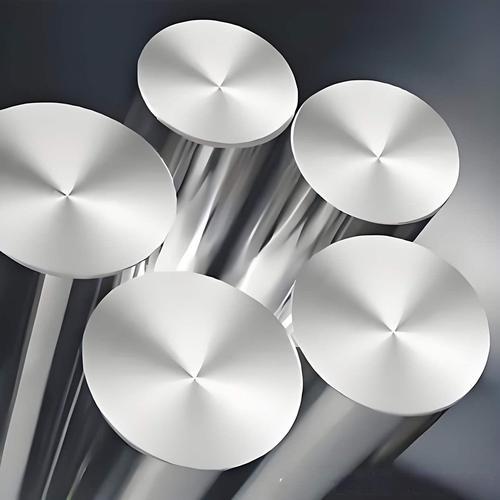
Inconel 617 alloy round bar price per kilogram is commonly about USD 45 to 90 per kg for standard industrial stock sizes. Large forged bars, small pre...
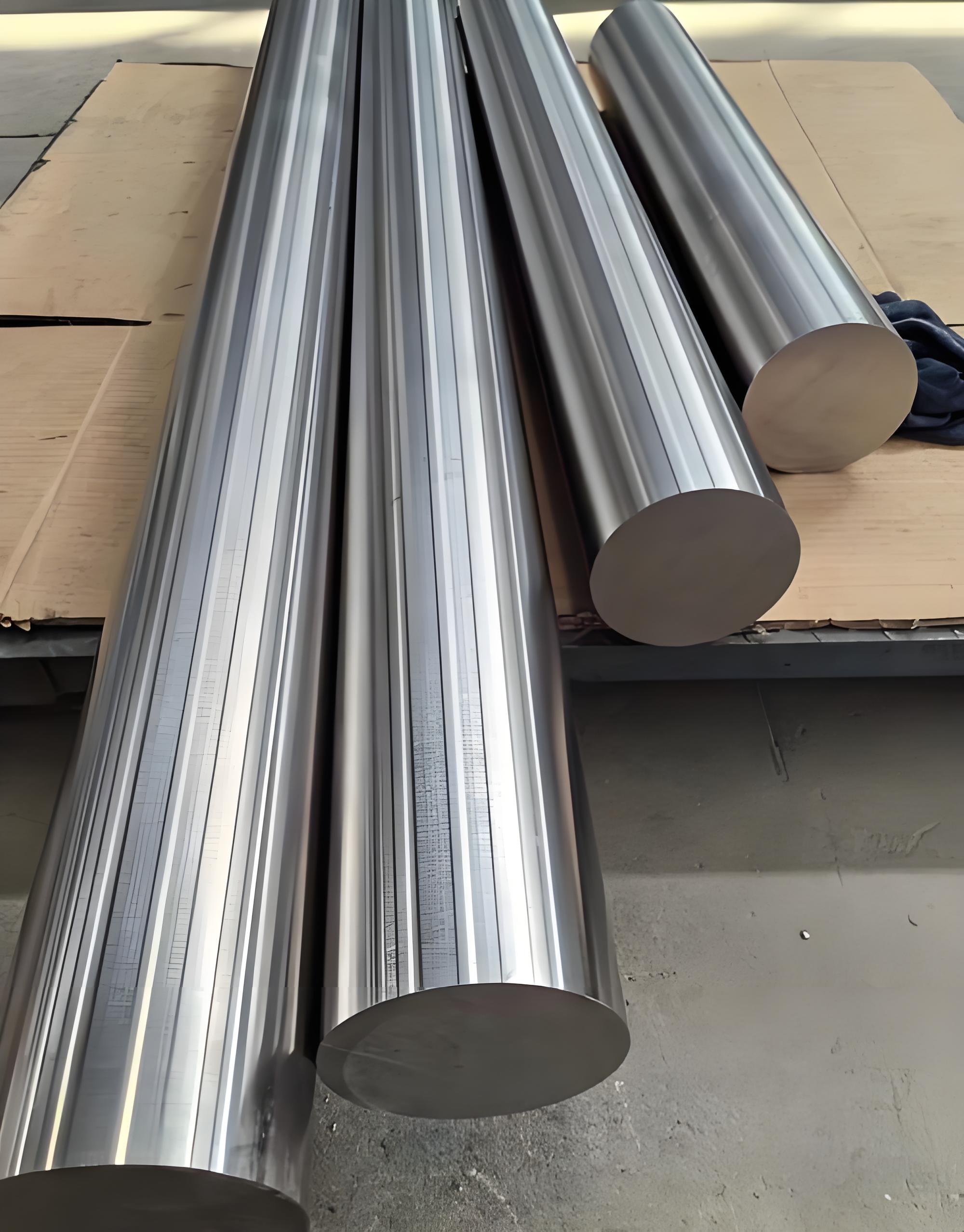
The latest Inconel 625 alloy bar price per kg depends on nickel, molybdenum, niobium, and chromium raw material costs, as well as bar diameter, manufa...
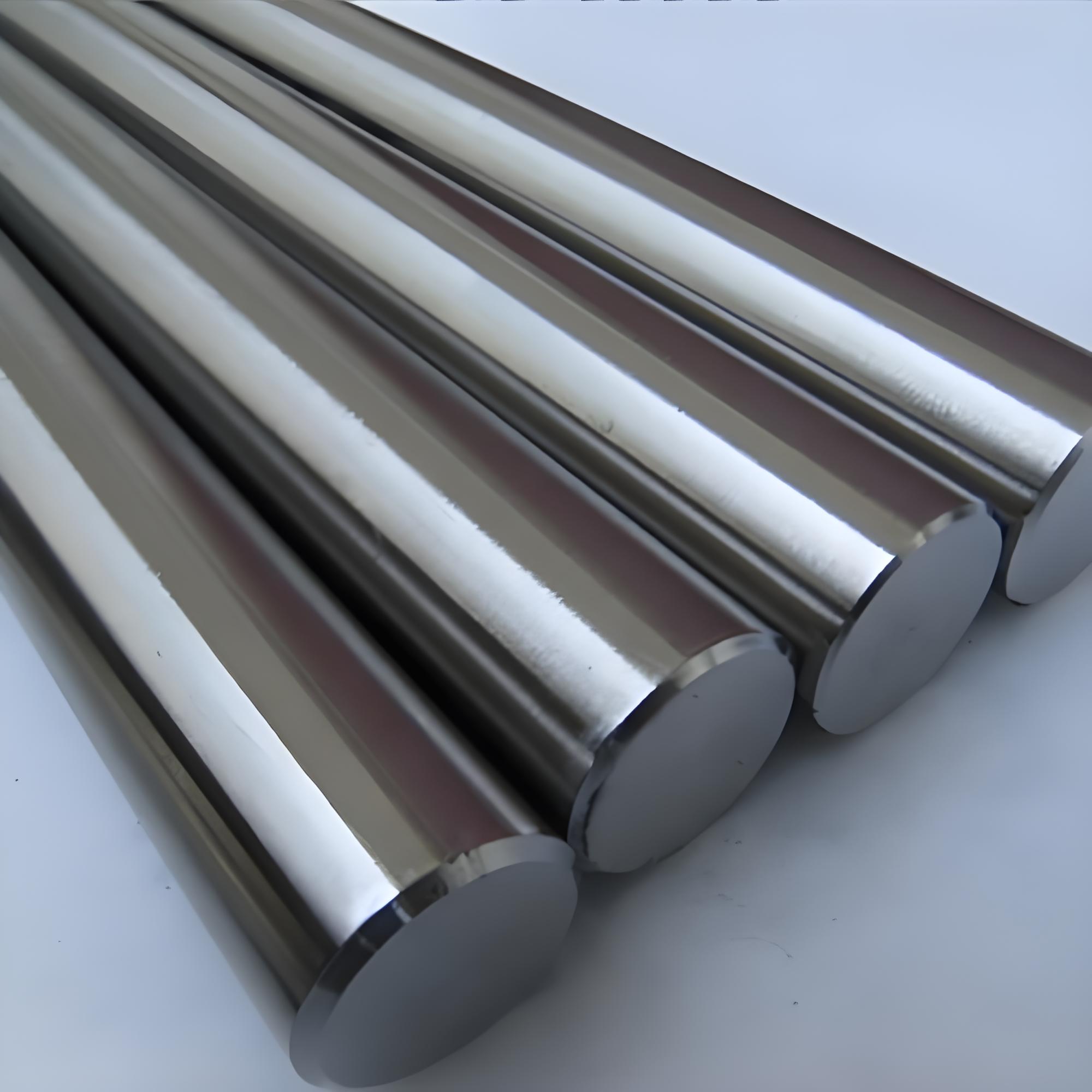
Inconel X-750 alloy bar price depends on nickel raw material cost, bar diameter, product condition, heat treatment, specification, surface finish, dim...
Inconel 602CA alloy bar price per kg is usually higher than common Inconel 600 and Inconel 601 bars because Alloy 602CA is a premium high-temperature ...
 English English
  Korean
 Arabic
 Spanish
 German
 Portuguese
 French
 Russian
 Italian
 Vietnamese