
Incoloy 825 Bar Price | UNS N08825 Supplier
Incoloy 825 bar price depends on the nickel-based alloy composition, bar dimensions, manufacturing route, heat-treatment condition, surface finish, in...
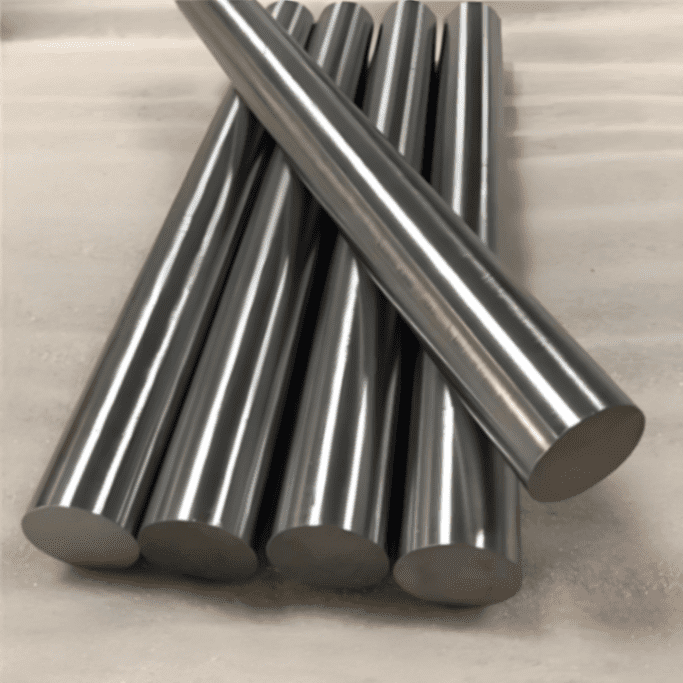
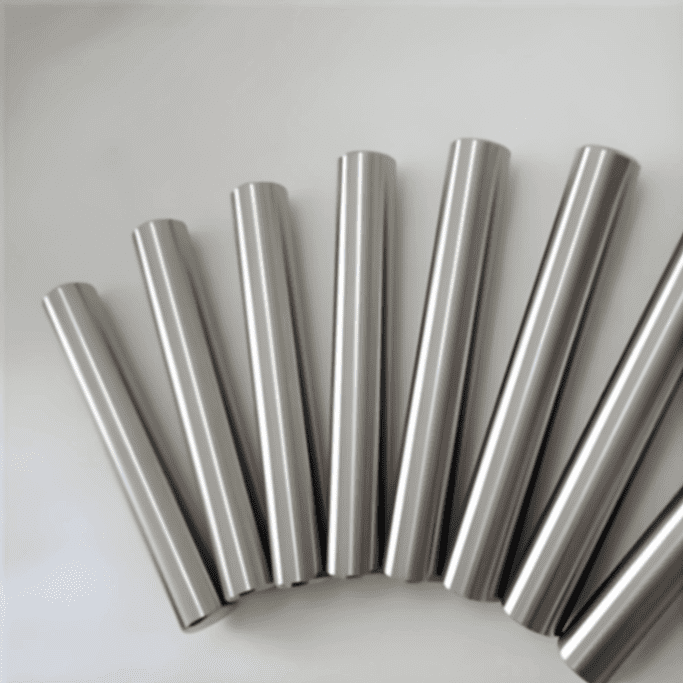
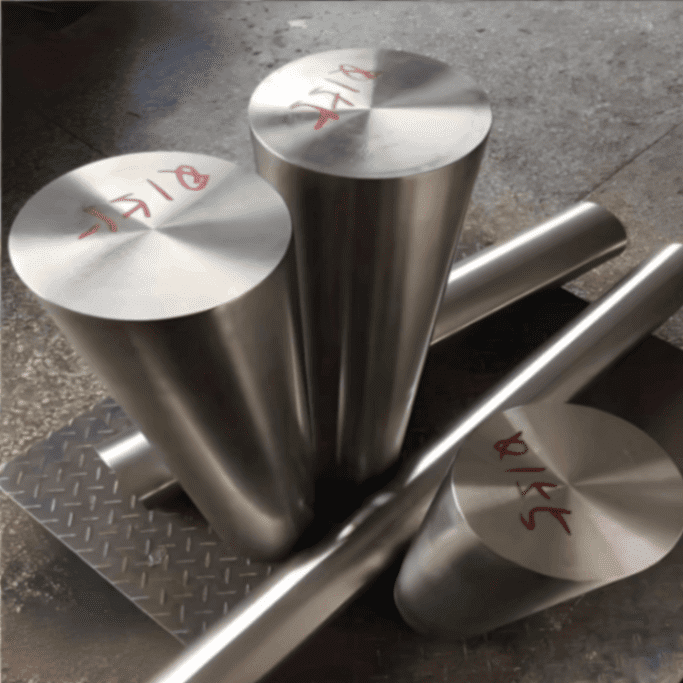
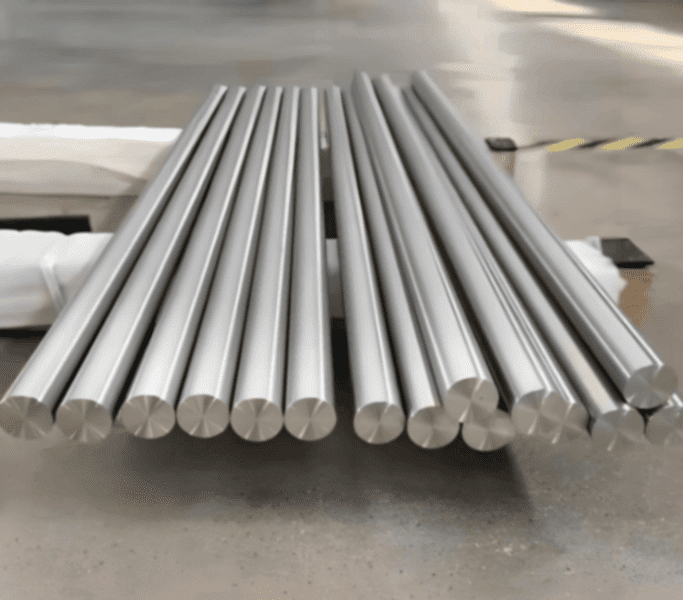
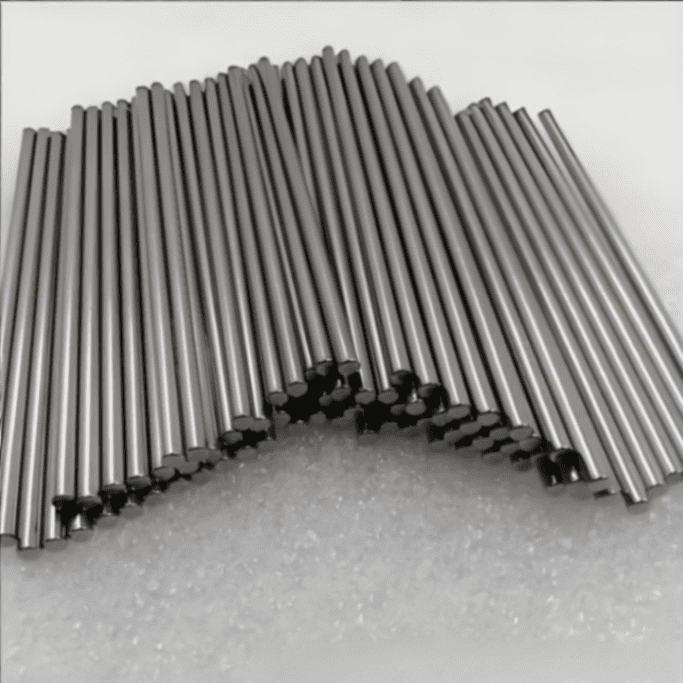
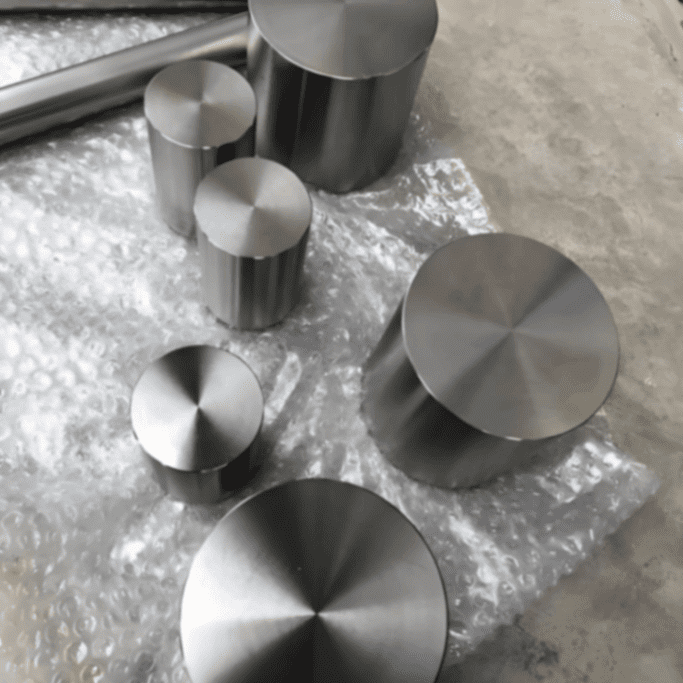
The thermal expansion coefficient of Invar 36 is very low compared with most engineering metals. Around room temperature, Invar 36 commonly has a mean coefficient of thermal expansion of about 1.2 to 1.6 ppm/°C, depending on material condition, temperature range, heat treatment, and test method. This extremely low thermal expansion is the main reason Invar 36, also known as UNS K93600, W.Nr. 1.3912, FeNi36, and Ni36, is widely used for precision tools, aerospace composite molds, measuring rods, optical frames, scientific instruments, cryogenic equipment, and components requiring stable dimensions during temperature changes. However, Invar 36 does not have the same expansion coefficient at all temperatures. Its thermal expansion remains very low near room temperature and through many cryogenic-to-moderate temperature applications, but the expansion rate increases as temperature rises, especially above the normal low-expansion range.
Invar 36 is a nickel-iron controlled expansion alloy designed for applications where dimensional change must be minimized. Its most important property is not high strength, high hardness, or strong corrosion resistance. Its key advantage is extremely low thermal expansion. When temperature changes, ordinary metals expand or contract. Invar 36 expands much less, so the finished part can maintain more stable dimensions.
This property is especially valuable in precision engineering. A long measuring rod, a composite mold, an optical frame, or a scientific instrument support may lose accuracy if the material expands too much during temperature variation. Invar 36 helps reduce this problem by offering a coefficient of thermal expansion far lower than carbon steel, stainless steel, aluminum alloy, copper alloy, and many common nickel alloys.
| Item | Invar 36 Thermal Expansion Information |
|---|---|
| Material Type | Nickel-iron controlled expansion alloy |
| Main Grade Names | Invar 36, Alloy 36, FeNi36, Ni36 |
| UNS Number | UNS K93600 |
| W.Nr. | 1.3912 |
| Main Composition Feature | About 36% nickel, balance iron |
| Main Property | Very low coefficient of thermal expansion |
| Typical Room-Temperature CTE Reference | About 1.2 to 1.6 ppm/°C, depending on condition and temperature range |
The direct answer is: the thermal expansion coefficient of Invar 36 is commonly around 1.2 to 1.6 × 10⁻⁶ /°C near room temperature, often written as 1.2 to 1.6 ppm/°C or 1.2 to 1.6 µm/m·°C. This value can vary depending on test temperature range, heat treatment condition, cold work, chemical composition, and product form.
For practical engineering use, buyers should not treat one CTE number as universal for every Invar 36 bar, plate, or machined part. A coefficient measured from 20°C to 100°C may be different from a coefficient measured from 20°C to 200°C or from cryogenic temperature to room temperature. Therefore, the correct way to specify Invar 36 thermal expansion coefficient is to define the temperature range, material condition, and whether a CTE test report is required.
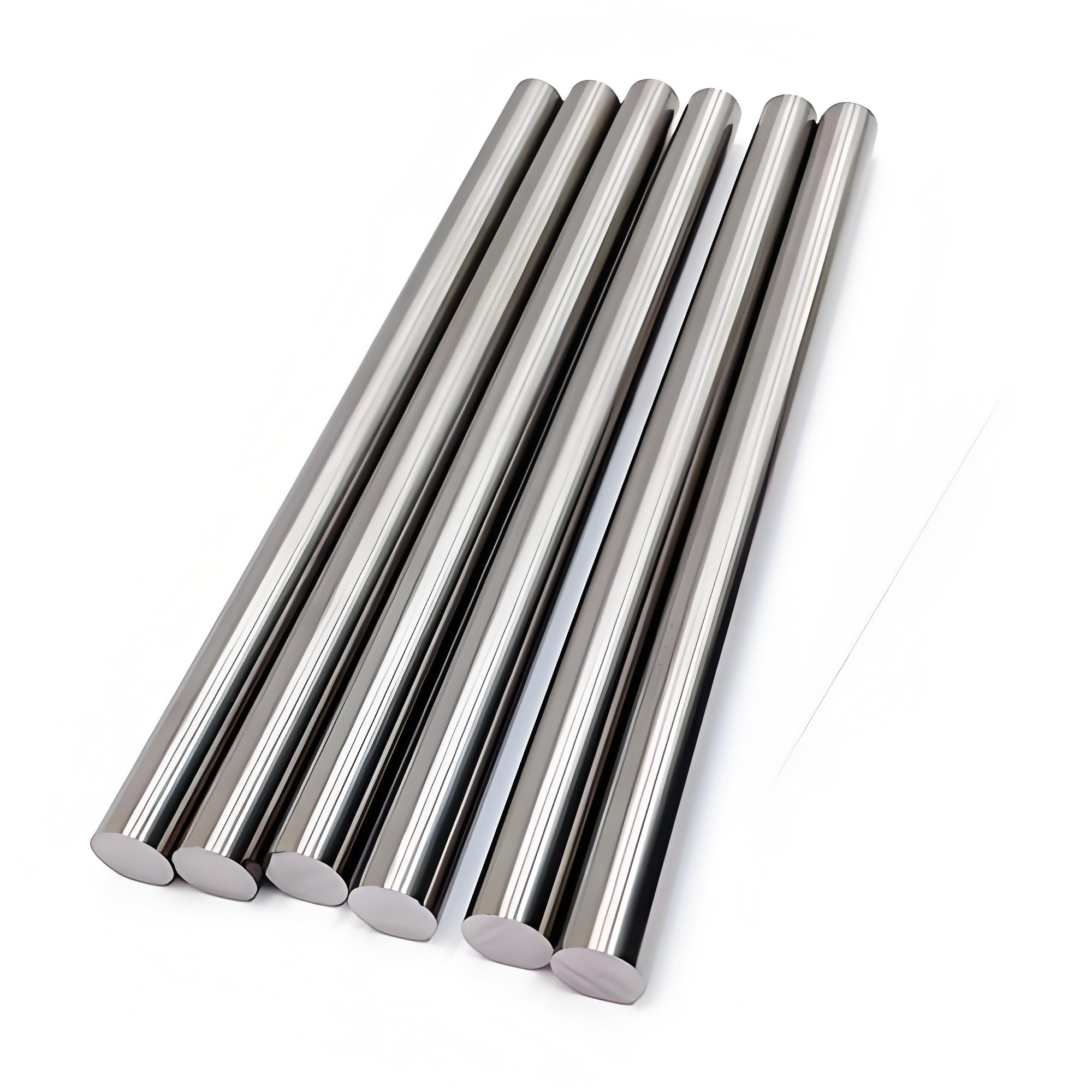
| Temperature Range | Typical Mean CTE Reference | Practical Meaning |
|---|---|---|
| Near room temperature to 100°C | About 1.2 – 1.6 ppm/°C | Excellent dimensional stability for precision parts |
| Room temperature to 200°C | Still low, but higher than the 100°C range | Suitable for many precision tools, but expansion must be calculated |
| Cryogenic to room temperature | Low expansion behavior | Useful for LNG, cryogenic supports, and scientific equipment |
| Above about 200°C | Expansion rate increases more noticeably | Detailed CTE data should be checked before material selection |
Invar 36 is commonly identified as UNS K93600 and W.Nr. 1.3912. These designations are important because controlled expansion alloys can be easily confused. Invar 36, Kovar, Super Invar, Alloy 42, and other Fe-Ni or Fe-Ni-Co alloys may appear similar in bar or plate form, but their coefficient of thermal expansion and application range are different.
When purchasing Invar 36 round bar, flat bar, plate, or precision machined stock, the material certificate should clearly show the correct grade name and designation. For international buyers, UNS K93600 is especially useful because it provides a clear material identity across different suppliers and countries.
| Designation | Meaning | Buying Note |
|---|---|---|
| Invar 36 | Common commercial name | Widely used in technical drawings and purchasing documents |
| Alloy 36 | Generic alloy name | Often used by suppliers and stockholders |
| UNS K93600 | Unified material designation | Useful for international material confirmation |
| W.Nr. 1.3912 | European Werkstoff number | Common in European drawings and certificates |
| FeNi36 / Ni36 | Iron-nickel alloy designation | Indicates about 36% nickel content |
If a project requires Invar 36 thermal expansion performance, another low-expansion alloy should not be substituted without engineering approval. Kovar may be better for glass-to-metal sealing, while Super Invar may provide lower expansion near room temperature but has a narrower practical temperature range. Correct material identification is the first step before checking the thermal expansion coefficient.
Invar 36 has an extremely low thermal expansion coefficient because of its special iron-nickel composition. The alloy contains about 36% nickel and balance iron. At this composition level, the material shows the well-known Invar effect, where normal thermal expansion is strongly reduced by the magnetic and atomic behavior of the Fe-Ni alloy system.
Most metals expand as temperature increases because atoms vibrate more strongly and the lattice spacing increases. Invar 36 behaves differently over a useful temperature range. Its internal magnetic-related behavior offsets part of the normal thermal expansion, resulting in unusually low dimensional change.
The nickel content is critical. If the nickel content is significantly different from the required range, the Invar effect may weaken. This is why chemical composition control is essential. Invar 36 is not simply “iron plus nickel.” It must have the correct nickel-iron balance to achieve the expected low thermal expansion behavior.
The thermal expansion coefficient can also be influenced by residual elements, cold work, annealing, stress relief, and thermal history. For precision applications, buyers should not only check grade name but also verify chemical composition, heat treatment condition, and CTE test data if required.
| Factor | Effect on Thermal Expansion |
|---|---|
| 36% Nickel Content | Creates the basic Invar low-expansion behavior |
| Iron Balance | Forms the Fe-Ni controlled expansion matrix |
| Residual Elements | May influence consistency and expansion behavior |
| Cold Work | Can change internal stress and slightly influence expansion behavior |
| Annealing / Aging | Can improve expansion stability for selected temperature ranges |
At room temperature and near-room-temperature ranges, Invar 36 shows its most useful low expansion performance. A common reference range is about 1.2 to 1.6 ppm/°C from room temperature to around 100°C, although actual values may vary by specification and material condition.
This low room-temperature CTE makes Invar 36 suitable for measuring tools, optical frames, laboratory instruments, precision rods, calibration equipment, and components used in workshops or laboratories where temperature may change but dimensional accuracy must remain stable.
| CTE Value | Equivalent Unit | Meaning |
|---|---|---|
| 1.2 × 10⁻⁶ /°C | 1.2 ppm/°C | Very low expansion for precision applications |
| 1.6 × 10⁻⁶ /°C | 1.6 µm/m·°C | Still extremely low compared with steel and aluminum |
| 10 – 17 × 10⁻⁶ /°C | Common range for many steels and stainless steels | Much higher expansion than Invar 36 |
If a 1-meter-long Invar 36 bar has a CTE of 1.5 µm/m·°C, a 10°C temperature change produces about 15 µm of length change. A carbon steel bar may expand many times more under the same condition. This is why Invar 36 is useful for precision frames and measuring parts.
The thermal expansion coefficient of Invar 36 changes with temperature. It remains very low in the normal low-expansion range, but it increases as temperature rises. For engineering design, the temperature interval must be specified. A CTE value from 20°C to 100°C is not the same as a CTE value from 20°C to 300°C.
| Temperature Range | Typical Mean CTE Behavior | Application Note |
|---|---|---|
| -200°C to room temperature | Low expansion behavior | Useful for cryogenic and LNG equipment |
| -100°C to room temperature | Very low expansion | Suitable for scientific instruments and cold-service precision parts |
| 20°C to 100°C | About 1.2 – 1.6 ppm/°C in many references | Excellent for room-temperature precision applications |
| 20°C to 200°C | Low but increasing | Expansion should be calculated for tight tolerances |
| 20°C to 300°C | Expansion increases clearly | Check whether Invar 36 still meets design accuracy |
| Above 300°C | Much higher than room-temperature CTE | Other alloys or detailed thermal analysis may be needed |
If a buyer says only “low CTE Invar 36,” the supplier may provide standard material data. But if the application is aerospace tooling, optical positioning, cryogenic assembly, or metrology equipment, the exact CTE range may matter. A clear specification should state the temperature range, such as 20°C to 100°C or 20°C to 200°C.
The coefficient of thermal expansion is often written in different units. For Invar 36, buyers may see ppm/°C, µm/m·°C, ×10⁻⁶/°C, or ×10⁻⁶/K. These units are closely related and often numerically equivalent for practical engineering purposes.
| Unit | Meaning | Example |
|---|---|---|
| ppm/°C | Parts per million per degree Celsius | 1.5 ppm/°C means 1.5 parts per million length change per °C |
| µm/m·°C | Micrometers per meter per degree Celsius | 1.5 µm/m·°C means 1 meter changes 1.5 µm per °C |
| ×10⁻⁶/°C | Scientific notation for expansion coefficient | 1.5 × 10⁻⁶/°C equals 1.5 ppm/°C |
| ×10⁻⁶/K | Per Kelvin temperature change | For temperature intervals, 1 K change equals 1°C change |
For practical material tables, 1 ppm/°C equals 1 µm/m·°C and equals 1 × 10⁻⁶/°C. Therefore, if an Invar 36 data sheet lists 1.5 × 10⁻⁶/°C, buyers can also read it as 1.5 ppm/°C or 1.5 µm/m·°C.
Invar 36 has useful low-expansion performance from cryogenic temperatures to moderate temperatures. This is why the alloy is used not only in room-temperature precision instruments, but also in LNG, low-temperature scientific equipment, cryogenic supports, and aerospace systems exposed to cold conditions.
At cryogenic temperatures, many materials contract significantly and may become brittle. Invar 36 offers low contraction and good toughness, making it useful for cold-service components. This is important for LNG systems, liquefied gas transport, low-temperature instruments, and scientific equipment.
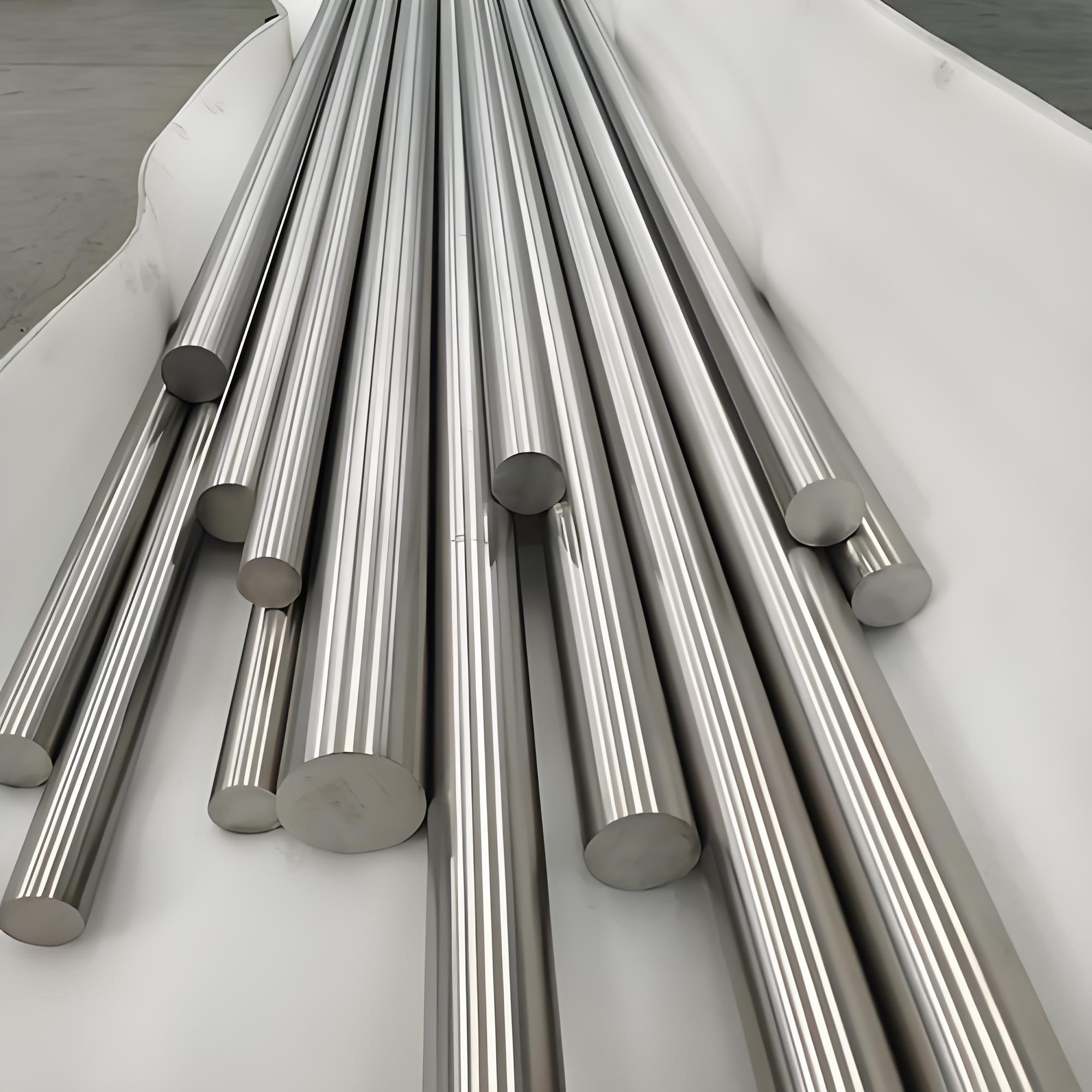
At moderate temperatures, Invar 36 still offers lower expansion than most common engineering metals. However, as temperature increases, its coefficient of expansion rises. For applications near 200°C or above, the designer should review detailed thermal expansion data before final selection.
| Working Temperature Range | Invar 36 Suitability | Engineering Note |
|---|---|---|
| Cryogenic to room temperature | Very suitable | Low contraction and good toughness are valuable |
| Room temperature to 100°C | Excellent | Best range for many precision applications |
| Room temperature to 200°C | Suitable for many designs | CTE must be calculated for tight tolerances |
| Above 200°C | Requires careful review | Expansion increases and may reduce the benefit of Invar 36 |
Nickel content has a direct effect on the thermal expansion coefficient of Invar 36. The alloy is designed around approximately 36% nickel because this composition produces the low expansion behavior known as the Invar effect. If nickel content changes too much, the expansion coefficient may change and the material may no longer perform as expected.
A common composition range for Invar 36 is about 35% to 37% nickel, with iron as balance. This range should be checked in the MTC. For precision applications, composition verification is important because thermal expansion performance depends on the correct Fe-Ni balance.
Although nickel and iron are the main elements, residual elements such as carbon, manganese, silicon, sulfur, phosphorus, cobalt, and chromium may also affect material behavior. They should remain within the required standard range. For strict CTE applications, buyers may request additional testing rather than relying only on chemistry.
| Composition Item | Typical Requirement | Effect on Thermal Expansion |
|---|---|---|
| Nickel | About 35% – 37% | Main factor creating low expansion behavior |
| Iron | Balance | Forms the Fe-Ni controlled expansion matrix |
| Cobalt | Controlled residual or specified limit | May influence expansion and magnetic behavior |
| Carbon and Impurities | Controlled low levels | Help maintain material consistency and processing quality |
Heat treatment and material condition can affect the expansion stability of Invar 36. Annealing, stress relief, cold work, artificial aging, and thermal history may change internal stress and microstructural condition. For high-precision components, this can influence final dimensional stability.
Annealed Invar 36 bar or plate usually provides better ductility and lower residual stress. This is helpful for precision machining, mold production, measuring tools, and optical components. If the part must hold tight dimensions, annealed or stress-relieved material is often preferred.
Cold drawing or cold working can improve strength and dimensional tolerance, but it may introduce residual stress. Some cold-worked conditions may slightly reduce expansion coefficient, but the condition may not remain stable at higher temperatures. For precision applications, cold work should be controlled carefully.
Large or precise Invar 36 parts may move during machining if internal stress is released. A common process is rough machining, stress relieving, and then finish machining. This helps improve dimensional stability in the finished component.
| Condition / Process | Impact on Expansion Stability | Practical Advice |
|---|---|---|
| Annealed | Lower residual stress and better stability | Preferred for precision machining |
| Cold Drawn | Better tolerance but possible residual stress | Consider stress relief for precision use |
| Stress Relieved | Improves dimensional stability after machining | Useful for molds, frames, and measuring parts |
| Artificial Aging | Can stabilize expansion in selected ranges | Use only when required by specification |
Invar 36 round bar and plate are both used for dimensional stability, but their processing requirements may be different. Round bar is commonly machined into rods, shafts, pins, spacers, supports, and precision mechanical parts. Plate is commonly used for composite tooling, mold bases, frames, panels, and flat precision structures.
Invar 36 round bar is suitable for precision shafts, measuring rods, guide pins, spacers, and cylindrical machined components. For these applications, diameter tolerance, straightness, surface finish, and internal stress are important. Precision ground round bar may reduce machining time and improve final accuracy.
Invar 36 plate is commonly used for aerospace composite molds, tooling plates, frames, and large precision structures. For plate applications, flatness, residual stress, thickness tolerance, and stress relief are important. Large plates may require careful machining sequence to avoid distortion.
| Product Form | Key Stability Concern | Common Control Method |
|---|---|---|
| Round Bar | Straightness, diameter tolerance, machining stress | Use annealed, peeled, or ground bar as required |
| Plate | Flatness, residual stress, thickness tolerance | Use stress relief and controlled machining sequence |
| Forged Block | Internal stress and uniformity | Use heat treatment and inspection |
| Finished Component | Final dimensional drift | Rough machine, stress relieve, then finish machine |
Invar 36 has a much lower thermal expansion coefficient than stainless steel and carbon steel. This difference is the main reason Invar 36 is used for precision components where ordinary steel would expand too much.
| Material | Typical CTE Range Near Room Temperature | Comparison with Invar 36 |
|---|---|---|
| Invar 36 | About 1.2 – 1.6 ppm/°C | Very low expansion |
| Carbon Steel | About 11 – 13 ppm/°C | Many times higher than Invar 36 |
| 304 Stainless Steel | About 16 – 17 ppm/°C | Much higher expansion than Invar 36 |
| 316 Stainless Steel | About 15 – 16 ppm/°C | Much higher expansion than Invar 36 |
| Aluminum Alloy | About 22 – 24 ppm/°C | Very high expansion compared with Invar 36 |
If an aluminum or stainless steel frame is used in a precision optical system, temperature changes may shift alignment. If an Invar 36 frame is used, the dimensional change is much smaller. This is why Invar 36 is often selected even though it is more expensive and heavier than many common metals.
Invar 36, Kovar, and Super Invar are all controlled expansion alloys, but they are not used for the same purpose. Their thermal expansion behavior and application logic are different.
Kovar is an iron-nickel-cobalt controlled expansion alloy designed mainly to match the expansion of hard glass and ceramics. It is widely used for hermetic seals, electronic packages, glass-to-metal seals, vacuum tubes, sensors, and ceramic-metal assemblies. Invar 36 is usually selected for general low expansion and dimensional stability, not for glass sealing.
Super Invar can offer even lower thermal expansion than Invar 36 near room temperature. However, Super Invar has a narrower useful temperature range and may be more sensitive to temperature and processing condition. Invar 36 is more widely used because it provides a practical balance of low expansion, availability, machinability, toughness, and temperature range.
| Material | Main Composition Direction | Thermal Expansion Character | Typical Use |
|---|---|---|---|
| Invar 36 | Fe-Ni, about 36% Ni | Very low expansion over a useful broad range | Precision tools, molds, instruments, cryogenic parts |
| Kovar | Fe-Ni-Co | Controlled expansion matched to glass and ceramics | Hermetic seals and electronic packages |
| Super Invar | Fe-Ni-Co low expansion alloy | Extremely low expansion near room temperature | Ultra-precision instruments and metrology components |
Choose Invar 36 when the main requirement is stable dimensions during normal temperature variation or cryogenic-to-moderate temperature service. Choose Kovar when expansion matching with glass or ceramic is required. Choose Super Invar only when extremely low expansion near room temperature is more important than broad temperature range and general availability.
Invar 36 is used in many applications where low thermal expansion is the main design requirement. It is not selected only because it is a nickel alloy. It is selected because it helps reduce dimensional error, thermal stress, alignment change, and measurement drift.
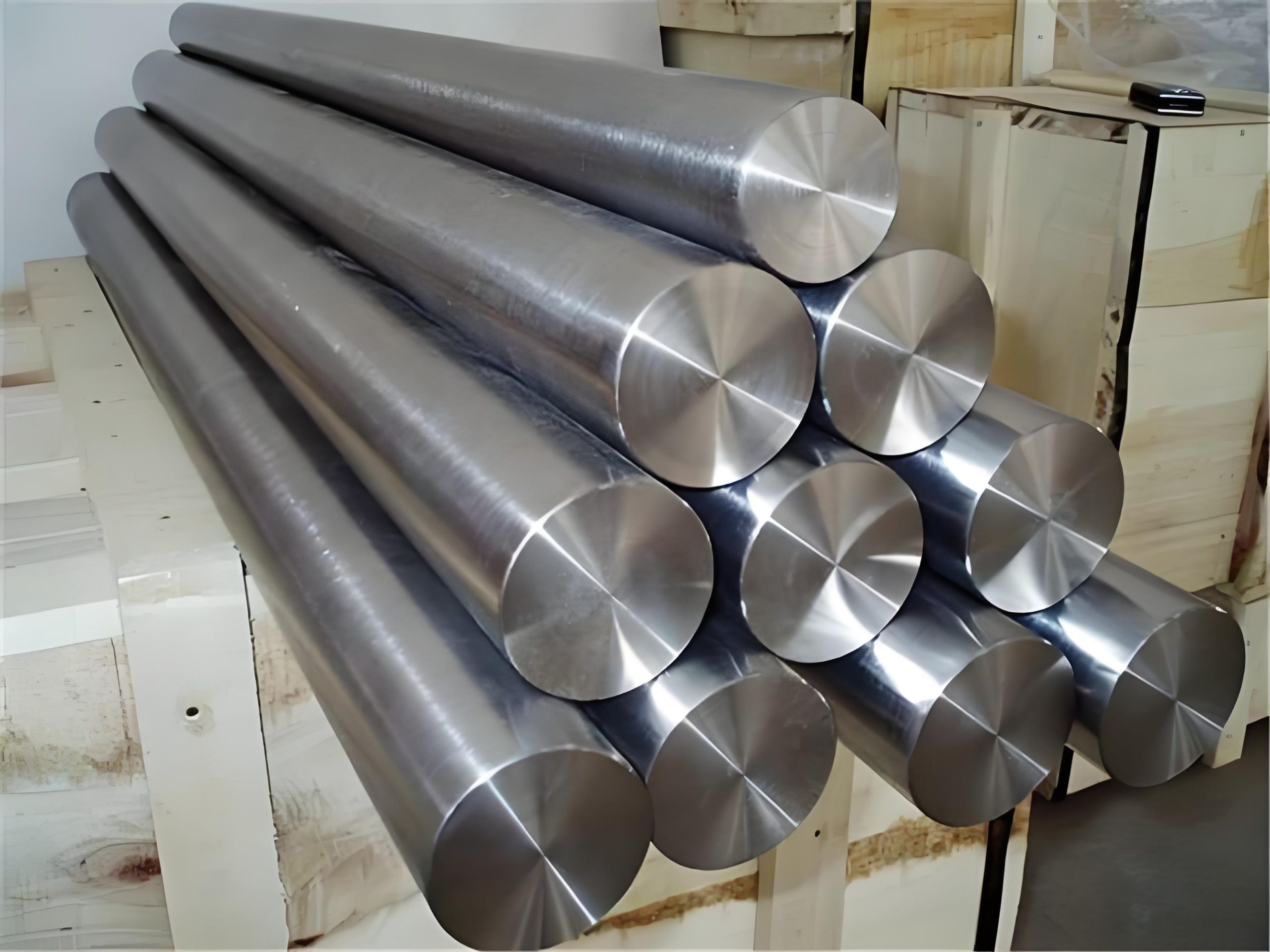
Aerospace composite molds often use Invar 36 because the tooling must maintain accurate shape during heating and cooling cycles. Low expansion helps improve final composite part accuracy and repeatability.
Measuring rods, calibration frames, gauge components, and inspection fixtures use Invar 36 to reduce temperature-related error. This is important in metrology, laboratory equipment, and high-precision manufacturing.
Optical frames, laser supports, telescope components, and instrument structures use Invar 36 to maintain alignment. Small thermal movement can create large optical errors, so low expansion material is valuable.
Invar 36 is used in cryogenic applications because it has low contraction and good toughness at low temperature. It can help reduce thermal mismatch in LNG storage, liquefied gas transport, and scientific cryogenic systems.
Electronic frames, sensor supports, satellite components, and scientific instruments may use Invar 36 where thermal stability is needed. In these applications, dimensional drift can affect signal accuracy, alignment, or assembly performance.
| Application | Reason for Using Invar 36 | Important Specification Detail |
|---|---|---|
| Aerospace composite molds | Low expansion during heating and cooling | CTE range, plate stability, stress relief |
| Measuring rods | Very small length change | CTE test range, straightness, precision grinding |
| Optical frames | Stable alignment under temperature change | Dimensional accuracy and low residual stress |
| Cryogenic supports | Low contraction and good toughness | Low-temperature properties and material condition |
| Scientific instruments | Reduced thermal drift | CTE stability, machining process, heat treatment |
A clear material inquiry should include grade, UNS number, product form, size, quantity, delivery condition, surface finish, tolerance, MTC requirement, and CTE requirement. For example: Invar 36 round bar, UNS K93600 / W.Nr. 1.3912, diameter 25 mm, precision ground surface, annealed condition, with MTC and coefficient of thermal expansion test from 20°C to 100°C. This type of inquiry helps the supplier quote and supply the correct material for the application.
What is the CTE of Invar 36?
The CTE of Invar 36 is commonly about 1.2 to 1.6 ppm/°C near room temperature, depending on temperature range, heat treatment, cold work, composition, and test method. This is much lower than carbon steel, stainless steel, and aluminum alloy, which is why Invar 36 is widely used for precision tools, measuring rods, molds, optical frames, and dimensional stability applications.
Does Invar 36 expand with heat?
Yes, Invar 36 does expand with heat, but much less than most common metals. It is a low-expansion alloy, not a zero-expansion material. Its expansion is very low near room temperature and remains useful across many cryogenic-to-moderate temperature applications, but the coefficient of expansion increases as temperature rises.
Why is Invar 36 low expansion?
Invar 36 has low expansion because it contains about 36% nickel and balance iron, creating the special Fe-Ni Invar effect. This composition reduces normal thermal expansion over a useful temperature range. The exact expansion behavior can also be affected by heat treatment, cold work, residual elements, and temperature range, so critical applications should confirm CTE through specification or testing.
More from this category
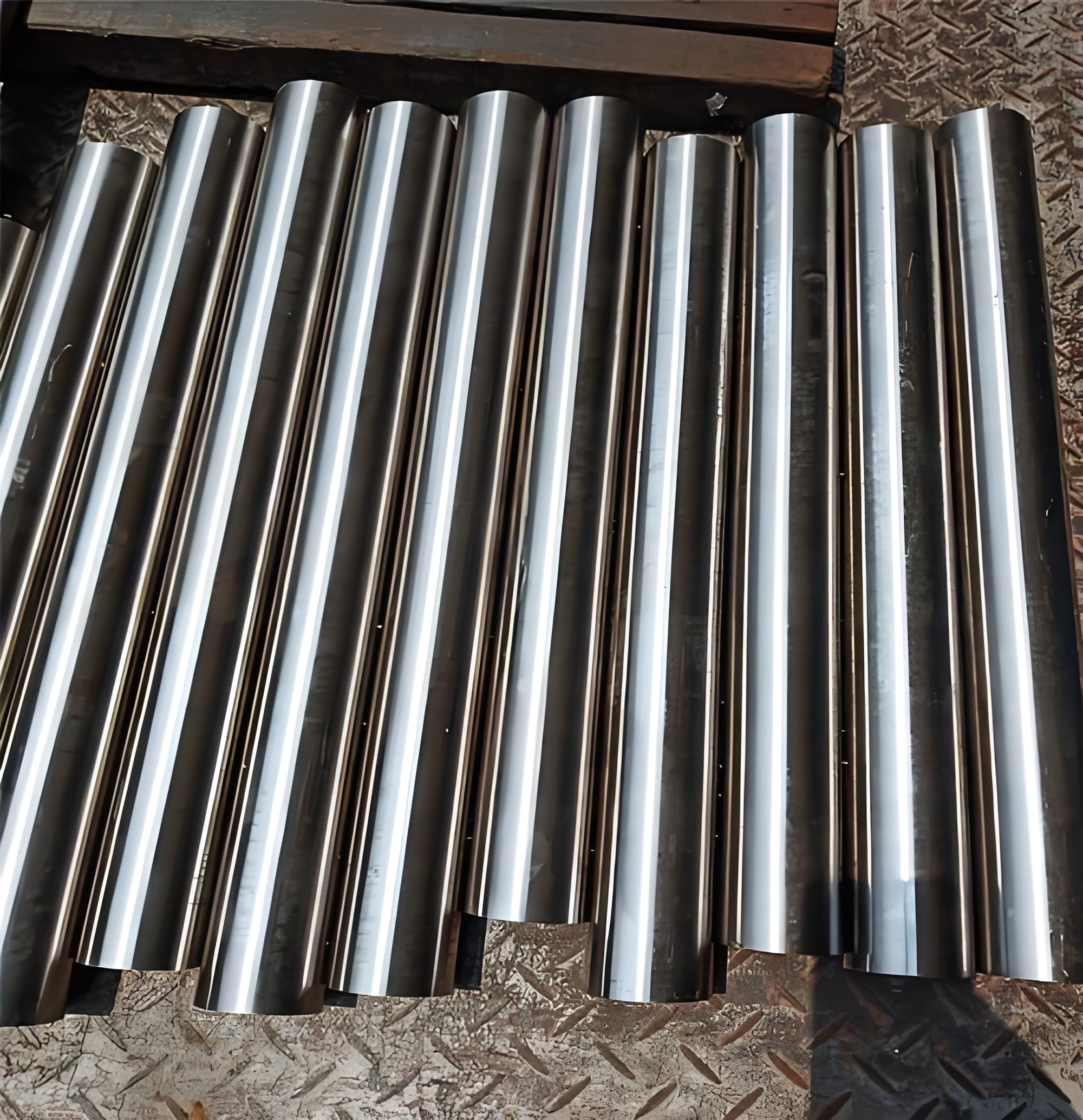
Incoloy 825 bar price depends on the nickel-based alloy composition, bar dimensions, manufacturing route, heat-treatment condition, surface finish, in...
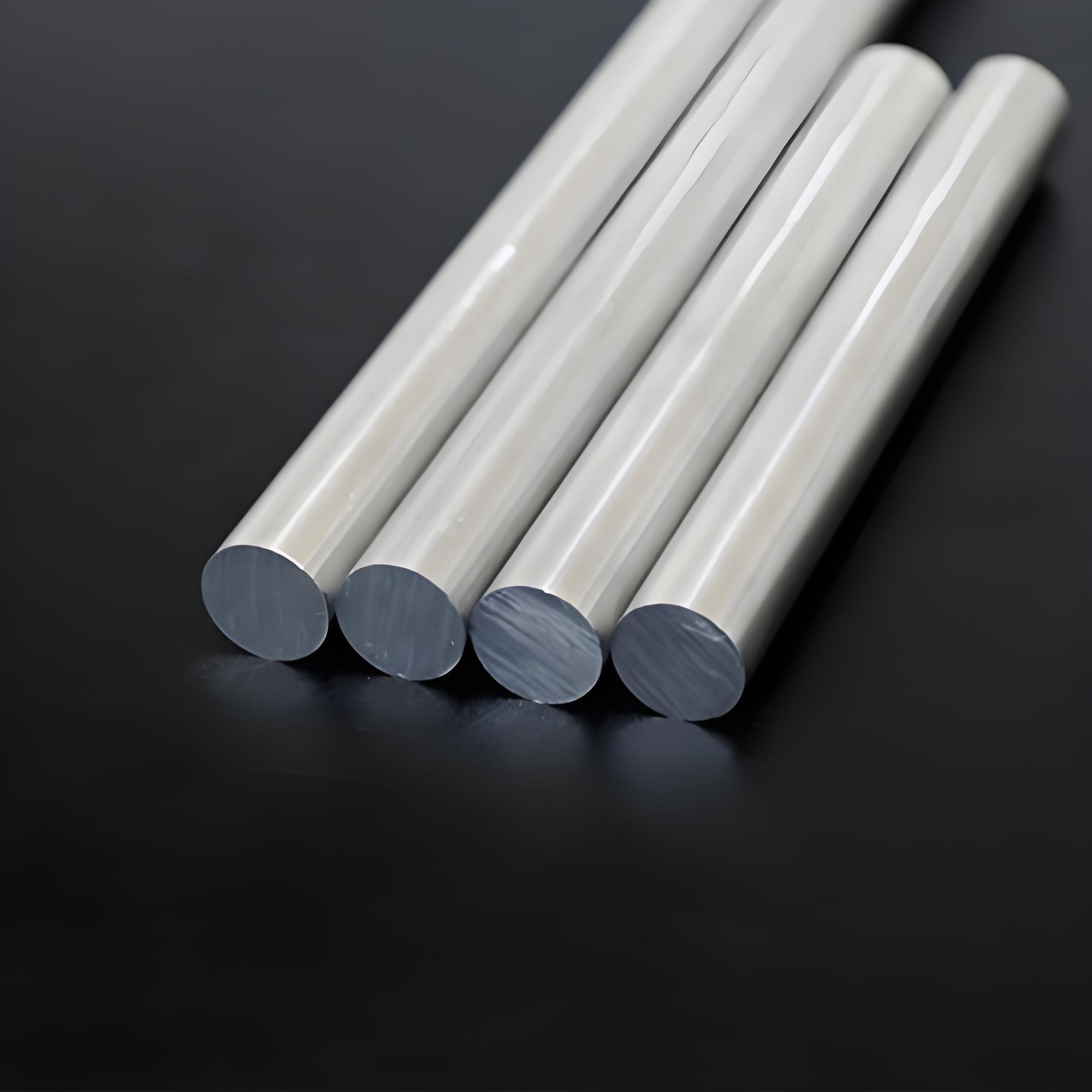
Incoloy 800HT bar price is shaped by nickel, chromium, titanium, and aluminum raw-material costs, together with bar dimensions, heat-treatment conditi...
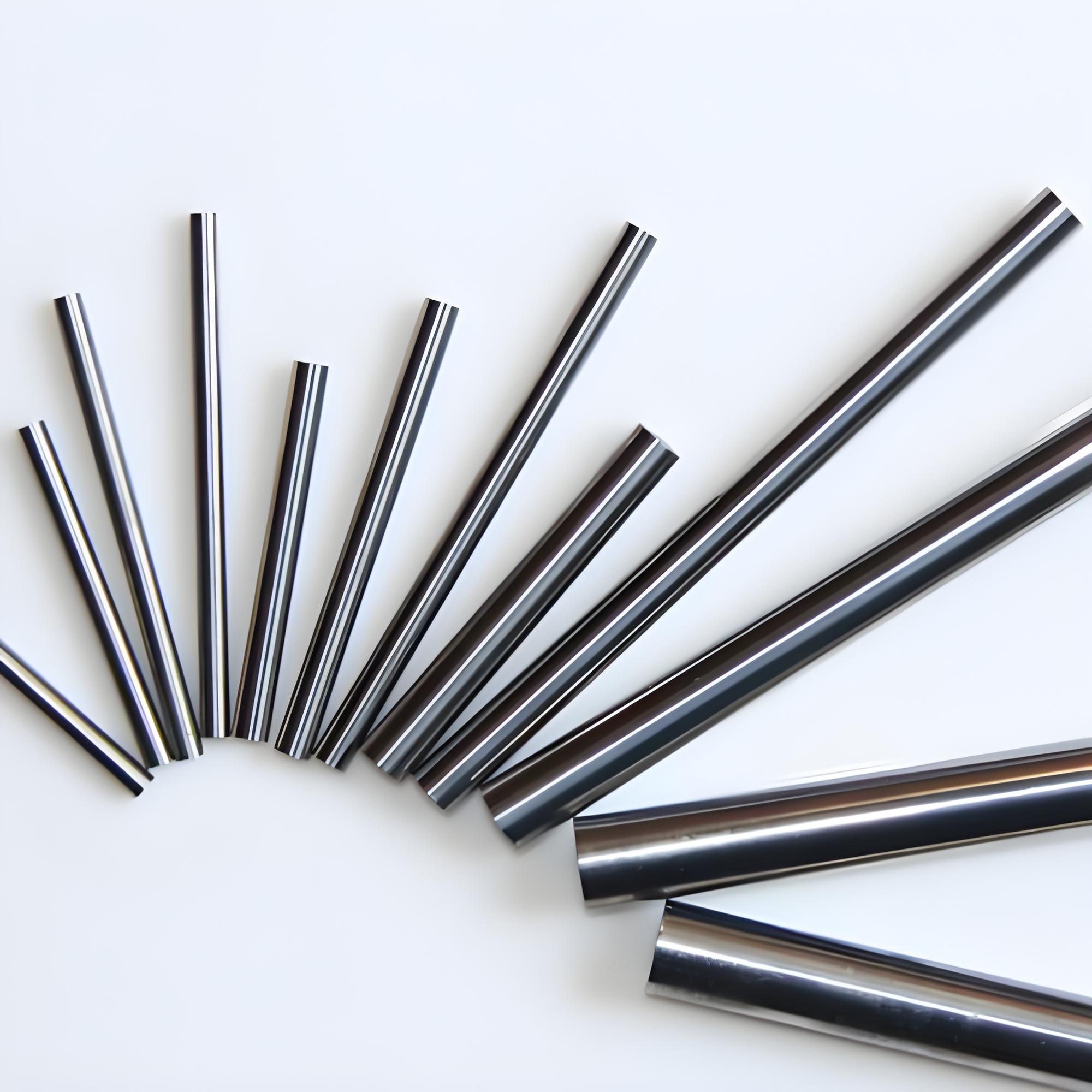
Incoloy 20 round bar price per kg depends on the alloy composition, bar size, manufacturing method, surface finish, tolerance, certificates, inspectio...
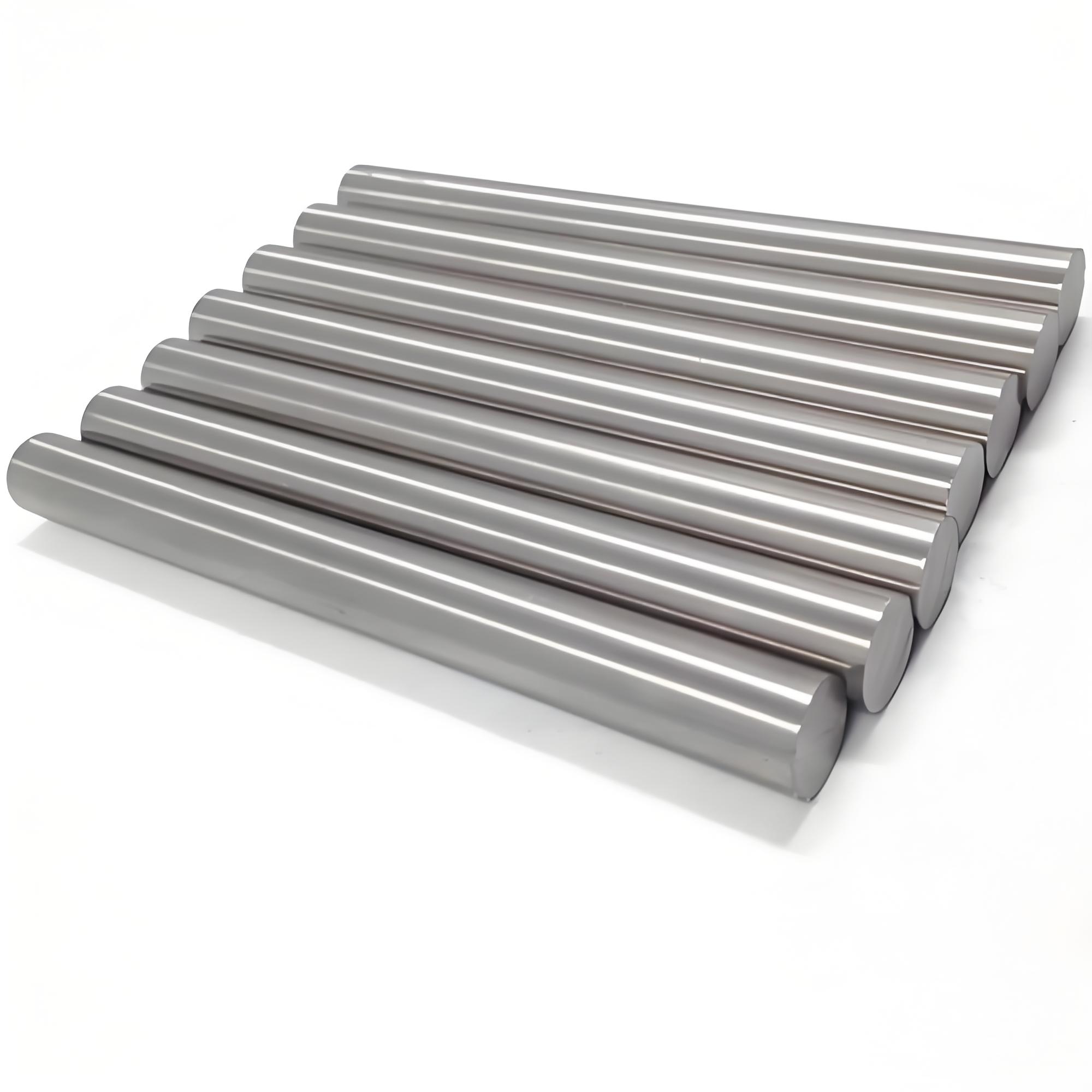
Hastelloy G-30 N06030 bar factory price is determined by the alloy’s high nickel, chromium, iron, molybdenum, copper, and tungsten content, together...
 English English
  Korean
 Arabic
 Spanish
 German
 Portuguese
 French
 Russian
 Italian
 Vietnamese