
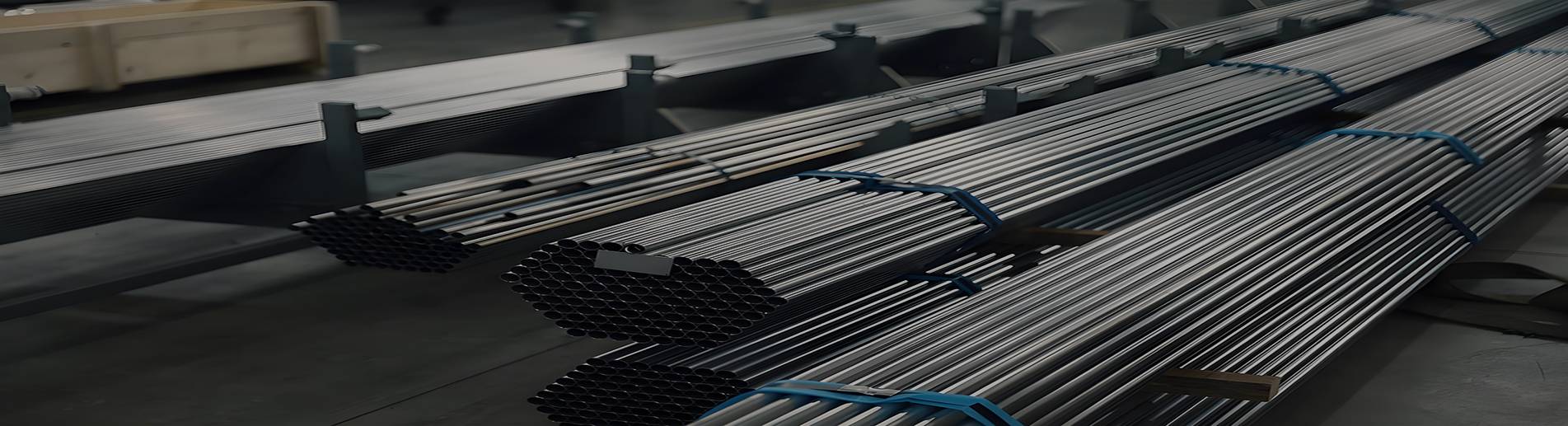
Inconel 617 alloy round bar price per kilogram
Inconel 617 alloy round bar price per kilogram is commonly about USD 45 to 90 per kg for standard industrial stock sizes. Large forged bars, small pre...
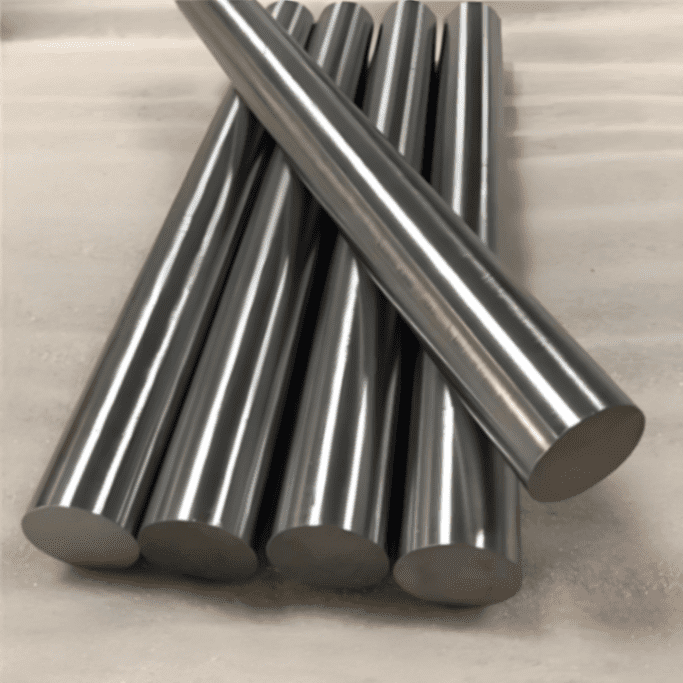
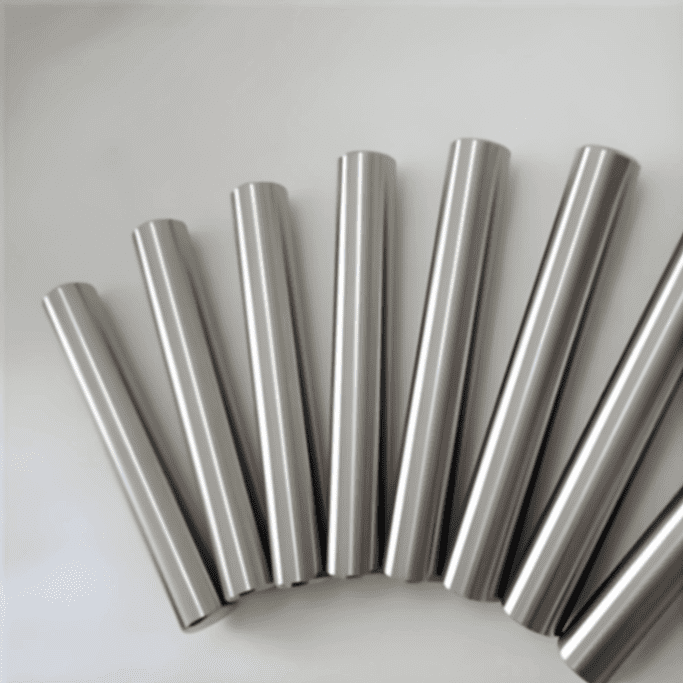
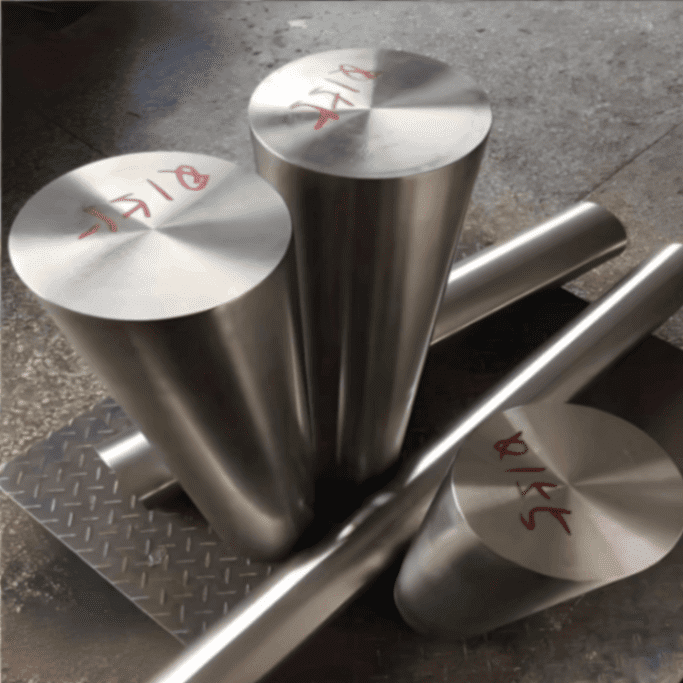
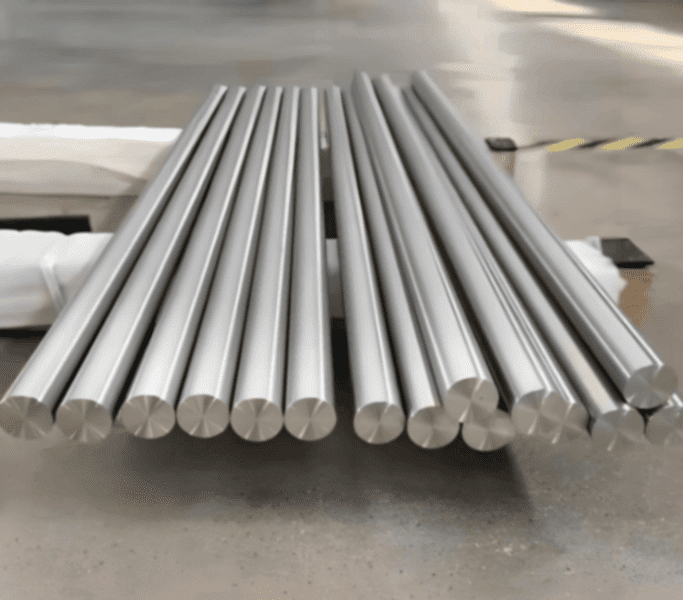
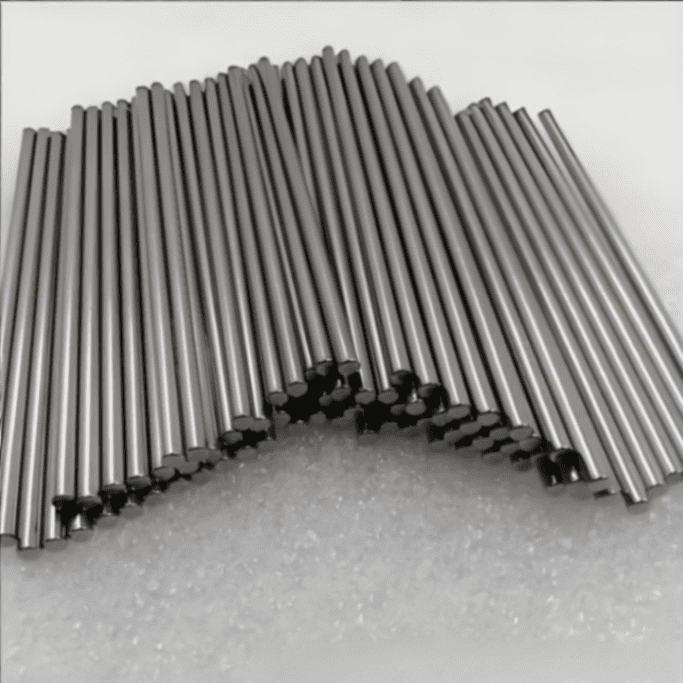
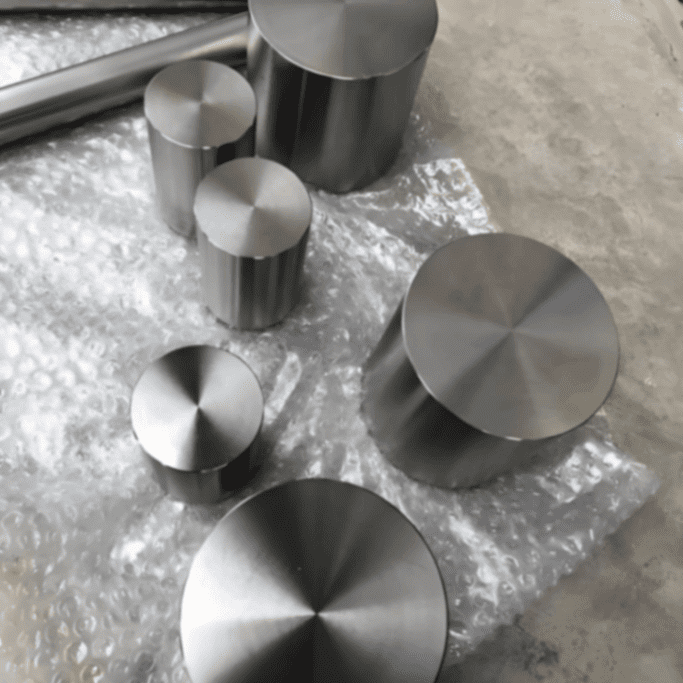
The cost of Invar 42 bar is a critical consideration for engineers and procurement professionals evaluating materials for precision applications such as semiconductor packaging, glass-to-metal seals, and electronic components. As a specialized iron-nickel controlled-expansion alloy containing approximately 42% nickel, Invar 42 commands a premium price compared to standard structural steels due to its unique thermal expansion properties, the high cost of its nickel content, and the specialized processing required to achieve consistent material characteristics. This article provides a detailed breakdown of the factors influencing Invar 42 bar pricing, typical cost ranges per kilogram, and how various specifications and order parameters affect the final price. Understanding these elements enables informed decision-making when budgeting for projects that require this high-performance alloy.
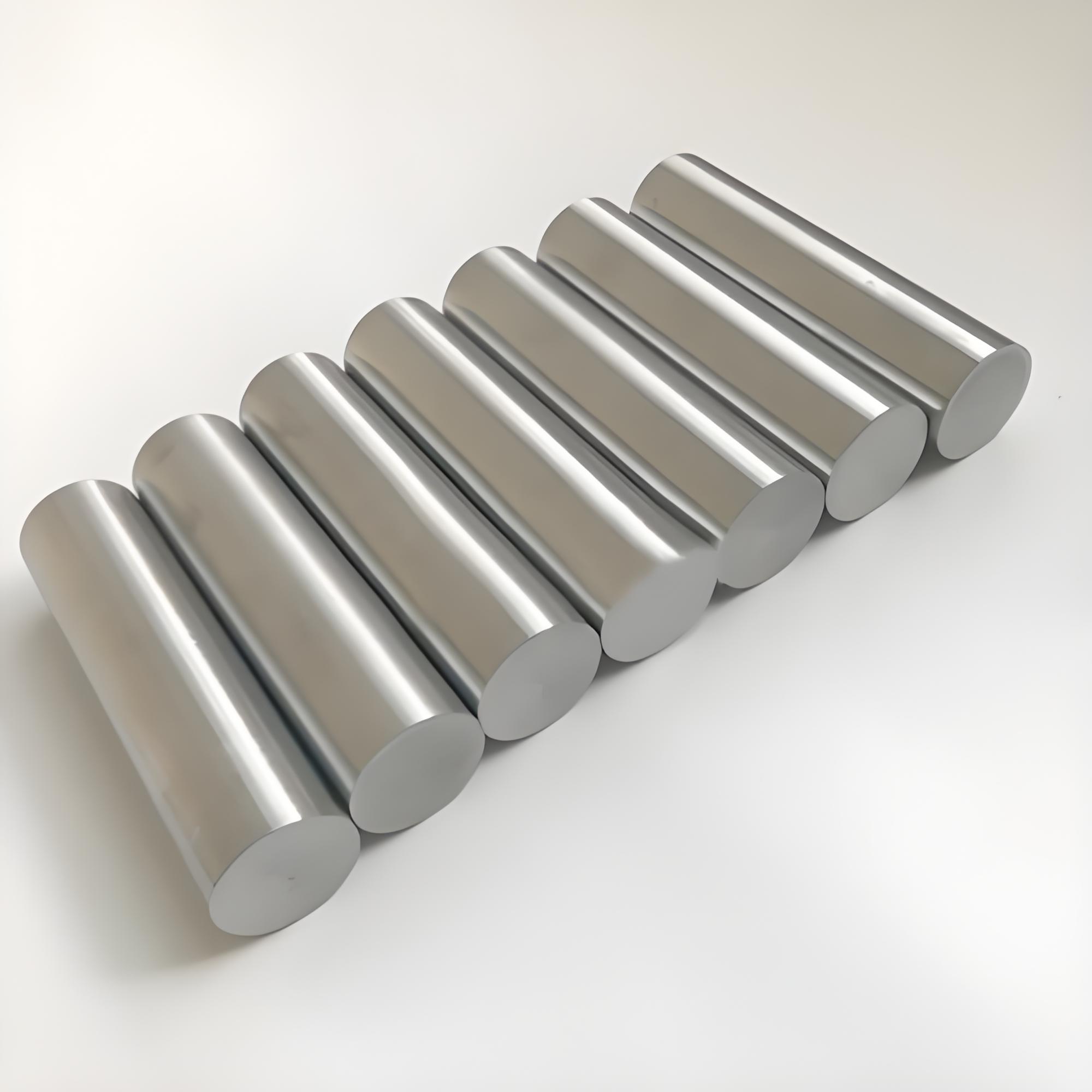
The price of Invar 42 bar varies significantly based on market conditions, nickel commodity prices, order quantity, dimensional specifications, and certification requirements. As a specialized alloy, its cost structure differs substantially from common stainless steels or carbon steels. The following table provides typical reference price ranges for Invar 42 bar in various forms and conditions, based on standard industry practices and supply from Shanghai NC Metal Materials Co., Ltd.
| Bar Form & Condition | Diameter / Cross-Section | Typical Price Range (USD/kg) | Key Considerations |
|---|---|---|---|
| Round Bar – Annealed (Cold Finished) | 3 mm – 30 mm | $85 – $130 | Small diameters require more processing passes; tighter tolerances increase cost |
| Round Bar – Annealed (Cold Finished) | 30 mm – 100 mm | $70 – $100 | Economies of scale for mid-range diameters; standard commercial quality |
| Round Bar – Hot Rolled (Annealed) | 20 mm – 150 mm | $60 – $85 | Most cost-effective form; suitable for applications requiring further machining |
| Round Bar – Hot Rolled (Annealed) | 150 mm – 250 mm | $80 – $120 | Large diameters involve specialized rolling and heat treatment; limited availability |
| Flat Bar / Rectangular Bar | Various dimensions | $75 – $110 | Custom sizes incur additional processing costs; standard dimensions offer better value |
| Precision Ground Bar | Any dimension | $120 – $180 | Includes additional grinding, straightening, and strict tolerance control |
| Hexagonal Bar | Across Flats: 6 mm – 50 mm | $90 – $140 | Special shapes require dedicated tooling and additional processing |
It is important to note that these prices are reference ranges and represent typical market conditions. Actual pricing from Shanghai NC Metal Materials Co., Ltd. is determined at the time of quotation based on current nickel prices, which are the primary raw material cost driver for Invar 42. The nickel content of approximately 42% means that fluctuations in LME nickel prices directly impact the final cost of the finished bar.
Several key factors contribute to the final cost per kilogram of Invar 42 bar. Understanding these elements helps in optimizing procurement strategies and accurately forecasting material costs. The table below outlines the primary cost drivers and their impact on pricing.
| Cost Factor | Impact on Price | Explanation |
|---|---|---|
| Nickel Commodity Price | High | As nickel constitutes approximately 42% of the alloy composition, fluctuations in global nickel prices directly affect raw material costs. A $10/kg change in nickel price translates to approximately $4–$5/kg change in Invar 42 bar pricing. |
| Order Quantity | High | Volume discounts apply. Typical tiers: sample quantities (under 50 kg) command the highest per-kg price; small production runs (50–500 kg) see moderate reductions; full mill quantities (over 1000 kg) achieve optimal pricing, often 15–30% lower than small quantity rates. |
| Bar Diameter / Size | Moderate | Small diameters (under 10 mm) and very large diameters (over 150 mm) incur higher costs due to specialized processing. Mid-range diameters (20 mm – 80 mm) typically offer the best price-to-availability ratio. |
| Surface Finish & Tolerance | Moderate to High | Cold finished bars with h9/h11 tolerances cost more than hot rolled bars. Precision ground bars with h6 tolerances or better can add 30–50% to the base price due to additional processing steps and material loss. |
| Material Certification | Moderate | Standard material test reports (MTR) are typically included. Additional certifications such as EN 10204 Type 3.1 or 3.2, aerospace documentation, or customer-specific testing protocols add 5–15% to the cost. |
| Heat Treatment | Low to Moderate | Annealed condition is standard. Special heat treatments such as stress-relief annealing after rough machining or custom thermal processing to achieve specific mechanical properties may add 5–10% to the cost. |
| Length Requirements | Low to Moderate | Standard lengths (2000 mm – 4000 mm) are most economical. Custom cut lengths, random lengths, or specific fixed lengths may incur additional cutting and handling charges. |
Shanghai NC Metal Materials Co., Ltd. provides transparent pricing structures that account for these variables, allowing customers to select the optimal combination of specifications and quantity to meet their budget and application requirements.
To contextualize the cost of Invar 42 bar, it is helpful to compare its price per kilogram against other materials commonly used in similar applications, particularly low-expansion and electronic packaging alloys. The following table provides a comparative cost analysis for various controlled-expansion and specialty alloys.
| Alloy / Material | Typical Price Range (USD/kg) | Key Characteristics | Relative Cost to Invar 42 |
|---|---|---|---|
| Standard Carbon Steel (1018) | $1 – $3 | General structural use; no controlled expansion properties | Significantly Lower |
| Stainless Steel (304/316) | $4 – $8 | Corrosion resistance; CTE ~17 x 10⁻⁶ /K | Significantly Lower |
| Invar 36 Bar | $60 – $100 | Lower CTE (1.2 – 1.8 x 10⁻⁶ /K); 36% nickel content | Slightly Lower to Comparable |
| Invar 42 Bar | $70 – $120 | CTE ~4.5 – 5.5 x 10⁻⁶ /K; 42% nickel content; glass/ceramic matching | Baseline |
| Kovar (ASTM F15) | $80 – $140 | Iron-nickel-cobalt alloy; CTE matches borosilicate glass; 29% nickel, 17% cobalt | Comparable to Higher |
| Alloy 42 (Ni-Fe) | $75 – $125 | Similar to Invar 42; often used interchangeably | Comparable |
| Super Invar 32-5 | $80 – $120 | Ultra-low expansion; contains 5% cobalt; CTE ~0.5 – 1.0 x 10⁻⁶ /K | Comparable to Slightly Higher |
| Titanium (Grade 5) | $35 – $60 | High strength-to-weight ratio; CTE ~8.5 – 9.5 x 10⁻⁶ /K | Lower to Comparable |
| Copper-Clad Invar | $100 – $180 | Composite material; high thermal conductivity with low expansion | Higher |
This comparison demonstrates that while Invar 42 bar is significantly more expensive than standard engineering materials, its pricing is consistent with other specialized controlled-expansion alloys. The selection of Invar 42 is typically justified by application requirements where matching thermal expansion with glass, ceramic, or semiconductor materials is essential, and where material failure due to thermal stress would result in significantly higher costs than the material itself.
Order quantity is one of the most significant factors affecting the per-kilogram cost of Invar 42 bar. Suppliers typically structure pricing in tiers that reflect the efficiency of processing larger batches and the reduced overhead per unit. The following table illustrates typical quantity-based pricing tiers for standard Invar 42 round bar in annealed condition, based on supply practices from Shanghai NC Metal Materials Co., Ltd.
| Order Quantity Range | Typical Price per kg (USD) | Typical Lead Time | Best Suited For |
|---|---|---|---|
| Sample / Prototype (1 – 50 kg) | $120 – $180 | 1 – 3 weeks | Testing, qualification, prototype development |
| Small Production (50 – 250 kg) | $90 – $130 | 2 – 4 weeks | Limited production runs, pilot manufacturing |
| Medium Production (250 – 1000 kg) | $75 – $100 | 3 – 6 weeks | Regular production, established product lines |
| Full Mill Quantity (1000 – 5000 kg) | $65 – $85 | 4 – 8 weeks | High-volume production, strategic inventory |
| Contract / Annual Volume (>5000 kg) | $60 – $80 | Negotiated | Long-term manufacturing programs |
For customers requiring consistent supply, Shanghai NC Metal Materials Co., Ltd. offers volume-based pricing agreements that provide predictable costs and assured availability. These arrangements often include fixed pricing periods to hedge against nickel market volatility.
Beyond the base price per kilogram, several additional cost factors may influence the total expenditure for Invar 42 bar. Being aware of these potential costs helps in developing accurate project budgets. The following table outlines common additional cost elements.
| Cost Element | Typical Additional Cost | When Applicable |
|---|---|---|
| Special Cutting / Sawing | $2 – $10 per cut or 5–15% premium | When bars must be cut to specific lengths beyond standard mill lengths; precision cutting with close tolerances |
| Special Packaging | 5–10% premium | Export crating, anti-rust protection for extended storage, or customer-specific packaging requirements |
| Expedited Shipping | Varies by destination and urgency | When standard lead times cannot be accommodated; air freight or premium logistics services |
| Third-Party Inspection | $500 – $2000 per lot or 2–5% premium | When customer requires independent laboratory testing, witness inspections, or source inspection at supplier facility |
| Custom Heat Treatment | 5–15% premium | Non-standard annealing cycles, stress relief for specific applications, or specialized aging treatments |
| Non-Standard Dimensions | 15–40% premium | Custom diameters, unusual cross-sections, or dimensions outside standard production ranges |
Shanghai NC Metal Materials Co., Ltd. works closely with customers to minimize these additional costs where possible, offering consolidated shipping, optimized cutting plans to reduce waste, and clear communication on cost-impacting decisions throughout the procurement process.
Why is Invar 42 bar more expensive than standard stainless steel?
Invar 42 bar is significantly more expensive than standard stainless steel primarily due to its high nickel content (approximately 42%), which is a costly raw material, and the specialized metallurgical processing required to achieve its controlled thermal expansion properties. Additionally, the production volumes for Invar 42 are much smaller than for common stainless steels, resulting in higher manufacturing costs per unit. The unique property of matching thermal expansion to glass and ceramic materials justifies the premium price for applications where thermal stress failure would be critical.
How much does Invar 42 bar cost per kilogram for small quantity purchases?
For small quantity purchases, typically in the range of 1 to 50 kilograms, Invar 42 bar costs approximately $120 to $180 per kilogram. This higher per-kilogram price reflects the minimum processing costs, setup charges, and the overhead associated with smaller orders. For prototype development and testing purposes, Shanghai NC Metal Materials Co., Ltd. offers sample programs that help customers qualify the material before committing to larger production quantities.
Does the price of Invar 42 bar fluctuate with nickel market prices?
Yes, the price of Invar 42 bar is directly influenced by global nickel commodity prices. As nickel constitutes roughly 42% of the alloy’s composition by weight, fluctuations in LME nickel prices have a proportional impact on the raw material cost component of the finished bar. Suppliers including Shanghai NC Metal Materials Co., Ltd. typically adjust pricing based on current nickel market conditions, and long-term contracts often include price adjustment mechanisms to account for significant nickel price movements.
More from this category
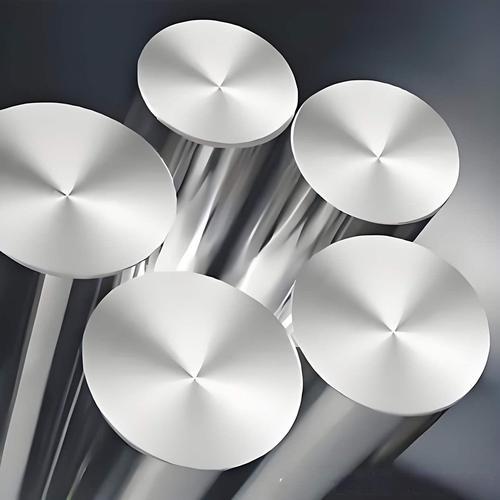
Inconel 617 alloy round bar price per kilogram is commonly about USD 45 to 90 per kg for standard industrial stock sizes. Large forged bars, small pre...
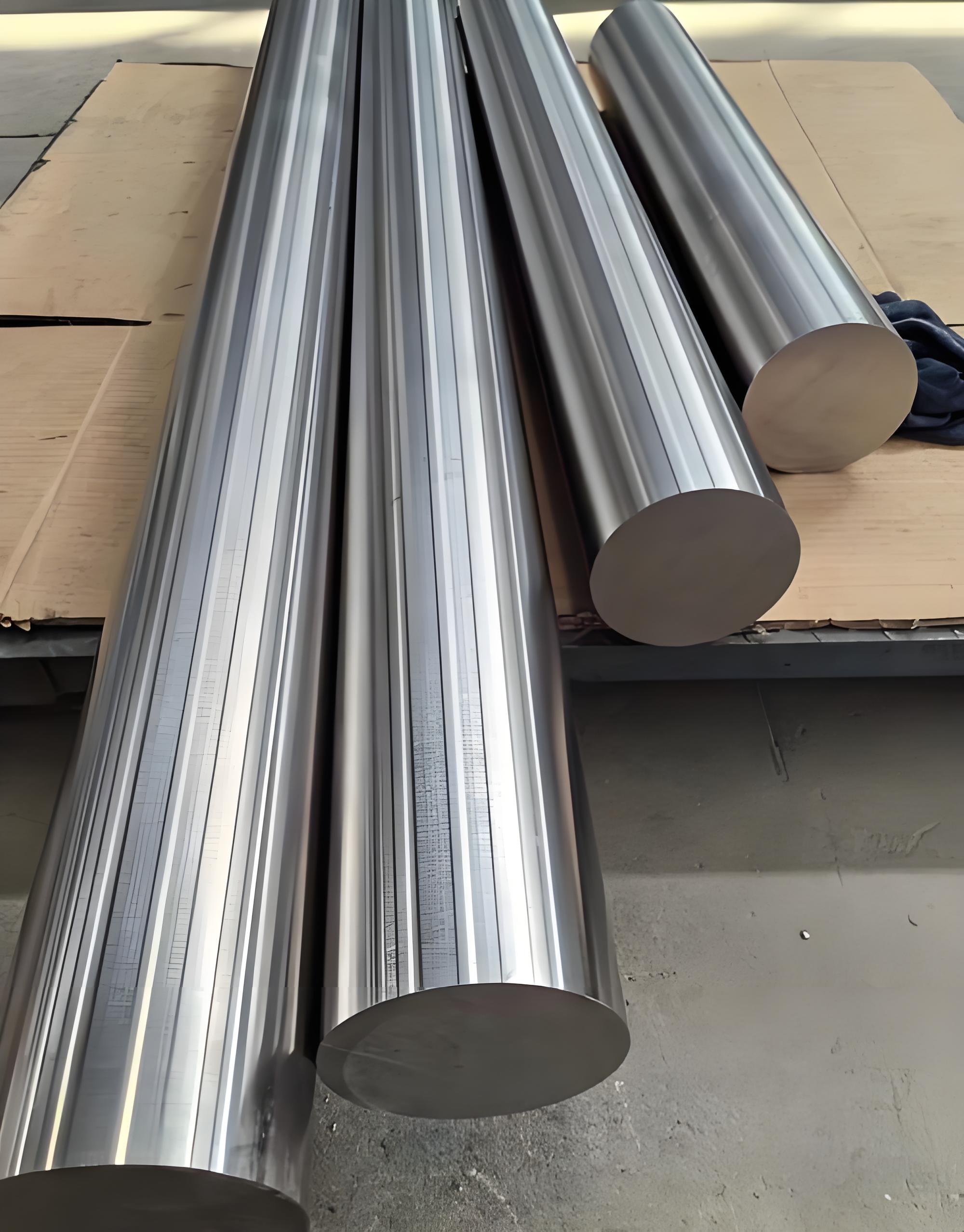
The latest Inconel 625 alloy bar price per kg depends on nickel, molybdenum, niobium, and chromium raw material costs, as well as bar diameter, manufa...
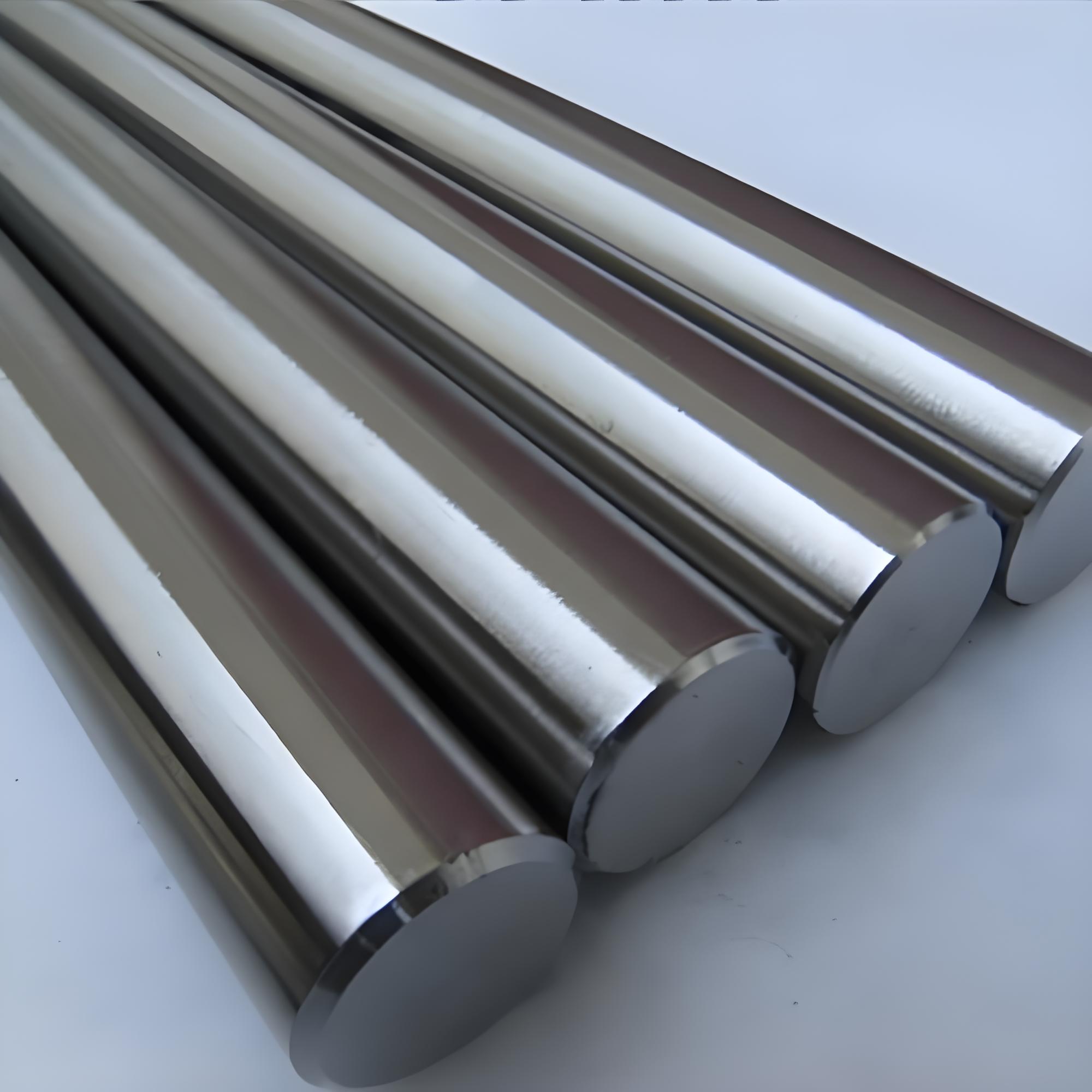
Inconel X-750 alloy bar price depends on nickel raw material cost, bar diameter, product condition, heat treatment, specification, surface finish, dim...
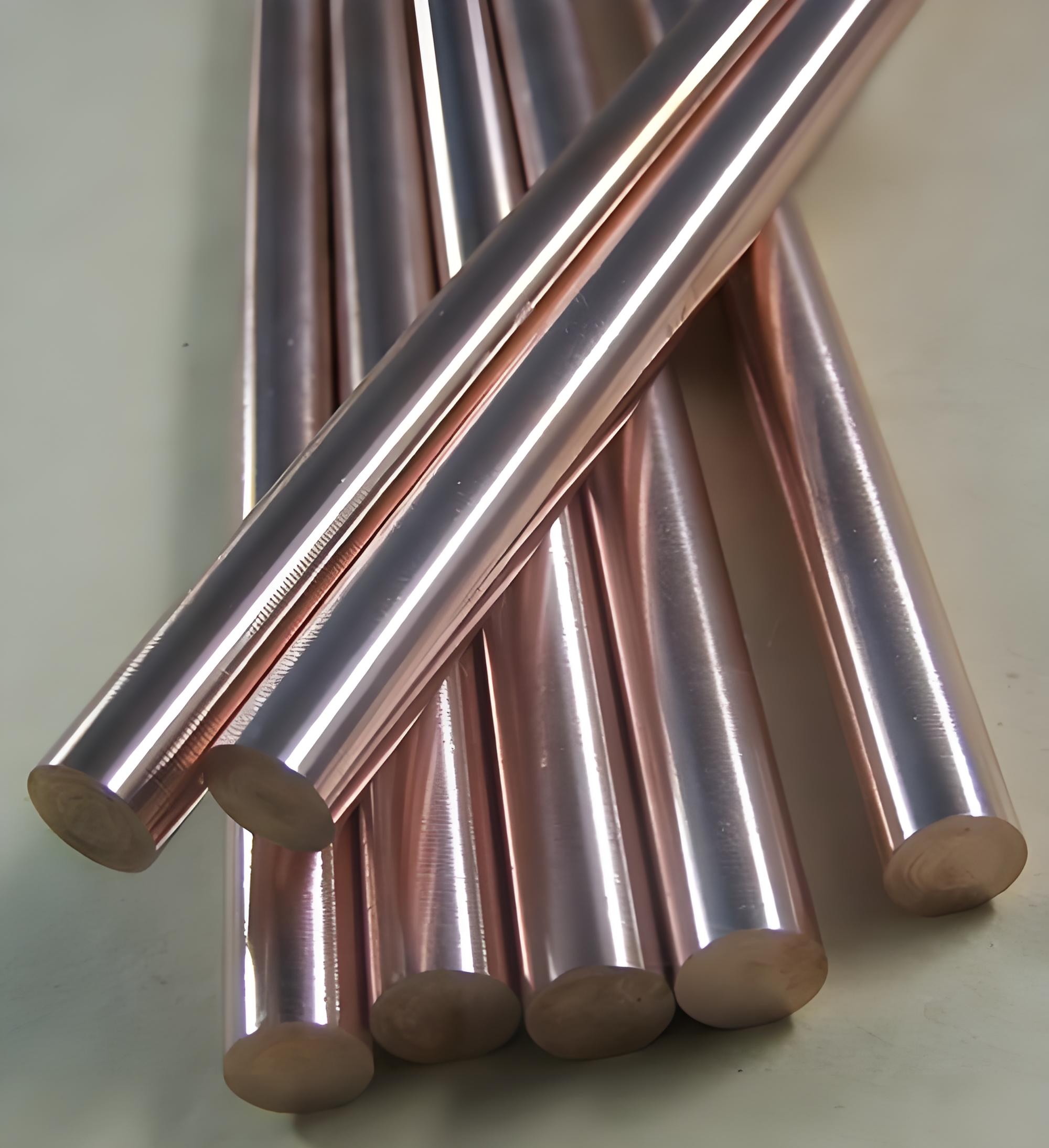
Inconel 602CA alloy bar price per kg is usually higher than common Inconel 600 and Inconel 601 bars because Alloy 602CA is a premium high-temperature ...
 English English
  Korean
 Arabic
 Spanish
 German
 Portuguese
 French
 Russian
 Italian
 Vietnamese