
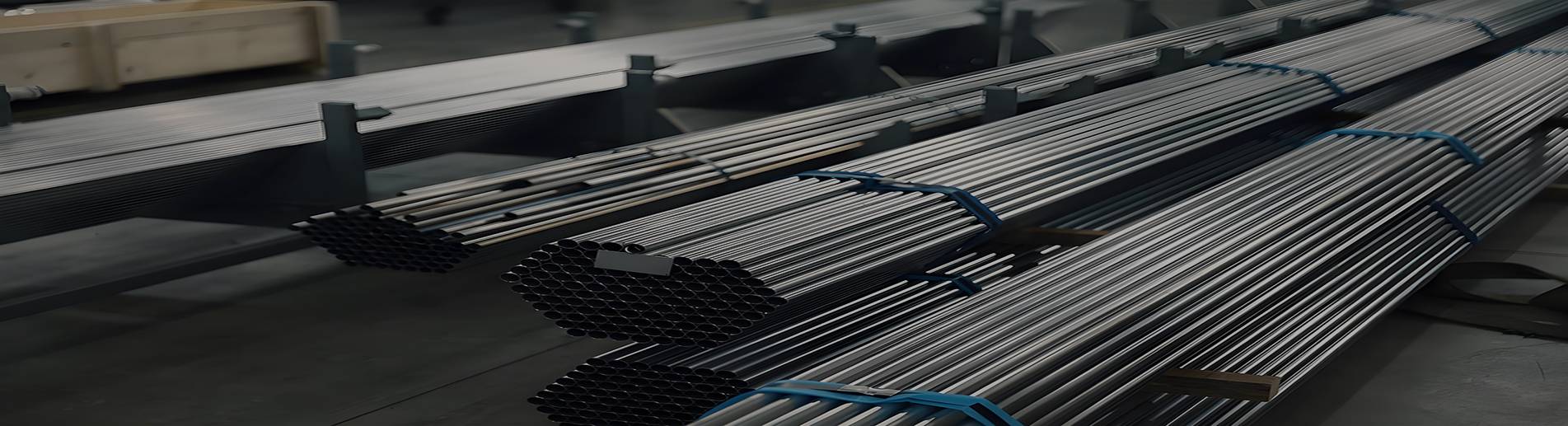
Inconel 617 alloy round bar price per kilogram
Inconel 617 alloy round bar price per kilogram is commonly about USD 45 to 90 per kg for standard industrial stock sizes. Large forged bars, small pre...
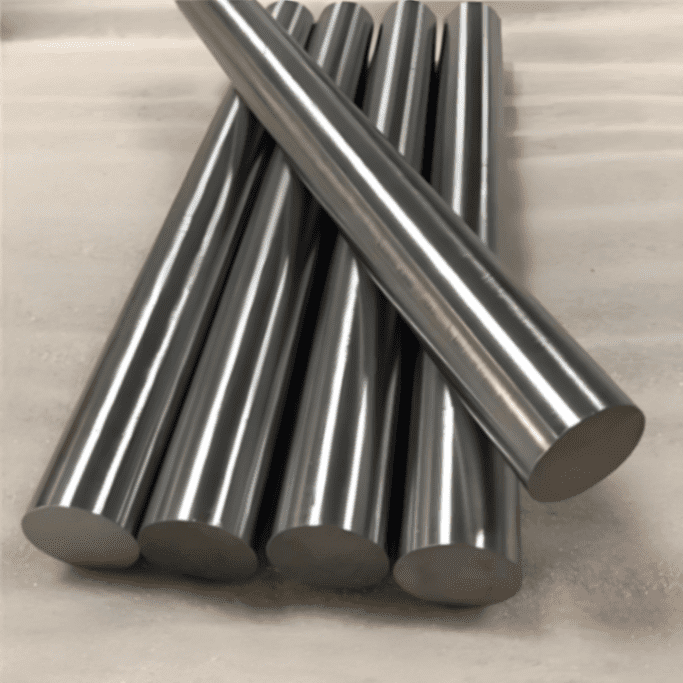
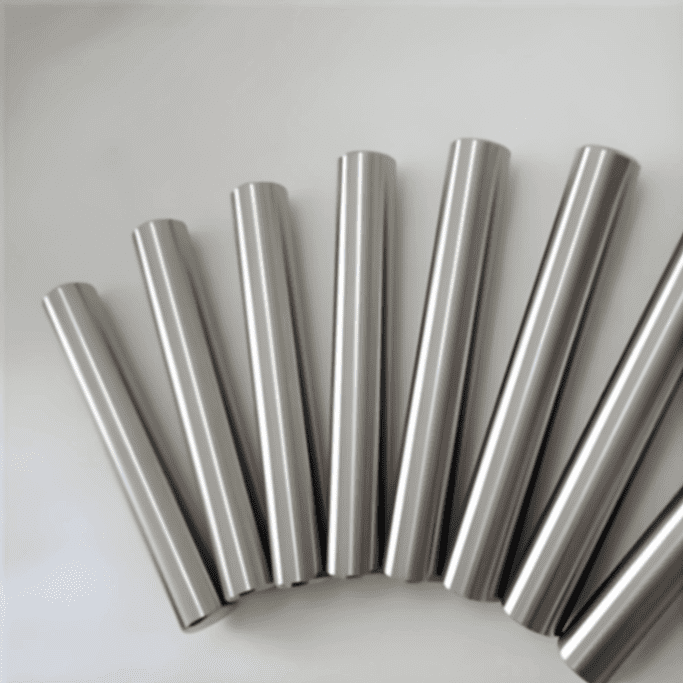
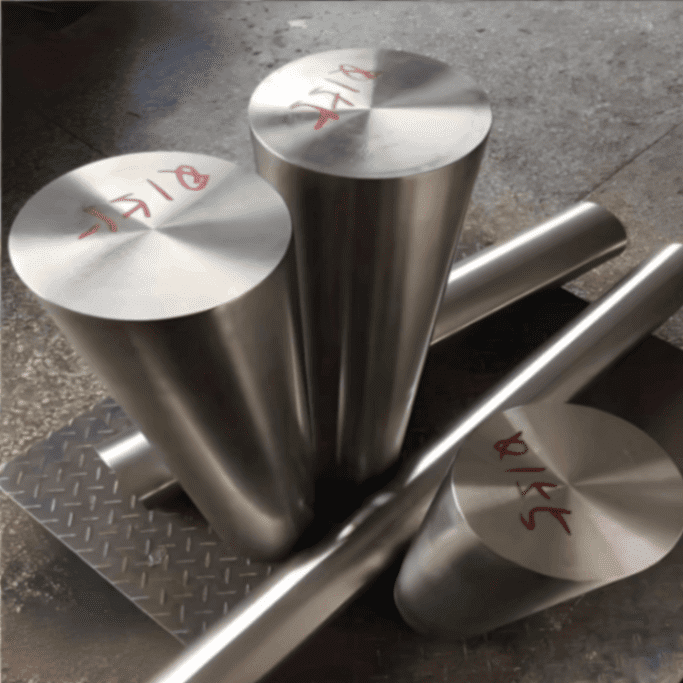
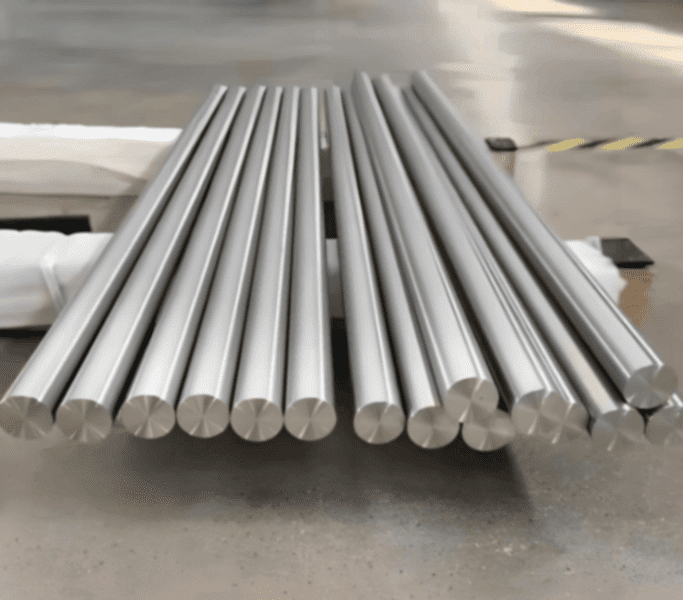
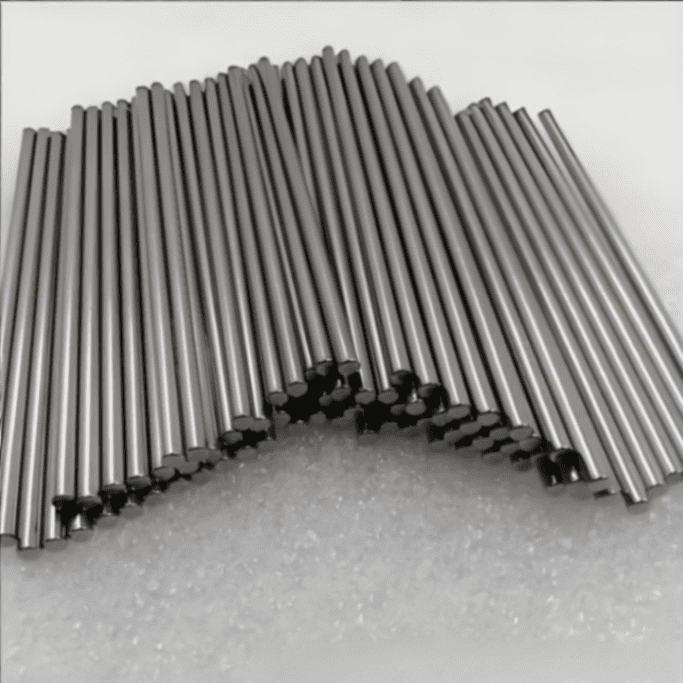
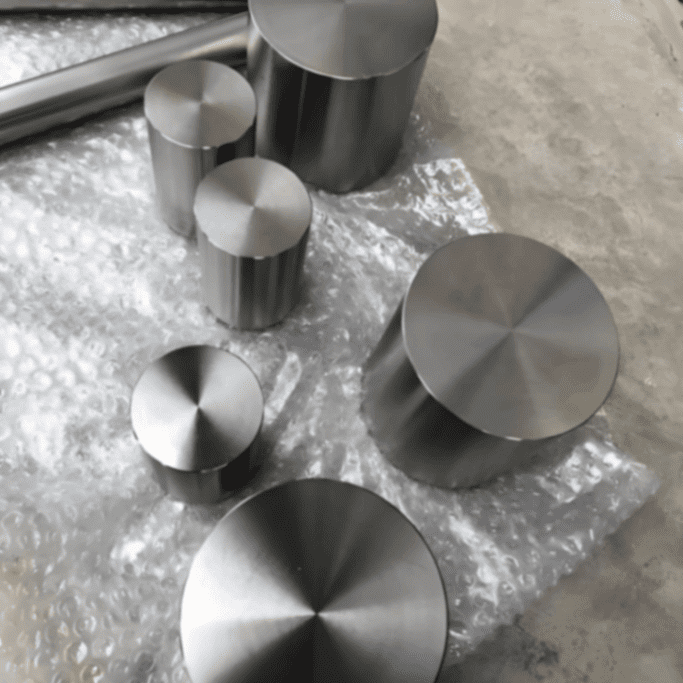
Invar 36 and Invar 42 are both iron-nickel controlled-expansion alloys, but they are engineered for different operational requirements. Invar 36, containing approximately 36% nickel, is the classic low-expansion alloy known for its minimal thermal expansion near room temperature. Invar 42, with approximately 42% nickel, offers a slightly higher coefficient of thermal expansion but provides better matching to certain ceramics, semiconductors, and glass materials used in electronics and sealing applications. Understanding the basic performance differences between these two alloys is essential for engineers selecting materials for precision instruments, electronic packages, or aerospace components. This article presents a comprehensive comparison of their physical, mechanical, and thermal properties, focusing on how these characteristics influence material selection.
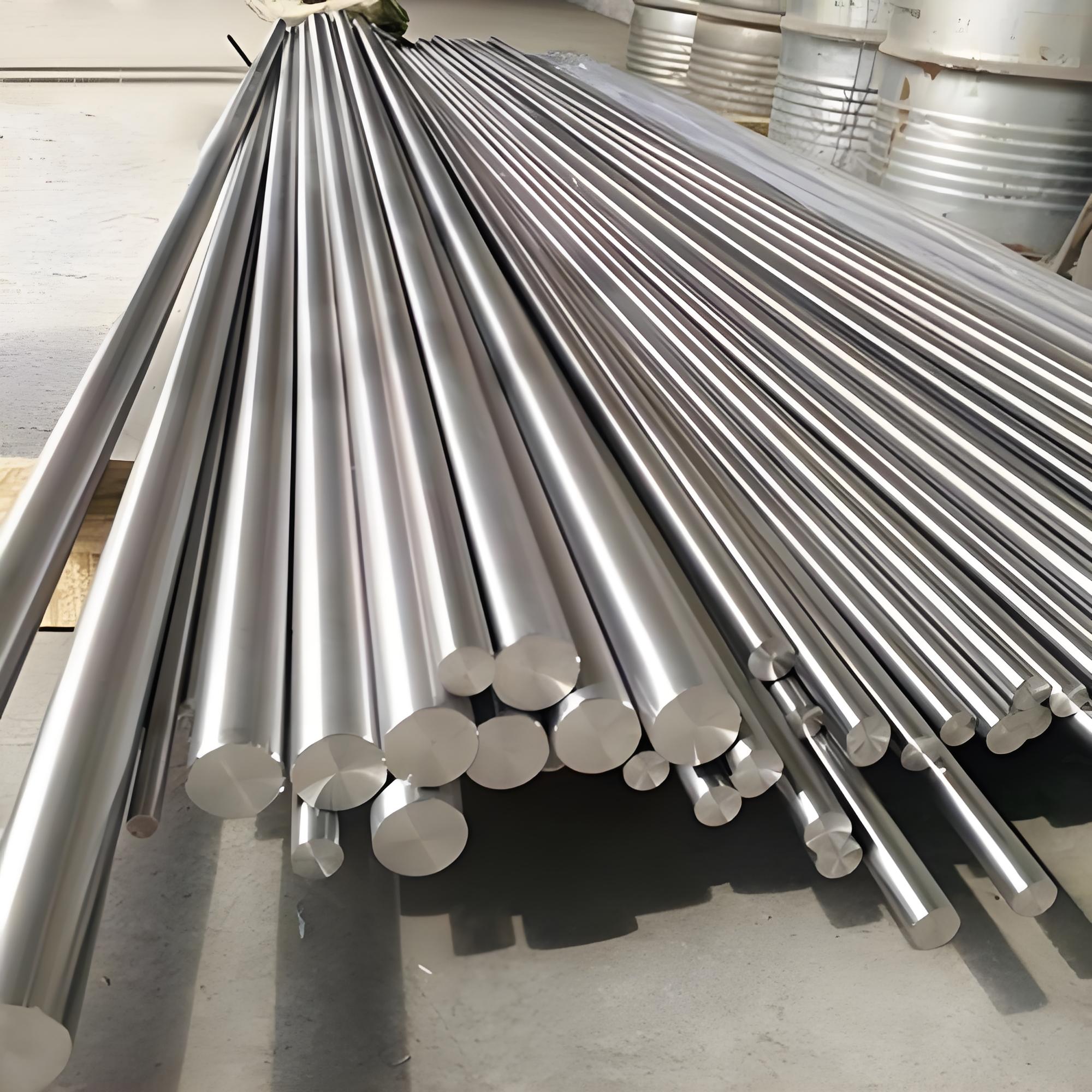
The primary distinction between Invar 36 and Invar 42 bars lies in their nickel content, which directly governs their thermal expansion behavior and mechanical properties. Invar 36 is optimized for the lowest possible coefficient of thermal expansion, making it the material of choice for applications where dimensional stability is paramount. Invar 42, with its higher nickel content, exhibits a slightly higher expansion rate but offers improved strength and better compatibility with certain sealing materials. The table below details the typical chemical composition ranges for both alloys as supplied by Shanghai NC Metal Materials Co., Ltd.
| Element | Invar 36 (wt%) | Invar 42 (wt%) |
|---|---|---|
| Nickel (Ni) | 35.0 – 37.0 | 41.0 – 43.0 |
| Iron (Fe) | Balance | Balance |
| Carbon (C) | ≤ 0.05 | ≤ 0.05 |
| Manganese (Mn) | ≤ 0.60 | ≤ 0.60 |
| Silicon (Si) | ≤ 0.30 | ≤ 0.30 |
| Phosphorus (P) | ≤ 0.020 | ≤ 0.020 |
| Sulfur (S) | ≤ 0.020 | ≤ 0.020 |
This compositional difference results in distinct microstructures and performance characteristics. Invar 36 maintains its austenitic structure with exceptional stability, while Invar 42, though also austenitic, has a slightly different lattice parameter that influences its thermal behavior. Shanghai NC Metal Materials Co., Ltd. provides certified material test reports for both alloys, ensuring precise composition control for critical applications.
The coefficient of thermal expansion (CTE) is the defining performance metric when comparing Invar 36 and Invar 42 bars. Invar 36 is renowned for its near-zero expansion at ambient temperatures, while Invar 42 is designed to match the expansion characteristics of specific ceramics, glasses, and semiconductor materials. The following table presents the typical CTE values for both alloys across various temperature ranges, illustrating their distinct application niches.
| Temperature Range | Invar 36 (CTE, ×10⁻⁶ /K) | Invar 42 (CTE, ×10⁻⁶ /K) |
|---|---|---|
| 20°C – 100°C | 1.2 – 1.8 | 4.5 – 5.5 |
| 20°C – 200°C | 2.0 – 3.0 | 6.0 – 7.0 |
| 20°C – 300°C | 3.5 – 4.5 | 8.0 – 9.0 |
| 20°C – 400°C | 5.0 – 6.0 | 10.0 – 11.0 |
| Curie Temperature (Approx.) | 230°C – 280°C | 350°C – 400°C |
The data clearly shows that Invar 36 maintains a significantly lower expansion coefficient up to approximately 200°C, after which its expansion rate increases more rapidly as it approaches its Curie temperature. Invar 42, with its higher Curie temperature, provides a more linear expansion profile across a broader temperature range, making it suitable for applications such as semiconductor lead frames, glass-to-metal seals, and electronic packages where matching the expansion of non-metallic materials is essential.
The mechanical properties of Invar 36 and Invar 42 bars differ due to their nickel content and resulting solid-solution strengthening effects. In general, Invar 42 exhibits higher strength and hardness in both annealed and cold-worked conditions, while Invar 36 offers superior ductility. The table below provides a side-by-side comparison of typical mechanical properties for both alloys in the annealed condition, which is the most common supply state for further fabrication.
| Mechanical Property | Invar 36 (Annealed) | Invar 42 (Annealed) |
|---|---|---|
| Tensile Strength (Ultimate) | 440 – 520 MPa | 500 – 600 MPa |
| Yield Strength (0.2% Offset) | 240 – 280 MPa | 280 – 350 MPa |
| Elongation (in 50 mm) | 35 – 45% | 25 – 35% |
| Hardness (Rockwell B) | 65 – 80 HRB | 75 – 90 HRB |
| Modulus of Elasticity | 145 GPa | 148 GPa |
| Modulus of Rigidity | 55 GPa | 56 GPa |
Invar 42’s higher strength makes it more resistant to deformation under load, which is advantageous for structural components in electronic packages and for applications requiring threaded fasteners or thin-section components. Conversely, Invar 36’s greater elongation makes it more suitable for complex forming operations, deep drawing, and applications requiring extensive cold working. Both materials exhibit excellent toughness and retain their mechanical properties at cryogenic temperatures, with strength increasing as temperature decreases.
The physical properties of these two alloys, including density, thermal conductivity, and electrical resistivity, further differentiate their performance in real-world applications. While both are iron-nickel alloys, their differing nickel concentrations result in measurable differences in these fundamental characteristics. The following table summarizes the key physical properties for Invar 36 and Invar 42 bars at room temperature.
| Physical Property | Invar 36 | Invar 42 |
|---|---|---|
| Density (at 20°C) | 8.05 g/cm³ | 8.12 g/cm³ |
| Thermal Conductivity (at 20°C) | 10.5 W/m·K | 12.0 W/m·K |
| Electrical Resistivity (at 20°C) | 77 µΩ·cm | 70 µΩ·cm |
| Specific Heat Capacity (20°C – 100°C) | 500 J/kg·K | 480 J/kg·K |
| Melting Range | 1425°C – 1450°C | 1430°C – 1460°C |
Invar 42’s slightly higher density and thermal conductivity can be advantageous in applications where heat dissipation is a concern, such as in power semiconductor packages. The electrical resistivity differences may also influence eddy current behavior in alternating current applications. Shanghai NC Metal Materials Co., Ltd. supplies both alloys with full physical property documentation to support design and simulation activities.
Both Invar 36 and Invar 42 bars are available in a wide range of shapes and dimensions to accommodate diverse manufacturing requirements. The dimensional tolerances are critical for applications requiring precise fit and minimal post-machining adjustment. The table below outlines typical bar forms and standard tolerances for both alloys, as supplied by Shanghai NC Metal Materials Co., Ltd.
| Bar Form | Diameter / Cross-Section Range | Length Range | Standard Tolerances (Invar 36 & Invar 42) |
|---|---|---|---|
| Round Bar (Cold Finished) | 3 mm – 100 mm | 2000 mm – 6000 mm | h9 – h11 (ISO 286-2) |
| Round Bar (Hot Rolled) | 20 mm – 250 mm | 3000 mm – 8000 mm | ±0.5 mm to ±2.0 mm |
| Flat Bar / Rectangular Bar | Thickness: 5 mm – 50 mm Width: 20 mm – 200 mm |
2000 mm – 6000 mm | ±0.1 mm (thickness) ±0.5 mm (width) |
| Hexagonal Bar | Across Flats: 6 mm – 50 mm | 2000 mm – 4000 mm | h11 (ISO 286-2) |
Both alloys can be supplied in annealed, stress-relieved, or cold-worked conditions depending on the application requirements. Reference prices for Invar 36 and Invar 42 bars vary based on nickel content, dimensional specifications, and quantity. Typically, Invar 36 may have a reference price range of $60–$100 per kilogram, while Invar 42, due to its higher nickel content, may range from $70–$110 per kilogram. These figures are indicative and subject to market fluctuations.
The workability of Invar 36 and Invar 42 bars is influenced by their mechanical properties. Both alloys are considered to have fair machinability, similar to austenitic stainless steels, but their distinct strengths and ductilities require slightly different processing parameters. The table below provides general machining guidelines for both alloys, based on standard practices for material supplied by Shanghai NC Metal Materials Co., Ltd.
| Machining Operation | Parameter | Invar 36 (Annealed) | Invar 42 (Annealed) |
|---|---|---|---|
| Turning | Cutting Speed (m/min) | 60 – 90 | 50 – 80 |
| Feed Rate (mm/rev) | 0.10 – 0.25 | 0.08 – 0.20 | |
| Milling | Cutting Speed (m/min) | 50 – 80 | 40 – 70 |
| Feed Rate (mm/tooth) | 0.05 – 0.12 | 0.05 – 0.10 | |
| Drilling | Cutting Speed (m/min) | 10 – 20 | 8 – 15 |
| Feed Rate (mm/rev) | 0.05 – 0.10 | 0.04 – 0.08 |
Invar 42’s higher strength requires slightly reduced cutting speeds and feeds to maintain tool life and surface finish. Both materials benefit from the use of sharp, positive-rake carbide tooling and adequate coolant to prevent work hardening and manage heat generation. For welding, both alloys can be joined using gas tungsten arc welding (GTAW) with matching filler metals, though careful control of heat input is required to preserve their thermal expansion characteristics.
The choice between Invar 36 and Invar 42 bars ultimately depends on the specific requirements of the application. Invar 36 is preferred when minimal thermal expansion is the primary criterion, such as in precision measurement instruments, optical mounts, and aerospace structures requiring dimensional stability across ambient temperature variations. Invar 42 is selected when matching the expansion of ceramics or glasses is necessary, as in semiconductor packaging, glass-to-metal seals for electronic components, and fiber optic assemblies. The following table summarizes typical applications for each alloy.
| Application Area | Invar 36 | Invar 42 |
|---|---|---|
| Aerospace & Defense | Satellite structures, gyroscope housings, composite tooling | Electronic enclosures, connector housings, antenna components |
| Electronics & Semiconductors | Lead frames (low expansion), shadow masks | Semiconductor lead frames, glass-to-metal seals, hermetic packages |
| Precision Instrumentation | Laser benches, coordinate measuring machines, optical mounts | Sensor housings, precision shafts, mounting brackets |
| Cryogenic Systems | LNG storage, cryogenic piping, space telescopes | Cryogenic feedthroughs, low-temperature electronic packages |
Which alloy offers a lower coefficient of thermal expansion, Invar 36 or Invar 42?
Invar 36 offers the lower coefficient of thermal expansion, with typical CTE values of 1.2 – 1.8 x 10⁻⁶ /K from 20°C to 100°C, compared to Invar 42’s 4.5 – 5.5 x 10⁻⁶ /K over the same range. This makes Invar 36 the superior choice for applications where dimensional stability under temperature fluctuation is the highest priority.
What are the mechanical property differences between Invar 36 and Invar 42 bars?
Invar 42 generally exhibits higher tensile strength (500 – 600 MPa) and yield strength (280 – 350 MPa) compared to Invar 36 (440 – 520 MPa tensile, 240 – 280 MPa yield) in the annealed condition. Invar 36, however, provides greater ductility with elongation values of 35 – 45%, compared to 25 – 35% for Invar 42. This makes Invar 36 more suitable for complex forming operations while Invar 42 is preferred for applications requiring higher structural strength.
How do I select between Invar 36 and Invar 42 for glass-to-metal sealing applications?
For glass-to-metal sealing applications, the selection is primarily based on matching the coefficient of thermal expansion of the glass or ceramic material. Invar 42 is typically specified for sealing to alumina ceramics, borosilicate glasses, and many semiconductor packaging materials, as its CTE of approximately 4.5 – 5.5 x 10⁻⁶ /K provides a close match. Invar 36, with its much lower CTE, is used for specialty low-expansion glasses and applications where absolute minimal expansion is required, though it is less commonly used for direct glass sealing than Invar 42.
More from this category
Inconel 617 alloy round bar price per kilogram is commonly about USD 45 to 90 per kg for standard industrial stock sizes. Large forged bars, small pre...
The latest Inconel 625 alloy bar price per kg depends on nickel, molybdenum, niobium, and chromium raw material costs, as well as bar diameter, manufa...
Inconel X-750 alloy bar price depends on nickel raw material cost, bar diameter, product condition, heat treatment, specification, surface finish, dim...
Inconel 602CA alloy bar price per kg is usually higher than common Inconel 600 and Inconel 601 bars because Alloy 602CA is a premium high-temperature ...
 English English
  Korean
 Arabic
 Spanish
 German
 Portuguese
 French
 Russian
 Italian
 Vietnamese