
Inconel 617 alloy round bar price per kilogram
Inconel 617 alloy round bar price per kilogram is commonly about USD 45 to 90 per kg for standard industrial stock sizes. Large forged bars, small pre...
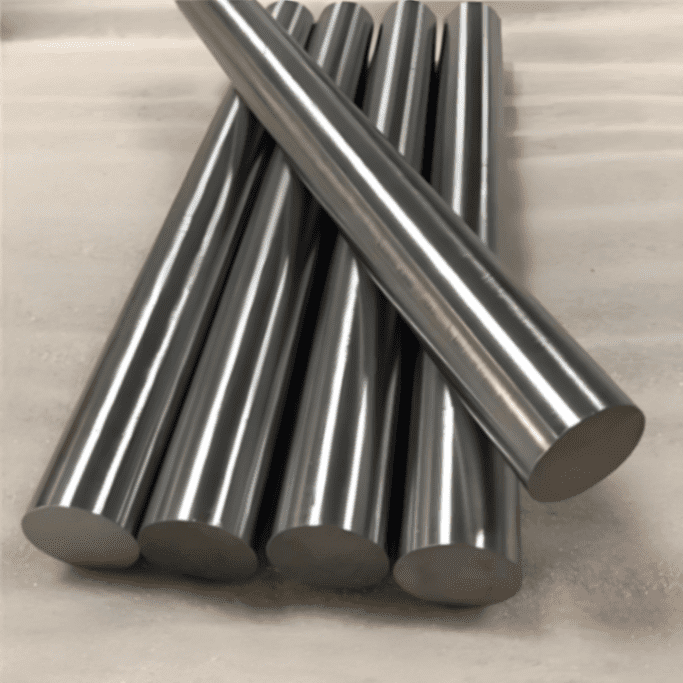
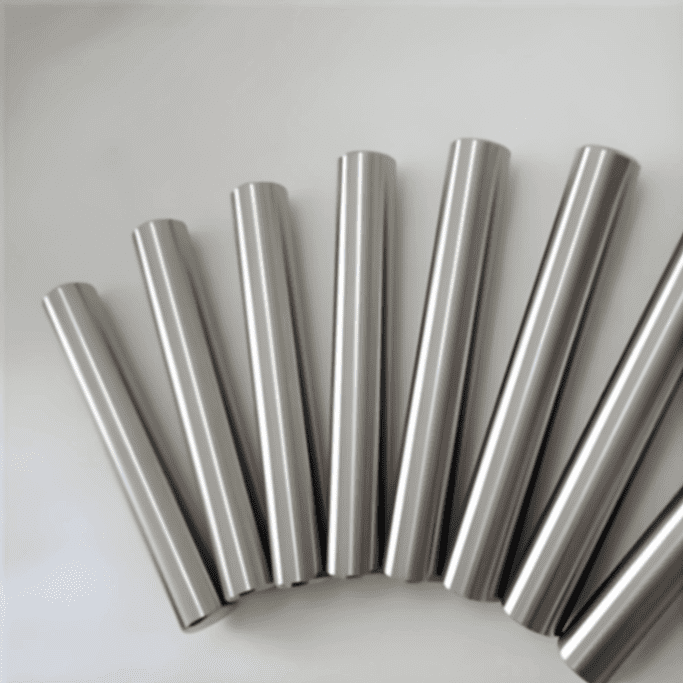
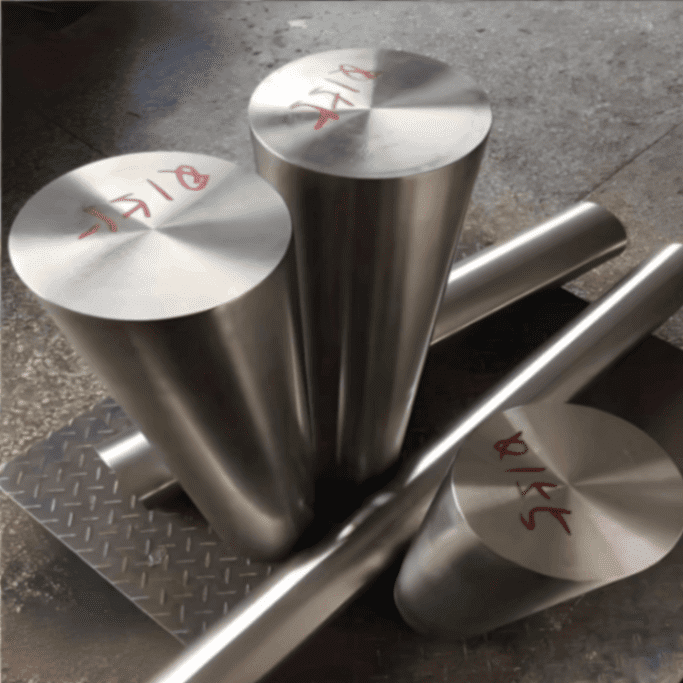
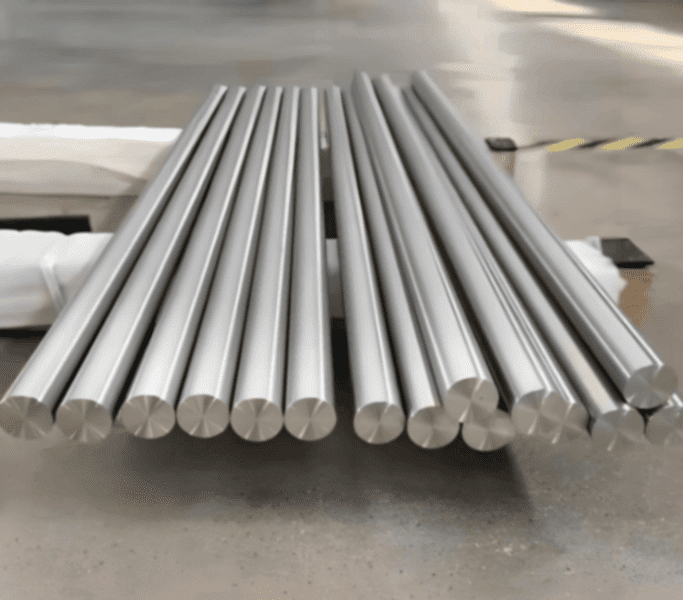
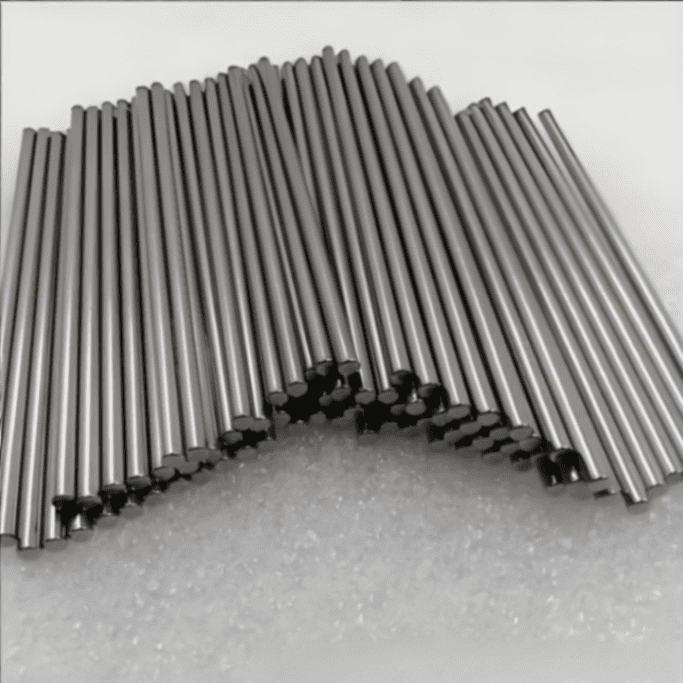
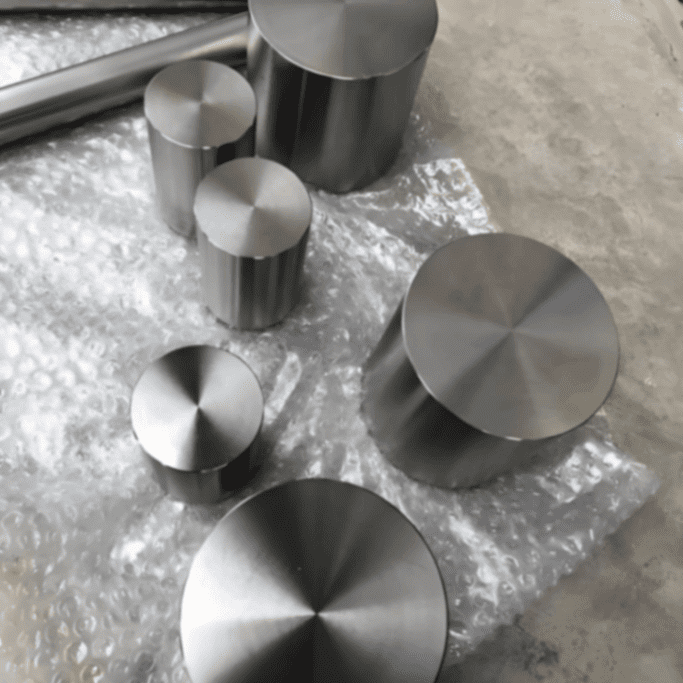
Monel 401 bar is a specialized nickel-copper alloy designed primarily for electrical and electronic applications where stable conductivity and corrosion resistance are required. Compared to more widely known Monel grades such as 400 and 405, Monel 401 features a controlled chemical composition that supports consistent electrical performance while maintaining the inherent durability associated with nickel-based alloys. For engineers, buyers, and material specifiers, understanding the composition of Monel 401 bar—especially the role of nickel, copper, and trace elements—is essential for proper material selection and application design.
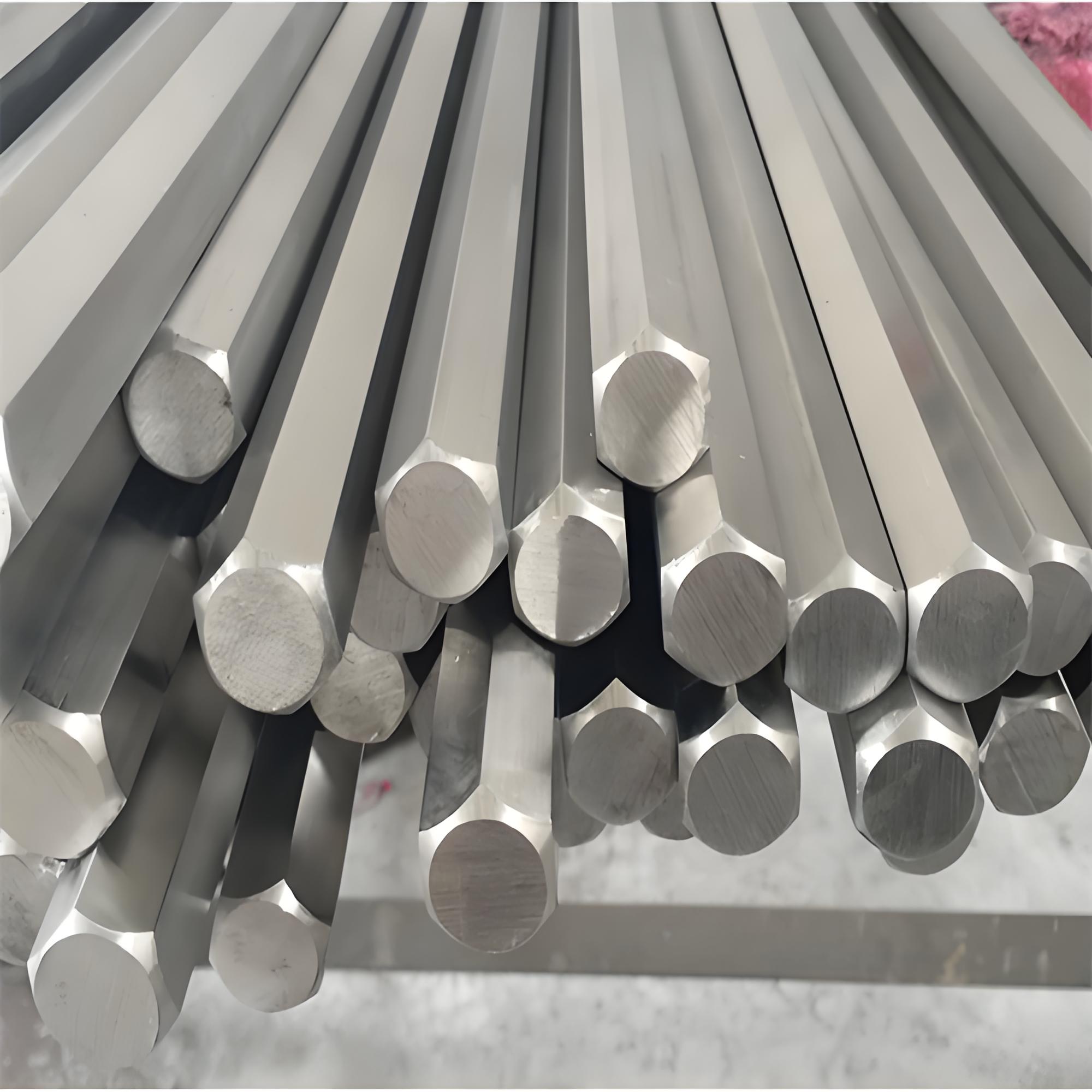
Monel 401 bar is a wrought nickel-copper alloy supplied in bar form for machining and fabrication into electrical components. It is particularly valued for its low electrical resistivity, good corrosion resistance, and stable mechanical properties. Due to its composition, Monel 401 is often used in specialized electrical equipment where predictable conductivity is critical.
| Element | Composition (%) |
| Nickel (Ni) | 42.0 – 46.0 |
| Copper (Cu) | Balance (approx. 52.0 – 57.0) |
| Iron (Fe) | 2.0 max |
| Manganese (Mn) | 1.5 max |
| Carbon (C) | 0.3 max |
| Silicon (Si) | 0.5 max |
| Sulfur (S) | 0.024 max |
The defining feature of Monel 401 is its lower nickel content and higher copper balance compared to Monel 400. This adjustment improves electrical conductivity while still preserving corrosion resistance in many industrial environments.
Nickel plays a fundamental role in providing corrosion resistance, mechanical strength, and structural stability. In Monel 401, nickel content is carefully controlled to balance performance and conductivity.
Key functions of nickel:
– Enhances resistance to oxidation and corrosion
– Maintains strength at elevated temperatures
– Improves resistance to stress corrosion cracking
Although Monel 401 contains less nickel than Monel 400, it still retains sufficient nickel to perform well in moderately corrosive environments.
Copper is the dominant element in Monel 401 and is responsible for its improved electrical conductivity.
Key functions of copper:
– Increases electrical and thermal conductivity
– Enhances resistance to biofouling in marine environments
– Provides good ductility and workability
The higher copper content makes Monel 401 particularly suitable for electrical resistors, conductors, and specialized connectors.
| Element | Function |
| Iron (Fe) | Improves strength and structural stability |
| Manganese (Mn) | Enhances hot workability and deoxidation |
| Carbon (C) | Controls hardness and strength |
| Silicon (Si) | Improves oxidation resistance |
| Sulfur (S) | Maintains purity and limits brittleness |
These minor elements are tightly controlled to ensure consistent performance. Unlike Monel 405, sulfur is kept low in Monel 401 to preserve ductility and electrical properties.
| Property | Value |
| Density | 8.90 g/cm³ |
| Melting Range | 1280 – 1340°C |
| Thermal Conductivity | 29 W/m·K |
| Electrical Resistivity | 0.43 µΩ·m |
| Thermal Expansion | 15.0 µm/m·°C |
The relatively lower electrical resistivity compared to Monel 400 makes Monel 401 more suitable for electrical and electronic applications.
| Property | Typical Value |
| Tensile Strength | 480 – 620 MPa |
| Yield Strength | 170 – 300 MPa |
| Elongation | 30 – 35% |
| Hardness | 100 – 140 HB |
Monel 401 provides balanced mechanical properties, offering sufficient strength for structural integrity while maintaining good ductility for forming and machining.
| Element | Monel 401 | Monel 400 |
| Nickel (Ni) | 42.0 – 46.0% | 63.0% min |
| Copper (Cu) | 52.0 – 57.0% | 28.0 – 34.0% |
| Electrical Conductivity | Higher | Lower |
| Corrosion Resistance | Good | Excellent |
| Main Use | Electrical components | Marine/chemical |
This comparison highlights how composition directly affects performance. Monel 401 is optimized for conductivity, while Monel 400 is optimized for corrosion resistance.
– Electrical resistors and conductors
– Electronic components and connectors
– Marine electrical systems
– Specialized industrial equipment requiring stable conductivity
These applications benefit from the alloy’s unique balance of conductivity, corrosion resistance, and mechanical stability.
| Standard | Details |
| UNS Number | N04401 |
| ASTM | B164 |
| ASME | SB164 |
| Form | Bar, Rod |
Monel 401 bars are supplied in accordance with recognized international standards to ensure quality and consistency. Manufacturers such as Shanghai NC Metal Materials Co., Ltd. provide various sizes and specifications for industrial use.
| Diameter | Form | Reference Price (USD/kg) |
| 10 – 50 mm | Round Bar | 26 – 36 |
| 50 – 150 mm | Round Bar | 28 – 38 |
| Custom Sizes | Bar | Quote-based |
Pricing depends on raw material costs, production processes, and order volume. Monel 401 is generally slightly lower in price than Monel 400 due to reduced nickel content.
Choose Monel 401 when:
– Electrical conductivity is a priority
– Moderate corrosion resistance is sufficient
– Stable performance in electronic systems is required
Consider alternatives when:
– Maximum corrosion resistance is required (Monel 400)
– High machinability is needed (Monel 405)
Understanding the role of nickel, copper, and minor elements helps ensure the correct alloy is selected for both performance and cost efficiency.
What is the main difference between Monel 401 and Monel 400 composition?
Monel 401 has lower nickel and higher copper content, which improves electrical conductivity, while Monel 400 has higher nickel for better corrosion resistance.
Why does Monel 401 have better electrical conductivity?
The higher copper content in Monel 401 enhances electrical conductivity, making it suitable for electrical and electronic applications.
Is Monel 401 suitable for marine environments?
Yes, Monel 401 offers good corrosion resistance in marine environments, although it is not as resistant as Monel 400 in highly aggressive conditions.
More from this category
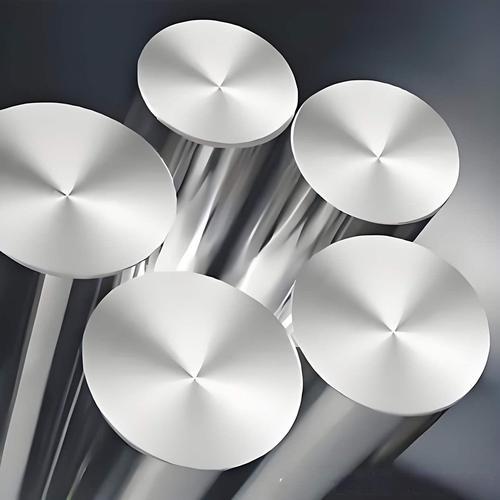
Inconel 617 alloy round bar price per kilogram is commonly about USD 45 to 90 per kg for standard industrial stock sizes. Large forged bars, small pre...
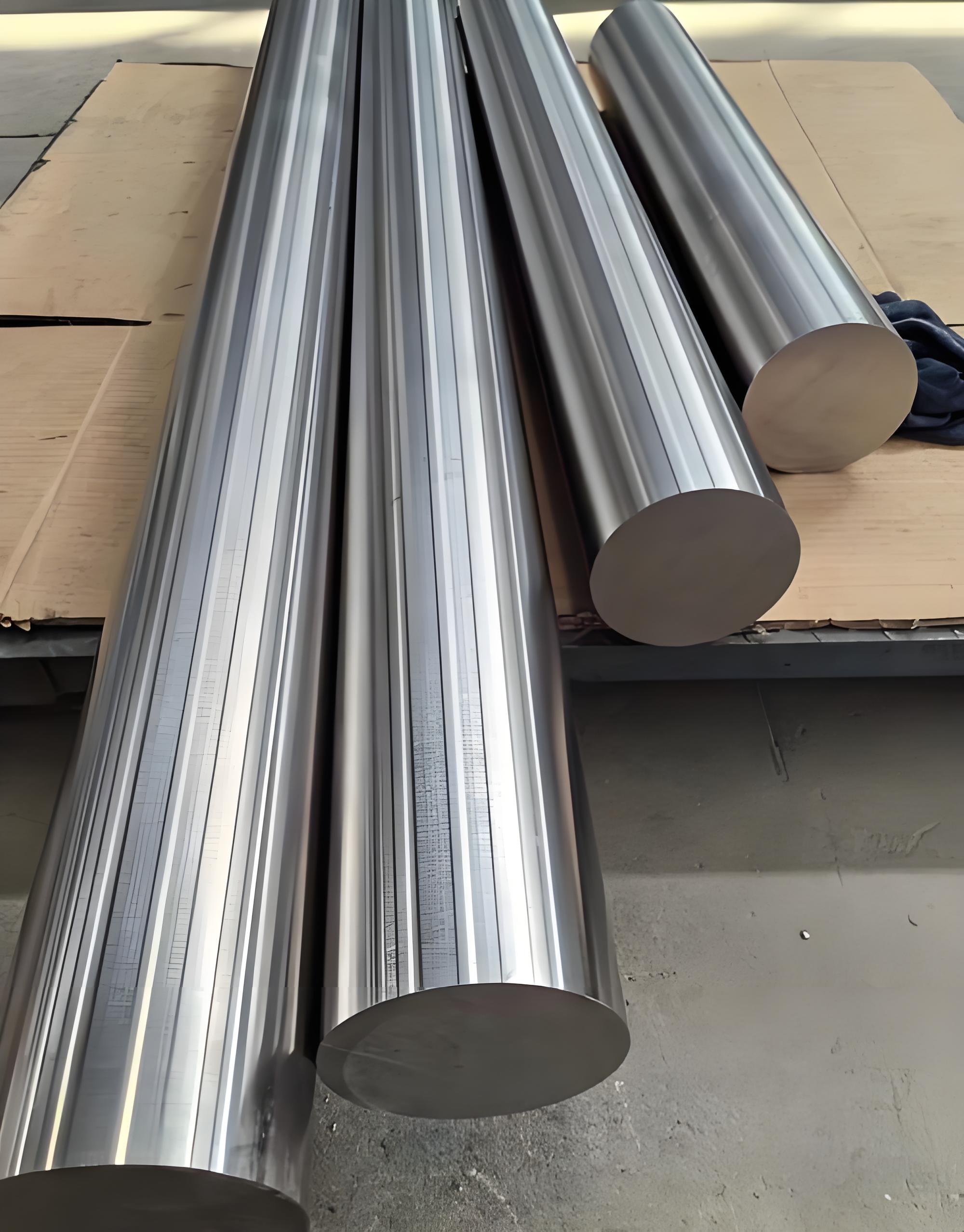
The latest Inconel 625 alloy bar price per kg depends on nickel, molybdenum, niobium, and chromium raw material costs, as well as bar diameter, manufa...
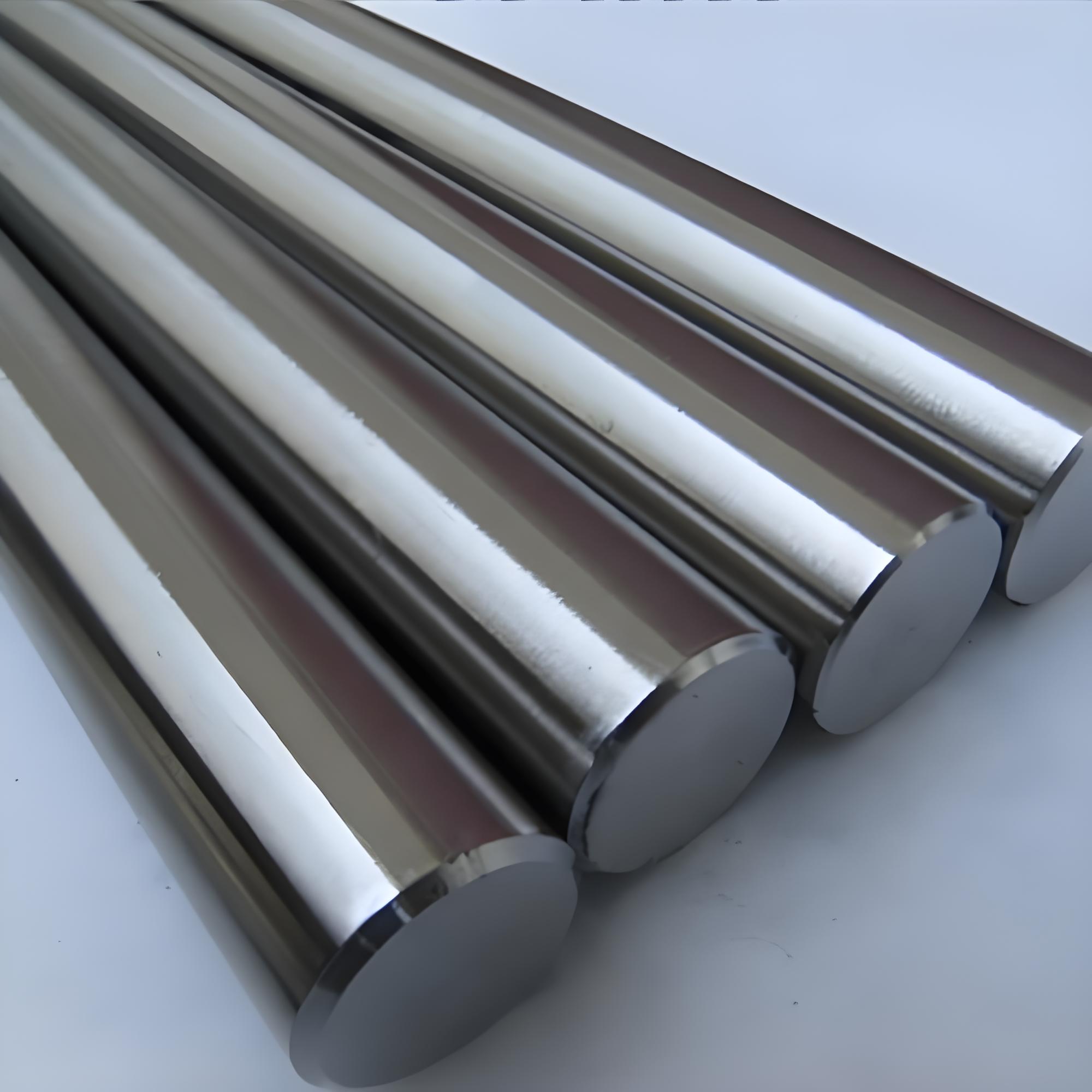
Inconel X-750 alloy bar price depends on nickel raw material cost, bar diameter, product condition, heat treatment, specification, surface finish, dim...
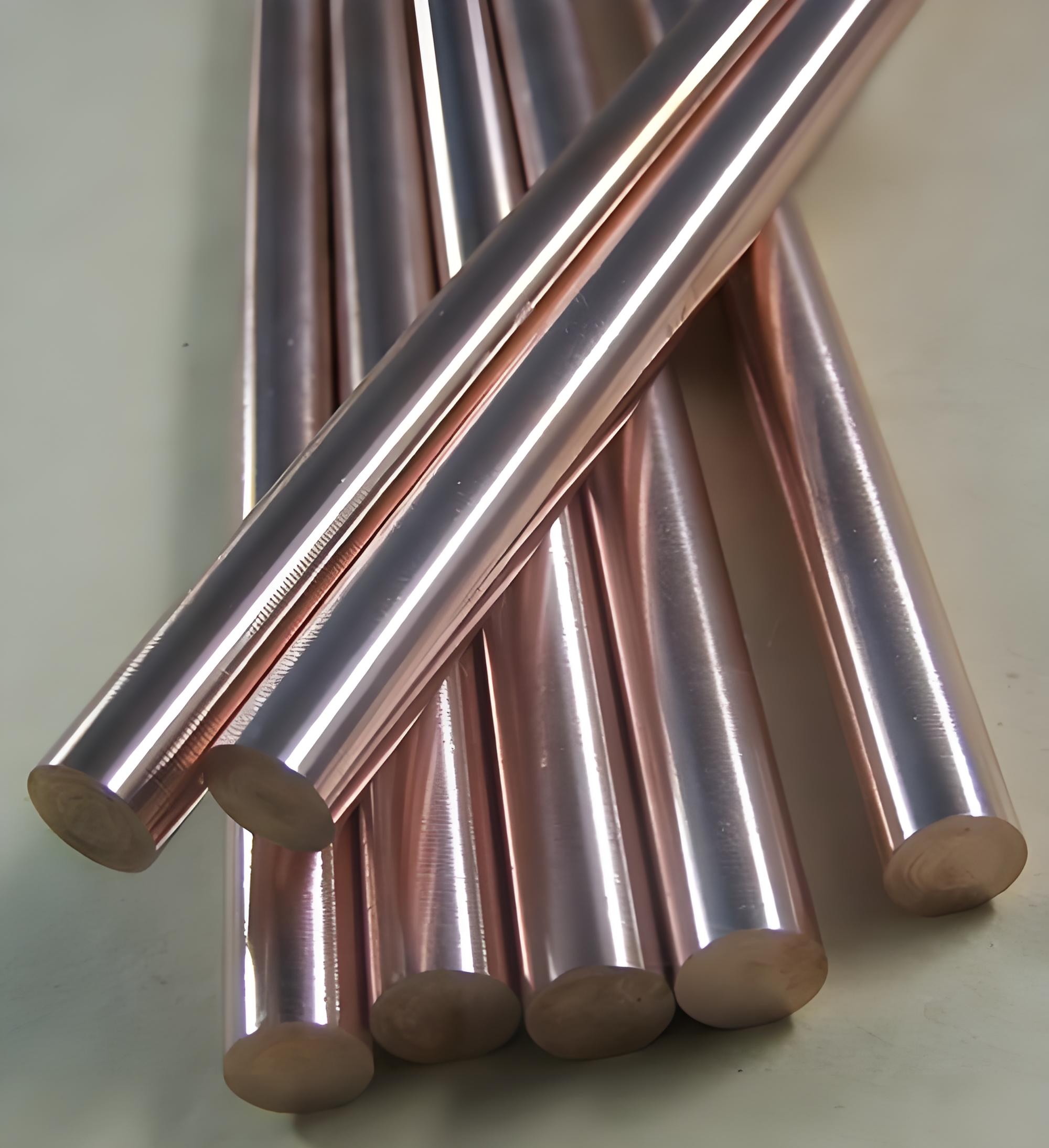
Inconel 602CA alloy bar price per kg is usually higher than common Inconel 600 and Inconel 601 bars because Alloy 602CA is a premium high-temperature ...
 English English
  Korean
 Arabic
 Spanish
 German
 Portuguese
 French
 Russian
 Italian
 Vietnamese