
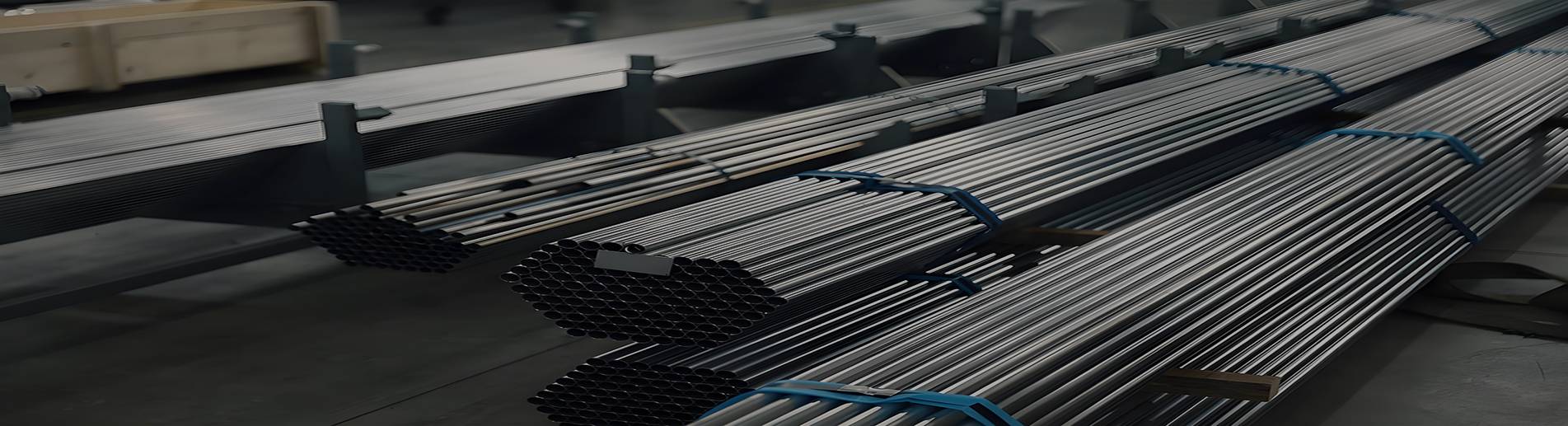
Inconel 617 alloy round bar price per kilogram
Inconel 617 alloy round bar price per kilogram is commonly about USD 45 to 90 per kg for standard industrial stock sizes. Large forged bars, small pre...
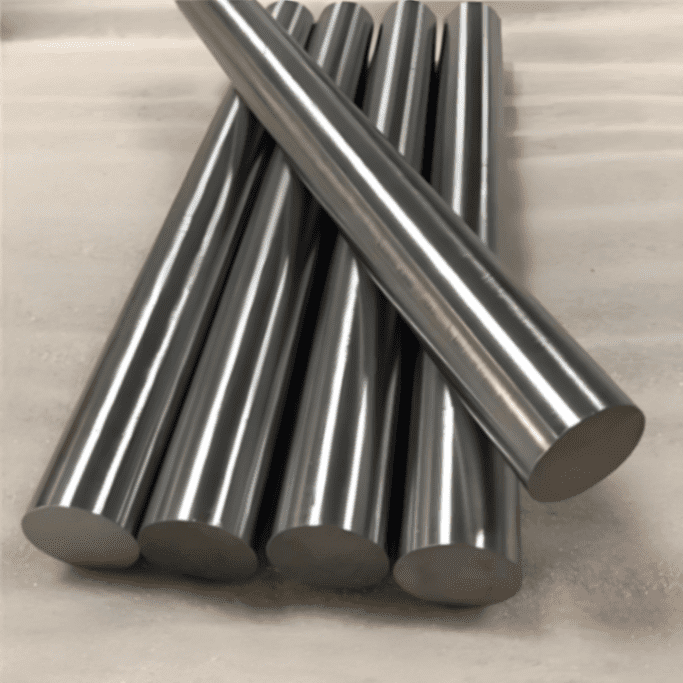
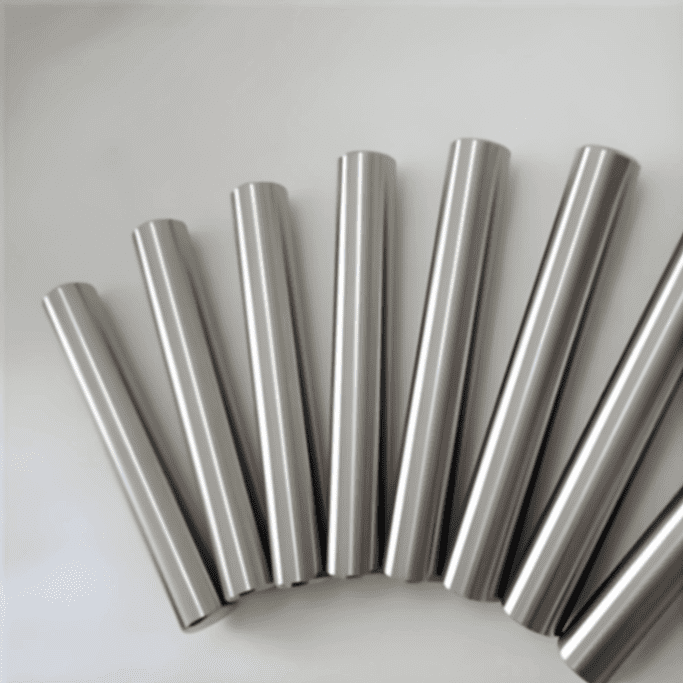
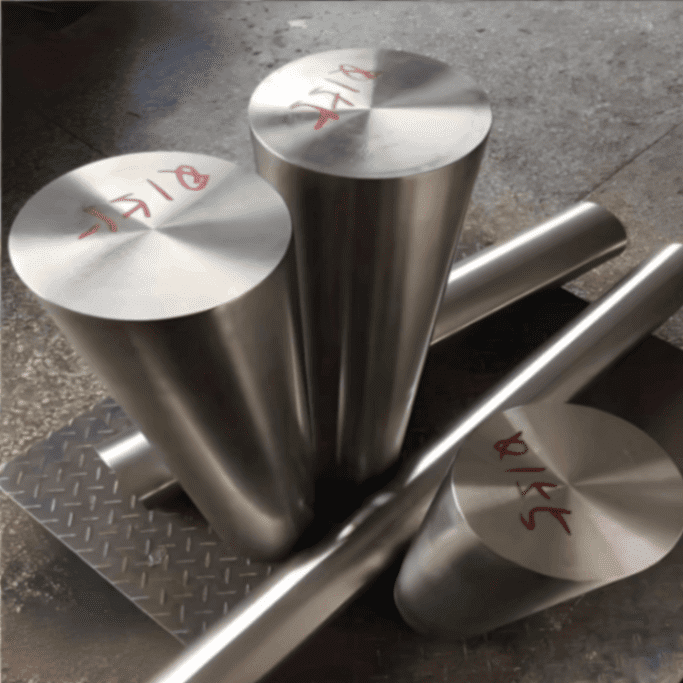
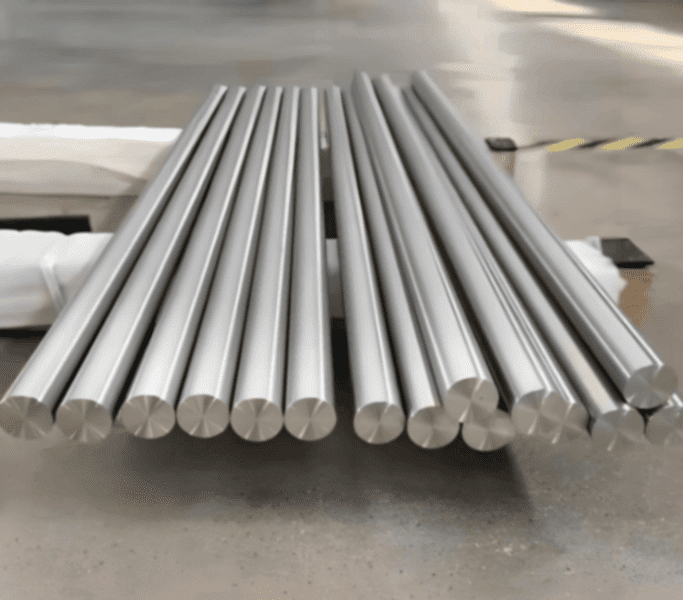
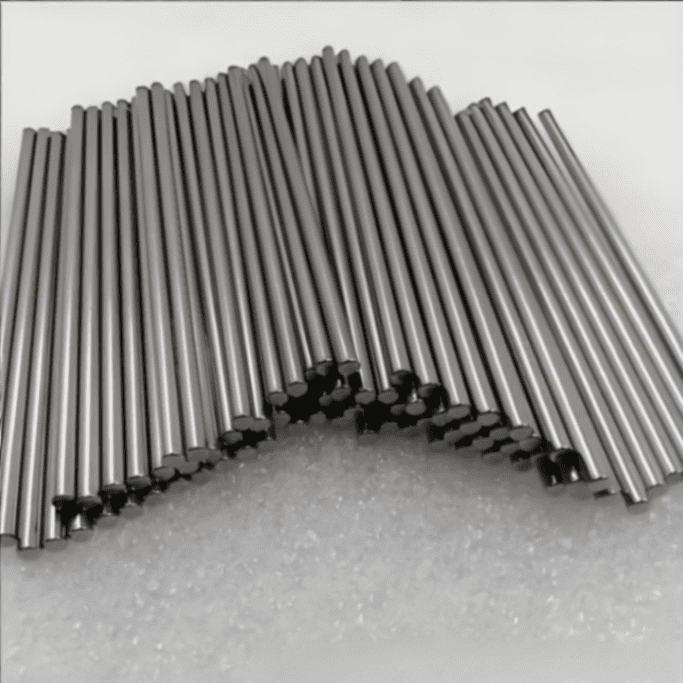
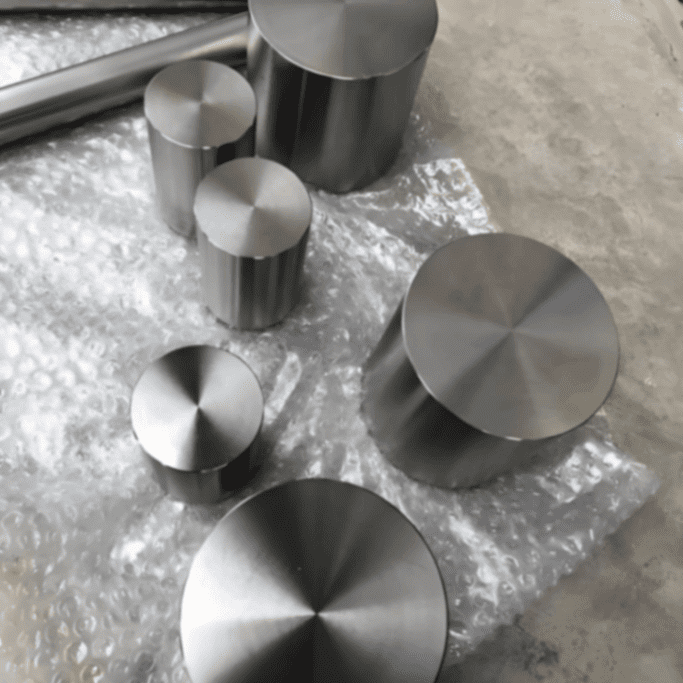
Nickel 200 and Nickel 201 are commercially pure wrought nickel alloys widely used in industries that demand excellent corrosion resistance, stable mechanical properties, and reliable performance in extreme environments. Although they share similar chemical compositions and physical characteristics such as density and thermal conductivity, their key difference lies in carbon content, which significantly affects their behavior at elevated temperatures. Understanding the differences between Nickel 200 vs 201 is essential for engineers, buyers, and technical professionals when selecting materials for chemical processing, electronics, and high-temperature applications.
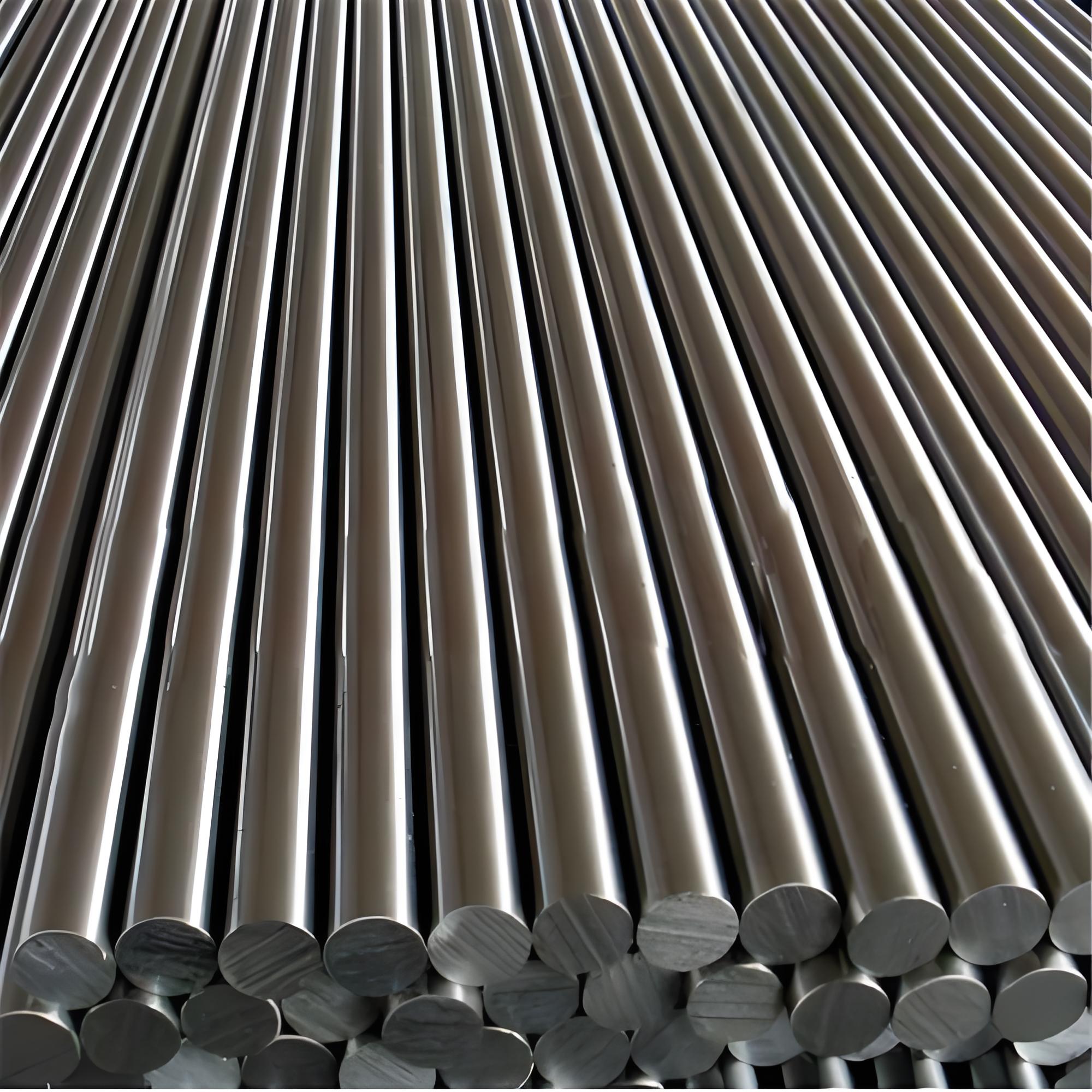
| Element | Nickel 200 (%) | Nickel 201 (%) |
| Nickel (Ni) | 99.0 min | 99.0 min |
| Carbon (C) | 0.15 max | 0.02 max |
| Iron (Fe) | 0.40 max | 0.40 max |
| Manganese (Mn) | 0.35 max | 0.35 max |
| Silicon (Si) | 0.35 max | 0.35 max |
| Copper (Cu) | 0.25 max | 0.25 max |
| Sulfur (S) | 0.01 max | 0.01 max |
The primary difference is carbon content. Nickel 201 contains significantly lower carbon, which reduces the risk of graphite formation at high temperatures, improving its performance in thermal applications.
| Property | Nickel 200 | Nickel 201 |
| Density | 8.89 g/cm³ | 8.89 g/cm³ |
| Melting Point | 1435°C | 1435°C |
| Thermal Conductivity | 90 W/m·K | 90 W/m·K |
| Electrical Resistivity | 0.096 µΩ·m | 0.096 µΩ·m |
| Thermal Expansion | 13.3 µm/m·°C | 13.3 µm/m·°C |
Both alloys have nearly identical physical properties, including density and thermal characteristics, making them interchangeable in many room-temperature applications.
| Property | Nickel 200 | Nickel 201 |
| Tensile Strength | 380 – 550 MPa | 345 – 485 MPa |
| Yield Strength | 100 – 240 MPa | 80 – 200 MPa |
| Elongation | 35 – 45% | 40 – 50% |
| Hardness | 70 – 100 HRB | 65 – 95 HRB |
Nickel 200 generally exhibits slightly higher strength, while Nickel 201 offers improved ductility. The lower carbon content in Nickel 201 enhances its formability and resistance to embrittlement at elevated temperatures.
| Aspect | Nickel 200 | Nickel 201 |
| Carbon Content | Higher | Ultra-low |
| High-Temperature Performance | Moderate | Excellent |
| Mechanical Strength | Slightly higher | Slightly lower |
| Ductility | Good | Better |
| Typical Use | General corrosion resistance | High-temperature applications |
The most critical distinction is that Nickel 201 is specifically designed for elevated temperature service, where Nickel 200 may suffer from carbon-related embrittlement.
Nickel 200 Applications:
– Chemical processing equipment
– Food processing and handling systems
– Caustic soda production
– Marine components
Nickel 201 Applications:
– Heat exchangers and furnaces
– High-temperature chemical equipment
– Electronic components
– Aerospace and power generation systems
Nickel 200 is widely used in general industrial environments, while Nickel 201 is preferred in high-temperature and thermal cycling conditions.
| Property | Nickel 200 | Nickel 201 | Monel 400 |
| Density | 8.89 g/cm³ | 8.89 g/cm³ | 8.80 g/cm³ |
| Corrosion Resistance | Excellent | Excellent | Excellent (marine) |
| High-Temp Stability | Moderate | High | Moderate |
| Strength | Moderate | Moderate | Higher |
| Main Advantage | Purity | Thermal stability | Seawater resistance |
This comparison shows that while Nickel 200 and 201 are ideal for chemical and thermal environments, alloys like Monel 400 offer better performance in marine conditions due to their nickel-copper composition.
| Standard | Nickel 200 | Nickel 201 |
| UNS Number | N02200 | N02201 |
| ASTM | B160, B162, B725 | B160, B162, B725 |
| ASME | SB160, SB162 | SB160, SB162 |
| Forms | Bar, plate, sheet, pipe | Bar, plate, sheet, pipe |
Both grades are widely available from manufacturers such as Shanghai NC Metal Materials Co., Ltd., offering a full range of product forms for industrial applications.
| Material | Form | Reference Price (USD/kg) |
| Nickel 200 | Sheet/Plate | 24 – 34 |
| Nickel 200 | Bar | 26 – 36 |
| Nickel 201 | Sheet/Plate | 25 – 35 |
| Nickel 201 | Bar | 27 – 37 |
Prices fluctuate based on nickel market conditions, product form, and order volume. Nickel 201 may be slightly more expensive due to tighter composition control.
Choose Nickel 200 when:
– Operating temperatures are below 315°C
– Higher strength is required
– General corrosion resistance is sufficient
Choose Nickel 201 when:
– Operating temperatures exceed 315°C
– Resistance to carbon embrittlement is critical
– High ductility and thermal stability are required
Material selection should consider both mechanical properties and operating conditions to ensure long-term reliability and cost efficiency.
What is the main difference between Nickel 200 and 201?
The main difference is carbon content. Nickel 201 has much lower carbon, making it more suitable for high-temperature applications by preventing embrittlement.
Can Nickel 200 be used at high temperatures?
Nickel 200 can be used at moderate temperatures, but prolonged exposure to high temperatures may cause carbon-related issues, making Nickel 201 a better choice.
Which is better for chemical processing, Nickel 200 or 201?
Both are suitable, but Nickel 201 is preferred for high-temperature chemical processing, while Nickel 200 is sufficient for lower temperature environments.
More from this category
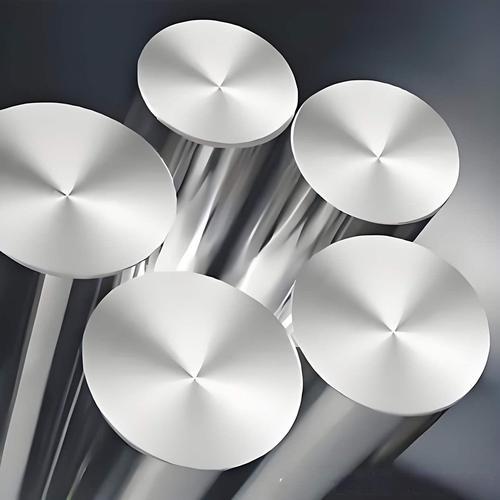
Inconel 617 alloy round bar price per kilogram is commonly about USD 45 to 90 per kg for standard industrial stock sizes. Large forged bars, small pre...
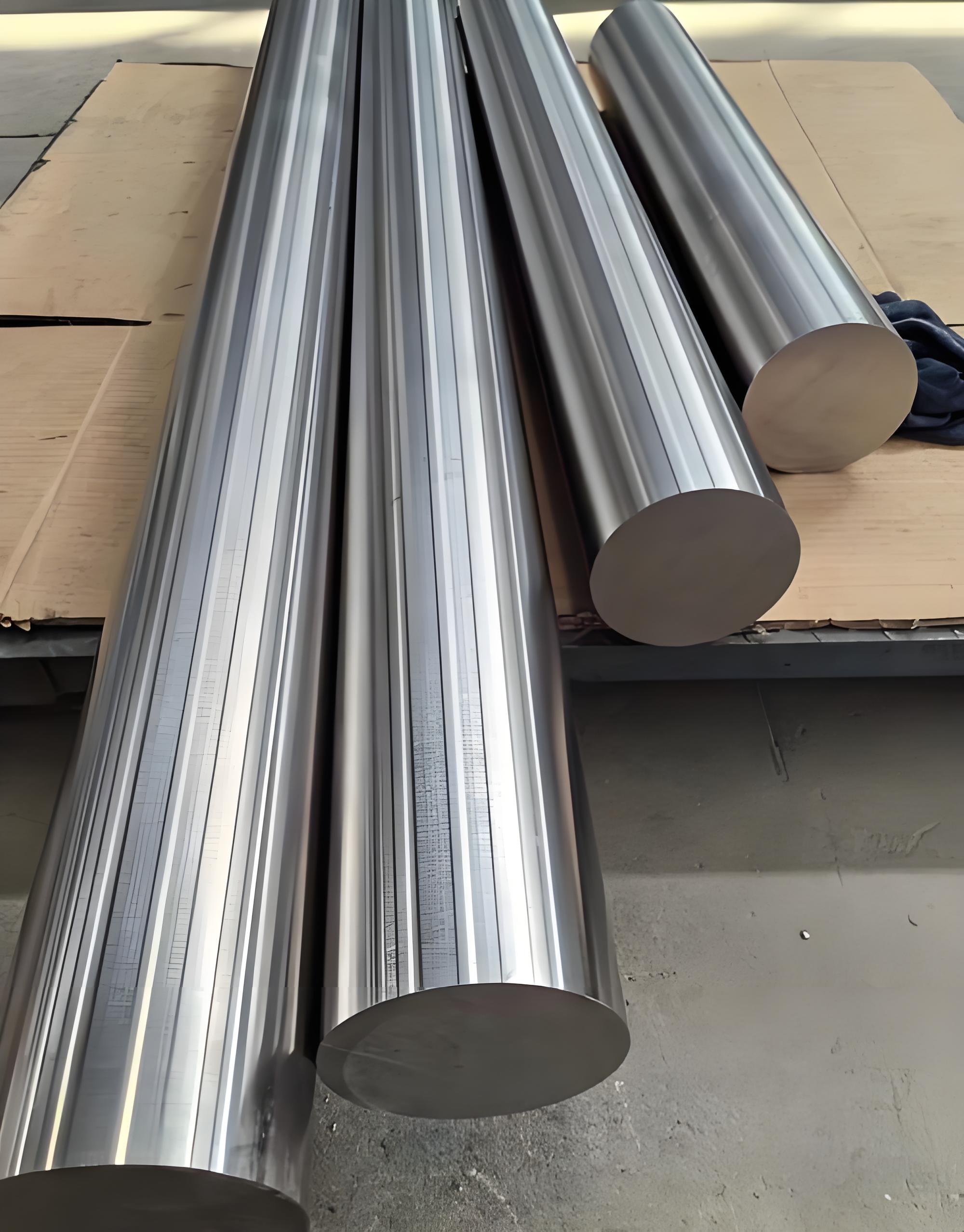
The latest Inconel 625 alloy bar price per kg depends on nickel, molybdenum, niobium, and chromium raw material costs, as well as bar diameter, manufa...
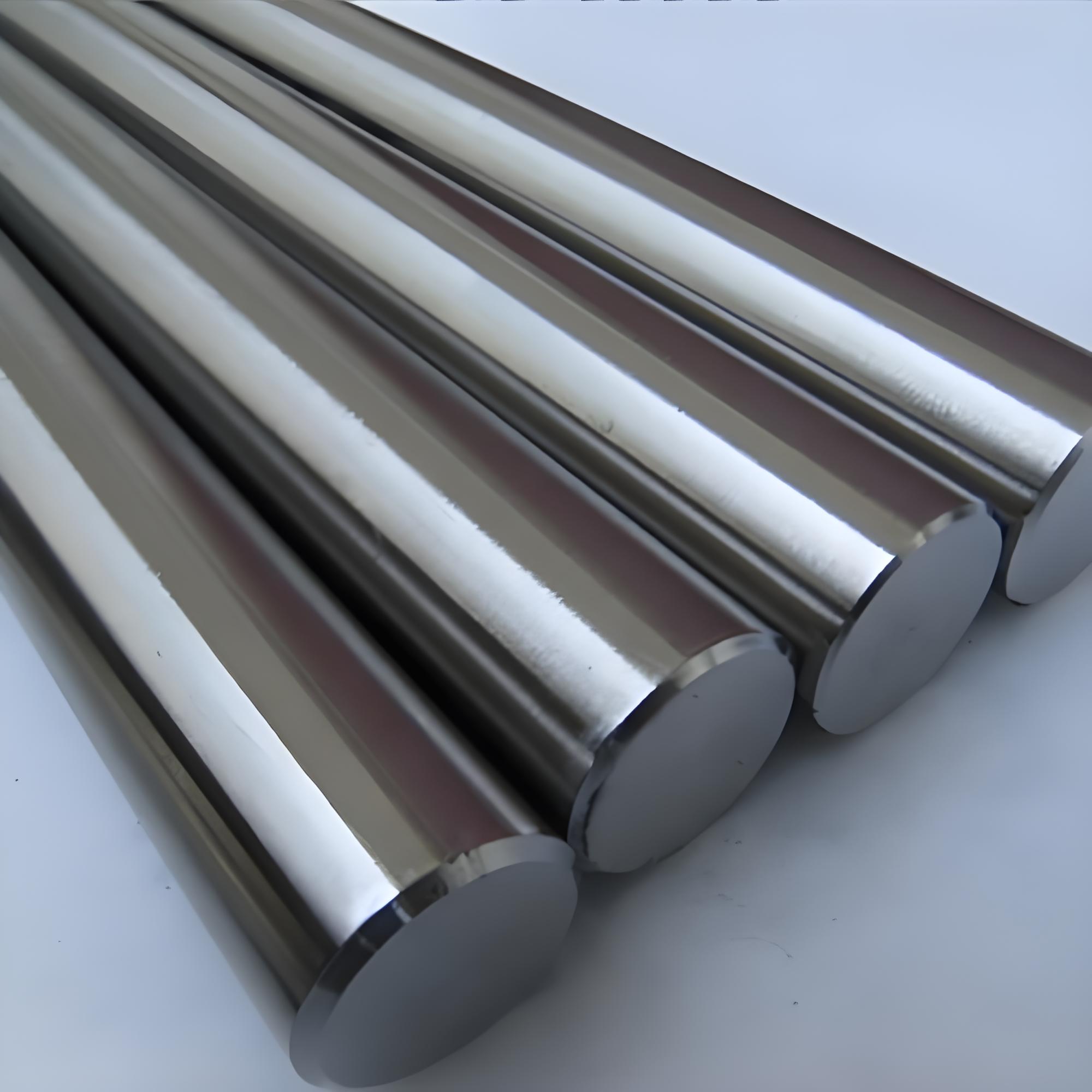
Inconel X-750 alloy bar price depends on nickel raw material cost, bar diameter, product condition, heat treatment, specification, surface finish, dim...
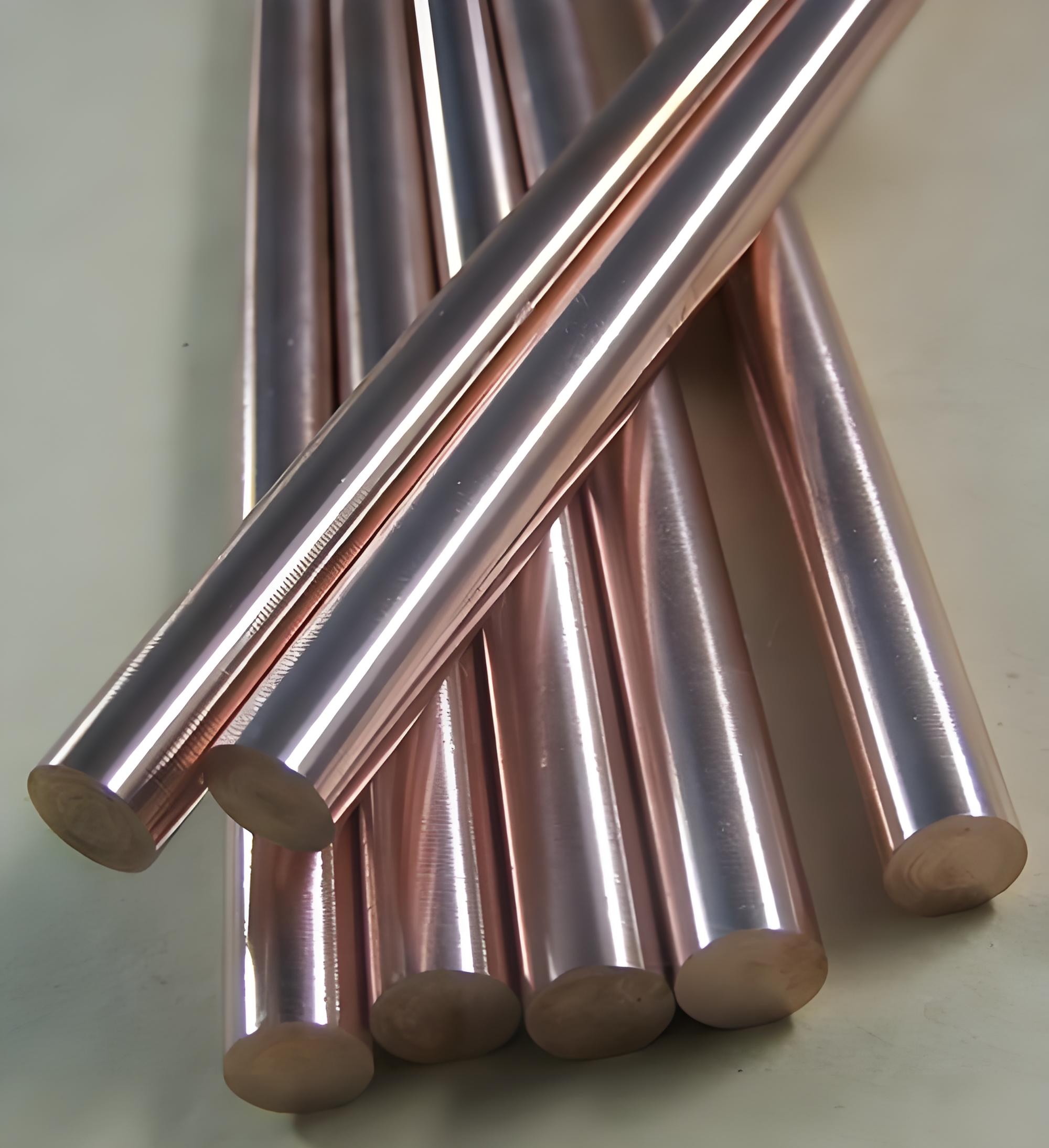
Inconel 602CA alloy bar price per kg is usually higher than common Inconel 600 and Inconel 601 bars because Alloy 602CA is a premium high-temperature ...
 English English
  Korean
 Arabic
 Spanish
 German
 Portuguese
 French
 Russian
 Italian
 Vietnamese