
Inconel 617 alloy round bar price per kilogram
Inconel 617 alloy round bar price per kilogram is commonly about USD 45 to 90 per kg for standard industrial stock sizes. Large forged bars, small pre...
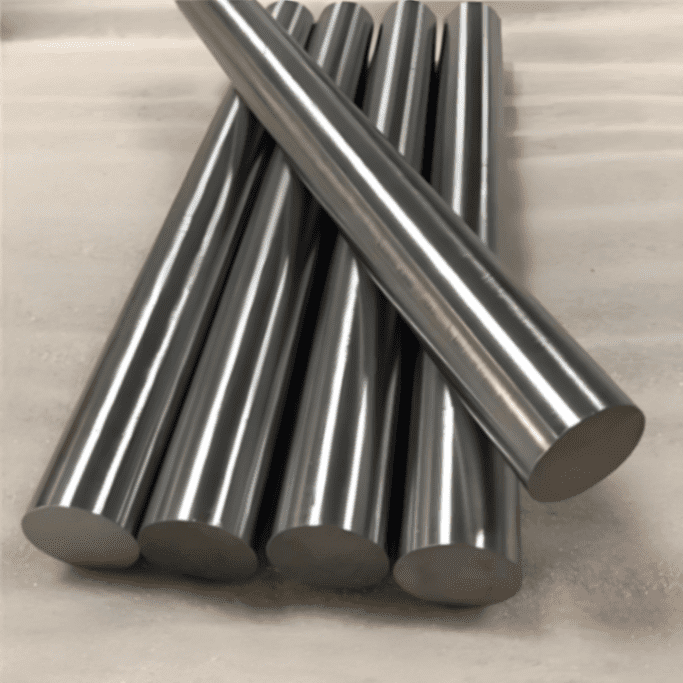
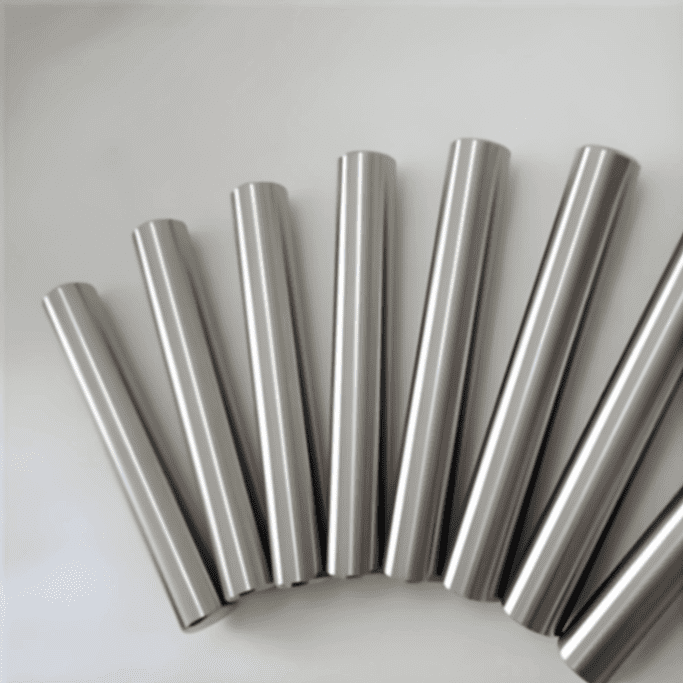
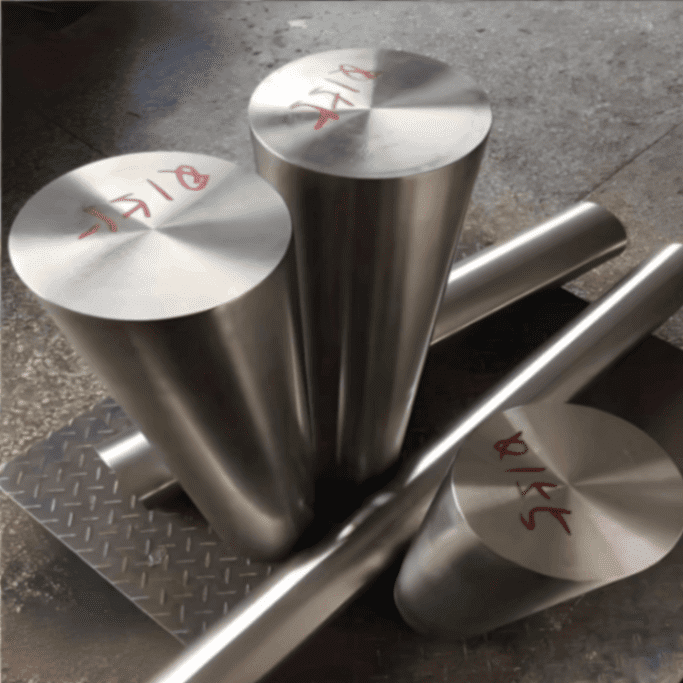
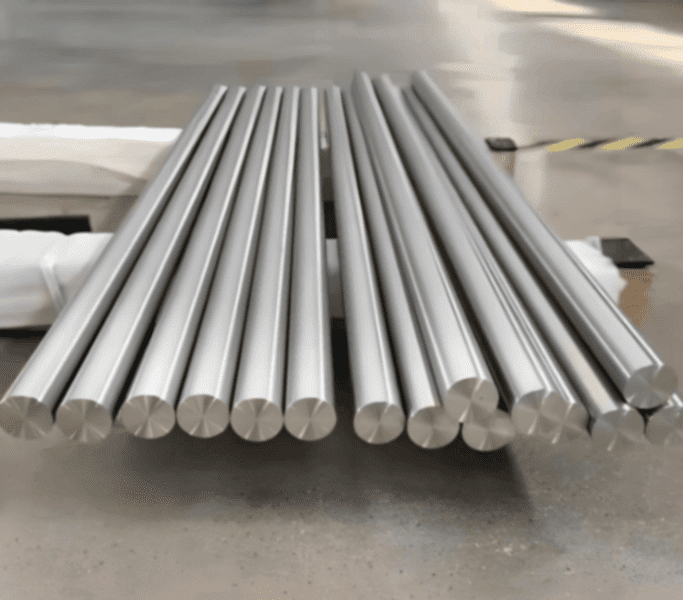
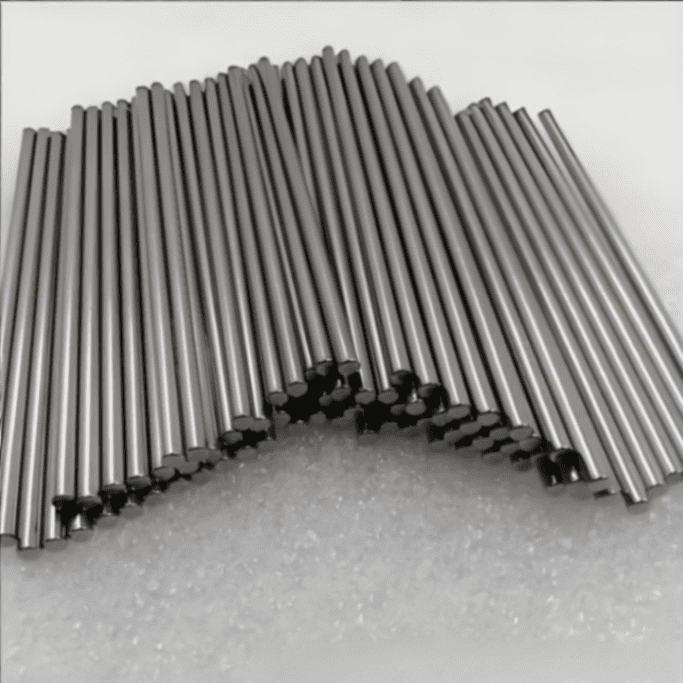
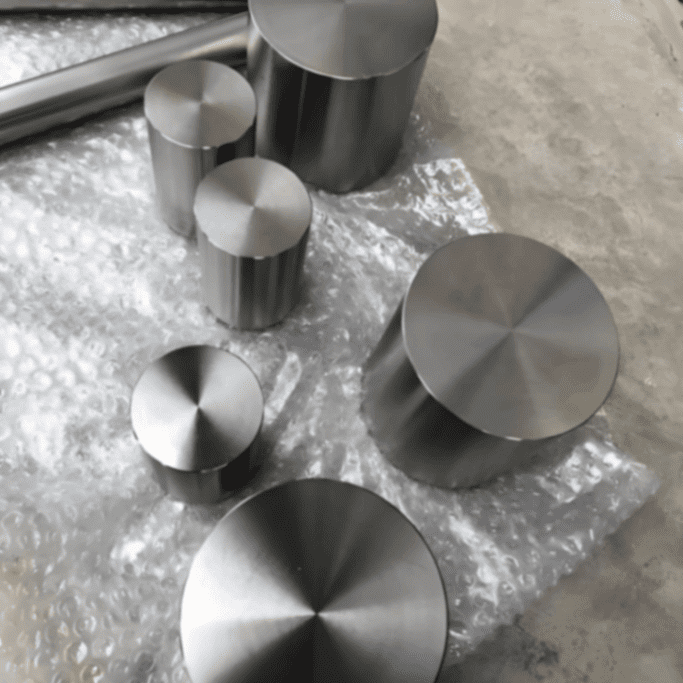
Nickel 200 bar is a commercially pure nickel product widely used in chemical processing, electronics, food handling, and marine industries due to its excellent corrosion resistance, stable mechanical properties, and high thermal and electrical conductivity. As a high-purity material (99% nickel), its pricing is heavily influenced by global nickel market trends, production processes, and dimensional specifications. For engineers, procurement professionals, and distributors, understanding Nickel 200 bar pricing, available sizes, and cost drivers is essential for effective sourcing and budgeting.
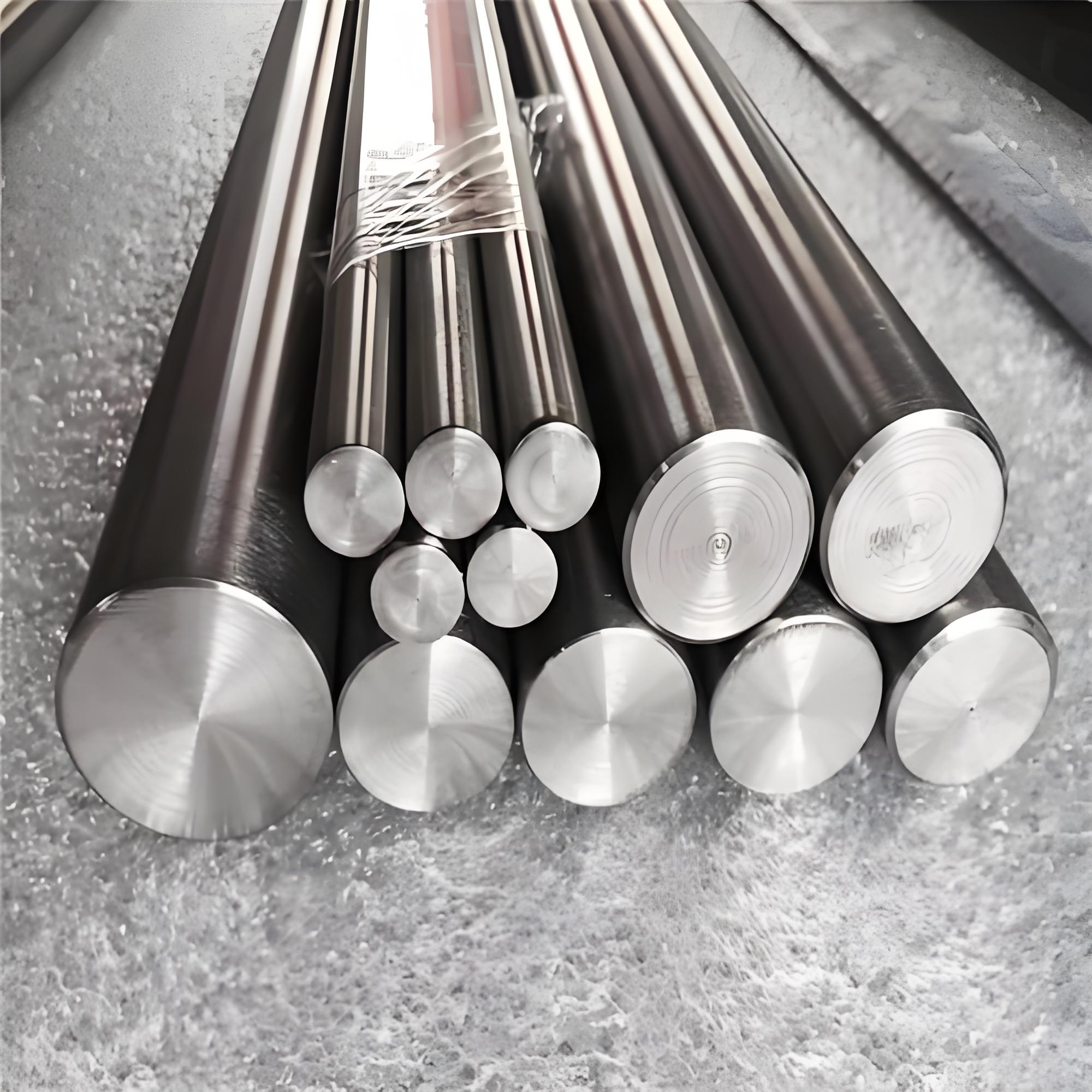
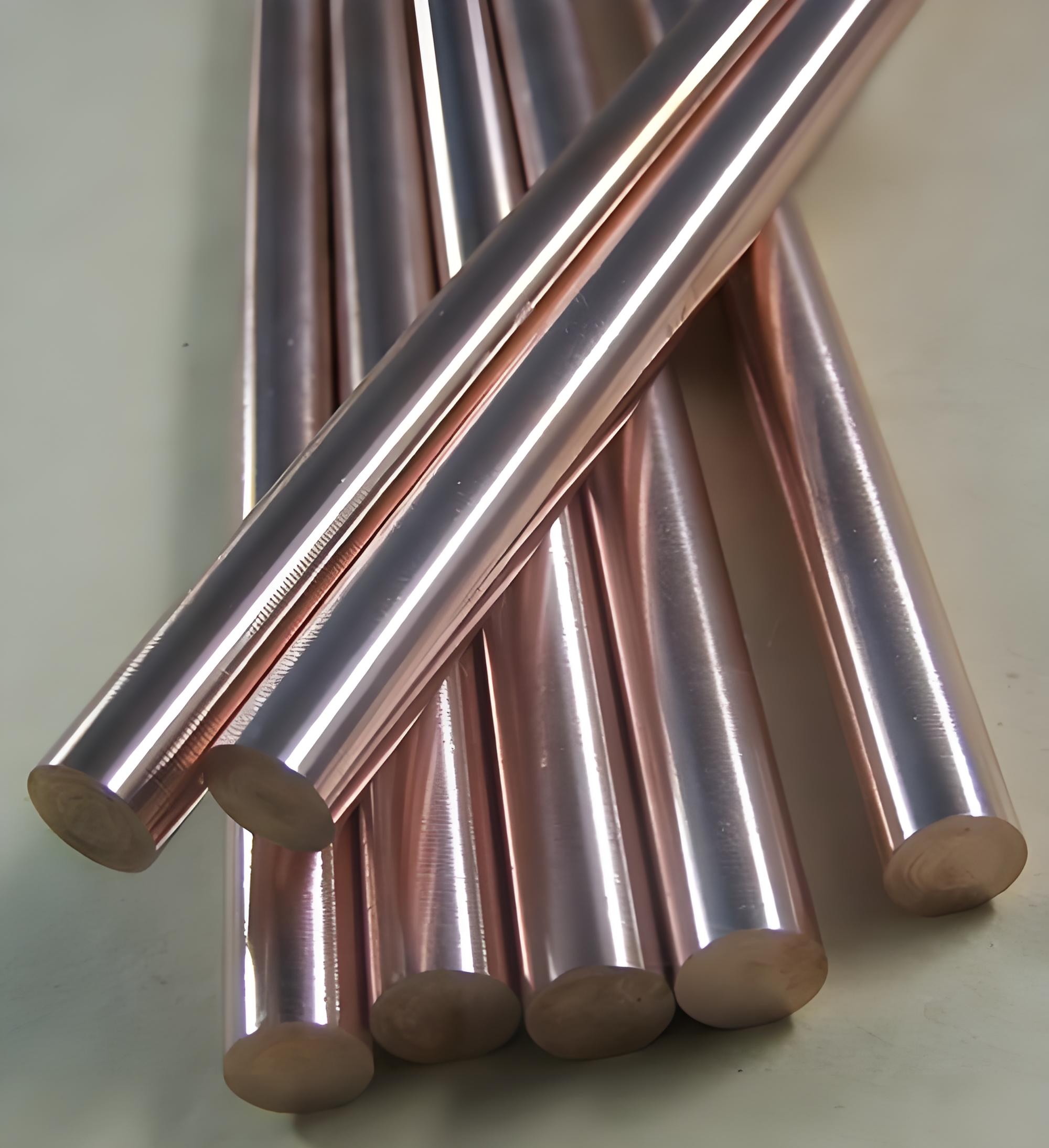
Nickel 200 bar is a wrought solid form of commercially pure nickel (UNS N02200), known for its outstanding resistance to caustic alkalis and neutral salts. It offers consistent density, excellent ductility, and good mechanical properties, making it suitable for both structural and conductive applications.
| Element | Composition (%) |
| Nickel (Ni) | 99.0 min |
| Carbon (C) | 0.15 max |
| Iron (Fe) | 0.40 max |
| Manganese (Mn) | 0.35 max |
| Silicon (Si) | 0.35 max |
| Copper (Cu) | 0.25 max |
| Sulfur (S) | 0.01 max |
The high nickel content ensures strong corrosion resistance and stable performance across various industrial environments.
| Property | Value |
| Density | 8.89 g/cm³ |
| Melting Point | 1435°C |
| Thermal Conductivity | 90 W/m·K |
| Electrical Resistivity | 0.096 µΩ·m |
| Thermal Expansion | 13.3 µm/m·°C |
The consistent density and excellent thermal properties make Nickel 200 bar ideal for heat exchangers and electrical components.
| Property | Typical Value |
| Tensile Strength | 380 – 550 MPa |
| Yield Strength | 100 – 240 MPa |
| Elongation | 35 – 45% |
| Hardness | 70 – 100 HRB |
Nickel 200 offers a good balance of strength and ductility, allowing it to be easily fabricated and formed into complex components.
| Bar Type | Diameter Range | Length |
| Round Bar | 6 mm – 300 mm | 1000 – 6000 mm |
| Hex Bar | 8 mm – 100 mm | 1000 – 6000 mm |
| Square Bar | 10 mm – 100 mm | 1000 – 6000 mm |
| Custom Sizes | Available | Cut-to-length |
Nickel 200 bars are available in standard and customized sizes to meet different machining and fabrication requirements.
| Standard | Details |
| UNS Number | N02200 |
| ASTM | B160, B162 |
| ASME | SB160, SB162 |
| Forms | Bar, Rod |
These standards ensure consistency in chemical composition, mechanical properties, and product quality across suppliers such as Shanghai NC Metal Materials Co., Ltd.
| Diameter | Form | Reference Price (USD/kg) |
| 10 – 50 mm | Round Bar | 26 – 36 |
| 50 – 150 mm | Round Bar | 28 – 38 |
| Hex/Square | Bar | 29 – 40 |
| Custom Sizes | Bar | Quote-based |
Prices are indicative and vary depending on order quantity, processing requirements, and global nickel market fluctuations.
1. Raw Nickel Price
The primary cost driver is the global nickel price. Since Nickel 200 contains over 99% nickel, any change in nickel commodity prices directly impacts material cost.
2. Bar Size and Weight
Larger diameters and heavier bars generally have higher per-unit costs due to increased material usage and processing complexity.
3. Manufacturing Process
Hot rolling, cold drawing, and precision machining can affect the final price. Tight tolerances and surface finishes add to production costs.
4. Order Volume
Bulk orders typically benefit from lower unit prices, while small custom orders may incur higher costs.
5. Certification and Testing
Additional requirements such as third-party inspection, ultrasonic testing, or special certifications can increase pricing.
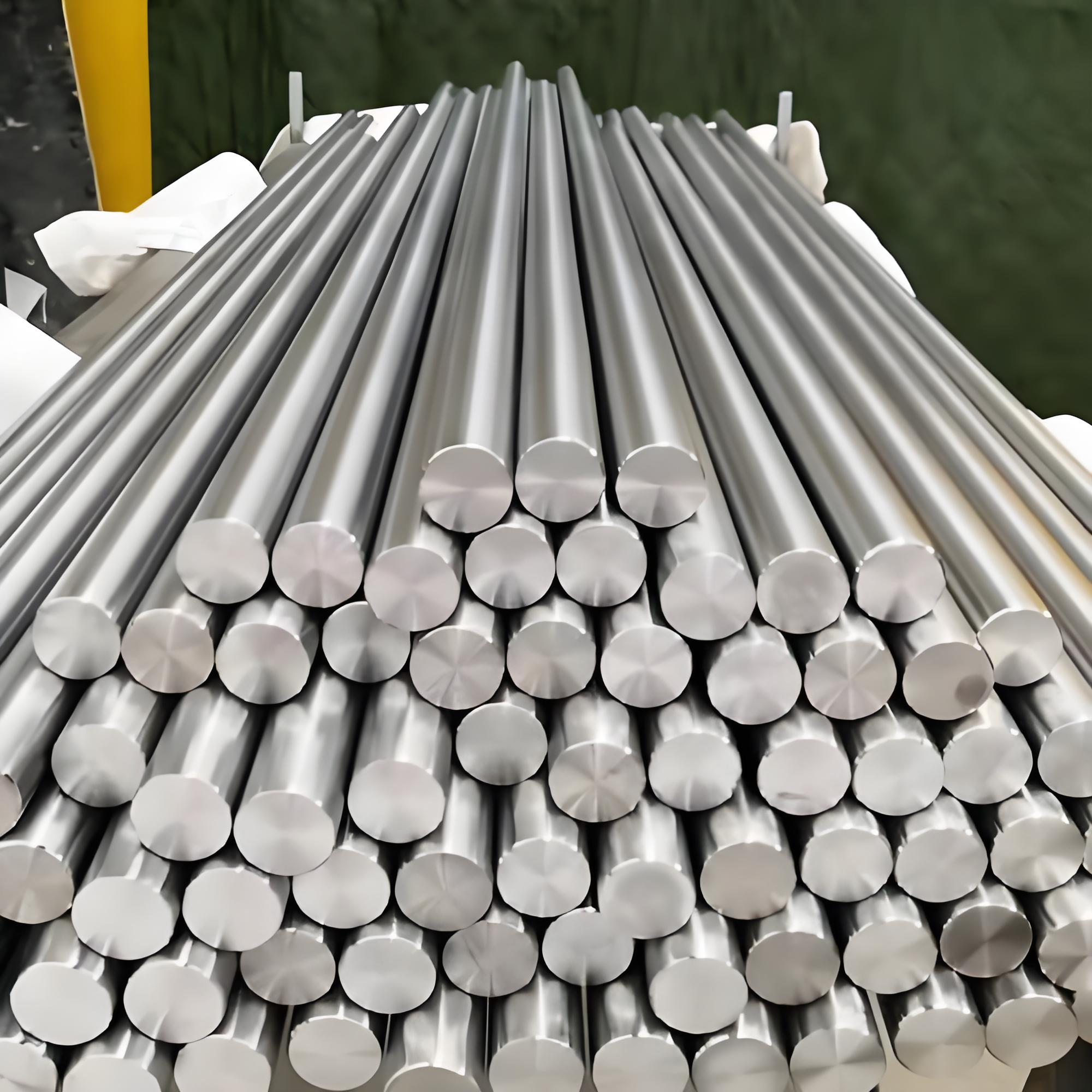
The Nickel 200 bar market is closely tied to global nickel demand, particularly from the stainless steel and battery industries. Key trends include:
– Increasing demand from electric vehicle (EV) battery production
– Supply fluctuations due to mining output and geopolitical factors
– Growing demand in chemical processing and renewable energy sectors
These trends can lead to price volatility, making it important for buyers to monitor market conditions and plan procurement strategies accordingly.
| Material | Form | Reference Price (USD/kg) |
| Nickel 200 | Bar | 26 – 36 |
| Nickel 201 | Bar | 27 – 37 |
Nickel 201 is typically slightly more expensive due to its lower carbon content and tighter production controls, especially for high-temperature applications.
– Chemical processing equipment
– Heat exchangers and reactors
– Food processing systems
– Electrical and electronic components
– Marine and offshore equipment
These applications benefit from Nickel 200’s corrosion resistance, stable density, and reliable mechanical properties.
Choose Nickel 200 when:
– High purity and corrosion resistance are required
– Operating temperatures are moderate (below 315°C)
– Cost efficiency is important
Consider alternatives when:
– High-temperature resistance is critical (Nickel 201)
– Higher strength is required (nickel alloys like Monel)
Careful evaluation of application requirements ensures optimal performance and cost control.
What is the current price of Nickel 200 bar?
The reference price typically ranges from 26 to 36 USD/kg, depending on size, quantity, and market conditions.
Why does Nickel 200 price fluctuate?
Price fluctuations are mainly driven by global nickel market trends, supply-demand dynamics, and production costs.
Is Nickel 200 cheaper than Nickel 201?
Yes, Nickel 200 is usually slightly cheaper because it has a higher carbon content and is easier to produce compared to Nickel 201.
More from this category
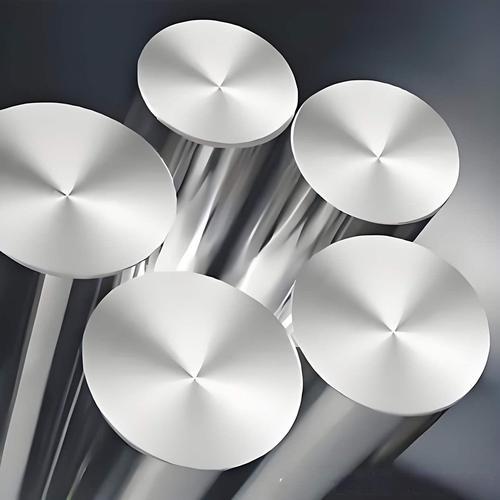
Inconel 617 alloy round bar price per kilogram is commonly about USD 45 to 90 per kg for standard industrial stock sizes. Large forged bars, small pre...
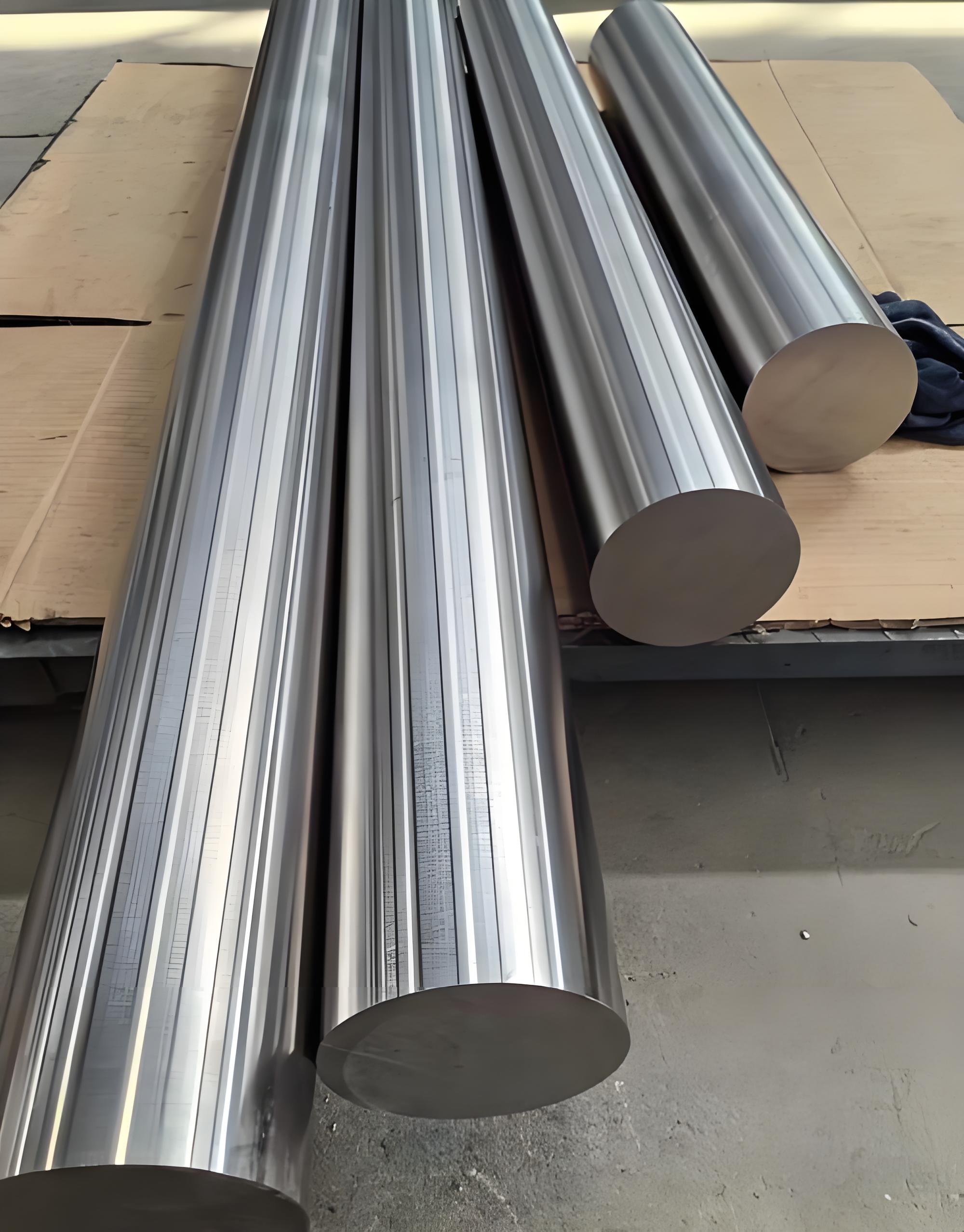
The latest Inconel 625 alloy bar price per kg depends on nickel, molybdenum, niobium, and chromium raw material costs, as well as bar diameter, manufa...
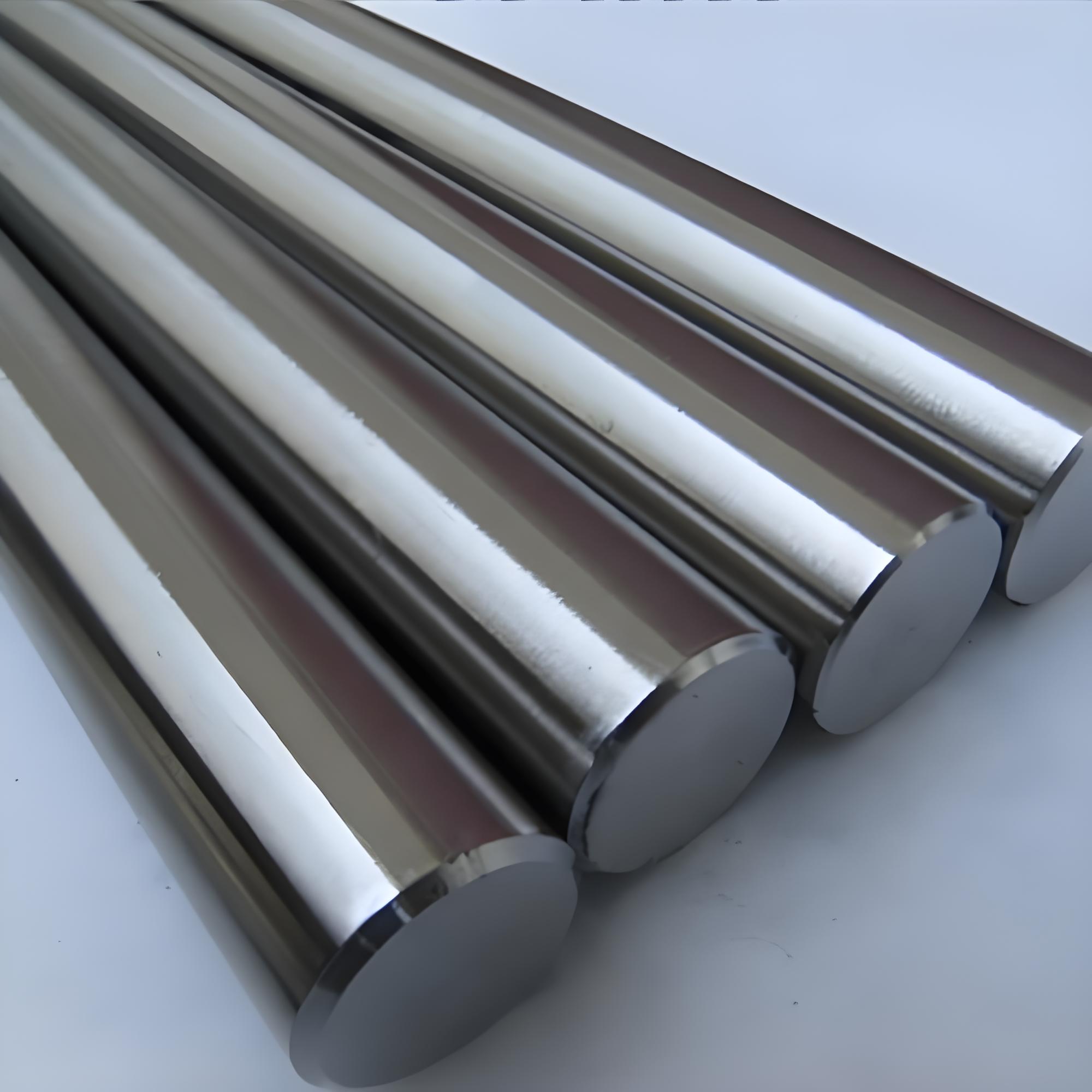
Inconel X-750 alloy bar price depends on nickel raw material cost, bar diameter, product condition, heat treatment, specification, surface finish, dim...
Inconel 602CA alloy bar price per kg is usually higher than common Inconel 600 and Inconel 601 bars because Alloy 602CA is a premium high-temperature ...
 English English
  Korean
 Arabic
 Spanish
 German
 Portuguese
 French
 Russian
 Italian
 Vietnamese