
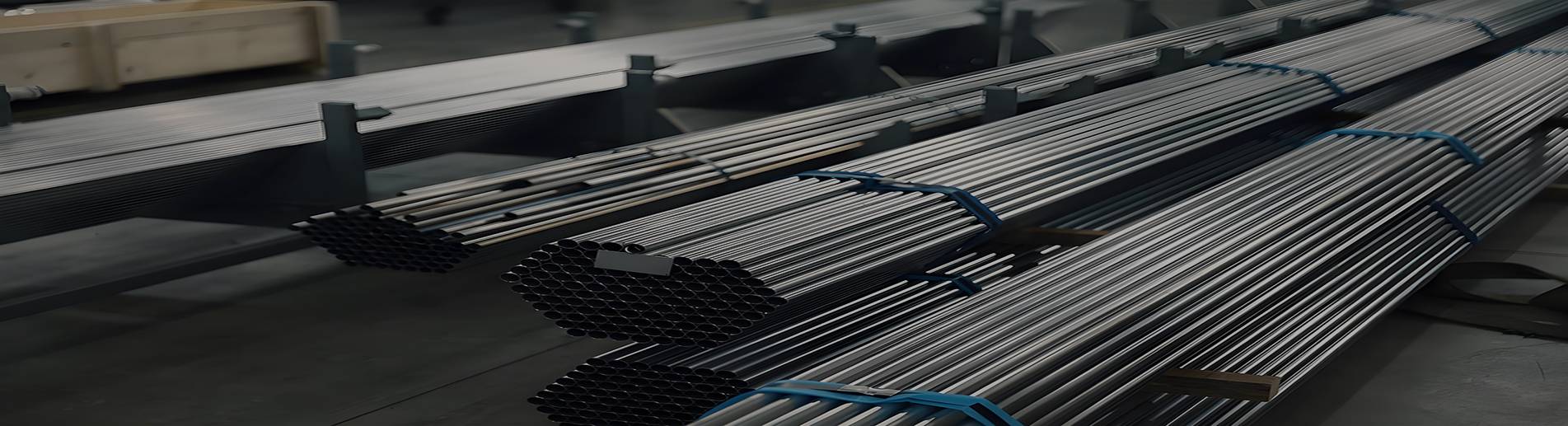
Inconel 617 alloy round bar price per kilogram
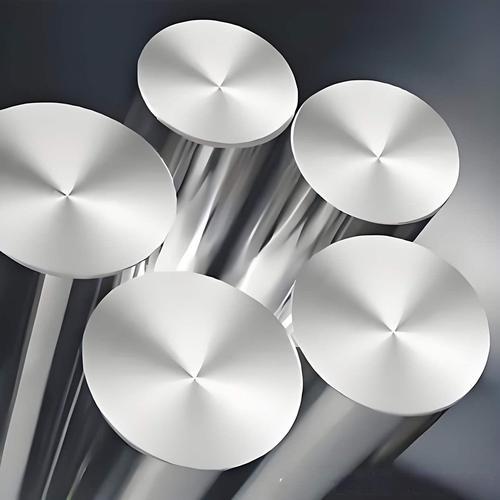
Inconel 617 alloy round bar price per kilogram is commonly about USD 45 to 90 per kg for standard industrial stock sizes. Large forged bars, small pre...
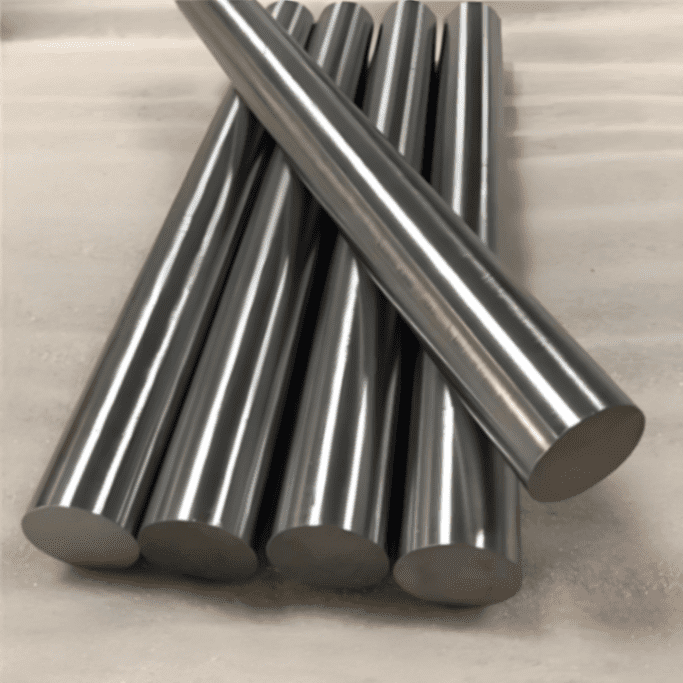
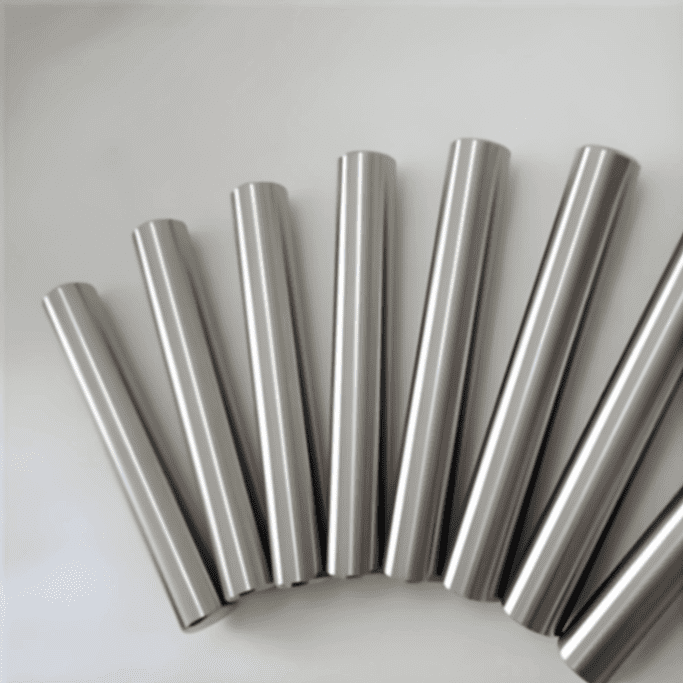
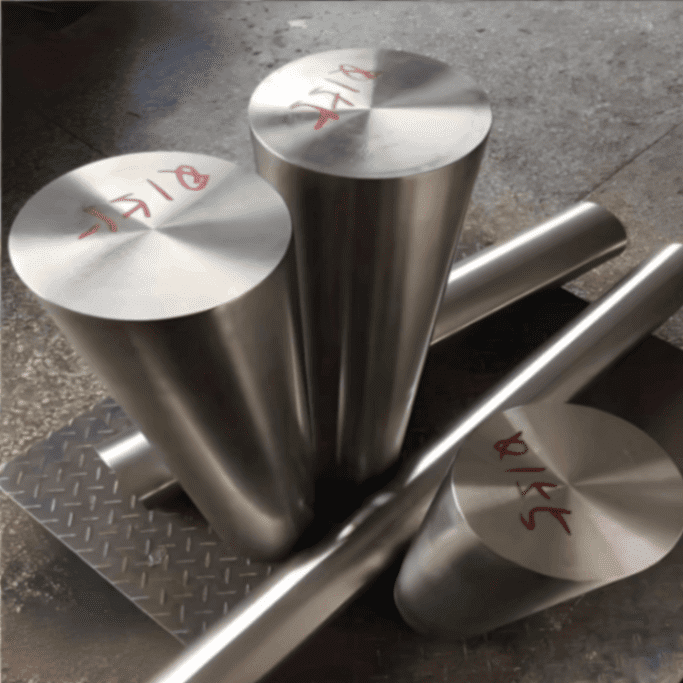
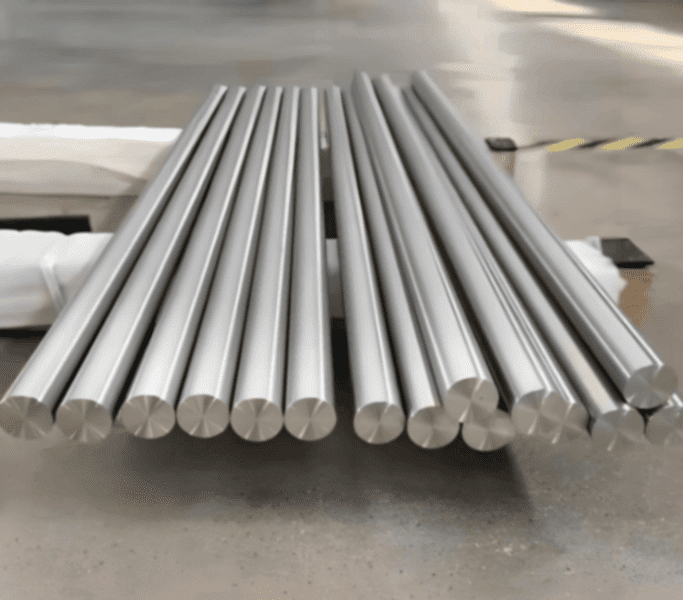
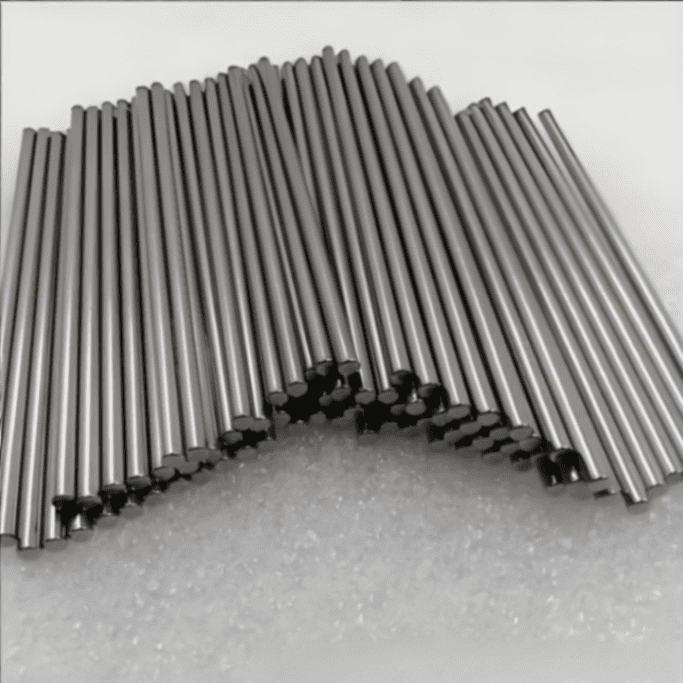
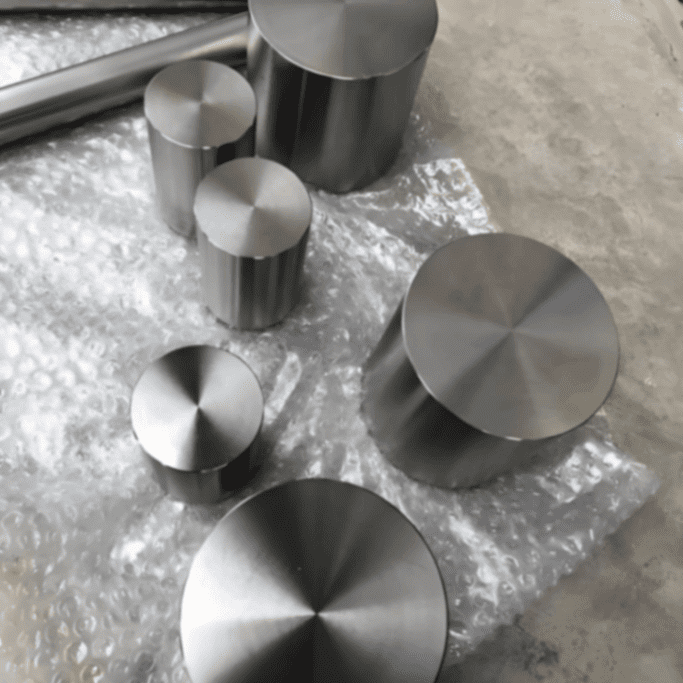
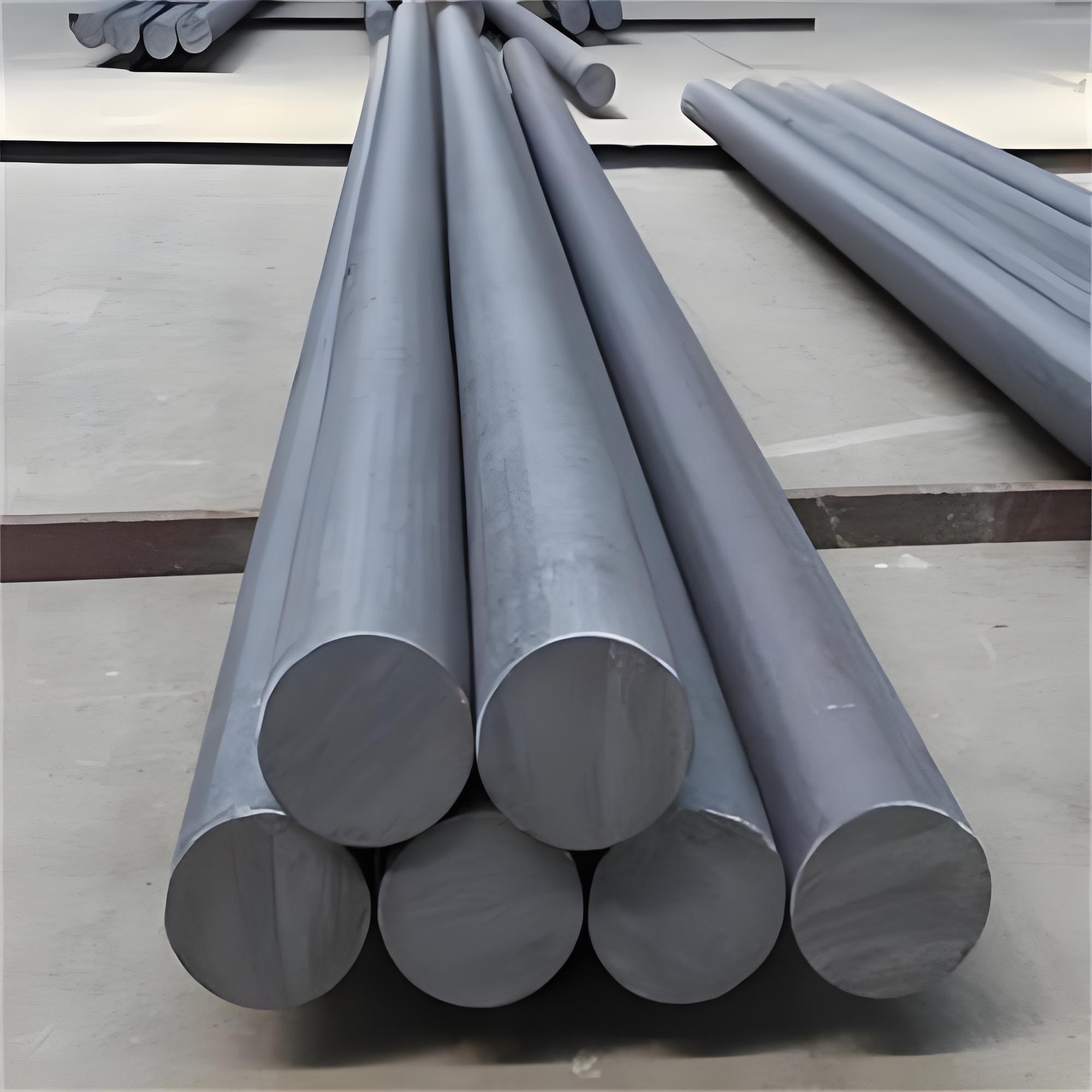
Nickel 200 (Ni 200) and Nickel 201 (Ni 201) bars are both commercially pure nickel alloys widely used in industrial applications that require excellent corrosion resistance, stable mechanical properties, and high thermal conductivity. While they share many similarities in chemical composition and performance, there are important cost differences driven by production controls, carbon content, and application suitability. For engineers and procurement professionals, understanding the price gap between Ni 200 and Ni 201 is essential for making cost-effective material selection decisions.
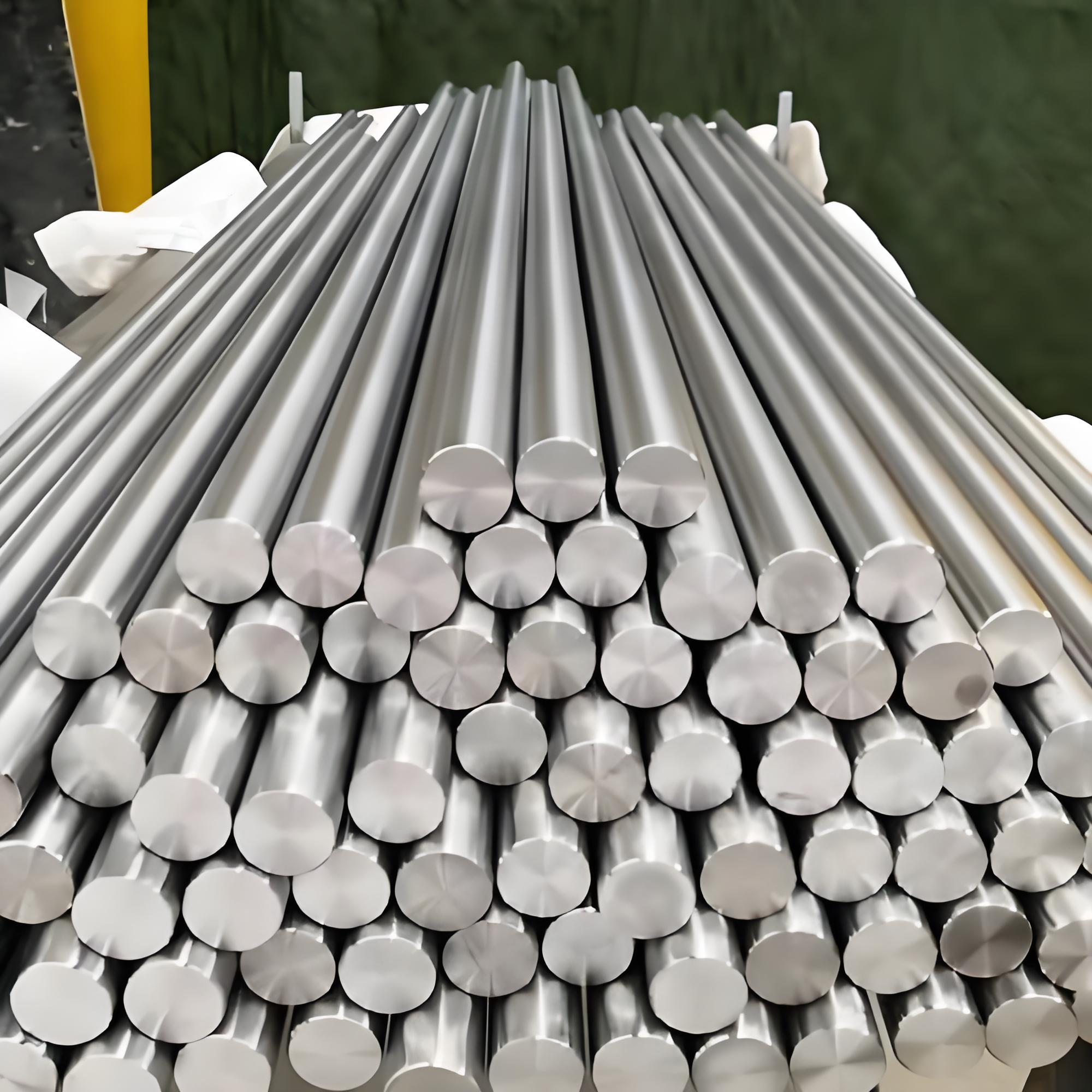
Ni 200 (UNS N02200) is a commercially pure nickel with a minimum of 99% nickel content, offering excellent corrosion resistance and good mechanical strength. Ni 201 (UNS N02201) is a low-carbon version of Ni 200, specifically designed for improved performance at elevated temperatures.
| Element | Ni 200 (%) | Ni 201 (%) |
| Nickel (Ni) | 99.0 min | 99.0 min |
| Carbon (C) | 0.15 max | 0.02 max |
| Iron (Fe) | 0.40 max | 0.40 max |
| Manganese (Mn) | 0.35 max | 0.35 max |
| Silicon (Si) | 0.35 max | 0.35 max |
| Copper (Cu) | 0.25 max | 0.25 max |
The key difference lies in carbon content. Ni 201 has significantly lower carbon, which improves resistance to graphitization at high temperatures but increases manufacturing complexity.
| Property | Ni 200 | Ni 201 |
| Density | 8.89 g/cm³ | 8.89 g/cm³ |
| Melting Point | 1435°C | 1440°C |
| Thermal Conductivity | 90 W/m·K | 88 W/m·K |
| Thermal Expansion | 13.3 µm/m·°C | 13.1 µm/m·°C |
Both materials share nearly identical density and thermal properties, meaning price differences are not related to physical characteristics but rather production and application factors.
| Property | Ni 200 | Ni 201 |
| Tensile Strength | 380 – 550 MPa | 350 – 520 MPa |
| Yield Strength | 100 – 240 MPa | 80 – 220 MPa |
| Elongation | 35 – 45% | 40 – 50% |
| Hardness | 70 – 100 HRB | 65 – 95 HRB |
Ni 201 generally offers slightly better ductility, while Ni 200 provides marginally higher strength. These differences can influence both application selection and cost efficiency.
| Material | Bar Size | Reference Price (USD/kg) |
| Ni 200 | 10 – 100 mm | 26 – 36 |
| Ni 201 | 10 – 100 mm | 27 – 38 |
| Ni 200 | Large Diameter (>100 mm) | 28 – 38 |
| Ni 201 | Large Diameter (>100 mm) | 30 – 40 |
In most cases, Ni 201 is approximately 3% to 8% more expensive than Ni 200, depending on size, quantity, and supplier conditions.
1. Lower Carbon Control
Ni 201 requires strict control of carbon content (≤0.02%), which increases refining and production complexity. This leads to higher manufacturing costs.
2. Specialized Applications
Ni 201 is specifically used in high-temperature environments where carbon-induced embrittlement must be avoided. Its niche application increases its market value.
3. Limited Supply
Compared to Ni 200, Ni 201 has lower production volumes, which can contribute to slightly higher prices due to supply constraints.
4. Additional Processing Requirements
Producing low-carbon nickel often requires vacuum melting or advanced refining techniques, further increasing costs.
| Specification | Ni 200 | Ni 201 |
| UNS | N02200 | N02201 |
| ASTM | B160, B162 | B160, B162 |
| Form | Round, Hex, Square Bar | Round, Hex, Square Bar |
| Diameter Range | 6 – 300 mm | 6 – 300 mm |
| Length | Up to 6000 mm | Up to 6000 mm |
Both materials are available in similar dimensions and specifications from suppliers such as Shanghai NC Metal Materials Co., Ltd., allowing easy substitution when performance requirements overlap.
Choose Ni 200 when:
– Operating temperatures are below 315°C
– Cost efficiency is a priority
– General corrosion resistance is sufficient
Choose Ni 201 when:
– Operating temperatures exceed 315°C
– Risk of graphitization must be minimized
– Long-term thermal stability is critical
Selecting the right material based on application conditions can significantly reduce unnecessary costs.
| Material | Key Feature | Relative Cost |
| Ni 200 | High purity, general use | Base |
| Ni 201 | Low carbon, high-temp stability | +5% |
| Monel 400 | Higher strength, seawater resistance | +15% to 25% |
| Inconel 600 | High-temperature oxidation resistance | +30% to 50% |
This comparison helps buyers evaluate whether upgrading to Ni 201 or switching to other nickel alloys is justified based on performance and budget.
– Global nickel price volatility directly affects both Ni 200 and Ni 201
– Increased demand from battery and EV industries raises baseline costs
– Supply chain disruptions can widen the price gap between the two grades
Monitoring these trends helps buyers secure better pricing and plan procurement cycles.
What is the price difference between Ni 200 and Ni 201?
Ni 201 is typically 3% to 8% more expensive than Ni 200 due to stricter carbon control and specialized applications.
Why is Ni 201 more expensive than Ni 200?
Its lower carbon content requires more advanced refining processes and is designed for high-temperature use, increasing production costs.
Can Ni 200 replace Ni 201 to save cost?
Ni 200 can be used as a lower-cost alternative only in applications below 315°C. For high-temperature environments, Ni 201 is necessary to prevent material degradation.
More from this category
Inconel 617 alloy round bar price per kilogram is commonly about USD 45 to 90 per kg for standard industrial stock sizes. Large forged bars, small pre...
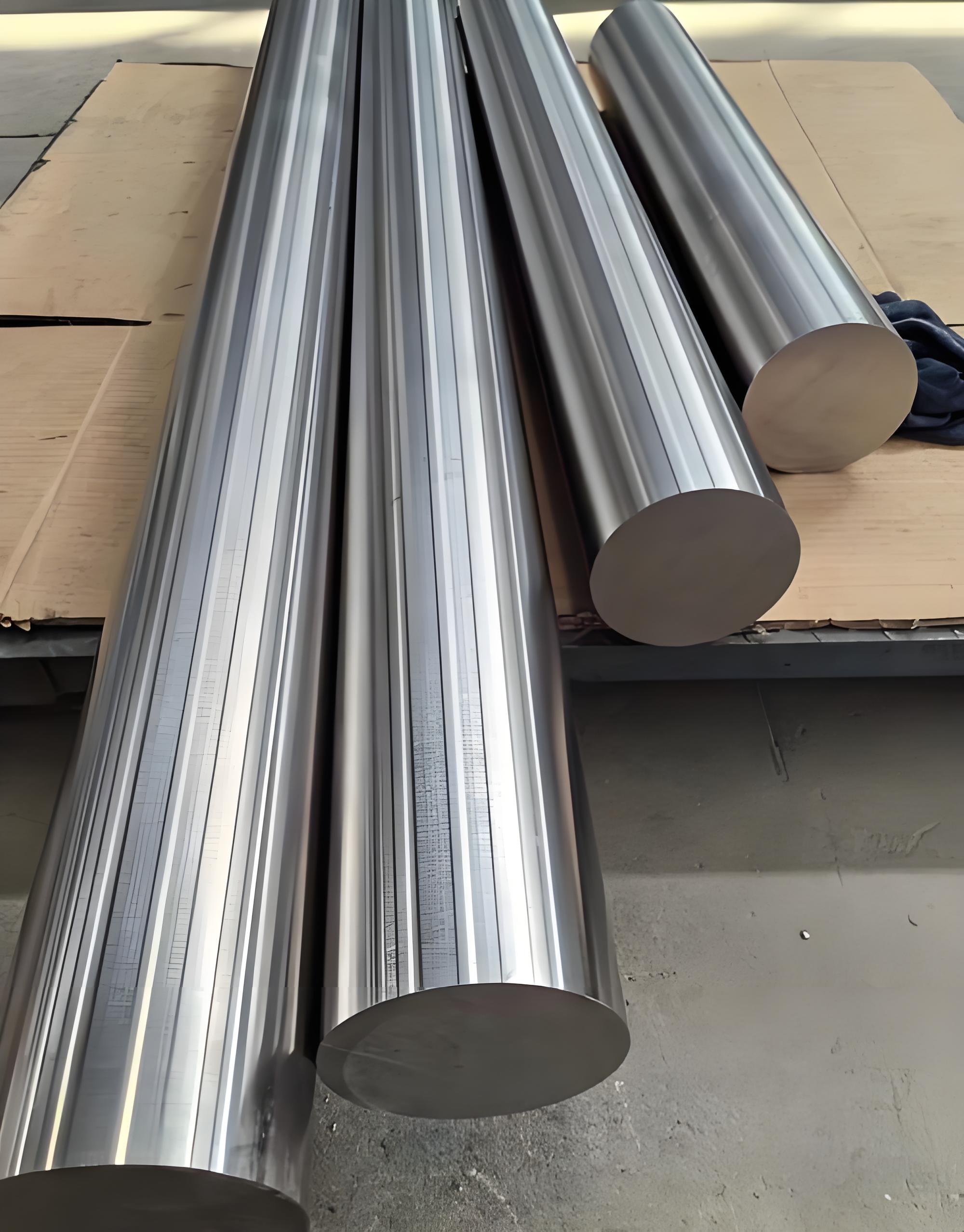
The latest Inconel 625 alloy bar price per kg depends on nickel, molybdenum, niobium, and chromium raw material costs, as well as bar diameter, manufa...
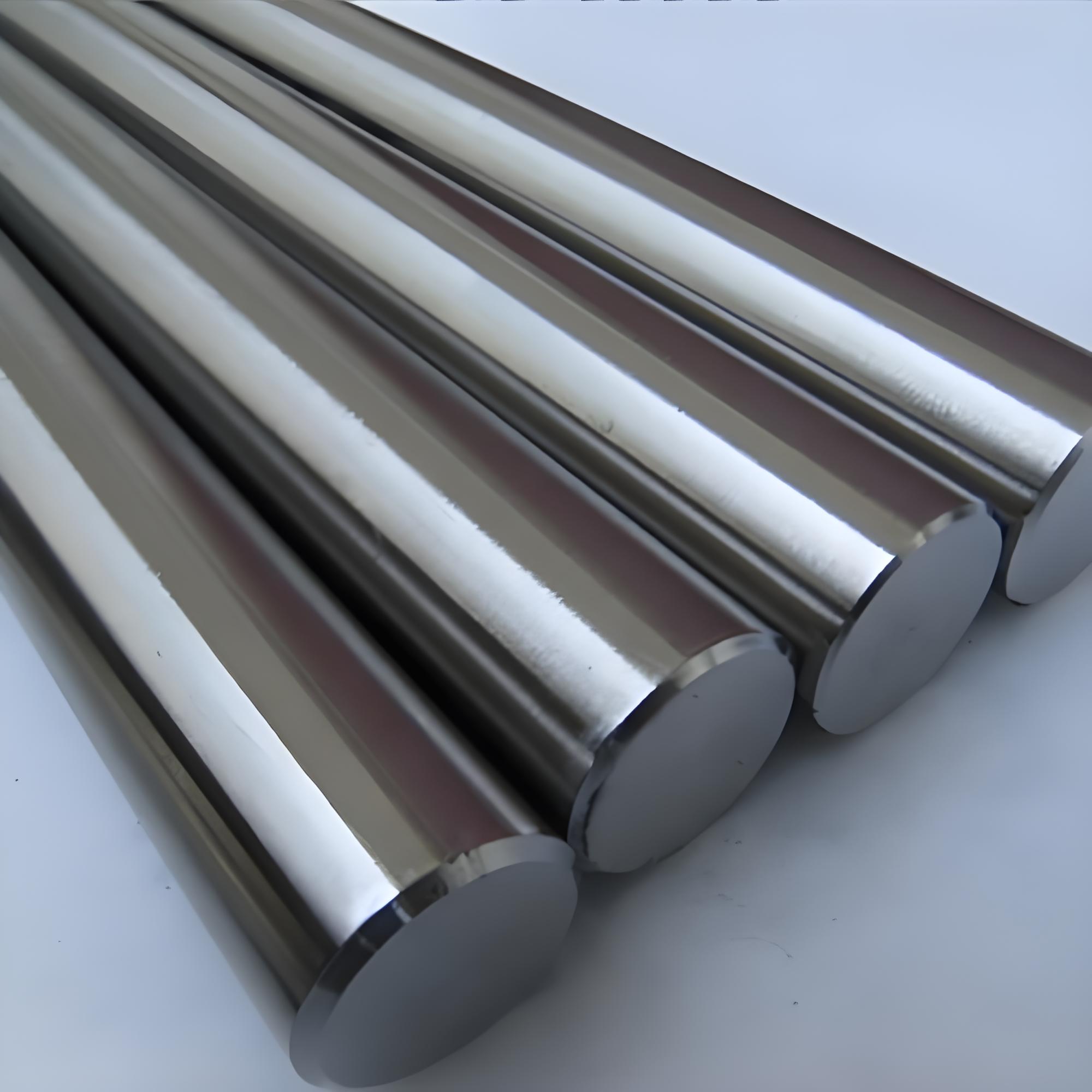
Inconel X-750 alloy bar price depends on nickel raw material cost, bar diameter, product condition, heat treatment, specification, surface finish, dim...
Inconel 602CA alloy bar price per kg is usually higher than common Inconel 600 and Inconel 601 bars because Alloy 602CA is a premium high-temperature ...
 English English
  Korean
 Arabic
 Spanish
 German
 Portuguese
 French
 Russian
 Italian
 Vietnamese