
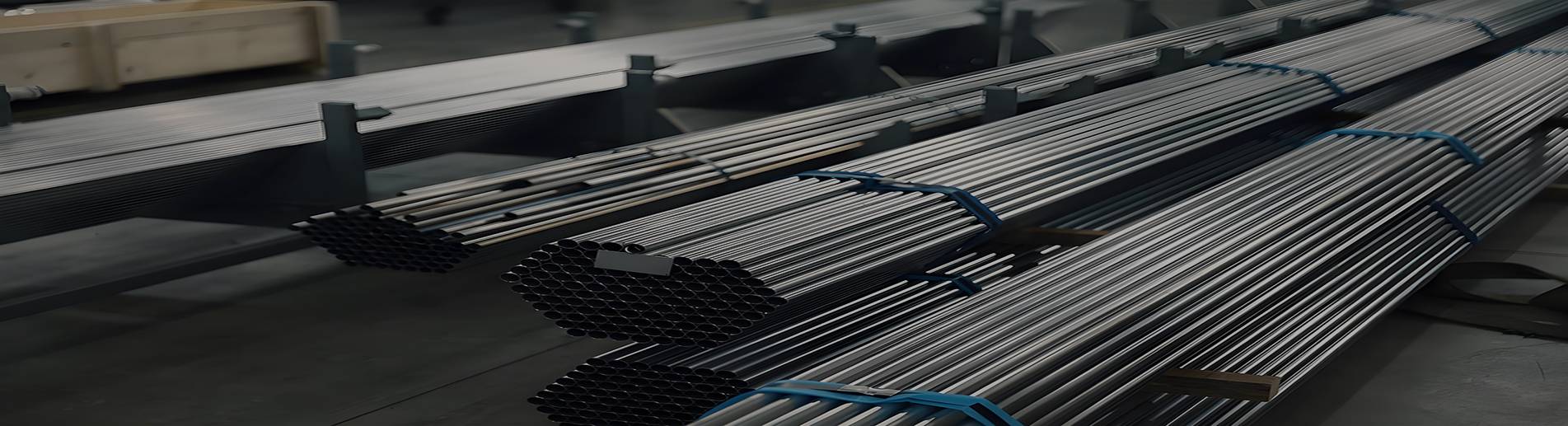
Inconel 617 alloy round bar price per kilogram
Inconel 617 alloy round bar price per kilogram is commonly about USD 45 to 90 per kg for standard industrial stock sizes. Large forged bars, small pre...
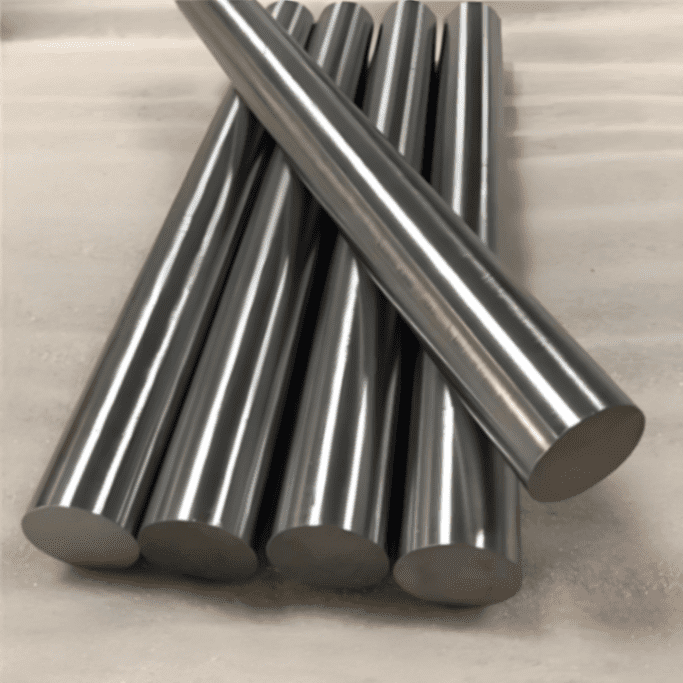
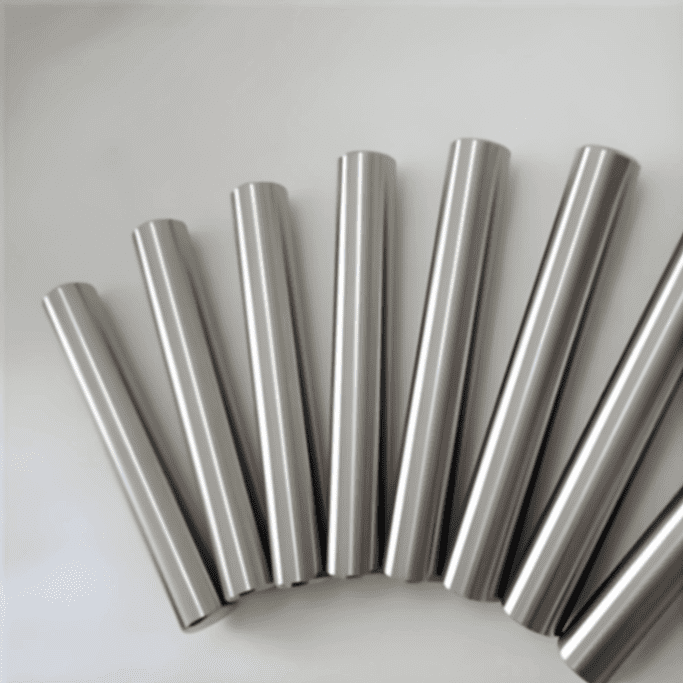
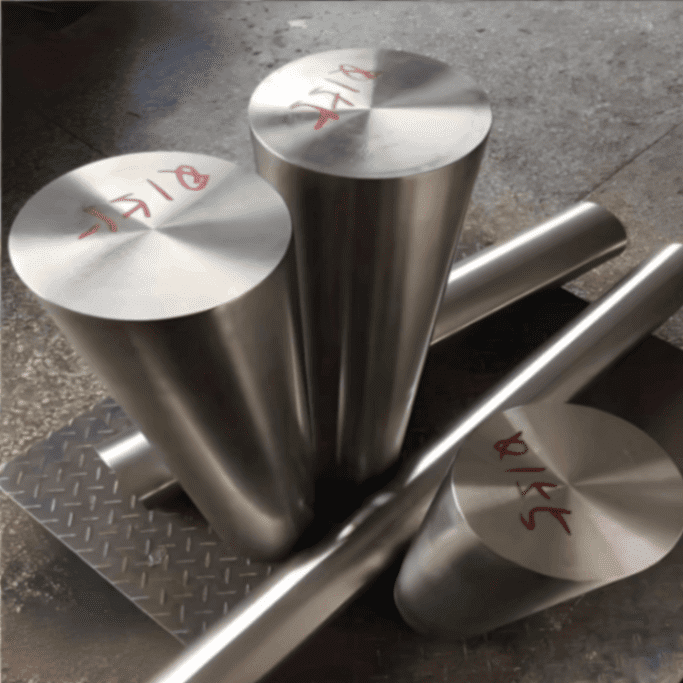
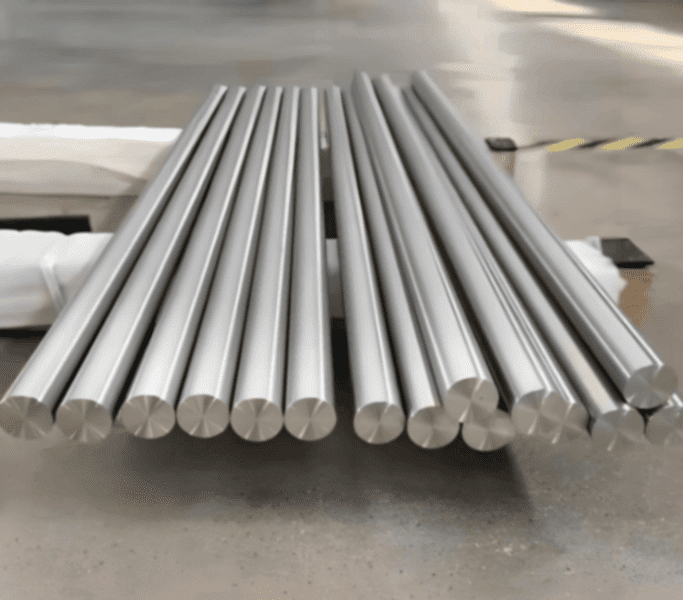
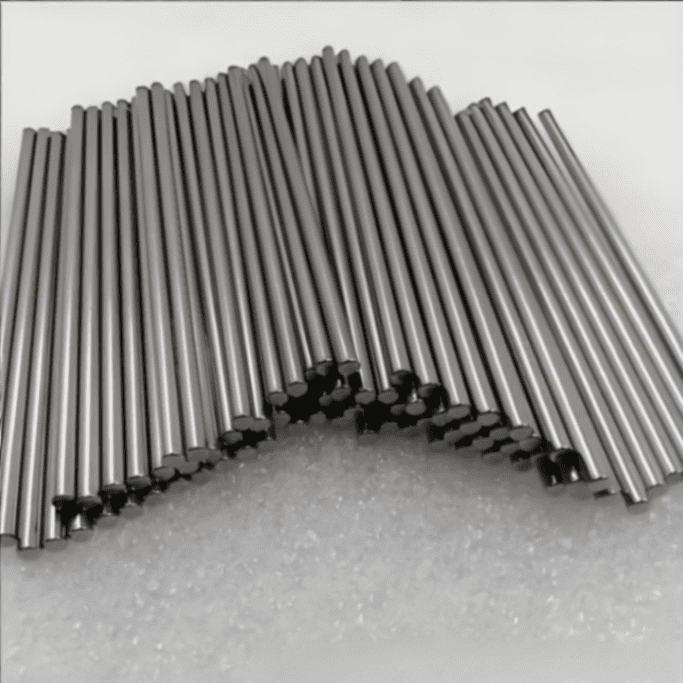
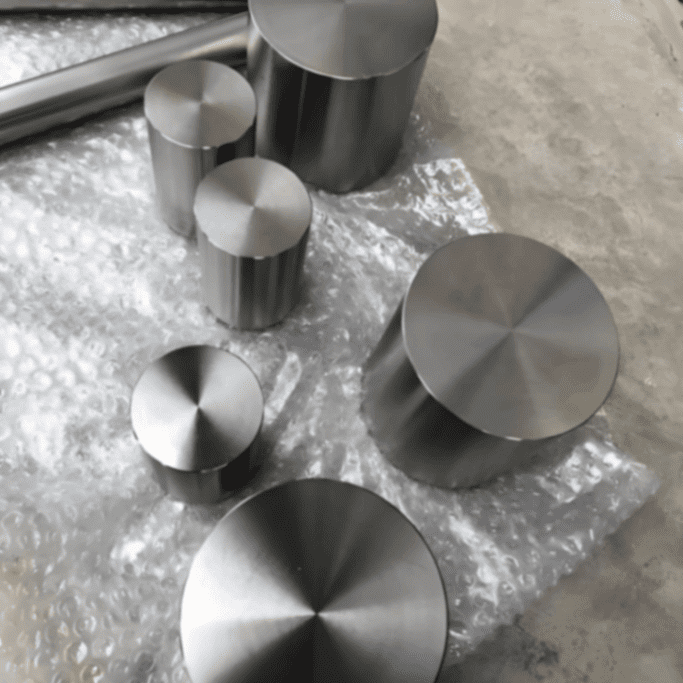
Nickel 201 is a low-carbon version of commercially pure nickel, widely used in industries requiring excellent corrosion resistance, high ductility, and stable performance at elevated temperatures. Due to its stricter chemical composition control and specialized applications, Nickel 201 typically commands a slightly higher price than Nickel 200. Understanding the price per kilogram for different product forms—such as bars, sheets, and industrial components—is essential for accurate cost estimation and procurement planning.
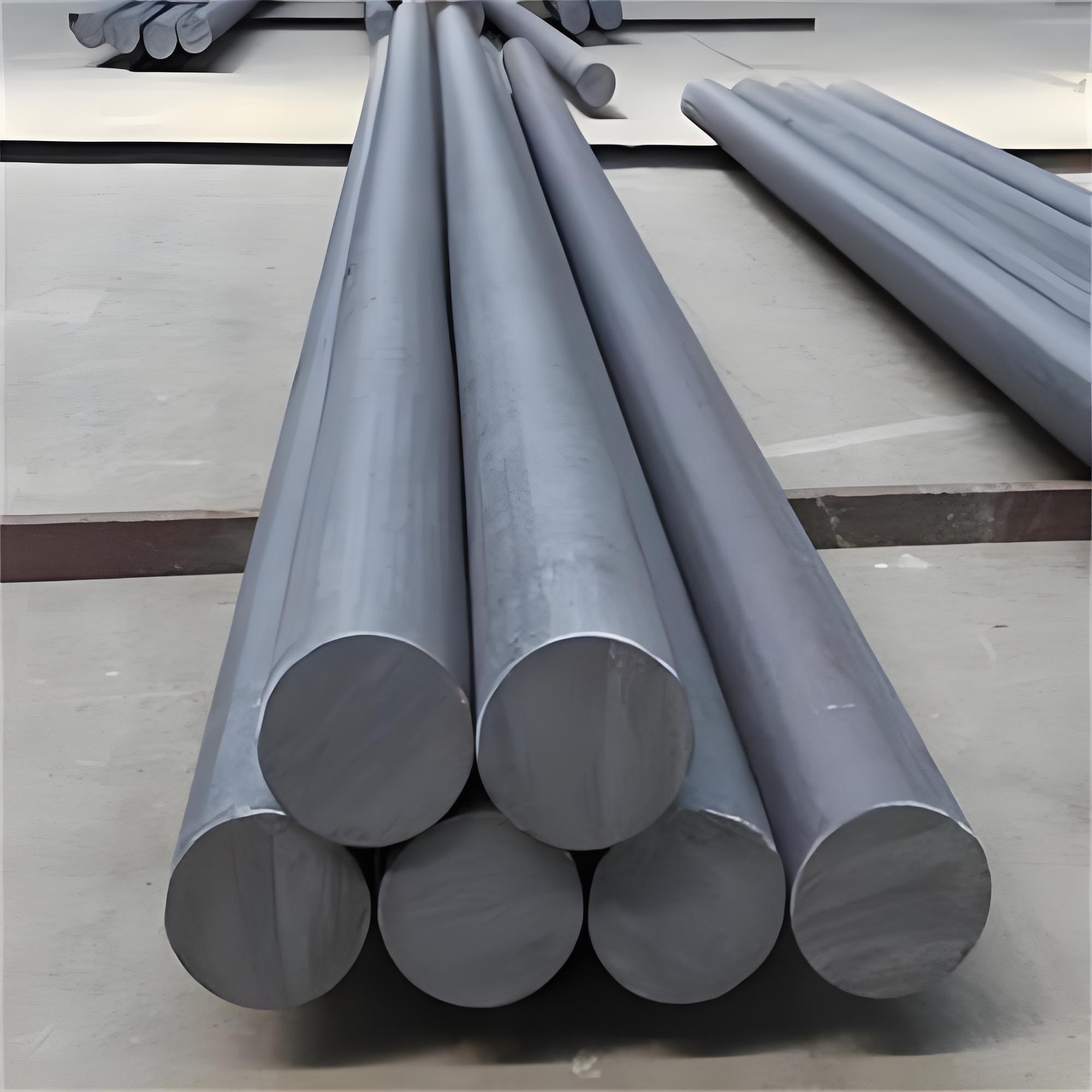
Nickel 201 (UNS N02201) is a wrought nickel alloy with a minimum nickel content of 99% and a very low carbon content (≤0.02%). This reduced carbon level prevents embrittlement at high temperatures, making it ideal for thermal and chemical processing environments.
| Product Form | Specification | Price Range (USD/kg) |
| Round Bar | 10 – 100 mm | 27 – 38 |
| Large Diameter Bar | >100 mm | 30 – 42 |
| Sheet / Plate | 2 – 50 mm thickness | 29 – 40 |
| Cold Rolled Sheet | < 2 mm | 32 – 45 |
| Industrial Components | Custom Fabrication | Quote-based |
Prices vary depending on order quantity, processing requirements, and fluctuations in global nickel markets.
1. Nickel 201 Bars
Bars are generally the most cost-effective form due to simpler manufacturing processes such as hot rolling and machining. Standard sizes are widely available, reducing production costs.
2. Nickel 201 Sheets & Plates
Sheets and plates are more expensive due to additional rolling, flattening, and surface finishing processes. Cold-rolled sheets, in particular, require tighter tolerances and higher precision, increasing the price.
3. Custom Industrial Components
Fabricated parts such as flanges, fittings, and heat exchanger components are priced higher due to machining, welding, and inspection requirements. These are typically quoted based on drawings and specifications.
1. Global Nickel Market Price
Since Nickel 201 contains over 99% nickel, its cost is directly tied to global nickel commodity prices. Market volatility can significantly impact pricing.
2. Carbon Content Control
The ultra-low carbon requirement (≤0.02%) increases refining complexity, making Nickel 201 more expensive than Nickel 200.
3. Product Form and Processing
Additional processes such as cold rolling, polishing, and precision cutting increase manufacturing costs, especially for sheets and custom components.
4. Size and Thickness
Larger diameters and thicker plates require more raw material and energy, leading to higher costs per unit.
5. Order Volume
Bulk purchases typically receive lower per kg pricing, while small or custom orders may include additional setup costs.
6. Certification and Testing
Requirements such as third-party inspection, ultrasonic testing, and material traceability can add to the overall price.
| Material | Form | Price (USD/kg) |
| Nickel 200 | Bar | 26 – 36 |
| Nickel 201 | Bar | 27 – 38 |
| Nickel 200 | Sheet | 28 – 38 |
| Nickel 201 | Sheet | 29 – 40 |
Nickel 201 is typically 3% to 10% more expensive than Nickel 200 due to its stricter composition and enhanced high-temperature performance.
– Chemical processing equipment (reactors, vessels)
– Heat exchangers and thermal systems
– Food processing equipment
– Caustic handling systems
– Electronic components
Its high purity and resistance to caustic environments make it ideal for demanding industrial applications.
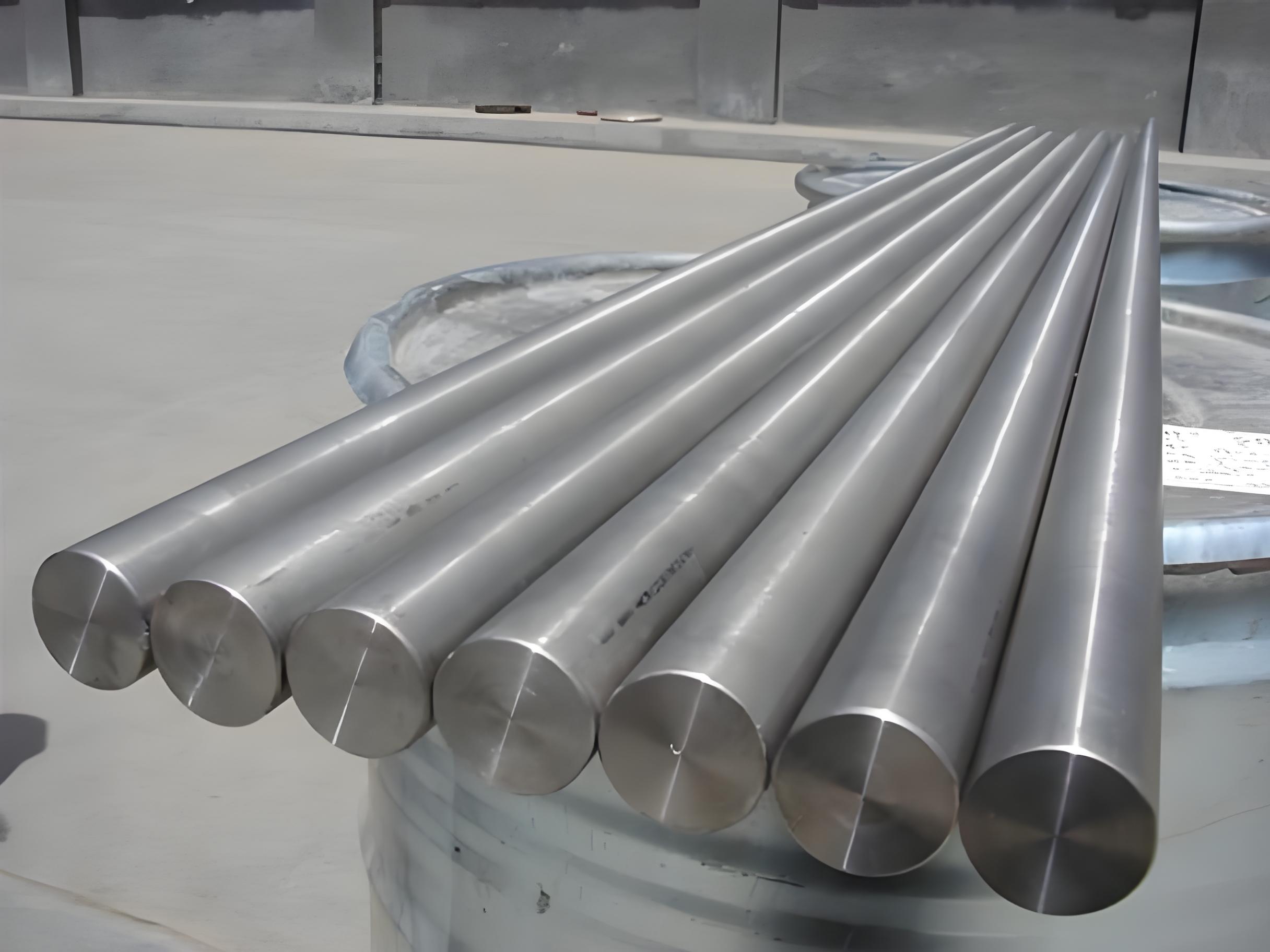
– Rising demand from electric vehicle (EV) battery production
– Fluctuations in global nickel mining supply
– Increased use in renewable energy and chemical industries
These trends contribute to ongoing price volatility, requiring buyers to monitor market conditions closely.
– Choose Nickel 200 instead of Nickel 201 when high-temperature resistance is not required
– Optimize dimensions to reduce material waste
– Order in bulk to secure better pricing
– Work with experienced suppliers for competitive quotes
What is the average price of Nickel 201 per kg?
The average price ranges from 27 to 40 USD/kg depending on product form and specifications.
Why is Nickel 201 more expensive than Nickel 200?
It has lower carbon content and requires more precise refining, increasing production costs.
Which form of Nickel 201 is most expensive?
Cold-rolled sheets and custom industrial components are typically the most expensive due to additional processing and tighter tolerances.
More from this category
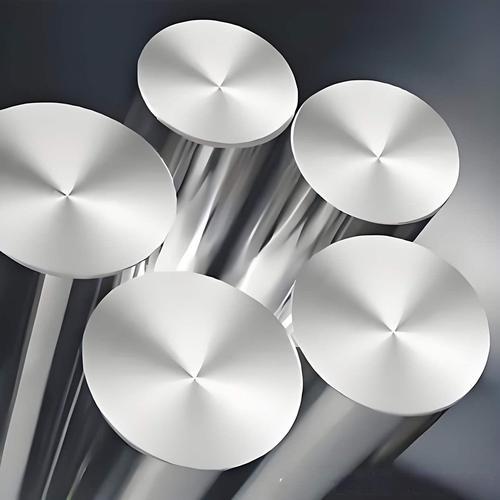
Inconel 617 alloy round bar price per kilogram is commonly about USD 45 to 90 per kg for standard industrial stock sizes. Large forged bars, small pre...
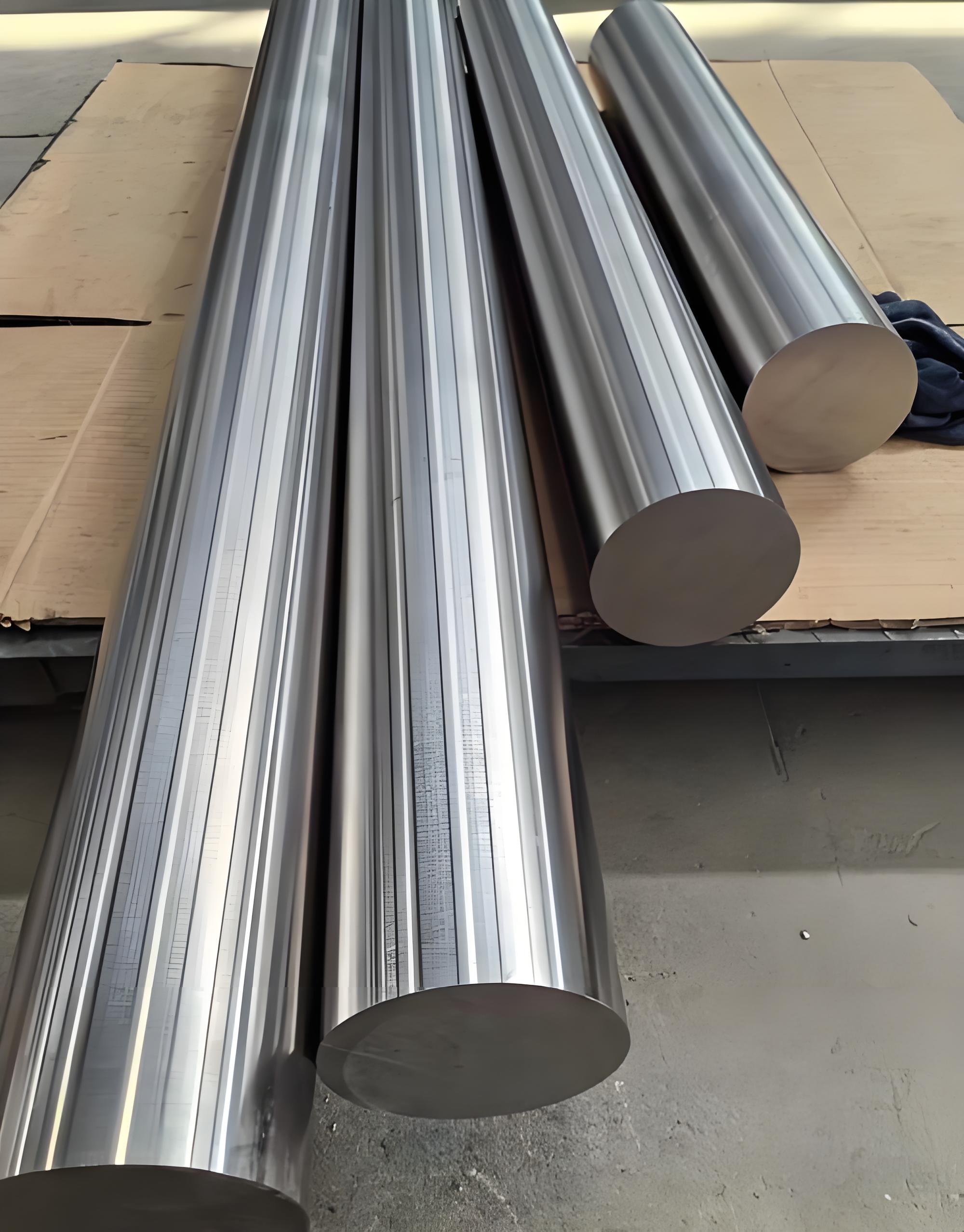
The latest Inconel 625 alloy bar price per kg depends on nickel, molybdenum, niobium, and chromium raw material costs, as well as bar diameter, manufa...
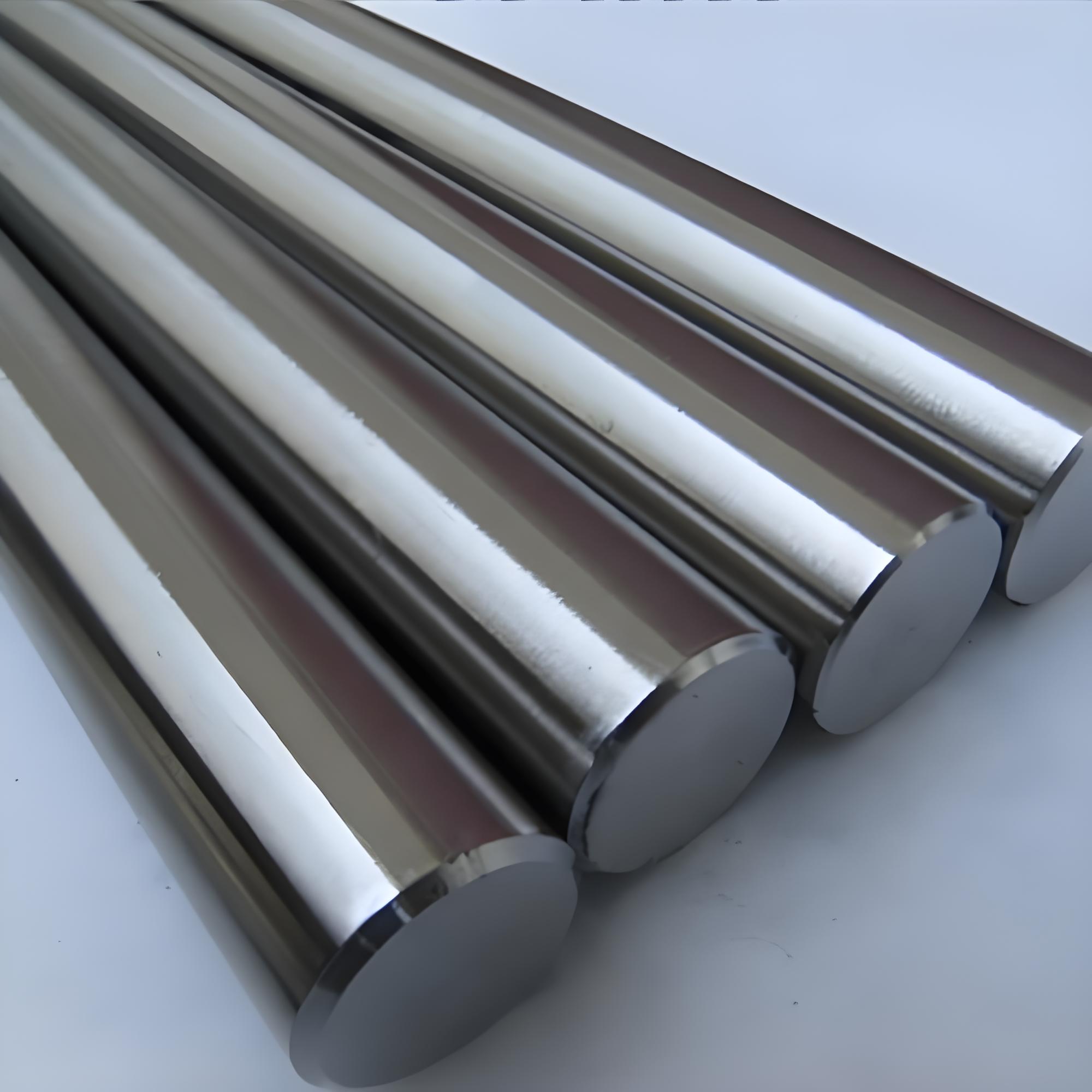
Inconel X-750 alloy bar price depends on nickel raw material cost, bar diameter, product condition, heat treatment, specification, surface finish, dim...
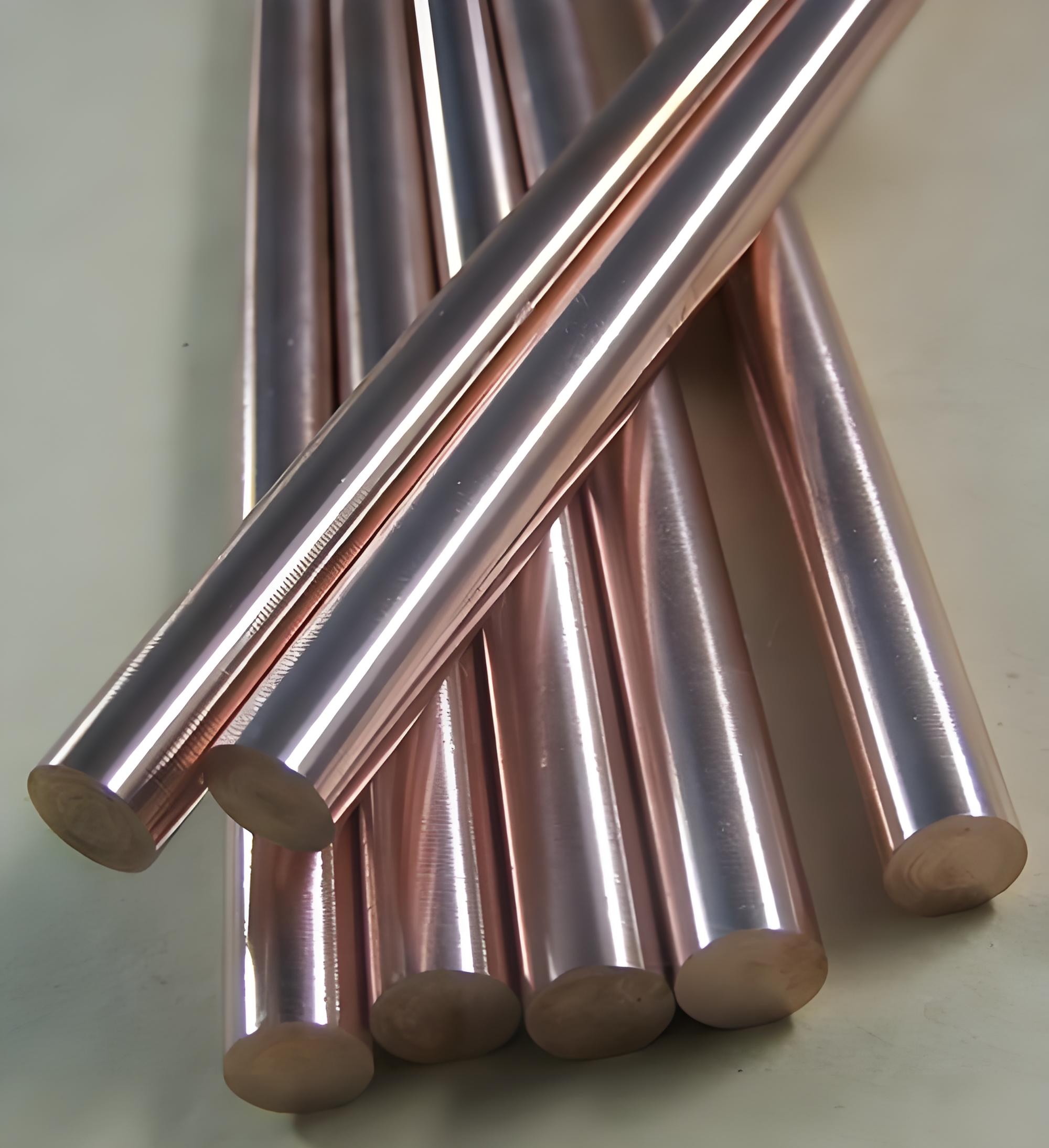
Inconel 602CA alloy bar price per kg is usually higher than common Inconel 600 and Inconel 601 bars because Alloy 602CA is a premium high-temperature ...
 English English
  Korean
 Arabic
 Spanish
 German
 Portuguese
 French
 Russian
 Italian
 Vietnamese